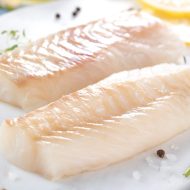
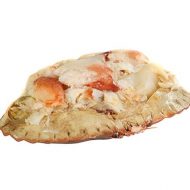
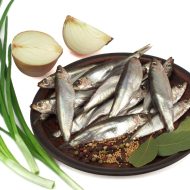
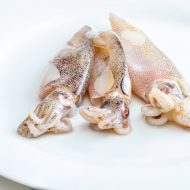
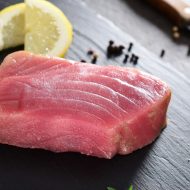
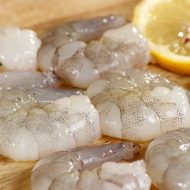
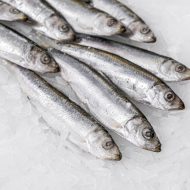
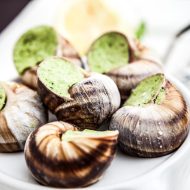
Why Buy Exotic Frozen Fish?
With exotic species, consistency matters more than romance. At Frozen Fish Direct, freezing isn’t treated as a compromise — it’s a practical quality-control tool that makes buying (and using) unfamiliar fish feel predictable. You can choose a cut that matches your pan, oven, grill or pot, and then repeat the same result next time because weights and formats are standardised rather than “whatever turned up today”.
The site’s own claim is clear: fish is filleted, packed and frozen within 3 hours of being caught, and it contrasts that with “fresh” fish that can be 3–12 days old depending on the supply chain. (Frozen Fish Direct) The point isn’t to sneer at fresh counters — it’s to be honest about time. “Fresh” is a label; it can still include transport, storage, and waiting. Freezing, done quickly and stored properly, locks in a point-in-time condition so the baseline is easier to manage and easier to buy with confidence.
Freezing slows spoilage. Cold storage protects texture. Tight packaging reduces air exposure. Portions reduce waste. Consistent weights improve cooking.
That last bit is why frozen works so well for exotic lines: you get portion control (use what you need, keep the rest), repeatability (similar pieces behave similarly), and less waste (fewer “use-it-today-or-lose-it” moments). It turns exotic fish from a one-off gamble into something you can plan for — midweek, entertaining, or whenever you want variety without the uncertainty tax.
Choose Your Cut
Portions for quick midweek cooking
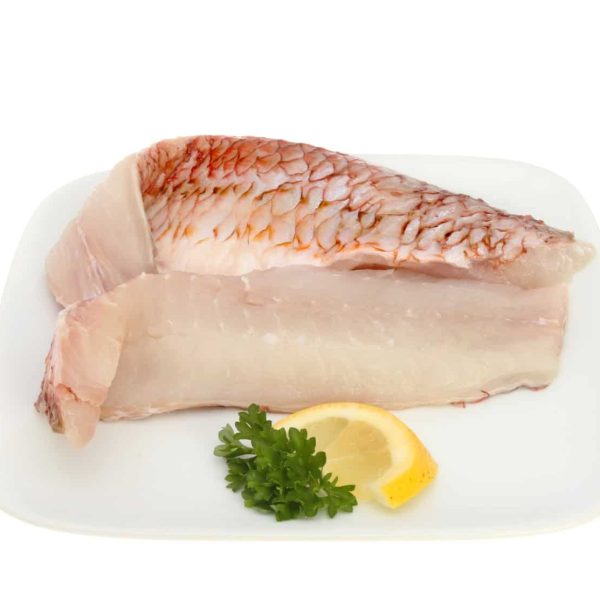
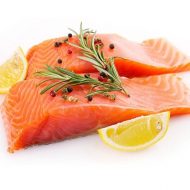
If you want exotic fish to behave like a reliable weeknight staple, start with portion cuts. They’re fast to portion mentally (one pack = one meal), easy to pan-fry or roast, and they make timing predictable when you’re juggling sides. Look for skin-on fillets when you want a crisp finish, or skinless fillets when you want clean flakes for rice bowls, tacos, or curries. Because the size band is consistent, you can repeat the same method and expect the same doneness cues. This is the “oven/pan, no drama” route.
Fillets for versatility across pan and oven
Fillets are the all-rounders: flexible enough for a hot pan, gentle enough for the oven, and friendly to sauces. If the fish is naturally lean, fillets suit butter-baste or a quick en papillote finish to protect moisture. If it’s richer, fillets tolerate a harder sear and still stay juicy. Use pin-bone removed options when you want the simplest prep, and keep belly cuts or fattier sections for dishes where richness is the point (think miso glazes, coconut broths, or spicy reductions).
Steaks and thicker cuts for high-heat confidence
When the plan is grill marks, not delicate flakes, choose steaks or other thicker cuts. They hold their shape, handle turning without breaking apart, and have a higher tolerance for high heat in a grill pan or on the barbecue. Thickness buys you forgiveness: you can build colour on the outside while keeping the centre succulent. These cuts also suit blackening spices and robust marinades where you want a strong crust and a satisfying bite.
Whole fish and “prep-it-yourself” formats
If you like control — or you’re feeding people and want to portion your own way — go for whole fish or larger format packs. This is where you choose the slice thickness, decide whether to keep skin on, and tailor portions for kids, guests, or batch prep. Whole formats also suit stock-making and broth-based dishes because you can use frames and trimmings efficiently. It’s the most hands-on route, but also the most flexible.
Speciality items for specific outcomes
Some exotic lines are best treated as “built for a job”: ready for a particular style of cooking rather than a general-purpose fillet. Think pre-cut formats for skewers, hotpots, or sashimi-style slicing (where the product description supports it). Keep it simple: match the item to the outcome, and let the cut do the heavy lifting.
Pick the Exotic Frozen Fish that matches your pan, your timing, and your appetite.
What Arrives at Your Door
Your order is handled like a cold-chain job, not a supermarket bag run. Dispatched by DPD overnight courier. That matters because speed is a temperature tool: the less time your seafood spends in transit, the easier it is to keep it properly frozen from our freezer to yours.
Each box is Packed with dry ice in a polystyrene insulated box, designed to help hold sub-zero conditions during the journey. The insulation slows heat gain from the outside world, while the dry ice provides a strong cold source that keeps the fish firm and frozen in transit. In plain terms: it’s built to reduce thaw risk, protect texture, and keep your order arriving in a “still-frozen, ready for the freezer” state.
Delivery dates are controlled to keep things realistic. Orders placed before the stated cut-off are prepared for next working day delivery on eligible days; checkout controls valid delivery dates. That means you’re choosing from dates we can actually service, rather than guessing whether a weekend, bank holiday, or regional route will behave like a normal working day. It also helps prevent the classic cold-chain failure mode: a parcel sitting around when nobody’s home to receive it.
When it arrives, treat the first two minutes as the quality moment. Open promptly, check everything is still cold and firm to the touch, then move the seafood straight into your freezer and follow the on-pack storage guidance for best results. If you’re using something soon, you can plan your defrost from there, but the priority on delivery day is keeping the product fully frozen.
Dry ice is normal in this setup, so keep it simple: avoid direct skin contact, keep the area ventilated, don’t seal dry ice in an airtight container, and keep it away from children and pets. After that, it’s just cold-chain housekeeping — the packaging does the hard work so you don’t have to.
Label-First Transparency
Buying exotic fish is only “risky” when the details are fuzzy. On frozenfish.direct, every Exotic Frozen Fish line is built around label-first transparency — the practical fields you actually need to choose with confidence, not vague sales talk.
Each product shows the buying specifics up front: the cut, the weight or pack size, and the prep details that change outcomes. Where it applies, you’ll see whether it’s shell-on or shell-off, skin-on or skinless, and boneless or pin-boned so you can match the product to your pan, your knife skills, and your timing. If the species is offered as wild or farmed, that’s shown clearly too — because it can affect fat level, texture, and how forgiving it feels when you cook it.
Origin is handled the same honest way. Some items have a consistent source, others can vary with season and availability, so we don’t make sweeping category-wide promises. When origin or catch area varies, it’s shown on the product details for that specific item, so you can decide based on what’s actually in stock, not a generic headline.
Allergens and ingredients are treated as part of the buying decision, not fine print. Exotic Frozen Fish is clearly flagged as an allergen category, and where products are cured, smoked, or otherwise prepared, ingredients are listed so you know exactly what you’re ordering.
- Cut drives cooking. Weight drives timing. Skin drives texture.
- Origin informs preference. Method informs fat level. Pack size informs value.
- Shell-on changes flavour. Shell-off changes speed. Pin-boned changes prep.
- Clear details reduce surprises. Clear labels improve repeat buys.
Storage and Defrosting
Exotic fish rewards calm handling. Treat it like a good ingredient, not a problem to solve, and it will cook like it should.
Keep your Exotic Frozen Fish frozen until you need it, and protect it from air exposure. Most lines arrive vac packed, which helps, but once a pack is opened the clock on texture starts moving. If you’re not using everything, re-wrap tightly, press out as much air as you can, and get it back into the cold quickly. Air is what turns “clean ocean taste” into freezer burn over time — those dry, pale patches that cook up tough and slightly dull. A simple habit that helps: rotate stock. Put new packs to the back and pull older packs forward, so nothing gets forgotten and dried out at the edges of the freezer.
For defrosting, the default is gentle and boring in the best way: defrost in the fridge. Keep the fish contained (in its pack or a covered tray), manage drip loss with a dish or cloth underneath, and avoid letting it sit in its own liquid. That liquid is flavour and structure leaving the fish, and it’s one of the main reasons people describe defrosted fish as “watery” or “soft”. When it’s thawed, open the pack, drain, and pat dry thoroughly — especially with skin-on pieces — because a dry surface sears better and the skin crisps instead of steaming.
Different cuts behave differently. Lean, firm fillets show their handling more: if they’re wet, they can turn soft and shed flakes too early. Fatty cuts forgive heat and tend to stay moist, but they still need a dry surface for a clean finish. If your fish is pin-boned, treat it with a little extra care when drying and moving it, so you don’t tear the flesh before it hits the pan. Many products are portionable, so you can separate what you need and keep the rest protected.
Refreezing is where it pays to be conservative. If fish has been fully thawed and sitting wet, quality drops fast on a second freeze. Follow on-pack instructions, and if you’re ever in doubt, don’t refreeze — cook it while it’s in good shape, then chill the cooked result for later instead.
Cooking Outcomes
Pan-sear and butter-baste
Start with a dry surface and a properly hot pan so the fish sears instead of steaming. Lay it in and leave it alone for the first minute or two—when it’s ready to move, it releases cleanly and the edges start to turn opaque. Skin-on pieces tell you the story: the skin tightens and crisps, the flesh turns from translucent to pearly, and the flakes separate with a gentle press. Once you’ve built colour, finish gently on lower heat so the centre stays juicy and the outside doesn’t tighten into dryness. Different species and cuts have different handling expectations, so follow the product details—thickness changes timing, fat content changes forgiveness.
Oven roast or tray bake
Roasting is the calm, repeatable option when you want clean results across mixed cuts. Use a hot tray so the underside doesn’t go soft, and aim for visual cues: the surface turns matte, the sides opacify, and the fish gives a little resistance before it flakes. Lean fillets can go from “just right” to dry quickly, so finish gently—a short rest on the tray lets carryover heat complete the centre without extra oven time. Portions are the easiest here: gentle heat, don’t overcook, rest briefly and you keep moisture where it belongs. Always match method to the product details, especially for skin-on, boneless/pin-boned, or fattier cuts.
Grill or griddle
For grill-ready pieces, the rule is simple: dry surface equals better sear and better release. Preheat hard, oil the fish (or the grates), then place and leave it alone until you see clear browning and the edges start to turn opaque. Fish that holds shape tolerates higher heat; delicate cuts need a gentler approach or a grill-safe tray to avoid tearing. Your doneness cues are smell and structure: clean, sweet aroma; firming at the thickest point; and flakes separating rather than crumbling. Again, thickness changes timing, fat content changes forgiveness, so choose the cut that suits your heat source.
Quick portions and stir-fry finish
Portions are built for midweek speed, but speed doesn’t mean blasting them. Use gentle heat, turn once, and stop when the centre is just turning opaque—overcooking shows up as chalky flakes and a tightened, dry bite. Finish with a soft glaze, a splash of sauce, or a brief covered moment off the heat rather than pushing the pan longer. Gentle finish protects moisture. Resting evens temperature. If the product details say it’s a specialty item or prepared for a specific use, follow that handling—small differences in cut and fat level change the outcome fast.
Nutrition Snapshot
Exotic Frozen Fish can sit comfortably in a practical, everyday shop because fish is, in general, a straightforward food: it’s typically protein-forward, with nutrients that come along for the ride depending on the species and how it was raised or caught. The useful bit is variability—nutrients vary by species, cut, and whether it’s wild or farmed; see product details for the specifics on each item, especially if you’re comparing similar-looking packs. Many fish are natural sources of iodine and selenium, and some species contribute vitamin D and B vitamins (including B12), but the exact profile changes a lot across “exotic” lines because you’re not dealing with one single fish type.
Fat content is the big swing factor. Some exotic species are lean and delicate, others are richer and oilier, and that affects both the nutrition profile and the cooking results. Lean cuts tend to cook “clean” and flake quickly but can turn dry if you push the heat too hard. Fattier fish is usually more forgiving: it stays juicier, carries flavour well, and tolerates higher-heat methods like griddling or grilling with a little more grace. In other words: fat level changes texture, and texture changes your margin for error.
If you’re planning meals, the category mix is part of the appeal: you can rotate different species and cuts without changing your routine—quick pan portions midweek, larger pieces for roasting, or specialist items for specific uses. As with any food choice, the goal isn’t “perfect eating”; it’s a balanced diet built from foods you actually enjoy and can cook reliably.
Use the product details to choose the fish that fits your preferences and method, and you’ll get a confident, predictable result—without needing to overthink it.
Provenance and Responsible Sourcing
Provenance is only useful if it helps you make a better choice at the point of purchase, not if it lives in vague promises. That’s why we keep it practical: we show method and origin details per product so you can choose what fits your preferences. Some people prefer wild-caught fish from a particular catch area, others prefer farmed fish for consistency, availability, or taste. The right answer depends on what you value, so the job is to make the information easy to compare—SKU by SKU.
Because this is a broad category, it can include a mix of farmed Exotic Frozen Fish, wild Exotic Frozen Fish items where stocked, and speciality lines that are prepared for specific uses. Those differences matter. “Farmed vs wild” isn’t a simple quality ladder—it’s a method choice that can affect flavour, fat level, and texture, and sometimes the seasonality of supply. Likewise, origin isn’t a marketing badge; it’s a real-world detail that can influence preference, especially if you’ve cooked certain species before and know what you like.
Where a product’s origin or catch area varies, we don’t guess or generalise. We show what applies on the product details, so you’re not buying based on category-level assumptions. The same goes for method: if it’s farmed, it’s labelled; if it’s wild-caught, it’s labelled; if it’s a speciality item with added ingredients (for example, cured or smoked lines where stocked), the ingredients and allergens are listed clearly so you can decide with confidence.
Provenance supports preference. Clear labels support trust. Evidence supports claims. If you want to make a values-based choice, you need the boring specifics—method, origin, and product type—presented in a way that’s easy to scan and compare. That’s the standard we aim to hold across the range.
Frequently Asked Questions
Is exotic frozen fish as good as fresh?
“Fresh” and “frozen” aren’t opposites so much as two different timelines. Freshness is about time and handling—how quickly the fish is processed, how cold it’s kept, and how many hours (or days) it spends moving through the supply chain. Frozen is about locking in a point in time: when seafood is processed properly and frozen promptly, you’re buying a known moment of quality rather than guessing how long something “fresh” has been in transit.
Texture and flavour can absolutely be excellent from frozen—but it’s fair to be honest about the trade-offs. Freezing can affect moisture if it’s mishandled (slow freezing, air exposure, temperature swings, or rough thawing can mean drier edges or a slightly softer bite). The fix isn’t magic, it’s process: good freezing, good packaging, and sensible defrosting habits protect quality. When fish is kept well-sealed (often vac packed) and stays properly frozen, you keep more of the clean flavour and the texture you’re actually buying for.
That’s the point of how frozenfish.direct operates: seafood is processed and frozen within hours, then shipped in insulated packaging with dry ice designed to keep it frozen on arrival. The goal isn’t to “beat fresh” as a concept—it’s to remove the uncertainty that comes from time stacking up in the supply chain, especially for more unusual species where availability and handling can vary.
For buying decisions, match the format to your plan. For midweek meals, go for portions and weight-banded packs so timing stays predictable and waste stays low. For grilling or high-heat pans, choose thicker, firmer cuts that hold shape and tolerate heat better (skin-on options can reward you with better texture when cooked well). For entertaining, look at larger pieces you can slice into your own servings or speciality lines that are ready for specific uses, so you can batch-prep without guesswork.
If you want predictable results, frozen is the easier way to make Exotic Frozen Fish a routine.
How do I defrost exotic frozen fish without it going watery?
“Watery” fish after defrosting is nearly always water management, not “bad fish”. When seafood freezes, ice crystals form inside the muscle fibres; if the freeze/thaw cycle is slow or unstable, those crystals can damage structure. Once thawed, that damage shows up as drip loss (the liquid you see in the pack), a softer bite, and a surface that refuses to sear. Defrosting too warm accelerates that liquid release, and repeated thaw/refreeze cycles make it worse every time — you’re basically squeezing texture out by physics.
The best practice flow is simple and boring (which is exactly what you want):
Start with a fridge defrost as your default. Keep the fish contained so any drip stays off other foods, and place it on a tray or in a bowl. If it’s vac packed, keep the packaging intact while it thaws — it helps limit air exposure (and reduces the chance of freezer burn flavours turning up later). Once thawed, open the pack, drain, then pat dry thoroughly with kitchen paper. That final step is the difference between “steams sadly” and “sears properly”. After that, cook with confidence: a dry surface browns faster and stays firmer.
A few cut-specific tips help:
- Portions are the easy mode. They thaw more evenly, release less liquid, and stay more portionable for timing and portion control.
- Thick fillets need more patience. Rushing them with warmth gives you a thawed outside and still-icy centre — which dumps water the moment it hits the pan. Let the fridge do the work and follow on-pack guidance where it varies by species.
- Steaks behave differently because the muscle structure is tighter and the shape is uniform. They often hold firmness well, but still benefit from being patted dry and given a moment to “settle” before high heat.
- If you’ve chosen skin-on or pin-boned cuts, dry skin is your friend: it crisps instead of turning rubbery.
As a backup, some cuts can be cooked from frozen (especially thinner portions), but the method matters — treat that as your “plan B” and lean on the separate cooking-from-frozen guidance rather than improvising.
Good defrosting is texture control.
Wild vs farmed exotic fish — what should I choose?
Wild vs farmed Exotic Fish isn’t a “good vs bad” decision — both can be excellent. The useful question is: what texture and flavour do you want in the dish you’re cooking? Origin and farming method influence the eating experience, but your pan, your sauce, and your timing usually matter more than the label on its own.
In broad terms, wild-caught fish may have a firmer bite and a more pronounced flavour, because diet and activity levels vary in natural environments. That can suit dishes where you want the fish to stand up to bold aromatics, a hot pan, or a punchier glaze. The trade-off is that wild fish can be less consistent from pack to pack: fat content and thickness can vary, which changes how forgiving it is on heat.
Farmed fish may be richer and more consistent, because farming systems can produce steadier size grades and fat levels. That consistency is handy for repeatable results — especially if you’re batch cooking, portioning, or trying to nail the same outcome every weeknight. In many cases, farmed options also tend to be more predictable on price, but price is driven by species, availability, and cut, so treat it as a tendency rather than a rule.
On frozenfish.direct, the practical way to shop is to let the product details do the heavy lifting: each item shows whether it’s wild or farmed, plus the origin/catch area where that’s relevant. That means you’re not guessing — you’re choosing with the label in front of you.
For cooking, exotic fish often rewards a slightly gentler hand. Many exotic species have delicate flakes or a naturally lean texture, so they benefit from controlled heat and moisture-friendly finishes: a quick sear then a gentle finish, or oven cooking with a sauce that protects the surface. Think: citrus butter, miso glazes, light curries, tomato-based braises, or aromatic broths. If your plan is “high heat, minimal sauce,” you might lean toward cuts (and fish) that stay firm and tolerate heat better; if your plan is “gentle cook + sauce,” you can prioritise flavour and richness.
You’ll see the range shift over time — the category may include wild Exotic Fish items and farmed Exotic Fish items, plus speciality lines that are ready for specific uses.
Choose by cooking method first, then by origin and method.
Which exotic frozen fish cut should I buy for my plan?
Your plan matters more than the name on the fish. Exotic Frozen Fish covers a wide mix of species and cuts, so the fastest way to choose is to start with how you’ll cook it, then use two outcome levers to lock in results: thickness and skin. Thicker cuts take longer, stay juicier, and forgive a gentler finish; thinner cuts cook fast but punish distraction. Skin-on can mean crisp texture and moisture protection, while skinless is quicker to portion, easier to sauce, and simpler for mixed dishes.
Here’s the cut-first way to shop:
Weeknight meals → portions. Look for portioned fillets, steaks, or pre-cut pieces when available. Predictable sizing means predictable cooking, and smaller thickness bands help you avoid the “over on one side, under on the other” problem. Portions are also ideal for quick pan or oven cooking when you want one pack to cover one meal without leftovers turning into fridge mysteries.
Grilling → grill-ready cuts (where available). Choose thicker steaks or robust fillets that hold shape and tolerate higher heat. Skin-on is a bonus on a grill: it acts like a natural barrier, helping the flesh stay together and giving you that crisp edge when the surface is dry. If it’s skinless, go thicker and handle gently — a fish basket or foil tray can help.
Entertaining → larger fillets, sides, or mixed packs. Bigger pieces give you cleaner presentation, easier timing, and the option to finish with a glaze or sauce at the end. If you’re serving a table, thickness is your friend: it buys you a wider “perfect window” so you’re not sprinting between hob and guests.
Prep-it-yourself → whole Exotic Frozen Fish. Whole fish is for people who like control: trim, portion, and choose your own cut style. It’s also the best route if you want to practise knife work, customise portion size, or use bones for stock (where applicable).
Special occasions → smoked/cured lines. If you want maximum flavour with minimal cooking stress, smoked or cured items are “ready for a specific use” — think canapés, platters, salads, pasta finishes, or a luxe brunch spread. Keep it simple and let the label guide how it’s intended to be served.
If you only buy one thing: start with portion-cut fillets (preferably skin-on if you like crisp finishes). They’re the most flexible cut for pan or oven and the easiest way to learn what you like across different exotic species without wasting product.
Pick the cut that matches your heat source and your timing.
Can I cook exotic frozen fish from frozen?
Yes, often you can — but method matters. Cooking Exotic Frozen Fish straight from frozen can work really well when you’re short on time, but the outcome depends on two things: thickness and surface moisture. Frozen fish tends to carry a thin film of ice and extra surface water; that moisture has to evaporate before browning can happen, which is why a direct, ripping-hot sear can disappoint (or scorch) before the middle is ready. More forgiving methods — oven, air-fryer, or a covered pan — give the heat time to travel through the flesh while the surface dries out.
A practical frozen-to-cooked approach is simple and calm. Remove all packaging first (never cook it in the bag unless the product guidance explicitly says you can). If there’s visible surface ice, rinse it off quickly under cold water, then pat the fish very dry with kitchen paper — especially the skin side if it’s skin-on. Start with gentler heat so the centre can warm through without the outside tightening too fast; in the oven or air-fryer, that usually means beginning in a more moderate setting and letting the fish cook through steadily. Once the fish looks mostly opaque and the edges are starting to firm up, finish hotter for colour: a short blast in the air-fryer, a quick uncovered finish in the oven, or a fast final sear in a pan. You’re looking for cues like a surface that stops looking wet, flesh that turns opaque, and flakes that separate cleanly with light pressure (or feels springy and firm for steak cuts).
There are times not to do it. If you’ve got a very thick piece and you want a perfect, crisp sear, defrosting first gives you better control — otherwise you’ll often choose between a pale surface or an over-done exterior. Also, speciality cured/smoked products (or anything that’s intended to be eaten without cooking) should follow the product guidance exactly — those items don’t behave like raw fillets, and the label matters.
When in doubt, follow the on-pack instructions and adjust to thickness — because thickness changes timing. Frozen-to-oven is the weeknight cheat code when you need Exotic Frozen Fish now.
How long does exotic frozen fish last, and how do I avoid freezer burn?
Frozen fish can stay safe to eat for a long time when it’s kept properly frozen — but quality and safety aren’t the same thing. Safety is about staying frozen and uncontaminated; quality is about how the fish eats when you cook it. Over time, even in a good freezer, delicate flesh can slowly dry out or pick up freezer smells, and that’s when you start noticing changes in texture and flavour. The most reliable guide is always the on-pack storage guidance, because different species, cuts, and packaging formats hold up differently.
Freezer burn is the big quality-killer, and it’s not mysterious — it’s basically dehydration caused by air exposure. When cold, dry freezer air gets to the surface of the fish, moisture migrates out of the flesh and ice crystals can form on the surface. What it looks like: dry, pale or greyish patches, sometimes with a slightly “frosted” look; what it feels like after cooking: tougher, drier bites and less clean flake. It’s not usually dangerous on its own, but it can make great fish taste… tired.
Avoiding it is mostly about controlling air, pressure, and stability:
- Keep packs sealed until you’re ready to use them. If you open a pack and don’t use everything, minimise trapped air before resealing (or rewrap tightly).
- Minimise air exposure in general — don’t leave loose portions unwrapped in the freezer “for later”.
- Store flat where you can. Flat packs freeze and stay cold more evenly, and they’re less likely to get crushed or split.
- Rotate stock: older packs to the front, newer to the back. That simple habit prevents “mystery fillets from 2024”.
- Keep the freezer stable. Big temperature swings (lots of door-opening, overstuffing, or a warm freezer) encourage ice crystals and texture damage.
This is where your packaging does real work. Many frozenfish.direct products are vacuum packed, which helps because removing air reduces dehydration and slows down quality loss. Vacuum packs aren’t magic, but they’re a strong head start — especially when you keep everything properly sealed and consistently frozen.
Good packaging and steady cold are what keep Exotic Frozen Fish tasting like Exotic Frozen Fish.