Why Buy Frozen Black Cod?
Frozen Black Cod (also known as sablefish) is one of those rare fish where freezing isn’t a compromise — it’s a control system. When you buy frozen, you’re buying consistency: predictable portion sizes, stable quality, and far less “use-it-now” pressure in the fridge. That matters with Black Cod because its texture is delicate and its fat content is part of the magic; time and temperature swings are what dull that magic.
Fresh fish can still be excellent, but “fresh” often means “has travelled through a longer chain.” Hours become days across landing, grading, packing, transport, and retail handling. Frozen flips that timeline: the fish is brought down to a stable, very cold state at a known point, so you’re cooking from a controlled baseline rather than a moving target. Frozenfish.direct also describes their Black Cod as flash-frozen immediately after catch — in practical terms, that means the goal is to lock in quality early (often within hours), before the slow creep of texture change and flavour loss can add up.
- Freezing slows spoilage.
- Cold storage protects texture.
- Vacuum packs reduce air exposure.
- Portions reduce waste.
- Consistent weights improve planning.
It’s also simply easier to run a kitchen when your stock behaves. You can keep a few weight bands in the freezer, pull what you need, and avoid trimming losses and last-minute substitutions. For restaurants, caterers, and serious home cooks, frozen Black Cod is less about “convenience” and more about repeatable results and better yield per pack.
Choose Your Cut
Fillets
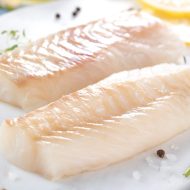
Frozen Black Cod fillets are the all-rounders: clean, versatile, and easy to take in different directions. If you want that signature sablefish richness with minimal fuss, fillets give you plenty of surface area for a crisp finish while keeping the centre luxuriously moist. They suit quick midweek cooking because you can portion them down further, adjust thickness to your pan, and choose your preferred skin-on or skinless format depending on what’s available. Fillets also work across styles: a gentle oven roast, a fast pan-sear, or a glaze-led finish where the natural oils carry flavour beautifully.
Portions
Portions are the “repeatable results” option. They’re cut for predictable sizing, which means portion control is simple and cooking times are easier to hit consistently — especially useful if you’re working to a tight schedule or feeding different appetites. Because the weights are standardised, portions are great for meal planning and for cooks who want less trimming and less guesswork. If you like consistent plating and clean yield, portions do the job with minimal waste.
Steaks
Black Cod steaks are built to hold their shape. With the bone-in cross-cut format (where stocked), steaks handle higher heat with a bit more tolerance than thinner cuts, making them a confident choice for a grill pan or a hard sear without the piece collapsing. You still get that buttery mouthfeel, but with a slightly more structured bite and a natural “frame” that helps the flesh stay together during cooking. Steaks are also a smart pick for bold marinades and glaze work because the cut can take on strong flavours without being overwhelmed.
Whole side or large fillet
A whole side (or large fillet) is for big-ticket cooking: entertaining, batch prep, and anyone who likes control. You can slice your own portions to match your preferred thickness, keep a centre-cut section for premium plates, and use thinner tail sections for faster cooking. This format is also ideal for smoking, curing projects, and long, gentle roasting where the fat content does the heavy lifting. If you like to work with a fishmonger’s mindset at home, this is the cut that gives you the most flexibility.
Whole fish and speciality cuts
Whole gutted Black Cod is for people who want to prep it themselves — breaking down into loins, belly sections, and trim for broths or miso-style preparations. You can roast it whole for drama, slice into thick portions, or cut down into smaller sections depending on your pan size and serving plan. If speciality lines are stocked — smoked/cured formats, gravadlax-style prep, or sashimi-cut portions — treat them as purpose-built options: ready for specific uses where the cut and prep are already matched to the outcome.
Pick the cut that matches your pan, your timing, and your appetite.
What Arrives at Your Door
Your Black Cod is handled like frozen fish should be handled: as a cold-chain product, not a “hope for the best” parcel. Dispatched by DPD overnight courier. It’s then Packed with dry ice in a polystyrene insulated box, which matters for a simple reason: insulation slows heat gain, and dry ice provides a powerful cold source during transit. Together, they’re designed to help keep the fish frozen from despatch to doorstep, so what you receive matches the quality we packed.
Delivery timing is kept practical and accurate. Orders placed before the stated cut-off are prepared for next working day delivery on eligible days, and the checkout controls the valid delivery dates you can choose from. That means you’re not guessing whether a date “should” work — the available options shown at checkout are the options we can support for that order and that delivery route, based on working days and service availability.
When your box arrives, the first steps are straightforward. Open it promptly so you can check the contents and get everything back into stable cold storage quickly. Move the Black Cod straight into your freezer and follow the on-pack storage guidance for best results. If you plan to use it soon, keep it frozen until you’re ready to thaw or cook, so you stay in control of texture and finish.
You may notice dry ice in the box or a fog-like vapour when you open it — that’s normal, and it’s simply the dry ice turning into gas. Treat it with calm, basic care: avoid direct skin contact, let the area ventilate, don’t seal dry ice in an airtight container, and keep it away from children and pets. Once you’ve transferred your fish to the freezer, close the box and allow any remaining dry ice to dissipate safely in a well-ventilated space.
The outcome you’re aiming for is simple: fish that arrives properly frozen, cleanly packed, and ready to store with confidence.
Label-First Transparency
Black Cod is a fish you buy with your eyes and your plan — so the product details need to do real work, not hand-wave. On frozenfish.direct, each Black Cod line is presented with the practical buying fields that help you choose with confidence: the cut, the weight/pack size, and (where relevant) whether it’s skin-on or skinless, and boneless or pin-boned. If a product is offered as wild or farmed (where applicable), that’s shown clearly at item level so you’re not guessing what you’re paying for.
Because Black Cod can come from different supply routes depending on the specific line, we avoid sweeping promises that don’t help you. When origin or catch area varies by item, it’s shown on the product details for that product — exactly where it matters, exactly when you’re choosing. The same approach applies to processing specifics that affect how it behaves in the pan: you’ll see what you’re actually buying, not a category-wide claim that can’t be true for every SKU.
Allergen information is treated as part of the buying decision, not an afterthought. Fish is clearly flagged as an allergen on product pages. For smoked, cured, or speciality products, you’ll also see ingredients listed where relevant, so you know whether you’re buying pure fish or a prepared item with seasoning, cure, or added components.
- Cut drives cooking. Weight drives timing. Skin drives texture.
- Origin informs preference. Method informs fat level. Pack size informs value.
- Pin-boned reduces prep. Portions reduce waste. Fillets increase versatility.
The result is simple: you can compare products quickly, pick the Black Cod that fits your method, and check the details that matter before you add to basket.
Storage and Defrosting
Think of Frozen Black Cod like a “paused” ingredient. Keep it paused until you’re ready to cook, and it will behave like it should: rich, clean, and properly flaky rather than watery and soft. The main rule is simple — keep it frozen, keep it sealed, keep it protected from air. Most packs are vac packed, which helps a lot, but once a seal is broken the fish is more exposed. Air exposure is what drives freezer burn: dry patches, dull colour, and a tougher bite. If you’re not using the whole pack, re-wrap tightly to minimise air contact and get it back into the freezer promptly.
Storage is also about routine. Make space so packs can lie flat, avoid crushing, and keep your freezer organised. Rotate stock with a “older packs forward” habit so nothing gets forgotten at the back. Black Cod is naturally fatty, which helps with tenderness, but good storage is what keeps that fat feeling silky rather than stale.
For defrosting, a calm hierarchy works best. Fridge defrost is the default because it’s gentle on texture and gives you control. Keep the fish contained while it thaws — still in the vac pack if intact, or in a covered dish if opened — so you can manage moisture and keep your fridge tidy. Expect some drip loss as ice crystals melt; that’s normal, and it’s exactly why you don’t want the fish sitting in its own liquid. When it’s thawed, open the pack carefully, drain any liquid, then pat dry the surface before cooking. A drier surface gives you a cleaner sear, better skin crisping on skin-on pieces, and less steaming in the pan.
If you need a faster option, choose formats that are naturally more portionable — smaller portions thaw more evenly — but the same principles apply: keep it contained, manage drip, and pat dry.
On refreezing, stay conservative. If a pack has fully thawed, has sat in liquid, or you’re not confident how it’s been handled, don’t refreeze. When in doubt, cook it instead and follow the on-pack instructions for storage guidance. Black Cod’s fatty cuts forgive heat better than very lean fish, but they don’t forgive careless thawing — good handling is what preserves firmness, clean flake, and that rich, buttery bite.
Cooking Outcomes
Crisp skin (skin-on)
Start with a dry surface, because dry surface equals better sear. Put a heavy pan on properly hot heat, add a thin film of oil, then lay the skin-on Black Cod in skin-side down and leave it alone — no nudging, no flipping early, just let the skin render and crisp. You’re looking for skin that goes from pale and soft to golden, glassy, and lightly blistered, and you’ll see the flesh change from translucent to opaque creeping up the sides. Flip briefly to kiss the flesh side, then finish gently so the centre stays juicy; gentle finish protects moisture. The fish is ready when it flakes with light pressure but still looks satiny, not dry and chalky.
Oven-roast fillet
Oven roasting is the “reliable outcome” method for fillets and larger pieces. Use a hot tray so the underside starts cooking straight away, and don’t drown the fish in liquid — you want roast heat, not steaming. Watch the sides: the flesh turns opaque, the layers separate slightly, and the surface looks moist rather than wet. Thickness changes timing, so trust cues over the clock: when a fork slides in with mild resistance and the centre looks just set, pull it. Resting helps here too — resting evens temperature and finishes the centre without pushing it into overcooked territory.
Pan-fry portions
Portions reward control. Use medium to medium-high heat, and aim for steady cooking that keeps the centre juicy rather than blasting the outside dry. You’ll know it’s close when the portion feels bouncy instead of raw-soft, and the flakes start to separate cleanly at the thickest point. Don’t overcook: Black Cod has a rich, fatty texture, but once it tips too far it can turn from silky to dry at the edges. Give it a short rest off the heat so the moisture settles and the bite stays tender.
Grill steaks
Steaks are built for higher heat and bold surfaces. They hold shape well, and fat content changes forgiveness, so you can push for colour without instantly drying the centre. Grill hot, turn with intent, and watch the edges: they go opaque first and the surface takes on char while the middle stays glossy. The sweet spot is a centre that’s still juicy and supple, with edges that flake when pressed. Skin changes crisp, so if your steak is skin-on, treat the skin like a “crisp-first” project and let it render properly before you chase grill marks.
Cured, smoked, or sashimi-style Black Cod products have different handling expectations, so follow the product details for how they’re intended to be used.
Nutrition Snapshot
Black Cod is an oily fish with a naturally rich texture, and it’s typically chosen by people who want something protein-rich that still eats tender and luxurious. Like other oily fish, Black Cod is commonly associated with omega-3 fats — the kind of fats people often look for when they’re trying to build fish into a sensible weekly rotation without turning dinner into a health sermon.
Keep the details grounded, though: nutrients vary by species, by cut, and by whether a fish is wild or farmed, and any curing or smoking changes what’s in the pack. That’s why the most reliable place to check the specifics is always the individual product details for the exact Black Cod you’re buying — the portion size, the skin-on/skinless prep, and any added ingredients (for speciality lines) matter.
From a buying and cooking point of view, Black Cod’s fat content is part of the appeal. That richness helps it stay moist and forgiving, especially in fillets and portions, and it’s one reason it’s so well-suited to high-impact outcomes like crisp skin with a juicy centre. Thickness changes timing, but that natural richness can give you a wider “tender window” before the fish tips into dry.
The simplest way to think about it is this: Black Cod is a flavour-forward, oily, protein-rich option that can sit comfortably inside a balanced diet, alongside a mix of other proteins and plenty of vegetables and grains — no drama required.
If you want a fish that eats indulgent, cooks predictably, and still feels like a smart staple to keep in the freezer, Black Cod is an easy choice.
Provenance and Responsible Sourcing
Provenance matters with Black Cod because “Black Cod” can cover different supply realities, and the details are what let you buy with confidence. That’s why we keep it practical: we show method and origin details per product so you can choose what fits your preferences. When those fields vary between items, we don’t blur it into a category-wide promise — we keep it SKU-specific, exactly where it belongs.
Depending on what’s in stock, this category may include farmed Black Cod, Black Cod fillets and portions, and wild Black Cod items where they’re available, alongside speciality lines such as smoked or cured products. Those formats can come from different producers and routes to market, so “responsibly sourced” isn’t something you should have to take on faith — it should be something you can verify item by item, using the information shown on the listing.
Look for the buying fields that actually help you decide: origin, production method (for example, wild or farmed where applicable), and any handling notes that are relevant to the product type. For smoked or cured lines, you’ll also see ingredients and the practical label details you need to assess what’s in the pack. If a product carries an extra claim (for example a particular sourcing standard), it needs to be supported on that specific product — not implied across everything.
Provenance supports preference. Clear labels support trust. Evidence supports claims.
The goal is simple: you shouldn’t have to guess. Use the product details to choose the Black Cod that matches your cooking plans, your taste, and the sourcing information you care about.
Frequently Asked Questions
Is frozen black cod as good as fresh?
“Fresh” is a word that gets used like a guarantee, but the real comparison is time and handling. Fresh fish is only as “fresh” as the cold chain that carried it — how quickly it was chilled, how consistently it stayed cold, and how many hours (or days) it spent moving through packing, transport, and storage. Frozen Black Cod is different: it’s about locking in a specific point in time, then keeping it there until you’re ready to cook.
Done well, frozen Black Cod can be every bit as satisfying as fresh, especially for day-to-day cooking. The flavour and richness you want from Black Cod comes from the fish itself — and freezing, when managed properly, helps preserve that character instead of letting time blur it. Where people get disappointed is usually mishandling: if fish is exposed to air (freezer burn), repeatedly warmed and re-cooled, or defrosted carelessly, you can end up with extra moisture, softer texture, and less clean browning. Good packaging and sensible defrosting protect quality: vacuum-packed portions reduce air exposure, fridge defrosting helps limit drip loss, and patting the surface dry before cooking improves sear and skin crisping.
That’s also why process matters. At frozenfish.direct, Black Cod is processed and frozen within hours, then shipped in a way that’s designed to keep it properly frozen: dispatched by DPD overnight courier, packed with dry ice in a polystyrene insulated box. The goal is simple — keep the product in a stable frozen state right up to your freezer, so you’re working with fish that behaves predictably in the pan or oven.
For buying, match the cut to the job. If you want easy midweek wins, portions are the most forgiving: consistent size, fast cooking, minimal waste. If you’re grilling or using higher heat, steaks hold their shape and handle the intensity well. For hosting, a large fillet or whole side gives you that “centre-of-the-table” feel — roast, glaze, then slice into your own portions.
Fresh has its place. Frozen has a superpower: repeatability. If you want predictable results, frozen is the easier way to make Black Cod a routine.
How do I defrost frozen black cod without it going watery?
Watery Black Cod usually isn’t a “bad fish” problem — it’s a thawing and moisture-management problem. When fish freezes, water inside the flesh forms ice crystals. If those crystals grow large (slow freezing, temperature swings, or a freezer that warms up when the door’s opened a lot), they can disrupt the muscle structure. When you defrost, that loosened water leaks out as drip loss, leaving the surface wet and the texture softer. The other big culprits are too-warm defrosting (countertop thawing encourages rapid melt and more leakage) and thaw/refreeze cycles, which repeatedly damage the structure and push more moisture out each time.
The best way to stay in control is boring — and boring is good:
Start with a fridge defrost as your default. Keep the fish contained so any liquid doesn’t sit on the flesh: place it on a plate or tray, ideally on a small rack or folded kitchen paper so it’s not soaking in its own meltwater. If your Black Cod is vacuum packed, keep the packaging intact while it defrosts unless the pack is damaged — it reduces air exposure and helps the fish defrost more evenly. Once defrosted, open the pack, drain any liquid, then pat the fish dry with kitchen paper. This one step is the difference between steaming and searing. From there, cook with confidence: a dry surface browns, crisp skin crisps, and the centre stays juicy.
Cut matters, too. Portions are the easiest to get right because they defrost evenly and don’t hold a big, cold core. Thick fillets and whole-side pieces need more patience: the outside can feel soft while the centre is still firm, so give them time to defrost through properly and don’t rush them in warm air. Steaks behave differently again: they’re thicker and more structured, so they can tolerate stronger heat, but they still benefit from a dry surface so the edges colour nicely instead of weeping.
If you’re short on time, you can cook some Black Cod from frozen as a backup — it’s workable, especially with portions — but it needs method and a gentler approach (we cover that separately).
Good defrosting is texture control.
Wild vs farmed black cod — what should I choose?
Wild vs farmed Black Cod isn’t a “good vs bad” choice — it’s a preference-and-dish choice. Both can be excellent. The trick is knowing what differences tend to show up, then matching them to how you like to cook and eat.
Farmed Black Cod is often chosen for consistency. Farming can produce more predictable sizing, fat levels, and year-round availability, which makes planning easier. That consistency can be a real advantage if you want repeatable results: same cut, similar thickness, similar cooking behaviour week to week. Flavour is typically clean and mild-to-rich depending on the product, and texture tends to be reliably tender. Price can be more stable, too — not always “cheap,” but often less volatile than wild supply.
Wild Black Cod may offer more variation — sometimes in a good way. Wild fish can have more flavour nuance and a texture that some people describe as a touch firmer or more “structured,” but it’s less uniform: size, fat level, and eating quality can vary more across landings and seasons. That’s not a flaw; it just means you’re buying something a bit closer to nature’s dice roll. Price is also more likely to move around because supply is less controllable.
The biggest practical difference most cooks notice is fat level, because fat changes everything: mouthfeel, juiciness, and how forgiving the fish is in the pan. As a general guide, fatter Black Cod is more forgiving — it stays juicy more easily and handles higher heat without drying out as fast. Leaner fish benefits from gentler cooking and a little help from sauces, glazes, or basting to protect moisture and boost richness.
So how do you decide when you’re browsing? Start with what you’re making, then check the label. On frozenfish.direct, the product details show whether an item is wild or farmed and where it comes from, so you’re not guessing at category level. You may see listings that may include wild Black Cod items, may include farmed Black Cod items, and common formats like Black Cod fillets — each suited to different kitchens.
If you want a shortcut that works: choose by cooking method first, then by origin and method.
Which black cod cut should I buy for my plan?
Your best Black Cod cut depends less on “what’s fanciest” and more on what you’re trying to do on Tuesday night (or Saturday night). Think of each cut as a tool: it has a shape, a thickness, and sometimes skin — and those things determine how predictable the result will be.
For weeknight meals, go for portions or skinless fillets. Portions are the most “low-friction” option: predictable sizing, quicker to portion out, and easier to cook without overthinking. Skinless fillets keep things simple when you’re aiming for flaky, saucy, or bowl-style dishes where crisp skin isn’t the main event.
For grilling, pick steaks and, where available, skin-on cuts. Steaks hold their shape better on grill bars and tolerate higher heat more confidently than thinner fillets. Skin-on pieces can add protection and flavour, and if you’re finishing in a pan after grilling, skin gives you that crispable surface that makes Black Cod feel restaurant-level without the theatre.
For entertaining, the move is a whole side or large fillet. It’s easier to serve beautifully, easy to slice into neat portions at the table, and it suits oven-roasting, glazing, or smoking. This cut also lets you control portion size: thick centre cuts for people who want indulgence, slimmer end pieces for lighter plates.
For prep-it-yourself cooks, a whole gutted fish is the blank canvas. You can break it down into your own steaks, fillets, or roasting sections depending on your kit and confidence. This is where value and control can show up — you’re trading convenience for flexibility.
For special occasions, consider smoked/cured lines when stocked. They’re “ready for a specific use” and feel instantly elevated — more platter, less pan. Just follow the product details because handling expectations differ from raw frozen cuts.
Two levers matter more than anything else: thickness and skin. Thickness controls how quickly the centre cooks; thicker pieces are more forgiving but need steadier heat. Skin controls texture and protection; skin-on can crisp and shield the flesh, while skinless is more straightforward for sauced dishes.
If you only buy one thing: Black Cod portions. They’re the most versatile, the most predictable, and the easiest way to make Black Cod a repeatable habit.
Pick the cut that matches your heat source and your timing.
Can I cook black cod from frozen?
Yes — often you can cook Black Cod from frozen, but the method matters.
The big reason is physics, not mystery: thickness controls how long the centre takes to cook, and surface moisture controls whether you get a proper sear or a pale steam-session. When a frozen piece hits a hot pan, the outside sheds water as it thaws. That water cools the pan and blocks browning. That’s why direct, high-heat searing from frozen is usually the hardest route, especially for thicker fillets and skin-on pieces where you’re chasing crisp texture.
The more forgiving options are oven roasting, an air-fryer, or a covered pan. They let heat penetrate steadily so the middle can catch up before the outside turns dry. A practical “do it now” flow looks like this in real life: take the fish out, remove all packaging, and separate pieces if they’re portioned. If there’s heavy surface ice or frost, rinse it off quickly (you’re not soaking it — just clearing the ice), then pat the fish dry with kitchen paper. From there, start with gentler heat so the fish thaws and cooks through more evenly, then finish hotter at the end to firm the surface, drive off lingering moisture, and improve colour. With skin-on, the finish stage is where you give the skin its best chance to tighten and crisp — but only if you’ve kept the surface dry and avoided crowding.
A couple of “don’t do it” moments are worth respecting. If you’re cooking a very thick piece and you want a perfect pan sear, cooking from frozen can fight you: the outside can overwork while the centre is still catching up. In that case, a fridge defrost is the cleaner path to a restaurant-style finish. Also, speciality lines need their own rules: cured, smoked, or sashimi-style products should always follow the product guidance, because their intended use and handling expectations aren’t the same as raw frozen fillets or steaks.
Done right, cooking from frozen gives you control, less mess, and fewer last-minute decisions — especially with portions where thickness is predictable.
Frozen-to-oven is the weeknight cheat code when you need Black Cod now.
How long does frozen black cod last, and how do I avoid freezer burn?
Frozen Black Cod will stay safe to eat for a long time when it’s kept properly frozen, but quality is a separate story. Safety is mostly about temperature control and preventing contamination. Quality is about what happens to texture and flavour over time — even in a freezer, slow changes can still dull that “clean, buttery” Black Cod eating experience. So instead of chasing a magic deadline, treat frozen storage like a freshness dial: the steadier and more protected the fish is, the better it will eat when you cook it. Always use the on-pack storage guidance as your final reference, because it’s specific to that product and pack format.
The main quality enemy is freezer burn. Despite the name, it isn’t heat — it’s dehydration caused by air exposure. When cold, dry freezer air pulls moisture from the fish surface, and that moisture can sublimate (shift from ice to vapour) over time. You’ll spot freezer burn as dry, pale patches, a duller colour, and sometimes a slightly rough, leathery surface. Cooked, that can show up as tougher texture or a “dryer” bite, especially on thinner edges.
Avoiding it is mostly about reducing air contact and avoiding temperature swings:
- Keep packs sealed until you’re ready to use them. If you open a pack and don’t use it all, rewrap tightly to minimise trapped air.
- Minimise air exposure in storage: press out excess air in secondary bags or use an airtight container if the original seal is broken.
- Store flat where possible, so the fish freezes and stays evenly cold, and packs don’t get crushed and split.
- Rotate stock: put newer packs behind older ones, so you naturally use the oldest first.
- Keep the freezer stable: frequent door opening and warm items added on top can cause small thaw/refreeze cycles that hurt texture.
This is where your packaging matters. Many frozenfish.direct products arrive vacuum packed, which helps a lot because removing air reduces the chance of dehydration and surface damage. Your job is simply not to undo that advantage once it’s in your freezer.
Good packaging and steady cold are what keep Black Cod tasting like Black Cod.
{
"@context": "https://schema.org",
"@type": "FAQPage",
"@id": "https://frozenfish.direct/exotic-frozen-fish/black-cod-headed-gutted-1-8-2-2g/#FAQPage",
"mainEntity": [{
"@type": "Question",
"name": "Is frozen black cod as good as fresh?",
"acceptedAnswer": {
"@type": "Answer",
"text": "“Fresh” is a word that gets used like a guarantee, but the real comparison is time and handling. Fresh fish is only as “fresh” as the cold chain that carried it — how quickly it was chilled, how consistently it stayed cold, and how many hours (or days) it spent moving through packing, transport, and storage. Frozen Black Cod is different: it’s about locking in a specific point in time, then keeping it there until you’re ready to cook.
Done well, frozen Black Cod can be every bit as satisfying as fresh, especially for day-to-day cooking. The flavour and richness you want from Black Cod comes from the fish itself — and freezing, when managed properly, helps preserve that character instead of letting time blur it. Where people get disappointed is usually mishandling: if fish is exposed to air (freezer burn), repeatedly warmed and re-cooled, or defrosted carelessly, you can end up with extra moisture, softer texture, and less clean browning. Good packaging and sensible defrosting protect quality: vacuum-packed portions reduce air exposure, fridge defrosting helps limit drip loss, and patting the surface dry before cooking improves sear and skin crisping.
That’s also why process matters. At frozenfish.direct, Black Cod is processed and frozen within hours, then shipped in a way that’s designed to keep it properly frozen: dispatched by DPD overnight courier, packed with dry ice in a polystyrene insulated box. The goal is simple — keep the product in a stable frozen state right up to your freezer, so you’re working with fish that behaves predictably in the pan or oven.
For buying, match the cut to the job. If you want easy midweek wins, portions are the most forgiving: consistent size, fast cooking, minimal waste. If you’re grilling or using higher heat, steaks hold their shape and handle the intensity well. For hosting, a large fillet or whole side gives you that “centre-of-the-table” feel — roast, glaze, then slice into your own portions.
Fresh has its place. Frozen has a superpower: repeatability. If you want predictable results, frozen is the easier way to make Black Cod a routine."
}
}, {
"@type": "Question",
"name": "How do I defrost frozen black cod without it going watery?",
"acceptedAnswer": {
"@type": "Answer",
"text": "Watery Black Cod usually isn’t a “bad fish” problem — it’s a thawing and moisture-management problem. When fish freezes, water inside the flesh forms ice crystals. If those crystals grow large (slow freezing, temperature swings, or a freezer that warms up when the door’s opened a lot), they can disrupt the muscle structure. When you defrost, that loosened water leaks out as drip loss, leaving the surface wet and the texture softer. The other big culprits are too-warm defrosting (countertop thawing encourages rapid melt and more leakage) and thaw/refreeze cycles, which repeatedly damage the structure and push more moisture out each time.
The best way to stay in control is boring — and boring is good:
Start with a fridge defrost as your default. Keep the fish contained so any liquid doesn’t sit on the flesh: place it on a plate or tray, ideally on a small rack or folded kitchen paper so it’s not soaking in its own meltwater. If your Black Cod is vacuum packed, keep the packaging intact while it defrosts unless the pack is damaged — it reduces air exposure and helps the fish defrost more evenly. Once defrosted, open the pack, drain any liquid, then pat the fish dry with kitchen paper. This one step is the difference between steaming and searing. From there, cook with confidence: a dry surface browns, crisp skin crisps, and the centre stays juicy.
Cut matters, too. Portions are the easiest to get right because they defrost evenly and don’t hold a big, cold core. Thick fillets and whole-side pieces need more patience: the outside can feel soft while the centre is still firm, so give them time to defrost through properly and don’t rush them in warm air. Steaks behave differently again: they’re thicker and more structured, so they can tolerate stronger heat, but they still benefit from a dry surface so the edges colour nicely instead of weeping.
If you’re short on time, you can cook some Black Cod from frozen as a backup — it’s workable, especially with portions — but it needs method and a gentler approach (we cover that separately).
Good defrosting is texture control."
}
}, {
"@type": "Question",
"name": "Wild vs farmed black cod — what should I choose?",
"acceptedAnswer": {
"@type": "Answer",
"text": "Wild vs farmed Black Cod isn’t a “good vs bad” choice — it’s a preference-and-dish choice. Both can be excellent. The trick is knowing what differences tend to show up, then matching them to how you like to cook and eat.
Farmed Black Cod is often chosen for consistency. Farming can produce more predictable sizing, fat levels, and year-round availability, which makes planning easier. That consistency can be a real advantage if you want repeatable results: same cut, similar thickness, similar cooking behaviour week to week. Flavour is typically clean and mild-to-rich depending on the product, and texture tends to be reliably tender. Price can be more stable, too — not always “cheap,” but often less volatile than wild supply.
Wild Black Cod may offer more variation — sometimes in a good way. Wild fish can have more flavour nuance and a texture that some people describe as a touch firmer or more “structured,” but it’s less uniform: size, fat level, and eating quality can vary more across landings and seasons. That’s not a flaw; it just means you’re buying something a bit closer to nature’s dice roll. Price is also more likely to move around because supply is less controllable.
The biggest practical difference most cooks notice is fat level, because fat changes everything: mouthfeel, juiciness, and how forgiving the fish is in the pan. As a general guide, fatter Black Cod is more forgiving — it stays juicy more easily and handles higher heat without drying out as fast. Leaner fish benefits from gentler cooking and a little help from sauces, glazes, or basting to protect moisture and boost richness.
So how do you decide when you’re browsing? Start with what you’re making, then check the label. On frozenfish.direct, the product details show whether an item is wild or farmed and where it comes from, so you’re not guessing at category level. You may see listings that may include wild Black Cod items, may include farmed Black Cod items, and common formats like Black Cod fillets — each suited to different kitchens.
If you want a shortcut that works: choose by cooking method first, then by origin and method."
}
}, {
"@type": "Question",
"name": "Which black cod cut should I buy for my plan?",
"acceptedAnswer": {
"@type": "Answer",
"text": "Your best Black Cod cut depends less on “what’s fanciest” and more on what you’re trying to do on Tuesday night (or Saturday night). Think of each cut as a tool: it has a shape, a thickness, and sometimes skin — and those things determine how predictable the result will be.
For weeknight meals, go for portions or skinless fillets. Portions are the most “low-friction” option: predictable sizing, quicker to portion out, and easier to cook without overthinking. Skinless fillets keep things simple when you’re aiming for flaky, saucy, or bowl-style dishes where crisp skin isn’t the main event.
For grilling, pick steaks and, where available, skin-on cuts. Steaks hold their shape better on grill bars and tolerate higher heat more confidently than thinner fillets. Skin-on pieces can add protection and flavour, and if you’re finishing in a pan after grilling, skin gives you that crispable surface that makes Black Cod feel restaurant-level without the theatre.
For entertaining, the move is a whole side or large fillet. It’s easier to serve beautifully, easy to slice into neat portions at the table, and it suits oven-roasting, glazing, or smoking. This cut also lets you control portion size: thick centre cuts for people who want indulgence, slimmer end pieces for lighter plates.
For prep-it-yourself cooks, a whole gutted fish is the blank canvas. You can break it down into your own steaks, fillets, or roasting sections depending on your kit and confidence. This is where value and control can show up — you’re trading convenience for flexibility.
For special occasions, consider smoked/cured lines when stocked. They’re “ready for a specific use” and feel instantly elevated — more platter, less pan. Just follow the product details because handling expectations differ from raw frozen cuts.
Two levers matter more than anything else: thickness and skin. Thickness controls how quickly the centre cooks; thicker pieces are more forgiving but need steadier heat. Skin controls texture and protection; skin-on can crisp and shield the flesh, while skinless is more straightforward for sauced dishes.
If you only buy one thing: Black Cod portions. They’re the most versatile, the most predictable, and the easiest way to make Black Cod a repeatable habit.
Pick the cut that matches your heat source and your timing."
}
}, {
"@type": "Question",
"name": "Can I cook black cod from frozen?",
"acceptedAnswer": {
"@type": "Answer",
"text": "Yes — often you can cook Black Cod from frozen, but the method matters.
The big reason is physics, not mystery: thickness controls how long the centre takes to cook, and surface moisture controls whether you get a proper sear or a pale steam-session. When a frozen piece hits a hot pan, the outside sheds water as it thaws. That water cools the pan and blocks browning. That’s why direct, high-heat searing from frozen is usually the hardest route, especially for thicker fillets and skin-on pieces where you’re chasing crisp texture.
The more forgiving options are oven roasting, an air-fryer, or a covered pan. They let heat penetrate steadily so the middle can catch up before the outside turns dry. A practical “do it now” flow looks like this in real life: take the fish out, remove all packaging, and separate pieces if they’re portioned. If there’s heavy surface ice or frost, rinse it off quickly (you’re not soaking it — just clearing the ice), then pat the fish dry with kitchen paper. From there, start with gentler heat so the fish thaws and cooks through more evenly, then finish hotter at the end to firm the surface, drive off lingering moisture, and improve colour. With skin-on, the finish stage is where you give the skin its best chance to tighten and crisp — but only if you’ve kept the surface dry and avoided crowding.
A couple of “don’t do it” moments are worth respecting. If you’re cooking a very thick piece and you want a perfect pan sear, cooking from frozen can fight you: the outside can overwork while the centre is still catching up. In that case, a fridge defrost is the cleaner path to a restaurant-style finish. Also, speciality lines need their own rules: cured, smoked, or sashimi-style products should always follow the product guidance, because their intended use and handling expectations aren’t the same as raw frozen fillets or steaks.
Done right, cooking from frozen gives you control, less mess, and fewer last-minute decisions — especially with portions where thickness is predictable.
Frozen-to-oven is the weeknight cheat code when you need Black Cod now."
}
}, {
"@type": "Question",
"name": "How long does frozen black cod last, and how do I avoid freezer burn?",
"acceptedAnswer": {
"@type": "Answer",
"text": "Frozen Black Cod will stay safe to eat for a long time when it’s kept properly frozen, but quality is a separate story. Safety is mostly about temperature control and preventing contamination. Quality is about what happens to texture and flavour over time — even in a freezer, slow changes can still dull that “clean, buttery” Black Cod eating experience. So instead of chasing a magic deadline, treat frozen storage like a freshness dial: the steadier and more protected the fish is, the better it will eat when you cook it. Always use the on-pack storage guidance as your final reference, because it’s specific to that product and pack format.
The main quality enemy is freezer burn. Despite the name, it isn’t heat — it’s dehydration caused by air exposure. When cold, dry freezer air pulls moisture from the fish surface, and that moisture can sublimate (shift from ice to vapour) over time. You’ll spot freezer burn as dry, pale patches, a duller colour, and sometimes a slightly rough, leathery surface. Cooked, that can show up as tougher texture or a “dryer” bite, especially on thinner edges.
Avoiding it is mostly about reducing air contact and avoiding temperature swings:
Keep packs sealed until you’re ready to use them. If you open a pack and don’t use it all, rewrap tightly to minimise trapped air.
Minimise air exposure in storage: press out excess air in secondary bags or use an airtight container if the original seal is broken.
Store flat where possible, so the fish freezes and stays evenly cold, and packs don’t get crushed and split.
Rotate stock: put newer packs behind older ones, so you naturally use the oldest first.
Keep the freezer stable: frequent door opening and warm items added on top can cause small thaw/refreeze cycles that hurt texture.
This is where your packaging matters. Many frozenfish.direct products arrive vacuum packed, which helps a lot because removing air reduces the chance of dehydration and surface damage. Your job is simply not to undo that advantage once it’s in your freezer.
Good packaging and steady cold are what keep Black Cod tasting like Black Cod."
}
}],
"isPartOf": {
"@id": "https://frozenfish.direct/frozen-cod/black-cod-fillets-220-260gram/#Article"
}
}
.centerdiv{float:none;margin:0 auto}
.sseo_faqs{counter-reset:faq-counter}
.sseo_faqs .sseo_faqcont .sseo_faqtitle{color:#ffffff!important; background:#2d7ccb!important;}
.sseo_faqs .sseo_faqcont .sseo_faqtitle:before{background:#000000!important;color:#ffffff!important;}
.sseo_faqs .sseo_faqcont .sseo_faqtitle:before{counter-increment:faq-counter;content:"Q" counter(faq-counter);position:absolute;top:0;bottom:0;left:0;width:48px;height:auto;font-size:20px;line-height:52px;text-align:center;font-family:"Aparajita", sans-serif;font-weight:600}
.sseo_faqs, .sseo_faqcont{position:relative;float:left;width:100%;margin-bottom:12px;text-align:left}
.sseo_faqs .sseo_faqtitle{font-family:inherit!important; font-weight:inherit!important;position:relative;float:left;width:100%;padding:12px 45px 12px 58px!important;cursor:pointer;font-weight:500; font-size: 20px; color:var(--main-color);}
.sseo_faqs .sseo_faqtitle:after{content:"";background:url(/wp-content/plugins/sseo_schema/inc/img/down-arrow.svg)no-repeat;background-size:20px;font-family:FontAwesome;position:absolute;top:50%;transform:translateY(-50%);right:10px;font-size:22px;line-height:32px;width:30px;height:30px;text-align:center;border-radius:100%;transition-duration:.5s;box-shadow:0px 0px 10px 0px #9e9e9e}
.sseo_faqs .sseo_faqtitle.f_open:after{line-height:28px;color:#ffffff;border:2px solid #ffffff;transform:translateY(-50%) rotate(180deg);transition-duration:.5s}
.sseo_faqs .sseo_faqdet{background:#ffffff!important; position:relative;float:left;width:100%;margin:0;padding:20px;border:1px solid#ffffff!important;border-top:none;display:none;}
.sseo_faqs .sseo_faqdet *:last-child, .sseo_faqs .sseo_faqcont:last-child{padding-bottom:0;margin-bottom:0}
.sseo_faqs .sseo_faqtitle{background:#f9f9f9}
.sseo_faqs .sseo_faqtitle{margin:0 !important}
.sseo_faqs .sseo_faqtitle:after{color:#b1b1b1;background:#ffffff}
.sseo_faqs .sseo_faqtitle.f_open:after{color:#ffffff;background:var(--main-color)}
window.onload = function(){if(jQuery(".sseo_faqs").length > 0){
jQuery(".sseo_faqs .sseo_faqcont:first-child").find(".sseo_faqtitle").addClass("f_open");
jQuery(".sseo_faqs .sseo_faqcont:first-child").find(".sseo_faqdet").slideDown();
jQuery(".sseo_faqcont .sseo_faqtitle").click(function(){
jQuery(".sseo_faqcont").find(".sseo_faqtitle").removeClass("f_open");
jQuery(".sseo_faqcont").find(".sseo_faqdet").slideUp();
var sseo_faqdet = jQuery(this).parents(".sseo_faqcont").find(".sseo_faqdet");
if(!sseo_faqdet.is(":visible")){
sseo_faqdet.slideDown();
jQuery(this).addClass("f_open");
}else{
sseo_faqdet.slideUp();
jQuery(this).removeClass("f_open");
}
});
}};