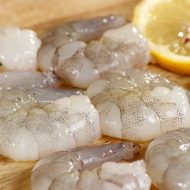
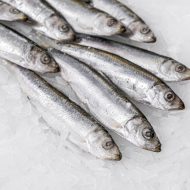
Why Buy Frozen Fish Pie Mix?
Frozen isn’t a compromise here — it’s a quality-control tool. With Fish Pie Mix, you’re buying for consistency: pieces that behave the same way in a sauce, portion sizes that are easy to split, and packs you can keep on hand without playing “use it today or lose it”. That makes weeknight planning simpler and helps you avoid the classic fridge-bin sadness of half-used seafood.
The practical advantage is repeatability. Because the mix is frozen and portionable, you can take what you need and keep the rest properly stored. That reduces waste, helps you budget, and keeps fish pie nights predictable — especially when you’re cooking for family portions and want the same outcome every time. It also makes batch cooking easier: you can keep a couple of packs ready and scale up without changing your method.
“Fresh” is a slippery word in the real world. Fresh fish can still spend time moving through the supply chain — landed, handled, transported, stored, displayed — and that clock keeps ticking. Frozen flips the logic: it locks in a point-in-time quality, then protects it with controlled cold storage until you’re ready to cook. That’s why frozen can often be the more dependable choice for dishes like fish pie where texture matters.
On frozenfish.direct, we state that our seafood is processed and frozen within hours — and on some lines, it may be frozen within around 3 hours of being caught where the product details support that. The goal is simple: take “good on the day” and keep it good when it reaches your kitchen.
Freezing slows spoilage. Cold storage stabilises texture. Sealed packs reduce air exposure. Portions reduce waste. Consistent weights improve meal planning.
Choose Your Fish Pie Mix
Quick midweek portions
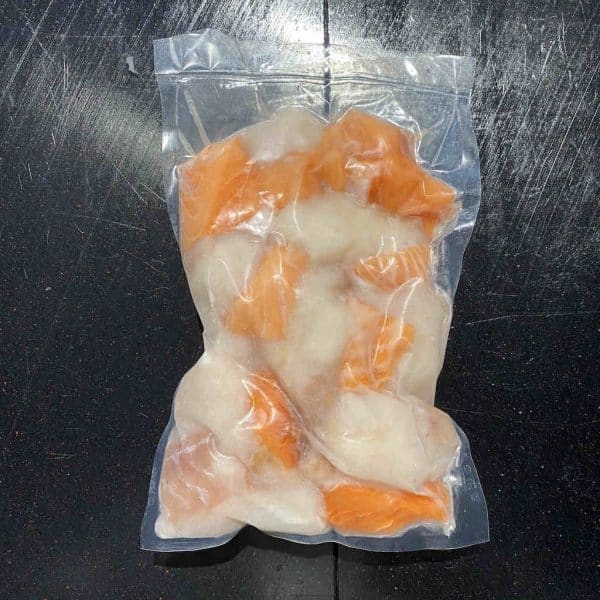
If you want fish pie on a Tuesday without turning your kitchen into a logistics depot, start with pre-portioned packs. They’re built for speed: predictable sizing means you can plan the bake, keep portions tidy, and avoid that “one piece is huge, one piece is tiny” problem that throws off texture. The mixes in this category are positioned as ready-to-use and designed for convenience, which is exactly what you want when the goal is
consistent results rather than culinary theatre. (
Frozen Fish Direct)
Chunky mix for even cooking and a proper bake
For the classic “spoon cuts through creamy sauce, fish stays in pieces” result, look for mixed fish chunks and pack notes that spell out what’s inside. The page describes the range as a curated blend of fish types, with variants designed to give you a balanced mix that holds up in a pie rather than disappearing into flakes. Bigger chunks tend to hold their shape better in the oven, and they’ll tolerate a quick pan-finish (or a brief, hot start in a tray) if you like a little colour before the gentler bake. (
Frozen Fish Direct)
Flavour balance: white fish + oily fish
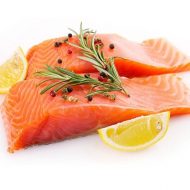
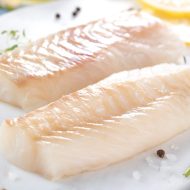
If your household debates “mild and flaky” versus “richer and fuller” every single time, use the mix composition to your advantage. The category notes a combination of white fish and oily fish in the range, which is a practical way to build depth without having to buy multiple separate fillets. Product details may call out examples like cod, haddock, and salmon, so you can steer the flavour and firmness based on what you already know you like.
Family-size packs for entertaining and batch prep
Cooking for guests (or future-you) is where pack size matters most. The range is described as available from smaller packs up to family-sized portions, which makes it easy to scale: one tray for tonight, one tray for the freezer stash, one tray for “people are coming round and I refuse to panic.” If you prefer to prep it yourself, choose a larger pack and portion your chunks to match your dish—tight, even pieces for faster cooking, or larger cuts if you want more bite. (
Frozen Fish Direct)
Pick the Fish Pie Mix that matches your pan, your timing, and your appetite.
What Arrives at Your Door
Every order is dispatched by DPD overnight courier and packed like it matters, because it does. Your Frozen Fish Pie Mix is packed with dry ice in a polystyrene insulated box, which is the simplest way to keep the temperature where it needs to be while it’s travelling. The insulation slows heat getting in, and the dry ice provides serious cold so the seafood stays properly frozen for the journey. That “cold-chain” approach is what protects texture and quality, not wishful thinking and a thin cardboard carton.
Delivery timing is handled in a way that stays accurate without guesswork: orders placed before the stated cut-off are prepared for next working day delivery on eligible days, and checkout controls valid delivery dates so you’re only offered delivery options that match the day you’re ordering. In other words, you don’t have to decode courier schedules — the ordering flow does the date logic for you.
When it arrives, the first steps are simple and sensible: open the parcel promptly, confirm your packs are cold and in good condition, then move the seafood straight into the freezer and follow the on-pack storage guidance for best results. You may notice a little vapour or “mist” when you open the box — that’s normal when dry ice is doing its job and turning from solid to gas. The packaging is designed to keep your fish frozen during transit, so you’re not racing the clock; you’re just completing the handover from delivery box to freezer.
Dry ice is safe when treated with basic respect. Avoid direct skin contact, keep the area ventilated, and don’t seal dry ice in an airtight container. Keep it away from children and pets, and let any remaining dry ice disappear naturally in a well-ventilated space. The goal isn’t drama — it’s simple cold-handling done properly, from our freezer to yours.
Label-First Transparency
Buying Fish Pie Mix online should feel like choosing from a fishmonger’s counter, not like gambling on a vague photo. That’s why every product in our Frozen Fish Pie Mix range is presented with the practical fields that actually change what you’ll get in the pan. On each listing you’ll see the cut and the weight/pack size, plus the key prep details that affect cooking and texture: shell-on or shell-off, skin-on or skinless, and boneless or pin-boned where relevant. Where it applies, we also show whether the fish is wild or farmed, so you can choose based on preference and the kind of result you’re aiming for.
Some details can’t honestly be promised at category level because they vary by item or by batch. When origin or catch area differs between products, we don’t paint with a broad brush — it’s shown on the product details for that specific pack, so you can make an informed decision without assumptions.
Allergen clarity is handled the same way: Fish Pie Mix is clearly flagged, and where a product includes added ingredients — for example cured or smoked lines — the ingredients are listed on the product page so you know what’s in the pack, not just what it’s “like”.
- Cut drives cooking. Weight drives timing. Skin drives texture.
- Origin informs preference. Method informs fat level. Pack size informs value.
- Boneless improves ease. Pin-boned changes prep. Shell-on changes yield.
The point is simple: you should be able to choose with confidence, using information you can actually act on — not marketing fog.
Storage and Defrosting
Fish Pie Mix is at its best when you treat it like a controlled ingredient, not a random frozen block. Keep it frozen until you’re ready to use it, and protect it from air exposure so the surface doesn’t dry out. Most packs are vac packed, which helps a lot — but once a pack is opened, squeeze out excess air, reseal well, and get it back into the freezer quickly. A simple habit that saves both texture and money: rotate your stock. Put the newer packs behind the older ones so the “use first” items are always at the front.
For defrosting, think in layers — the goal is clean flavour and good firmness, not a bowl of watery fish. The default is fridge defrosting: keep the fish contained (still in its pack, or in a covered tray/bowl), so it stays hygienic and you can manage drip loss without mess. If you’re defrosting mixed cuts, that containment also stops delicate pieces getting bashed about, which is where “soft” and broken flakes come from.
Once defrosted, the small move that makes a big difference is to pat dry. Excess surface moisture is what makes fish go “watery” in the pan and prevents a decent sear. A quick pat-dry with kitchen paper helps the outside cook cleanly while the inside stays flaky rather than mushy. If your mix includes skin-on pieces, drying the skin side especially helps it stay tidy in the heat. If anything is pin-boned, you’ll spot it more easily when it’s properly thawed and dry, too.
Different fish behave differently: fatty cuts forgive heat and stay juicier, while leaner pieces can go soft if they sit in liquid. Keep the mix portionable by only thawing what you need, and returning the rest to the freezer unopened.
On refreezing: stay conservative. If the fish has fully thawed and you’re not confident it stayed properly cold and contained, don’t refreeze. When in doubt, cook it and enjoy it, or follow the on-pack guidance — that label is the final authority. This is how you avoid freezer burn, preserve texture, and keep every pie coming out the way you planned.
Cooking Outcomes
Quick Simmer in Sauce
Fish Pie Mix behaves best when it warms through gently in a creamy base, chowder-style broth, or a light tomato sauce. Start by building your sauce first, then add the fish near the end so it cooks in residual heat rather than being hammered from raw to dry. You’re looking for a change from translucent to opaque, with flakes that separate cleanly when nudged, not chunks that crumble into cotton. If the sauce starts to boil hard, back it off—vigorous bubbling shakes the fish apart and pushes moisture out.
Oven-Bake for Fish Pie
For a proper pie, treat Fish Pie Mix like a delicate filling, not a roast. Fold it through the finished sauce, spoon into the dish, top, and bake until you see steady bubbling at the edges and the middle looks set, not sloshy. The fish should flake with a spoon and feel moist and tender, while the sauce stays glossy rather than split or grainy. Let the pie rest before serving; resting evens temperature, thickens the sauce slightly, and keeps the fish from steaming itself into softness.
Covered Pan, Midweek Fast
A covered pan is your weeknight control lever: it traps gentle heat, reduces moisture loss, and keeps mixed cuts cooking evenly. Add Fish Pie Mix to a shallow layer of sauce or stock, cover, and let it cook quietly until the chunks turn opaque and feel just firm to the touch. Finish uncovered for a minute or two only if you need to reduce the sauce or tighten the texture—don’t chase “more heat” as a shortcut. Gentle finish protects moisture. Resting evens temperature.
Hot Pan Finish
If you want a firmer bite or a little colour in the dish, do the hot-pan step as a finish, not the main cook. Use a hot pan with enough fat to prevent sticking, and give the fish space so it doesn’t steam; leave it alone briefly so it can form a light crust. You’ll know it’s ready when the outside looks opaque and lightly golden in patches, and the centre flakes without turning dry or chewy. Dry surface equals better sear. Gentle finish protects moisture. Resting evens temperature.
Nutrition Snapshot
Fish Pie Mix is a practical way to get the everyday benefits of fish without overthinking it. Most mixes are built from a blend of leaner white fish and, in some cases, slightly richer pieces depending on what’s in the pack — which means you’re generally looking at a protein-forward ingredient that also brings naturally occurring vitamins and minerals found in seafood.
Keep it honest and simple: nutrients vary by species, cut, and whether it’s wild or farmed; see the product details for what’s in each pack. As a general rule, white fish tends to be leaner with a clean, mild flavour, while fattier fish (when included) tends to feel more succulent and a bit more forgiving in the pan. That difference isn’t just “nutrition talk” — it shows up in the way the fish behaves when you cook it. Lean pieces can go from tender to dry if you push the heat too far, while richer pieces usually stay moist for longer and hold their texture better in saucy bakes.
If you’re building a fish pie, the mix format helps you portion sensibly: you can match the amount to the dish size, balance it with potatoes and veg, and keep weeknight meals consistent. That’s the real win — not chasing magic claims, just making it easier to eat a varied, balanced diet in a way that fits real life.
End of the day, Fish Pie Mix is about reliable results: clear product details, predictable portions, and fish that cooks the way you expect.
Provenance and Responsible Sourcing
Provenance matters, but it only helps if it’s specific. That’s why Fish Pie Mix on frozenfish.direct is set up to be evidence-led at SKU level: we show method and origin details per product so you can choose what fits your preferences. Some people prioritise a particular catch area, some prefer certain species, and others just want a mix that behaves well in a classic fish pie. The point is that you don’t have to guess — the product details do the heavy lifting.
Because Fish Pie Mix can be stocked in different formats and blends, the responsible way to talk about sourcing is without blanket claims. We don’t treat “responsible” as a category-wide slogan, because one statement can’t honestly cover every possible species, origin, and method across every line. Instead, each product page is where you’ll find what you need to make a decision: what’s in the mix, whether it’s wild or farmed where applicable, and the origin/catch area information shown for that item.
The range itself can include everyday Fish Pie Mix options and, where stocked, more speciality lines designed for specific uses — for example, mixes that lean more toward firm, chunky pieces for a bake, or mixes aimed at quick midweek cooking where portioning and consistency matter most. The goal isn’t to “sell a story”; it’s to make the information clear enough that you can buy with confidence.
Provenance supports preference. Clear labels support trust. Evidence supports claims.
Frequently Asked Questions
Is frozen fish pie mix as good as fresh?
It can be — but the real comparison isn’t “frozen vs fresh”, it’s time and handling vs time and handling. “Fresh” fish can be outstanding when it’s truly fresh and has been kept cold, clean, and moving. But it can also spend days stacking up through the supply chain: landed, stored, transported, displayed, then taken home. Frozen fish, done properly, is different: it locks in a point-in-time quality, then stays in that state until you’re ready to use it.
Where people get disappointed is usually texture, not flavour. Freezing itself isn’t the villain; mishandling is. If fish is frozen slowly, stored with lots of air exposure, or repeatedly thawed and refrozen, you’ll see more drip loss when it defrosts — that “watery” feel, softer flakes, and a less clean bite. Good freezing and sensible defrosting protect you from that. Cold storage preserves texture. Vacuum packs reduce air exposure. Portions reduce waste.
Fish Pie Mix is a great “frozen-first” buy because it’s naturally about portioning and consistency. You can pull what you need, keep the rest frozen, and plan meals without gambling on a single “use it today” window. Frozen stock improves meal planning. Consistent weights improve cooking. Less waste is the quiet win.
On frozenfish.direct, the model is built for repeatable results: seafood is processed and frozen within hours, then shipped as a proper cold-chain delivery — dry ice in a polystyrene insulated box and dispatched by DPD overnight courier, designed to keep it frozen on arrival. (Frozen Fish Direct)
Buying by use-case helps:
- Midweek: go for portionable mixes so you can cook only what you need.
- Grilling or high heat: choose chunkier cuts that hold shape better and forgive a hotter pan.
- Entertaining: buy a larger pack so you can portion consistently and cook in batches without stress.
If you want predictable results, frozen is the easier way to make Fish Pie Mix a routine.
How do I defrost frozen fish pie mix without it going watery?
Watery Fish Pie Mix is nearly always a defrosting problem, not a “bad fish” problem. When fish freezes, water inside the flesh forms ice crystals. If it’s defrosted too warm or too fast, those crystals melt and rupture more of the structure, and the moisture escapes as drip loss. Do that a couple of times (thaw → refreeze → thaw again) and the damage stacks: more liquid in the bag, softer flakes, and that slightly “washed out” bite people describe as watery.
The simplest fix is boring — and that’s why it works. Defrost slowly in the fridge so the melt happens under control. Keep the fish contained the whole time: put the pack in a bowl or tray to catch any liquid, and keep it away from other foods. If it’s vacuum packed, keep the packaging intact while it defrosts (unless the pack instructions tell you otherwise) because it limits air exposure and helps protect the surface from drying out and picking up fridge smells. Once defrosted, open the pack, drain off any liquid, then pat dry with kitchen paper. That last step matters more than people think: a dry surface cooks better, browns better, and doesn’t steam itself into softness.
Cut makes a difference, even within a “mix”. Smaller portions and chunks defrost more evenly and are easier to control — they’re naturally more portionable and less likely to end up half-thawed on the outside and still icy in the middle. Thicker fillet pieces need longer and benefit from being left undisturbed in the fridge so the centre catches up gently; rushing them is how you get a wet exterior and a tight, uneven middle. Steaks (if your mix includes them) behave differently because they’re often denser and can hold onto a little more structure, but they still punish hot, fast defrosting — you’ll see moisture flood out at the cut faces if you warm them up too quickly.
If you’re short on time, cooking from frozen can be a decent backup for some cuts — it just needs a slightly different approach (that’s covered in the separate cooking-from-frozen FAQ). The key is not “speed at any cost”; it’s control.
Good defrosting is texture control.
Which fish pie mix should I buy for my plan?
Which Frozen Fish Pie Mix you should buy really comes down to two things: how fast you need dinner, and how much control you want over portion size and texture.
Weeknight meals → pre-portioned / smaller packs
For midweek, you want “open, portion, cook” simplicity. The page describes the mix as ready-to-use and flash-frozen at peak freshness for consistent results, which is exactly what helps on busy nights: predictable chunk size, less trimming, less waste. (Frozen Fish Direct) If you’re feeding 1–3 people, a smaller pack keeps it tidy—use what you need, and you’re not left playing fridge-Jenga with half-used fish.
Entertaining → family-sized portions (or double up)
When you’re cooking for guests, consistency matters more than culinary heroics. The category notes packs that range up to family-sized portions, plus mixed fish chunks for even cooking—that “even cooking” detail is quietly huge when you’re serving multiple plates at once. If you want a richer, more “special” finish, look for mixes that specify a blend including cod/haddock/salmon on the product details, because the oily/lean balance changes the final mouthfeel.
Prep-it-yourself → larger packs you can portion and customise
If you like control, go for variety packs or larger sizes and portion them yourself for future meals. The page calls out variety packs with different fish types and notes that each pack specifies what’s included, which is your cue to build a “house blend” you actually like (more white fish for a cleaner pie, more salmon for a richer one). This is also the easiest route if you cook fish pie often and want repeatable results without buying five different SKUs every time.
Special occasions → choose the mix that’s explicitly balanced
For a “proper” fish pie night, prioritise mixes described as a balanced mix of fish types (the page positions the range that way) so you get contrast—firm chunks, softer flakes, and a fuller flavour base. (Frozen Fish Direct)
If you only buy one thing: start with the Fish Pie Mix pack size that matches your household (the page shows a 500g option), because it’s the most flexible “baseline” for both quick pies and batch cooks.
Pick the pack that matches your heat source and your timing.
Can I cook fish pie mix from frozen?
Yes — you often can cook Fish Pie Mix from frozen — but method matters.
Frozen Fish Pie Mix is built for convenience: it’s a ready-to-use blend that’s flash-frozen at peak freshness. That rapid freeze helps protect texture by limiting the kind of big ice crystals that can rough up the fish’s structure. In plain terms: it’s one reason frozen fish can eat “near-fresh” when it’s handled well. But cooking from frozen changes two practical things: surface moisture and evenness of cooking. Straight out of the freezer, pieces can carry a thin layer of ice that turns into water in the pan, and mixed-size chunks can heat through at different speeds.
The most forgiving “cook-from-frozen” routes are the ones that cook gently and evenly — exactly the kind of heat you use for fish pie filling, chowders, and creamy bakes. Think covered pan, simmering sauce, or an oven dish where the mix warms through before it gets blasted with high heat. Direct, ripping-hot pan sears can work, but they punish wet surfaces and uneven thickness.
A safe, practical way to do it is simple in principle: remove all packaging, break apart any frozen clumps, and rinse off loose surface ice if needed — then pat dry so you’re not steaming the fish by accident. Start the mix in gentler heat (sauce, covered pan, or bake), and only then finish hotter if your dish needs colour on top. Keep an eye on doneness cues: the fish should turn opaque, flake cleanly, and feel just firm — not tight and dry.
When should you not do it? If the pieces are very thick and you want a perfect, clean sear, thawing first gives you far better control and more even results. And if you ever buy speciality items with their own handling rules, follow the product details — they’re there for a reason.
Frozen-to-oven is the weeknight cheat code when you need Fish Pie Mix now.
How long does frozen fish pie mix last, and how do I avoid freezer burn?
Frozen Fish Pie Mix will usually stay safe to eat for a long time as long as it stays properly frozen — but quality is a separate story. Safety is about stopping harmful microbes from growing; freezing does that by putting them into “pause mode.” Quality is about what happens to texture, moisture, and flavour over time. Even in a good freezer, fish can slowly lose its best eating qualities if it’s exposed to air, temperature swings, or poor wrapping.
That’s where freezer burn comes in. Freezer burn isn’t “gone off” fish — it’s dehydration caused by air exposure. Moisture migrates out of the fish and turns into ice crystals on the surface, leaving the flesh drier underneath. You’ll spot it as dry, pale or whitish patches, a duller colour overall, and sometimes slightly frayed edges on smaller pieces. Cooked, it can show up as a tougher, cottony bite, less clean flake, and a flavour that feels muted compared to a well-protected pack.
Avoiding it is mostly about air management and steady cold:
- Keep packs sealed until you’re ready to use them. If you open a pack, rewrap tightly or move portions into an airtight freezer bag or container with as little air as possible.
- Minimise air exposure: press the air out before resealing, and don’t leave fish unwrapped “just for a minute” while you decide what to do with it.
- Store flat where you can. A flatter pack freezes and stays cold more evenly, and it’s easier to stack without crushing softer pieces.
- Rotate stock: older packs forward, newer packs behind. Fish Pie Mix is portionable, so it’s easy to use what you already have without digging through the freezer like a hungry archaeologist.
- Keep the freezer stable: frequent door-opening, overstuffing that blocks airflow, or a freezer that struggles to hold temperature will push quality downhill faster.
This is also where packaging really helps. Many Fish Pie Mix products are vacuum packed, which reduces the amount of air sitting against the fish — that’s one of the simplest, most effective defences against freezer burn. Still, once a pack is opened, you become the packaging department, so it’s worth re-sealing well.
Use the on-pack storage guidance as your best reference for that specific item — and treat “long-lasting” as “quality-protected,” not “unchanging forever.”
Good packaging and steady cold are what keep Fish Pie Mix tasting like Fish Pie Mix.