Why Buy Frozen Haddock?
Frozen haddock is less about “settling” and more about control. When fish is frozen quickly and kept properly cold, you’re buying a stable point-in-time product: the same cut, the same portioning potential, the same weight band, and far fewer surprises when you open the pack. That matters for yield, portion cost, and planning — especially when you want repeatable results across weekday meals, catering trays, or batch cooking.
On frozenfish.direct, the promise is built around speed and process. The Frozen Haddock page states that their fish is filleted, packed, and frozen within 3 hours of being caught, and that’s the core advantage: you lock in quality early, then protect it through the cold chain rather than chasing a “fresh” label that may have already spent days moving through handling, storage, and distribution.
Frozen also reduces waste in very practical ways. Portions let you take what you need and keep the rest sealed. Consistent weights make it easier to buy the right amount. Tight packaging and stable storage help limit dehydration and oxidation — the stuff that shows up as dull colour, dry edges, or tired texture.
Freezing slows spoilage. Cold storage protects structure. Controlled temperatures keep quality predictable.
Portions reduce waste. Consistent weights improve planning. Sealed packs limit air exposure.
Repeatable cuts simplify ordering. Standardised sizing improves yield. Frozen stock steadies kitchens.
If you’re choosing between “fresh” and frozen, the real question is timing: frozen haddock preserves a known moment of quality, while “fresh” can be a moving target once days in the chain add up.
Choose Your Cut
Fillets
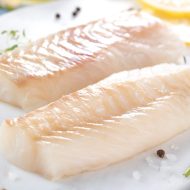
Haddock fillets are the all-rounder: quick to portion, easy to season, and reliable in both oven and pan. If you’re aiming for a fast midweek dinner, fillets suit a simple breadcrumb crust, a light batter, or a herb butter finish. Look for skinless boneless options if you want clean plating, or skin-on where available if you like a firmer cook and a bit more protection during pan-frying.
Portions
Portions are built for speed and predictability. With set weight bands and consistent thickness, they help with portion control and timing, whether you’re feeding a family or working to a spec. Portions are ideal for quick shallow-fry, air fryer runs, or a fast traybake when you want “same result, every time” without measuring and trimming.
Steaks
Haddock steaks are cut across the fish, so they tend to hold their shape well and cope better with higher heat. That makes them a strong pick for grilling, pan-searing, or finishing under a hot salamander if you want colour and structure. They’re also handy when you want a more substantial, centre-of-plate piece that won’t flake too early.
Whole side or large fillet
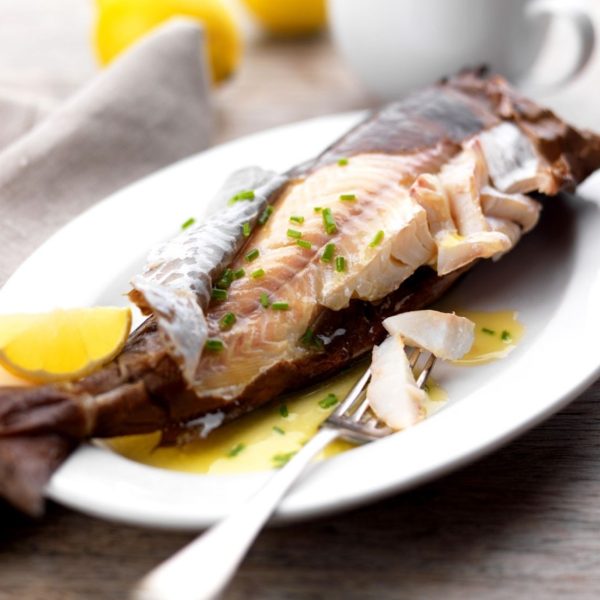
A whole side (or large fillet) is the entertaining and batch-prep option. You can roast it as a single piece, portion it after cooking, or slice your own portions to match your exact weight targets. It’s also a natural fit for gentle smoking, curing experiments, or producing neat loin cuts and thinner tail sections for different dishes from the same fish.
Whole gutted haddock and speciality lines
Whole gutted haddock is for people who like to prep: break it down into fillets, cut collar pieces, or roast it whole and lift the flesh. It gives you maximum flexibility, but expects a bit of knife work and an eye for pin bones. If speciality lines are stocked, treat them as “ready for specific uses” — smoked or cured haddock for classic flavour-led recipes, and sashimi-style cuts where offered for precise preparations that demand careful handling.
Pick the cut that matches your pan, your timing, and your appetite.
What Arrives at Your Door
When you order frozen haddock from frozenfish.direct, the whole point is that it stays in the frozen state from our handling to your freezer, without you having to “hope for the best.” Dispatched by DPD overnight courier. Your fish is packed with dry ice in a polystyrene insulated box, which matters because it creates a stable cold environment during transit: the insulation slows heat gain from the outside air, and the dry ice provides powerful cooling through sublimation (it turns from solid to gas), helping keep the fish frozen on arrival.
Delivery timing is kept simple and honest. Orders placed before the stated cut-off are prepared for next working day delivery on eligible days, and the checkout controls the valid delivery dates you can choose. That way you’re not guessing which day it will land, and you can plan a handover that protects the cold chain at the final step: getting it indoors quickly and back into frozen storage.
The first few minutes after delivery are the only part you control, and they’re straightforward. Open the parcel promptly so you can check the contents while everything is still cold, then move the fish straight into your freezer. Keep the packs sealed and follow the on-pack storage guidance for best quality and traceability. If you’re using something soon, you can separate what you need and return the rest to frozen storage without leaving it on the counter “just for a minute” while you sort the kitchen.
Dry ice is normal in frozen food logistics, but it deserves basic respect. Keep it away from direct skin contact, make sure the area is ventilated, and don’t seal dry ice in an airtight container. Treat it like you would a very cold surface: handle calmly, keep it away from children and pets, and let any remaining dry ice dissipate naturally in a well-ventilated space. This is packaging designed to do one job well: protect frozen fish in transit, so what arrives is the product you chose, not a temperature gamble.
Label-First Transparency
Buying haddock online should feel like choosing with your eyes open, not taking a punt. That’s why each frozen haddock line on frozenfish.direct is built around practical, checkable details that help you pick the right fish for the job.
On every product, you’ll see the fields that actually matter in the kitchen: the cut (fillet, portion, steak, whole side/large fillet, whole gutted fish, or a speciality line where stocked), the weight or pack size, and the key prep notes that affect how it behaves when you cook it. Where relevant, we make it clear whether a haddock product is skin-on or skinless, and whether it’s boneless or pin-boned. Those aren’t marketing labels; they’re the difference between crisping the skin in a hot pan, sliding a fillet into a tray for the oven, or serving portions that behave the same way every time.
Some details vary by item rather than by category, and we treat that honestly. If origin or catch area differs between products, it’s shown on the product details for the specific line you’re viewing, instead of making a sweeping promise that won’t hold across a full range. The same applies to “wild or farmed” where it’s applicable: it’s identified on the item where that distinction matters.
Allergen and ingredient information is handled the same way: clearly and upfront. Fish is flagged as an allergen on haddock products, and ingredients are listed for smoked, cured, or seasoned lines where relevant, so you can see what you’re buying beyond the headline.
- Cut drives cooking. Weight drives timing. Skin drives texture.
- Boneless speeds prep. Pin-boned changes eating. Portions control waste.
- Origin informs preference. Method informs fat level. Pack size informs value.
- Ingredients define flavour. Allergens define risk. Labels define trust.
Storage and Defrosting
Frozen haddock is at its best when you treat it like a high-quality ingredient that just happens to be paused in time. Keep it frozen until you’re ready, and you’ll get that clean flake and firm bite you’re buying it for.
For storage, the big rule is simple: keep it properly frozen and keep air away from it. Most packs arrive vac packed, which helps protect the surface from dehydration, off-odours, and texture drift. Once a pack is opened, rewrap tightly or transfer to something that seals well, because air exposure is what turns good fish into “freezer burn” fish: dry patches, dull colour, and a slightly woolly mouthfeel. Make your freezer work like a larder: put older packs forward and load new stock behind, so you’re always rotating naturally.
When it comes to defrosting, there’s a pecking order. Fridge defrost is the default because it’s gentle and predictable. Keep the fish contained as it thaws, especially with fillets and portionable cuts, because you’ll get some drip loss. That’s normal, but you don’t want it pooling across the shelf or soaking the fish back into a watery bath. A tray or shallow dish under the pack keeps things tidy and helps the flesh stay cleaner.
Before cooking, give the haddock a quick moment of respect: open the pack, drain any liquid, then pat dry. That one step changes everything. Drier surfaces brown better, skin crisps faster on skin-on pieces, and your pan stays hot instead of steaming the fish into something soft and a bit watery. If a piece is pin-boned, you’ll usually feel any remaining pins more clearly once the surface is dry and the flesh firms up.
On refreezing, stay conservative. If you’ve thawed in the fridge and the pack has stayed cold and clean, some people do refreeze — but quality can take a hit, and the risk calculus isn’t worth bravado. If in doubt, don’t refreeze, and always follow the on-pack guidance for the specific product you bought. The goal is simple: thaw calmly, cook with confidence, and keep that haddock flaking, not weeping.
Cooking Outcomes
Crisp skin (skin-on)
Skin-on haddock rewards discipline: dry surface equals better sear, so get the skin side as dry as you can before it goes near heat. Use a properly hot pan, lay the fish in skin-side down, then leave it alone until the skin releases and turns crisp rather than pale and rubbery. You’ll see the flesh turn from translucent to opaque climbing up the side; that’s your doneness cue, not a stopwatch. Flip only to kiss the flesh side briefly, then finish gently so the centre stays juicy and the flakes stay clean. Skin changes crisp, and a soft finish protects it from steaming back into softness.
Oven-roast fillet
Oven roasting is the easiest route to a juicy centre with minimal drama, especially with thicker fillets. Place the fish so hot air can circulate, and look for the moment the fillet turns evenly opaque with a slight spring when pressed, rather than feeling bouncy or firm. Haddock is done when it flakes in large, moist petals with a fork; if it starts breaking into dry crumbs, you’ve sailed past the good bit. Thickness changes timing, so judge by the way the flesh separates and the way steam rises cleanly, not aggressively. Gentle finish protects moisture, even in the oven.
Pan-fry portions
Portions cook fast, which is a blessing and a trap. Keep the heat gentle to moderate and aim for a steady sizzle rather than a hard crackle; you want the surface to colour without tightening the flesh into something dry and chalky. Watch the sides: as the portion cooks, the edges turn opaque and the centre loses its glassy look, and that’s your cue to ease off. Pull it just before it feels “done-done”, then rest briefly so the heat equalises and the flake stays tender. Resting evens temperature, and it’s the simplest way to avoid overcooking.
Grill steaks
Haddock steaks are built for higher heat because the cut holds shape and can take a more direct blast without falling apart. Start hot to mark the surface, then keep a close eye on the edges: they’ll firm up and turn opaque first while the centre stays slightly glossy. When the middle yields with a soft spring and the steak separates into thick flakes, you’re there; if it tightens and looks dry at the cut face, it’s gone too far. Fat content changes forgiveness, so richer cuts tolerate heat better than lean, thin pieces. Thickness changes timing, so let the centre tell you when it’s ready.
Cured, smoked, or sashimi-style products have different handling expectations and may not be intended for cooking in the same way, so follow the specific product details for that line.
Nutrition Snapshot
Haddock is a solid, straightforward choice when you want fish that eats like a proper meal without leaning on hype. It’s widely bought as a protein-rich white fish, which is why it works so well for everything from quick midweek portions to larger fillets you can roast and flake into plates. Like most fish, haddock is also commonly associated with omega-3 fats in everyday nutrition talk, but the sensible way to treat that is as context, not a promise.
Here’s the honest bit: nutrients vary by species, cut, and whether it’s wild or farmed; see the product details for what you’re actually buying. A skin-on fillet won’t behave the same as a trimmed portion, and a thicker cut doesn’t just cook differently, it can eat differently too. Protein content tends to feel “firmer” on the fork, while higher fat content tends to feel more forgiving in the pan, staying juicier when you push the heat. Fat influences texture. Texture influences timing. Timing influences results.
The practical takeaway isn’t “good” or “bad” food, it’s control. Pair haddock with vegetables, grains, or potatoes, and you’ve got a balanced plate that can be light or hearty depending on how you cook it and what you serve alongside. Cut drives cooking. Cooking drives texture. Texture drives enjoyment.
If you’re choosing between products, use the label-first details (cut, weight, skin-on/skinless, boneless/pin-boned where relevant, wild/farmed where applicable) to match your preferences and your pan, then cook it the way it’s meant to be cooked. That’s how you buy with confidence—quietly, correctly, and with dinner handled.
Provenance and Responsible Sourcing
Buying haddock shouldn’t require guesswork. Our approach is simple: we show method and origin details per product so you can choose what fits your preferences. That means the information lives at SKU level, where it belongs, rather than being blurred into a category-wide promise we can’t honestly guarantee.
Haddock can come from different fisheries and different routes through the supply chain. Even within one category, you may see variation in catch area, production method, and how the fish has been processed and packed. So instead of saying “everything is sustainably harvested” (a bold claim that only works if every single item can prove it), we focus on what we can do consistently: make the key provenance fields visible on the product details so you can make an informed call.
Depending on what’s in stock, this category can include a mix across formats and sources: fillets, portions, steaks, larger sides/whole fillets, and whole gutted fish for people who prefer to prep at home. You may also see wild haddock items where stocked, and sometimes speciality lines like smoked or cured haddock for specific uses. Those specialities can carry additional ingredients, and the product details are where you’ll see that clearly.
This isn’t about telling you what to value. Some people prioritise a particular origin. Some want a certain cut, pin-boned or skin-on. Some want the simplest ingredient list possible. Good sourcing info lets you line up the product with your preferences without vague marketing fog.
Provenance supports preference. Clear labels support trust. Evidence supports claims.
Frequently Asked Questions
Is frozen haddock as good as fresh?
Frozen haddock can be as good as fresh, but it depends on what you mean by “fresh” and what happens to the fish between sea and pan. In real life, “freshness” is mostly time + temperature + handling. A “fresh” fillet might still spend days moving through landing, processing, chilled transport, storage, and a retail counter. Frozen, on the other hand, is about locking in a point in time: the fish is brought down to freezing temperatures and held there, so you’re buying consistency rather than a guessing game.
Texture and flavour are where people notice the difference, and it’s worth being honest. Freezing itself isn’t the villain; mishandling is. If fish is exposed to air, allowed to partially thaw and refreeze, or stored poorly, you can get dry patches, dull flavour, and that slightly “watery” bite from moisture loss. Good packaging and good defrosting protect quality: vacuum-packed fish reduces air exposure, steady cold prevents freezer burn, and a fridge defrost (kept contained, then patted dry before cooking) helps you keep the flesh firm and flaky rather than soft.
This is also where how it’s supplied matters. Frozenfish.direct’s model is built around controlled handling: haddock is processed and frozen within hours, then shipped with dry ice in insulated packaging, designed to keep it frozen on arrival. That combination reduces the two big quality killers: temperature swings and dehydration.
A practical buying rule is to match the cut to the job. Portions are the midweek hero: predictable sizing, quick to cook, easy portion control. Steaks are the grill-friendly option: they hold shape better and tolerate higher heat. A large fillet or whole side is the entertaining pick when you want clean slices and a more “centre-cut” feel on the plate.
Fresh can be brilliant. Frozen can be brilliant too, and it’s often more repeatable. If you want predictable results, frozen is the easier way to make haddock a routine.
How do I defrost frozen haddock without it going watery?
“Watery” haddock is almost always a defrosting problem, not a “frozen fish problem”. When fish freezes, ice crystals form inside the flesh. If the thaw is too fast or too warm, those crystals melt quickly and the muscle fibres don’t re-absorb the moisture — so you get drip loss (liquid in the pack), softer texture, and a fillet that steams instead of sears. The other big culprit is temperature cycling: partial thawing in transit/home handling, then refreezing, then thawing again. Each cycle damages structure and pushes more moisture out.
The best practice flow is boring on purpose — because boring is reliable. Defrost in the fridge, not on the counter. Keep the fish contained so any drip stays under control and doesn’t spread. If your haddock is vac packed, leave it sealed while it thaws; that reduces air exposure and helps protect texture. Once thawed, open the pack, drain any liquid, then pat dry thoroughly with kitchen paper. That last step is underrated: a dry surface gives you a better sear, cleaner flavour, and less “wet” mouthfeel.
Cut makes a difference. Portions are the easiest to keep firm because they’re portionable and usually more uniform in thickness — they thaw evenly and cook predictably. Thick fillets need a gentler, longer fridge thaw so the centre defrosts without the outside warming too much; rushing them is how you end up with a soft exterior and a tight, cold core. Steaks behave differently again: they hold shape well, but because they’re thicker and often cut across the grain, they can shed more liquid if thawed too aggressively — the fridge method plus a proper pat-dry matters even more.
If you’re short on time, cooking from frozen can work as a backup for some cuts, but the method matters (it’s a separate approach, not a shortcut version of defrosting). When texture is the goal, the fridge-thaw + dry-surface routine is your best lever.
Good defrosting is texture control.
Wild vs farmed haddock — what should I choose?
Wild vs farmed haddock isn’t a “good vs bad” decision. Both can be excellent. The smarter way to think about it is: what kind of eating experience do you want, and what are you cooking tonight? Origin and farming method tend to influence a few practical things that you’ll actually notice on the plate.
In general terms, wild fish may come across as a bit more flavour-forward and firmer in texture, depending on species, season, and where it was caught. Farmed fish may be a touch more consistent from pack to pack because the supply is controlled, and that consistency can be useful if you’re trying to repeat a dish every week without surprises. Fat level is where many people feel the biggest difference. Some farmed fish may run slightly fatter (again, product-dependent), which can make it more forgiving with heat. Leaner fish can still be brilliant, but it asks for a lighter hand.
Think of it like this: fat equals forgiveness. A fattier cut tends to stay juicy more easily and can cope better with higher heat, especially in a hot pan or under a grill. A leaner cut rewards gentle cooking and a bit of help from the plate: butter, olive oil, a light cream sauce, a curry sauce, or even just a glossy pan sauce. That’s not “hiding” the fish, it’s using the right support for the texture you’ve bought.
For practical shopping, you don’t need to guess. On frozenfish.direct, the product details tell you whether an item is wild or farmed, and they show the origin/catch area for that specific SKU. That matters because “wild” can vary by region and season, and “farmed” can vary by producer, feed, and handling. Your best signal is what’s actually written on the individual product card: cut, pack size, and origin/method.
A simple pairing approach:
- If you’re planning gentle cooking (oven roast, poach, low pan heat), leaner fish often shines, especially with a sauce.
- If you want high-heat cooking (pan sear, grill), a slightly fattier fish can be more forgiving and still stay succulent.
You’ll often see a range that may include wild haddock items, farmed haddock items, and classic haddock fillets in different weight bands.
Buyer’s shortcut: Choose by cooking method first, then by origin and method.
Which haddock cut should I buy for my plan?
If you’re staring at a Frozen Haddock category page thinking “right… but what do I actually buy?”, the quickest answer is this: pick the cut that matches your plan, then let thickness and skin do the rest of the decision-making. Those two things change the outcome more than any fancy description.
For weeknight meals, go for portions or skinless fillets. Portions are the low-friction option: predictable size, easy portion control, and they’re built for repeatable results. Skinless fillets suit the same vibe when you want a slightly bigger piece on the plate without the extra step of managing skin. If speed and consistency are the priority, this is the lane.
For grilling, choose steaks (and skin-on cuts where available). A haddock steak is thicker and holds together well, which matters on a grill where thin fillets can dry out or break up. Skin-on pieces also give you an extra lever: you can drive crispness on one side while keeping the centre juicy, especially when the cut has a bit more thickness.
For entertaining, a whole side / large fillet is the move. It looks impressive, it roasts neatly, and it gives you flexibility: serve it as one centrepiece or slice into your own portions once cooked. It’s also ideal if you’re feeding people who like different portion sizes without juggling multiple packs.
For prep-it-yourself cooking, pick a whole gutted haddock. That’s for people who enjoy the process: breaking down the fish, taking off fillets, cutting into portions, or roasting it as-is and serving it at the table. It’s more hands-on, but it gives you maximum control over portion size and presentation.
For special occasions, look at the smoked/cured lines if stocked. These are “ready for specific uses” products: a different eating experience, often less about high-heat cooking and more about serving, pairing, and timing.
Thickness and skin are your two biggest outcome levers:
- Thickness changes timing and how forgiving the fish is with heat.
- Skin changes texture: crisp skin vs clean flakes, plus a bit of protection while cooking.
If you only buy one thing: buy haddock portions in a weight band that suits your usual plates. They’re the most flexible, least wasteful, and easiest to repeat.
Pick the cut that matches your heat source and your timing.
Can I cook haddock from frozen?
Yes, often you can cook haddock from frozen — but method matters.
The reason is simple: thickness and surface moisture decide the outcome. Frozen fish releases moisture as it heats. That extra water on the surface fights browning, so a straight “hot pan, hard sear” approach can leave you with pale, steamy fish on the outside before the centre is properly cooked. Gentler, more enclosed methods (like the oven, air-fryer, or a covered pan) are usually more forgiving because they bring the core up to temperature evenly before you ask the surface to colour.
A practical frozen-to-cooked approach in real-life kitchen prose looks like this. First, remove all packaging (especially anything not labelled oven-safe). If the fish has surface ice or frost, give it a quick rinse under cold water just to knock that loose ice away, then pat dry thoroughly with kitchen roll — the goal is to start as dry as you can. Move to gentler heat first: think oven, air-fryer, or a lidded pan where the fish can cook through without the outside taking a beating. Once the fish is mostly cooked and the surface looks less wet, finish hotter for a short burst to firm the outside and add a bit of colour. If you’re using a pan, that “finish” is where you uncover, let steam escape, and let the pan do its job.
There are times when cooking from frozen isn’t the right play. If you’ve got a very thick piece and you want a perfect, crisp sear, defrosting first makes life easier because you can dry the surface properly and control doneness more precisely. Also, speciality products — especially cured, smoked, or sashimi-style cuts — should be treated as their own category: follow the product guidance, because the handling expectations are different.
As always, follow the on-pack guidance and adjust to thickness — a thin portion behaves nothing like a chunky steak.
Frozen-to-oven is the weeknight cheat code when you need haddock now.
How long does frozen haddock last, and how do I avoid freezer burn?
Frozen haddock can last a long time in the freezer, but it helps to split the idea into two lanes: safety and quality. From a food safety point of view, properly frozen fish stays safe for a long period as long as it remains frozen and is handled cleanly. From a quality point of view, though, texture and flavour can slowly drift — the fish can become drier, the flakes less juicy, and the overall eating experience a bit “flatter” the longer it sits. That’s why you’ll often see storage guidance on-pack: it’s usually written to protect quality, not because the fish suddenly becomes unsafe after a magic date.
The main enemy of quality is freezer burn. Freezer burn isn’t “gone off” fish — it’s dehydration caused by air exposure. Moisture migrates out of the fish, ice crystals sublimate, and the surface dries out. You’ll spot it as dry, pale patches, a duller colour than you’d expect, and sometimes a slightly tough, cottony texture once cooked. It can also make the fish taste less clean and more “stale-freezer” than “seafood.”
Avoiding freezer burn is mostly boring discipline — the kind that pays you back later. Keep packs sealed and don’t leave fish sitting unwrapped in the freezer. If you open a pack and don’t use it all, minimise air exposure before returning it to cold storage (re-wrap tightly or use an airtight freezer bag). Store fish flat where you can: it freezes and re-freezes more evenly, stacks neatly, and reduces the chance of crushed edges that let air in. Rotate stock so older packs go to the front and you’re not accidentally ageing the same bag at the back for months. Keep the freezer stable — frequent warming and cooling cycles (from a door that’s opened constantly or a freezer that’s overfilled with warm items) encourages ice crystal changes and moisture loss, which can roughen texture over time.
Packaging matters a lot here. Many frozen fish products are vacuum packed, which helps because less trapped air means less dehydration risk and better texture retention. Even with good packaging, though, steady cold and good habits are what keep quality where you want it.
Good packaging and steady cold are what keep Haddock tasting like Haddock.
{
"@context": "https://schema.org",
"@type": "FAQPage",
"@id": "https://frozenfish.direct/pre-prepared-frozen-fish/arbroath-smokies-500-700/#FAQPage",
"mainEntity": [{
"@type": "Question",
"name": "Is frozen haddock as good as fresh?",
"acceptedAnswer": {
"@type": "Answer",
"text": "Frozen haddock can be as good as fresh, but it depends on what you mean by “fresh” and what happens to the fish between sea and pan. In real life, “freshness” is mostly time + temperature + handling. A “fresh” fillet might still spend days moving through landing, processing, chilled transport, storage, and a retail counter. Frozen, on the other hand, is about locking in a point in time: the fish is brought down to freezing temperatures and held there, so you’re buying consistency rather than a guessing game.
Texture and flavour are where people notice the difference, and it’s worth being honest. Freezing itself isn’t the villain; mishandling is. If fish is exposed to air, allowed to partially thaw and refreeze, or stored poorly, you can get dry patches, dull flavour, and that slightly “watery” bite from moisture loss. Good packaging and good defrosting protect quality: vacuum-packed fish reduces air exposure, steady cold prevents freezer burn, and a fridge defrost (kept contained, then patted dry before cooking) helps you keep the flesh firm and flaky rather than soft.
This is also where how it’s supplied matters. Frozenfish.direct’s model is built around controlled handling: haddock is processed and frozen within hours, then shipped with dry ice in insulated packaging, designed to keep it frozen on arrival. That combination reduces the two big quality killers: temperature swings and dehydration.
A practical buying rule is to match the cut to the job. Portions are the midweek hero: predictable sizing, quick to cook, easy portion control. Steaks are the grill-friendly option: they hold shape better and tolerate higher heat. A large fillet or whole side is the entertaining pick when you want clean slices and a more “centre-cut” feel on the plate.
Fresh can be brilliant. Frozen can be brilliant too, and it’s often more repeatable. If you want predictable results, frozen is the easier way to make haddock a routine."
}
}, {
"@type": "Question",
"name": "How do I defrost frozen haddock without it going watery?",
"acceptedAnswer": {
"@type": "Answer",
"text": "“Watery” haddock is almost always a defrosting problem, not a “frozen fish problem”. When fish freezes, ice crystals form inside the flesh. If the thaw is too fast or too warm, those crystals melt quickly and the muscle fibres don’t re-absorb the moisture — so you get drip loss (liquid in the pack), softer texture, and a fillet that steams instead of sears. The other big culprit is temperature cycling: partial thawing in transit/home handling, then refreezing, then thawing again. Each cycle damages structure and pushes more moisture out.
The best practice flow is boring on purpose — because boring is reliable. Defrost in the fridge, not on the counter. Keep the fish contained so any drip stays under control and doesn’t spread. If your haddock is vac packed, leave it sealed while it thaws; that reduces air exposure and helps protect texture. Once thawed, open the pack, drain any liquid, then pat dry thoroughly with kitchen paper. That last step is underrated: a dry surface gives you a better sear, cleaner flavour, and less “wet” mouthfeel.
Cut makes a difference. Portions are the easiest to keep firm because they’re portionable and usually more uniform in thickness — they thaw evenly and cook predictably. Thick fillets need a gentler, longer fridge thaw so the centre defrosts without the outside warming too much; rushing them is how you end up with a soft exterior and a tight, cold core. Steaks behave differently again: they hold shape well, but because they’re thicker and often cut across the grain, they can shed more liquid if thawed too aggressively — the fridge method plus a proper pat-dry matters even more.
If you’re short on time, cooking from frozen can work as a backup for some cuts, but the method matters (it’s a separate approach, not a shortcut version of defrosting). When texture is the goal, the fridge-thaw + dry-surface routine is your best lever.
Good defrosting is texture control."
}
}, {
"@type": "Question",
"name": "Wild vs farmed haddock — what should I choose?",
"acceptedAnswer": {
"@type": "Answer",
"text": "Wild vs farmed haddock isn’t a “good vs bad” decision. Both can be excellent. The smarter way to think about it is: what kind of eating experience do you want, and what are you cooking tonight? Origin and farming method tend to influence a few practical things that you’ll actually notice on the plate.
In general terms, wild fish may come across as a bit more flavour-forward and firmer in texture, depending on species, season, and where it was caught. Farmed fish may be a touch more consistent from pack to pack because the supply is controlled, and that consistency can be useful if you’re trying to repeat a dish every week without surprises. Fat level is where many people feel the biggest difference. Some farmed fish may run slightly fatter (again, product-dependent), which can make it more forgiving with heat. Leaner fish can still be brilliant, but it asks for a lighter hand.
Think of it like this: fat equals forgiveness. A fattier cut tends to stay juicy more easily and can cope better with higher heat, especially in a hot pan or under a grill. A leaner cut rewards gentle cooking and a bit of help from the plate: butter, olive oil, a light cream sauce, a curry sauce, or even just a glossy pan sauce. That’s not “hiding” the fish, it’s using the right support for the texture you’ve bought.
For practical shopping, you don’t need to guess. On frozenfish.direct, the product details tell you whether an item is wild or farmed, and they show the origin/catch area for that specific SKU. That matters because “wild” can vary by region and season, and “farmed” can vary by producer, feed, and handling. Your best signal is what’s actually written on the individual product card: cut, pack size, and origin/method.
A simple pairing approach:
If you’re planning gentle cooking (oven roast, poach, low pan heat), leaner fish often shines, especially with a sauce.
If you want high-heat cooking (pan sear, grill), a slightly fattier fish can be more forgiving and still stay succulent.
You’ll often see a range that may include wild haddock items, farmed haddock items, and classic haddock fillets in different weight bands.
Buyer’s shortcut: Choose by cooking method first, then by origin and method."
}
}, {
"@type": "Question",
"name": "Which haddock cut should I buy for my plan?",
"acceptedAnswer": {
"@type": "Answer",
"text": "If you’re staring at a Frozen Haddock category page thinking “right… but what do I actually buy?”, the quickest answer is this: pick the cut that matches your plan, then let thickness and skin do the rest of the decision-making. Those two things change the outcome more than any fancy description.
For weeknight meals, go for portions or skinless fillets. Portions are the low-friction option: predictable size, easy portion control, and they’re built for repeatable results. Skinless fillets suit the same vibe when you want a slightly bigger piece on the plate without the extra step of managing skin. If speed and consistency are the priority, this is the lane.
For grilling, choose steaks (and skin-on cuts where available). A haddock steak is thicker and holds together well, which matters on a grill where thin fillets can dry out or break up. Skin-on pieces also give you an extra lever: you can drive crispness on one side while keeping the centre juicy, especially when the cut has a bit more thickness.
For entertaining, a whole side / large fillet is the move. It looks impressive, it roasts neatly, and it gives you flexibility: serve it as one centrepiece or slice into your own portions once cooked. It’s also ideal if you’re feeding people who like different portion sizes without juggling multiple packs.
For prep-it-yourself cooking, pick a whole gutted haddock. That’s for people who enjoy the process: breaking down the fish, taking off fillets, cutting into portions, or roasting it as-is and serving it at the table. It’s more hands-on, but it gives you maximum control over portion size and presentation.
For special occasions, look at the smoked/cured lines if stocked. These are “ready for specific uses” products: a different eating experience, often less about high-heat cooking and more about serving, pairing, and timing.
Thickness and skin are your two biggest outcome levers:
Thickness changes timing and how forgiving the fish is with heat.
Skin changes texture: crisp skin vs clean flakes, plus a bit of protection while cooking.
If you only buy one thing: buy haddock portions in a weight band that suits your usual plates. They’re the most flexible, least wasteful, and easiest to repeat.
Pick the cut that matches your heat source and your timing."
}
}, {
"@type": "Question",
"name": "Can I cook haddock from frozen?",
"acceptedAnswer": {
"@type": "Answer",
"text": "Yes, often you can cook haddock from frozen — but method matters.
The reason is simple: thickness and surface moisture decide the outcome. Frozen fish releases moisture as it heats. That extra water on the surface fights browning, so a straight “hot pan, hard sear” approach can leave you with pale, steamy fish on the outside before the centre is properly cooked. Gentler, more enclosed methods (like the oven, air-fryer, or a covered pan) are usually more forgiving because they bring the core up to temperature evenly before you ask the surface to colour.
A practical frozen-to-cooked approach in real-life kitchen prose looks like this. First, remove all packaging (especially anything not labelled oven-safe). If the fish has surface ice or frost, give it a quick rinse under cold water just to knock that loose ice away, then pat dry thoroughly with kitchen roll — the goal is to start as dry as you can. Move to gentler heat first: think oven, air-fryer, or a lidded pan where the fish can cook through without the outside taking a beating. Once the fish is mostly cooked and the surface looks less wet, finish hotter for a short burst to firm the outside and add a bit of colour. If you’re using a pan, that “finish” is where you uncover, let steam escape, and let the pan do its job.
There are times when cooking from frozen isn’t the right play. If you’ve got a very thick piece and you want a perfect, crisp sear, defrosting first makes life easier because you can dry the surface properly and control doneness more precisely. Also, speciality products — especially cured, smoked, or sashimi-style cuts — should be treated as their own category: follow the product guidance, because the handling expectations are different.
As always, follow the on-pack guidance and adjust to thickness — a thin portion behaves nothing like a chunky steak.
Frozen-to-oven is the weeknight cheat code when you need haddock now."
}
}, {
"@type": "Question",
"name": "How long does frozen haddock last, and how do I avoid freezer burn?",
"acceptedAnswer": {
"@type": "Answer",
"text": "Frozen haddock can last a long time in the freezer, but it helps to split the idea into two lanes: safety and quality. From a food safety point of view, properly frozen fish stays safe for a long period as long as it remains frozen and is handled cleanly. From a quality point of view, though, texture and flavour can slowly drift — the fish can become drier, the flakes less juicy, and the overall eating experience a bit “flatter” the longer it sits. That’s why you’ll often see storage guidance on-pack: it’s usually written to protect quality, not because the fish suddenly becomes unsafe after a magic date.
The main enemy of quality is freezer burn. Freezer burn isn’t “gone off” fish — it’s dehydration caused by air exposure. Moisture migrates out of the fish, ice crystals sublimate, and the surface dries out. You’ll spot it as dry, pale patches, a duller colour than you’d expect, and sometimes a slightly tough, cottony texture once cooked. It can also make the fish taste less clean and more “stale-freezer” than “seafood.”
Avoiding freezer burn is mostly boring discipline — the kind that pays you back later. Keep packs sealed and don’t leave fish sitting unwrapped in the freezer. If you open a pack and don’t use it all, minimise air exposure before returning it to cold storage (re-wrap tightly or use an airtight freezer bag). Store fish flat where you can: it freezes and re-freezes more evenly, stacks neatly, and reduces the chance of crushed edges that let air in. Rotate stock so older packs go to the front and you’re not accidentally ageing the same bag at the back for months. Keep the freezer stable — frequent warming and cooling cycles (from a door that’s opened constantly or a freezer that’s overfilled with warm items) encourages ice crystal changes and moisture loss, which can roughen texture over time.
Packaging matters a lot here. Many frozen fish products are vacuum packed, which helps because less trapped air means less dehydration risk and better texture retention. Even with good packaging, though, steady cold and good habits are what keep quality where you want it.
Good packaging and steady cold are what keep Haddock tasting like Haddock."
}
}],
"isPartOf": {
"@id": "https://frozenfish.direct/pre-prepared-frozen-fish/arbroath-smokies-500-700/#Article"
}
}
.centerdiv{float:none;margin:0 auto}
.sseo_faqs{counter-reset:faq-counter}
.sseo_faqs .sseo_faqcont .sseo_faqtitle{color:#ffffff!important; background:#2d7ccb!important;}
.sseo_faqs .sseo_faqcont .sseo_faqtitle:before{background:#000000!important;color:#ffffff!important;}
.sseo_faqs .sseo_faqcont .sseo_faqtitle:before{counter-increment:faq-counter;content:"Q" counter(faq-counter);position:absolute;top:0;bottom:0;left:0;width:48px;height:auto;font-size:20px;line-height:52px;text-align:center;font-family:"Aparajita", sans-serif;font-weight:600}
.sseo_faqs, .sseo_faqcont{position:relative;float:left;width:100%;margin-bottom:12px;text-align:left}
.sseo_faqs .sseo_faqtitle{font-family:inherit!important; font-weight:inherit!important;position:relative;float:left;width:100%;padding:12px 45px 12px 58px!important;cursor:pointer;font-weight:500; font-size: 20px; color:var(--main-color);}
.sseo_faqs .sseo_faqtitle:after{content:"";background:url(/wp-content/plugins/sseo_schema/inc/img/down-arrow.svg)no-repeat;background-size:20px;font-family:FontAwesome;position:absolute;top:50%;transform:translateY(-50%);right:10px;font-size:22px;line-height:32px;width:30px;height:30px;text-align:center;border-radius:100%;transition-duration:.5s;box-shadow:0px 0px 10px 0px #9e9e9e}
.sseo_faqs .sseo_faqtitle.f_open:after{line-height:28px;color:#ffffff;border:2px solid #ffffff;transform:translateY(-50%) rotate(180deg);transition-duration:.5s}
.sseo_faqs .sseo_faqdet{background:#ffffff!important; position:relative;float:left;width:100%;margin:0;padding:20px;border:1px solid#ffffff!important;border-top:none;display:none;}
.sseo_faqs .sseo_faqdet *:last-child, .sseo_faqs .sseo_faqcont:last-child{padding-bottom:0;margin-bottom:0}
.sseo_faqs .sseo_faqtitle{background:#f9f9f9}
.sseo_faqs .sseo_faqtitle{margin:0 !important}
.sseo_faqs .sseo_faqtitle:after{color:#b1b1b1;background:#ffffff}
.sseo_faqs .sseo_faqtitle.f_open:after{color:#ffffff;background:var(--main-color)}
window.onload = function(){if(jQuery(".sseo_faqs").length > 0){
jQuery(".sseo_faqs .sseo_faqcont:first-child").find(".sseo_faqtitle").addClass("f_open");
jQuery(".sseo_faqs .sseo_faqcont:first-child").find(".sseo_faqdet").slideDown();
jQuery(".sseo_faqcont .sseo_faqtitle").click(function(){
jQuery(".sseo_faqcont").find(".sseo_faqtitle").removeClass("f_open");
jQuery(".sseo_faqcont").find(".sseo_faqdet").slideUp();
var sseo_faqdet = jQuery(this).parents(".sseo_faqcont").find(".sseo_faqdet");
if(!sseo_faqdet.is(":visible")){
sseo_faqdet.slideDown();
jQuery(this).addClass("f_open");
}else{
sseo_faqdet.slideUp();
jQuery(this).removeClass("f_open");
}
});
}};