Why Buy Frozen Red Snapper?
Frozen Red Snapper behaves brilliantly in the freezer because it turns a fragile, time-sensitive product into something you can plan around without gambling on “what turns up on the day”. When the fish is portioned and frozen at peak condition, you get repeatable sizes, predictable yield, and a steadier eating result across the week — especially when you’re buying for more than one meal.
Frozen also gives you practical quality control. You can buy by cut and weight band, split the pack exactly how you need, and keep the rest sealed until you’re ready. That reduces waste, reduces last-minute substitutions, and makes it easier to keep standards consistent whether you’re cooking for home, a small service, or just trying to avoid another midweek supermarket scramble.
On the brand side, we keep the processing claim tight: Frozen Fish Direct states that its fish is “filleted, packed and frozen within 3 hours of being caught”, which is the whole point of freezing done properly — locking in a moment of quality rather than letting time and handling take their toll through the supply chain. (Frozen Fish Direct)
Freezing slows spoilage. Cold storage preserves texture. Vacuum packs reduce air exposure. Portions reduce waste. Consistent weights improve planning.
“Fresh vs frozen” isn’t a moral argument — it’s a timeline. Fresh can be excellent, but it often stacks up days in transit, storage, and display before it hits your kitchen; frozen is simply a way to hit pause at the right moment, then pick up where you left off when you’re ready. Frozen Red Snapper is the choice for people who want control: over portions, over timing, and over outcomes.
Choose Your Cut: Frozen Red Snapper
Fillets
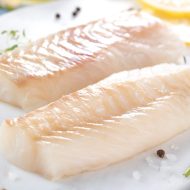
Red Snapper fillets are the all-rounder: clean, easy to portion, and flexible across weeknight cooking. They suit a tray-bake in the oven when you want hands-off consistency, and they’re equally happy in a pan for a quick finish with crisp edges and tender flakes. If you’re cooking one or two portions fast, fillets give you the most control over thickness and doneness without extra prep. They’re also the simplest option for sauces and toppings because you’re working with a broad, even surface.
Portions
Portions are fillets with the decision already made for you: fast, predictable, and built for portion control. If you care about speed and repeatability, portions are the easiest way to get the same plate size every time. They’re ideal for quick midweek meals, packed lunches, or anyone who wants a reliable serving weight without trimming. Because they’re cut to a set size, portions also make it easier to plan sides and timings without guesswork.
Steaks
Red Snapper steaks are cut across the bone, which helps them hold their shape and tolerate higher heat. They’re a strong choice for the grill or a hot pan because they’re less likely to break up, and they can take a more aggressive sear. If you like a robust, “meaty” bite, steaks deliver that structure while still giving you the classic snapper texture. They also suit bold flavours because the thicker cut stands up to stronger seasonings.
Whole side or large fillet
A whole side or large fillet is the “do it your way” option: great for entertaining, batch prep, and slicing your own portions to match your appetite. It’s also the go-to format if you want clean presentation and custom portioning — thicker centre cuts for big appetites, thinner tail pieces for lighter meals. This cut is also popular for smoking or slow-cooking styles where you want a larger piece to manage moisture and texture.
Whole gutted fish and speciality cuts
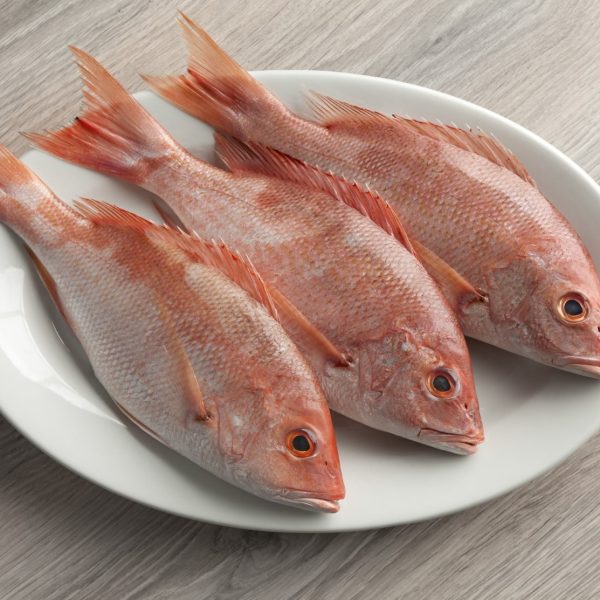
A whole gutted Red Snapper is for cooks who like to prep themselves: you can roast it whole, slice it into portions, or break it down into fillets depending on your plan. It’s a classic choice for centre-table serving because you control the finish and the yield. If speciality lines are stocked — smoked, cured, or sashimi-style cuts — treat them as ready for specific uses with their own handling guidance, designed for convenience rather than improvisation.
Pick the cut that matches your pan, your timing, and your appetite.
What Arrives at Your Door
This is cold-chain delivery, not “hope-for-the-best in a cardboard box”. Dispatched by DPD overnight courier. Your Red Snapper is packed with dry ice in a polystyrene insulated box, which matters because it’s the combination that keeps temperatures low and steady while the parcel is moving through depots and vans. The insulation slows down outside heat getting in, and the dry ice provides a powerful cooling buffer during transit, so the fish stays properly frozen rather than drifting into that half-thawed grey area that ruins texture.
To keep the handover simple and accurate, delivery timing works like this: orders placed before the stated cut-off are prepared for next working day delivery on eligible days, and the checkout controls valid delivery dates so you’re only offered options that match the current dispatch schedule. That reduces guesswork and helps you plan freezer space and meal timings without relying on vague promises or conflicting cut-off times.
When it arrives, the first steps are straightforward: open the box promptly, check the packs, and move the fish straight into your freezer. Keep it frozen until you’re ready to use it, and follow the storage guidance printed on the packaging for best results. You may notice the dry ice has reduced in size or disappeared by the time you open the box — that’s normal during transport — and the packaging is designed around that reality.
A quick, calm word on dry ice: don’t handle it with bare hands, avoid direct skin contact, and keep the area ventilated while you unpack. Don’t seal any remaining dry ice in an airtight container, and keep it away from children and pets. Once you’ve unpacked, close the freezer, tidy the packaging, and you’re done — the whole point is that your fish arrives frozen, protected, and ready to store with minimal fuss.
Label-First Transparency
Buying Red Snapper online should feel like reading a clear label in a good fishmonger’s fridge — not guessing from a glamour shot. That’s why each item in this category is presented with the practical details that actually help you choose the right pack first time. You’ll see the cut (fillet, portion, steak, whole side or whole fish), the weight or pack size, and—where it applies—whether it’s skin-on or skinless, and boneless or pin-boned. Those fields aren’t “nice to have”; they’re how you match the fish to your pan, your portions, and your plan.
You’ll also see whether a product is wild or farmed where that distinction is relevant for that specific line. And because Red Snapper supply can vary by item, origin and catch area are shown on the product details rather than being treated as a blanket promise across the whole category. That keeps the information honest and useful: you’re choosing based on what’s in that pack, not what might be true in general.
Allergen information is handled the same way: fish is clearly flagged on every product, and if you’re looking at speciality lines—like smoked or cured options—ingredients are listed where relevant so you know exactly what you’re buying, not just what it’s called.
- Cut drives cooking. Weight drives timing. Skin drives texture.
- Origin informs preference. Method informs fat level. Pack size informs value.
The result is simple: you can compare like-for-like, avoid surprises when you open the pack, and pick Red Snapper with the same confidence you’d have if you were holding the label in your hand.
Storage and Defrosting
Frozen Red Snapper is at its best when you treat it like a protected ingredient, not a spare part rattling around in the freezer drawer. Keep it frozen until you need it, and keep the pack tight and protected from air exposure. Air is what drives freezer burn — those dull, dry patches that steal firmness and leave the flesh tasting “flat”. If your Red Snapper is vac packed, that’s doing you a favour by reducing air contact. At home, store packs flat where you can, and run a simple rotation: older packs forward, newer packs behind. It’s an easy habit that keeps quality consistent.
For defrosting, the default is boring for a reason: fridge defrost wins. Keep the fish contained (in its packaging if it’s sealed, or in a covered tray/bowl) so any drip loss doesn’t wander around the fridge. Drip loss is where the “watery” problem starts — ice crystals melt, moisture escapes, and the surface can go soft if it sits in liquid. When the fish is fully defrosted, open the pack, drain off any liquid, then pat dry with kitchen paper. That tiny step is texture control: a drier surface cooks cleaner, browns better, and helps avoid that steamed, “soft” finish.
If you’re choosing between cuts, remember that portionable pieces are usually the easiest to manage: even thickness, predictable results. Skin-on fillets can feel more forgiving because the skin acts like a natural barrier in the pan and helps protect the flesh. If a pack is pin-boned, take a second to check for any remaining pin bones before cooking — it’s normal in real fish, and it’s easy to deal with once you’re expecting it.
On refreezing, keep it conservative. Once defrosted, quality can slide quickly, and repeated thaw/refreeze cycles increase drip loss and “watery” texture. If in doubt, don’t refreeze, and always follow the on-pack storage and handling guidance for that specific product. Do the simple things well — protect it from air, defrost gently, and pat dry — and Red Snapper stays firm, clean-flaking, and properly satisfying on the plate.
Cooking Outcomes
Crisp skin (skin-on)
Start with a dry surface and a properly hot pan so the skin has a chance to crisp instead of steam. Lay the fillet in skin-side down and leave it alone — if you keep nudging it, you tear the skin and trap moisture. You’ll see the edges turn opaque and the skin tighten; that’s your cue the heat is doing its job and the crisp is building. Finish gently so the centre stays juicy and flakes cleanly rather than turning dry and chalky. Dry surface equals better sear. Gentle finish protects moisture. Resting evens temperature.
Oven-roast fillet
Oven roasting is the most repeatable way to keep Red Snapper juicy in the middle while cooking through evenly. Set the fillet so heat can circulate, and aim for a finish where the flesh turns opaque and starts to separate into moist flakes with a light press. If the surface is browning too fast but the centre still looks glassy, you’re pushing too hard — ease off and let it come through more gently. A short rest after cooking helps the juices settle, so the first slice doesn’t flood the tray. Thickness changes timing. Fat content changes forgiveness. Skin changes crisp.
Pan-fry portions
Portions cook quickly, so the win is control: gentle heat first, then a brief lift at the end if you want colour. Watch for the surface to go opaque and the sides to firm up; the middle should still look slightly glossy before you pull it. Overcooking is what turns portions “tight” and dry, so stop just before it looks perfect and let carryover do the last bit. Rest briefly, then serve while it’s still springy and moist, not stiff. Dry surface equals better sear. Gentle finish protects moisture. Resting evens temperature.
Grill steaks
Red Snapper steaks hold their shape and tolerate higher heat, which makes them grill-ready — but the centre can still dry out if you chase colour too long. Use confident heat and watch the edges: they’ll turn opaque first, and you’ll see the steak firm up as it cooks inward. Aim to keep the centre juicy and just-set, not fully tightened; the best cue is a clean, moist flake at the edge and a springy feel through the middle. Let it rest a moment so the heat evens out before you plate. Thickness changes timing. Fat content changes forgiveness. Skin changes crisp.
Cured, smoked, or sashimi-style Red Snapper products have different handling expectations — treat them as “ready for specific uses” and follow the product details for preparation and serving.
Nutrition Snapshot
Red Snapper is a protein-rich fish with a naturally satisfying, clean flavour that suits everything from quick portions to larger cuts for the oven. You’ll often see it discussed alongside omega-3 fats — not as a magic ingredient, but as part of the wider reason people like keeping fish in the weekly rotation.
Because this is a category page, it’s worth keeping the detail honest: nutrients vary by species, cut, and whether it’s wild or farmed, and even the same cut can differ by season and supplier. The most reliable place to check specifics is always the individual product details for the exact item you’re buying, including pack size and preparation style (plain, cured, or smoked).
From a cooking point of view, the “nutrition” story links back to results on the plate. Fat content influences forgiveness — slightly fattier pieces tend to stay juicier under heat, while leaner fillets reward a gentler finish. That’s why choosing by cut and thickness matters as much as choosing by taste: it affects how firm the flesh feels, how easily it flakes, and how long it stays moist after cooking.
Red Snapper fits comfortably into a balanced diet without needing grand promises. It’s simply a practical, versatile fish: portionable when you want speed, impressive when you want a whole side, and consistent when you want repeatable results. Choose the cut that matches your plan, then let the product details do the precise work.
Provenance and Responsible Sourcing
Provenance matters when you’re buying fish online, but it only helps if it’s specific. That’s why we keep it practical: we show method and origin details per product so you can choose what fits your preferences, rather than making sweeping promises across a whole category.
Red Snapper can sit under a few different supply routes depending on the exact SKU. In this category you may see farmed Red Snapper, wild Red Snapper items where stocked, and a mix of formats such as fillets and other cut styles. You may also see speciality lines like smoked or cured products, which naturally come with different ingredients and processing notes. The point is simple: the category is broad, but the information you need should be narrow and product-specific.
Here’s the rule we stick to: if something can’t be guaranteed across every single item, it shouldn’t be stated as a category-wide fact. So instead of “all X” or “always Y”, we present the details at the product level — the sort of information that actually changes decisions: origin, method, and any processing notes that affect how the fish behaves in the pan and what it fits best.
Provenance supports preference. Clear labels support trust. Evidence supports claims.
If you already know what you care about — wild vs farmed, a particular origin, a certain processing style — you can shop with confidence using the product details. If you’re still deciding, the same details help you compare like-for-like without guesswork or marketing fog.
Frequently Asked Questions
Is frozen red snapper as good as fresh?
It can be — but the real comparison isn’t “fresh vs frozen”, it’s time and handling vs control and consistency. “Fresh” is a label about how the fish is presented on the day you buy it, but that fish may have spent time moving through the supply chain on ice. Frozen, done properly, is about locking in a point in time so you’re working with something stable: predictable portions, repeatable results, and less waste.
Texture and flavour are where people notice the difference, and it’s worth being honest. Freezing can affect moisture if it’s mishandled — big ice crystals, temperature cycling, and air exposure can lead to drip loss and a softer, “watery” bite. The fix isn’t magic; it’s basics done well: good packaging and steady cold, plus sensible defrosting. Vacuum-packed fish helps reduce air contact, and a calm fridge defrost (kept contained, then patted dry) protects the flesh so it cooks firm and clean rather than steamy and soft.
That’s also why the “how it’s handled” part matters as much as the fish itself. On frozenfish.direct, Red Snapper is processed and frozen within hours (as stated on-site for the relevant products), then shipped in an insulated pack with dry ice designed to keep it frozen in transit. You’re not relying on luck and a warm delivery van — you’re buying into a cold-chain setup built for frozen seafood.
Choosing the right cut makes the “as good as” question even easier. Portions are the midweek workhorse: consistent sizing, quick planning, portion control. Steaks are the grill-friendly option: they hold their shape and tolerate higher heat without falling apart. A large fillet or whole side suits entertaining: you can roast, carve, and serve like a centrepiece, with more control over thickness and presentation.
If you want predictable results, frozen is the easier way to make Red Snapper a routine.
How do I defrost frozen red snapper without it going watery?
“Watery” Red Snapper is usually just moisture ending up in the wrong place. When fish freezes, ice crystals form inside the flesh; if freezing is slow, if the fish warms and re-freezes (temperature cycling), or if it’s been stored with air exposure, those crystals can damage the structure of the fillet. When it thaws, that damage shows up as drip loss: liquid leaks out, the texture turns softer, and the pan steams instead of searing. The other common culprit is too-warm defrosting (on the counter, in warm rooms, or under hot water), which pushes surface thawing ahead of the centre and encourages more moisture to escape.
The most reliable fix is boring, and boring is good here. Defrost in the fridge as your default. Keep the fish contained the whole time: put the pack on a plate or in a shallow tray so any meltwater can’t wander around your fridge. If the Red Snapper is vac packed, leave it sealed while it thaws; that reduces air contact and helps limit drying and oxidation. Once thawed, open the pack, drain any liquid, and pat dry thoroughly with kitchen paper — especially the surface. That one step is the difference between “watery” and “clean, firm flakes”, because a dry surface sears, while a wet surface boils.
Cut choice matters. Portions are the easiest: smaller, even thickness means they thaw more evenly and you’re less likely to get a warm outside with an icy core. Thick fillets simply need more patience in the fridge, because the centre is protected by the thickness; rushing them is where mushy edges happen. Steaks behave differently again: the bone and the shape can slow thawing and hold cold in the middle, so keep them well-contained, let them thaw gently, then dry the exterior well before cooking so the edges colour rather than weep.
As a backup, you can cook some Red Snapper from frozen — it’s often better in the oven or a covered pan where gentler heat can catch the centre up — but it’s not the best route if you’re chasing a perfect pan-sear.
Good defrosting is texture control.
Wild vs farmed red snapper — what should I choose?
Both wild and farmed Red Snapper can be excellent — the “right” choice is usually the one that fits your taste, your cooking method, and your budget. Think of it less like a moral decision and more like choosing between two sensible options with different strengths.
In general (and this is a “typical differences” conversation, not a law of physics), wild-caught fish often has a firmer bite and a cleaner, more pronounced flavour, because it’s been living a more active life in a variable environment. That can be brilliant when you want the fish itself to do the talking — simple seasoning, a crisp finish, and a squeeze of citrus. Wild fish can also vary more from batch to batch in size, fat level, and texture, because nature doesn’t do uniform. The flip side is that some people love that “real fish” character.
Farmed fish often wins on consistency. You’ll usually see more predictable portion sizes, steadier texture, and a milder flavour profile that’s easy to pair with bold sauces, marinades, or spice. Depending on the species and how it’s raised, farmed fish may also carry a bit more fat, which can make it more forgiving in the pan or on the grill — fat helps protect moisture when heat gets enthusiastic. Price can differ too: farming can bring costs down through scale and steadier supply, while wild-caught can sometimes cost more due to seasonality, quotas, and landing variability. But pricing isn’t one-way: availability and format (fillets vs portions vs steaks) can move the needle either direction.
The key point on frozenfish.direct is that you don’t have to guess. Each product’s details tell you whether it’s wild or farmed and where it comes from, so you can choose on evidence rather than vibes. The category may include wild Red Snapper items, farmed Red Snapper items, and different formats such as Red Snapper fillets — and those specifics matter more than a broad label.
For cooking, use a simple rule of thumb. Leaner fish benefits from gentler cooking and sauces: lower, steadier heat; a careful finish; and moisture-friendly partners like butter sauces, tomato-based broths, or a quick glaze. Fattier fish is more forgiving and great for higher heat: grilling, hotter pan work, and faster cooks where you want colour without drying out the centre.
Choose by cooking method first, then by origin and method.
Which red snapper cut should I buy for my plan?
The easiest way to buy Red Snapper confidently is to stop thinking “fish” and start thinking outcome. Your two biggest levers are thickness (how fast the heat reaches the centre) and skin (whether you want crispness, protection, and a richer mouthfeel). Get those right, and the rest is just choosing the most convenient format.
For weeknight meals, go for portions or skinless fillets. Portions are the low-drama option: consistent size, easy portion control, and predictable results when you’re hungry and short on patience. Skinless fillets are similarly practical, especially if you’re baking, pan-finishing, or doing quick tray meals. If your plan is “feed the house with minimal thinking,” portions are the most repeatable purchase.
For grilling, choose steaks and skin-on cuts where available. Steaks are cut across the bone, so they hold their shape and tolerate higher heat better than delicate fillets. Skin-on pieces add another advantage: skin can act like a natural barrier, helping protect the flesh from drying out while giving you the option of that crisp, crackly finish if you nail the surface dryness. If you want grill marks and confidence, steaks are the safest bet.
For entertaining, pick a whole side / large fillet. This is the “centre-of-the-table” format: impressive, easier to serve in clean portions, and perfect when you want to roast and slice, or portion it yourself for a mixed spread. The thickness also gives you more control — you can aim for a juicy centre without racing the clock.
For prep-it-yourself cooks, choose a whole gutted fish. This is for people who want maximum control and don’t mind doing a bit of work: you can break it down into fillets, cut it into portions, or roast it whole if your plan leans traditional. It’s also the best format if you like using bones for stock and getting full value from the fish.
For special occasions, look at smoked/cured lines (where stocked). These are “ready for specific uses” products — they’re about flavour, convenience, and presentation rather than improvising with standard cuts.
If you only buy one thing: buy portions. They’re the most versatile, the most predictable, and the easiest way to make Red Snapper part of your routine without overthinking.
Pick the cut that matches your heat source and your timing.
Can I cook red snapper from frozen?
Yes, often you can — but method matters.
Cooking Red Snapper straight from frozen works best when you treat it like a controlled defrost + cook in one go, rather than trying to sear it like a fully thawed fillet. The reason is simple: thickness and surface moisture change everything. A frozen piece sheds a little water as the outer layer warms, and that moisture fights browning. Meanwhile, the centre is still catching up, so high heat can overcook the outside before the middle is properly done.
That’s why oven baking, air-frying, or a covered pan is usually more forgiving than an aggressive, direct high-heat sear. Those methods give you steady heat that can gently bring the core up to temperature, then you can finish hotter for colour and texture.
A safe, practical approach is:
Remove the packaging first (never cook in the plastic unless the pack explicitly says it’s designed for that). If there’s visible surface ice, give it a quick rinse just to knock the ice off, then pat the fish dry with kitchen paper — dryness on the outside is the difference between “steamed” and “nicely cooked.” Start with gentler heat to let the fish thaw through as it cooks, ideally in a dish or pan that can hold a little moisture without boiling the fish. Once the flesh has relaxed and started to turn opaque, finish with hotter heat to firm the surface and build a bit of colour. If you’re using a pan, a lid for the first part helps the centre catch up; take the lid off at the end to drive off moisture and improve the finish.
When should you not cook from frozen? If you’ve got very thick pieces and your goal is a restaurant-perfect sear, thawing first gives you better control and a crisper result. Also, speciality products (cured, smoked, or sashimi-style cuts) should be handled exactly as their product guidance states — they’re not “standard cook-from-frozen” items.
Follow on-pack guidance and adjust to thickness, but as a rule: gentle first, hotter finish, and keep the surface dry.
Frozen-to-oven is the weeknight cheat code when you need Red Snapper now.
How long does frozen red snapper last, and how do I avoid freezer burn?
Frozen Red Snapper will usually stay safe to eat for a very long time as long as it’s kept properly frozen, but quality is a different story. Safety is about staying cold enough that microbes can’t grow; quality is about texture and flavour staying the way you want them. Over time, even well-frozen fish can lose that clean snapper bite and start to taste a bit flatter or feel a little drier — not dangerous, just less satisfying.
The main enemy is freezer burn. Freezer burn isn’t “gone off” fish; it’s dehydration caused by air exposure. When moisture slowly migrates out of the fish and ice crystals form on the surface, you’ll often see pale or dry patches, a duller colour, and sometimes a tougher, slightly cottony texture once it’s cooked. It can also show up as fish that seems to cook “fine” but eats a bit chewy at the edges or tastes less sweet and clean than it should.
Avoiding it is mostly about air management and freezer discipline:
Keep packs sealed and intact until you’re ready to use them. If you’ve opened a pack and you’re not using everything, squeeze out as much air as you can before resealing, or re-wrap tightly so the fish isn’t sitting in a pocket of cold, dry air. Store fish flat where possible — it freezes and holds its shape better, and it’s less likely to get crushed and compromised. Organise your freezer so it’s easy to rotate stock: older packs forward, newer packs behind. And try to keep the freezer stable — frequent warming from a door that’s opened constantly (or overstuffing that blocks airflow) encourages ice crystals and texture loss.
One advantage with frozenfish.direct is packaging reality: many items are vacuum packed, which helps because vacuum packing reduces air exposure, slowing the dehydration that causes freezer burn. It’s not magic, but it’s a strong head start for keeping fillets, portions, and steaks in good condition.
For best results, treat the date guidance on the pack as your anchor, and use your senses too — if it looks dry, frosty, or patchy, it’s a quality signal.
Good packaging and steady cold are what keep Red Snapper tasting like Red Snapper.
{
"@context": "https://schema.org",
"@type": "FAQPage",
"@id": "https://frozenfish.direct/exotic-frozen-fish/red-snapper-gutted-scaled/#FAQPage",
"mainEntity": [{
"@type": "Question",
"name": "Is frozen red snapper as good as fresh?",
"acceptedAnswer": {
"@type": "Answer",
"text": "It can be — but the real comparison isn’t “fresh vs frozen”, it’s time and handling vs control and consistency. “Fresh” is a label about how the fish is presented on the day you buy it, but that fish may have spent time moving through the supply chain on ice. Frozen, done properly, is about locking in a point in time so you’re working with something stable: predictable portions, repeatable results, and less waste.
Texture and flavour are where people notice the difference, and it’s worth being honest. Freezing can affect moisture if it’s mishandled — big ice crystals, temperature cycling, and air exposure can lead to drip loss and a softer, “watery” bite. The fix isn’t magic; it’s basics done well: good packaging and steady cold, plus sensible defrosting. Vacuum-packed fish helps reduce air contact, and a calm fridge defrost (kept contained, then patted dry) protects the flesh so it cooks firm and clean rather than steamy and soft.
That’s also why the “how it’s handled” part matters as much as the fish itself. On frozenfish.direct, Red Snapper is processed and frozen within hours (as stated on-site for the relevant products), then shipped in an insulated pack with dry ice designed to keep it frozen in transit. You’re not relying on luck and a warm delivery van — you’re buying into a cold-chain setup built for frozen seafood.
Choosing the right cut makes the “as good as” question even easier. Portions are the midweek workhorse: consistent sizing, quick planning, portion control. Steaks are the grill-friendly option: they hold their shape and tolerate higher heat without falling apart. A large fillet or whole side suits entertaining: you can roast, carve, and serve like a centrepiece, with more control over thickness and presentation.
If you want predictable results, frozen is the easier way to make Red Snapper a routine."
}
}, {
"@type": "Question",
"name": "How do I defrost frozen red snapper without it going watery?",
"acceptedAnswer": {
"@type": "Answer",
"text": "“Watery” Red Snapper is usually just moisture ending up in the wrong place. When fish freezes, ice crystals form inside the flesh; if freezing is slow, if the fish warms and re-freezes (temperature cycling), or if it’s been stored with air exposure, those crystals can damage the structure of the fillet. When it thaws, that damage shows up as drip loss: liquid leaks out, the texture turns softer, and the pan steams instead of searing. The other common culprit is too-warm defrosting (on the counter, in warm rooms, or under hot water), which pushes surface thawing ahead of the centre and encourages more moisture to escape.
The most reliable fix is boring, and boring is good here. Defrost in the fridge as your default. Keep the fish contained the whole time: put the pack on a plate or in a shallow tray so any meltwater can’t wander around your fridge. If the Red Snapper is vac packed, leave it sealed while it thaws; that reduces air contact and helps limit drying and oxidation. Once thawed, open the pack, drain any liquid, and pat dry thoroughly with kitchen paper — especially the surface. That one step is the difference between “watery” and “clean, firm flakes”, because a dry surface sears, while a wet surface boils.
Cut choice matters. Portions are the easiest: smaller, even thickness means they thaw more evenly and you’re less likely to get a warm outside with an icy core. Thick fillets simply need more patience in the fridge, because the centre is protected by the thickness; rushing them is where mushy edges happen. Steaks behave differently again: the bone and the shape can slow thawing and hold cold in the middle, so keep them well-contained, let them thaw gently, then dry the exterior well before cooking so the edges colour rather than weep.
As a backup, you can cook some Red Snapper from frozen — it’s often better in the oven or a covered pan where gentler heat can catch the centre up — but it’s not the best route if you’re chasing a perfect pan-sear.
Good defrosting is texture control."
}
}, {
"@type": "Question",
"name": "Wild vs farmed red snapper — what should I choose?",
"acceptedAnswer": {
"@type": "Answer",
"text": "Both wild and farmed Red Snapper can be excellent — the “right” choice is usually the one that fits your taste, your cooking method, and your budget. Think of it less like a moral decision and more like choosing between two sensible options with different strengths.
In general (and this is a “typical differences” conversation, not a law of physics), wild-caught fish often has a firmer bite and a cleaner, more pronounced flavour, because it’s been living a more active life in a variable environment. That can be brilliant when you want the fish itself to do the talking — simple seasoning, a crisp finish, and a squeeze of citrus. Wild fish can also vary more from batch to batch in size, fat level, and texture, because nature doesn’t do uniform. The flip side is that some people love that “real fish” character.
Farmed fish often wins on consistency. You’ll usually see more predictable portion sizes, steadier texture, and a milder flavour profile that’s easy to pair with bold sauces, marinades, or spice. Depending on the species and how it’s raised, farmed fish may also carry a bit more fat, which can make it more forgiving in the pan or on the grill — fat helps protect moisture when heat gets enthusiastic. Price can differ too: farming can bring costs down through scale and steadier supply, while wild-caught can sometimes cost more due to seasonality, quotas, and landing variability. But pricing isn’t one-way: availability and format (fillets vs portions vs steaks) can move the needle either direction.
The key point on frozenfish.direct is that you don’t have to guess. Each product’s details tell you whether it’s wild or farmed and where it comes from, so you can choose on evidence rather than vibes. The category may include wild Red Snapper items, farmed Red Snapper items, and different formats such as Red Snapper fillets — and those specifics matter more than a broad label.
For cooking, use a simple rule of thumb. Leaner fish benefits from gentler cooking and sauces: lower, steadier heat; a careful finish; and moisture-friendly partners like butter sauces, tomato-based broths, or a quick glaze. Fattier fish is more forgiving and great for higher heat: grilling, hotter pan work, and faster cooks where you want colour without drying out the centre.
Choose by cooking method first, then by origin and method."
}
}, {
"@type": "Question",
"name": "Which red snapper cut should I buy for my plan?",
"acceptedAnswer": {
"@type": "Answer",
"text": "The easiest way to buy Red Snapper confidently is to stop thinking “fish” and start thinking outcome. Your two biggest levers are thickness (how fast the heat reaches the centre) and skin (whether you want crispness, protection, and a richer mouthfeel). Get those right, and the rest is just choosing the most convenient format.
For weeknight meals, go for portions or skinless fillets. Portions are the low-drama option: consistent size, easy portion control, and predictable results when you’re hungry and short on patience. Skinless fillets are similarly practical, especially if you’re baking, pan-finishing, or doing quick tray meals. If your plan is “feed the house with minimal thinking,” portions are the most repeatable purchase.
For grilling, choose steaks and skin-on cuts where available. Steaks are cut across the bone, so they hold their shape and tolerate higher heat better than delicate fillets. Skin-on pieces add another advantage: skin can act like a natural barrier, helping protect the flesh from drying out while giving you the option of that crisp, crackly finish if you nail the surface dryness. If you want grill marks and confidence, steaks are the safest bet.
For entertaining, pick a whole side / large fillet. This is the “centre-of-the-table” format: impressive, easier to serve in clean portions, and perfect when you want to roast and slice, or portion it yourself for a mixed spread. The thickness also gives you more control — you can aim for a juicy centre without racing the clock.
For prep-it-yourself cooks, choose a whole gutted fish. This is for people who want maximum control and don’t mind doing a bit of work: you can break it down into fillets, cut it into portions, or roast it whole if your plan leans traditional. It’s also the best format if you like using bones for stock and getting full value from the fish.
For special occasions, look at smoked/cured lines (where stocked). These are “ready for specific uses” products — they’re about flavour, convenience, and presentation rather than improvising with standard cuts.
If you only buy one thing: buy portions. They’re the most versatile, the most predictable, and the easiest way to make Red Snapper part of your routine without overthinking.
Pick the cut that matches your heat source and your timing."
}
}, {
"@type": "Question",
"name": "Can I cook red snapper from frozen?",
"acceptedAnswer": {
"@type": "Answer",
"text": "Yes, often you can — but method matters.
Cooking Red Snapper straight from frozen works best when you treat it like a controlled defrost + cook in one go, rather than trying to sear it like a fully thawed fillet. The reason is simple: thickness and surface moisture change everything. A frozen piece sheds a little water as the outer layer warms, and that moisture fights browning. Meanwhile, the centre is still catching up, so high heat can overcook the outside before the middle is properly done.
That’s why oven baking, air-frying, or a covered pan is usually more forgiving than an aggressive, direct high-heat sear. Those methods give you steady heat that can gently bring the core up to temperature, then you can finish hotter for colour and texture.
A safe, practical approach is:
Remove the packaging first (never cook in the plastic unless the pack explicitly says it’s designed for that). If there’s visible surface ice, give it a quick rinse just to knock the ice off, then pat the fish dry with kitchen paper — dryness on the outside is the difference between “steamed” and “nicely cooked.” Start with gentler heat to let the fish thaw through as it cooks, ideally in a dish or pan that can hold a little moisture without boiling the fish. Once the flesh has relaxed and started to turn opaque, finish with hotter heat to firm the surface and build a bit of colour. If you’re using a pan, a lid for the first part helps the centre catch up; take the lid off at the end to drive off moisture and improve the finish.
When should you not cook from frozen? If you’ve got very thick pieces and your goal is a restaurant-perfect sear, thawing first gives you better control and a crisper result. Also, speciality products (cured, smoked, or sashimi-style cuts) should be handled exactly as their product guidance states — they’re not “standard cook-from-frozen” items.
Follow on-pack guidance and adjust to thickness, but as a rule: gentle first, hotter finish, and keep the surface dry.
Frozen-to-oven is the weeknight cheat code when you need Red Snapper now."
}
}, {
"@type": "Question",
"name": "How long does frozen red snapper last, and how do I avoid freezer burn?",
"acceptedAnswer": {
"@type": "Answer",
"text": "Frozen Red Snapper will usually stay safe to eat for a very long time as long as it’s kept properly frozen, but quality is a different story. Safety is about staying cold enough that microbes can’t grow; quality is about texture and flavour staying the way you want them. Over time, even well-frozen fish can lose that clean snapper bite and start to taste a bit flatter or feel a little drier — not dangerous, just less satisfying.
The main enemy is freezer burn. Freezer burn isn’t “gone off” fish; it’s dehydration caused by air exposure. When moisture slowly migrates out of the fish and ice crystals form on the surface, you’ll often see pale or dry patches, a duller colour, and sometimes a tougher, slightly cottony texture once it’s cooked. It can also show up as fish that seems to cook “fine” but eats a bit chewy at the edges or tastes less sweet and clean than it should.
Avoiding it is mostly about air management and freezer discipline:
Keep packs sealed and intact until you’re ready to use them. If you’ve opened a pack and you’re not using everything, squeeze out as much air as you can before resealing, or re-wrap tightly so the fish isn’t sitting in a pocket of cold, dry air. Store fish flat where possible — it freezes and holds its shape better, and it’s less likely to get crushed and compromised. Organise your freezer so it’s easy to rotate stock: older packs forward, newer packs behind. And try to keep the freezer stable — frequent warming from a door that’s opened constantly (or overstuffing that blocks airflow) encourages ice crystals and texture loss.
One advantage with frozenfish.direct is packaging reality: many items are vacuum packed, which helps because vacuum packing reduces air exposure, slowing the dehydration that causes freezer burn. It’s not magic, but it’s a strong head start for keeping fillets, portions, and steaks in good condition.
For best results, treat the date guidance on the pack as your anchor, and use your senses too — if it looks dry, frosty, or patchy, it’s a quality signal.
Good packaging and steady cold are what keep Red Snapper tasting like Red Snapper."
}
}],
"isPartOf": {
"@id": "https://frozenfish.direct/exotic-frozen-fish/red-snapper-gutted-scaled/#Article"
}
}
.centerdiv{float:none;margin:0 auto}
.sseo_faqs{counter-reset:faq-counter}
.sseo_faqs .sseo_faqcont .sseo_faqtitle{color:#ffffff!important; background:#2d7ccb!important;}
.sseo_faqs .sseo_faqcont .sseo_faqtitle:before{background:#000000!important;color:#ffffff!important;}
.sseo_faqs .sseo_faqcont .sseo_faqtitle:before{counter-increment:faq-counter;content:"Q" counter(faq-counter);position:absolute;top:0;bottom:0;left:0;width:48px;height:auto;font-size:20px;line-height:52px;text-align:center;font-family:"Aparajita", sans-serif;font-weight:600}
.sseo_faqs, .sseo_faqcont{position:relative;float:left;width:100%;margin-bottom:12px;text-align:left}
.sseo_faqs .sseo_faqtitle{font-family:inherit!important; font-weight:inherit!important;position:relative;float:left;width:100%;padding:12px 45px 12px 58px!important;cursor:pointer;font-weight:500; font-size: 20px; color:var(--main-color);}
.sseo_faqs .sseo_faqtitle:after{content:"";background:url(/wp-content/plugins/sseo_schema/inc/img/down-arrow.svg)no-repeat;background-size:20px;font-family:FontAwesome;position:absolute;top:50%;transform:translateY(-50%);right:10px;font-size:22px;line-height:32px;width:30px;height:30px;text-align:center;border-radius:100%;transition-duration:.5s;box-shadow:0px 0px 10px 0px #9e9e9e}
.sseo_faqs .sseo_faqtitle.f_open:after{line-height:28px;color:#ffffff;border:2px solid #ffffff;transform:translateY(-50%) rotate(180deg);transition-duration:.5s}
.sseo_faqs .sseo_faqdet{background:#ffffff!important; position:relative;float:left;width:100%;margin:0;padding:20px;border:1px solid#ffffff!important;border-top:none;display:none;}
.sseo_faqs .sseo_faqdet *:last-child, .sseo_faqs .sseo_faqcont:last-child{padding-bottom:0;margin-bottom:0}
.sseo_faqs .sseo_faqtitle{background:#f9f9f9}
.sseo_faqs .sseo_faqtitle{margin:0 !important}
.sseo_faqs .sseo_faqtitle:after{color:#b1b1b1;background:#ffffff}
.sseo_faqs .sseo_faqtitle.f_open:after{color:#ffffff;background:var(--main-color)}
window.onload = function(){if(jQuery(".sseo_faqs").length > 0){
jQuery(".sseo_faqs .sseo_faqcont:first-child").find(".sseo_faqtitle").addClass("f_open");
jQuery(".sseo_faqs .sseo_faqcont:first-child").find(".sseo_faqdet").slideDown();
jQuery(".sseo_faqcont .sseo_faqtitle").click(function(){
jQuery(".sseo_faqcont").find(".sseo_faqtitle").removeClass("f_open");
jQuery(".sseo_faqcont").find(".sseo_faqdet").slideUp();
var sseo_faqdet = jQuery(this).parents(".sseo_faqcont").find(".sseo_faqdet");
if(!sseo_faqdet.is(":visible")){
sseo_faqdet.slideDown();
jQuery(this).addClass("f_open");
}else{
sseo_faqdet.slideUp();
jQuery(this).removeClass("f_open");
}
});
}};