Why Buy Frozen Squid?
Frozen squid is one of those rare products where “frozen” is often a practical upgrade, not a compromise. It gives you predictable quality and predictable portions — which is what most people actually want when they’re buying calamari for the freezer, not a romantic story about a fish counter.
The big advantage is control. With frozen squid you can take what you need, keep the rest sealed, and plan meals around weight bands instead of “whatever’s left in the tray”. That means less waste, fewer last-minute substitutions, and more repeatable results when you’re cooking.
It also shortens the quality gap created by time. “Fresh” can still spend days moving through boats, markets, transport, storage, and display — time adds up quietly. Freezing, done quickly, locks in a point-in-time condition so the squid you buy today behaves like the squid you planned for.
On our own range, we state that our squid is harvested, packaged, and frozen within hours of being captured, and that our fish is filleted, packed, and frozen within 3 hours of being caught. The goal is simple: stop the clock early, then keep it stopped all the way to your door.
Freezing slows spoilage. Cold storage preserves texture. Vacuum packs reduce air exposure. Portions reduce waste. Consistent weights improve cooking.
Choose Your Cut
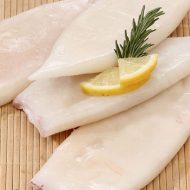
Squid tubes
Squid tubes are the clean, versatile “blank canvas” cut — ideal when you want control over thickness and portion size. Because the mantle is intact, you can slice it into calamari rings yourself, cut strips for salt-and-pepper style frying, or score and slice for quick stir-fries. Tubes suit cooks who care about bite: cut wider for a meatier chew, thinner for faster cooking. They’re also the easiest route to uniform squid strips, which matters when you’re aiming for consistent texture rather than a mix of tender and rubbery in the same pan.
Squid rings
Rings are the speed pick. They’re pre-cut to a predictable shape, which makes portion control and timing simpler — especially for breaded calamari, shallow frying, or quick flash-fry batches. Because they’re already portioned, rings are handy when you’re feeding a group and want consistent plate coverage without standing at the board slicing. If you like repeatable results, rings remove a lot of variables: same cut, similar thickness, steady cook times, less trimming.
Squid tentacles
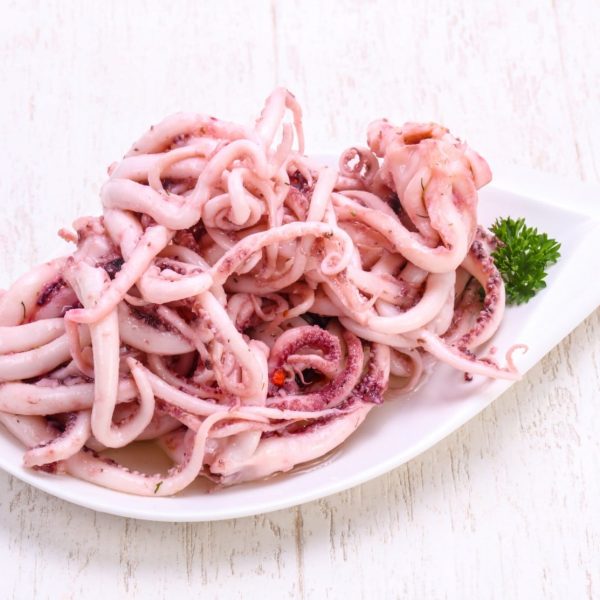
Tentacles bring a different eating experience: more character, more curl, and a slightly firmer bite that holds up well to fast, high-heat cooking. They’re a favourite for tapas-style plates, grill plans, and punchy marinades where you want the squid to look like squid. Tentacles also pair well with mixed seafood dishes where you want contrast against smoother cuts like rings or tube strips. Think of them as the cut for people who want texture and presentation, not just “calamari bits”.
Speciality lines
If stocked, speciality squid items are best viewed as “ready for specific uses”. That might mean pre-prepped portions for quick frying, squid pieces selected for particular recipes, or lines aimed at consistent sizing for catering-style service. The value here is purpose-fit prep: fewer steps, a tighter match between cut and cooking method, and more predictable results when timing matters.
Pick the squid cut that matches your pan, your timing, and your appetite.
What Arrives at Your Door
Cold-chain confidence matters with seafood, so we run this like an operator, not a guessing game. Your order is dispatched by DPD overnight courier. It’s packed with dry ice in a polystyrene insulated box, because insulation slows heat gain and dry ice provides a strong cold source during transit — together, that combination helps keep squid properly frozen while it moves through the network. The goal is simple: when you open the box, the product should still be in a frozen state, not “halfway-thawed and hoping for the best”.
Delivery timing is handled in a way that stays accurate without playing roulette with cut-off times. Orders placed before the stated cut-off are prepared for next working day delivery on eligible days, and checkout controls valid delivery dates so you can select from the options that actually apply to your address and the delivery calendar. That means fewer surprises, fewer missed deliveries, and fewer messages that start with “my box arrived when I wasn’t home”.
When it arrives, treat it like a quick handover, not a project. Open promptly, check your items, and move the squid straight to the freezer so it stays hard-frozen; then follow the on-pack storage guidance for the specific product you’ve bought (different cuts and pack formats can have different best-practice notes). If you’re planning to use it soon, you can keep your prep decisions for later sections of the page — this bit is just about getting the cold chain from our door to your freezer with minimal fuss.
A calm word on dry ice: it’s doing a job, so respect it without panicking. Avoid direct skin contact, keep the area ventilated, don’t seal dry ice in an airtight container, and keep it away from children and pets. Once the product is safely in the freezer, you can let the packaging settle and dispose of it sensibly — the important part is that your squid stays frozen and ready for whenever you are.
Label-First Transparency
Buying squid online shouldn’t feel like a mystery box. On frozenfish.direct, each squid line is presented with the practical fields that matter when you’re trying to order with confidence, not hope. You’ll see the cut clearly stated (tubes, rings, tentacles, and any speciality lines when stocked), alongside the weight or pack size so you can judge portioning, value, and how much freezer space you’re committing to.
Where it’s relevant to that specific product, we also show whether it’s skin-on or skinless, and whether it’s boneless or still has anything that needs trimming or checking (pin-boned details apply to fish rather than squid, but the same rule holds: we call out what affects prep and eating). If a squid item is labelled wild or farmed and that distinction applies, it’s stated on the product details so you’re not guessing at the source.
Because seafood supply chains can vary by species and line, we avoid making category-wide promises that don’t hold up. If origin or catch area varies by item, it’s shown on the product details for that product, so you can choose based on preference without being misled by a broad headline.
Allergen info isn’t hidden in the small print, either. Squid is clearly flagged as an allergen, and for any products that include added ingredients (for example, coated, seasoned, or otherwise prepared lines), the ingredients are listed on the individual product page so you know exactly what you’re buying.
- Cut drives cooking. Weight drives timing. Skin drives texture.
- Origin informs preference. Method informs richness. Pack size informs value.
- Label drives trust. Details drive decisions. Consistency drives repeat orders.
Storage and Defrosting
Frozen squid is at its best when you treat it like a carefully held ingredient, not something you “rescue” at the last minute. Start with storage: keep it properly frozen, keep it sealed, and keep it out of drying airflow. Most packs are vac packed, which helps a lot — less air means less dehydration, and dehydration is what turns good squid into that dull, chewy version of itself. If you ever see pale, dry patches or a dusty look on the surface, that’s usually freezer burn: not dangerous, just a sign the texture will be less forgiving. A simple habit helps: rotate your stock so older packs go forward, newer packs stay at the back. Squid is portionable, so you can pull what you need and keep the rest undisturbed.
For defrosting, think “gentle and contained.” The default is a slow fridge defrost because it protects texture and keeps handling clean. Keep the squid contained as it thaws — tray or bowl underneath — because thawing creates drip loss, and you want that moisture managed, not spreading across the fridge. When it’s defrosted, give it a quick check, then pat dry. This one step makes a bigger difference than people expect: less surface water means less “watery” cooking, a better sear, and a cleaner finish.
Texture-wise, squid is sensitive to extremes. Too wet and it can go soft in the pan before it browns; too aggressive and it can tighten and lose firmness fast. Some fatty cuts forgive heat more than lean ones, but squid is naturally lean — which is why drying the surface matters. If you’re comparing lines on your counter, remember that “skin-on” and “pin-boned” are more fish-specific cues, but the principle still applies: label details tell you what prep and texture to expect.
On refreezing, keep it conservative. If you’ve thawed squid in the fridge, kept it clean and cold, and the pack guidance says it’s suitable, you may have options — but when in doubt, don’t refreeze. Follow the on-pack instructions first, and choose certainty over wishful thinking.
Cooking Outcomes
Crisp skin (skin-on)
If you’ve got skin-on squid, the aim is quick colour without turning the flesh rubbery. Start with a dry surface — moisture is the enemy of crisping — then use a properly hot pan with a thin film of oil. Put the squid in and leave it alone for the first moments so it can sear rather than steam; you’re looking for a light golden edge and that toasty smell that says “browning,” not boiling. Finish gently: once the outside has colour, ease the heat and let the centre come through without tightening; the doneness cue is a firm-but-springy feel and clean, glossy flesh rather than a shrinking, stiff curl. Dry surface equals better sear. Gentle finish protects moisture. Resting evens temperature.
Oven-roast / pan-fry portions
Portions are about control: even pieces, predictable results, less guesswork. Use gentle heat once the pan is up to temp, and avoid the temptation to keep “checking” — constant flipping cools the surface and drags out cooking. The doneness cues are simple: the squid turns opaque, the edges just start to curl, and the bite stays tender rather than squeaky. Pull it slightly early and rest briefly off the heat so the steam inside finishes the job without overcooking; that short pause smooths out texture and keeps the centre juicy. Thickness changes timing. Fat content changes forgiveness. Skin changes crisp.
Grill
Grilling rewards confidence and speed: high heat, short contact, strong flavour. Use a clean, hot grill so the squid gets char marks quickly; you want caramelised edges and a fresh, sea-sweet aroma, not a long, drying cook. Watch the surface: when you see quick blistering and the edges curl, you’re close — the ideal texture is bouncy and succulent, not tight and dry. Move pieces to a cooler spot to finish gently if needed, rather than leaving them over direct heat until they seize.
Steaks
Squid steaks tolerate higher heat better than thin rings because the centre has more mass. Sear hard for colour, then watch the edges: when they turn opaque and the steak starts to firm, you’re nearly there. The goal is a juicy centre with a clean cut and a springy bite; if the whole piece tightens and shrinks aggressively, you’ve pushed past the sweet spot. Thickness changes timing. Fat content changes forgiveness. Skin changes crisp.
Cured, smoked, or sashimi-style seafood lines have different handling expectations — always follow the product details for that specific item.
Nutrition Snapshot
Squid is commonly associated with lean protein and a handful of useful micronutrients, which is one reason it sits comfortably in a “stock it, portion it, cook it” freezer routine. Depending on the species and cut, squid is often talked about in the context of nutrients like vitamin B12, selenium, iodine, phosphorus, and copper — the kind of behind-the-scenes bits your body uses for everyday maintenance rather than flashy promises. None of that needs a halo: it’s simply a practical seafood choice that can pull its weight in normal meals.
Keep the details honest, though: nutrients vary by species, cut, and whether it’s wild or farmed; see product details for the specific item you’re buying. A tube, a ring, and a tentacle pack don’t always behave the same in the pan, and their typical nutrition profiles can differ too — especially once you factor in any added ingredients on speciality lines (for example, seasoned or prepared products). If you’re comparing packs, treat the product page as the “label you can shop by,” not guesswork.
If you want a simple buying lens: squid is usually chosen for texture and cooking outcome first, and nutrition second. Leaner cuts tend to punish heavy heat with a rubbery bite, while thicker pieces can handle a faster sear and still stay tender. That same “lean vs richer” idea is why cooking method matters as much as the cut.
A balanced diet isn’t a purity contest — it’s just variety over time. Pick the squid cut that fits your cooking style and portion needs, and you’ll feel confident that what you’re buying makes sense on the plate as well as in the freezer.
Provenance and Responsible Sourcing
We treat provenance like a buying tool, not a marketing badge. We show method and origin details per product so you can choose what fits your preferences — because with squid, the “right” choice depends on what you value (species, catch method, packing format, or even how processed the product is). Category pages can only ever speak in averages; the product details are where the truth lives.
That’s why we keep claims bounded. We won’t say “all sustainably harvested” or make sweeping statements that can’t be guaranteed across every SKU. Instead, we surface the fields that let you decide: whether an item is wild-caught or farmed where applicable, and the origin/catch area shown on the product details when it varies by line. Some customers look for a specific region; others care more about method or consistency. Either way, you can shop by evidence rather than assumption.
This category can include a mix: farmed squid products in some ranges, wild squid items where stocked, and speciality lines such as smoked or cured products when available. Those specialities are worth calling out because processing changes the story — ingredients, handling expectations, and even flavour intensity can vary widely. The label tells you whether you’re buying a clean, simple seafood cut or something that’s been prepared for a specific use.
Provenance supports preference. Clear labels support trust. Evidence supports claims. If you’re choosing for your household, your menu, or your personal standards, the quickest route is simple: read the SKU details, compare like-for-like, and pick the squid that matches how you cook and what you care about.
Frequently Asked Questions
Is frozen squid as good as fresh?
Frozen squid can be as good as fresh — sometimes better for the way most people actually cook it — but the comparison has to be honest. “Fresh” is really a story about time and handling: how long since it left the water, how cold it stayed, how it was packed, and how much it was knocked about in the supply chain. Frozen is a different strategy: it’s about taking squid at a known point in that journey and locking in that moment, then keeping it there until you’re ready to cook.
Texture and flavour are where people feel the difference. Squid is lean and water-rich, so if it’s frozen poorly or thawed carelessly you can get drip loss, a watery surface, and that slightly soft bite that makes it feel “less fresh”. The fix isn’t marketing — it’s control. Good freezing, good packaging, and calm defrosting protect quality. frozenfish.direct describes its seafood as harvested, packaged and frozen within hours, which is exactly the kind of process control that makes frozen squid consistent week to week. :contentReference[oaicite:0]{index=0}
Then there’s the last mile: frozenfish.direct’s orders are dispatched by DPD overnight carrier and packed with dry ice in a polystyrene insulated box, designed to keep seafood frozen when it arrives. :contentReference[oaicite:1]{index=1} That matters because “good frozen” only stays good if the cold chain doesn’t wobble.
What should you buy, depending on what you’re doing? For midweek speed, portion cuts like rings and smaller tubes are the simplest: predictable pieces, quick cooking, minimal waste. For grilling, look for thicker cuts — some people call these “squid steaks” (thick-cut tubes) — because thickness buys you a little more tolerance and a nicer char without instantly tipping into rubber. For entertaining, go bigger: whole squid or large tubes (the squid equivalent of a “whole side” purchase) give you options to stuff, slice, or present as a centrepiece, while tentacles are brilliant when you want punchy flavour and a grill-friendly bite.
If you want predictable results, frozen is the easier way to make squid a routine.
How do I defrost frozen squid without it going watery?
“Watery” squid is almost always a defrosting problem, not a squid problem.
It happens for a few predictable reasons. When squid freezes, water in the flesh forms ice crystals; the slower and rougher the freeze (or the more it warms and re-freezes), the more those crystals can disturb the structure. During thawing, that disrupted structure can’t hold on to moisture as well, so you see drip loss: liquid collecting in the pack or tray. If squid is defrosted too warm (on the counter, near a radiator, in warm water), the surface warms first, the muscle fibres relax, and even more moisture runs out. Repeated thaw/refreeze cycles make this worse, because each cycle creates new crystal damage and more free water.
The best-practice flow is simple, and it’s mostly about staying cold and staying contained. Defrost in the fridge so the temperature rises slowly and evenly. Keep squid contained to manage drip — a bowl or tray underneath stops the liquid sitting on the flesh. If it’s vacuum packed, keep the packaging intact while it thaws where you can; it reduces air exposure, limits mess, and helps keep the surface from drying unevenly. Once thawed, open the pack, let excess liquid drain away, then pat dry thoroughly with kitchen paper before cooking. A dry surface is the difference between a clean sear and a steamed, soft bite.
A few extra tips that genuinely help:
- Don’t “speed-thaw” squid in warm water; if you must accelerate, use the coldest safe method and keep it sealed, then dry aggressively.
- Separate pieces gently once thawed; tearing rings or tubes creates extra surface damage and more moisture loss.
- Cook promptly after defrosting; leaving thawed squid sitting in its own liquid invites softness.
- Avoid refreezing unless the pack guidance explicitly allows it — repeated freeze/thaw is the fastest route to watery texture.
As a backup, some cuts can be cooked from frozen (especially thinner rings or smaller portions), but the method matters and results are more variable — treat it as a “plan B”, not the default.
Good defrosting is texture control.
Wild vs farmed squid — what should I choose?
Wild vs farmed squid isn’t a “good vs bad” decision — both can be excellent. The smart way to choose is to match the squid to what you’re cooking and how you like it to eat.
In general, wild squid may come with more variation from batch to batch because it depends on season, location, and natural diet. Some people prefer wild squid for a slightly cleaner, more “sea” forward flavour and a firmer bite, especially in simple dishes where squid is the main event. The trade-off is that wild products can be a little less predictable in size and texture, and price can move more.
Farmed squid, where available, is often chosen for consistency — more repeatable sizing, steadier texture, and a more uniform eating experience. That predictability can be a real advantage if you’re cooking for timings (midweek meals, portion control, catering-style prep) and want results you can count on. Price may also be steadier, but it varies by species, spec, and supply.
Two practical texture notes help with cooking decisions. Leaner squid can dry out or turn rubbery if it’s overcooked, so it benefits from gentler cooking and moisture-friendly companions — think quick sauté with garlic and oil, a glossy sauce, or a braise where the liquid does the work. Fattier or more forgiving cuts (when present in your chosen product/spec) can handle higher heat better and suit fast, hot methods like grilling or hard pan-searing, where browning is the goal.
Because squid isn’t one uniform product, the most reliable guide is always the listing itself. On frozenfish.direct, the product details show whether an item is wild or farmed, and the stated origin/catch area for that specific SKU, so you can choose with evidence instead of guesswork. The category may include wild squid items and farmed squid items, depending on what’s stocked, plus different cuts (rings, tubes, tentacles) that change how it cooks.
Choose by cooking method first, then by origin and method.
Which squid cut should I buy for my plan?
The right squid cut is the one that makes your plan easier, not more impressive. Start by picking the outcome you want, then choose the cut that gets you there with the least fuss.
For weeknight meals, go for prepped portions — typically rings or tubes that are already cleaned and cut. They’re quick to portion, predictable in size, and they suit fast cooking in a pan or a simple oven dish. If you want the lowest-effort route, choose skinless, ready-prepped squid where available: less trimming, less mess, more repeatable results.
For grilling, choose squid that can take direct heat without overcooking in the time it takes to get colour. That usually means thicker pieces: larger tubes (cut open and scored), whole small squid where available, or substantial tentacles. Thin rings can work on a grill, but they cook so fast that the window between “tender” and “rubbery” is narrow — better for quick skewers and high attention.
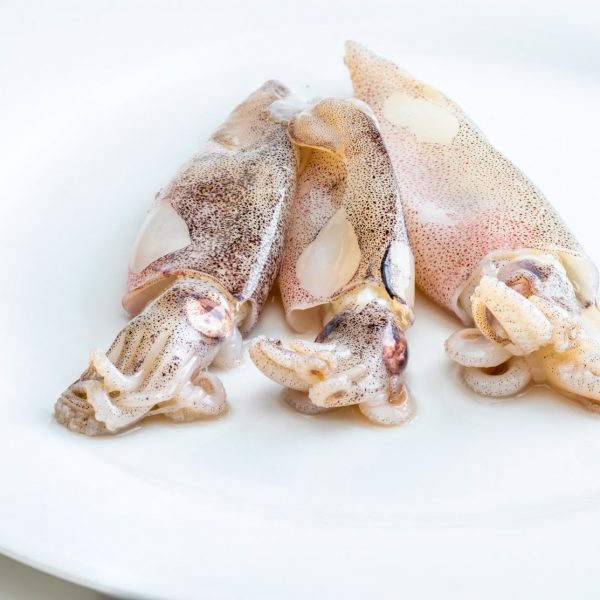
For entertaining, whole squid (or larger tubes you can prep into your own portions) is the most flexible. It lets you control the final presentation — stuffed and roasted, sliced into generous pieces for sharing platters, or finished quickly and served with sauces. If you enjoy a hands-on kitchen, prep-it-yourself → whole gutted squid is the best match: you get the satisfaction of doing the final trim and deciding exactly how it’s cut.
For special occasions, look to speciality lines where stocked — for example smoked or cured squid products. These aren’t “cook like normal squid” items; they’re about a specific eating style, so follow the product details and handling notes for that SKU.
Two levers matter most: thickness and skin. Thickness controls timing and tenderness — thicker squid gives you more breathing room on heat. Skin changes surface behaviour and texture — it can help with colour and a firmer bite, but it also rewards good surface prep (your defrost/cook notes cover this).
If you only buy one thing: cleaned squid tubes. They’re the most versatile — slice into rings, score for fast searing, or keep larger pieces for grilling-style results.
Pick the cut that matches your heat source and your timing.
Can I cook squid from frozen?
Yes, often you can cook squid from frozen — but method matters. The two things that decide whether it works are thickness and surface moisture. Frozen seafood carries extra water on the outside (ice crystals and meltwater), and wet surfaces don’t sear well. Squid also cooks fast, so if you hit it with aggressive high heat while it’s still icy, you tend to get “steamed” squid that tightens up before it browns.
That’s why oven cooking, an air-fryer, or a covered pan can be more forgiving than a straight-to-skillet hard sear. These methods give the centre a chance to warm through while you manage moisture, then you can finish hotter to bring back colour and texture. Think of it as a two-stage approach: defrost-on-the-fly, then brown.
A practical way to do it goes like this, in one calm flow. Take the squid out of the outer packaging and remove any trays or absorbent pads. If there’s visible frost or loose ice, give it a quick rinse under cold water to knock that off, then pat it very dry with kitchen paper — especially the cut edges and any scored surfaces. Start cooking with gentler heat first (a moderate oven, a covered pan with a little oil, or an air-fryer set to a steady cook rather than “blast”). Once the squid has released its initial moisture and the surface looks drier, finish hotter for colour: uncover the pan, increase the heat, or give it a short final crisping step. Keep adjusting based on thickness — rings and thin strips need less time than tubes, tentacles, or whole pieces — and always follow the on-pack guidance where it’s provided.
When should you not cook squid from frozen? If you’re working with very thick pieces and you want a perfect, even sear, thawing first gives you far more control. Also, speciality cured, marinated, or sashimi-style products (where stocked) should be handled exactly as the product details instruct — those aren’t “treat it like plain squid” items.
Frozen-to-oven is the weeknight cheat code when you need Squid now.
How long does frozen squid last, and how do I avoid freezer burn?
Frozen squid will stay safe to eat for a long time when it’s kept properly frozen, but the eating quality isn’t immortal. Freezing slows the reactions that cause spoilage and keeps microbes from growing, so safety is mainly about keeping the squid frozen solid and handling it cleanly once it’s opened. Quality is different: over time, even well-frozen squid can lose some of its best texture and flavour, especially if the freezer temperature fluctuates or the pack gets exposed to air.
That’s where freezer burn comes in. Freezer burn isn’t “gone off” food — it’s dehydration caused by air exposure. In a freezer, moisture can migrate out of the squid and form ice crystals in the pack, leaving the surface drier. You’ll usually spot it as pale or dry patches, a duller colour, and sometimes hard or leathery edges. Cooked, freezer-burned squid can feel tough, a bit cottony, or just less clean-tasting, because the surface has effectively dried out before you even start cooking.
The good news: avoiding freezer burn is mostly boring but effective habits.
Keep packs sealed until you’re ready to use them, and once opened, minimise air exposure. If you only need part of a pack, rewrap the remainder tightly and press out as much air as you can before freezing again, or transfer it into an airtight freezer bag/container. Store squid flat where possible so it freezes and stays cold evenly, and keep it towards the back of the freezer where temperatures are steadier. Try not to “door-surf” the freezer for long periods, because warm air plus refreezing creates surface ice and encourages dehydration. Finally, rotate your stock: put newer packs behind older ones so you naturally use the older squid first.
This is where packaging matters. Many frozenfish.direct products are vacuum packed, which helps because it reduces the air space around the squid — less air means less dehydration, and less dehydration means better texture when you cook. Still, no pack can beat a freezer that’s opened constantly or set to an unstable temperature, so your storage habits finish the job.
For exact best-before guidance, follow the on-pack storage instructions, because cut type and packaging can vary. Good packaging and steady cold are what keep Squid tasting like Squid.