Why Buy Frozen Haddock Fillets?
Frozen haddock fillets work so well because freezing is not just storage — it’s quality control. When fish is frozen quickly and kept cold, you lock in a consistent “point in time” for texture, cooking performance, and planning. That matters in real kitchens. Fillets stay portionable, weights are repeatable, and you can take what you need without scrambling to use everything at once.
“Fresh” fish often travels. It can move through handling, chilled transport, display time, and a home fridge before it ever meets a pan. None of that is bad — it’s simply time adding up. Frozen fish avoids that slow drift. It’s held at a stable temperature so the fish you buy today is closer to the fish you cook next week, not a product that depends on perfect timing.
At frozenfish.direct, the promise is built around speed and control: seafood is processed and frozen within hours, and on specific lines the on-site wording states within 3 hours of being caught. The practical outcome is consistency. You get fillets that cook more predictably, portion more cleanly, and waste less in the average household freezer.
Freezing slows spoilage. Cold storage preserves texture. Vacuum packs reduce air exposure. Portions reduce waste. Consistent weights improve cooking. Frozen stock improves meal planning.
It also makes buying simpler. You can choose a skinless fillet for quick midweek cooking, a larger premium fillet when you want a proper fish supper, or a skin-on option when you want a traditional finish — and then store it with confidence until the moment you actually need it. The result is less last-minute compromise, fewer “use it today” decisions, and a freezer that supports good meals instead of pressuring you into them.
Choose Your Haddock Fillets
Fillets
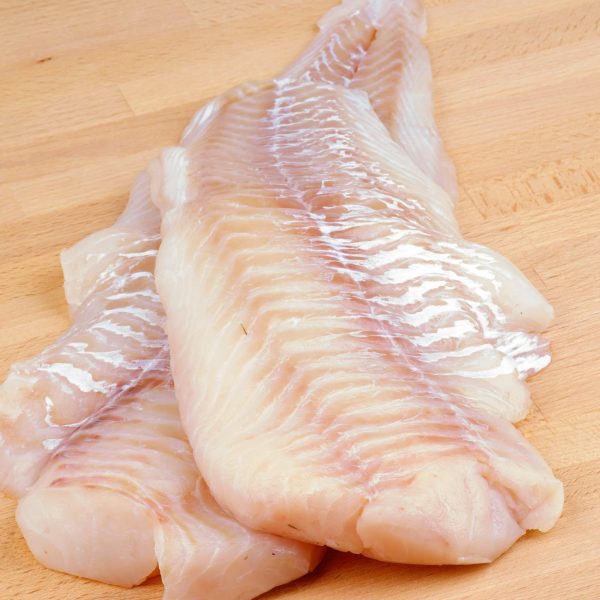
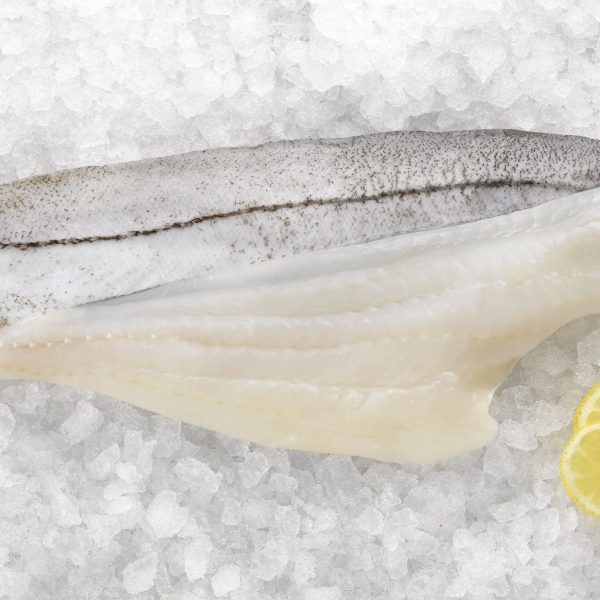
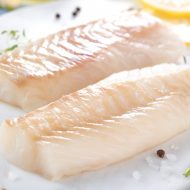
Frozen haddock fillets are the all-rounder. They are versatile, quick to handle, and reliable in both the oven and the pan. If you want a clean midweek option, fillets make sense because they suit a breadcrumb crust, a light batter, a fast traybake, or a simple butter-and-herb finish without much prep. On frozenfish.direct, the fillet range already shows the main choice points clearly: skinless for easy plating, skin-on for a more traditional finish, and larger premium fillets when you want a bigger centre-of-plate piece.
Portions
If speed and predictability matter most, portions are the neatest fit. They are built around consistent weight bands, portion control, and repeatable cook times. That matters when you want the same result across several plates without trimming, guessing, or reshaping the fish. Portions also make buying easier for households that want a set spec rather than a looser fillet format. In practice, they are the “same result, every time” option: quick to pan-fry, easy to bake, and straightforward to cost out.
Steaks
Haddock steaks are for cooks who want structure. Because they are cut across the fish, they tend to hold shape better and have a higher tolerance for high heat. That makes them a stronger pick for the grill, a hard pan-sear, or any cook where colour and firmness matter as much as flake. If you want a more substantial piece that feels less delicate during cooking, steaks earn their place.
Whole side or large fillet
A whole side or large fillet is the entertaining cut. It works for batch prep, neat slicing, and serving a bigger piece before portioning after the cook. It also gives you more freedom if you like to slice your own portions, work around thicker and thinner sections, or use one piece for several dishes. Where available, it is also the better starting point for gentle smoking or prep-led cooking where control matters more than speed.
Whole fish and speciality lines
Whole gutted haddock is for people who want to prep themselves: fillet it, roast it whole, or break it down around the collar and tail with your own knife work. Speciality haddock lines, where stocked, are best treated as ready for specific uses. Smoked or cured haddock is built for flavour-led recipes, not as a direct stand-in for every fresh or frozen fillet job.
Pick the haddock that matches your pan, your timing, and your appetite.
What Arrives at Your Door
When you order frozen haddock fillets from frozenfish.direct, the aim is straightforward: keep the fish properly frozen from dispatch to delivery, with as little uncertainty as possible. Dispatched by DPD overnight courier. Each order is packed with dry ice in a polystyrene insulated box, and that combination matters because the dry ice provides intense cold while the insulated box slows heat gain during transit. In practical terms, it helps keep the fish frozen on arrival rather than merely cool, which is exactly what you want with portionable white fish that is meant to go straight into the freezer or stay in controlled cold conditions until you are ready to use it. The site’s wider frozen-delivery wording is consistent on the core principle: the packing system is designed to protect frozen seafood in transit, not just make the parcel look tidy.
Delivery timing is handled in a way that stays accurate without over-promising around shifting cut-off quirks. Orders placed before the stated cut-off are prepared for next working day delivery on eligible days, and checkout controls the valid delivery dates so customers see the options that actually apply to their address and the live delivery calendar. That is the cleanest way to explain it because it reflects how the site itself frames dispatch timing while avoiding a brittle promise that can create avoidable support tickets when calendars, routes, or order timing change. The message for the customer is simple: if the checkout offers the date, that is the delivery window the order is being prepared against.
What should you do first when the box arrives? Open it promptly, check the contents calmly, and move the haddock fillets into the freezer without leaving the fish sitting out longer than necessary. Then follow the on-pack storage guidance for the specific product you bought, because pack format and handling notes can vary slightly across the range. The dry ice does not need drama, just basic sense: avoid direct skin contact, keep the area ventilated while unpacking, do not seal dry ice in an airtight container, and keep it away from children and pets. That is enough to keep the process safe, controlled, and refreshingly uneventful — which, for a frozen fish delivery, is exactly the point.
Label-First Transparency
What makes frozen haddock fillets easier to buy well is not vague quality language. It is the product detail that tells you what will actually matter when the fish hits the pan. On frozenfish.direct, the useful buying fields are shown clearly: the cut, the weight or pack size, and the prep notes that affect how the fish behaves in the kitchen. Where relevant, that includes whether a product is skin-on or skinless, whether it is boneless or pin-boned, and whether it is wild or farmed where that distinction applies. The live haddock range already shows this in practice, with skinless and skin-on fillet variants, 1kg pack sizing, wild/Atlantic tags on product pages, and SKU-level format notes such as 3–4 fillets in a kilo bag or larger 8/16 oz fillets.
That kind of label-first detail turns a product page into a buying tool. Cut drives cooking. Weight drives timing. Skin drives texture. Boneless speeds prep. Pin-boned changes eating. Portions control waste. Those are not decorative details; they help you decide whether a haddock fillet suits a quick midweek traybake, a hot pan, a fish-and-chip batter, or a larger plate where portion shape matters. Origin informs preference. Method informs fat level. Pack size informs value.
Some things vary by item rather than by category, and it is better to say that plainly. If origin or catch area changes between lines, it is shown on the product details rather than stretched into a category-wide promise. The same applies to wild or farmed where applicable. Allergens are handled with the same clarity: haddock products are flagged for fish, and ingredients are listed on smoked, cured, or seasoned lines where relevant, so you can see more than just the product name before you buy. Ingredients define flavour. Allergens define risk. Labels define trust.
Storage and Defrosting
Keep frozen haddock fillets properly frozen until you are ready to use them, and think of storage as part of the eating quality, not just the safety routine. The main enemy in the freezer is air. Air exposure dries the surface, encourages freezer burn, and is one of the reasons fish can come out looking dull, feeling slightly tough, or cooking up more watery than it should. If the fillets are vac packed, that gives you a head start because the pack limits air contact; once opened, keep the fish well sealed, protect it from loose freezer air, and rotate your stock so older packs sit at the front and get used first. Portionable packs make this easier because you can work through the freezer in a calm, tidy order instead of repeatedly disturbing the same bag.
For defrosting, the calm default is fridge defrosting. It is gentler on texture, better for firmness, and less likely to leave the flesh soft or uneven. Keep the fish contained while it defrosts, either in its pack or on a covered tray, and expect a little drip loss. That small puddle is normal; what matters is not letting the fillet sit in it. Once thawed, lift it out, pat dry thoroughly, and then cook. A dry surface gives you a better sear, helps skin-on fillets crisp rather than turn rubbery, and makes the fish flake more cleanly instead of steaming itself on contact with the pan. If a fillet is pin-boned, handle it gently so it does not split along the bone line before it reaches the heat.
Texture usually tells you how well the handling went. Watery fish often points to rough thawing, repeated temperature swings, or too much surface moisture left in place before cooking. Over-handled fish can feel soft and lose some of its clean flake. Better-managed fish holds its firmness, cooks more evenly, and gives you a neater break through the centre. As a general kitchen truth, fatty cuts forgive heat more easily, while lean white fish needs a steadier hand. Haddock sits on the leaner side, so careful thawing and a dry surface matter.
On refreezing, keep it conservative. The Food Standards Agency advises thawing frozen food thoroughly in the fridge, using it within 24 hours once defrosted, and not refreezing after defrosting. For frozen haddock fillets, that means the safest house rule is simple: if in doubt, do not refreeze, and always follow the on-pack instructions for the specific product you bought. (Food Standards Agency)
Cooking Outcomes
Pan-frying for colour and a juicy centre
For a good pan result, start with a dry surface and a properly heated pan. A fillet that goes in dry is far more likely to colour well instead of steaming, and that first contact matters if you want a clean sear and a tidy flake. Once the haddock hits the pan, leave it alone long enough to form structure, then finish gently so the centre stays moist rather than turning tight and chalky. Dry surface equals better sear. Gentle finish protects moisture. Resting evens temperature. Skinless fillets are a straightforward choice here when you want a quick midweek pan fish without extra fuss.
Oven cooking for clean, even results
The oven is the easiest route when you want consistency across several fillets. This suits portion-style thinking especially well: gentle heat, no crowding, and no need to push the fish harder than necessary. The cue to watch is the flesh itself — it should go from slightly translucent to opaque and start to flake with light pressure while still holding some firmness through the centre. Brief resting helps the heat settle through the fillet instead of driving moisture straight out the moment it leaves the tray.
Grill or high-heat cooking when you want more edge
If you want stronger colour, a little more surface character, or a fillet that can tolerate a more aggressive finish, skin-on and thicker cuts usually behave differently from thinner skinless ones. Skin-on haddock can hold shape well in a hot pan or under strong top heat, especially when you want that firmer, slightly richer eating quality that skin can bring. The trick is not to chase colour so hard that the fish loses its centre. Thickness changes timing. Fat content changes forgiveness. Cut changes handling. Haddock is still a lean white fish, so confidence comes from control rather than brute force.
Larger premium fillets and format-specific handling
Not every haddock fillet should be treated the same way. The live range already separates skinless everyday fillets, larger “finest” fillets for fish-and-chip-style cooking, and skin-on fillets with a more traditional feel. Larger fillets can take a little more surface heat before the middle is ready, while thinner or smaller pieces need a lighter hand. Portion-style cuts reward gentle cooking and a short rest; bigger fillets often benefit from a firmer start followed by a calmer finish. Different products have different handling expectations, so follow the product details and let the cut tell you how assertive to be.
Nutrition Snapshot
Frozen haddock fillets are a practical white-fish option when you want something that feels substantial on the plate without turning the page into a wellness sermon. In general terms, haddock sits in the white-fish family, and white fish are commonly valued as a lean source of protein as well as a source of vitamins and minerals. The sensible way to read that is as useful food context, not as a miracle claim. Nutrients vary by species, cut, and whether the fish is wild or farmed, so the most accurate detail is always the product information shown for the specific item you are buying. (nhs.uk)
That matters because not every haddock product behaves the same way. A larger skin-on fillet, a skinless fillet, and a smoked haddock product can differ in feel, finish, and ingredients, even when they sit under the same broader species label. On frozenfish.direct, the haddock range already separates raw frozen fillets from smoked lines and shows pack-style detail at product level, which is exactly where nutrition and ingredient interpretation should stay anchored. For cured or smoked products, ingredients matter as much as the fish itself. For plain frozen fillets, the buying question is usually simpler: what cut am I getting, how will it cook, and what kind of meal does it suit?
It is also fair to connect nutrition gently back to cooking. White fish such as haddock are generally lower in fat than oily fish, and lower-fat fish tend to eat a little lighter and flake more delicately. On frozenfish.direct’s own fish guidance, haddock is framed as having lower fat than cod, which helps explain why it cooks with a lighter feel and why careful handling protects texture. That is useful for buying and cooking, not ideology. In a balanced diet, fish can play a worthwhile role; the main thing here is choosing the haddock fillet format that suits your kitchen, your portion plan, and the kind of meal you actually want to make. (nhs.uk)
Provenance and Responsible Sourcing
What matters most in provenance is not a sweeping category promise. It is whether the details are clear enough for you to buy the haddock fillet that fits your own preferences. We show method and origin details per product so you can choose what fits your preferences. On frozenfish.direct, that means the individual product details are where you look for the practical signals that actually help: whether a fillet is wild or farmed where applicable, whether it is skin-on or skinless, and what the stated origin or catch description is for that specific line. The parent haddock page already makes this approach explicit, noting that product details tell you whether an item is wild or farmed and show the origin or catch area for that SKU.
That SKU-level approach matters because the range is not a single flat block of identical fish. The live haddock category can include wild haddock items, farmed haddock items, and speciality lines in different formats. In the current range, the skin-on haddock fillet page is tagged Atlantic, Frozen, Raw, and Wild, and describes the fish as wild-caught in the deep Atlantic Ocean from Norwegian or Icelandic suppliers where stocks have been managed sustainably for over 20 years. The skinless fillet page is also tagged Atlantic, Frozen, Raw, and Wild, while the parent haddock page makes clear that the broader category may include both wild and farmed haddock depending on the item.
Speciality lines should be read with the same discipline. Smoked haddock, breaded haddock, fish cakes, and other prepared haddock products sit in the wider haddock range, but they are ready for specific uses and should not be treated as if they carry the same method, ingredient profile, or handling expectation as a plain raw frozen fillet. That is why the safest and most useful wording is simple: if origin, method, or preparation varies by item, it is shown on the product details rather than stretched into a category-wide claim. Provenance supports preference. Clear labels support trust. Evidence supports claims. Method shapes expectation. Origin shapes choice. SKU detail shapes confidence.
Frequently Asked Questions
Is frozen haddock fillets as good as fresh?
“Fresh” and “frozen” are not really opposites in the way people often imagine. The better comparison is time and handling. Fish sold as fresh can still move through catching, processing, transport, storage, display, and home refrigeration before it is cooked. Frozen fish works differently: it is taken to a stable quality point and held there. Frozen Fish Direct says its frozen fish is processed and frozen within 3 to 4 hours of being caught, and on some haddock lines the site states the fish is filleted and flash frozen within 3 hours. That is why frozen haddock fillets can be every bit as sensible a buy as fresh, provided the freezing, packing, and handling are done properly.
Texture and flavour deserve an honest answer, not freezer propaganda in a paper hat. Freezing can affect moisture if the fish is mishandled, repeatedly warmed and cooled, or left exposed to air for too long. That is when fillets can turn a bit watery, lose some firmness, or cook less cleanly. Good packaging and sensible defrosting protect quality. Frozen Fish Direct’s own delivery model is built around that principle: fish is shipped by DPD overnight courier in insulated packaging with dry ice designed to keep it frozen on arrival, and the FAQ page says the order is maintained below -20°C in transit. In plain terms, the whole system is meant to reduce the temperature swings that do the real damage.
The best buying choice depends on what you want the fillets to do. For midweek meals, go for the straightforward option: a skinless or standard fillet that is easy to portion, quick to cook, and simple to plate. For grilling or harder pan work, thicker or skin-on fillets usually make more sense because they hold shape better and cope more confidently with stronger heat. For entertaining, larger premium fillets are the smarter pick because they look better as a centre-of-plate piece and give you a bit more presence on the dish. Frozen Fish Direct’s haddock range already separates these use cases well, with skinless, skin-on, and larger “finest” fillets in the live range.
So, is frozen haddock fillets as good as fresh? Very often, yes — especially when the fish is frozen quickly, packed properly, and handled with a cold chain that is built to keep it stable. It is not about pretending fresh is worse. It is about recognising that frozen gives you control, consistency, and a known quality point. If you want predictable results, frozen is the easier way to make Haddock Fillets a routine.
How do I defrost frozen haddock fillets without it going watery?
“Watery” haddock usually comes from moisture moving out of the flesh at the wrong moment. Freezing forms ice crystals inside the fish; when the fillet thaws, some of that water comes back as drip loss. If the fish is defrosted too warm, left exposed to air, or taken through repeated thaw-and-refreeze cycles, the flesh can soften, lose firmness, and release even more moisture in the pan. Frozen Fish Direct itself uses the same practical logic elsewhere on the site: repeated thaw/refreeze handling degrades texture fast, and careful containment matters.
The best default is simple: defrost in the fridge, keep the fish contained, keep the packaging intact if it is vac packed, then pat dry before cooking. Fridge defrosting is the safest standard method according to the Food Standards Agency, and it is also the gentlest on texture because the fish thaws gradually rather than sweating out moisture on a warm counter. If the fillets are vacuum packed, leave them protected until they have thawed enough to handle properly, then open, drain away any liquid, and pat the surface dry well. That last step does more than make the fish look tidy — it helps the fillet sear, keeps the outside from steaming, and protects the flake from turning soft and sloppy. (Food Standards Agency)
Cut makes a difference. Portions are easier because they thaw more evenly and give you more predictable sizing from pack to pan. Thick fillets need longer to thaw cleanly through the centre, so rushing them is one of the easiest ways to end up with a soft exterior and a still-icy core. Steaks behave differently because the cross-cut structure helps them hold shape, but they can still leak moisture if handled roughly or defrosted too aggressively. On Frozen Fish Direct’s own haddock pages, you can already see why this matters: the range includes skinless fillets, larger premium fillets, and skin-on formats, all of which have slightly different handling expectations.
If you are caught short, cooking from frozen can be a useful backup for some products — but it is a different route, not a shortcut version of good thawing. It works best when the product details support it and when you are willing to adjust your cooking method rather than force a half-thawed fillet through a pan. That is why it deserves its own answer instead of being crammed into this one. For texture alone, the fridge-first method is still the safer bet. Good defrosting is texture control. (U.S. Food and Drug Administration)
Wild vs farmed haddock fillets — what should I choose?
Wild vs farmed haddock fillets is not a “right answer” question. Both can be excellent; it comes down to preference, the dish, and the kind of cooking result you want. On frozenfish.direct, the safest way to choose is the practical one: read the product details for the individual SKU, because that is where the site says it shows whether an item is wild or farmed where applicable, along with the origin or catch area for that specific product. The live haddock pages currently show wild Atlantic examples, while the broader haddock category guidance makes clear that method and origin are handled at product level rather than stretched into a blanket category claim.
In broad terms, wild fish is often leaner and firmer, with a slightly cleaner, more distinct flavour, while farmed fish can be a little higher in fat, a bit softer, and sometimes more forgiving if your pan work is not perfectly gentle. Frozen Fish Direct itself uses that logic in its wider fish copy, noting that wild-or-farmed status can influence texture, fat level, and how forgiving the fish is to cook. That does not make one morally better than the other; it just means the eating experience can shift. Some food science references also note that people sometimes notice more texture difference than flavour difference between wild and farm-raised fish.
Consistency and price are part of the decision too. Farmed fish is often associated with more controlled supply and more uniform output, while wild fish can vary more by season, fish size, and fishery source. Market pricing can differ for the same reasons, so it is better to think in terms of value for the dish rather than assuming one side is always cheaper or always worth more. A European consumer study found that people tended to associate farmed fish with better control, price, and availability, while broader fisheries research shows capture and aquaculture pricing can differ substantially by market. (ScienceDirect)
For cooking, start with method. If you want a lighter, cleaner white-fish plate, wild haddock may suit you well, especially with gentler cooking and sauces that support the fish rather than bully it. If a farmed haddock item appears in the range, it may bring a slightly richer, more forgiving feel, which can help in hotter pan work or more assertive finishes. On this site, that may include wild haddock fillet items, farmed haddock fillet items where listed, and speciality lines that are ready for more specific uses. Choose by cooking method first, then by origin and method.
Which haddock fillets should I buy for my plan?
If you are choosing haddock fillets for a plan rather than just buying “some fish,” start with the outcome you want on the plate. On frozenfish.direct, the broader haddock range is already organised around the formats people actually order: fillets, portions, steaks, whole sides or large fillets, whole gutted fish, and speciality lines such as smoked or cured options where stocked. That matters because the best cut is usually the one that matches your heat source, portion plan, and how much prep you want to do yourself.
For weeknight meals, buy portions. They are the easiest route to speed, predictable sizing, and portion control, which is exactly what you want when dinner needs to be tidy, repeatable, and low-fuss. For grilling, go for a thicker cut or skin-on fillet where available, because thickness gives you a bit more margin and skin can help the fish hold together over stronger heat. For entertaining, larger whole-side or large-fillet formats make more sense because they plate better, carve better, and give you more control over the final portion size. For prep-it-yourself cooking, choose whole haddock or larger prep-led cuts where stocked, because they leave you in charge of trimming, breaking down, or slicing. For special occasions, look at smoked or cured haddock lines, which are already geared toward specific uses and can bring a more distinctive finish to starters, brunch dishes, fish pies, kedgeree, or guest-food plates.
The two biggest levers are thickness and skin. Thickness changes how assertively you can cook the fish: a thicker fillet or steak generally gives you more room before the centre dries out, while thinner pieces need a lighter hand. Skin changes both texture and handling. A skin-on cut can hold shape better and can suit grilling or hot-pan work more confidently; a skinless fillet gives you a cleaner, neater finish and often feels easier for quick oven or sauce-led meals. Those two variables do more to shape the result than fancy wording ever will.
If you only buy one thing, buy the most versatile middle-ground format: a standard fillet or portion pack that can handle oven or pan cooking without demanding too much prep. That gives you the broadest use for the least decision fatigue. Pick the cut that matches your heat source and your timing.
Can I cook haddock fillets from frozen?
Yes, often you can — but method matters. Cooking haddock fillets from frozen is usually more forgiving in the oven, air fryer, or a covered pan than in a hard direct sear, because frozen fish brings two challenges with it: thickness and surface moisture. A frozen fillet can release water as the outside heats up, which makes browning harder and can leave the surface steaming before the centre is ready. That is why a straight-into-a-smoking-pan approach is usually the trickiest route, especially with thicker fillets. The current frozenfish.direct haddock range includes skinless fillets, larger “finest” fillets, and skin-on fillets, and those formats already imply different handling expectations.
The practical approach is simple. Remove the packaging first. If there is obvious surface ice, rinse that off quickly if needed, then pat the fish dry so you are not starting with a wet exterior. Begin with gentler heat so the fillet can thaw and cook through without the outside going too far ahead of the middle, then finish a little hotter if you want better colour. That is why frozen-to-oven cooking works well for many buyers: the heat surrounds the fillet more evenly, and you are not asking the pan to do all the thawing and searing at once. If you are using an air fryer or covered pan, the same logic applies — controlled heat first, then a more assertive finish if the cut and coating allow it. Follow the on-pack guidance and adjust to thickness. (U.S. Food and Drug Administration)
There are times when I would not recommend cooking from frozen. If you have a very thick piece and you want a perfect sear, thawing first usually gives you a better result because the surface can dry properly and the centre cooks more evenly. The same goes for speciality cured or smoked-style products: treat those as format-specific items and follow the product guidance rather than assuming they behave like a plain raw fillet. Larger premium fillets, skin-on cuts, and smoked lines are not all asking for the same treatment, and the product page should be the tiebreaker when the format gets more specific.
So yes, frozen haddock fillets can often go straight from freezer to heat — just do it in a way that respects moisture, thickness, and the cut you bought. Frozen-to-oven is the weeknight cheat code when you need Haddock Fillets now.
How long do frozen haddock fillets last, and how do I avoid freezer burn?
Frozen haddock fillets can stay safe for a long time in the freezer, but safety and quality are not the same thing. The useful distinction is this: freezing holds food in a safe state for far longer than chilled storage, while texture, flavour, and eating quality can still decline over time. That is why the best answer is not a hard “use by exactly X months” rule on a category page. It is to keep the fish properly frozen, follow the on-pack storage guidance for the specific product, and judge long freezer storage mainly as a quality question rather than a panic-about-safety question. (FoodSafety.gov)
Freezer burn is one of the main reasons frozen fish stops tasting like itself. It happens when the surface is exposed to cold, dry air, which causes dehydration and eventually leaves tell-tale signs such as dry patches, dull or greyed colour, surface ice crystals, and a tougher texture once cooked. The fish is not automatically unsafe because of freezer burn, but the eating quality drops, and with a lean white fish like haddock that change shows up quickly in the mouthfeel. (Food Standards Agency)
The practical prevention is gloriously unglamorous. Keep packs sealed, minimise air exposure once opened, store them flat so they freeze and stack neatly, rotate your stock so older packs come forward first, and keep the freezer at a steady cold rather than letting products drift through repeated temperature swings. Many frozenfish.direct products are vacuum packed, and that helps because the pack reduces air contact around the fish and slows dehydration in storage. In other words, packaging is not just packaging; it is part of texture protection.
For frozen haddock fillets, the buying rule is simple: trust the pack, trust the label, and do not treat the freezer like a jumble sale. If the packaging stays intact and the cold stays steady, the fish has a much better chance of cooking up with clean flake, decent firmness, and the flavour you expected when you bought it. Good packaging and steady cold are what keep Haddock Fillets tasting like Haddock Fillets.