Why Buy Frozen Smoked Haddock?
Frozen works well for Smoked Haddock because it gives you a tighter, more controlled starting point. Instead of buying on hope and guessing how long the fish has already spent moving through the supply chain, you are buying a product that has been locked at a known point in time. That makes a real difference when you want smoked fish that portions cleanly, cooks predictably, and fits the way you actually plan meals.
At frozenfish.direct, the logic is simple and practical. Seafood is processed and frozen within hours and, where the site can truthfully support it for specific lines, fish is filleted, packed and frozen within 3 hours of being caught. The point is not theatre. The point is consistency. Freezing fixes a “best-known condition” early, so the fish you pull from the freezer is working from a clearer baseline than fish that may have spent extra days in transport, storage, and display before it ever reaches your kitchen.
That is why frozen smoked haddock can be such a useful buy. It is easier to portion, easier to keep on hand, and easier to cook with confidence when you know what size and format you are dealing with. It also helps with waste. You are not racing the clock in the same way, and you are less likely to buy fish for one plan and lose it to poor timing a few days later.
Freezing slows spoilage. Cold storage preserves texture. Vacuum packs reduce air exposure. Portions reduce waste. Consistent weights improve cooking. Frozen stock improves meal planning.
Fresh and frozen do not need to be treated like enemies. Fresh can be excellent, but time in the chain still counts. Frozen simply locks in a point-in-time quality, which is why it often makes so much sense for smoked haddock: reliable portions, repeatable results, and less guesswork once it reaches your freezer.
Choose Your Cut
Fillets for versatility and quick midweek cooking
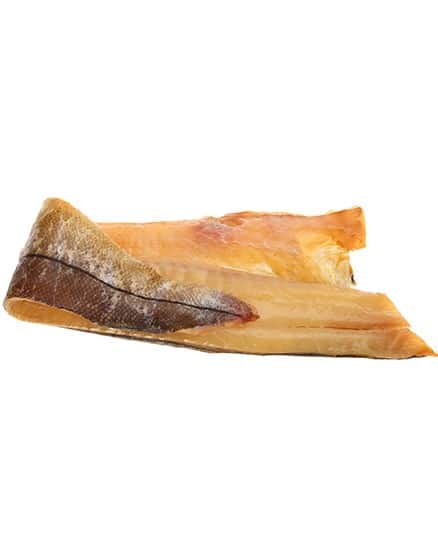
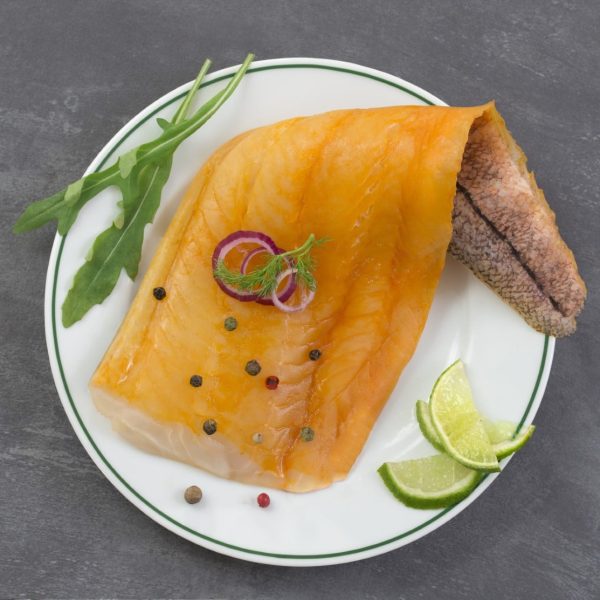
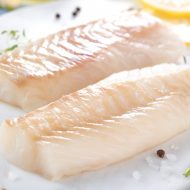
If you want Frozen Smoked Haddock that can move easily between a frying pan, an oven dish, and a simple plated supper, fillets are the most flexible place to start. They suit quick midweek cooking because they are easy to portion visually, easy to serve whole, and easy to flake into mash, rice, or a creamy sauce if that is where dinner ends up. For shoppers who want one format that can cover oven cooking, pan cooking, and everyday meal planning without much debate, fillets make strong all-rounders.
Portions for speed, predictable sizing, and portion control
Portions work best when you want less guesswork. Predictable sizing helps with portion control, speeds up meal prep, and makes it easier to match the fish to the number of people eating. Vacuum-packed portions are especially useful if you like tidy freezer organisation and a more repeatable cooking result from one pack to the next. They are a natural fit for fish pie, kedgeree, chowder, and quick family meals where consistency matters more than presentation.
Larger pieces for pan work, higher heat, and prep-it-yourself cooking
If you prefer to prep the fish yourself, larger smoked haddock pieces give you more control. They tend to hold shape better, cope well with pan cooking, and usually offer a little more tolerance when you want a firmer finish or a stronger sear. They also make sense for batch prep, for people cooking for several guests, or for anyone who would rather slice their own portions than start from pre-cut packs. For entertaining, they give you more freedom over thickness, plating, and how much flake you want in the final dish.
Speciality smoked haddock items for specific uses
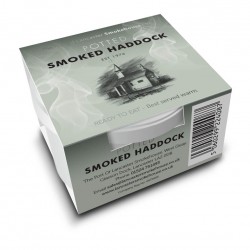
Speciality smoked haddock lines are best treated as ready-for-specific-use options rather than direct substitutes for fillets or portions. Smoked Haddock Fish Cakes are built for convenience-led meals, while Potted Smoked Haddock is better suited to spreads, starters, or cold-table use. They still belong in the category, but their job is narrower and more purpose-led.
Pick the Smoked Haddock that matches your pan, your timing, and your appetite.
What Arrives at Your Door
When you buy Frozen Smoked Haddock online, the cold chain matters just as much as the fish itself. The aim is simple: your order should arrive properly frozen, not half-thawed, soft at the edges, or surrounded by guesswork. That is why the operation is built around speed, insulation, and stable cold rather than vague promises.
Dispatched by DPD overnight courier.
Packed with dry ice in a polystyrene insulated box. That combination matters because it helps keep fish frozen during transit: the insulated box slows heat gain from the outside air, while the dry ice provides deep cooling power as it turns from solid to gas. Put plainly, the parcel is built to protect temperature on the move, so your smoked haddock reaches you in the condition it is meant to reach you.
Delivery timing is handled in a way that stays accurate without creating conflicting cut-off messages. Orders placed before the stated cut-off are prepared for next working day delivery on eligible days, and checkout controls valid delivery dates so the options you see reflect what can genuinely be dispatched and delivered for your address and order day. That keeps expectations cleaner and reduces the usual “will this actually arrive tomorrow?” uncertainty that comes with perishable goods.
Once the box arrives, keep the first steps simple. Open it promptly, check the contents, and move the smoked haddock straight to the freezer unless you are planning to use it right away. After that, follow the on-pack storage guidance for the exact product you have bought. The process is meant to be straightforward: receive it, freezer it, and know where you stand.
Dry ice is there to do a job, so treat it sensibly rather than dramatically. Avoid direct skin contact, keep the area ventilated while unpacking, do not seal leftover dry ice in an airtight container, and keep it away from children and pets. Used properly, it is simply part of a competent cold-chain system.
That is the real point of the packaging and dispatch method here: not courier theatre, but a controlled, repeatable way to get Frozen Smoked Haddock from cold store to customer with less uncertainty and fewer support-ticket moments.
Label-First Transparency
Good product detail should make buying fish easier, not more confusing. With Frozen Smoked Haddock, the small fields are often the ones that matter most once you get the pack home. That is why each item is presented around the practical details that shape real cooking decisions rather than vague sales language.
On every smoked haddock line, the aim is to show the buying fields customers actually use: the cut, the weight or pack size, whether the fish is skin-on or skinless where relevant, whether it is boneless or pin-boned where that distinction matters, and whether it is wild or farmed where applicable. Those details change how the fish behaves in the pan, how many portions you can expect, and how well the product fits the meal you already have in mind.
Where origin or catch area varies by item, it is shown on the product details rather than turned into a broad category promise. The same applies to other specification points that genuinely belong at product level. Some shoppers care most about portion size, some about whether the fish is easy to flake, and some want to know exactly what kind of smoked or cured product they are buying before they commit. Clear product detail makes all of that easier.
Allergen information is handled just as plainly. Smoked Haddock is clearly flagged, and ingredients are listed for cured and smoked products where relevant, so you can see what is in the pack without having to decode the category from guesswork alone.
Cut drives cooking. Weight drives timing. Skin drives texture. Origin informs preference. Method informs flavour. Pack size informs value.
That is the real value of label-first transparency. It turns detail into confidence. Instead of buying on assumption, you can compare smoked haddock by the things that genuinely change the result on the plate.
Storage and Defrosting
Frozen Smoked Haddock stores well when you treat it as a texture-sensitive ingredient rather than just another freezer item. The simplest rule is also the most useful one: keep it frozen until you are ready to use it, keep packs protected from air exposure, and rotate your stock so older packs are used first. That small habit helps preserve eating quality and reduces the chance of freezer burn dulling the surface or drying the fish out before it ever reaches the pan.
When it comes to defrosting, fridge defrosting is the best default. It gives the fish a steadier thaw, helps protect firmness, and makes it easier to avoid the watery, overly soft texture that can happen when smoked fish is rushed. Keep the fish contained while it defrosts, especially if it is vac packed or portionable, and manage any drip loss sensibly so the flesh does not end up sitting in liquid. Once thawed, open the pack, lift the fish out carefully, and pat dry before cooking. That one step makes a real difference if you want a cleaner sear, better surface colour, or a neater finish in the pan.
Texture is the thing to protect. Smoked haddock should still flake cleanly, hold enough firmness to plate well, and feel like fish rather than a wet, collapsing piece of protein. Skin-on cuts can sometimes protect the flesh a little better in the pan, while pin-boned or boneless formats are more about ease of use than storage behaviour. Either way, gentle handling pays off. Smoked fish is not especially hard to manage, but it does not reward rough thawing.
Refreezing is best treated conservatively. Follow the on-pack instructions first, because the exact product format matters. If you are in doubt, do not refreeze. That is usually the safest and smartest approach for both quality and handling confidence. A carefully frozen, carefully thawed pack is far more likely to give you clean flake, good texture, and a better cooking result than one that has been repeatedly pushed through avoidable temperature swings.
The aim is not to make storage feel stressful. It is simply to give Frozen Smoked Haddock the conditions it needs to stay useful, predictable, and worth pulling from the freezer when you want it.
Cooking Outcomes
Pan cooking for colour outside and a juicy centre
If you want smoked haddock with a little colour and a cleaner, firmer finish, pan cooking is all about surface control. Start with a dry surface, a hot pan, and enough confidence to leave the fish alone long enough to take on light browning rather than nudging it every few seconds. Dry surface equals better sear. Gentle finish protects moisture. Resting evens temperature. Once the outside has taken on colour, lower the heat and finish gently so the centre stays juicy and the flake stays neat rather than turning soft and watery.
Oven cooking when you want steady heat and reliable texture
Oven cooking suits smoked haddock when you want a more even result across thicker cuts or when you are cooking more than one piece at a time. It is a good fit for fillets that need to hold shape, especially if you want a clean finish without too much handling. Thickness changes timing. Fat content changes forgiveness. Product format changes handling. The doneness cues are simple: the flesh should turn opaque, the layers should separate with light pressure, and the centre should feel just set rather than dried out.
Portion cooking for speed, control, and midweek consistency
Smoked haddock portions are built for straightforward cooking, but they reward a lighter hand than many people think. Use gentle heat, avoid overcooking, and give the fish a brief rest before serving so the moisture settles and the texture feels more composed on the plate. Because portions are more predictable in size, they are easier to cook evenly and easier to match to a quick midweek plan. The goal is not a hard finish; it is a tender flake, decent firmness, and a portion that still feels moist rather than tight.
Grill-ready pieces and speciality smoked haddock items
Larger smoked haddock pieces can cope well with higher heat when you want a firmer outer finish, but they still need attention at the end so the middle does not dry out before the surface looks right. They tend to hold shape better than smaller cuts, which makes them useful for grill or pan work when presentation matters. Speciality smoked haddock items, including fish cakes and potted smoked haddock, are ready for specific uses and have different handling expectations, so it is worth following the product details rather than treating them like standard fillets or portions. Pick the method that matches the cut, respect the fish, and the result is usually the same: good colour, clean flake, and smoked haddock that still feels properly moist in the centre.
Nutrition Snapshot
Frozen Smoked Haddock can be a very practical fish to keep in the freezer because it gives you more than one kind of value at once. From a buying point of view, it is useful because it is a fish with a good reputation for protein and everyday versatility, but it also tends to suit the kind of meals people actually cook: pies, chowders, kedgeree, rarebit, and quick pan or oven dishes. The sensible way to look at the nutrition side is without turning it into health marketing.
In general terms, smoked haddock can contribute protein and a range of naturally occurring vitamins and minerals that people already associate with fish in a balanced diet. At the same time, nutrients vary by species, cut, cure, and whether the fish is wild or farmed, so the exact picture can change from one product to another. That is why the product details matter. If you want the clearest view of a specific item, the pack format and product information are the right places to look rather than treating the whole category as nutritionally identical.
It is also worth remembering that smoked products can differ from plain fish because curing and smoking change the product slightly, not just the flavour. Ingredients, salt level, and final texture may vary by line, especially across different cuts and smoked formats. That is not a problem; it is simply part of buying smoked fish with your eyes open.
From a cooking point of view, nutrition and texture are not completely separate conversations. Leaner fish can cook quickly, while differences in fat content and flesh structure can influence how forgiving a cut feels in the pan or oven. In practice, that means the format you choose still matters: portions offer predictability, while larger pieces give you more control over handling and finish.
Taken as part of a balanced diet, Frozen Smoked Haddock is less about wellness slogans and more about making a confident, informed choice: the right cut, the right format, and the right product details for the way you cook.
Provenance and Responsible Sourcing
Buying Frozen Smoked Haddock is easier when the proof sits on the product, not in vague category claims. We show method and origin details per product so you can choose what fits your preferences. That matters because smoked haddock is not one fixed thing across every SKU. Depending on what is stocked, the category can include farmed Smoked Haddock, wild Smoked Haddock items where stocked, and speciality lines that are ready for more specific uses.
The practical point is simple: provenance should help you decide, not leave you guessing. Some shoppers prefer one origin over another. Some care more about whether the fish is wild or farmed. Some are choosing by cut and pack size first, then using the origin and method details to narrow the shortlist. When that information is shown clearly on the individual product details, you can make that call with more confidence and less assumption.
We keep those claims bounded. If a product carries an origin note, a catch area, or a production method, it belongs on that SKU. If a detail varies by item or by line, it is shown on the product details rather than turned into a sweeping category promise. The same applies to speciality smoked haddock products. They have their own role, their own format, and their own product-specific information, so the strongest trust signal is accuracy at item level.
Provenance supports preference. Clear labels support trust. Evidence supports claims. Origin supports comparison. Method supports choice. Product detail supports confidence.
That same label-first approach applies to product composition. Smoked Haddock is clearly flagged as an allergen, and ingredients are listed for cured or smoked products where relevant, so you can see what kind of product you are buying rather than relying on category shorthand alone.
The result is a more useful way to shop. Instead of promising that every product says the same thing, the category gives you a cleaner rule: compare the SKU, read the method and origin details that are actually shown, and choose the Smoked Haddock that fits your standards as well as your supper.
Frequently Asked Questions
Is frozen smoked haddock as good as fresh?
Frozen Smoked Haddock can be every bit as worthwhile a buy as so-called fresh, but the real comparison is not frozen versus fresh as a slogan. It is about time and handling. “Freshness” in fish is really a question of how long the product has spent moving through the chain and how well it has been looked after along the way. Frozen works differently: it locks the fish at a defined point in time, which is why a well-frozen product can feel more predictable in the kitchen than fish that has quietly been ageing through transport, storage, and display. frozenfish.direct makes that case across the site by describing fish as processed and frozen within hours, with some pages stating fish is filleted, packed and frozen within 3 to 4 hours of being caught.
That does not mean frozen is magic, and it does not mean “fresh” is always worse. Texture and flavour still depend on how the fish is packed, stored, and handled at home. If frozen smoked haddock is exposed to air, temperature swings, or rough defrosting, it can lose a little moisture and turn softer or more watery than you want. Good packaging and sensible handling are what protect quality. Vacuum-packed portions help reduce air exposure, and careful thawing helps the flesh keep a cleaner flake and better firmness. In other words, frozen smoked haddock is only as good as the chain around it, from packing to pan.
That is also where frozenfish.direct’s model matters. The site says its seafood is processed and frozen within hours, then shipped by DPD overnight courier in a polystyrene insulated box with dry ice, designed to keep it frozen on arrival. That is not marketing decoration; it is the practical part of making frozen fish a fair comparison in the first place. The less temperature drift and handling uncertainty you introduce, the better the smoked haddock is likely to cook once it reaches your kitchen.
As a buying guide, portions make the most sense for quick midweek meals because the sizing is predictable and the planning is easy. Fillets or larger pieces are often the better choice if you want a neater result in the pan or under the grill. Bigger packs are useful for entertaining, batch prep, or anyone who prefers slicing their own portions rather than starting from smaller cuts. If you want predictable results, frozen is the easier way to make Smoked Haddock a routine.
How do I defrost frozen smoked haddock without it going watery?
Watery smoked haddock usually comes down to moisture moving out of the flesh at the wrong point. Freezing forms ice crystals inside the fish, and when the thaw is rushed, too warm, or repeated more than once, those crystals and the muscle structure can release more liquid than you want. That is where drip loss comes in: moisture leaves the fish instead of staying in the flesh, so the final result can feel soft, slack, or a little washed out rather than neatly flaky. Repeated thaw-and-refreeze cycles make that worse, which is why a stable frozen chain matters before the fish even reaches your kitchen. (U.S. Food and Drug Administration)
The best default is the least dramatic one: fridge defrosting. Keep the smoked haddock contained while it thaws, and if it is vac packed, keep the packaging intact until the fish has thawed properly unless the product instructions say otherwise. That helps control surface moisture, limits mess, and gives you a steadier thaw than leaving fish on the side or trying to speed things up with warmth. Once thawed, take it out, check for excess liquid, and pat dry before cooking. That one small step helps the fish cook with better surface colour and a firmer finish instead of steaming in its own moisture. frozenfish.direct’s own FAQ points customers to fridge defrosting as the best method because it preserves texture and flavour.
Cut matters too. Portions are easier because their size is more predictable, so they tend to thaw and cook more evenly. Thick fillets need longer and a little more patience, because the centre can still be colder even when the outside feels ready. Steaks behave differently again: they often hold their shape well, but because the structure is not the same as a neat fillet or vacuum-packed portion, they need a slightly more attentive eye when it comes to moisture and texture. In every case, the aim is the same: a thawed piece of fish that still feels firm enough to cook cleanly and flake well, not one that has gone watery before it even sees the pan. This is why fish handlers and safety guidance favour gradual refrigerator thawing over warmer, faster methods. (U.S. Food and Drug Administration)
If you are short on time, cooking from frozen can sometimes work as a backup for smoked haddock, especially with the right product and method, but that is a separate question and not the first choice if texture is your priority. For the best eating quality, thaw gently, keep the fish contained, dry the surface well, and avoid unnecessary temperature swings. Good defrosting is texture control.
Wild vs farmed smoked haddock — what should I choose?
Wild vs farmed Smoked Haddock is not a question with one heroic answer engraved on a stone tablet. Both can be excellent. The better choice usually comes down to what you like eating and what you plan to cook. The practical way to think about it is this: origin and production method can influence fat level, firmness, flavour intensity, consistency, and sometimes price, but none of those differences automatically make one “better” across every dish. frozenfish.direct’s own smoked-fish guidance makes a similar point, noting that farmed fish often has a higher, more consistent fat content, while wild fish can taste cleaner, firmer, or a little more sea-like depending on species and season.
In day-to-day cooking terms, farmed smoked haddock may feel a little richer and more even from pack to pack, which can make it quite forgiving in simple suppers where you want consistency. Wild smoked haddock may feel firmer, leaner, and a little more direct in flavour, which some shoppers prefer for plated cooking or dishes where the fish itself does more of the talking. Because leaner fish can tighten up faster, wild smoked haddock often benefits from gentler cooking and sauces that protect moisture, while a slightly richer line may cope a little more comfortably with a broader range of handling. These are tendencies, not laws of the universe in a fish apron.
The safest way to buy is to read the product details rather than guess from the category name alone. frozenfish.direct’s site-wide label-first approach is that each item shows whether it is wild or farmed, and the origin or catch area is shown on the product details where it applies. In the current smoked haddock range, there are clearly marked wild examples such as Smoked Haddock 800g and Smoked Haddock Portions 1kg, while the wider site also stocks farmed fish in other categories. So the smoked haddock category may include wild Smoked Haddock items, farmed Smoked Haddock items where stocked, and speciality lines built for specific uses.
As a buyer’s shortcut, start with the dish. If you want a softer landing for a midweek supper, creamy sauce, or a more forgiving cook, a richer line may suit you. If you want a firmer flake, a cleaner finish, or a fish-forward plate, a leaner wild line may be the one to try. Then use the product details to confirm the method, origin, and format you are actually buying. Choose by cooking method first, then by origin and method.
Which smoked haddock cut should I buy for my plan?
Which Smoked Haddock you should buy depends less on abstract “quality” and more on the plan in front of you. For weeknight meals, portions are usually the easiest answer because they are fast, predictable, and already sized for straightforward cooking. frozenfish.direct’s smoked haddock portions are described as vacuum-packed, roughly 80–130g each, and sold in a kilo bag format that suits fish pie, kids’ meals, and practical freezer use. That kind of pack works well when you want less guesswork and more routine. For grilling, choose thicker fillets or larger pieces where available, because they tend to hold shape better and cope with direct heat more confidently than smaller, thinner cuts.
For entertaining, look for larger smoked haddock pieces or more substantial fillets that give you cleaner portions on the plate and more control over how you serve them. If you are the sort of cook who likes to prep everything yourself, whole-side or larger-format haddock pieces are the better fit where stocked, because you can slice your own portions, control thickness, and decide whether you want a neat plated piece or fish to flake into a dish. frozenfish.direct’s broader haddock category is built around exactly that kind of choice: fillets, portions, steaks, whole sides or large fillets, whole gutted fish, and speciality smoked or cured lines where available. For special occasions, smoked and cured lines make the most sense when you want something more specific and more ready-led, especially for cold platters, starters, or low-effort hosting rather than everyday pan cooking.
The two biggest outcome levers are thickness and skin. Thickness changes how much control you have in the pan, under the grill, or in the oven. Thicker pieces are more forgiving and easier to keep moist in the middle, while thinner cuts are quicker but less tolerant if you overdo them. Skin matters because it changes how the fish behaves against heat and what kind of finish you can aim for. Even if you are not chasing crisp skin, skin-on fish often holds together a little differently from skinless fish, which can matter with smoked haddock. The rest of the decision is really about format: portions for speed, larger pieces for control, and speciality smoked/cured lines for narrower, more specific uses. If you only buy one thing, buy portions for everyday flexibility and easier planning. Pick the cut that matches your heat source and your timing. (
Can I cook smoked haddock from frozen?
Yes, often you can cook Smoked Haddock from frozen — but method matters. The reason is simple: thickness and surface moisture decide the outcome more than optimism does. As frozen fish heats up, it releases moisture, and that extra water works against browning. If you go straight into a hard, aggressive sear, the outside can turn pale and steamy while the centre is still catching up. That is why oven cooking, air-fryer cooking, or a covered pan are often more forgiving than trying to force a restaurant-style sear from a fully frozen piece. frozenfish.direct’s own fish FAQ already takes the same practical line: many products can be cooked from frozen, especially thinner fillets, while thicker cuts are usually better defrosted first. (Frozen Fish Direct)
The safest and most useful approach is straightforward. Take the Smoked Haddock out of the packaging first. If there is obvious surface ice, rinse it off quickly if needed, then pat the fish dry so you are not cooking a layer of frost. Start with gentler, more enclosed heat so the core begins to cook through without the surface drying out too fast, then finish a little hotter if you want better colour or a firmer outside. That sequence tends to give you a cleaner result than trying to blast the fish from the start. Dry surface equals better browning; gentler heat at the beginning gives the centre a fair chance. (Frozen Fish Direct)
This is especially useful for thinner fillets and portioned smoked haddock when you need dinner on the table without a long wait. It is less ideal for very thick pieces if your goal is a perfect, even sear from edge to centre. In those cases, defrosting first usually gives you more control. The same caution applies to speciality cured-style products: if the product is built for a more specific use, follow the product guidance rather than treating it like a standard fillet. The site’s FAQ is conservative on exactly this point and recommends defrosting first for thicker fillets and whole fish so the cooking stays even. (Frozen Fish Direct)
So yes, cooking Smoked Haddock from frozen is often practical, and sometimes very handy, but it works best when you choose the right cut and the right method. Frozen-to-oven is the weeknight cheat code when you need Smoked Haddock now.
How long does frozen smoked haddock last, and how do I avoid freezer burn?
Frozen Smoked Haddock will stay safe for a very long time when it is kept properly frozen, but safety and quality are not the same thing. The useful distinction is this: freezing protects food safety far longer than it protects perfect eating quality. Over time, even well-frozen fish can lose some of its best texture and flavour if the pack is exposed to air, moved in and out of variable cold, or left sitting in the freezer too long. That is why the most sensible rule is to treat the on-pack storage guidance as your main reference point for the exact product you bought, while remembering that frozen storage is usually more forgiving on safety than on texture. (FoodSafety.gov)
Freezer burn is the main quality problem to watch for. In plain English, it is dehydration caused by air exposure. It does not usually make the fish unsafe, but it can make it much less enjoyable to cook and eat. On smoked haddock, freezer burn can show up as dry patches, a dulled or greyed surface, surface ice, and a tougher or less satisfying texture once cooked. Instead of a moist flake and clean smoked-fish character, you can end up with flesh that feels leathery, dry in places, or just a bit tired. (U.S. Food and Drug Administration)
The practical fixes are simple and worth doing. Keep the packs sealed. Minimise air exposure. Store the fish flat where you can, because flatter packs tend to stack better and stay tidier in the freezer. Rotate your stock so older packs are used first rather than forgotten at the back behind the peas and other frozen chaos goblins. Keep the freezer steady and properly cold instead of letting the fish drift through repeated warming and re-chilling. Those habits do more to protect smoked haddock quality than any dramatic kitchen ritual ever will. (Food Safety and Inspection Service)
That ties in directly with the way frozenfish.direct packs much of its fish. The site explains that many products are vacuum packed, which helps reduce air contact and slows the dehydration that drives freezer burn. The smoked haddock portions page also describes vacuum-packed portions specifically, which is useful because less trapped air gives the fish a better chance of staying firm-textured and clean-tasting in the freezer. So the category-level advice is straightforward: trust the pack, protect the seal, keep your freezer steady, and use older stock first. Good packaging and steady cold are what keep Smoked Haddock tasting like Smoked Haddock.