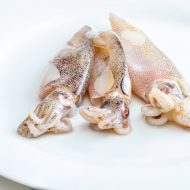
Why Buy Frozen Squid Tubes?
Frozen works well for squid tubes because it turns a delicate, timing-sensitive ingredient into something you can buy with more control. You can portion what you need, keep the rest protected in the freezer, and cook the same cut the same way each time. That consistency matters with squid: small differences in thickness, moisture, and portion size can change the final bite, so “repeatable inputs” give you more repeatable results.
On frozenfish.direct, the frozen range is framed as a quality-control step rather than a compromise: seafood is processed and frozen within hours, and on parts of the range the site states fish can be filleted, packed and frozen within around three hours of being caught. The practical point is simple — freezing locks in a point-in-time standard, instead of letting the clock keep ticking through handling and distribution.
Fresh and frozen aren’t enemies. “Fresh” can still travel through a supply chain, and time adds up in small increments: landing, sorting, transport, storage, display. Frozen removes a lot of that uncertainty by setting the quality early and holding it stable until you’re ready to use it. For squid tubes specifically, that means less guesswork, easier meal planning, and fewer leftovers you don’t know what to do with.
Freezing slows spoilage. Cold storage preserves texture. Sealed packs reduce air exposure. Portions reduce waste. Consistent weights improve cooking. Frozen stock improves meal planning.
You still get the final say: choose the tube size and pack format that fits your dish, then use only what you need and keep the rest properly sealed and steadily frozen for next time.
Choose Your Squid Tubes
For quick midweek pan-and-oven meals
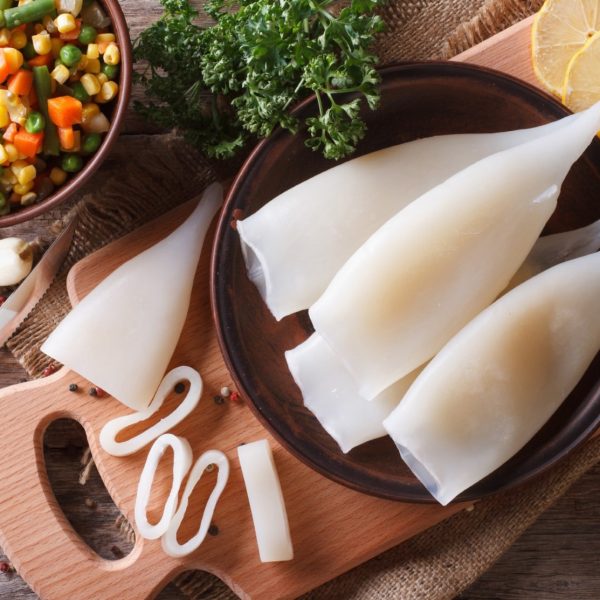
If you want squid that fits a fast routine, squid tubes are the flexible choice. They work in the pan for a quick sear, and they finish neatly in the oven when you want a hands-off plate. Because tubes start as a clean, whole mantle, you control the final shape — rings for a classic calamari-style bite, or thicker cuts when you want more chew and presence on the fork. This is the “one pack, many dinners” option: slice, season, cook, serve, and move on with your evening.
For portion control and predictable sizing
Squid tubes make portioning straightforward. Instead of guessing how many pieces you’ve got, you can cut consistent rings or strips, match them to your pan size, and keep portions even across the table. That predictability helps with speed and timing: similar thickness cooks at a similar rate, so you’re not juggling half-done pieces. If you like cooking with a plan — pack weight, serving size, and a clear finish point — tubes keep the variables in your favour.
For grill or high-heat searing that holds its shape
When you’re aiming for grill marks or a firm, fast pan-sear, tubes tend to hold shape well and tolerate higher heat better than delicate fragments. Cut thicker sections, keep the pieces uniform, and you’ll get cleaner edges and a more confident sear. This is a strong choice for bold flavour pairings, quick char, and a plated look that feels deliberate rather than accidental.
For entertaining, smoking, and batch prep
Tubes shine when you’re cooking for a group or building meals ahead. You can slice your own portions, cut a mix of rings and strips for variety, and prep in batches without relying on pre-cut formats. For slower techniques like smoking or longer, saucier cooking, keeping the tube whole (or in larger pieces) can suit the method and the presentation. It’s the cut that lets you scale up without losing control.
Speciality tubes for specific uses
Where speciality squid tubes appear, treat them as “ready for specific uses” — for example, a particular pack format, origin line, or prep style that suits a certain kitchen plan. Keep it simple: read the listing notes, choose the tube that matches your method, and cook to the result you want.
Pick the Squid Tubes that matches your pan, your timing, and your appetite.
What Arrives at Your Door
Dispatched by DPD overnight courier.
Packed with dry ice in a polystyrene insulated box, and that combination matters because it helps keep fish frozen during transit. The polystyrene insulation slows down heat gain from the outside world, while dry ice provides a strong cold reserve inside the box, so the temperature stays where frozen seafood needs it to be for the journey. In plain terms, it’s built to take the worry out of “will it still be properly frozen when it gets here?” because the packaging is doing the heavy lifting, not wishful thinking.
Delivery timing is handled in a way that stays accurate without making promises that depend on one clock time: orders placed before the stated cut-off are prepared for next working day delivery on eligible days, and checkout controls the valid delivery dates you can actually select for your address and order day. That means you’re not guessing around weekends, non-working days, or coverage constraints — you choose from dates the system can genuinely fulfil.
When your box arrives, the first minute is simple: open it promptly, lift out what you need to put away, and move your fish straight into the freezer so the cold chain stays unbroken. Keep the packs together, follow the storage guidance on the packaging, and treat the delivery like you would any other frozen shop — quick handling, then back to steady cold.
A quick word on dry ice, kept calm on purpose: it’s extremely cold and turns into carbon dioxide gas as it warms, so avoid direct skin contact, give the area a bit of ventilation, and don’t seal leftover dry ice in an airtight container. If there’s any dry ice remaining in the box, keep it away from children and pets and let it dissipate safely.
Label-First Transparency
On this page, the product details are meant to do what a good fish counter does: tell you exactly what you’re buying, in practical terms you can cook with. Each Squid Tubes listing is presented cut-first, so you’re not guessing whether you’re getting whole tubes, pre-cut pieces, or a mixed pack. You’ll also see the weight or pack size clearly, because that’s what decides portioning, pan load, and how much you can prep in one go.
Across frozenfish.direct, we keep the same label-first discipline on the fields that matter for cooking outcomes. Where it’s relevant to the species, you’ll see whether an item is skin-on or skinless, and whether it’s boneless or pin-boned — because those details change prep time and the finished texture. Where “wild” or “farmed” applies, it’s shown on the product details so you can buy to preference rather than assumption. And when origin or catch area varies by item, it’s treated the same way: shown on the product details for that specific line, not blurred into a category-wide claim.
Allergen clarity is handled the same way: Squid Tubes are clearly flagged, and where a product has added ingredients (for example, cured or smoked items in other categories), the ingredient list is there so you can make an informed choice without digging around.
Cut drives cooking. Weight drives timing. Pack size drives portioning.
Skin drives texture. Bones drive prep. Notes drive confidence.
Origin informs preference. Method informs fat level. Catch area informs choice.
Ingredients inform suitability. Allergens inform serving. Labels inform trust.
Storage and Defrosting
Frozen squid tubes keep their best texture when you treat them like a clean, portionable ingredient that wants steady cold and minimal fuss. Store them fully frozen, keep the pack sealed, and try to limit how often you pull them out while you “decide what’s for dinner”. Air exposure is what quietly steals quality over time — it’s the main driver of freezer burn, where the surface dehydrates and the bite turns drier and tougher. If your squid tubes are vac packed or tightly sealed, leave them that way until you’re ready to use them, and push older packs to the front so you naturally rotate stock.
For defrosting, think hierarchy, not habits. The default is fridge defrosting, because it’s controlled and kind to texture. Keep the squid contained while it thaws, so any drip loss stays in the tray rather than soaking the product or leaking over other foods. When it’s thawed, drain and pat dry before cooking — that one step is the difference between a clean sear and a pan that steams. Squid is lean, so it doesn’t have much margin: too much surface moisture can make it feel watery or soft, and that’s when people blame the squid instead of the thaw. Fatty cuts forgive heat and handling; squid relies more on firmness and quick, confident cooking cues, so starting dry helps you get the result you intended.
If you’re portioning, do it while the squid is still slightly firm from the cold. It’s easier to slice clean rings or even strips when the tube has a bit of structure, and you’ll get more consistent pieces for cooking later. Any general notes you see across frozenfish.direct — like vac packed, skin-on, or pin-boned — are there to save you time and help you plan; for squid tubes, the same principle applies: read the pack notes, then handle it in a way that protects texture.
On refreezing, keep it conservative. If you thawed it in the fridge, kept it cold, and it’s still in good condition, some people may choose to refreeze — but if you’re unsure, don’t. Follow on-pack instructions as the final authority, and when in doubt, cook what you’ve thawed and keep the rest frozen next time. The goal is simple: steady cold, minimal air, controlled drip, and a dry surface before heat.
Cooking Outcomes
Hot pan sear
Start with a dry surface and a properly hot pan so the first contact sets the outside quickly. Lay the pieces down and leave them alone for a moment — if you keep stirring, you trade sear for steam and the texture goes soft. Watch for the key doneness cue: the flesh turns from translucent to opaque and firms up, with the edges just beginning to curl. Finish gently at the end (lower the heat or pull the pan off for the last moments) so you don’t overshoot into chew. Dry surface equals better sear. Gentle finish protects moisture. Resting evens temperature.
Crisp calamari-style
For crisp results, think in batches and think brief: overcrowding drops the heat and turns “crisp” into “pale and soft”. The cues are visual and tactile — the coating goes lightly golden, the squid turns opaque, and the pieces feel springy rather than tight. Let excess oil drain so the crunch stays clean, then give it a short rest before serving so the centre settles instead of feeling wet. Thickness changes timing. Fat content changes forgiveness — squid is lean, so timing matters more than it does with fattier cuts.
Grill or plancha
If you want grill-ready squid, cut for even thickness and go for high heat so you get colour quickly without drying the inside. Put the pieces down, press lightly for contact, and resist flipping too soon — you’re aiming for a quick char on the outside while the centre turns opaque and stays tender. Pull it as soon as it’s cooked through, then rest briefly so the firmness stabilises and you don’t lose moisture on the plate. This style is especially good when the tube holds its shape and the cut is consistent, so match your choice to the pack details.
Gentle finish styles
Whole tubes cooked in sauce or as stuffed squid have different handling expectations: you’re building tenderness through controlled heat rather than chasing a fast sear. Keep the cooking steady, avoid violent boiling, and judge doneness by softness and a clean slice through the thickest part — tender, not rubbery, with the tube holding together rather than shredding. Portion technique still matters: thicker tubes need more time, and uneven pieces cook unevenly, so follow the product details for the specific line you’ve chosen. Dry surface equals better sear. Gentle finish protects moisture. Resting evens temperature.
Nutrition Snapshot
Squid tubes are a straightforward, lean seafood option that fits a lot of everyday cooking styles without needing a lot of extra ingredients to taste good. In general terms, squid is valued for being protein-forward with a comparatively modest fat content, and it can contribute a mix of naturally occurring micronutrients such as B-vitamins and minerals. The exact nutrition profile can vary by species, cut, and how the product is prepared, and it can also vary between wild and farmed sources where that distinction applies — so the product details on each item are the right place to confirm what you’re buying.
It’s also worth remembering that “nutrition” and “how it eats” are connected. Squid’s lower fat content is one reason it has a clean flavour and takes seasoning well, but it also explains why technique matters: lean cuts don’t have much built-in “forgiveness” if you overcook them. That’s not a warning — it’s just a practical buying note. If you want a quick midweek plate, squid tubes reward simple handling and clear doneness cues, and they hold up well in dishes where you want a defined bite rather than something that flakes apart.
As part of a balanced diet, squid tubes can sit comfortably alongside vegetables, grains, and the sauces or coatings you actually enjoy cooking with. The goal isn’t to turn dinner into a health project — it’s to choose a cut that matches your plan and delivers a result you’ll want to repeat.
Read the product details, pick the tube format that suits your cooking style, and you’ll get a clean, reliable seafood option that’s chosen for the plate — not for marketing claims.
Provenance and Responsible Sourcing
Provenance matters most when it’s specific. We show method and origin details per product so you can choose what fits your preferences, rather than asking you to trust a category-wide slogan. Squid tubes can come through different supply routes and specifications, so the reliable source of truth is always the individual listing: that’s where you’ll see whether the item is marked wild or farmed where applicable, and where origin or catch area is shown on the product details for that specific SKU.
In this category, you may see straightforward 1kg squid tube staples alongside speciality lines that are ready for specific uses — for example, a Taiwanese squid tubes line that suits certain cooking styles and portion plans. If a product is presented as wild-caught, farmed, or tied to a particular origin note, treat that as SKU-level information: it applies to that item, at that time, and it’s the right way to shop when stock rotates and suppliers vary.
This isn’t virtue signalling; it’s practical buying. Provenance can shape preference, especially if you’re choosing for texture, flavour intensity, or a particular style of cook. Clear labelling also saves you time: you can compare like-for-like tubes, avoid assumptions, and pick what matches your own “non-negotiables” without overpaying for a story.
Provenance supports preference. Clear labels support trust. Evidence supports claims.
Method informs expectation. Origin informs choice. SKU notes inform confidence.
If you want a specific origin, a particular method, or a speciality line for a planned dish, use the product details as the filter that actually holds up — and let the category page do what it’s meant to do: show you the range, without pretending every pack is the same.
Frequently Asked Questions
Is frozen squid tubes as good as fresh?
“Fresh” and “frozen” aren’t opposites so much as two different ways of managing time. Freshness is really about how quickly something is handled, how cold it’s kept, and how many steps sit between sea and pan. Frozen is about locking in a point in time — stabilising the product early so the quality you cook is closer to the quality at packing, not the quality after days of transport, storage, and display. frozenfish.direct leans into that “stop-the-clock” model: the site states squid is harvested, packaged, and frozen within hours, and that many fish lines are filleted, packed, and frozen within around three hours of being caught.
So, is frozen squid tubes as good as fresh? It can be — and in the real world it’s often more consistent, because you’re not relying on an invisible timeline. Texture and flavour are the honest trade-off: freezing itself isn’t the villain, but moisture can be affected if the cold chain is broken or if the squid is thawed carelessly (surface moisture builds up, you steam instead of sear, and the bite goes soft). Good packaging and sensible thawing protect quality; bad handling is what makes frozen feel “watery.”
This is where process and delivery matter. frozenfish.direct says its frozen fish is typically processed and frozen within 3–4 hours, and the delivery system is designed to keep it frozen in transit: orders are dispatched by DPD overnight courier and packed with dry ice in a polystyrene box so your fish is still frozen when you receive it.
A practical way to decide is by use-case. For midweek meals, frozen squid tubes are hard to beat because they’re portionable and you can cook what you need without wasting the rest. For grilling or high-heat searing, frozen works well when you choose even pieces and cook with clear doneness cues — you’re aiming for tender and opaque, not “left on the heat just in case.” For entertaining, frozen is simply easier: you can buy ahead, plan portions, and repeat the same method with less guesswork than a “fresh” supply chain that may have already eaten up several days.
If you want predictable results, frozen is the easier way to make Squid Tubes a routine.
How do I defrost frozen squid tubes without it going watery?
“Watery” squid is almost never a mystery ingredient problem — it’s usually a thawing + moisture management problem. When squid freezes, tiny ice crystals form inside the flesh; as they melt, some water escapes as drip loss, and if that liquid sits back on the squid (or the thaw happens too warm), the surface stays wet and the texture reads soft instead of clean and springy. Repeated partial thaw/refreeze cycles make that worse because they create more damage and more loose water over time. (PMC)
The calm best-practice flow is simple. Put the squid tubes in the fridge to defrost as your default, and keep them contained so any meltwater doesn’t wash back over the flesh. If the pack is vac packed or tightly sealed, keep it intact while it thaws; it helps limit air exposure and keeps the surface cleaner. Once thawed, open the pack, tip away any liquid, and pat dry thoroughly with kitchen paper — especially the cut edges if you’ve sliced rings or strips. That single step is what separates “watery and soft” from a confident sear and a cleaner bite.
A few cut-based tips help you stay in control. Smaller portions (rings, strips, thinner slices) defrost more evenly and are easier to dry properly, which makes them the most forgiving option when you’re in a hurry. Whole tubes are thicker and hold more cold at the centre, so they need a bit more patience in the fridge to thaw through without warming the outside. If you cut very thick sections (think “steak-like” cross-cuts), treat them like a thicker piece: give them space, keep the drip managed, and dry the surface well before cooking so the pan doesn’t steam. And always let the product details guide handling for the specific item you bought — different prep levels and pack formats can change how much surface moisture you’re dealing with.
On refreezing, keep it conservative: if in doubt, don’t refreeze, and follow on-pack guidance as the final authority. If you’re caught short, cooking from frozen can work as a backup for thinner pieces, but you’ll need to expect extra surface moisture and manage it as you cook (there’s a separate FAQ for that).
Good defrosting is texture control.
Wild vs farmed squid tubes — what should I choose?
Both wild and farmed squid tubes can be excellent — it’s not a “good vs bad” decision. The useful way to think about it is preference + dish + consistency. Squid is naturally a lean, quick-cooking ingredient, so the biggest differences you’ll notice usually come from size grading, thickness, and how evenly the tubes are cut and packed, not from a dramatic change in richness.
On frozenfish.direct, the key advantage is that you don’t have to guess: the product details show whether an item is labelled wild or farmed (where that distinction applies) and where it comes from, so you can choose with your eyes open rather than buying on assumptions. You may include wild Squid Tubes items when stocked, farmed Squid Tubes items where available, and speciality lines that are ready for specific uses.
As a general guide, wild-caught listings may vary more from batch to batch — firmness, thickness, and flavour intensity can shift with species, season, and catch area. Some people like that “natural variation” because it feels more characterful, especially when you’re cooking simply and letting the squid speak for itself. Farmed seafood (where available) often aims for consistency: more predictable sizing, steadier supply, and fewer surprises when you portion rings or strips for a midweek cook. Fat level can differ between wild and farmed in some seafood categories, but squid is usually lean either way — so treat “fat” as a secondary factor, and let cut thickness and cooking method do most of the work.
For cooking, squid tubes generally benefit from gentler handling and sauces when you want a forgiving result — think saucy pans, stuffed tubes, or controlled heat that protects tenderness. If you’re grilling or hard-searing, choose tubes that are evenly sized and cut to a consistent thickness, because firmness and uniformity matter more than the label on its own. For entertaining, the “best” choice is usually the one that gives you predictable portions and a repeatable finish across a full batch; for midweek, it’s the one that matches your pan size and your timing.
Choose by cooking method first, then by origin and method.
Which squid tubes should I buy for my plan?
Which squid tubes you should buy comes down to one thing: what you want the pan (or grill) to do for you. Squid tubes are the most flexible format because you can slice your own rings, cut strips for frying, or keep the mantle whole for stuffing and slower, saucier cooking. That makes them ideal when you want one freezer staple that can cover multiple plans without guesswork.
For weeknight meals, think portions first. A 1kg pack gives you the option to take out what you need, slice even rings or strips, and keep the rest sealed. Smaller, consistent pieces cook quickly and predictably, which is exactly what you want on a midweek timeline. If you’re cooking for one or two, portion control is the real win: less waste, less “what do I do with the rest?”, and more repeatable results.
For grilling, where available, choose tubes that let you cut thicker sections or longer strips so they hold shape over high heat. Thicker cuts tolerate a quick sear better than thin, delicate slices, and they’re easier to handle on a grill or plancha without tearing. This is where your two biggest outcome levers matter: thickness and skin. Thickness controls how fast the heat reaches the centre; skin (or surface membrane) can tighten under high heat and affect bite. If a listing notes skin-on or skinless, use that detail to match the texture you prefer.
For entertaining, choose tubes you can prep in batches: slice a mix of rings and strips so the platter looks generous, then cook in waves without changing your method. A speciality line, such as a Taiwanese squid tubes option, can be a smart pick when you want a specific style or a more defined “feature” ingredient for a planned menu — the point is suitability, not hype.
For prep-it-yourself cooks, whole tubes are the obvious choice. You control ring thickness, strip width, and portion size, and that control is what keeps squid from feeling random. For special occasions, pair squid tubes with smoked or cured lines from the wider range (when stocked) if you want a no-fuss cold element alongside a hot, just-cooked plate — it’s an easy way to make the spread feel deliberate.
If you only buy one thing, buy the most versatile squid tubes pack and use it as your base for rings, strips, and whole-tube dishes. Pick the cut that matches your heat source and your timing.
Can I cook squid tubes from frozen?
Yes, often you can — but method matters.
Squid tubes cook quickly when they’re thin and dry, and that’s exactly what changes when you start from frozen. Frozen pieces carry surface ice and extra moisture as they thaw, and moisture is the enemy of a clean sear: instead of browning, the pan steams. Thickness is the other lever. A thin strip can thaw and cook through fast enough that you still get a good result, while a thick section may be cooked on the outside before the centre has properly caught up.
If you need a practical, weeknight-safe approach, start by taking the squid tubes out of the packaging and separating pieces as best you can. If there’s a lot of visible surface ice, give it a quick rinse just to remove that ice layer, then pat dry thoroughly — not a gentle dab, a proper dry-down. From there, treat it like a two-stage cook: begin with gentler heat to let the centre thaw and start cooking evenly, then finish hotter to firm the texture and add colour. This is where oven, air-fryer, or a covered pan can be more forgiving than a hard, direct sear. Covered heat or circulating hot air helps the middle catch up before you ask the outside to brown, so you’re not forced into “blast it and hope”.
You’ll get the best frozen-to-cooked results when you cut the tubes into more even pieces first (if they’re separable) and when you choose a cooking style that tolerates a little extra moisture. Saucy or covered cooking handles that transition more smoothly than a dry, high-heat pan that relies on instant browning.
When should you not cook from frozen? If you’re working with very thick pieces and you want a perfect, crisp sear and a tender centre, defrosting first gives you far more control. Also, any speciality cured or smoked-style products (when they appear in a range) should be cooked exactly as the product guidance states, because added ingredients and prep styles can change how they behave under heat.
Frozen-to-oven is the weeknight cheat code when you need Squid Tubes now.
How long does frozen squid tubes last, and how do I avoid freezer burn?
Frozen squid tubes can last a long time in the freezer from a safety point of view, because freezing stops bacteria from growing. What usually changes first is quality: over time you can lose that clean squid flavour and the texture can drift from springy and tender to a bit drier or tougher. That’s why you’ll often see two ideas discussed together — “safe to eat” versus “best to eat” — and why the most reliable guidance is always what’s printed on the pack for your specific product.
The main quality killer is freezer burn. Freezer burn isn’t “gone off” food; it’s dehydration caused by air exposure. When cold, dry freezer air reaches the surface of the squid, moisture slowly pulls out of the flesh. You’ll recognise it by dry or pale patches, a duller colour, and a tougher bite after cooking. Squid is naturally lean, so it shows this kind of damage faster than fattier cuts — not because it’s unsafe, but because there’s less natural richness to hide dryness.
Preventing freezer burn is mostly about reducing air contact and keeping the freezer environment steady. Keep packs sealed and resist opening and re-bagging unless you really need to portion. If you do portion, squeeze out as much air as you can before sealing, and keep the pieces tight together. Store packs flat so they freeze and re-freeze evenly, and so they stack without getting crushed or punctured. Rotate stock by moving older packs to the front, and avoid leaving the freezer door open while you rummage — temperature swings and repeated “half-thaw” moments speed up quality loss.
This is where packaging matters. Many frozen seafood products are vacuum packed or tightly sealed, which helps reduce air exposure around the surface and protects texture over storage. Treat that packaging like part of the product: keep it intact until you’re ready to use it, and follow the on-pack storage instructions for the best guidance on your specific squid tubes.
Good packaging and steady cold are what keep Squid Tubes tasting like Squid Tubes.