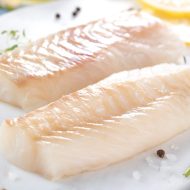
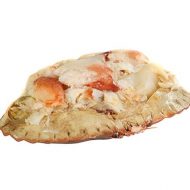
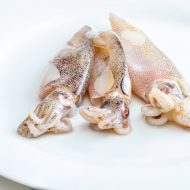
Why Buy Frozen Crayfish?
Frozen crayfish makes sense when you want the result to be predictable: the same portion size, the same texture, the same timing. Instead of “use it today or lose it”, frozen gives you control—take what you need, keep the rest properly stored, and plan meals (or service) without gambling on last-minute availability.
The big advantage is quality control. Freezing locks crayfish at a specific point in time, so you’re buying a known state rather than hoping chilled transit hasn’t taken its toll. “Fresh” can still spend days moving through a cold chain—caught, handled, stored, transported, displayed—so the clock keeps ticking even when it’s kept cold. Frozen pauses that countdown and makes your next cook more consistent.
On-site, Frozen Fish Direct also states its seafood is processed and frozen within hours, and adds that its fish is filleted, packed and frozen within 3 hours of being caught. (Frozen Fish Direct) Read that as a process claim: the goal is fast handling and fast freezing to protect eating quality, batch after batch.
- Freezing slows spoilage.
- Cold storage helps protect texture.
- Consistent weights make results repeatable.
- Portions reduce waste.
- Frozen stock makes planning easier.
If you want crayfish that behaves the same way every time—especially for tails and other prepared cuts—frozen is usually the more dependable buy, because it turns a delicate product into something you can portion, store, and use on your schedule.
Choose Your Crayfish
Crayfish isn’t a one-cut product. The best choice comes down to how fast you want to cook, how much prep you want to do, and what kind of finish you’re chasing—tender and buttery, or firmer bite with a bit more heat tolerance. For quick midweek cooking, portionable cuts keep it simple; for entertaining, larger pieces and whole options give you more theatre and more control.
Crayfish tails (peeled / tail meat)
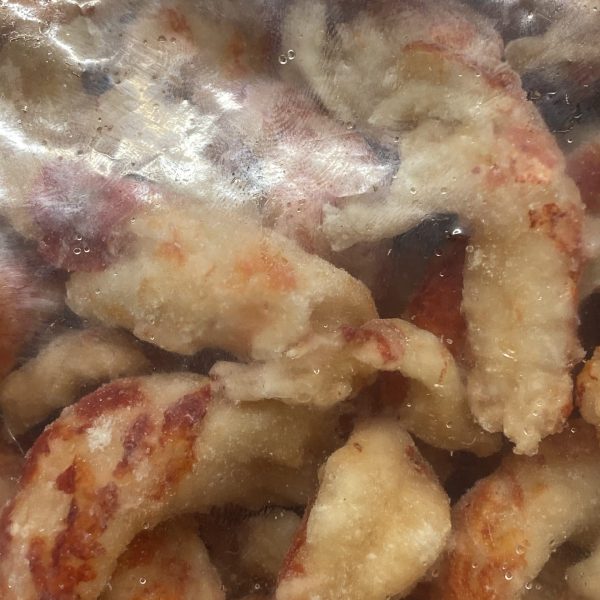
If you want versatility with minimal fuss, tails are the everyday workhorse. They suit oven or pan cooking, take well to garlic butter, chilli, or a bisque-style sauce, and they’re easy to portion. Because tail meat is usually graded by size and packed for repeatable weight, it’s a strong option for portion control—handy for family dinners, meal prep, or consistent plating.
Whole crayfish (shell-on)
Shell-on crayfish is the pick when you want a proper centre-of-table moment. It’s great for entertaining, and it gives you the option to use shells for stock, bisque, or sauce depth. Whole pieces also make batch prep easier if you’re cooking for a crowd, because you can work in trays and serve in big platters with minimal “micro-portioning” needed.
Large tails / premium size grades
When you’re pushing higher heat—pan searing, griddling, or a quick finish under a hot grill—larger tails tend to hold their shape better and give you a slightly higher tolerance for high temperatures. You get a meatier bite, less risk of drying out during fast finishing, and more control over texture when you want colour on the outside without overcooking the middle.
Crayfish claws and mixed meat packs
Claws and mixed crayfish meat packs are practical when you want ready-to-use seafood for specific jobs: pasta, paella, chowder, salads, or a quick seafood mayo filling. Claims stay tight here—the value is convenience and consistent picking, not “magic” quality upgrades. Look for packs labelled as picked meat, mixed cuts, or recipe-ready portions.
Live-like prep options for hands-on cooks
If you enjoy the prep, choose formats that let you do the work yourself—shell-on pieces, whole crayfish, or larger grade packs where you can slice your own portions. It’s the most flexible route for smoking, batch cooking, and building flavour from shells and trimmings.
Pick the Crayfish that matches your pan, your timing, and your appetite.
What Arrives at Your Door
When you order Frozen Crayfish from frozenfish.direct, the job isn’t just picking great seafood — it’s keeping the temperature story boring (in the best possible way) from our freezer to yours. Your order is dispatched by DPD overnight courier, with packaging designed around one simple outcome: your crayfish should arrive frozen, not “nearly frozen”.
Each parcel is packed with dry ice in a polystyrene insulated box, which matters because insulation slows down heat gain and dry ice provides sustained cold during transit. That combination helps keep fish frozen while it’s moving through depots and vans, where temperature can’t be controlled like a freezer can. It’s cold-chain thinking, applied properly: stable cold, minimal thaw risk, less anxiety at the door.
Delivery timing is handled in a way that stays accurate without guesswork. Orders placed before the stated cut-off are prepared for next working day delivery on eligible days, and your checkout controls valid delivery dates so you can select a delivery option that matches your schedule. That means you’re not relying on vague promises — you’re choosing from dates the system can actually support.
When the box arrives, the best first move is simple: open it promptly, check everything is still properly frozen or firmly cold, then move your crayfish straight into the freezer. After that, follow the storage guidance on the pack for best quality and handling — it’s written for the exact product you’ve bought, not a generic seafood guess.
A quick, calm word on dry ice: it’s extremely cold, so avoid direct skin contact and keep it away from children and pets. Open the box in a ventilated space, don’t seal leftover dry ice in an airtight container, and let any remaining dry ice dissipate safely. The goal is straightforward: keep the product frozen, keep handling sensible, and get your crayfish into your freezer fast.
Label-First Transparency
Buying Frozen Crayfish online should feel like choosing with your eyes open — not squinting at vague descriptions and hoping for the best. That’s why our product pages are built around label-first transparency: the practical details you actually use to decide, shown clearly on every Crayfish line we sell.
On each product, you’ll see the buying fields that matter most in the kitchen and on the scale: the cut, the weight/pack size, and the preparation notes that affect how it cooks. Where it’s relevant to the item, we state whether it’s skin-on or skinless, boneless or pin-boned, and whether it’s wild or farmed where applicable. If origin or catch area varies across different crayfish products, we don’t make a sweeping category promise — it’s shown on the product details for the specific item you’re buying, so you can choose based on what you prefer.
We also keep allergens and ingredients clear, because that’s not optional — it’s part of buying with confidence. Crayfish is flagged as an allergen, and for any seasoned, cured, or smoked lines where ingredients matter, you’ll see what’s been added listed on the product itself. That means fewer surprises, easier comparisons, and better decisions — whether you’re buying for a family freezer, a weekend spread, or a service kitchen that needs consistency.
- Cut drives cooking. Weight drives timing. Skin drives texture.
- Origin informs preference. Method informs fat level. Pack size informs value.
- Preparation informs yield. Clarity informs trust.
Storage and Defrosting
Frozen Crayfish stays at its best when you treat the freezer like a pantry, not a holding pen. Keep packs fully frozen and keep them protected from air exposure — air is what turns good seafood into disappointment over time. Most of our lines arrive vac packed, which helps, but once a pack is opened, re-seal it tightly or move portions into an airtight freezer bag to reduce freezer burn. A simple habit that saves a lot of waste: rotate stock. New packs to the back, older packs forward, so nothing gets forgotten and dried out.
For defrosting, think “texture-first, safety-smart”. The default winner is a fridge defrost. Keep the crayfish contained (on a plate or tray, still in its pack or inside a covered container) so it stays clean and you can manage drip loss without making a mess. If the pack leaks, don’t panic — just keep it separate, drain any liquid, and focus on the next step: pat dry before cooking. That one move does a lot. Less surface moisture means less “watery” steam, better browning, and a cleaner sear whether you’re pan-cooking or finishing under high heat.
Texture is the real tell. Poor thawing can make seafood feel soft or weepy; good handling keeps the bite closer to firmness and the cooked result closer to a neat flake (where that’s the expected texture). If you’re cooking something with more richness, fatty cuts forgive heat and stay kinder under a hot pan, while leaner pieces can go from tender to dry if you chase colour too hard. Where applicable, details like skin-on or pin-boned matter because they change how you prep and how the piece behaves in the pan — check the product label and cook to the cut.
On refreezing, keep it conservative. In general, it’s best to defrost only what you’ll use, because refreezing can worsen texture and increase drip loss. If you’re in doubt, don’t refreeze — and always follow the on-pack storage guidance, especially for portionable packs and prepared items.
Cooking Outcomes
Pan-sear and baste
A dry surface is the difference between browning and steaming — get the pan properly hot, add a little fat, then lay the crayfish in and leave it alone until it releases and takes colour. Dry surface equals better sear. Gentle finish protects moisture. Resting evens temperature. Once you have a good crust, reduce the heat and finish gently so the centre stays juicy rather than tightening up. Look for doneness cues you can trust: the flesh turns opaque, the fibres look set rather than “glassy”, and the texture feels springy instead of soft and watery. If the outside is racing ahead, pull back the heat and let carryover do the last bit of work.
Grill or high-heat finish
High heat rewards pieces that hold their shape and tolerate direct contact, but it punishes wet surfaces and thin edges. Get the grill hot, oil the surface lightly, and use short contact times so you build char without drying out the centre. The sensory cue is a firming “snap” when you press gently, with clean edges and a moist interior — not a chalky bite. Thickness changes timing. Fat content changes forgiveness. If you’re working with different cuts or sizes, treat them as different products and follow the product details so you don’t cook one piece perfectly and another into rubber.
Gentle poach or butter-warm
When you want a juicy centre and forgiving texture, keep the heat calm and let the liquid or butter do the work. Warm, don’t boil — aggressive bubbling shakes moisture out and turns the texture from neat to stringy. Keep the pieces moving only when necessary, and stop as soon as the flesh looks evenly opaque and feels just-firm, not tight. Gentle finish protects moisture is the whole game here, especially for smaller portions that can overcook fast.
Portion control and timing
Portion technique is about restraint: cook over gentle heat, avoid constant flipping, and don’t chase “one more minute” once it’s nearly done. Smaller portions go from tender to overcooked quickly, so use touch and appearance — set, opaque flesh with a slight bounce beats a stiff, dry finish. Rest briefly off the heat so the temperature evens out and the juices settle; it’s a small pause that noticeably improves eating quality. If you’re switching between whole, tails, or ready-prepped items, expect different handling and always follow the product details for the cut, size band, and intended use.
Nutrition Snapshot
Crayfish sits in that useful space where it feels like a treat, but it still behaves like a sensible, protein-forward ingredient in everyday cooking. In general terms, crayfish is known for being lean and firm, with a clean shellfish sweetness that doesn’t need heavy sauces to taste “complete”. That said, nutrition isn’t one-size-fits-all here: nutrients vary by species, cut, and whether it’s wild or farmed, and any glazing, seasoning, or added ingredients can change the profile again — so treat the product details as the source of truth for what you’re actually buying.
If you’re comparing options, think in practical kitchen terms. Leaner crayfish tends to cook quickly and can go from tender to tight if you push the heat too hard. Slightly richer products (or items packed with butter, brine, or seasoning) often feel more forgiving and stay juicier under higher heat. Fat content influences forgiveness. Texture influences technique. Cut influences portion size. Those aren’t “health claims” — they’re cooking realities that also happen to affect how the finished plate eats.
Crayfish is also naturally allergen-relevant as a crustacean, so if you’re cooking for a mixed group, it’s worth checking the allergen and ingredient information carefully, especially for prepared or flavoured items. For most people, crayfish fits best as one part of a balanced diet — paired with vegetables, grains, or salad — without turning dinner into a lecture.
Use this section as a steady compass, not a sales pitch: choose the crayfish that matches your cut preference and cooking style, then let the product label confirm the specifics so you can buy with confidence.
Provenance and Responsible Sourcing
When you’re buying crayfish online, “where it came from” and “how it was produced” shouldn’t be a guessing game. The simplest way to keep this honest is to keep it SKU-specific: we show method and origin details per product so you can choose what fits your preferences. That means you’re not forced to take a category-level promise on trust — you can check the details on the exact pack you’re adding to your basket.
Crayfish can sit across a few different supply routes, and what’s available can vary by season and line. This category may include farmed crayfish products, and wild crayfish items where stocked, alongside speciality lines that are prepared for specific uses (for example, ready-to-cook formats, portioned packs, or products with added ingredients). Because those routes are not identical, it’s better to be precise than poetic: origin, production method, and any processing notes are shown on the product details where applicable. Provenance supports preference. Clear labels support trust. Evidence supports claims.
If you care about a particular origin, you should be able to filter your decision with facts: look for the stated country/region of origin, and any harvest or farming method notes provided for that item. If you prefer one route over another — farmed for consistency, wild for a specific flavour profile, or speciality formats for convenience — the label should make that choice straightforward without you needing to email support.
The point of this section isn’t to tell you what to prefer. It’s to keep the buying decision clean: you choose your crayfish based on what matters to you, and the product information does the heavy lifting.
Frequently Asked Questions
Is frozen crayfish as good as fresh?
“Fresh” and “frozen” aren’t really opposites — they’re two different ways of controlling time.
Freshness is about how long ago it was harvested/caught and what happened to it afterwards: temperature control, handling, storage, and transport. Frozen is about choosing a point in that timeline and locking it in. Done properly, freezing protects flavour and texture by stopping the clock at a known moment, instead of letting quality drift while the supply chain does its thing.
With crayfish, that distinction matters because “fresh” can still mean days in transit or chilled storage before it reaches you. Frozen crayfish is often a more honest, repeatable product: consistent portions, predictable pack weights, and fewer surprises when you cook. The main quality risk with frozen isn’t the freezing itself — it’s what happens around it: too much air exposure, temperature swings, or rushed thawing that increases drip loss and leaves the meat soft or watery.
Our approach is built to reduce those variables. We process and freeze seafood within hours as part of our quality control (and we state on-site that products are filleted/packed/frozen within 3 hours of being caught). We then ship frozen orders in insulated packaging with dry ice, designed to keep your seafood frozen on arrival, so it stays in the condition it left us — not half-thawed because a box sat warm for a few hours. (Frozen Fish Direct)
How to choose depends on what you’re trying to achieve:
- Midweek meals: go for portionable crayfish (like tails) for quick, predictable results — less waste, less guesswork.
- Grilling: choose pieces that hold shape and tolerate higher heat; keep the surface dry and cook confidently, not cautiously.
- Entertaining: bigger packs or “prep-it-your-way” options suit sharing plates, buffets, and sauce-based dishes where texture really shows.
If you want predictable results, frozen is the easier way to make Crayfish a routine.
How do I defrost frozen crayfish without it going watery?
“Watery” crayfish is almost always a thawing problem, not a crayfish problem.
Here’s what’s going on: when seafood freezes, ice crystals form inside the flesh. If freezing is fast and storage stays steady, those crystals stay small and the texture holds up well. If the product has seen temperature swings, or it was frozen slowly, crystals can get larger and disrupt the structure. When you then thaw it too warm (on the counter, in warm water, or near a radiator), the damaged structure can’t hold onto moisture, so you get drip loss — the liquid you see in the pack — and the crayfish can feel softer, wet, or a bit spongy. Repeated thaw/refreeze cycles make this worse because each cycle creates more structural damage and more moisture loss.
The best-practice flow is simple and very repeatable:
Start in the fridge. Put the frozen crayfish in a bowl or tray so it stays contained and any meltwater doesn’t soak back into the product. If it’s vacuum packed, keep the packaging intact while it defrosts (unless the pack is damaged) — that limits air exposure and helps protect texture. Once defrosted, open the pack, drain any liquid, and pat dry the crayfish with kitchen paper. That last step matters: a dry surface cooks better, browns better, and doesn’t steam itself into a softer bite. From there, cook promptly and follow any on-pack guidance for that specific SKU.
Tips by cut (because “one method fits all” is how watery seafood happens):
- Portions (peeled tails or portioned meat) are the easiest: they thaw evenly and you can use only what you need.
- Thick pieces (larger tails, whole crayfish, or dense clusters) need longer, gentler fridge-thawing so the centre comes back to temperature without the outside warming too far.
- “Steaks” and thick cuts behave differently: they shed more moisture if rushed, so keep them contained, drain well, and dry thoroughly before cooking.
As a backup, some products can be cooked from frozen in the right method — just expect longer cooking and a bit more surface moisture at the start. There’s a separate FAQ for that, because the technique changes.
Good defrosting is texture control.
Wild vs farmed crayfish — what should I choose?
Both wild and farmed crayfish can be excellent — the best choice usually comes down to what you like and what you’re cooking. Think of “wild vs farmed” less like a quality ranking and more like a set of trade-offs: flavour, texture, consistency, and value.
In general terms, wild crayfish may have a slightly firmer bite and a more pronounced “sea” character, depending on species and where it was harvested. Because wild supply varies with season and catch conditions, you can also see more natural variation in size and texture from one batch to the next. That variation isn’t a bad thing — it just matters if you’re aiming for perfectly matched portions for a dinner party or a very specific cooking time.
Farmed crayfish may be more consistent in sizing and texture because the growing conditions and harvest cycles are controlled. That consistency can make planning easier: portioning is simpler, timing is more predictable, and you’re less likely to get surprises when you open the pack. Farmed options can also sit in a different price band, often making them the practical choice for regular cooking, batch prep, or feeding a crowd.
Texture and cooking style matter more than people expect. Crayfish is at its best with gentler cooking and a bit of protection — it can turn rubbery if you treat it like a thick steak. If you’re doing quick pan work, creamy pasta, chowders, curry-style sauces, or anything where the crayfish is folded in near the end, a consistent, portionable option often makes life easier. If you’re building a dish where you want the crayfish flavour to stand up — think rich bisque, butter sauces, or simple preparations where the seafood is the point — a more intense-tasting line can be a great fit.
On frozenfish.direct, the simplest way to stay accurate is to buy by the label: each product’s details show whether it’s wild or farmed and where it comes from, so you can choose based on your preferences rather than guessing at category-wide promises. The range may include wild crayfish items and farmed crayfish items, plus speciality lines ready for specific uses.
Buyer’s shortcut: Choose by cooking method first, then by origin and method.
Which crayfish cut should I buy for my plan?
Which crayfish you should buy starts with one boring truth that saves a lot of disappointment: your plan is really a question of cut, thickness, and finish. On frozenfish.direct, you’ll usually get the best result by choosing the cut that matches your timing first, then tightening the decision by weight band and how you like to cook.
Here’s a simple map from common plans to the right kind of product:
- Weeknight meals → portions. Portion cuts are the “no-drama” option: predictable sizing, quick to portion out, and easier to get consistent texture across the pan. If you’re doing pasta, rice bowls, or a fast sauce, portions keep prep time low and outcomes repeatable.
- Grilling → grill-friendly cuts where available. Look for pieces that hold shape and can tolerate higher heat without falling apart. If the listing mentions a thicker cut or a format designed for high-heat cooking, that’s your signal.
- Entertaining → larger formats or ready-to-serve speciality lines. Bigger pieces can look better on a platter and give you more control over presentation. Speciality “ready for specific uses” lines are handy when you want predictable flavour and minimal last-minute work.
- Prep-it-yourself → whole crayfish. Whole formats suit people who like hands-on prep: portioning your own, controlling how it’s finished, and building stock/sauces from shells where relevant.
- Special occasions → smoked/cured lines (where stocked). These are about flavour impact and convenience — more of a “plate it and impress” option than a cooking project.
Two outcome levers matter most:
- Thickness: thicker pieces are more forgiving if you finish gently; thin pieces need quicker handling to avoid drying out. Thickness changes timing more than almost anything else.
- Skin/finish (where applicable): skin (or any intact surface/outer layer) can change texture and how well the piece holds together under heat. It also affects how it colours in a pan and how it feels on the bite.
If you only buy one thing: buy a portionable, mid-weight option. It’s the easiest to use across weeknight meals, sauces, and quick pan cooking, and it gives you the widest margin for error.
You don’t need to memorise rules — just skim the product details for cut + weight band, then match it to your plan. For defrosting and cooking technique, treat the on-page guidance as your refresher rather than your homework.
Pick the cut that matches your heat source and your timing.
Can I cook crayfish from frozen?
Yes — often you can cook crayfish from frozen, but method matters. The reason is physics, not vibes: thickness controls how quickly heat reaches the centre, and surface moisture controls whether you get browning or just steaming. If you throw a frozen piece straight into a ripping-hot pan, the outside can dump water, cool the surface, and stop a clean sear from forming. That’s why oven, air-fryer, or a covered pan can be more forgiving than a direct high-heat sear — they give you time to drive off moisture and warm the centre before you ask the outside to colour.
A practical “from frozen” approach is simple and calm. First, remove all packaging (never cook in plastic unless the pack explicitly says it’s designed for it). If there’s visible frost or loose crystals, give it a quick rinse to knock off surface ice, then pat it properly dry with kitchen paper — dry surface equals better texture later. Start the cook with gentler heat so the piece can warm through without the outside tightening too fast. Once the surface looks drier and the piece has relaxed a bit, finish hotter to build colour and a more satisfying bite. Keep everything adjusted to thickness and treat the product label as the final boss: follow on-pack guidance and use the product details to match the method to the cut.
When is cooking from frozen not the move? If you’re working with very thick pieces and you want a perfect sear, defrosting first is usually the cleaner path — it helps you dry the surface thoroughly and cook more evenly. Also, speciality cured-style products (or anything pre-seasoned, smoked, or prepared) should be cooked exactly as the product guidance says, because the texture and salt/smoke balance can behave differently.
If you keep the goal clear — warm through first, brown second — frozen cooking becomes a tool, not a gamble. Frozen-to-oven is the weeknight cheat code when you need Crayfish now.
How long does frozen crayfish last, and how do I avoid freezer burn?
Frozen crayfish can stay safe for a long time when it’s kept properly frozen, but quality is what slowly changes. Over time, even in a good freezer, texture can lose that clean firmness and the flavour can feel a bit flatter. That’s why it helps to think in two tracks: food safety (which is mainly about staying frozen and handling it cleanly) and eating quality (which is about moisture, air exposure, and how steady your freezer runs). For the most reliable guidance on your pack, the on-pack storage instructions are the thing to follow — different cuts, glazing levels, and pack formats behave differently.
Freezer burn is the main quality-killer people blame on “being frozen.” It’s not bacteria or “going off” — it’s dehydration caused by air exposure. In plain terms, water slowly leaves the surface of the crayfish and turns into ice crystals elsewhere in the pack, leaving parts of the flesh dried out. You’ll spot it as dry or pale/white patches, a duller colour, sometimes frosty crystals inside the bag, and after cooking it can eat more tough or a bit “cottony” instead of juicy and clean. It’s not usually dangerous, but it’s a texture thief.
Avoiding it is mostly boring freezer discipline — which is good news, because boring is controllable. Keep packs sealed and minimise air exposure. If you open a pack, re-seal it tightly straight away or move the remainder into an airtight freezer bag or container with as little trapped air as possible. Store packs flat where you can: it helps them freeze and stay frozen more evenly, and it saves space. Rotate stock like a calm shopkeeper — older packs to the front, newer to the back — so nothing gets forgotten at the bottom of the drawer. And try to keep the freezer stable: frequent door-opening, overstuffing the freezer so air can’t circulate, or letting packs thaw slightly during rummaging all makes moisture migration worse.
Packaging helps too. Many frozen seafood products are vacuum packed, which is useful because it reduces the amount of air around the fish, lowering the chance of dehydration and that “frosted” freezer taste developing.
Good packaging and steady cold are what keep Crayfish tasting like Crayfish.