Why Buy Frozen Fishcakes?
Frozen fishcakes work because freezing turns a “maybe” purchase into a controlled, repeatable one. Instead of relying on whatever the supply chain did to yesterday’s “fresh”, you’re buying a product that’s been brought down to temperature quickly, then kept stable. That matters for fishcakes because you want the same patty size, the same moisture, and the same bite every time — not one batch that falls apart and another that eats like rubber.
The practical win is planning. Frozen lets you portion what you need, keep the rest sealed, and avoid the “use it today or bin it” panic that creates waste. It also makes outcomes easier to predict: consistent weights mean your timings are more consistent, and your shopping list stops depending on luck at the counter.
We’re careful about the word “fresh” here: time adds up. Fish can move through multiple hands, chillers, and journeys before it reaches a home kitchen. Frozen is different: it locks in a point-in-time condition, then holds it there. On-site, we state our fish is filleted, packed and frozen within 3 hours of being caught — and the point of that speed is simple: get it cold fast, keep it cold, and protect quality.
Freezing slows spoilage. Cold storage preserves texture. Sealed packs reduce air exposure. Portions reduce waste. Consistent weights improve cooking.
Choose Your Fishcakes
Classic white-fish cakes for quick midweek
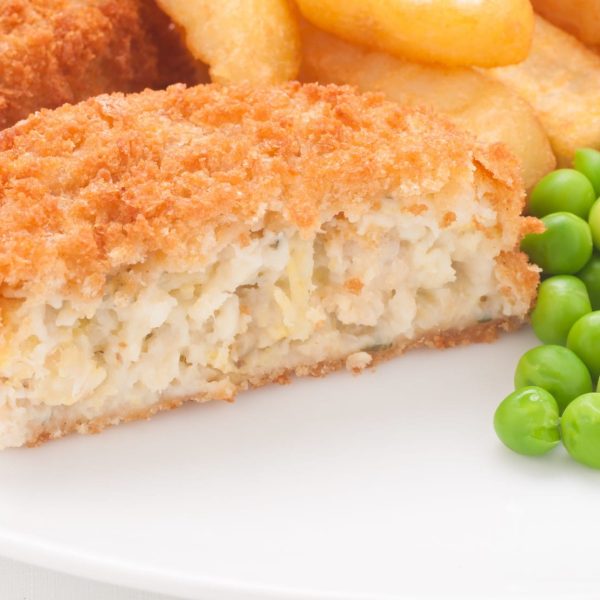
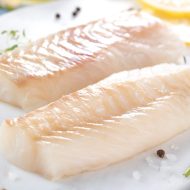
If you want the straightforward, chippy-shop comfort vibe without the faff, start with cod fishcakes. They’re built around a mild, clean fish flavour, with a potato mash base acting as the binder that keeps the patty cohesive and portionable. The result is versatile: easy to run in the oven, reliable in a pan, and forgiving when dinner needs to happen on a Tuesday. Look for packs that give you a repeatable count per bag (like 6 per pack) so you can plan “two now, four later” without guesswork.
Richer flavour and a softer flake
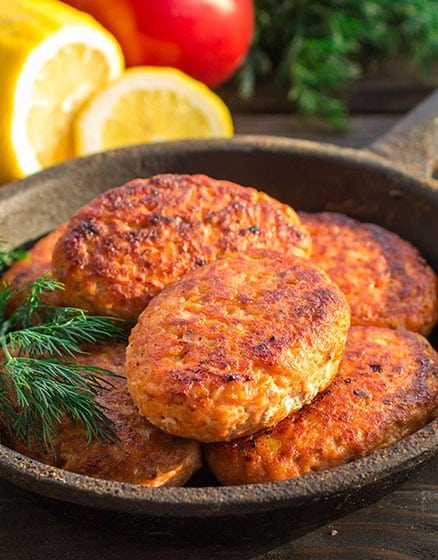
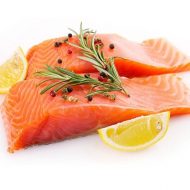
Salmon fishcakes lean richer and rounder, with a more pronounced oily-fish character and a softer flake through the centre. If you like a fishcake that feels more “meal” than “side,” salmon is the dependable pick—especially when you want something that still tastes good with minimal extras. The consistent pack format (again, 6 per pack) makes portion control simple and speeds up weeknight decisions.
Smoked haddock for bold, savoury batches
For a more distinctive, slightly savoury profile, smoked haddock fishcakes bring that smoke-cured depth that stands up to stronger sides and “guest food” plating. The 6 × 80g sizing is handy for batch prep and entertaining because it’s predictable: one per person for lighter plates, two per person when it’s the main event. They also tend to hold their structure well—ideal when you want higher-heat tolerance on a hot pan or griddle without the patty collapsing.
Serving style: whole cakes, halves, or bites
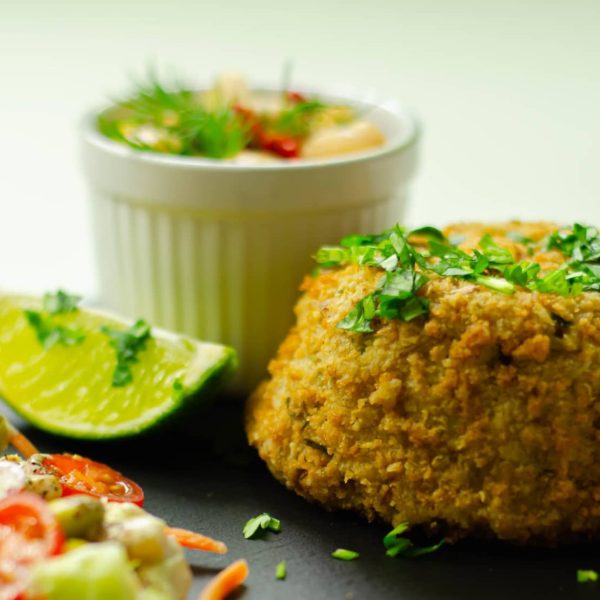
Fishcakes are essentially seasoned fish (minced or diced) combined with potato and simple binders, shaped into patties—so you can choose by how you plan to serve them: whole cakes for a no-nonsense supper, halved for starters, or cut into smaller bites for sharing boards. Pick the fishcake that matches your pan, your timing, and your appetite.
What Arrives at Your Door
Your Fishcakes don’t just get “sent” — they’re handled as a cold-chain product from pick to doorstep, so the texture you’re buying is the texture you cook. Dispatched by DPD overnight courier. Each order is packed with dry ice in a polystyrene insulated box, and that combination matters because it slows heat gain and helps keep fish frozen during transit, even when delivery vans, depots, and doorsteps don’t share your freezer’s priorities.
We keep the promise simple and accurate: orders placed before the stated cut-off are prepared for next working day delivery on eligible days, and the checkout controls the valid delivery dates you can actually select. That means you’re not guessing which day is “allowed” or chasing a moving target — you choose from the options the system can fulfil, and we build the pack around that timetable.
When it arrives, the first minute is the easiest win. Open promptly, confirm everything is still properly cold, then move the Fishcakes straight into the freezer and follow the on-pack storage guidance for that specific product. Fishcakes are portioned and shaped for repeatable results, so keeping them properly frozen until you’re ready is what protects their structure — the crisp coating potential, the tidy patty shape, the consistent cook.
Dry ice is there to do one job: stay cold and buy you temperature stability. Treat it with basic respect and you’ll be fine: avoid direct skin contact, keep the area ventilated while you unpack, don’t seal dry ice into an airtight container, and keep it away from children and pets. Dry ice naturally “disappears” by turning into gas, so a little airflow is all it needs.
Bottom line: the packaging is designed to reduce uncertainty — your Fishcakes arrive as frozen food should, ready to store, portion, and cook on your schedule.
Label-First Transparency
Buying Fishcakes online shouldn’t feel like a gamble. Every product in this category is set up so you can make a decision from the facts that actually change the result on the plate — not fluffy adjectives. On each Fishcakes line, you’ll see the practical buying fields up front: the cut/style of Fishcake, the weight or pack size, and the key prep cues that matter for cooking and serving. Where a detail applies, we also show whether a product is shell-on or shell-off, skin-on or skinless, and boneless or pin-boned — and where it makes sense, whether it’s wild or farmed. Some of those fields won’t be relevant to every Fishcakes product (Fishcakes aren’t fillets), but the point is consistent: you’re shown the real attributes that drive expectations, not a vague headline.
Origin and catch area can vary by item and by supply, so we don’t make category-wide promises that collapse under scrutiny. Where origin or catch area matters, it’s shown on the product details for that specific product, so you can choose based on preference, provenance, or recipe.
Allergens are treated like customer information, not small print. Fishcake allergens are clearly flagged, and ingredient lists are provided where relevant — especially for value-added lines where seasoning, binders, or coatings change the eating experience. If a product includes cured, smoked, or seasoned elements, the ingredient detail is there so you can shop with confidence.
- Cut drives cooking. Weight drives timing. Texture drives outcome.
- Origin informs preference. Method informs richness. Pack size informs value.
- Ingredients signal flavour. Allergens signal suitability. Labelling reduces surprises.
Storage and Defrosting
Frozen Fishcakes are at their best when you treat them like a finished ingredient, not a mystery puck. The simple rule is: keep them frozen, keep them sealed, and keep air out. Most lines arrive vac packed, which is exactly what you want — it limits air exposure and helps protect flavour and texture. Once a pack is opened, re-wrap well or move portions to an airtight container so the surface doesn’t dry out and pick up that dull “freezer” taste. Freezer burn isn’t dangerous, it’s just dehydration: the Fishcake can turn watery in the middle but dry around the edges, and the texture goes from clean flake to something a bit soft and cottony. Rotate your stock like a calm, organised kitchen: older packs forward, newer packs behind, and keep the freezer stable so you’re not stressing the product with repeated warming and re-freezing at the edges of the pack.
For defrosting, think in a simple hierarchy. Fridge defrost is the default because it’s controlled and predictable. Keep the Fishcakes contained (on a plate, in a tray, or in a sealed container) so any drip loss doesn’t soak the surface or make the coating soggy. When they’re defrosted, give them a gentle reset: pat dry before cooking. That one step is the difference between a pale, soft exterior and a proper sear or crisp finish in the pan or oven.
If you’re cooking something with a richer mix — the kind that feels a bit fatty — it generally forgives heat better and stays pleasantly firm. Leaner Fishcakes can tip into “soft” if they’re cooked while still wet on the surface, so drying matters even more. (Notes like skin-on or pin-boned are more relevant to fillets, but the same idea applies: the more structured the product, the better it holds shape when you treat the surface correctly.)
On refreezing: be conservative. If a pack has been fully defrosted, warmed, or sat around, don’t refreeze. If you’re ever unsure, treat that uncertainty as the answer. Always follow the on-pack storage and handling guidance for the specific product — it’s the most accurate instruction for that exact Fishcake line.
Cooking Outcomes
Pan-fry for a crisp edge and clean flavour
Start with one non-negotiable: a dry surface equals better sear. Heat the pan properly, add a thin film of oil, then lay the Fishcakes down and leave them alone long enough to build colour — moving them too soon tears the crust and turns the outside soft. You’re looking for a deep golden edge and a gentle sizzle, not aggressive spitting; if it’s smoking hard, you’re burning the coating before the centre warms through. Flip once, then finish gently on a slightly lower heat so the middle comes up without squeezing out moisture. When they’re done, the Fishcakes should feel firm but springy, with steam and aroma coming through when you break one open.
Oven-bake for even heat and batch consistency
Oven cooking is the “set-and-control” option: it gives you even browning and fewer surprises across a whole pack. Place Fishcakes on a tray with space around them so heat can circulate; crowding creates steam and a pale, soft surface. If you want more crunch, use a preheated tray or a light brush of oil — it helps the outside colour while the centre warms steadily. Sensory cues matter: the coating should look set and crisp at the edges, and the Fishcake should feel hot through when pressed lightly at the centre. Gentle finish protects moisture, especially on leaner fishcake mixes.
Grill for colour and high-heat tolerance
Grilling is brilliant for the right Fishcake, but they don’t all behave the same — follow the product details because thickness, binding, and coating change what “safe and simple” looks like. Use a clean, well-heated grill so the surface sets quickly rather than sticking and tearing. Start with direct heat for colour, then move to gentler heat to finish; thickness changes timing and thicker Fishcakes need that calmer finish to avoid a dark outside and cool centre. Look for a confident crust and a Fishcake that holds its shape when nudged with a spatula. If the outside is browning too fast, back the heat off and let the centre catch up.
Portions and gentle heat for a juicy centre
Portions are about control: moderate heat, minimal flipping, and no panic. Don’t overcook — once the centre is hot, pushing further dries the mix and can turn it crumbly instead of moist. Treat them like you would a good fillet: bring them through steadily, then rest briefly on the plate before serving. Resting evens temperature, so the middle settles and the texture turns from slightly loose to properly cohesive. Remember the rule-set: fat content changes forgiveness, and richer Fishcakes will stay juicier under heat than very lean ones.
Nutrition Snapshot
Fishcakes can be a very practical way to get more seafood into weeknight meals without turning dinner into a project. Most Fishcakes are built around a fish base plus a binder (often potato or breadcrumb), seasoning, and sometimes a coating, so the nutrition profile isn’t “one size fits all” — it shifts with the fish used, the recipe, and the portion size. As a rule of thumb, you’re usually looking at a useful hit of protein, with carbohydrates coming from the binder and any breadcrumb coating, and fats varying depending on the fish and added ingredients.
Keep it simple and checkable: nutrients vary by species, cut, and whether the fish is wild or farmed; see the product details for the most accurate picture. That’s also where you’ll find ingredient lists and allergen information, which matters with Fishcakes because recipes can include gluten, milk, egg, or mustard depending on the style.
From a cooking point of view, the “nutrition” bits connect to outcomes. A Fishcake made with richer fish (or a slightly higher fat recipe) can be more forgiving in a hot pan because it holds moisture better, while leaner mixes can dry out if you push the heat too hard or cook past “just done”. Binder level matters too: higher binder can give a softer bite, while higher fish content tends to eat flakier and more savoury.
Fishcakes aren’t a magic health token — they’re just a solid, balanced option when paired with the rest of your plate (veg, salad, grains, whatever fits your routine). Pick the Fishcakes that match your preferences, your allergens, and your cooking style, and let the product details do the heavy lifting on the specifics.
Provenance and Responsible Sourcing
With Fishcakes, “where it comes from” isn’t a single story — it’s a set of SKU-by-SKU facts. That’s why the simplest, most honest approach is evidence-led: we show method and origin details per product so you can choose what fits your preferences. Some people care most about country of origin, others about whether the fish base is wild or farmed, and others just want a familiar style they know will behave in the pan.
What you’ll typically see in the product details is the practical provenance layer: the fish species used, the origin/country where it’s declared, and any method notes the SKU provides. Where a supplier’s catch area or production method varies between lines, it’s shown on that specific product rather than being turned into a category-wide promise. Provenance supports preference. Clear labels support trust. Evidence supports claims.
Fishcakes can also span a genuine range of sourcing types, and it’s better to acknowledge that than pretend everything fits one slogan. The category may include farmed-based lines (depending on the fish used in the recipe), and wild-based lines where stocked, alongside speciality Fishcakes made for specific uses or flavour profiles. The point isn’t to declare a winner; it’s to let you decide what “good” means for your kitchen — whether that’s a particular fish base, a certain origin, or a style you already trust.
Because Fishcakes are a prepared product, ingredients matter too. The product page is where you can confirm what’s in the mix, check allergens, and choose the variant that matches your household. When you’re choosing between similar-looking options, origin and method can be the tie-breaker — and the cleanest way to keep that fair is to keep it SKU-specific and visible.
Frequently Asked Questions
Is frozen fishcakes as good as fresh?
“Fresh” and “frozen” aren’t really enemies — they’re two different ways of managing time. Freshness is about how quickly a product moves through the supply chain and how well it’s handled. Frozen is about locking quality at a specific moment, then holding it steady. With Fishcakes, that matters because “fresh” Fishcakes in a chilled counter can still include hidden time: mixing, forming, chilling, transport, storage, then your fridge at home.
Frozen Fishcakes can be as good as fresh when two things go right: the product is frozen promptly and it stays properly cold; then you handle it well at home. Where people get disappointed is usually moisture management. If a product has had temperature swings, air exposure, or partial thawing and re-freezing, you can end up with a softer bite, a wetter interior, or a cake that doesn’t hold together as cleanly. On the flip side, stable freezing plus sensible thawing protects the texture and keeps flavour where it belongs — in the Fishcake, not in the drip.
What makes the comparison fair is process control. On the Fishcakes category itself, the site states the fish is “filleted, packed and frozen within 3 hours of being caught,” which is exactly the kind of fast, controlled handling that helps frozen food taste “fresh” later on. And once it’s packed, the delivery method is designed to protect that point-in-time quality: orders are dispatched with DPD, packed with dry ice in a polystyrene box to help keep seafood frozen on arrival.
A simple way to choose by use-case:
- Midweek reliability: go for portionable Fishcakes with consistent sizing — quick to plan, easy to portion.
- Grilling / high-heat pan work: pick Fishcakes that hold their shape and brown well (thicker cakes and firmer mixes are more forgiving).
- Entertaining: choose larger “centre-plate” Fishcakes where you want neat presentation and predictable results.
If you want predictable results, frozen is the easier way to make Fishcakes a routine.
How do I defrost frozen fishcakes without it going watery?
Watery Fishcakes are almost always a thawing problem, not a “bad Fishcake” problem. When something freezes, water inside forms ice crystals. If the product freezes slowly, warms up during transit/storage, or gets thawed too quickly at home, those crystals can damage structure. The result is drip loss: moisture leaks out as the Fishcake defrosts, leaving the outside damp and the inside a bit softer. Repeated thaw/refreeze cycles make it worse — every cycle pushes more water out and can leave you with a mushier texture and weaker shape.
The most reliable way to defrost without the watery penalty is a calm, cold, contained approach. Put the Fishcakes in the fridge so they thaw gently, and keep them contained so any moisture stays under control rather than soaking the surface. If they’re vac packed, keep the packaging intact while they defrost — it limits air exposure and helps prevent the outside drying unevenly or picking up fridge smells. Once thawed, open the pack, tip away any liquid, then pat dry the Fishcakes with kitchen paper. That single step is the difference between a Fishcake that steams and one that browns: a dry surface lets the pan do its job.
A few practical tips by “cut” and thickness (because shape changes behaviour). Portions are easier: smaller Fishcakes (or mini cakes) thaw more evenly, so you get less pooling and better structure. Thick fillets need longer — and the same logic applies to thicker, chunkier Fishcakes: give them the time they need in the fridge and don’t rush them on a warm counter, or you’ll soften the outside before the centre is ready. Steaks behave differently because their structure is denser and they hold water in different layers; if you’re defrosting fish steaks alongside Fishcakes, keep them separately contained and pat both dry before cooking to avoid extra surface moisture.
If you’re short on time, cooking from frozen can work as a backup for some Fishcakes — just expect gentler browning at first and follow the product details/on-pack guidance rather than guessing.
Good defrosting is texture control.
Which fishcakes should I buy for my plan?
Which Fishcakes you should buy depends less on “best” and more on what you’re trying to get done on a Tuesday night (or a Saturday with guests). Start with your plan, then use the product details to sanity-check cut style, weight band, and intended cooking method.
For weeknight meals, look for portions and smaller, consistent sizes. Portionable Fishcakes are the easiest way to get repeatable results: you can cook what you need, keep the rest frozen, and hit the same texture each time. This is the “low thinking, high success” lane — especially if you’re feeding different appetites in one household.
For grilling (where available), choose Fishcakes that are built to hold together: firmer mixes, thicker shapes, and sturdier coatings if the product line offers them. Grilling is a higher-heat, higher-risk environment; you want something that tolerates direct heat and handling without breaking up. If the page shows “grill-ready” or similar intended use in the product details, treat that as your permission slip.
For entertaining, go for Fishcakes that plate well: larger sizes, premium mixes, or mixed packs if stocked. Bigger Fishcakes can look intentional rather than “quick dinner”, and they buy you timing flexibility — you can cook fewer units, rest them briefly, and serve cleanly.
For prep-it-yourself, choose whole Fishcakes (or the largest format available) when you want control. Whole formats let you portion, shape, or finish the outside your way — useful if you’re batch-prepping, building sliders, or serving as part of a spread.
For special occasions, pick smoked/cured lines where available. Those tend to bring a deeper, more distinctive flavour that feels “occasion” even with simple sides.
Two outcome levers matter more than everything else: thickness and skin. Thicker Fishcakes need gentler heat and a longer window to warm through without drying out. Skin-on styles (where relevant) can crisp differently and protect moisture; skinless tends to brown more evenly but can feel less forgiving if overcooked.
If you only buy one thing: a portionable, mid-sized Fishcake pack that suits oven or pan cooking — it’s the most versatile and the easiest to repeat week after week.
Pick the cut that matches your heat source and your timing.
Can I cook fishcakes from frozen?
Yes — often you can cook Fishcakes from frozen, but method matters. The two things that change the outcome are thickness and surface moisture. From frozen, the outside can carry a film of ice that turns into steam, and steam is the enemy of crispness. If you go straight into a ripping-hot pan, you can end up with a damp surface and a browned exterior before the middle has properly heated through. That’s why oven baking, air-frying, or a covered pan are usually more forgiving than a direct high-heat sear: they give the centre time to catch up before you chase colour.
A practical frozen-to-cooked approach is simple, and it’s more about control than speed. Start by removing all packaging. If there’s obvious surface ice or a frosty glaze, give the Fishcakes a quick rinse under cold water to knock that ice off, then pat dry thoroughly with kitchen paper. Dry surface equals better browning. From there, begin with gentler heat so the Fishcakes warm through evenly (think steady oven heat, air-fryer at a moderate setting, or a pan with a lid to trap gentle heat). Once they’re clearly heating through, finish hotter to crisp the outside — remove the lid for the final stage in a pan, or increase intensity briefly in the oven/air-fryer to get that satisfying, drier crust.
You’ll know you’re on track when the outside looks set and lightly crisp, and the Fishcake feels firming up rather than soft and fragile. If the surface is still wet, keep the heat controlled and let moisture drive off before you push for colour.
When is cooking from frozen not the move? If you’re dealing with very thick Fishcakes and you want a perfect pan-seared crust, defrosting first usually gives you the driest surface and the cleanest browning. Also, speciality cured/smoked style products (where stocked) should follow the product guidance on the pack and on the product details — those can have different handling expectations.
Frozen-to-oven is the weeknight cheat code when you need Fishcakes now.
How long does frozen fishcakes last, and how do I avoid freezer burn?
Frozen Fishcakes will stay safe in the freezer for a long time, but there’s a useful distinction to keep in mind: safety and quality are not the same thing. Freezing slows down the processes that cause food to spoil, so properly frozen seafood can remain safe well beyond the point where it still tastes its best. What usually changes first is the eating experience — texture can dry out, flavours can flatten, and the outside can pick up that “been in the freezer a while” note. That’s why the best answer is: use the on-pack storage guidance as your main reference, and treat any broad “how long” rule as general guidance rather than a hard deadline.
The main quality-killer to understand is freezer burn. Despite the name, it isn’t heat damage — it’s dehydration caused by air exposure. When cold, dry freezer air pulls moisture from the surface of the Fishcakes, the ice slowly sublimates, and you’re left with dry, damaged patches. You’ll spot freezer burn as pale or dull areas, sometimes with dry, slightly leathery spots, and it often shows up in cooking as a tougher bite and less juicy texture. It’s not usually dangerous, but it’s definitely disappointing.
Avoiding it is mostly about reducing air contact and keeping the freezer environment consistent. Start with the basics: keep packs sealed and avoid opening them until you’re ready to use them. If you split a pack, minimise air exposure when re-wrapping — press out excess air, reseal tightly, and use a second barrier (a freezer bag or wrap) if needed. Store Fishcakes flat where you can; it protects shape, helps them freeze evenly, and makes stock rotation easier. Rotate stock like you would in a professional kitchen: older packs forward, newer packs behind. Most importantly, keep your freezer stable and properly closed — frequent warming and re-freezing (even small temperature swings) can increase ice crystal changes and accelerate quality loss.
This is where good packing does real work. Many products are vacuum packed, which helps reduce air exposure around the Fishcakes and slows the dehydration that causes freezer burn. Pair that with a steady freezer and sensible rotation, and you’ll keep texture and flavour much closer to “just packed”.
Good packaging and steady cold are what keep Fishcakes tasting like Fishcakes.
{
"@context": "https://schema.org",
"@type": "FAQPage",
"@id": "https://frozenfish.direct/frozen-fishcakes/smoked-haddock-fishcakes/#FAQPage",
"mainEntity": [{
"@type": "Question",
"name": "Is frozen fishcakes as good as fresh?",
"acceptedAnswer": {
"@type": "Answer",
"text": "“Fresh” and “frozen” aren’t really enemies — they’re two different ways of managing time. Freshness is about how quickly a product moves through the supply chain and how well it’s handled. Frozen is about locking quality at a specific moment, then holding it steady. With Fishcakes, that matters because “fresh” Fishcakes in a chilled counter can still include hidden time: mixing, forming, chilling, transport, storage, then your fridge at home.
Frozen Fishcakes can be as good as fresh when two things go right: the product is frozen promptly and it stays properly cold; then you handle it well at home. Where people get disappointed is usually moisture management. If a product has had temperature swings, air exposure, or partial thawing and re-freezing, you can end up with a softer bite, a wetter interior, or a cake that doesn’t hold together as cleanly. On the flip side, stable freezing plus sensible thawing protects the texture and keeps flavour where it belongs — in the Fishcake, not in the drip.
What makes the comparison fair is process control. On the Fishcakes category itself, the site states the fish is “filleted, packed and frozen within 3 hours of being caught,” which is exactly the kind of fast, controlled handling that helps frozen food taste “fresh” later on. And once it’s packed, the delivery method is designed to protect that point-in-time quality: orders are dispatched with DPD, packed with dry ice in a polystyrene box to help keep seafood frozen on arrival.
A simple way to choose by use-case:
Midweek reliability: go for portionable Fishcakes with consistent sizing — quick to plan, easy to portion.
Grilling / high-heat pan work: pick Fishcakes that hold their shape and brown well (thicker cakes and firmer mixes are more forgiving).
Entertaining: choose larger “centre-plate” Fishcakes where you want neat presentation and predictable results.
If you want predictable results, frozen is the easier way to make Fishcakes a routine."
}
}, {
"@type": "Question",
"name": "How do I defrost frozen fishcakes without it going watery?",
"acceptedAnswer": {
"@type": "Answer",
"text": "Watery Fishcakes are almost always a thawing problem, not a “bad Fishcake” problem. When something freezes, water inside forms ice crystals. If the product freezes slowly, warms up during transit/storage, or gets thawed too quickly at home, those crystals can damage structure. The result is drip loss: moisture leaks out as the Fishcake defrosts, leaving the outside damp and the inside a bit softer. Repeated thaw/refreeze cycles make it worse — every cycle pushes more water out and can leave you with a mushier texture and weaker shape.
The most reliable way to defrost without the watery penalty is a calm, cold, contained approach. Put the Fishcakes in the fridge so they thaw gently, and keep them contained so any moisture stays under control rather than soaking the surface. If they’re vac packed, keep the packaging intact while they defrost — it limits air exposure and helps prevent the outside drying unevenly or picking up fridge smells. Once thawed, open the pack, tip away any liquid, then pat dry the Fishcakes with kitchen paper. That single step is the difference between a Fishcake that steams and one that browns: a dry surface lets the pan do its job.
A few practical tips by “cut” and thickness (because shape changes behaviour). Portions are easier: smaller Fishcakes (or mini cakes) thaw more evenly, so you get less pooling and better structure. Thick fillets need longer — and the same logic applies to thicker, chunkier Fishcakes: give them the time they need in the fridge and don’t rush them on a warm counter, or you’ll soften the outside before the centre is ready. Steaks behave differently because their structure is denser and they hold water in different layers; if you’re defrosting fish steaks alongside Fishcakes, keep them separately contained and pat both dry before cooking to avoid extra surface moisture.
If you’re short on time, cooking from frozen can work as a backup for some Fishcakes — just expect gentler browning at first and follow the product details/on-pack guidance rather than guessing.
Good defrosting is texture control."
}
}, {
"@type": "Question",
"name": "Which fishcakes should I buy for my plan?",
"acceptedAnswer": {
"@type": "Answer",
"text": "Which Fishcakes you should buy depends less on “best” and more on what you’re trying to get done on a Tuesday night (or a Saturday with guests). Start with your plan, then use the product details to sanity-check cut style, weight band, and intended cooking method.
For weeknight meals, look for portions and smaller, consistent sizes. Portionable Fishcakes are the easiest way to get repeatable results: you can cook what you need, keep the rest frozen, and hit the same texture each time. This is the “low thinking, high success” lane — especially if you’re feeding different appetites in one household.
For grilling (where available), choose Fishcakes that are built to hold together: firmer mixes, thicker shapes, and sturdier coatings if the product line offers them. Grilling is a higher-heat, higher-risk environment; you want something that tolerates direct heat and handling without breaking up. If the page shows “grill-ready” or similar intended use in the product details, treat that as your permission slip.
For entertaining, go for Fishcakes that plate well: larger sizes, premium mixes, or mixed packs if stocked. Bigger Fishcakes can look intentional rather than “quick dinner”, and they buy you timing flexibility — you can cook fewer units, rest them briefly, and serve cleanly.
For prep-it-yourself, choose whole Fishcakes (or the largest format available) when you want control. Whole formats let you portion, shape, or finish the outside your way — useful if you’re batch-prepping, building sliders, or serving as part of a spread.
For special occasions, pick smoked/cured lines where available. Those tend to bring a deeper, more distinctive flavour that feels “occasion” even with simple sides.
Two outcome levers matter more than everything else: thickness and skin. Thicker Fishcakes need gentler heat and a longer window to warm through without drying out. Skin-on styles (where relevant) can crisp differently and protect moisture; skinless tends to brown more evenly but can feel less forgiving if overcooked.
If you only buy one thing: a portionable, mid-sized Fishcake pack that suits oven or pan cooking — it’s the most versatile and the easiest to repeat week after week.
Pick the cut that matches your heat source and your timing."
}
}, {
"@type": "Question",
"name": "Can I cook fishcakes from frozen?",
"acceptedAnswer": {
"@type": "Answer",
"text": "Yes — often you can cook Fishcakes from frozen, but method matters. The two things that change the outcome are thickness and surface moisture. From frozen, the outside can carry a film of ice that turns into steam, and steam is the enemy of crispness. If you go straight into a ripping-hot pan, you can end up with a damp surface and a browned exterior before the middle has properly heated through. That’s why oven baking, air-frying, or a covered pan are usually more forgiving than a direct high-heat sear: they give the centre time to catch up before you chase colour.
A practical frozen-to-cooked approach is simple, and it’s more about control than speed. Start by removing all packaging. If there’s obvious surface ice or a frosty glaze, give the Fishcakes a quick rinse under cold water to knock that ice off, then pat dry thoroughly with kitchen paper. Dry surface equals better browning. From there, begin with gentler heat so the Fishcakes warm through evenly (think steady oven heat, air-fryer at a moderate setting, or a pan with a lid to trap gentle heat). Once they’re clearly heating through, finish hotter to crisp the outside — remove the lid for the final stage in a pan, or increase intensity briefly in the oven/air-fryer to get that satisfying, drier crust.
You’ll know you’re on track when the outside looks set and lightly crisp, and the Fishcake feels firming up rather than soft and fragile. If the surface is still wet, keep the heat controlled and let moisture drive off before you push for colour.
When is cooking from frozen not the move? If you’re dealing with very thick Fishcakes and you want a perfect pan-seared crust, defrosting first usually gives you the driest surface and the cleanest browning. Also, speciality cured/smoked style products (where stocked) should follow the product guidance on the pack and on the product details — those can have different handling expectations.
Frozen-to-oven is the weeknight cheat code when you need Fishcakes now."
}
}, {
"@type": "Question",
"name": "How long does frozen fishcakes last, and how do I avoid freezer burn?",
"acceptedAnswer": {
"@type": "Answer",
"text": "Frozen Fishcakes will stay safe in the freezer for a long time, but there’s a useful distinction to keep in mind: safety and quality are not the same thing. Freezing slows down the processes that cause food to spoil, so properly frozen seafood can remain safe well beyond the point where it still tastes its best. What usually changes first is the eating experience — texture can dry out, flavours can flatten, and the outside can pick up that “been in the freezer a while” note. That’s why the best answer is: use the on-pack storage guidance as your main reference, and treat any broad “how long” rule as general guidance rather than a hard deadline.
The main quality-killer to understand is freezer burn. Despite the name, it isn’t heat damage — it’s dehydration caused by air exposure. When cold, dry freezer air pulls moisture from the surface of the Fishcakes, the ice slowly sublimates, and you’re left with dry, damaged patches. You’ll spot freezer burn as pale or dull areas, sometimes with dry, slightly leathery spots, and it often shows up in cooking as a tougher bite and less juicy texture. It’s not usually dangerous, but it’s definitely disappointing.
Avoiding it is mostly about reducing air contact and keeping the freezer environment consistent. Start with the basics: keep packs sealed and avoid opening them until you’re ready to use them. If you split a pack, minimise air exposure when re-wrapping — press out excess air, reseal tightly, and use a second barrier (a freezer bag or wrap) if needed. Store Fishcakes flat where you can; it protects shape, helps them freeze evenly, and makes stock rotation easier. Rotate stock like you would in a professional kitchen: older packs forward, newer packs behind. Most importantly, keep your freezer stable and properly closed — frequent warming and re-freezing (even small temperature swings) can increase ice crystal changes and accelerate quality loss.
This is where good packing does real work. Many products are vacuum packed, which helps reduce air exposure around the Fishcakes and slows the dehydration that causes freezer burn. Pair that with a steady freezer and sensible rotation, and you’ll keep texture and flavour much closer to “just packed”.
Good packaging and steady cold are what keep Fishcakes tasting like Fishcakes."
}
}],
"isPartOf": {
"@id": "https://frozenfish.direct/frozen-fishcakes/cod-fish-cakes/#Article"
}
}
.centerdiv{float:none;margin:0 auto}
.sseo_faqs{counter-reset:faq-counter}
.sseo_faqs .sseo_faqcont .sseo_faqtitle{color:#ffffff!important; background:#2d7ccb!important;}
.sseo_faqs .sseo_faqcont .sseo_faqtitle:before{background:#000000!important;color:#ffffff!important;}
.sseo_faqs .sseo_faqcont .sseo_faqtitle:before{counter-increment:faq-counter;content:"Q" counter(faq-counter);position:absolute;top:0;bottom:0;left:0;width:48px;height:auto;font-size:20px;line-height:52px;text-align:center;font-family:"Aparajita", sans-serif;font-weight:600}
.sseo_faqs, .sseo_faqcont{position:relative;float:left;width:100%;margin-bottom:12px;text-align:left}
.sseo_faqs .sseo_faqtitle{font-family:inherit!important; font-weight:inherit!important;position:relative;float:left;width:100%;padding:12px 45px 12px 58px!important;cursor:pointer;font-weight:500; font-size: 20px; color:var(--main-color);}
.sseo_faqs .sseo_faqtitle:after{content:"";background:url(/wp-content/plugins/sseo_schema/inc/img/down-arrow.svg)no-repeat;background-size:20px;font-family:FontAwesome;position:absolute;top:50%;transform:translateY(-50%);right:10px;font-size:22px;line-height:32px;width:30px;height:30px;text-align:center;border-radius:100%;transition-duration:.5s;box-shadow:0px 0px 10px 0px #9e9e9e}
.sseo_faqs .sseo_faqtitle.f_open:after{line-height:28px;color:#ffffff;border:2px solid #ffffff;transform:translateY(-50%) rotate(180deg);transition-duration:.5s}
.sseo_faqs .sseo_faqdet{background:#ffffff!important; position:relative;float:left;width:100%;margin:0;padding:20px;border:1px solid#ffffff!important;border-top:none;display:none;}
.sseo_faqs .sseo_faqdet *:last-child, .sseo_faqs .sseo_faqcont:last-child{padding-bottom:0;margin-bottom:0}
.sseo_faqs .sseo_faqtitle{background:#f9f9f9}
.sseo_faqs .sseo_faqtitle{margin:0 !important}
.sseo_faqs .sseo_faqtitle:after{color:#b1b1b1;background:#ffffff}
.sseo_faqs .sseo_faqtitle.f_open:after{color:#ffffff;background:var(--main-color)}
window.onload = function(){if(jQuery(".sseo_faqs").length > 0){
jQuery(".sseo_faqs .sseo_faqcont:first-child").find(".sseo_faqtitle").addClass("f_open");
jQuery(".sseo_faqs .sseo_faqcont:first-child").find(".sseo_faqdet").slideDown();
jQuery(".sseo_faqcont .sseo_faqtitle").click(function(){
jQuery(".sseo_faqcont").find(".sseo_faqtitle").removeClass("f_open");
jQuery(".sseo_faqcont").find(".sseo_faqdet").slideUp();
var sseo_faqdet = jQuery(this).parents(".sseo_faqcont").find(".sseo_faqdet");
if(!sseo_faqdet.is(":visible")){
sseo_faqdet.slideDown();
jQuery(this).addClass("f_open");
}else{
sseo_faqdet.slideUp();
jQuery(this).removeClass("f_open");
}
});
}};