Why Buy Frozen Prepared Meals?
Frozen isn’t a compromise here — it’s a quality-control choice. With prepared meals, freezing turns “tonight’s dinner” into something you can plan and repeat: predictable portions, consistent results, and less waste from last-minute panic buys. Because the meal is portioned and sealed before it ever hits your freezer, you’re buying a known outcome — not a “maybe it’ll be fine” gamble. It makes freezer stock feel like a menu, not clutter.
“Fresh” can be brilliant, but it’s also a clock. Time adds up through handling, transport, and storage before it reaches a kitchen, and every extra day raises the chance of softer texture or muted flavour. Frozen flips that dynamic: the product is locked in at a point in time, then kept stable until you’re ready to use it. On the category page, Frozen Prepared Meals are described as being flash-frozen at peak freshness — that’s the whole quality argument in one phrase. (Frozen Fish Direct)
Across the wider frozenfish.direct range, the site states that its fish can be filleted, packed, and frozen within 3 hours of being caught — in other words, processed and frozen within hours rather than days. For prepared meals, treat that as the guiding principle (speed + cold-chain control), then use each product’s label and details to confirm the exact ingredients, portion size, and format.
Freezing slows spoilage. Cold storage preserves texture. Vacuum packs reduce air exposure. Portions reduce waste. Consistent weights improve meal planning.
Choose Your Prepared Meals
Weeknight wins: oven or pan, fast and repeatable
When the goal is “feed people, not faff”, look for prepared lines that are designed to go straight into the oven, a covered pan, or a quick wok finish. That’s where you’ll see things like fish soup for a quick heat-and-serve bowl, or pan-friendly bites like goujons of sole that are built for midweek speed. The point isn’t fancy — it’s predictable: same format, same outcome, less guesswork.
Portions first: predictable sizing and portion control
Prepared meals work best when the pack size matches your appetite and your timing. Single-serve fillets (the kind that sit in a clear weight band) are the easiest “one portion per person” option, while larger packs are great when you want to split, share, or build a spread. In bundles, you’ll often see a mix of portionable items and “serve-as-needed” packs — cooked components, pâtés, terrines — that make portion control feel effortless rather than strict.
High-heat friendly picks: holds shape, takes the heat
If you’re cooking hot and fast, choose items that are meant to keep their structure. Coated or formed pieces (think battered rings, fish goujons, Thai-style crab cakes) tend to hold shape better and have a higher tolerance for high heat in a pan or air-fryer, because the outside is doing protective work while the centre warms through. This is where “crispy outside, juicy inside” becomes achievable without babysitting.
Entertaining and prep-it-yourself: bundles, big cuts, slice your own
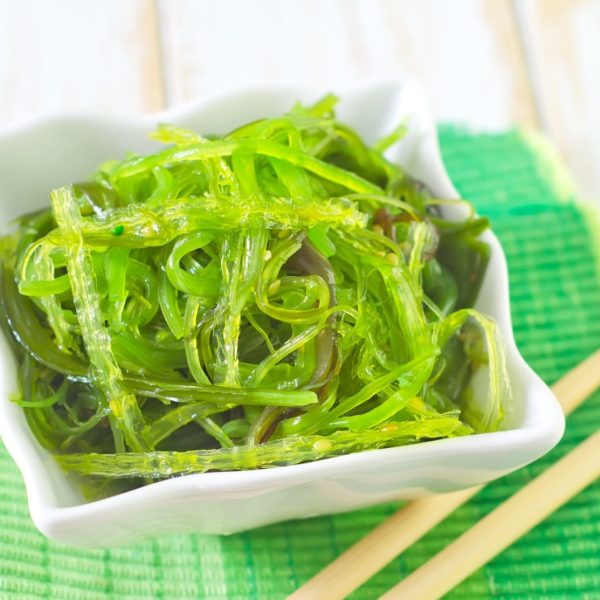
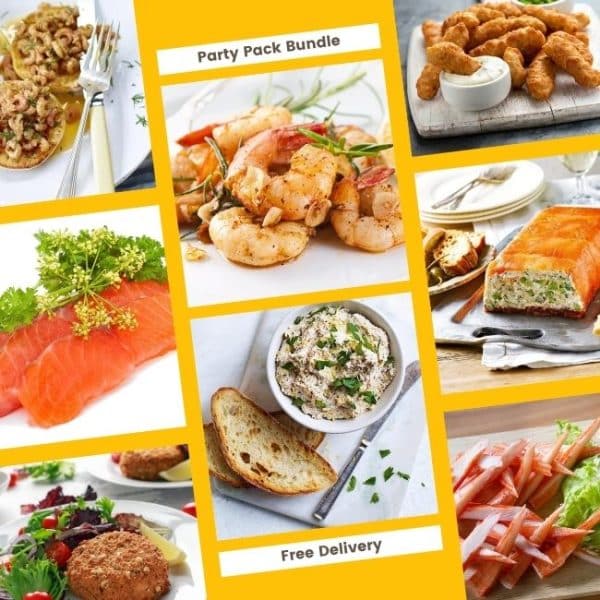
For guests, bundles do the heavy lifting: a Party Pack Bundle style mix can include smoked salmon, cooked tiger prawns (peeled, tail-on, deveined), crab cakes, crab sticks, and smoked deli-style extras — the kind of spread that turns into canapés, sharing boards, and quick starters. If you prefer to prep yourself, look for larger “centre-piece” cuts inside bundles (like a hamachi loin) plus premium items such as lobster tails or fillets — you can portion, slice, and tailor the meal to your plan. And if you see a speciality side like wakame seaweed salad, treat it as ready for a specific use (bowls, sushi nights, cold platters) rather than a generic “goes with everything” claim.
Pick the Prepared Meals that matches your pan, your timing, and your appetite.
What Arrives at Your Door
When you order Frozen Prepared Meals from frozenfish.direct, the whole point is simple: keep everything properly frozen from our cold store to your freezer, with as little drama as possible. Dispatched by DPD overnight courier. That means the journey is planned around speed, not “maybe it gets there when it gets there,” which is exactly what frozen seafood doesn’t need.
Your order is packed with dry ice in a polystyrene insulated box, and that combination matters because it protects the cold chain during transit. The insulation slows heat gain from the outside world, while the dry ice provides serious cooling power, helping keep fish frozen on the way to you. You’re not relying on a thin liner and hope — it’s a transport setup designed for frozen goods, so your prepared meals arrive in the condition they left us: solid, cold, and ready for the freezer.
Delivery timing is handled in a way that stays accurate without hand-waving. Orders placed before the stated cut-off are prepared for next working day delivery on eligible days, and checkout controls the valid delivery dates you can choose. In other words, you’ll only be offered delivery options that match the service window available at that time, so you’re not guessing whether “tomorrow” is actually possible.
When it arrives, the first move is straightforward. Open the box promptly, check your items are still frozen, and move everything straight into the freezer. If you’re cooking soon, follow the on-pack storage guidance and the product-specific handling notes so you get the best texture and the cleanest finish.
Dry ice is easy to handle when you keep it boring: avoid direct skin contact, keep the area ventilated, don’t seal dry ice in an airtight container, and keep it away from children and pets. After that, it’s just cold-chain confidence — the kind that prevents support tickets because the system is doing its job.
Label-First Transparency
Buying frozen prepared meals online only works when the product details do the heavy lifting. On frozenfish.direct, each item is set up so you can make a practical choice quickly, without guessing what’s actually in the pack.
Every product shows the fields that matter in real kitchens: the cut, the weight/pack size, and the key prep markers that change outcomes. Where it applies, you’ll see whether something is shell-on or shell-off, skin-on or skinless, and whether it’s boneless or pin-boned. If the species is offered as wild or farmed (where that distinction makes sense), that’s shown on the product page too — because it can affect flavour, fat level, and how forgiving the item is under heat. If origin or catch area varies by item, it’s not waved around as a category promise; it’s shown on the product details so you can choose on the facts for that specific pack.
Allergen information is handled in a clear, shopper-first way. Fish is flagged as an allergen, and for prepared lines with added components — especially cured or smoked products where ingredient mixes matter — you’ll find ingredients listed where relevant. That means you can shop for your household confidently, whether you’re avoiding specific ingredients, planning meals for guests, or just trying to keep your freezer organised.
- Cut drives cooking. Weight drives timing. Skin drives texture.
- Origin informs preference. Method informs fat level. Pack size informs value.
- Shell changes handling. Bones change prep. Labels reduce surprises.
Storage and Defrosting
Keep Frozen Prepared Meals frozen until you’re ready to use them, and treat the pack like a quality container: the less air it sees, the better it eats. Most items arrive vac packed, which helps protect flavour and texture, but once a seal is broken the clock on dryness starts ticking. Store packs flat where you can, keep the freezer steady, and avoid letting items rattle around loose in a drawer. A simple habit that pays off: rotate stock so older packs go to the front and new ones sit behind — it stops “mystery freezer archaeology” and keeps meals tasting like they should, not like last season’s leftovers. If you ever spot freezer burn (dry, pale patches or a roughened surface), it’s usually a sign of air exposure rather than “gone bad” — still usable, but the eating quality can turn watery or a bit soft.
For defrosting, think of a hierarchy. The default is a fridge defrost, still sealed or well-contained, so the thaw happens gently and the surface doesn’t sweat out all its moisture. Keep the fish or prepared meal contained in a dish or tray to manage drip loss — you want that liquid away from the food, not pooling underneath it. If the pack includes skin-on portions or pin-boned fillets, gentle thawing helps keep the surface intact and easier to handle when you’re portioning or cooking.
Right before cooking, open the pack, drain any collected liquid, and pat dry. This is the small, boring move that gives you the big, satisfying result: a better sear, less steaming, and a cleaner texture. If something seems a touch soft after thawing, don’t panic — moisture on the surface is usually the culprit, not the fish itself. Fatty cuts forgive heat better, while leaner, flakier portions benefit from a gentler finish; either way, dry surface equals better control.
On refreezing, stay conservative. If you’ve fully thawed a product, don’t refreeze unless the on-pack guidance says it’s suitable. When in doubt, don’t refreeze — cook what you need, keep the rest chilled briefly only if the label allows, and let the pack’s instructions be the final word.
Cooking Outcomes
Frozen Prepared Meals is a mixed bag on purpose: some lines are reheat-and-eat, some are crispy-from-hot-heat, and bundles can include raw fillets/loins alongside ready-to-serve items—so outcomes start with reading the product details for that pack.
Pan-sear + gentle finish
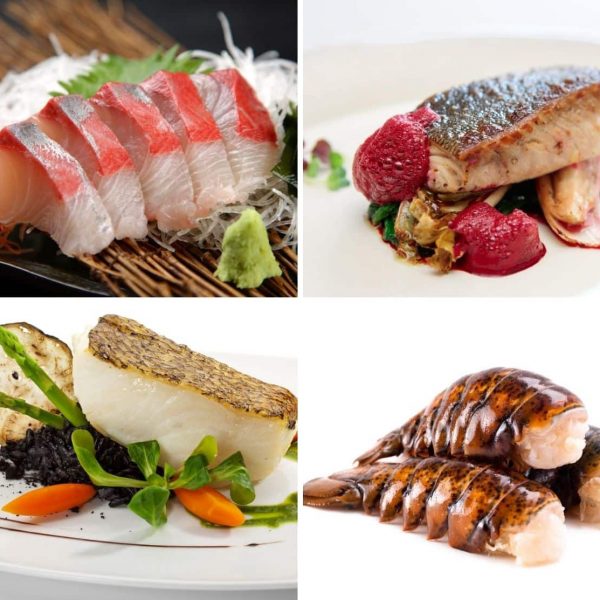
For bundle proteins like yellowtail loin, black cod fillet, Chilean seabass, and lobster tail, start with a dry surface and a properly hot pan so you get colour before the inside overcooks.
Dry surface equals better sear. Gentle finish protects moisture. Resting evens temperature.
Look for the doneness shift: edges turn opaque, flakes separate cleanly when nudged, and the centre goes from glossy to just-set (not chalky). Thickness changes timing. Fat content changes forgiveness.
Finish with gentler heat when you’re close—fatty fish (like black cod/seabass) will stay lush, while leaner cuts reward restraint.
Oven / air-fryer crisping
Breaded and battered items are built for fast, even browning—think battered squid rings and similar party-food cuts.
Spread pieces so hot air can circulate; crowding makes steam, and steam makes soggy coating.
You’re done when the outside is deep golden and audibly crisp, and the middle is hot through with a springy bite (chewy is fine; rubbery means it’s been pushed too far).
If you want extra crunch, give a brief higher-heat finish right at the end, then serve immediately while the coating is still snappy.
Gentle reheat
For heat-and-eat lines like fish soup, aim for hot and steaming rather than aggressive boiling—boiling can dull flavour and rough up delicate pieces.
Warm slowly until you see fine steam and small movement at the surface; the aroma should “open up” without the liquid turning frothy.
Stir lightly and stop once it tastes fully rounded and the texture stays clean, not broken.
If you’re using it as a base, add extra seafood at the end so it cooks gently in the residual heat, not in a rolling boil.
Thaw-and-serve
Some Prepared Meals are ready to eat once defrosted—for example wakame (seaweed salad) is explicitly sold as “simply defrost to enjoy.”
Treat these like deli items: keep them cold, taste for seasoning balance, and serve chilled so the texture stays bright rather than limp.
Party-style bundles can also include components that don’t need cooking (alongside those that do), so separate what’s “serve” from what’s “heat” before you start.
Net result: you control timing—and nothing gets accidentally overcooked while you’re chasing the crispy bits.
Nutrition Snapshot
Frozen prepared meals are a dish, not a single ingredient — so the nutrition picture changes with the recipe. A fish pie brings different macros to the table than seafood paella, fish curry, or salmon teriyaki, because the sauce, starch, and portion size do a lot of the heavy lifting. The useful takeaway is simple: treat seafood as the anchor (protein + minerals), and read the product details for the full story on what else is in the tray.
Freezing is mainly a quality hold, but it can also help you keep nutrition consistent from week to week. The site positions its prepared meals as flash-frozen at peak freshness to help retain taste and nutrients — the key idea being that you’re locking in a “good moment” rather than letting time and handling chip away at it.
From a practical buying angle, look at three things on the label: protein base, sauce richness, and carb side. Leaner, cleaner recipes feel lighter; richer sauces and oil-based glazes feel more indulgent and can be more forgiving if you reheat a touch too hard (fat and sauce protect moisture and soften texture swings). This is why two meals can cook the same but eat very differently.
Dietary needs are where “check the details” really matters: some lines may suit gluten-free or lower-carb preferences, but prepared meals are ingredient-led, so allergens and nutrition vary by SKU. Build it into a balanced diet without turning dinner into homework: pair with veg, choose the portion that fits your appetite, and let the label do the truth-telling.
Provenance and Responsible Sourcing
Provenance is only useful if it’s specific, not vague. That’s why we treat sourcing as a product-level decision: we show method and origin details per product so you can choose what fits your preferences. Some people prioritise wild-caught for flavour and seasonality; others prefer farmed options for consistency and availability. In Frozen Prepared Meals, you’ll often see both — farmed Prepared Meals where stocked, and wild Prepared Meals items where stocked, alongside speciality lines designed for particular outcomes (think: “ready for a specific use”, not “perfect for everything”).
On each product, look for the practical signals that actually mean something: origin (country or catch area when supplied), whether it’s wild or farmed, and any method notes provided by the producer. With prepared meals, there’s an extra layer: recipes can include multiple ingredients, and supply can change depending on season and landings, so the most honest place to check is always the SKU details and on-pack label that arrives with your order. If a detail isn’t listed for that item, we don’t pretend it’s universal.
Provenance supports preference. Clear labels support trust. Evidence supports claims.
If you’re trying to shop responsibly, start simple: pick the origin or production type you’re comfortable with, then choose the prepared meal that matches your cooking plan and portion needs. The goal isn’t to “win” sustainability — it’s to make a choice you can explain to yourself in one sentence, using information that’s actually shown for that product.
Where producers provide clearer method notes, you’ll see them reflected at item level; where they don’t, we keep the language tight and let the label do the talking. For a category like this, transparency beats grand promises every time.
Frequently Asked Questions
Is frozen prepared meals as good as fresh?
It can be — but the real comparison isn’t “fresh vs frozen”, it’s time-and-handling vs point-in-time control. “Fresh” simply means not frozen; it can still spend days moving through a supply chain, sitting in chillers, and being opened/handled multiple times. Frozen, on the other hand, is about locking in a moment: the product is stabilised when it’s at its best (or at least at its intended spec), then kept there until you’re ready to use it.
Texture and flavour are where people notice the difference. Freezing can affect moisture if a product is poorly packed, warmed and re-frozen, or defrosted badly — that’s when you get watery sauces, dry edges, or a softer bite than you expected. Good packaging and sensible defrosting protect quality: tight seals reduce air exposure, steady cold reduces freezer burn risk, and thawing gently helps limit drip loss. With prepared meals specifically, some items are designed to cook straight from frozen (better structure, less weeping), while others benefit from a controlled fridge defrost so the centre heats evenly.
That’s the logic behind how frozenfish.direct operates: products are processed and frozen within hours (where the product details state it), then shipped in a polystyrene insulated box with dry ice — dispatched by DPD overnight courier — designed to keep seafood frozen on arrival. The aim is simple: remove the “what happened to this on the way to me?” uncertainty.
Buying by use-case keeps it practical:
- Midweek portions: choose portionable, predictable items that go pan/oven-fast with repeatable results.
- Grilling/high heat: pick items that tolerate direct heat (firm pieces, skewers, burgers) and keep the surface dry for better browning.
- Entertaining: choose larger, presentation-friendly options or speciality lines that are “ready for a specific use” so timing stays calm and consistent.
If you want predictable results, frozen is the easier way to make Prepared Meals a routine.
How do I defrost frozen prepared meals without it going watery?
“Watery” almost always comes from moisture leaving the food faster than it can be re-absorbed. When food freezes, ice crystals form; if freezing/thawing is rough (or the pack has warmed and re-frozen), those crystals can disrupt texture. Then, as it thaws, you see drip loss: water and dissolved proteins seep out, leaving the meal softer and the plate wetter. The other big culprit is too-warm defrosting (countertop, warm room, hot water) which pushes the outside into a “sweating” zone while the middle is still icy. Finally, repeated thaw/refreeze cycles are a texture tax: each cycle makes crystals larger, increases damage, and raises the chance of mushy fish and split sauces.
The best practice flow is simple and boring — which is exactly why it works. Defrost in the fridge so the thaw is slow and even. Keep the meal contained the whole time (a tray, bowl, or plate underneath) so any condensation or drip doesn’t sit against the food. If it’s vacuum packed, keep the packaging intact during thawing where possible: it limits air exposure (less freezer burn risk) and helps the product thaw evenly. Once thawed, open the pack, drain any free liquid, then pat dry any exposed fish pieces before cooking — a dry surface browns better and feels firmer. After that, cook as the pack intends (and if there’s a sauce, stir gently and heat steadily so it doesn’t split).
A few cut-based tips help you predict outcomes:
- Portions are easiest: smaller, portionable pieces thaw more evenly and are less likely to go soft at the edges.
- Thick fillets need more patience: the centre stays icy longer, so rushing heat leads to wet outsides and a fragile middle.
- Steaks behave differently: they’re often denser and hold shape better, but still benefit from a slow thaw and a dry surface before high heat.
Cooking from frozen can be a solid backup for certain prepared meals (especially portioned items designed for it), but method matters — treat it as a separate “cook-from-frozen” playbook rather than a shortcut you apply to everything.
Good defrosting is texture control.
Which prepared meals should I buy for my plan?
Think of Frozen Prepared Meals as a spectrum: ready-to-heat trays for speed, plus bundles and sides that make “dinner is sorted” feel almost suspiciously easy. On the category page you’ll see examples like fish pie, seafood paella, fish curry, and salmon teriyaki mentioned as part of the range (availability will vary), alongside items like Wakame (seaweed salad) and multi-item bundles.
Weeknight meals → portions. For midweek, choose single-serve or clearly portioned meals (the ones designed to go straight from freezer to oven/pan with minimal thinking). When you’re building a plate rather than heating a tray, a fast side like Wakame also works as a “no-cook” win next to hot fish or rice.
Grilling → where available. If you’re aiming for high heat, pick products that are naturally more forgiving on a grill: steaks/loins and robust pieces tend to tolerate direct heat better than delicate, thin items. The site also references “grilled fish with herbs” as a style in the mix.
Entertaining → bundles. When you want variety without juggling ten separate packs, the Party Pack Bundle – Large is built for it: it includes things like salmon steaks, prawns, crab cakes, goujons of sole, langoustines, plus ready-to-serve smoked options.
Prep-it-yourself → whole Prepared Meals (DIY builds). If your “plan” is more assemble and show off, the Asian food bundle fish and seafood leans premium and flexible—yellowtail kingfish loin, black cod fillet, Chilean seabass steak, South Atlantic lobster tail—so you can create your own rice bowls, noodle dishes, paella-style trays, or curry nights.
Special occasions → smoked/cured lines. For effortless starters and nibbles, look for smoked/cured items where stocked—this category’s Party Pack explicitly includes smoked salmon, smoked salmon terrine, and smoked mackerel pâté.
Two outcome levers matter most: thickness and skin. Thicker portions buy you timing tolerance; thinner pieces punish distraction. Skin-on (where applicable—check the product details) can protect moisture and give you that crisp finish, while skinless cooks faster and more evenly.
If you only buy one thing: go Party Pack Bundle – Large for maximum flexibility across weeknights, guests, and “I need something impressive in 20 minutes” moments.
Pick the cut that matches your heat source and your timing.
Can I cook prepared meals from frozen?
Yes, often you can — but method matters. The two things that decide whether it works well are thickness and surface moisture. When fish is still frozen, the outside tends to throw off moisture as it warms, and that moisture fights browning. That’s why a straight-to-hot-pan sear can turn steamy and pale instead of crisp and golden, especially on thinner portions. By contrast, an oven, air fryer, or a covered pan gives you a gentler heat-up phase that cooks the centre more evenly before you ask the surface to do anything dramatic.
A safe, practical frozen-to-cooked approach is simple and mostly about control. Take the product out of its packaging, then check for loose frost or surface ice; if there’s a heavy layer, a quick rinse to knock it off is fine, but the key move is what comes next: pat it dry so you’re not starting with extra water. From there, begin with gentler heat to get the inside moving in the right direction — think oven roasting, air-frying on a moderate setting, or a covered pan that traps a little steam to cook through. Once the fish is mostly cooked and the surface looks drier, finish hotter to improve colour and texture: uncover the pan, increase the heat, or give it a short final blast to firm the edges and bring the outside to life. You’re aiming for a clean aroma, a surface that looks set rather than wet, and flesh that turns opaque and starts to flake with light pressure.
When should you not cook from frozen? If you’ve got very thick pieces and you want a perfect sear, defrosting first usually wins — thick cuts need more time for heat to reach the centre, and rushing the outside can overdo it before the middle is ready. Also, speciality cured-style products (or anything pre-seasoned in a specific way) should follow the product guidance, because the “right” method depends on the recipe and intended use.
Frozen-to-oven is the weeknight cheat code when you need Prepared Meals now.
How long does frozen prepared meals last, and how do I avoid freezer burn?
Frozen food lasts a long time, but there are two different clocks running: safety and quality. From a food-safety point of view, properly frozen seafood can remain safe for a long period as long as it stays frozen and is handled cleanly. Quality is the more fragile part. Over time, even in a good freezer, texture and flavour can slowly fade — not because the fish “goes off” in the usual way, but because cold air and temperature swings can dry it out and dull the eating experience. The smartest rule is simple: follow the on-pack storage guidance, and treat your freezer like a piece of kitchen equipment that needs good habits, not luck.
Freezer burn is the main quality thief. It’s not “burning” — it’s dehydration caused by air exposure. When moisture leaves the surface of the fish and then re-freezes elsewhere, you end up with tell-tale signs: dry or pale patches, a duller colour, and a cooked texture that can feel tough, cottony, or oddly chewy. You might also notice a faint “freezer” smell when you open the pack. It’s not usually dangerous, but it is disappointing — and it’s preventable.
To avoid freezer burn, focus on sealing, air control, and stability. Keep packs tightly sealed until you’re ready to use them. If you open a pack and don’t use it all, minimise the air around what’s left: re-wrap snugly and get it back to the freezer fast. Store items flat where possible — it freezes evenly, stacks neatly, and reduces the chance of packs getting crushed and leaking air. Rotate your stock so older packs move to the front and get used first. Most importantly, keep the freezer steady: frequent door opening, overloading it with warm groceries, or storing food near the door can cause small thaw–refreeze cycles that damage texture over time.
This is where packaging really helps. Many frozenfish.direct products are vacuum packed, which reduces air exposure and makes freezer burn less likely — as long as the seal stays intact. Treat vacuum packs like armour: keep them unpunctured, keep them sealed, and keep them cold.
Good packaging and steady cold are what keep Prepared Meals tasting like Prepared Meals.
{
"@context": "https://schema.org",
"@type": "FAQPage",
"@id": "https://frozenfish.direct/frozen-traditional-fish/asian-fusion-bundle/#FAQPage",
"mainEntity": [{
"@type": "Question",
"name": "Is frozen prepared meals as good as fresh?",
"acceptedAnswer": {
"@type": "Answer",
"text": "It can be — but the real comparison isn’t “fresh vs frozen”, it’s time-and-handling vs point-in-time control. “Fresh” simply means not frozen; it can still spend days moving through a supply chain, sitting in chillers, and being opened/handled multiple times. Frozen, on the other hand, is about locking in a moment: the product is stabilised when it’s at its best (or at least at its intended spec), then kept there until you’re ready to use it.
Texture and flavour are where people notice the difference. Freezing can affect moisture if a product is poorly packed, warmed and re-frozen, or defrosted badly — that’s when you get watery sauces, dry edges, or a softer bite than you expected. Good packaging and sensible defrosting protect quality: tight seals reduce air exposure, steady cold reduces freezer burn risk, and thawing gently helps limit drip loss. With prepared meals specifically, some items are designed to cook straight from frozen (better structure, less weeping), while others benefit from a controlled fridge defrost so the centre heats evenly.
That’s the logic behind how frozenfish.direct operates: products are processed and frozen within hours (where the product details state it), then shipped in a polystyrene insulated box with dry ice — dispatched by DPD overnight courier — designed to keep seafood frozen on arrival. The aim is simple: remove the “what happened to this on the way to me?” uncertainty.
Buying by use-case keeps it practical:
Midweek portions: choose portionable, predictable items that go pan/oven-fast with repeatable results.
Grilling/high heat: pick items that tolerate direct heat (firm pieces, skewers, burgers) and keep the surface dry for better browning.
Entertaining: choose larger, presentation-friendly options or speciality lines that are “ready for a specific use” so timing stays calm and consistent.
If you want predictable results, frozen is the easier way to make Prepared Meals a routine."
}
}, {
"@type": "Question",
"name": "How do I defrost frozen prepared meals without it going watery?",
"acceptedAnswer": {
"@type": "Answer",
"text": "“Watery” almost always comes from moisture leaving the food faster than it can be re-absorbed. When food freezes, ice crystals form; if freezing/thawing is rough (or the pack has warmed and re-frozen), those crystals can disrupt texture. Then, as it thaws, you see drip loss: water and dissolved proteins seep out, leaving the meal softer and the plate wetter. The other big culprit is too-warm defrosting (countertop, warm room, hot water) which pushes the outside into a “sweating” zone while the middle is still icy. Finally, repeated thaw/refreeze cycles are a texture tax: each cycle makes crystals larger, increases damage, and raises the chance of mushy fish and split sauces.
The best practice flow is simple and boring — which is exactly why it works. Defrost in the fridge so the thaw is slow and even. Keep the meal contained the whole time (a tray, bowl, or plate underneath) so any condensation or drip doesn’t sit against the food. If it’s vacuum packed, keep the packaging intact during thawing where possible: it limits air exposure (less freezer burn risk) and helps the product thaw evenly. Once thawed, open the pack, drain any free liquid, then pat dry any exposed fish pieces before cooking — a dry surface browns better and feels firmer. After that, cook as the pack intends (and if there’s a sauce, stir gently and heat steadily so it doesn’t split).
A few cut-based tips help you predict outcomes:
Portions are easiest: smaller, portionable pieces thaw more evenly and are less likely to go soft at the edges.
Thick fillets need more patience: the centre stays icy longer, so rushing heat leads to wet outsides and a fragile middle.
Steaks behave differently: they’re often denser and hold shape better, but still benefit from a slow thaw and a dry surface before high heat.
Cooking from frozen can be a solid backup for certain prepared meals (especially portioned items designed for it), but method matters — treat it as a separate “cook-from-frozen” playbook rather than a shortcut you apply to everything.
Good defrosting is texture control."
}
}, {
"@type": "Question",
"name": "Which prepared meals should I buy for my plan?",
"acceptedAnswer": {
"@type": "Answer",
"text": "Think of Frozen Prepared Meals as a spectrum: ready-to-heat trays for speed, plus bundles and sides that make “dinner is sorted” feel almost suspiciously easy. On the category page you’ll see examples like fish pie, seafood paella, fish curry, and salmon teriyaki mentioned as part of the range (availability will vary), alongside items like Wakame (seaweed salad) and multi-item bundles.
Weeknight meals → portions. For midweek, choose single-serve or clearly portioned meals (the ones designed to go straight from freezer to oven/pan with minimal thinking). When you’re building a plate rather than heating a tray, a fast side like Wakame also works as a “no-cook” win next to hot fish or rice.
Grilling → where available. If you’re aiming for high heat, pick products that are naturally more forgiving on a grill: steaks/loins and robust pieces tend to tolerate direct heat better than delicate, thin items. The site also references “grilled fish with herbs” as a style in the mix.
Entertaining → bundles. When you want variety without juggling ten separate packs, the Party Pack Bundle – Large is built for it: it includes things like salmon steaks, prawns, crab cakes, goujons of sole, langoustines, plus ready-to-serve smoked options.
Prep-it-yourself → whole Prepared Meals (DIY builds). If your “plan” is more assemble and show off, the Asian food bundle fish and seafood leans premium and flexible—yellowtail kingfish loin, black cod fillet, Chilean seabass steak, South Atlantic lobster tail—so you can create your own rice bowls, noodle dishes, paella-style trays, or curry nights.
Special occasions → smoked/cured lines. For effortless starters and nibbles, look for smoked/cured items where stocked—this category’s Party Pack explicitly includes smoked salmon, smoked salmon terrine, and smoked mackerel pâté.
Two outcome levers matter most: thickness and skin. Thicker portions buy you timing tolerance; thinner pieces punish distraction. Skin-on (where applicable—check the product details) can protect moisture and give you that crisp finish, while skinless cooks faster and more evenly.
If you only buy one thing: go Party Pack Bundle – Large for maximum flexibility across weeknights, guests, and “I need something impressive in 20 minutes” moments.
Pick the cut that matches your heat source and your timing."
}
}, {
"@type": "Question",
"name": "Can I cook prepared meals from frozen?",
"acceptedAnswer": {
"@type": "Answer",
"text": "Yes, often you can — but method matters. The two things that decide whether it works well are thickness and surface moisture. When fish is still frozen, the outside tends to throw off moisture as it warms, and that moisture fights browning. That’s why a straight-to-hot-pan sear can turn steamy and pale instead of crisp and golden, especially on thinner portions. By contrast, an oven, air fryer, or a covered pan gives you a gentler heat-up phase that cooks the centre more evenly before you ask the surface to do anything dramatic.
A safe, practical frozen-to-cooked approach is simple and mostly about control. Take the product out of its packaging, then check for loose frost or surface ice; if there’s a heavy layer, a quick rinse to knock it off is fine, but the key move is what comes next: pat it dry so you’re not starting with extra water. From there, begin with gentler heat to get the inside moving in the right direction — think oven roasting, air-frying on a moderate setting, or a covered pan that traps a little steam to cook through. Once the fish is mostly cooked and the surface looks drier, finish hotter to improve colour and texture: uncover the pan, increase the heat, or give it a short final blast to firm the edges and bring the outside to life. You’re aiming for a clean aroma, a surface that looks set rather than wet, and flesh that turns opaque and starts to flake with light pressure.
When should you not cook from frozen? If you’ve got very thick pieces and you want a perfect sear, defrosting first usually wins — thick cuts need more time for heat to reach the centre, and rushing the outside can overdo it before the middle is ready. Also, speciality cured-style products (or anything pre-seasoned in a specific way) should follow the product guidance, because the “right” method depends on the recipe and intended use.
Frozen-to-oven is the weeknight cheat code when you need Prepared Meals now."
}
}, {
"@type": "Question",
"name": "How long does frozen prepared meals last, and how do I avoid freezer burn?",
"acceptedAnswer": {
"@type": "Answer",
"text": "Frozen food lasts a long time, but there are two different clocks running: safety and quality. From a food-safety point of view, properly frozen seafood can remain safe for a long period as long as it stays frozen and is handled cleanly. Quality is the more fragile part. Over time, even in a good freezer, texture and flavour can slowly fade — not because the fish “goes off” in the usual way, but because cold air and temperature swings can dry it out and dull the eating experience. The smartest rule is simple: follow the on-pack storage guidance, and treat your freezer like a piece of kitchen equipment that needs good habits, not luck.
Freezer burn is the main quality thief. It’s not “burning” — it’s dehydration caused by air exposure. When moisture leaves the surface of the fish and then re-freezes elsewhere, you end up with tell-tale signs: dry or pale patches, a duller colour, and a cooked texture that can feel tough, cottony, or oddly chewy. You might also notice a faint “freezer” smell when you open the pack. It’s not usually dangerous, but it is disappointing — and it’s preventable.
To avoid freezer burn, focus on sealing, air control, and stability. Keep packs tightly sealed until you’re ready to use them. If you open a pack and don’t use it all, minimise the air around what’s left: re-wrap snugly and get it back to the freezer fast. Store items flat where possible — it freezes evenly, stacks neatly, and reduces the chance of packs getting crushed and leaking air. Rotate your stock so older packs move to the front and get used first. Most importantly, keep the freezer steady: frequent door opening, overloading it with warm groceries, or storing food near the door can cause small thaw–refreeze cycles that damage texture over time.
This is where packaging really helps. Many frozenfish.direct products are vacuum packed, which reduces air exposure and makes freezer burn less likely — as long as the seal stays intact. Treat vacuum packs like armour: keep them unpunctured, keep them sealed, and keep them cold.
Good packaging and steady cold are what keep Prepared Meals tasting like Prepared Meals."
}
}],
"isPartOf": {
"@id": "https://frozenfish.direct/pre-prepared-frozen-fish/wakame-seaweed-salad-250g/#Article"
}
}
.centerdiv{float:none;margin:0 auto}
.sseo_faqs{counter-reset:faq-counter}
.sseo_faqs .sseo_faqcont .sseo_faqtitle{color:#ffffff!important; background:#2d7ccb!important;}
.sseo_faqs .sseo_faqcont .sseo_faqtitle:before{background:#000000!important;color:#ffffff!important;}
.sseo_faqs .sseo_faqcont .sseo_faqtitle:before{counter-increment:faq-counter;content:"Q" counter(faq-counter);position:absolute;top:0;bottom:0;left:0;width:48px;height:auto;font-size:20px;line-height:52px;text-align:center;font-family:"Aparajita", sans-serif;font-weight:600}
.sseo_faqs, .sseo_faqcont{position:relative;float:left;width:100%;margin-bottom:12px;text-align:left}
.sseo_faqs .sseo_faqtitle{font-family:inherit!important; font-weight:inherit!important;position:relative;float:left;width:100%;padding:12px 45px 12px 58px!important;cursor:pointer;font-weight:500; font-size: 20px; color:var(--main-color);}
.sseo_faqs .sseo_faqtitle:after{content:"";background:url(/wp-content/plugins/sseo_schema/inc/img/down-arrow.svg)no-repeat;background-size:20px;font-family:FontAwesome;position:absolute;top:50%;transform:translateY(-50%);right:10px;font-size:22px;line-height:32px;width:30px;height:30px;text-align:center;border-radius:100%;transition-duration:.5s;box-shadow:0px 0px 10px 0px #9e9e9e}
.sseo_faqs .sseo_faqtitle.f_open:after{line-height:28px;color:#ffffff;border:2px solid #ffffff;transform:translateY(-50%) rotate(180deg);transition-duration:.5s}
.sseo_faqs .sseo_faqdet{background:#ffffff!important; position:relative;float:left;width:100%;margin:0;padding:20px;border:1px solid#ffffff!important;border-top:none;display:none;}
.sseo_faqs .sseo_faqdet *:last-child, .sseo_faqs .sseo_faqcont:last-child{padding-bottom:0;margin-bottom:0}
.sseo_faqs .sseo_faqtitle{background:#f9f9f9}
.sseo_faqs .sseo_faqtitle{margin:0 !important}
.sseo_faqs .sseo_faqtitle:after{color:#b1b1b1;background:#ffffff}
.sseo_faqs .sseo_faqtitle.f_open:after{color:#ffffff;background:var(--main-color)}
window.onload = function(){if(jQuery(".sseo_faqs").length > 0){
jQuery(".sseo_faqs .sseo_faqcont:first-child").find(".sseo_faqtitle").addClass("f_open");
jQuery(".sseo_faqs .sseo_faqcont:first-child").find(".sseo_faqdet").slideDown();
jQuery(".sseo_faqcont .sseo_faqtitle").click(function(){
jQuery(".sseo_faqcont").find(".sseo_faqtitle").removeClass("f_open");
jQuery(".sseo_faqcont").find(".sseo_faqdet").slideUp();
var sseo_faqdet = jQuery(this).parents(".sseo_faqcont").find(".sseo_faqdet");
if(!sseo_faqdet.is(":visible")){
sseo_faqdet.slideDown();
jQuery(this).addClass("f_open");
}else{
sseo_faqdet.slideUp();
jQuery(this).removeClass("f_open");
}
});
}};