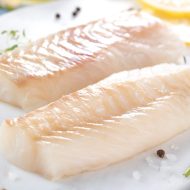
Why Buy Frozen Dover Sole Fillets?
Freezing isn’t a downgrade for Dover sole fillets — it’s a quality-control advantage. With a delicate flatfish, small differences in handling show up fast on the plate, so the goal is to start from a consistent baseline: same cut, predictable weight band, protected surface, and a cold chain that stays stable until you’re ready to use it. That’s what makes frozen Dover sole easier to buy with confidence and easier to portion without waste.
On frozenfish.direct, we describe our seafood as processed and frozen within hours, and on this Dover sole fillets range we state that fish is filleted, packed and frozen within 3 hours of being caught. That speed matters because “fresh” can still spend days moving through the supply chain — at sea, to harbour, to market, to processing, to distribution, then finally to a fridge counter. Frozen locks in a point-in-time quality, so what you buy is less dependent on how many hands it’s passed through or how long it’s been waiting.
Practically, frozen Dover sole fillets give you control: you can take exactly what you need, keep the rest sealed, and plan meals around your week rather than around a sell-by window. When products are vacuum-packed (as shown on individual Dover sole fillet listings), that also helps reduce air exposure in storage, which supports better texture over time.
Freezing slows spoilage. Cold storage preserves texture. Vacuum packs reduce air exposure. Portions reduce waste. Consistent weights improve cooking. Frozen stock improves meal planning.
Choose Your Cut
Quick midweek
If your goal is a fast, reliable plate, choose fillets that sit in the “portionable” end of the range — the kind you can cook in a hot pan or a steady oven without second-guessing. Dover sole is a delicate flatfish, so smaller fillets are ideal when you want speed and a clean finish. Think simple: pat dry, light seasoning, pan-finish or oven-bake, then sauce it. The win here is predictability — the weight band tells you how quickly the fillet will move from translucent to opaque, and that makes midweek cooking feel controlled rather than risky.
Portions
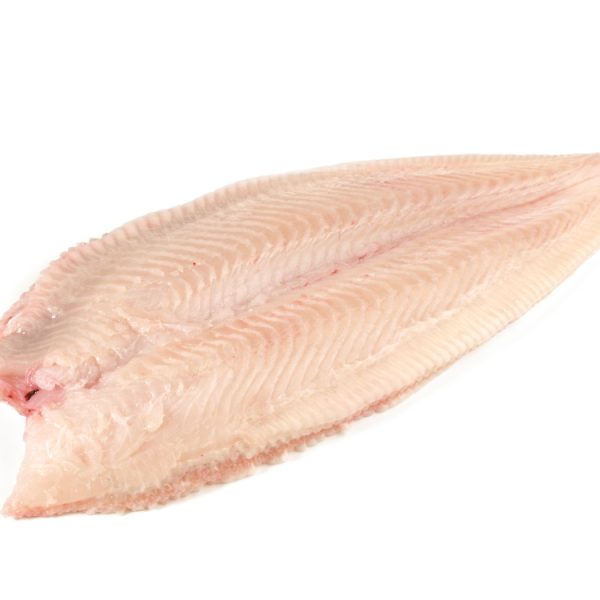
Portion-style fillets are for people who like repeatable results. A consistent portion size makes it easier to serve one per plate, scale up for two or three, and keep sides timed properly. Because Dover sole is usually sold as skinless fillet, you’re relying on thickness and cut shape to guide you — not guesswork. If you’re tracking portions, feeding kids, or building a weekly plan, portions give you the cleanest “one pack = one meal” logic, with less trim and less leftover.
Holds shape
When you want a bit more tolerance at higher heat — better pan contact, cleaner colour, less risk of tearing — go for fillets that are thicker through the centre. Thickness gives you timing margin, and timing margin is what protects texture on a lean fish. These are the fillets that suit confident pan work: a hot start, a gentler finish, and a quick baste. They also handle pan-to-oven finishing well when you want a firmer set without drying out the edges.
Entertaining, batch prep, and self-portioning
If you like to prep yourself, look for larger fillets or “chef-style” packs where you can slice your own portions. Bigger pieces are useful for entertaining because you can plate consistently, control portion size, and cook multiple fillets in the same window. They’re also better for batch prep where you want uniform portions across the week. If you stock speciality Dover sole fillet items, treat them as ready for specific uses — for example, pre-trimmed cuts for fast service or particular sizes for presentation — and let the listing details do the talking.
Pick the Dover Sole Fillets that matches your pan, your timing, and your appetite.
What Arrives at Your Door
What arrives at your door should feel predictable, not like a gamble. Your order is dispatched by DPD overnight courier and handled as a cold-chain shipment from the moment it’s packed to the moment you unpack it. We pack seafood with dry ice in a polystyrene insulated box, and that combination matters: insulation slows heat gain from the outside world, while dry ice steadily sublimates and maintains a deep-cold environment, helping keep fish frozen during transit rather than merely “chilled”.
We don’t ask you to memorise courier cut-offs or delivery rules. Orders placed before the stated cut-off are prepared for next working day delivery on eligible days, and checkout controls the valid delivery dates so you select an option that matches when we can safely dispatch and when the courier can deliver. The point is simple: the schedule is engineered around frozen integrity, not convenience slogans.
When your box arrives, treat the first minute as the quality moment. Open it promptly, check everything is still properly cold, and move your fillets straight into the freezer if you’re not cooking them that day. If you are cooking soon, keep them refrigerated and follow the on-pack storage guidance so handling stays clean and consistent. This quick “open → check → store” habit prevents the temperature swings that can roughen texture over time, especially on delicate flatfish like Dover sole.
A short note on dry ice, kept calm on purpose: avoid direct skin contact, because it can cause cold burns; let any remaining dry ice evaporate in a well-ventilated space; don’t seal it in an airtight container; and keep it away from children and pets. Dry ice doesn’t “melt” into a puddle— it turns into gas—so sensible ventilation and basic handling is all you need.
The outcome you should expect is confidence: a well-packed, deeply cold delivery that arrives ready to go into your freezer, so your Dover sole stays in the condition you bought it for.
Label-First Transparency
Dover sole is the kind of fish where small details change the result, so this category is built to be read like a spec sheet — in a good way. Every item is presented with practical buying fields you can actually use: the cut, the weight band or pack size, and the format you’re getting on the day it arrives. Where it’s relevant, we also show whether a fillet is skin-on or skinless, whether it’s boneless and pin-boned, and whether the fish is wild or farmed. That’s not “extra info” — it’s what lets you buy with intent instead of guessing.
You’ll also see that some details can vary from item to item. If origin or catch area differs between lines, it’s shown on the product details rather than promised as a blanket category claim. That’s deliberate: traceability is only helpful when it’s specific. In the same way, pack format matters. Vacuum-packed fillets behave differently in the freezer than loosely packed fish, and portion-style lines behave differently in the pan than larger chef-style cuts. The product details tell you what you’re working with.
Allergen information is treated as a field, not fine print. Dover Sole Fillets is clearly flagged as fish, and for any cured or smoked lines where ingredients matter, the ingredient list is provided on the product details so you can make a confident choice without hunting.
Cut drives cooking. Weight drives timing. Skin drives texture. Origin informs preference. Method informs fat level. Pack size informs value. Labels reduce guesswork. Guesswork ruins delicate fish.
Storage and Defrosting
With Dover sole, storage and defrosting are less about “rules” and more about protecting a delicate texture. Keep the fillets frozen until you have a plan for them, and treat air exposure as the main enemy. If your fillets are vac packed, leave them sealed until you’re ready to thaw — that’s the simplest way to reduce freezer burn and avoid that dry, slightly “papery” edge you sometimes see on exposed fish. In your freezer, rotate stock like you would tins: older packs forward, newer behind. That small habit keeps quality consistent and stops “mystery packs” living at the back until they’ve lost their best firmness.
For defrosting, the calm default is the fridge. Let the fish thaw slowly while it stays contained, so you manage drip loss instead of letting it pool across the fridge shelf. Use a dish or tray to catch any liquid, keep the pack covered or sealed, and aim for a clean, controlled thaw. When the fillet is thawed, lift it out of the pack and pat dry with kitchen paper before it hits heat. That one step is texture-first: less surface moisture means less steaming, better colour, and a cleaner sear — especially important on thin, portionable fillets that cook fast.
Expect the texture to tell you what happened. A well-thawed Dover sole should feel gently firm and flake into clean layers when cooked. If it ends up watery or soft, that’s usually a sign the surface wasn’t dried, the fish warmed too quickly, or it sat in its own thaw liquid for too long. Dover sole is lean, so it doesn’t have the “fatty cuts forgive heat” buffer you get with richer fish; it rewards careful handling and a lighter touch. If you’re buying formats like skin-on fillets or pin-boned options where applicable, the same principles apply — keep the pack protected, thaw contained, and dry the surface before cooking.
On refreezing, keep it conservative. If in doubt, don’t refreeze. Once a fillet has fully thawed, refreezing can magnify drip loss and leave the cooked result softer and less clean in the flake. If a pack is still very cold with ice crystals and the on-pack guidance allows it, you may be able to return it to the freezer, but treat that as an exception rather than a routine. When you’re unsure, follow the on-pack instructions and cook what you need — Dover sole rewards fresh intent, even when it starts frozen.
Cooking Outcomes
Pan-sear and gentle finish
Start with a dry surface and a properly hot pan so the fillet sets quickly instead of steaming. Lay the Dover sole down and leave it alone long enough to take on colour; when it releases easily, it’s telling you the surface has set. Flip once, then finish gently with lower heat so the centre turns opaque without tightening — Dover sole is lean, so it goes from “tender” to “dry” faster than richer fish. You’re aiming for flesh that’s opaque and yielding, with a clean flake when you press it lightly, not a stiff, chalky feel. Dry surface equals better sear. Gentle finish protects moisture. Resting evens temperature.
Oven finish
Oven cooking is the calm option when you want consistency across multiple fillets. Use moderate heat and protect the surface with a light coating of oil or a simple sauce layer so the edges don’t dry before the centre is ready. Doneness is visual and tactile: the thickest part turns opaque, the fillet feels springy rather than rigid, and it flakes in soft layers when tested with a fork. If you’re cooking different sizes in the same tray, place thicker fillets in first and add thinner ones a little later — thickness changes timing, and that matters more than any “one rule fits all.” Thickness changes timing. Fat content changes forgiveness.
Gentle poach or steam
If your goal is a silky finish, use gentle steam or a shallow poach rather than aggressive heat. Keep the liquid barely moving — you want a quiet cook that coaxes the fish to set without squeezing out moisture. The cues are subtle: the fillet turns evenly opaque, the surface stays smooth, and the centre separates into clean flakes without shedding lots of watery liquid. This style is especially forgiving for very thin fillets, but you still need to pull early and let it rest briefly so the heat finishes the last bit of setting without overcooking.
Grill-ready and high-heat moves
Dover sole can handle higher heat when the fillet has enough thickness and intact shape to stay together, but it’s not a “blast it and hope” fish. If the product details indicate a thicker cut or a format designed to hold shape, use a hot start for light colour, then back off and finish gently; if it’s a thin, portionable fillet, treat grilling as a quick sear-and-move exercise rather than a long cook. Watch the edges: when they turn opaque and the centre yields with gentle pressure, it’s ready to come off. Different fillets have different handling expectations, so follow the product details and let the cut dictate the method.
Nutrition Snapshot
Dover sole is best thought of as a lean, delicate white-fish option: clean flavour, fine flake, and a light eating profile that works well in everyday meals as well as “special dinner” plates. From a nutrition point of view, fish like this is typically valued for protein and a relatively low-fat character compared with richer species. That said, nutrition isn’t one fixed number you can stamp on the whole category. Nutrients vary by species, cut, and portion size, and they can also vary depending on whether a fish is wild or farmed and how it’s processed. The most accurate place to check is always the individual product details for the specific fillets you’re buying.
What matters for buying is how those “nutrition-ish” traits show up in the kitchen. Dover sole’s lower fat content is part of why it tastes so clean, but it also explains why it rewards a careful approach: lean fish can dry out faster than fatty cuts, and thin fillets cook quickly. If you want a softer, juicier finish, you’ll usually get better results by finishing gently and using a small amount of butter, olive oil, or a light sauce to protect the surface. If you want a firmer bite and a little colour, drying the surface and using a hot pan briefly will help, then it’s back to gentler heat to keep the centre tender.
As with all fish, Dover sole is an allergen, so it’s a straightforward choice for people who enjoy seafood but not suitable for anyone avoiding fish. For everyone else, it’s a simple way to build a balanced plate—pair it with vegetables, potatoes or rice, and a sauce you actually like, without turning dinner into a health project.
The confident choice here is practical: pick the fillet size that matches your appetite and your cooking method, then let the product details guide the rest.
Provenance and Responsible Sourcing
Provenance matters most when it’s specific. That’s why we treat origin and method as SKU-level information, not vague category copy. On frozenfish.direct, we show method and origin details per product so you can choose what fits your preferences — whether you prioritise a particular catch area, a certain production method, or simply the kind of supply chain story you’re comfortable buying into.
Dover sole fillets can enter the market through more than one route. Depending on what’s stocked at the time, this category may include wild-caught Dover sole fillets and farmed Dover sole fillets, plus speciality lines that are prepared for specific uses. The important point is that “wild” and “farmed” are not marketing badges — they’re practical signals that can influence what you prefer and what you expect. Wild-caught lines are typically about fishery and catch-area context, while farmed lines are more about production system and consistency. If a product has a particular origin note, catch area, or method detail, it’s shown on the product details for that item rather than implied across the whole category.
We keep this section grounded because trust is built the same way good buying decisions are built: with fields you can verify. Look for the method indicator (wild or farmed where applicable), any origin or catch-area information provided, and any notes that explain what the fillets are ready for — for example, portionable packs for predictable plating, or speciality formats intended for a specific kitchen outcome. If a detail isn’t stated on the product, we don’t pretend it is.
Provenance supports preference. Clear labels support trust. Evidence supports claims.
If you’re choosing between two options, use the product details as your tie-breaker: the more transparent the listing, the easier it is to match the fish to your standards and your table.
Frequently Asked Questions
No faq found!