Why Buy Frozen Crab Claws?
Frozen works for crab claws because it turns a fragile, time-sensitive product into something you can buy and use with far more control. When the format and weight are fixed, the results are repeatable: you can plan a platter, a starter, or a sauce without gambling on what turns up or how long it’s been drifting through handling, storage, and transport. That predictability also reduces waste, because you’re less likely to overbuy “just in case” or end up rushing to use something before quality drops.
The key advantage is quality control. Freezing isn’t a consolation prize; it’s a way of locking in a point-in-time standard and keeping it stable. frozenfish.direct frames its process around speed, stating that seafood is processed and frozen within hours, and that many lines are filleted, packed and frozen within roughly 3–4 hours of being caught (with some pages stating within 3 hours). That’s the “fresh vs frozen” conversation in plain terms: fresh can still be several days into its journey by the time it reaches a kitchen, while frozen is stabilised early and held there.
For crab claws specifically, that means you’re choosing convenience with intention: shell-on claws for platter theatre, breaded claw bites for crisp starters, or hand-picked claw meat when you want speed and strong sauce compatibility. The point isn’t hype; it’s fewer unknowns and more consistent outcomes from pack to plate.
Freezing slows spoilage. Cold storage preserves texture. Sealed packs reduce air exposure. Portions reduce waste. Consistent weights improve cooking.
Choose Your Crab Claws
Cooked, shell-on crab claws
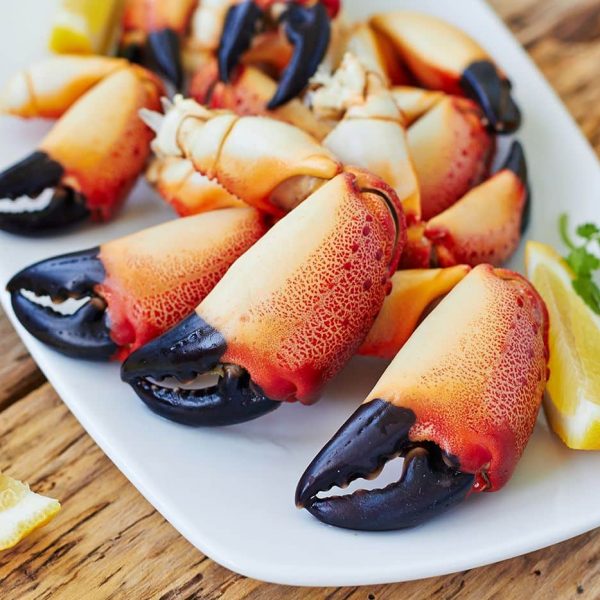
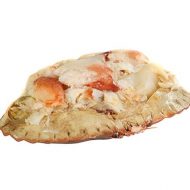
If you want platter theatre with minimal effort, go for cooked shell-on claws. They’re the classic “drop-in luxury” for entertaining: you get the claw shell, the shape, and that satisfying crack-and-pull moment at the table. They also hold their shape well, which makes them more forgiving if you finish them on a griddle pan or give them a quick kiss of heat on the grill/pan—shell-on has a higher tolerance for high heat than delicate picked meat, as long as you’re aiming for warm-through rather than aggressive browning.
Breaded crab claws
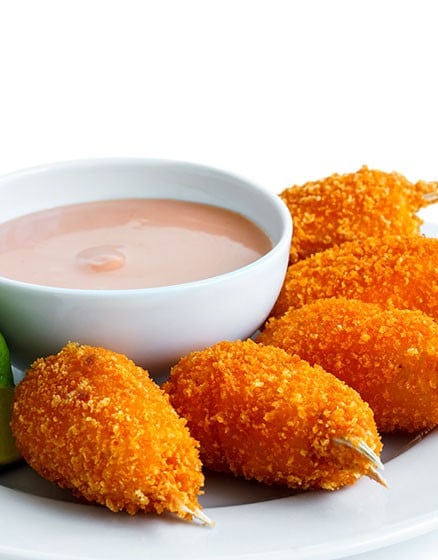
For quick midweek cooking, breaded crab claws are the “no-thinking” option. The breadcrumb coating is built for dry heat, so they suit oven/pan routines when you want a crisp bite without extra prep. Think starter plates, snack trays, and fast family spreads where the win is speed and a reliable crunch. They’re also easy to batch-cook for guests because each piece behaves consistently.
Hand-picked crab claw meat
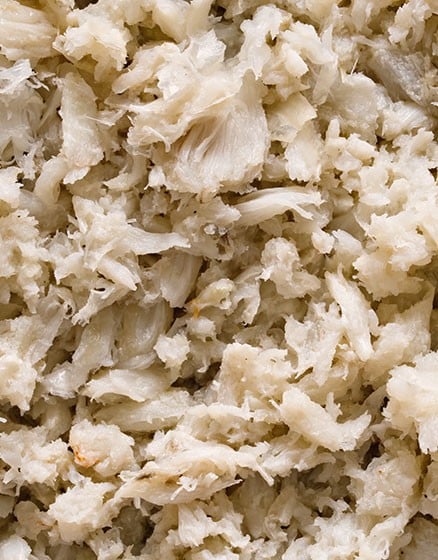
If your plan is pasta, soups, dips, or strong sauces, hand-picked claw meat is the shortcut. This is where portions shine: speed, predictable sizing, and clean portion control when you’re feeding two, four, or doing lunches. It’s also ideal for batch prep because you can portion it into what you’ll actually use, rather than cracking and picking on a weeknight.
Prep-it-yourself
For people who want to prep themselves—cracking, picking, portioning, and even “slicing your own portions” for a seafood board—shell-on claws give you the most control over presentation and timing. They suit entertaining, batch prep, and outdoor cooking styles (including a light smoke finish if you’re using a BBQ/smoker), because the shell protects texture and keeps the experience feeling special.
Speciality options
Treat breaded claws as the ready-made starter, and claw meat as the ready-to-cook ingredient: both are “specific use” choices designed to remove steps without blurring what they are.
Pick the Crab Claws that matches your pan, your timing, and your appetite.
What Arrives at Your Door
When you order Frozen Crab Claws from frozenfish.direct, the goal is simple: keep your seafood properly frozen from our cold store to your kitchen, with as little uncertainty as possible. Dispatched by DPD overnight courier. Your order is packed with dry ice in a polystyrene insulated box, and that combination matters because it slows heat gain during transit, helping keep fish frozen on arrival even when the journey passes through warmer depots and vans.
Delivery timing is kept practical and accurate without guesswork: orders placed before the stated cut-off are prepared for next working day delivery on eligible days, and the checkout controls valid delivery dates based on your address and the current dispatch schedule. That means you’re choosing from dates we can actually support for frozen delivery, rather than hoping a slot works out.
When the box arrives, treat the first minute like a handover, not a parcel. Bring it inside promptly, open it, and move your seafood straight to the freezer so it stays in the condition it was packed in. Keep the packs closed until you’re ready to use them, and follow the on-pack storage guidance for the specific product you’ve bought, because formats can differ. This “straight-to-freezer” routine is what protects texture and flavour and keeps your cooking plans predictable.
Dry ice is doing a job, not causing drama, but it does need basic respect: avoid direct skin contact, keep the area ventilated, don’t seal dry ice in an airtight container, and keep it away from children and pets. Once the contents are stored, let any remaining dry ice dissipate naturally in a well-ventilated space. The point of the system is reassurance: frozen seafood delivered like frozen seafood, so you can plan dinner with confidence instead of contingency.
Label-First Transparency
Buying crab claws online shouldn’t rely on guesswork, so we make the label do the heavy lifting. Each item in this category is presented with the practical fields that actually change the result: the cut or format (shell-on claws, breaded claw bites, or hand-picked claw meat), the weight/pack size, and the prep state (for example cooked vs raw). Where it applies across the wider range, you’ll also see cues like skin-on/skinless and boneless/pin-boned—because those details affect how something cooks and how much work it takes.
Origin and production method are treated the same way: specific, item-by-item, and easy to check. Some crab claw lines are clearly marked wild or farmed, and origin can differ depending on the exact product, season, and supply route—so we don’t make a category-wide promise. If it matters to you, it’s shown on the product details so you can compare like-for-like before you buy.
Allergen information is kept plain and visible: crab is a shellfish allergen, and where a product is prepared (breaded, seasoned, cured, or smoked), the ingredients are listed so you can check coatings and added components without surprises. The aim is simple: fewer assumptions, fewer last-minute questions, and more confidence that what arrives is the thing you meant to order.
- Cut drives cooking. Weight drives timing. Format drives outcome.
- Origin informs preference. Method informs richness. Pack size informs value.
- Skin drives texture. Bones drive effort. Labels drive confidence.
- Prepared coatings change browning. Plain meat stays versatile. Details prevent waste.
Storage and Defrosting
Frozen Crab Claws stay at their best when you treat the freezer like a larder, not a long-term hiding place. Keep packs properly frozen, keep them sealed, and protect them from air exposure so you don’t invite freezer burn and that dry, slightly “old freezer” taste. If you’re stacking bags, put the newer packs behind the older ones so you naturally rotate stock; it’s a small habit that keeps texture and flavour consistent. Many seafood packs are vac packed or tightly sealed for a reason—less air around the product means less dehydration and less drift in quality over time.
For defrosting, the calm default is fridge defrost. Keep the crab contained as it thaws so you can manage drip loss: a plate or tray underneath stops the meltwater soaking the pack and turning the surface watery. Once defrosted, open the pack, drain any liquid, and pat dry before you apply heat—dry surface equals better sear, better browning, and cleaner flavour. That one step is the difference between something that stays firm and something that steams itself into softness. If you’re working with other formats across your freezer (skin-on fillets, pin-boned portions, portionable loins), the rule holds: moisture management is texture management, and it’s the quickest way to avoid that “wet” mouthfeel people mistake for overcooking.
Texture-wise, crab is at its best when it stays springy and firm rather than soft and waterlogged. Gentle handling protects flake and structure; heavy boiling can push it toward watery and stringy. Fatty cuts forgive heat more than lean ones, but crab claw meat is about delicacy, so it rewards restraint and a dry start.
Refreezing is the one place to stay conservative. If you’ve defrosted fully, treat it as “use next,” not “back in the freezer,” unless the on-pack guidance explicitly says otherwise. If you’re in doubt, don’t refreeze—portion what you need, keep the rest frozen, and let the pack format work for you rather than against you.
Cooking Outcomes
Hot pan finish
Crab claws do best when the surface is dry and the heat is decisive. Pat the exterior dry, get the pan properly hot, then place the claws and leave them alone for the first moments so the contact side can colour rather than steam. You’re not trying to “cook them hard”; you’re building a little crispness and a warm-through centre, so once the outside has taken on light colour, finish gently with a lower heat or a quick cover to bring the middle up without tightening the meat. The doneness cue is simple: the shell feels evenly warm and the meat stays springy, not stringy or rubbery.
Gentle warm-through
For cooked claws, think “reheat” rather than “recook.” A gentle warm-through—steam-style or low simmer—keeps the meat firm and sweet instead of pushing it watery and soft. Keep the movement minimal, lift them out as soon as they feel warmed through, and rest briefly so the heat evens out before serving. If the claws start to smell intensely “crabby” and the meat feels tight when you pull a piece, you’ve gone a step too far; dial it back next time and shorten the warm phase.
Crisp coating route
Breaded claws have different handling expectations: the goal is a dry, crisp exterior and a hot centre, not a long cook. Use a hot tray or a hot air-fryer basket, space them so air can circulate, and avoid crowding—crowding equals steam, and steam kills crunch. The cue you’re chasing is golden and crisp outside with a centre that’s piping hot; once you’re there, stop. Overcooking doesn’t improve them—it dries the inside and can make the coating tough.
Grill or griddle kiss
Shell-on claws can take a quick, confident kiss of heat on a grill or griddle because the shell buffers the meat. Keep it brief, turn once, and finish off the direct heat so the centre warms without over-tightening. You’ll know it’s right when the shell is warm and lightly marked, and the meat pulls cleanly and stays moist. For any format, follow the product details for the specific prep state, because cooked claws, breaded bites, and picked meat are built for different outcomes.
Dry surface equals better sear. Gentle finish protects moisture. Resting evens temperature. Thickness changes timing. Fat content changes forgiveness.
Nutrition Snapshot
Crab claws are a naturally lean, protein-forward seafood choice, which is part of why they feel satisfying without needing heavy treatment. In general terms, crab meat can contribute protein and a spread of micronutrients such as vitamin B12 and minerals like selenium and iodine, but the exact profile isn’t a fixed “one number fits all” situation. Nutrients vary by species, cut, and whether it’s wild or farmed, and prepared formats can change the picture again—so use the product details as your final reference point for what you’re buying.
It also helps to read the format as a nutrition clue. Shell-on cooked claws are mostly about the crab itself, while breaded claw bites include a coating and added ingredients, which can shift things like salt content, fats, and overall richness. Hand-picked claw meat sits in the middle: it’s usually straightforward, portionable, and easy to use in smaller amounts across sauces, soups, or pasta finishes. If you’re managing allergens in your household, remember crab is a shellfish allergen, and coated or seasoned products can include additional ingredients that matter to you—again, the product details are the safest place to check.
From a cooking point of view, nutrition and texture overlap more than people expect. Lean crab meat heats quickly and can turn firm if pushed too hard, so gentle finishing protects that clean, sweet bite. Coated products are designed for crispness, so dry heat and spacing matter more than “cooking longer.” Either way, the best approach is simple: fit the format to the job, enjoy it as part of a balanced diet without turning dinner into a lecture, and let clear product details guide a confident choice.
Provenance and Responsible Sourcing
We keep provenance practical: it’s there to help you choose, not to decorate the page with big promises. We show method and origin details per product so you can choose what fits your preferences. That means you’re not forced to guess whether something is wild or farmed, cooked or raw, shell-on or picked meat, or where it’s coming from at the point you’re buying it. If a detail matters to you—origin, production method, or prep state—it should be visible at SKU level in the product details.
Crab claws are a category with real variation, so we don’t pretend one label fits everything. Depending on what’s stocked, you may see farmed crab claw lines (often in prepared, breadcrumb-coated appetiser formats) alongside wild crab claw items (commonly shell-on claws and picked claw meat). Some products are clearly positioned as “ready for specific uses” rather than being generic crab: breaded claw bites are built for crisp cooking and fast service, while hand-picked claw meat is built for sauces, dips, and soups when you want speed and portion control. Shell-on claws sit at the other end of the spectrum: more hands-on, more presentation, and more of that classic crack-and-serve experience.
Responsible sourcing, in practice, starts with honest scope. We won’t claim “all sustainably harvested” unless it’s provable across every SKU, because sourcing can differ by product type, supplier, and availability. Instead, the aim is consistent transparency: the product details tell you what you need to know to match your preferences with the right line—whether that’s wild vs farmed, a particular origin, or a speciality format designed for a specific outcome.
Provenance supports preference. Clear labels support trust. Evidence supports claims.
Frequently Asked Questions
Is frozen crab claws as good as fresh?
“Frozen vs fresh” only makes sense when you compare the real thing: time and handling. “Fresh” doesn’t automatically mean “just caught”; it often means the product has travelled through a chain of landing, storage, transport, display, and home refrigeration, and all of those hours (and temperature changes) add up. Frozen is different: it’s about locking in a point in time, then keeping that baseline stable so what you cook behaves the way you expect.
Done well, frozen crab claws can be every bit as enjoyable as fresh, especially for the way most people actually eat them: platters, starters, and quick midweek cooking. The honest trade-off is moisture. Freezing can affect texture if the cold chain is broken or if the product is thawed badly, because ice crystals and drip loss can leave meat feeling watery or soft. Good packaging and good handling protect quality: tight sealing reduces air exposure, and careful defrosting protects firmness and flavour. Treat it like a controlled ingredient, not something to “wing”.
That’s also where the way frozenfish.direct operates matters. The site’s own promise is speed at the front end — seafood is processed and frozen within hours, and on-site claims often describe filleting, packing, and freezing within roughly 3–4 hours of being caught — so you’re starting from a known point rather than guessing how long it has been in the system. Then it’s shipped as frozen food should be shipped: DPD overnight courier, packed with dry ice in a polystyrene insulated box, designed to keep it frozen on arrival. That stable cold chain is what protects the two things people notice most with crab: clean sweetness and a firm, springy bite.
If you’re choosing by use-case, it’s simple. For quick midweek meals, go for portionable formats that don’t require cracking and picking — claw meat for sauces, dips, and soups, or breaded claw bites when you want a crisp starter with minimal prep. For grilling or a hot pan finish, shell-on claws are the most forgiving because the shell buffers the meat from direct heat. For entertaining, cooked claws are the easy win: platter-ready, dramatic on the table, and predictable when you warm them gently.
If you want predictable results, frozen is the easier way to make Crab Claws a routine.
How do I defrost frozen crab claws without it going watery?
“Watery” crab is nearly always a defrosting problem, not a crab problem. When seafood freezes, tiny ice crystals form inside the flesh. If it thaws too warm or too fast, those crystals melt and rupture cells, and the moisture you wanted in the meat ends up as drip loss in the bottom of the pack. Repeated thaw–refreeze cycles make it worse: each cycle pulls more moisture out, leaving the meat softer, wetter, and less springy.
The best practice flow is simple and boring—in the good way. Start with fridge defrost as the default. Keep the crab contained so the meltwater doesn’t sit against the product: set the pack on a tray or in a shallow bowl. If it’s vac packed or tightly sealed, keep it intact while it defrosts so you’re not exposing the surface to extra air and liquid early. Once it’s fully defrosted, open the pack, pour off any liquid, then pat dry with kitchen paper. That last step is the make-or-break move: a dry surface browns better, steams less, and keeps the bite firmer when you warm or finish it.
By cut, the principle is thickness and structure. Portions are easier because they defrost evenly and you can dry them quickly—think smaller claws, claw meat, or portionable pieces. Thicker pieces need longer in the fridge, not higher heat; big shell-on claws hold cold at the centre, so rushing them at room temperature is the fastest path to watery texture. And for other seafood formats you might have elsewhere (like steaks), they behave differently because the bone/cartilage and cross-grain structure can trap water—so they benefit even more from slow fridge defrost and a thorough pat-dry before cooking.
If you’re short on time, cooking from frozen can be a backup for some formats, but it’s a different technique and works best when the product is designed for it—treat it as plan B rather than the default, and follow the on-pack guidance.
Good defrosting is texture control.
Wild vs farmed crab claws — what should I choose?
Wild vs farmed crab claws is one of those choices that can sound bigger than it needs to be. In practice, both can be excellent—it’s less about “good vs bad” and more about what you value on the plate and how you plan to use it. The most helpful way to decide is to treat “wild” and “farmed” as information that shapes expectations, not as a badge you’re meant to chase.
As a general rule of thumb, wild seafood is often described as having a slightly more varied flavour and texture because it comes from a natural environment and a less uniform diet. That can mean a firmer bite and a more pronounced “sea” character, but it can also mean more variation from pack to pack. Farmed lines tend to be more consistent in sizing and supply, which is why people who want repeatable portions sometimes prefer them. Fat level is another lever people talk about: in some seafood species, farmed can carry a bit more fat, which can make it feel richer and a touch more forgiving with heat. With crab claws specifically, you’re usually working with lean, sweet meat either way, so the bigger “texture control” factors are still handling and cooking style rather than a simple wild/farmed label.
Price and availability can differ too, and that’s not a moral signal—it’s just how supply chains work. The smart move is to let the product details do the answering for the exact item you’re considering: they show whether an item is wild or farmed and where it comes from, so you can choose what fits your preferences without guessing. In a crab claws category, the range may include wild crab claw items (often shell-on claws or picked claw meat) and farmed crab claw items (often in prepared formats, such as breadcrumb-coated appetiser lines), depending on what’s stocked.
For cooking and pairing, crab claws reward gentle handling more than brute heat. Shell-on claws suit platter service with lemon, butter, and clean dips; breaded claw bites suit crisp cooking and sharper sauces; claw meat suits strong sauces, dips, and soups where it can be warmed through gently and folded in near the end. If you’re choosing for a specific dish, pick the format first, then use origin and method as the fine-tuning dial.
Choose by cooking method first, then by origin and method.
Which crab claws should I buy for my plan?
The easiest way to choose crab claws is to start with your plan, then match the format to the job. Frozen crab claws aren’t one thing on the plate: shell-on claws behave differently from breaded claw bites, and both behave differently again from hand-picked claw meat. When you buy with the end result in mind, you don’t need guesswork—just the right cut for your heat source and the time you’ve actually got.
For weeknight meals, go for the most portionable option. Hand-picked crab claw meat is the “fast lane”: it’s ready to fold into sauces, soups, dips, and pasta finishes with minimal prep. Breaded claw bites also fit weeknights when you want a crisp starter or snack plate that behaves predictably in the oven or air fryer. In both cases, you’re choosing speed and consistent portioning over the theatre of cracking shells.
For grilling, choose shell-on claws where available. Shell-on gives you a bit more tolerance to high heat because the shell buffers the meat, making it easier to finish on a grill or griddle without drying the centre—still best treated as a quick warm-through and light colour, not a long cook. For entertaining, cooked shell-on claws are the cleanest win: they look impressive on a platter, they feel special, and they’re easy to serve once you warm them gently. If you’re the kind of host who likes hands-on food, this is also the best route for the prep-it-yourself crowd: whole claws give you the cracking, picking, and platter-building experience.
For special occasions, look for the speciality lines that are “ready for specific uses” in your range—smoked or cured items where stocked are best treated as flavour-led extras rather than everyday staples. They work when you want a stronger, more distinctive hit without adding complexity.
Two outcome levers matter more than most people realise: thickness and skin. Thicker pieces take longer to warm through and punish rushed heat; thinner, portionable formats respond faster and more evenly. Skin (where relevant across seafood formats) changes browning and protection—skin-on can handle direct heat better and keeps texture steadier, while skinless formats need gentler handling. Crab claws are usually shell-on or picked meat, but the same principle applies: the more “protective layer” you have (shell/skin), the more forgiving the finish.
If you only buy one thing, start with cooked shell-on crab claws for versatility: they cover platters, sharing, and simple warm-through service with minimal risk.
Pick the claws that matches your heat source and your timing.
Can I cook crab claws from frozen?
Yes, often you can — but method matters. “Cooking from frozen” works best when you think like heat and moisture, not like a recipe. Frozen seafood carries surface ice and extra surface water as it thaws; that moisture fights browning, turns a hot pan into a steamer, and can leave the outside soft before the centre is warmed through. Thickness matters too: the thicker the piece, the harder it is to warm the middle without overdoing the outside.
A safe, practical approach starts with a quick reset. Take the crab claws out of the packaging, separate anything that’s stuck together, and check what you’ve bought because formats behave differently. If there’s visible surface ice, rinse it off briefly under cold running water and then pat the claws dry so you’re not adding more water to the cooking process. From there, start with gentler heat to bring the interior up steadily, then finish hotter to get the outside where you want it. In real kitchens that usually means an oven or air-fryer start, or a covered pan start, followed by a short uncovered finish. Those methods are more forgiving than a direct high-heat sear because they warm through more evenly and reduce the risk of a raw-cold centre with an overworked exterior.
For shell-on cooked claws, the goal is usually warm-through rather than aggressive cooking, so a gentle start is ideal and the finish is mainly for light colour or serving heat. For breaded claw bites, cooking from frozen is often the default: dry heat and good spacing help the coating crisp while the centre heats through, and a short hotter finish keeps them crunchy. For picked claw meat, cooking from frozen can be awkward because it can shed moisture into the pan; it’s generally better used in a sauce-style finish, added once the sauce is already hot so it warms without boiling hard. Whatever you’re cooking, the product details and on-pack guidance are the final authority because prep state (cooked vs raw) changes what “done” looks like.
When should you not do it? If the pieces are very thick and you want a perfect sear, frozen-to-pan is the hardest route because you’ll struggle to get a crisp outside without drying the meat before the centre catches up. Also avoid improvising with speciality prepared items (cured or smoked style products where stocked): follow the specific product guidance rather than treating them like a standard cook-from-frozen item.
Frozen-to-oven is the weeknight cheat code when you need Crab Claws now.
How long does frozen crab claws last, and how do I avoid freezer burn?
Frozen crab claws can last a long time in the freezer, but it helps to separate two ideas that people often mash together. Safety and quality aren’t the same thing. Proper freezing keeps food safe for a very long time because cold stops bacteria from multiplying. What can change over time is quality—texture, moisture, and flavour can slowly drift, especially if the product is exposed to air or the freezer temperature swings.
That’s where freezer burn comes in. Freezer burn is dehydration caused by air exposure. Moisture migrates out of the surface of the crab, then evaporates in the cold, dry freezer environment. You’ll usually spot it as dry patches, a duller colour, or areas that look slightly “frosted” inside the pack. On the plate, it can show up as a tougher texture or a bite that feels a little dry or cottony, especially on lean seafood. It’s not a sign that the crab has suddenly become dangerous; it’s a sign that the surface has dried out and the eating quality has taken a hit.
Preventing it is mostly packaging discipline and freezer habits. Keep packs sealed and avoid opening them until you’re ready to use them. If you split a pack, rewrap tightly or move portions to an airtight container so you’re not leaving lots of trapped air around the crab. Storing packs flat helps them freeze evenly and reduces air pockets, and it also makes stacking tidier so you don’t crush softer items. Rotate stock by moving older packs forward, and resist the urge to “shuffle” the freezer every day—stable cold is kinder to seafood than repeated door-opening and temperature cycling.
This is where good packaging does real work. Many frozen seafood products are vacuum packed or tightly sealed, which helps reduce air exposure and slows dehydration. That’s one reason frozen crab claws can stay in good condition for longer than people expect, as long as you keep them sealed and keep the freezer steady. For the most accurate guidance, the on-pack storage instructions are the reference point, because different formats and pack types can have slightly different best-quality windows.
Good packaging and steady cold are what keep Crab Claws tasting like Crab Claws.