Why Buy Frozen Fish Steaks & Loins?
Frozen Fish Steaks & Loins are a practical “quality-control” cut: the shape is predictable, the weight is stated, and you can portion what you need without guessing. That predictability is what makes frozen useful — not as a compromise, but as a way to lock in a known point-in-time quality and repeat it across weeknight meals, batch cooks, and special-occasion plates. With steaks you’re usually getting a cross-cut slice (often on the bone); with loins you’re buying a centre-cut block that can be portioned into tidy servings. Either way, the geometry is consistent, which helps you buy (and cook) with fewer surprises.
On the supply-chain side, “fresh” often means “recent-ish”: time stacks up between landing, processing, transport, storage and the counter. Freezing stops that clock at the moment the fish is at its best, so your results depend more on what you bought (species, cut, weight band) than on how long it has been travelling. frozenfish.direct also positions its handling as fast-turn processing — stating that its fish is filleted, packed and frozen within 3 hours of being caught — which is exactly the kind of timeline that frozen can protect once it’s sealed and held cold.
Freezing slows spoilage. Cold storage preserves texture. Vacuum packs reduce air exposure. Portions reduce waste. Consistent weights improve cooking.
The other advantage is planning: steaks and loins let you keep “good fish” in reserve, pull only what you need, and avoid the end-of-week fridge gamble. Less last-minute waste, fewer emergency substitutions, and a cleaner buying decision: choose the cut you want, the weight band that fits your portions, and stock the freezer like you stock the pantry.
Choose Your Cut
Quick midweek wins
If you want a reliable “fish night” without guesswork, start with clean loins and classic steaks that behave well across pan and oven. A centre-cut loin gives you neat flakes and a tidy plate; a cross-cut steak gives you a bit more character from the natural structure of the fish. Look for pieces described as skinless/boneless (or clearly trimmed) when speed matters most, and keep your decision simple: match the cut to your time and your heat source.
Portion-friendly loins
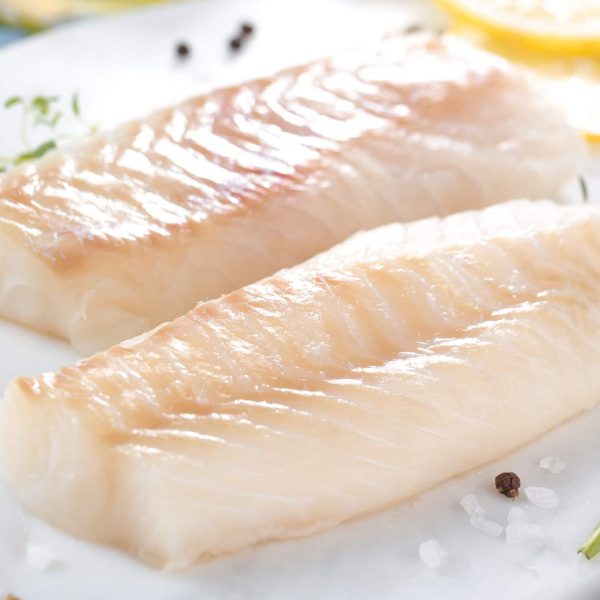
Portion-controlled loins are the steady option when you’re cooking for one, two, or a mixed household. Predictable weight bands mean predictable portions, and that makes planning easier: less trimming, less “what do I do with the rest?”, less waste. Loins are also ideal when you want consistent results across plates—useful for meal prep, family dinners, or when you’re building a weekly rotation.
Steaks that hold their shape
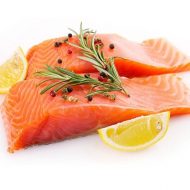
Steaks are built for bold cooking styles because the cut naturally holds together. Cross-cuts like salmon steaks and swordfish-style steak loins stay robust on a grill or a ripping hot pan, giving you more tolerance for high heat and fast service. If you like a meatier bite, or you’re cooking outdoors, steaks are the most forgiving format in this category.
Entertaining, smoking, batch prep
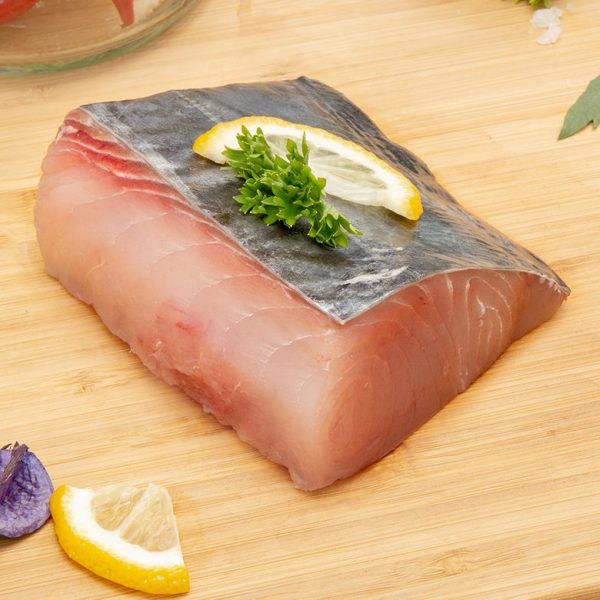
If you’re feeding a crowd or you want a “chef’s cut” feel, choose larger loin blocks you can portion yourself. A loin block is easy to slice into thick, even servings—great for sharing platters, batch prep, or producing consistent portions for multiple meals. It’s also the right shape when you’re planning smoking or slow finishing, where a uniform block helps you manage timing and presentation.
Specialist cuts for specific uses
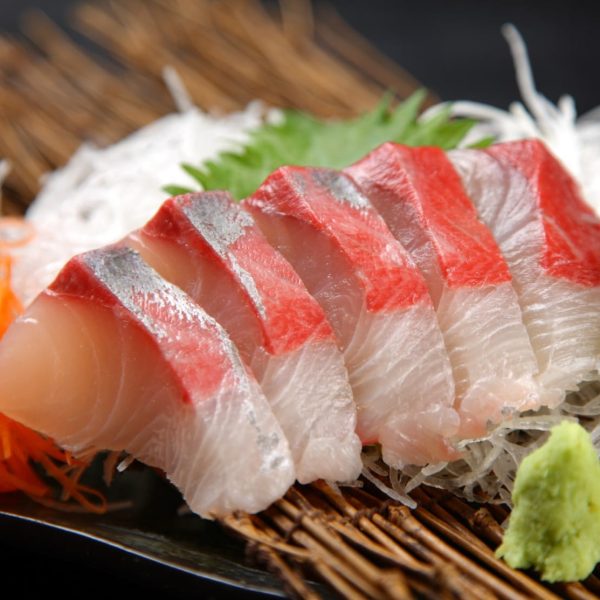
You’ll sometimes see more specialist lines in this range—frozen-at-sea loins, yellowtail/hamachi-style loins, kingfish/wahoo steaks, marlin loins, ribbon fish steaks. Treat these as “ready for specific uses”: bold grilling, sashimi-style slicing (where explicitly stated on the product), or standout centrepiece cooking. The smart move is to buy these with a clear plan, because the texture and fat line are the whole point.
Pick the Fish Steaks & Loins that matches your pan, your timing, and your appetite.
What Arrives at Your Door
Your Frozen Fish Steaks & Loins are dispatched by DPD overnight courier as part of a simple promise: keep the cold chain intact, so what you ordered turns up in the condition you expect. Each order is packed with dry ice in a polystyrene insulated box, which matters because dry ice provides a deep-cold buffer during transit and the insulation slows down heat gain. The aim is boringly practical: your fish stays properly frozen on arrival, not “a bit cold” and questionable.
Delivery timing is handled in a way that avoids guesswork. Orders placed before the stated cut-off are prepared for next working day delivery on eligible days, and the checkout only offers delivery dates that are actually available. That keeps expectations aligned with reality (especially around weekends and non-delivery days), and it means you’re not trying to reverse-engineer a courier schedule from a product page.
When your box arrives, treat it like a handover, not a parcel. Open it promptly, check everything is still firm-frozen, then move the fish straight into your freezer and follow the on-pack storage guidance for the specific cut and species. If you’ve ordered a mix of steaks and loins, get them laid flat so they freeze evenly and stay protected in their packs until you’re ready to use them.
Dry ice is safe when you handle it sensibly, and you don’t need drama about it. Avoid direct skin contact, keep the area ventilated, and don’t seal dry ice into an airtight container. Keep it away from children and pets, and let any remaining dry ice dissipate naturally in a well-ventilated space. Once everything’s back in the freezer, you’re done — cold chain maintained, quality protected, support-ticket avoided.
Label-First Transparency
Buying steaks and loins shouldn’t feel like guesswork. On frozenfish.direct, each product is presented with the practical details that actually decide your result in the pan or oven — not vague promises.
You’ll see the cut clearly (steak, loin, centre-cut, etc.), plus the weight band or pack size so you can judge value and plan portions. Where it matters, we state the prep format too: skin-on or skinless, boneless where applicable, and “pin-boned” notes when the species and cut call for it. That way you’re choosing with your eyes open — not discovering the important bits after checkout.
Some items are naturally consistent (for example, a 1kg loin pack), while others are portioned into a stated size range (for example, loins listed by gram weight with an approximate count per pack). The point is the same: you can pick for speed, for portion control, or for a specific cooking outcome without having to decode the label yourself.
When origin or catch area varies across the range, it’s shown on the individual product details rather than guessed at category level. And where “wild” or “farmed” is relevant, you’ll see it called out on the product itself.
Allergens are handled plainly: Fish Steaks & Loins is clearly flagged, and if you’re buying a cured or smoked line, the ingredient list is shown where relevant.
Cut drives cooking. Weight drives timing. Skin drives texture. Bone drives handling. Origin informs preference. Pack size informs value.
Storage and Defrosting
Fish steaks and loins reward you when you treat them like a good ingredient, not a panic project. Start with storage: keep packs properly frozen, keep them sealed, and protect them from air exposure. Most lines arrive vac packed, which helps — air is what dries surfaces out and turns good fish “watery” or dull after cooking. If you’ve ever had freezer burn, that’s usually dehydration plus oxygen getting to the flesh; it shows up as pale patches, a dry feel on the surface, and a texture that eats a bit tough. A simple habit helps: keep your freezer organised and rotate stock — older packs forward, newer packs behind — so you use what you bought in the order it makes sense.
For defrosting, think hierarchy. Fridge defrost is the default because it’s steady and predictable, and it gives the fish time to relax back into a firmer, cleaner flake. Keep the fish contained while it thaws — still sealed if it’s vac packed, or in a covered tray or bowl if you’ve opened it — and plan for drip loss. A little liquid is normal; letting that liquid sit against the flesh is what makes the surface go soft. When it’s defrosted, lift it out, discard any drip, and pat dry before cooking. That one step is the difference between a proper sear and a pale, steamy finish.
Texture is your compass. If the flesh feels “soft” and looks a bit glossy, it usually needs better drying and gentler handling. If it feels firm and springy, it’s ready to take heat. Fatty cuts forgive heat better than lean ones — they stay juicier and are less likely to eat dry — while very lean loins can turn flaky fast if you rush them.
Skin-on pieces benefit from extra drying on the skin side so it can crisp. Pin-boned notes matter for certain species and cuts; treat those as prep cues rather than surprises.
On refreezing, stay conservative. If the fish has been properly fridge-defrosted and kept cold and contained, some products may allow refreezing — but follow on-pack instructions, because it varies by item and handling. If there’s any doubt about how long it’s been defrosted or how it’s been stored, don’t refreeze. When in doubt, cook it once, enjoy it, and keep the next pack portionable and ready for another day.
Cooking Outcomes
Before you think “recipe”, think outcome: a great fish steak or loin should colour cleanly, stay juicy through the centre, and separate into confident flakes when you press it. Steaks and loins don’t all behave the same — thickness, species, and whether it’s skin-on or skinless change the finish — so always follow the product details first.
Pan-sear for a clean crust
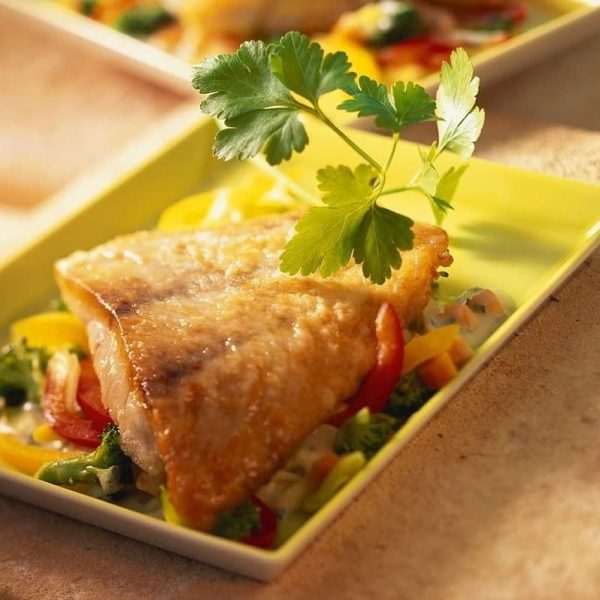
Dry surface, hot pan, leave it alone, finish gently — that one sequence fixes most “why did my fish stick/go grey?” moments. Get a light sheen of oil shimmering, lay the fish down, then don’t shuffle it; you’re waiting for the edges to turn opaque and the sides to firm up. Dry surface equals better sear. Gentle finish protects moisture. Resting evens temperature. Pull it when it feels springy but not hard, and the flakes start to separate with a spoon rather than tearing.
Oven finish for even doneness
Use the oven when the cut is tall and you want the heat to travel through without over-browning the outside. Start with colour (pan or hot tray), then move to a moderate oven so the centre catches up without squeezing out moisture. Thickness changes timing. Fat content changes forgiveness. You’re looking for a centre that’s just turning from translucent to opaque and a feel that’s firming up as you press.
Grill-ready steaks
Steaks are built for heat, but they still punish fussing — preheat properly, oil the fish lightly, and turn only when it releases cleanly. Expect a stronger, meaty bite on some species and a softer flake on others; that’s normal, not a mistake. Keep the finish gentle once you have grill marks, especially on lean cuts that can go “chalky” if you chase colour too long. If it’s skin-on, grill skin-side first until it crisps and the skin looks tight and glossy.
Gentle methods for portionable pieces
Portion technique: gentle heat, don’t overcook, rest briefly. Keep the liquid at a quiet shimmer rather than a rolling boil, and treat the fish like it’s fragile even when it looks sturdy. The cue is subtle: the surface turns opaque, the centre loosens into soft flakes, and the whole piece feels set but still moist when lifted. Different cuts have different handling expectations; follow product details, and let texture — not a timer — call the finish.
Nutrition Snapshot
Frozen Fish Steaks & Loins are a straightforward way to build a proper meal without guesswork: you’re buying a defined cut, in a known weight band, with a texture you can plan around. Nutrients vary by species, cut, and whether it’s wild or farmed; see the product details for the specific item you’re choosing.
In general terms, fish is valued because it’s naturally protein-rich, and many species contribute useful micronutrients such as vitamin B12, iodine, and selenium. Some steaks and loins—especially from “oilier” fish—also bring more omega-3 fats, while leaner white-fish loins tend to be lower in fat and taste cleaner and lighter. That difference isn’t just “nutrition”; it’s a cooking lever. Higher-fat cuts are usually more forgiving under heat and stay juicy, while lean loins reward a gentler finish so the centre stays firm and flakes cleanly rather than turning soft or watery.
Because these are thicker cuts, portion size matters: a bigger steak can be shared, a smaller loin portion can be a neat single-serving. If you’re buying smoked, cured, or seasoned lines, treat them as their own category—ingredients and salt levels can change the nutrition story, so rely on what’s shown on the label and in the product details.
Fish belongs in a balanced diet, but it’s not a magic trick. The smart move is simply matching the cut to your appetite and cooking style, then letting the product details do the talking.
Provenance and Responsible Sourcing
Provenance matters most when you’re buying a specific fish for a specific outcome. That’s why we keep this category evidence-led and SKU-specific: “We show method and origin details per product so you can choose what fits your preferences.” Some Fish Steaks & Loins are wild-caught, some are farmed, and some sit in that “speciality” lane where handling and intended use are the main story — so we don’t blur it into one sweeping claim.
On each product, look for the practical provenance signals that actually help you decide: species and cut first (loin vs steak), then origin/catch area where provided, and the method or production type where it applies. For wild fish, you’ll often see where it came from and, when available, the capture method; for farmed fish, you’ll typically see the producing country/region and whether it’s a farmed line. If origin varies by item, it’s shown on the product details rather than guessed at category level. Provenance supports preference. Clear labels support trust. Evidence supports claims.
Use those details to match your values and your kitchen reality. A thicker loin that’s clearly labelled and consistently packed is easier to portion and plan; a steak cut that holds its shape can suit higher-heat cooking; a speciality line is often “ready for specific uses” — and that’s exactly how we describe it, without stretching the promise. Method informs expectation. Origin informs confidence. Clear fields inform repeat buys.
Bottom line: choose the steak or loin you want to cook, then let the product’s own method-and-origin details do the honest talking.
Frequently Asked Questions
Is frozen fish steaks & loins as good as fresh?
It can be — but the real comparison isn’t “fresh vs frozen”, it’s time + handling vs a controlled moment in time. “Fresh” fish often spends days moving through the supply chain, and every hour of temperature change, draining, and re-wrapping adds up. Freezing, done well, locks in the condition of the fish at a specific point, so what you cook is far more predictable.
Texture and flavour are where people notice the difference, so let’s be honest about it. Freezing can cost you moisture if the fish is exposed to air, thawed too fast, or cooked while the surface is still wet. That’s why good packaging and calm defrosting matter: sealed packs reduce air exposure, steady fridge defrosting limits drip loss, and a quick pat-dry before cooking helps you get a proper sear instead of steaming the surface.
The way frozenfish.direct is built is designed around that consistency: seafood is processed and frozen within hours, then shipped in insulated packaging packed with dry ice, designed to keep it frozen on arrival. The point isn’t to “beat” fresh — it’s to give you a repeatable baseline, so your timing, seasoning, and heat control do the work.
A practical way to choose:
- Midweek meals: go for pre-cut steaks or smaller weight bands when you want speed, portion control, and reliable cook-through without guesswork.
- Grilling and high heat: thicker steaks and centre-cut loins hold their shape better and tolerate the grill or a ripping-hot pan, especially if the surface is properly dried first.
- Entertaining: larger loins give you cleaner slices and more control — you can portion exactly what you need, keep the presentation sharp, and serve everyone at the same doneness window.
If you want predictable results, frozen is the easier way to make Fish Steaks & Loins a routine.
How do I defrost frozen fish steaks & loins without it going watery?
“Watery” fish is almost always drip loss showing up on the plate: ice crystals melt, water + some proteins leak out, and the surface stays wet long enough that the fish steams instead of sears. The fix isn’t a magic ingredient — it’s controlling where the meltwater goes and how warm the fish gets while it thaws.
Start with the simplest, most reliable flow: defrost in the fridge. Keep the fish contained (tray or bowl underneath), so any liquid doesn’t wander across your fridge, and so the fish isn’t sitting in a puddle. If it’s vac packed, defrosting in the sealed pack usually helps because it slows dehydration and keeps the surface from taking on fridge odours; just make sure the pack stays cold and intact. Once it’s pliable, open it, drain, then give the fish a quick pat dry — not a massage, just enough to remove surface water so you can actually brown it.
Avoid the shortcuts that create the “watery” reputation. Warm-room defrosting and hot tap-water defrosting push the outside into the danger zone while the centre is still icy, and that temperature swing makes texture softer and leakier. Microwaves are the worst offender for fish steaks and loins: they thaw unevenly and can partially cook edges, which guarantees weeping.
Cut matters. Portions are the easiest: they thaw evenly, they’re more portionable, and you can get a clean, dry surface fast. Thick loins (especially lean ones) simply need more gentle time in the fridge — rushing them increases drip loss, and you’ll notice that “soft” bite. Steaks behave differently because the bone and connective tissue change how they thaw; give them the same fridge-first treatment, but be extra strict about keeping them drained and drying the surface well before cooking.
If you’re short on time, cooking from frozen can work as a backup — usually best with gentler heat at the start and a confident finish — but it’s not the best route for a dry surface and crisp edges. For the most predictable texture, fridge defrost + containment + pat dry wins.
Good defrosting is texture control.
Wild vs farmed fish steaks & loins — what should I choose?
Wild vs farmed Fish Steaks & Loins isn’t a “good vs bad” choice — both can be excellent. The useful question is: what texture and flavour do you want on the plate, and how are you planning to cook it? Once you start there, origin becomes a smart preference filter rather than a moral debate.
In simple terms, farmed fish steaks and loins often lean toward higher or more predictable fat levels (species-dependent), which can mean a softer, silkier bite and a bit more “forgiveness” if your pan runs hot or you slightly over-finish. Farming can also deliver consistency: similar portion sizes, similar thickness, repeatable results — handy if you’re buying for routine midweek cooking. Wild fish may bring a firmer texture and a cleaner, sometimes more pronounced flavour, but it can be a little less uniform from piece to piece because nature doesn’t do standardised weight bands.
Flavour intensity varies by species and handling, but as a buying pattern: wild can taste a touch “bolder” or more distinctly of the sea, while farmed can be rounder and richer when fat content is higher. Price can differ too, but it’s not a reliable quality score — it usually reflects supply, season, and how the fish is produced and processed.
For frozenfish.direct, the practical move is to lean on the product details: each item clearly shows whether it’s wild or farmed and where it comes from, so you’re not guessing. The label tells you what you’re actually buying, not what you hope you’re buying.
Cooking-wise, Fish Steaks & Loins reward a slightly more careful hand. Gentler cooking and sauces can make either origin shine: a controlled pan finish, a butter-based glaze, a tomato-and-olive sauce, or a quick miso/soy-style brush all help protect moisture and make the centre feel juicy rather than “tight.” If you’re grilling, thicker cuts and slightly fattier options can feel more resilient; if you’re doing pan-and-oven, leaner loins can still be gorgeous with a sauce that brings richness.
You’ll see ranges that may include wild Fish Steaks & Loins items and may include farmed Fish Steaks & Loins items depending on what’s stocked — that’s why the SKU-level label matters.
Choose by cooking method first, then by origin and method.
Which fish steaks & loins should I buy for my plan?
Start with the plan, not the species. With fish steaks and loins, the result you get is driven less by “what fish” and more by two levers: thickness and skin. Thickness sets your timing window (thin cooks fast and can dry out; thick stays juicy but needs a gentler finish). Skin is natural protection (it helps hold shape, buffers heat, and can go crisp), while skinless is quick and clean for sauces.
Weeknight meals → portion-style loins/steaks. If your goal is fast, repeatable dinners, pick predictable weights you can cook without guesswork. Look for portion packs (for example, hake loins in a consistent weight band, or single-portion loins like kingfish loin pieces). These are the “open-pack, cook, done” options that suit pan or oven without waste.
Grilling → thicker steaks (where available). For grill or very hot pan work, choose cuts that hold their shape: salmon steaks, swordfish steak/loin cuts, or firm fish steaks. Thicker steaks forgive a high-heat sear and stay intact when you turn them—skin-on, where stocked, gives you even more insurance.
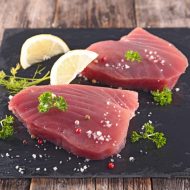
Entertaining → larger loins you can portion your way. Feeding a few people is easier when you control portion size. Go for bigger pieces like tuna loins, marlin loins, swordfish loins, or a family pack of cod loin. You can slice to match appetites, keep portions even, and time everything so plates land together.
Prep-it-yourself → whole loins and bulk packs. If you like batch prep, freezer organisation, or custom portions, larger loins are the best value-in-use. Slice while still firm, portion, re-wrap tightly, and you’ve built your own “grab-and-cook” stock (follow on-pack storage guidance for the conservative rules).
Special occasions → smoked/cured lines (when stocked). If you see speciality or cured options in this category, treat them as “ready for specific uses” (canapés, salads, quick pasta finishes) and let the label tell you exactly how they’re intended to be used.
If you only buy one thing: choose a portion pack with consistent weights (like a 140–160g loin pack). It’s the most flexible option for midweek meals, portion control, and repeatable cooking results.
Pick the cut that matches your heat source and your timing.
Can I cook fish steaks & loins from frozen?
Yes, often you can — but method matters. Cooking straight from frozen is basically a trade: you gain speed and convenience, but you lose some control over surface drying and searing. The two big factors are thickness and surface moisture. Frozen fish can carry a film of ice and extra water on the outside, which fights browning; thicker pieces also need more gentle heat to warm through before you hit them with higher heat.
A practical frozen-to-cook approach is simple and safe in real kitchens. First, remove all packaging (especially vacuum packs and any absorbent pads). If there’s visible frost or loose ice, rinse it off quickly under cold running water, then pat the fish very dry with kitchen paper — dry surface equals better sear. Start with gentler heat so the centre can catch up, then finish hotter to set the outside. In the oven or air fryer (more forgiving), you can cook from frozen until the fish is nearly there, then give it a final blast to firm the surface. In a pan, a covered pan start (or a splash of liquid/sauce) helps steam the fish through without scorching, then uncover and finish to tighten the flakes and add colour.
Choose the right style for the cut. Oven/air fryer works well for most portionable loins and medium steaks. Covered pan is great when you’re adding butter, lemon, herbs, or a quick sauce — it protects moisture and reduces sticking. A direct high-heat sear from the first minute is the hardest route from frozen, because surface water keeps the pan from doing its job.
There are times you shouldn’t cook from frozen. If you’ve got a very thick piece and you want a perfect, even sear, thawing first gives you a wider timing window and better browning. And any speciality cured/smoked products should follow the product guidance — they may be ready-to-eat, delicate, or intended for gentle warming rather than full cooking.
Use simple doneness cues: the flesh should turn opaque, feel firmer, and flake cleanly, with no cold, glassy centre. Adjust to thickness and always follow on-pack guidance where provided.
Frozen-to-oven is the weeknight cheat code when you need Fish Steaks & Loins now.
How long does frozen fish steaks & loins last, and how do I avoid freezer burn?
Frozen fish keeps safe for a long time when it stays properly frozen, but quality can drift over time. That’s the key distinction: freezing slows the things that make food unsafe, yet texture and flavour can still fade if the fish is exposed to air, temperature swings, or long storage. So the smart goal isn’t chasing a single “magic month count” — it’s protecting the fish from the conditions that cause quality drop, and following the on-pack storage guidance for the specific product you bought.
Freezer burn is the most common quality-killer. It isn’t “gone off” fish; it’s dehydration caused by air exposure in a cold environment. Moisture migrates out of the surface, and you end up with tell-tale signs: dry or pale patches, a duller colour, and a texture that can cook up tough, cottony, or a bit leathery. On fish steaks and loins, freezer burn often shows up first along edges and corners — anywhere air can nibble away at the surface.
Preventing it is mostly boring freezer discipline (boring is good; boring tastes better). Keep packs sealed and avoid opening and re-clipping loosely. Minimise air exposure: if you split a pack, rewrap tightly and press out as much air as you can before resealing. Store fish flat where possible so it freezes and stays cold evenly, and so packs don’t get crushed or punctured by heavier items. Rotate stock: move older packs to the front so they get used first, and keep newer purchases behind them. Most importantly, keep your freezer stable — frequent door-opening, overstuffing, or a freezer that’s struggling can cause small thaw-refreeze cycles that rough up texture and increase surface drying.
This is where packaging helps. Many Fish Steaks & Loins are vacuum packed, which reduces air around the fish and slows dehydration — one of the best practical defences against freezer burn. Even so, once a pack is opened, the clock on “air exposure” starts ticking, so treat opened packs as priority-use and rewrap well.
If you ever spot mild freezer burn, it’s usually a quality issue, not a safety emergency — trim the worst dry areas and cook with moisture-friendly methods (sauce, butter, gentle oven finish). Good packaging and steady cold are what keep Fish Steaks & Loins tasting like Fish Steaks & Loins.