Why Buy Frozen Cod Roe?
Frozen Cod Roe is one of those products where “frozen” isn’t a compromise — it’s quality control. When roe is held at a stable frozen temperature, you’re buying a known, repeatable starting point: the same texture, the same handling window, and the same portioning logic each time you open a pack. That consistency is what makes it easier to plan meals, buy the right weight band, and avoid the familiar “use it tonight or lose it” panic that drives waste.
Frozen also makes buying simpler. Instead of guessing what the supply chain has done to a “fresh” item over multiple handovers, freezing locks in a point-in-time standard and keeps it there until you’re ready. Fresh can still be excellent — but time adds up invisibly, and “fresh” often describes a category, not a stopwatch. With frozen roe, the variable you control is how you use it, not how long it’s been moving.
Frozen Fish Direct states its fish is processed and frozen within hours — and, on-site, describes fish being packed and frozen within 3 hours of being caught — which is exactly the sort of tight handling window that frozen is designed to protect.
- Freezing slows spoilage.
- Cold storage preserves texture.
- Vacuum packs reduce air exposure.
- Consistent weights improve planning.
- Portions reduce waste.
Choose Your Cod Roe
Small pack, big flavour
If you want Cod Roe that’s easy to portion and fast to deploy, a smaller pack is the low-fuss option. It’s ideal when you’re cooking for one or two, doing a “freezer-to-fridge” plan for the week, or you just want predictable portion control without committing to a big roe sac. You still get that distinctive briny, savoury depth, but in a size that suits pan or oven cooking on a tight schedule. Smaller packs also make it easier to try Cod Roe for the first time without overbuying.
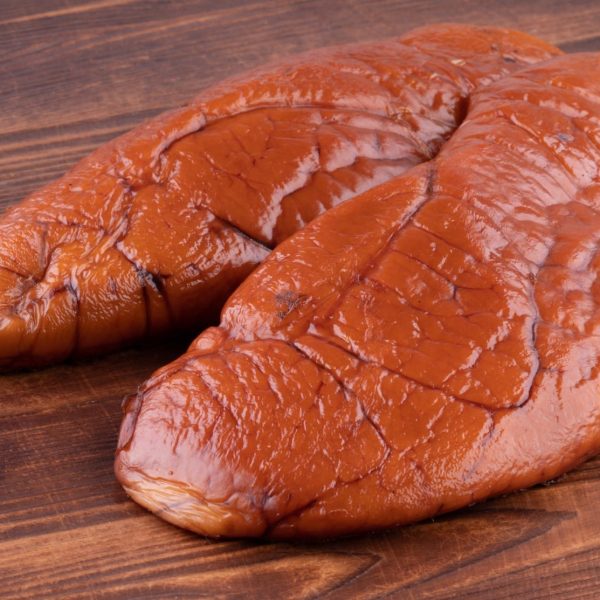
Smoked Cod Roe
Smoked Cod Roe is the “ready-flavoured” choice: the curing/smoking does some of the seasoning work for you, so it’s brilliant for bold, salty bites and party plates. Think pâté-style spreads, taramasalata-style mixes, or thin slices where you want the smoke note to carry the dish. The texture is typically firmer and the aroma more pronounced, which is exactly what you want for entertaining and grazing. Claims stay tight here: it’s simply Cod Roe with a smoked finish, made for flavour-forward uses.
Whole Cod Roe by weight band
When you’re happy to prep it yourself, go for whole Cod Roe in the 500–600g or 600–700g range. The bigger the piece, the more control you get over slice thickness, portion sizing, and batch prep for the week. Whole Cod Roe also suits people who like consistent repeat results: you can keep your portions uniform, which helps cooking timings stay steady. You’re buying the full roe sac with its membrane intact, so you’re in charge of how it’s divided and presented.
Higher-heat tolerance
For confident pan work or higher heat, Cod Roe that’s cut into thicker slices tends to hold its shape better. That matters if you want clean edges, a firm bite, and less crumbling when you turn it. Larger whole pieces give you the option to cut for the outcome you want, whether that’s a thicker “main component” slice or smaller pieces to fold through a dish. Pick the Cod Roe that matches your pan, your timing, and your appetite.
What Arrives at Your Door
When you order Frozen Cod Roe from frozenfish.direct, the job is simple: keep the cold chain boringly reliable from our freezer to yours. Dispatched by DPD overnight courier. Your order is packed with dry ice in a polystyrene insulated box, because insulation slows heat gain and dry ice sublimates cold as it travels — together, they’re designed to help keep fish frozen during transit so texture and handling stay predictable when you unpack.
Delivery dates are managed to match real-world courier capacity and safe packing windows. Orders placed before the stated cut-off are prepared for next working day delivery on eligible days, and checkout controls the valid delivery dates you can select for your postcode and the day you’re ordering. That matters because frozen seafood isn’t a “leave it on the step and hope” product — the plan is controlled dispatch, controlled transit, and a clean handover into your freezer.
Here’s what to do first, in plain English: open the box promptly when it arrives, keep the packs together while you check everything is as expected, then move the Cod Roe straight into the freezer and follow the on-pack storage guidance. If you’re portioning later, you’ll appreciate that the product has stayed firm — it’s easier to handle cleanly, easier to store flat, and less likely to pick up surface thaw that leads to clumping or freezer burn.
A quick word on dry ice, kept calm on purpose: treat it with respect, not drama. Avoid direct skin contact, keep the area ventilated, don’t seal dry ice in an airtight container, and keep it away from children and pets. Once the Cod Roe is in your freezer, the rest is just good housekeeping — steady cold, closed packs, and you’re set.
Label-First Transparency
Buying Cod Roe is much easier when the label does the talking. On frozenfish.direct, each Frozen Cod Roe product is built around the practical details that actually change your outcome, not vague hype. You’ll see the cut first (because roe isn’t one-size-fits-all), then the weight or pack size so you can plan portions and timing without guesswork. Where it genuinely applies to an item, we also show handling-critical fields like skin-on or skinless and boneless / pin-boned status — not because it sounds “fancy”, but because it affects prep effort, texture, and how cleanly it cooks.
You’ll also see whether the product is wild or farmed where applicable. Some seafood categories have a clear split; some don’t, and we won’t force a category-wide claim that doesn’t fit the item. The same goes for origin and catch area: when these vary by product, they’re shown on the product details so you’re choosing with the right context for that exact pack in front of you.
Allergens and ingredients aren’t buried, either. Cod Roe is clearly flagged as an allergen-relevant fish product, and for cured, smoked, or seasoned roe items, the ingredient list is provided so you know what’s been added and what hasn’t. That’s especially useful if you’re comparing plain roe for your own seasoning versus ready-prepped lines designed for a specific use.
- Cut drives cooking. Weight drives timing. Skin drives texture.
- Origin informs preference. Method informs fat level. Pack size informs value.
- Label drives confidence. Clear fields reduce surprises. Consistency improves results.
Storage and Defrosting
Frozen Cod Roe behaves beautifully when you treat it like a delicate ingredient, not a brick of “frozen stuff”. Start with storage: keep it properly frozen, keep packs sealed, and protect it from air exposure — air is what turns good roe into dull, dry, “freezer burn” roe. If your packs are vac packed, leave them that way until you’re ready to use them; it’s the simplest way to reduce dehydration and off-textures. A tiny habit that pays off: rotate stock, older packs forward, newer packs behind, so nothing gets forgotten at the back of the freezer.
For defrosting, use a simple hierarchy. Fridge defrost is the default because it’s the most texture-friendly and the least stressful. Keep the roe contained as it thaws: on a plate or tray, inside a shallow dish, or in a lidded container so any drip loss doesn’t flood your fridge shelf (and doesn’t wash flavour away). Roe can go from firmness to soft and a bit watery if it sits in its own meltwater too long, so giving it a clean, contained space really helps.
When it’s defrosted, handle it like you mean it. Lift it out of any liquid, then pat dry gently with kitchen paper. That one move improves browning and helps you avoid steaming, which is how you end up with soft, fragile roe when you wanted a clean set and a good finish. If you’re dealing with products where it’s relevant — skin-on formats, or fish lines that mention pin-boned — the label tells you what to expect for prep, and it’s worth reading before you start.
Refreezing is where you stay conservative. In general, once Cod Roe has been fully thawed, it’s best to cook it and eat it rather than cycling it back into the freezer. If you’re in doubt, don’t refreeze — and always follow the on-pack instructions for that specific product. The good news is Cod Roe is naturally portionable, so you can defrost only what you need, keep the rest frozen, and keep texture on your side.
Cooking Outcomes
Frozen cod roe isn’t one-size-fits-all: a whole roe (500–700g bands) behaves differently to smaller pieces, and smoked/cured options are a different job again. Start with the label and the product details, because they have different handling expectations; follow product details. Your two biggest outcome levers are moisture and heat control: get the surface dry, hit it with confident heat, then finish gently so the roe sets without turning grainy.
Pan-sear
Pat the roe dry, then let it sit uncovered briefly so the surface stops feeling slick; dry surface, hot pan, leave it alone. You’re looking for a quick colour change and a light crust, not a hard fry—once the outside turns opaque and the sac feels springy, drop the heat and finish gently. Dry surface equals better sear. Gentle finish protects moisture. Resting evens temperature. Slice for faster, more even results, and use the portion technique: gentle heat, don’t overcook, rest briefly so it stays firm rather than watery and soft.
Oven roast
Roasting suits larger roe when you want consistency: preheat the tray, oil lightly, and put the roe on dry so it colours instead of steaming. Let the first heat do the work—don’t keep turning it—then ease off and let it finish in residual warmth until the surface is fully opaque and the centre has a slight give. If you see the roe sweating liquid or the surface starting to split, you’ve pushed the heat too hard; pull it back and finish gently. Rest briefly before slicing so the set is even and the texture stays clean.
Grill or griddle
For higher heat, keep pieces portionable and thicker sections away from the fiercest zone at first. Sear fast to take colour, then move to a cooler area (or a lower ring) to finish without blowing out the texture. Watch for cues: edges firming, the roe going from translucent to opaque, and minimal drip loss rather than a puddle in the pan. Thickness changes timing. Fat content changes forgiveness. If it’s a fattier or more cured item, it’ll tolerate heat better; if it’s leaner, stay gentler.
Smoked/cured cod roe
Smoked cod roe is typically about warming and serving, not cooking hard: keep it chilled until you’re ready, then bring it up gently so it softens and slices cleanly. Too much heat makes it weep, tighten, and turn grainy—think low, brief warmth and stop as soon as it feels supple. Treat it like a flavour concentrate: small portions, calm heat, and a short rest so the texture settles.
Nutrition Snapshot
Cod roe is a naturally nutrient-dense seafood choice, but the exact profile isn’t a single fixed number. Nutrients vary by species, cut, pack format, and whether an item is wild or farmed, and cured or smoked products can differ again because ingredients and seasoning change the balance. That’s why the most honest way to shop is label-first: check the product details for what you’re actually buying, then match it to how you plan to use it.
In general terms, cod roe is best thought of as a protein-forward ingredient with marine fats, plus the usual seafood “micronutrient mix” that can include vitamins and minerals. You’ll often see roe discussed alongside nutrients like vitamin B12, iodine, selenium, and phosphorus, but amounts can vary meaningfully between products, origins, and preparation styles. If a product page provides a nutrition panel, treat that as the deciding reference for that specific item.
Cooking outcome is where “nutrition” quietly becomes practical. Items with a richer fat content tend to feel more forgiving under heat, staying softer and more cohesive, while leaner roe can set faster and go grainy if pushed too hard. Texture also changes with curing or smoking: you may get a firmer slice, a denser mouthfeel, and a more pronounced savoury finish, which affects portion size and how you serve it.
As with any food, cod roe fits best as part of a balanced diet alongside plenty of varied foods—no moralising, just good sense. Use the product details to choose the right pack size, preparation style, and ingredient list for your plan, and you’ll end up with a purchase that behaves predictably in the pan and makes sense on the plate.
Provenance and Responsible Sourcing
Cod roe is one of those products where provenance actually changes the experience on the plate — not in a vague “story” way, but in a practical “what am I buying?” way. That’s why we keep this category SKU-specific: we show method and origin details per product so you can choose what fits your preferences, without having to guess.
You’ll typically see straightforward raw cod roe sold in clear weight bands when you want maximum flexibility, and you’ll also see speciality lines (for example, smoked/cured cod roe) when you want a ready-to-serve flavour profile. Some items are flagged as wild-caught on the product details, and where farmed options are stocked, they’re labelled just as plainly — because method affects expectations, and expectations affect results.
Provenance supports preference. Clear labels support trust. Evidence supports claims.
On each listing, the goal is simple: give you enough signal to decide quickly. Origin and catch area are shown where provided for that SKU, rather than being waved around as a category-wide promise. “Wild” or “farmed” is there when applicable. If a product is cured, smoked, or seasoned, the ingredient information is listed at item level, so you know exactly what you’re getting before it hits your basket.
The short version: we don’t ask you to take a sustainability claim on faith. We show what we can prove per product, and we keep the rest honest and bounded — so you can buy cod roe with the same confidence you’d buy fillets: label first, outcome led.
Frequently Asked Questions
Is frozen code roe as good as fresh?
“Fresh” and “frozen” aren’t opposites in a quality fight — they’re two different ways of managing time. With Cod Roe, the real variable is how quickly it’s handled, chilled and kept stable. “Fresh” can still spend days moving through landing, transport, storage and a retail counter; by the time it reaches your kitchen, that clock has already been running. Freezing flips the logic: you lock in a point-in-time condition, then hold it there until you’re ready to cook.
That doesn’t mean frozen is magically perfect. Roe is delicate: if it’s temperature-abused, exposed to air, or thawed and re-frozen, you can get extra drip loss, a softer bite, and a slightly dulled flavour. Good freezing, vacuum-style packaging, and a controlled defrost protect texture — you’re aiming for clean, briny richness rather than “watery” and fragile. If texture is your priority, a slow fridge defrost (kept contained) is usually kinder than rushing it, because roe doesn’t love sudden temperature swings.
The way frozenfish.direct runs the chain is built for that predictability: Cod Roe is processed and frozen within hours (and where stated on the site, within 3 hours of being caught), then shipped by DPD overnight courier in a polystyrene insulated box with dry ice, designed to keep it frozen on arrival. That turns Cod Roe into something you can plan around, not something you gamble on.
Buying by use-case helps. For midweek meals, portionable packs and consistent weight bands make timing easier and waste lower. For grilling or high-heat finishes, go for thicker pieces that can take a quick sear and a gentler finish without breaking up (often best cooked on a tray or foil so the roe stays intact). For entertaining, speciality lines — cured, smoked, or ready-to-slice — are the low-stress option: you get bold flavour and clean presentation with minimal last-minute handling.
If you want predictable results, frozen is the easier way to make Cod Roe a routine.
How do I defrost frozen code roe without it going watery?
“Watery” Cod Roe is nearly always a thawing problem, not a product problem. When roe freezes, tiny ice crystals form; if it thaws too warm, too fast, or more than once, those crystals turn into drip loss — the liquid you see in the pack — and the texture can go soft and loose instead of clean and sliceable.
The best default is a fridge defrost. Keep the roe contained (on a tray or in a bowl) so any liquid stays controlled, and resist the urge to “speed it up” on a counter. If your Cod Roe is vac packed, keep it sealed while it thaws; the pack helps limit air exposure and reduces the kind of surface drying that makes texture feel rough after cooking. Once thawed, open the pack, drain any liquid, then pat dry the surface. That one step is texture control: less surface water means better browning, cleaner flavour, and less steaming in the pan.
A few cut-specific tips help. Small portions (or pre-sliced pieces) are the easiest: they thaw more evenly and give you predictable results. A thicker, whole roe will need more time in the fridge so the centre softens gradually; rushing it is how you get a soft outside and a still-icy core. If your roe is cut into thick rounds (think “steak-like” slices), treat each piece like a dense cut: keep it cold, keep it contained, and give it a gentle, even thaw so it doesn’t dump moisture the moment it hits heat.
As a backup, you can cook from frozen in a pinch, but it’s a different technique: gentler heat, more patience, and a careful finish once the centre has loosened. Keep that as your Plan B — the fridge method is what protects texture most consistently.
Good defrosting is texture control.
Wild vs farmed code roe — what should I choose?
Both can be excellent. The “right” pick is less about morality and more about the eating result you want: flavour punch, texture, and how predictable the cook is.
Wild cod roe often leans a bit more assertive in flavour, with a firmer bite that suits simple treatments (think quick sear, gentle warming, or serving as-is when it’s cured/smoked). Farmed cod roe (where stocked) can be the more consistent choice from pack to pack, and that consistency is useful when you’re trying to repeat a dish every week—especially for things like roe-based spreads or pasta finishes where you want a steady salt/fat balance. Price can vary too, and the “best value” usually depends on whether you’re paying for consistency, intensity, or a speciality process.
The smartest move is to buy by method first, then origin. Cod roe generally rewards gentler cooking and a bit of sauce help: butter, lemon, olive oil, or a creamy base all soften edges and keep the texture from turning dry or grainy. If you’re pan-warming or grilling, treat roe like a delicate ingredient—controlled heat, short time, and pull early rather than “just a bit longer”.
On frozenfish.direct, the practical answer is also the simplest: check the product details for each SKU. Some items are explicitly labelled Wild and show origin info such as UK, and cured/smoked lines are clearly marked with their processing style. That makes the choice concrete instead of guessy.
Examples you may see in the range:
- “May include” wild cod roe items (including cured/smoked lines).
- “May include” farmed cod roe items where stocked (use the SKU label to confirm).
Buyer’s shortcut: Choose by cooking method first, then by origin and method.
Which code roe should I buy for my plan?
Think of Cod Roe like a “results ingredient”: the same base product can behave very differently depending on (1) whether it’s plain or smoked, (2) how thick it is, and (3) whether the outer membrane (“skin”) is left intact. On frozenfish.direct, this category currently includes whole Cod Roe in two weight bands (500–600g and 600–700g) plus a Smoked Cod Roe 250g option.
For weeknight meals, aim for the option that gives you the least decision-making and the fastest turnaround. That usually means the smaller whole Cod Roe (500–600g) because it’s easier to portion, easier to fit in your pan/oven space, and generally quicker to bring to a clean finish without the outside overcooking.
For grilling (where available / if that’s your plan), thickness matters more than anything. A thicker roe forgives brief exposure to higher heat better than a thin piece, but roe still rewards a gentler finish. Keep an eye on the “skin” (membrane): intact membrane helps it hold shape and reduces blowouts; damaged membrane needs more careful handling.
For entertaining, decide whether you want “ready to serve” or “I’ll make it my own.” Smoked Cod Roe 250g is the low-friction choice: it brings flavour up front and works well for slicing, sharing, or turning into a quick spread without a long prep chain.
If you want the flexibility to season, slice, and present it your way, choose a whole roe in the weight band that matches your headcount.
For prep-it-yourself, go whole Cod Roe and choose by portion strategy: 600–700g is better if you’re feeding more people or you like batch prep and slicing your own portions; 500–600g is better if you want tighter portion control with less leftover risk.
For special occasions, look to smoked/cured lines first (like the Smoked Cod Roe 250g currently listed) because they’re designed to deliver a distinct eating experience with minimal fuss.
Two outcome levers to remember: thickness changes timing and skin/membrane changes structure. Thick roe wants a gentler finish; intact membrane helps it stay neat.
If you only buy one thing: start with Cod Roe 500–600g as the most forgiving “learn-the-product” size that still gives you plenty of versatility.
Pick the cut that matches your heat source and your timing.
Can I cook code roe from frozen?
Yes, often you can — but method matters. The two things that decide whether it works are thickness and surface moisture. Thick pieces take longer to heat through, and any ice or meltwater on the outside blocks browning, so a “hard sear from frozen” usually disappoints. A gentler approach gives you a properly warmed centre first, then you finish hotter to tighten the surface without overcooking.
Start simple: remove all packaging. If there’s surface ice, rinse it off quickly under cold running water (you’re not “washing” the Cod Roe — you’re just removing loose ice crystals), then pat dry thoroughly with kitchen paper. Dry surface equals better results in the pan; wet surface equals steaming.
For the most reliable outcome, go frozen-to-oven, air fryer, or a covered pan, because those methods warm the middle without needing aggressive direct heat. Use moderate heat first so the Cod Roe warms gently, then finish hotter at the end to firm the outside. In a covered pan, keep the heat gentle, give it space, and don’t fuss with it; once it feels more set, uncover and finish briefly to drive off surface moisture. Let it rest briefly before serving so the heat evens out.
When not to cook from frozen: if you’ve got a very thick piece and you’re chasing a perfect browned exterior, defrosting will give you more control. Also, speciality cured/smoked/seasoned Cod Roe can have different handling expectations — follow the product details and on-pack guidance rather than assuming it behaves like plain roe. Food safety guidance also leans the same way: defrost thoroughly unless the manufacturer specifically says it can be cooked from frozen, and where instructions exist, follow them. (Food Standards Agency)
Frozenfish.direct’s model (processed and frozen within hours, then shipped in dry-ice insulated packaging) is built around keeping that “locked-in” point of quality consistent — so cooking from frozen can absolutely be a practical option when you match the method to the thickness.
“Frozen-to-oven is the weeknight cheat code when you need Cod Roe now.”
How long does frozen code roe last, and how do I avoid freezer burn?
Frozen Cod Roe will stay safe in the freezer for a long time, but quality is what slowly slips. Think of it like this: freezing pauses spoilage; time mostly chips away at texture. The best rule is boring (and therefore correct): follow the on-pack storage guidance and best-before/use-by information, then use simple habits to keep the roe tasting like roe.
Freezer burn is the main quality thief. It’s basically dehydration from air exposure in the freezer, and it shows up as dry or pale patches, a slightly “chalky” look, and a tougher bite. It’s not a “danger” label by itself — it’s a texture label — but it can make Cod Roe feel drier and less clean on the palate. Food Standards Agency guidance describes freezer burn as a quality issue caused by cold air contact.
To avoid it, your mission is: keep air out, keep cold steady, keep packs protected. Leave Cod Roe in its original sealed pack until you need it. If you’ve opened it, wrap it tight again so there’s as little trapped air as possible (a snug freezer bag or double wrap helps). Store packs flat where you can, and keep them towards the back of the freezer where temperatures wobble less. Rotate stock so older packs get used first. Avoid repeated “slightly thawed, then refrozen” cycles — that’s when ice crystals and drip loss start turning into that watery, soft texture you’re trying to avoid.
Good packaging does a lot of the heavy lifting here. Many frozen seafood items are vacuum packed, which reduces air contact and helps protect against dehydration in storage (always check the specific product details and packaging in hand). :contentReference[oaicite:1]{index=1}
If you do spot freezer-burned areas, you can still often rescue the eating experience by trimming the worst patches and using the roe in sauced, buttered, or broth-friendly dishes where moisture gets reintroduced. But if anything seems “off” beyond dry texture (odd odour, damaged pack, or you’re simply unsure), take the conservative route and don’t use it.
Good packaging and steady cold are what keep Cod Roe tasting like Cod Roe.