Why Buy Frozen Squid Rings?
Frozen Squid Rings work so well in the freezer because they turn a delicate ingredient into something you can manage with confidence. Squid is all about timing and texture, and freezing gives you a practical quality-control advantage: you can keep it at a stable point, take only what you need, and plan meals around consistent packs instead of hoping today’s “fresh” counter stock behaves the same as last week’s.
From a buying perspective, frozen is less about “cheap and cheerful” and more about repeatability. You know the cut, the weight band, and the format before you start. That makes portions easier to control, reduces waste, and helps you build a reliable rotation of quick starters and midweek meals. Many seafood lines are vacuum packed, which matters because it reduces air exposure and helps protect texture in storage.
It’s also worth being honest about what “fresh” can mean in the real world. Even high-quality fresh seafood can spend time moving through harvesting, handling, transport, and retail. Time adds up. Freezing, done properly, locks in a point-in-time standard and keeps it there until you’re ready to use it. frozenfish.direct’s own approach is built around that idea: the seafood is processed and frozen within hours, and on some lines the site states it can be within 3 hours of being caught. The point isn’t to argue with anyone else’s supply chain—it’s to make your meals more predictable.
- Freezing slows spoilage.
- Cold storage stabilises quality.
- Vacuum packs reduce air exposure.
- Portions reduce waste.
- Consistent weights improve planning.
Choose Your Squid Rings
Quick midweek versatility
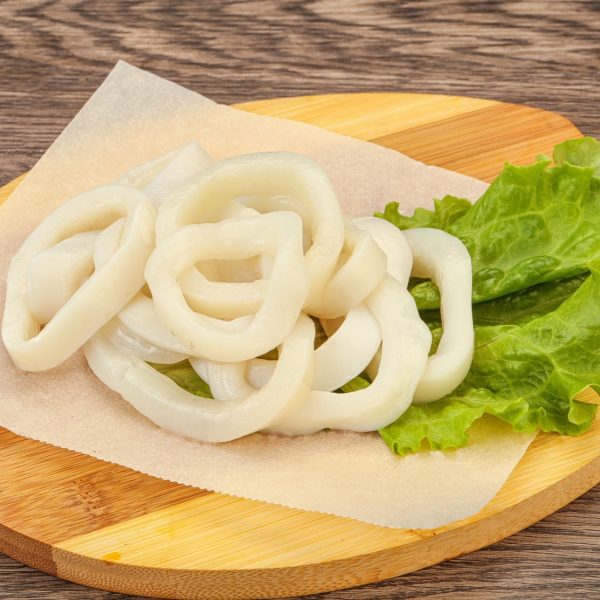
If you want squid rings that fit a busy weeknight, go for plain calamari rings you can season yourself. They’re fast to portion, easy to dress with a simple marinade, and flexible across a hot pan or a quick oven finish. This is the “keep it simple, make it yours” option—good for garlic-chilli, lemon-herb, or a quick tomato sauce finish without committing to one flavour profile.
Portion control and predictable sizing
Squid rings win on speed because the work is already done: consistent ring size makes portions easier to eyeball and cooking more repeatable. A predictable handful per plate is often all you need for a starter or a sharing board. If you’re cooking for mixed appetites, ring-by-ring serving is a quiet advantage—less guesswork, less waste, and fewer half-used packs.
Higher-heat tolerance
If you’re aiming for a bolder sear on a griddle pan or high-heat frying, look for rings that are slightly thicker and feel more robust—often described as mantle rings in seafood language. Thicker rings tend to hold their shape better under aggressive heat, and they’re more forgiving if your pan runs a bit hot. This is where shallow-fry, quick char, or a fast wok toss can shine.
Ready-for-specific uses
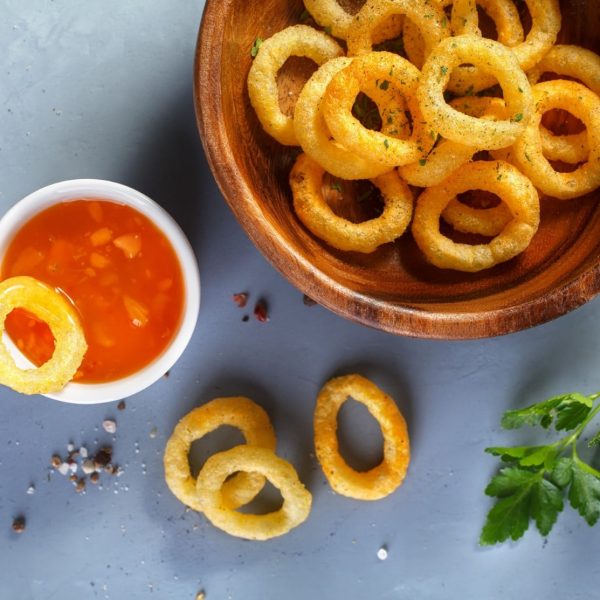
If you see battered, tempura-style, or panko-crumb squid rings, treat them as “ready for a specific job”: crisp coating, quick cook, dip-friendly bite. The key benefit is consistency—coated rings are built for a clean crunch with minimal prep, while plain rings suit a light dredge (flour/seasoning) when you want control without fuss.
For people who want to prep themselves (entertaining, smoking, batch prep)
When you’re feeding a crowd or batch-prepping, some cooks prefer buying larger, simpler formats and tailoring portions themselves—especially if you want thicker rings or custom sizing. If you’re chasing smoke-kissed flavour, rings can dry quickly, so many people lean toward thicker pieces and slice their own portions for better control over texture and timing.
Pick the Squid Rings that matches your pan, your timing, and your appetite.
What Arrives at Your Door
When you buy Frozen Squid Rings online, the only thing that really matters is what shows up when you open the box: still properly frozen, cleanly packed, and ready to store. That’s the whole point of doing cold-chain right — you shouldn’t have to “hope” your seafood survived the journey.
Dispatched by DPD overnight courier. Packed with dry ice in a polystyrene insulated box — which matters because it helps keep fish frozen during transit, even when the outside temperature (and the van) does whatever British weather feels like that day.
On delivery timing, the simple rule is this: orders placed before the stated cut-off are prepared for next working day delivery on eligible days, and checkout controls valid delivery dates so you’re only offered what the operation can actually support.
What to do first is boring — and that’s good, because boring means reliable: bring the parcel inside promptly, open it, and move the Squid Rings straight into your freezer. If there’s any dry ice remaining, don’t handle it with bare hands; let it sit in a ventilated area until it disappears naturally, then bin the empty packaging as normal. Finally, follow the on-pack storage guidance for the specific product you bought, because pack formats and handling notes can vary by line and supplier batch.
Dry ice safety, kept calm and practical: avoid direct skin contact (it can cause frostbite), keep the area ventilated, do not seal dry ice in an airtight container, and keep it well away from children and pets.
Label-First Transparency
When you’re buying Squid Rings online, the difference between a confident checkout and a hesitant one is simple: clear, practical product details that tell you what will actually turn up in the pack. That’s why each Squid Rings item is presented in a label-first way, using the same buying fields you’d check in a good fishmonger—just made easier to compare on a screen.
For every Squid Rings line, you’ll see the cut and format (plain rings, coated rings, battered rings, or any speciality prep that’s ready for a specific use), the weight / pack size, and the best-use cues that matter for real cooking decisions. Where it’s relevant to the product, we also show whether seafood is wild or farmed, and we keep origin / catch area item-specific—so if it varies by line or supplier batch, it’s shown on the product details rather than implied across the whole category. For other seafood cuts on the site, you’ll also see fields like skin-on/skinless and boneless/pin-boned when they apply, because those details change texture, prep, and how forgiving a product is in the pan.
Allergen clarity is part of the same promise. Squid is a mollusc, and Squid Rings are clearly flagged as such. If a product includes a coating, seasoning, cure, or smoke, the ingredients list is shown on the product details so you can make an informed choice—especially important for households managing allergens or preferences.
Cut drives cooking. Weight drives timing. Skin drives texture.
Origin informs preference. Method informs fat level. Pack size informs value.
Format guides finish. Coating guides crunch. Label guides confidence.
Storage and Defrosting
Frozen Squid Rings are at their best when you treat the freezer like part of the kitchen, not an afterthought. Keep packs properly frozen, keep them sealed, and handle them with the same quiet care you’d give fresh seafood. Most squid rings arrive vac packed, which helps protect them from air exposure and keeps the texture cleaner in storage. The main enemy is time spent half-open or loosely wrapped, because that’s when freezer burn creeps in and the rings can dry out or taste dull. A simple habit that makes a difference is rotating stock: older packs forward, newer packs behind, so you use what you’ve already got before it sits too long.
When you’re ready to cook, fridge defrost is the default for both safety and texture. Keep the pack contained—on a plate or in a shallow tray—so any drip loss stays controlled and doesn’t spread around your fridge. Once the rings are defrosted, tip them out, drain, and pat dry thoroughly. This one step is a game-changer: squid that goes into a hot pan wet tends to turn watery and soft, steaming instead of searing. Dry rings are more likely to pick up colour quickly and stay closer to that clean, tender firmness people want from calamari.
If you’re cooking from frozen, stick to what the product is designed for and follow the on-pack guidance. Some formats are built to go straight from freezer to heat, while others behave better with a controlled thaw. Either way, don’t leave squid rings sitting in a puddle while you prep the rest of the meal—water plus time is what makes seafood feel tired.
On refreezing, be conservative. If in doubt, don’t refreeze, and always follow on-pack instructions for the specific product you bought. If something has fully thawed and warmed, refreezing tends to worsen texture and can leave the rings more chewy. In general, fatty cuts forgive heat better than lean ones, and delicate seafood punishes indecision—so decide your method, prep cleanly, and cook with purpose. You’ll see similar handling logic across other cuts too: skin-on pieces hold moisture differently, pin-boned fillets need extra prep, and portionable packs make it easier to thaw only what you actually need.
Cooking Outcomes
Hot pan sear
Start with a dry surface and a properly hot pan so the rings sear instead of steam. Let them hit the heat and leave them alone for a moment—when they release easily and you see light browning at the edges, you’re in the right zone. Dry surface equals better sear. Gentle finish protects moisture. Resting evens temperature. Finish gently by tossing through a warm sauce off the heat, or by lowering the heat right at the end so you keep tenderness rather than pushing chewiness.
Crisp coating
Coated rings have different handling expectations, so follow the product details and aim for one outcome: a crisp shell and a piping-hot centre. Use high, consistent heat so the coating sets quickly; you’re looking for an audible crunch and an even golden colour rather than “just warm”. Don’t crowd the tray or basket—overcrowding traps steam and turns crispness into softness. The moment the coating is crisp and the centre feels hot and springy, stop and serve, because lingering heat keeps cooking the squid inside.
Grill-ready char
If your rings are thicker and more robust, they’ll hold their shape better on a griddle or grill pan and cope with a little more aggression. Pat the surface dry, oil lightly, then sear hard to get quick char marks; you want firm edges and a clean, bouncy bite, not a slow simmer. Thickness changes timing. Fat content changes forgiveness. Squid is lean, so it doesn’t “forgive” heat the way fatty cuts do—your best tool is intensity plus brevity, not patience.
Gentle finish for portions
When you’re portioning rings for multiple plates, the safest texture play is to sear or crisp quickly, then finish on gentle heat so everything warms through evenly without tipping over into rubber. Keep the heat moderate, stir minimally, and stop as soon as the rings feel uniformly hot with a slight spring to the touch. Don’t overcook, and give them a brief rest in the pan off heat before serving so the temperature evens out. This is where portion control helps: smaller, consistent portions heat more evenly, and you avoid “some perfect, some tough” in the same serving.
Nutrition Snapshot
Squid Rings can be a smart, straightforward seafood choice when you want something quick to cook and easy to portion. Nutritionally, squid is generally known for being protein-rich and relatively lean, but the exact nutrient profile can vary by species, cut, and whether the product is wild or farmed. The most reliable source for specifics is always the product details and on-pack information for the exact item you’re buying.
In broad terms, squid can contribute useful micronutrients that commonly show up in seafood, such as B vitamins (often including B12) and minerals like selenium, iodine, phosphorus, and copper. That said, “seafood” isn’t one uniform thing: different preparations change what ends up on the plate. Plain rings are mostly about the squid itself, while coated or battered rings include additional ingredients (and may be cooked with added oil), which can shift the balance of calories, fat, and salt. If you’re comparing options, it helps to think in simple, practical terms: plain rings give you more control over what you add; battered rings are designed for a crisp finish and come with the coating built in.
There’s also a useful cooking link here: squid’s low fat content is part of why it can turn firm if it’s overcooked. Lean seafood tends to reward short, decisive cooking and a gentle finish, while richer, fattier cuts (in other species) can be more forgiving.
As with any food, Squid Rings fit best as part of a balanced diet alongside vegetables, fibre-rich sides, and a cooking method that matches your goals. Choose the format that matches how you like to eat—plain for control, coated for crunch—and you’ll get a confident, predictable result.
Provenance and Responsible Sourcing
Where your squid comes from matters for different reasons depending on the shopper: taste preference, cooking behaviour, sourcing comfort, or simply curiosity about what you’re putting on the table. Our approach is straightforward: we show method and origin details per product, so you can choose what fits your preferences without guessing.
Because Squid Rings can come from different fisheries and processing routes, it’s not honest (or useful) to make category-wide promises that every item is sourced the same way. Instead, each product listing is treated as its own truth set. Where it’s provided for that specific SKU, you’ll see details such as whether the squid is wild or farmed, and the origin information the supplier supplies for that line. If origin or catch area varies across the range (or changes with supply), it’s shown on the product details for the item you’re looking at, rather than implied across everything in the category.
You’ll also see when a line is a speciality prep that’s ready for a specific use—such as coated or battered squid rings designed for a crisp finish. Those products may include additional ingredients, and the listing is where you can check what’s in the coating and decide whether it suits your household.
In practice, that means this category can include wild squid rings, farmed squid rings where stocked, and speciality lines that prioritise convenience or a particular texture outcome. The important bit is that the decision stays with you, because the information is presented at the SKU level.
Provenance supports preference. Clear labels support trust. Evidence supports claims.
Frequently Asked Questions
How do I defrost frozen squid rings without it going watery?
Watery squid rings usually aren’t “bad squid” — they’re the result of ice crystals and drip loss. When squid freezes, water inside the flesh forms crystals. If the freeze/thaw cycle is slow, or the product has been repeatedly warmed and re-frozen, those crystals can damage the structure of the meat. Then, when it thaws, more liquid leaks out, leaving the rings soft, wet, and harder to sear. The other common culprit is too-warm defrosting: thawing on the counter (or in warm water) speeds up drip loss and can leave the surface slimy before you even start cooking.
The best practice is simple and boring — which is exactly what you want. Defrost in the fridge as your default. Keep the squid contained on a plate or in a shallow tray so any liquid stays controlled. If your squid rings are vacuum packed, keep the packaging intact while they thaw; it reduces air exposure and helps the rings thaw more evenly. Once thawed, open the pack, drain well, and pat dry thoroughly with kitchen paper. That “pat dry” step is the difference between a clean sear and a pan full of steam. After that, cook promptly and keep your method decisive — wet squid plus a lukewarm pan is the fastest route to rubbery, pale rings.
A few cut-specific tips help set expectations. Portionable rings are easier because they thaw evenly and you can take only what you need. Thicker fillets or larger mantle pieces naturally hold more internal ice and can release more moisture as they thaw, so containment and drying matter even more. Steaks (in other fish) behave differently again: they’re denser, often thaw slower, and can look “dry” on the outside while still icy inside — another reason to follow the on-pack guidance for the specific product and cut.
If you’re short on time, cooking from frozen can work as a backup for some products and formats — but it needs the right method and a bit more care, so it’s worth treating as its own topic rather than a shortcut you wing.
Good defrosting is texture control.
Wild vs farmed squid rings — what should I choose?
Wild vs farmed Squid Rings is one of those choices where there isn’t a single “correct” answer. Both can be excellent, and for most people it comes down to preference, the dish you’re making, and how you like your seafood to behave in the pan.
In broad terms, wild-caught squid can have a slightly more varied character because wild animals live on different diets and grow in different conditions. Some people find wild squid has a cleaner “sea” flavour and a firmer bite, especially when it’s cooked quickly and served straight away. Farmed squid, where it’s available, can offer a more consistent eating experience batch to batch, and some shoppers prefer that predictability for repeat meals. Neither is automatically “better”; it’s about what you’re aiming for on the plate.
A few typical differences are worth understanding, without turning them into hard rules. Fat level in squid is generally low either way, but small differences in moisture and firmness can change how forgiving it feels. Firmer rings tend to hold shape well under high heat and suit quick, decisive cooking. Softer rings can still be great, but they often benefit from gentler finishing and a little extra attention to drying and pan heat. Flavour intensity can vary too: some people perceive wild seafood as slightly more pronounced, while others notice almost no difference once you add seasoning, citrus, chilli, or a sauce. Price can also differ depending on availability, origin, and processing, which is why it’s useful to treat method and format as the first decision, and provenance as the fine-tuning.
On frozenfish.direct, the simplest way to shop is label-first. Product details show whether a specific item is wild or farmed and where it comes from, so you can make an informed choice per SKU rather than guessing across a whole category. The range may include wild Squid Rings items and may include farmed Squid Rings items, depending on what’s stocked at the time.
For cooking and pairing, Squid Rings usually reward gentler handling and sauces. If you’re doing a quick sear or a crisp finish, pick the format and firmness that suit high heat, then use lemon, garlic, chilli, tomato, aioli, or herb sauces to round out the flavour.
Choose by cooking method first, then by origin and method.
Which squid rings cut should I buy for my plan?
Which Squid Rings you should buy comes down to one thing: what outcome you want when the heat hits the seafood. Start with your plan, then let the cut and format do the heavy lifting.
For weeknight meals, go for portionable rings you can pull out and cook fast. Plain calamari rings are the most flexible because you control the seasoning and finish (lemon, garlic, chilli, tomato, whatever suits the night). If your weeknights are more “straight from freezer to plate,” a battered or coated ring can be the easier win because it’s built for a crisp finish with minimal prep—just aim for “hot centre, crunchy outside,” then serve.
For grilling or a griddle pan, look for thicker rings where available. Thickness is the first big outcome lever: thicker rings tend to hold shape better over high heat and are a touch more forgiving if your grill runs hot. Thin rings can still work, but they punish hesitation—quick sear, then stop.
For entertaining, decide whether you want control or convenience. If you want a predictable crowd-pleaser, coated rings (battered, tempura-style, panko-crumb) often deliver consistent crunch with dip-friendly bite. If you want a more “restaurant-style” plate, plain rings let you do a light dredge and finish with a sauce or butter, which feels more bespoke without being complicated.
For prep-it-yourself cooks, choose the simplest, least-processed option you can get—plain rings, or even larger squid cuts from the wider squid range that you can slice into your own rings. That route gives you control over ring thickness, portion size, and how you tenderise or season.
For special occasions, if the range ever includes speciality lines (such as smoked or cured seafood items), treat them as flavour-forward “occasion” products and buy them because you want that specific taste—always checking the product details, ingredients, and intended use.
Two levers matter most: thickness and skin/outer layer. With rings, “skin” often shows up as the outer membrane/finish (plain vs coated). Thickness changes how quickly heat moves through; the outer layer changes whether you’re chasing a sear or a crunch.
If you only buy one thing, make it plain squid rings: they’re the most versatile across pan, oven finish, sauces, and portion sizes. Pick the cut that matches your heat source and your timing.
Can I cook squid rings from frozen?
Yes, often you can — but method matters.
Cooking Squid Rings from frozen works because squid is a quick-cooking ingredient and most rings are cut to a manageable thickness. The catch is that frozen seafood carries two variables that decide the outcome: thickness and surface moisture. Thicker pieces take longer for heat to reach the centre, and moisture on the surface fights browning. If you throw icy rings straight into a screaming-hot pan, you usually get steam first, colour later, and a higher chance of a firm, chewy bite.
That’s why methods like the oven, air fryer, or a covered pan are often more forgiving than a direct high-heat sear. They give you time to drive off surface moisture and warm the centre more evenly, then you can finish hotter for colour and crisp edges.
A safe, practical approach looks like this in real life: take the rings out of the packaging and separate them as best you can so they don’t cook as one solid cluster. If there’s visible surface ice, give them a quick rinse under cold water to remove the loose crystals, then pat dry thoroughly with kitchen paper. From there, start with a gentler heat to warm them through (oven, air fryer, or a pan with a lid works well), then finish hotter at the end to get the texture you want — a brief blast for colour on plain rings, or a crisp finish for coated/battered rings. Adjust the intensity and the finish based on the product details and the ring thickness, and follow on-pack guidance where it’s provided.
When is cooking from frozen not the best move? If the squid pieces are very thick and you’re chasing a perfect sear, thawing first usually gives you a better result because you can dry the surface properly and control the cook more precisely. Also, if you’re buying speciality cured-style products or anything with specific handling notes, follow the product guidance for that item rather than improvising.
Frozen-to-oven is the weeknight cheat code when you need Squid Rings now.
How long does frozen squid rings last, and how do I avoid freezer burn?
Frozen Squid Rings will stay safe for a long time in the freezer, but the eating quality can slowly drift if the storage conditions aren’t steady. That difference matters. Safety is mostly about keeping the product properly frozen and preventing contamination once it’s opened. Quality is about texture and flavour staying the way you bought it—tender, clean, and easy to cook without turning dry or chewy.
The main quality enemy is freezer burn. Freezer burn isn’t “gone off”; it’s dehydration caused by air exposure. Moisture migrates out of the squid and into the cold, dry air of the freezer, especially if the pack isn’t sealed well or gets opened and re-closed. You’ll usually spot it as dry, pale patches, a duller colour, and a slightly tougher, more chewy texture after cooking. It can also mute flavour, because the surface has effectively been dried out.
Prevention is mostly small habits that keep air and temperature swings away from the product:
- Keep packs sealed until you’re ready to use them, and minimise the time they spend open.
- If you split a pack, press out excess air before resealing, or re-pack into a tighter freezer bag or container.
- Store packs flat (they freeze and refreeze more evenly, and it reduces air pockets).
- Rotate stock: older packs to the front, newer packs behind, so nothing gets forgotten.
- Keep your freezer as stable as you can—frequent door opening and overfilling can cause tiny thaw/refreeze cycles that hurt texture.
This is where packaging does real work. Many seafood products arrive vacuum packed (vac packed), which helps reduce air exposure and slows freezer burn compared with loosely wrapped food. It doesn’t make a product immortal, but it does give you a better chance of pulling out squid rings weeks later and having them behave like squid rings, not like mystery rubber.
For best results, treat on-pack storage guidance as the final word, and use “a few months” as general quality guidance rather than a hard deadline. Good packaging and steady cold are what keep Squid Rings tasting like Squid Rings.
{
"@context": "https://schema.org",
"@type": "FAQPage",
"@id": "https://frozenfish.direct/frozen-squid/battered-squid-rings/#FAQPage",
"mainEntity": [{
"@type": "Question",
"name": "How do I defrost frozen squid rings without it going watery?",
"acceptedAnswer": {
"@type": "Answer",
"text": "Watery squid rings usually aren’t “bad squid” — they’re the result of ice crystals and drip loss. When squid freezes, water inside the flesh forms crystals. If the freeze/thaw cycle is slow, or the product has been repeatedly warmed and re-frozen, those crystals can damage the structure of the meat. Then, when it thaws, more liquid leaks out, leaving the rings soft, wet, and harder to sear. The other common culprit is too-warm defrosting: thawing on the counter (or in warm water) speeds up drip loss and can leave the surface slimy before you even start cooking.
The best practice is simple and boring — which is exactly what you want. Defrost in the fridge as your default. Keep the squid contained on a plate or in a shallow tray so any liquid stays controlled. If your squid rings are vacuum packed, keep the packaging intact while they thaw; it reduces air exposure and helps the rings thaw more evenly. Once thawed, open the pack, drain well, and pat dry thoroughly with kitchen paper. That “pat dry” step is the difference between a clean sear and a pan full of steam. After that, cook promptly and keep your method decisive — wet squid plus a lukewarm pan is the fastest route to rubbery, pale rings.
A few cut-specific tips help set expectations. Portionable rings are easier because they thaw evenly and you can take only what you need. Thicker fillets or larger mantle pieces naturally hold more internal ice and can release more moisture as they thaw, so containment and drying matter even more. Steaks (in other fish) behave differently again: they’re denser, often thaw slower, and can look “dry” on the outside while still icy inside — another reason to follow the on-pack guidance for the specific product and cut.
If you’re short on time, cooking from frozen can work as a backup for some products and formats — but it needs the right method and a bit more care, so it’s worth treating as its own topic rather than a shortcut you wing.
Good defrosting is texture control."
}
}, {
"@type": "Question",
"name": "Wild vs farmed squid rings — what should I choose?",
"acceptedAnswer": {
"@type": "Answer",
"text": "Wild vs farmed Squid Rings is one of those choices where there isn’t a single “correct” answer. Both can be excellent, and for most people it comes down to preference, the dish you’re making, and how you like your seafood to behave in the pan.
In broad terms, wild-caught squid can have a slightly more varied character because wild animals live on different diets and grow in different conditions. Some people find wild squid has a cleaner “sea” flavour and a firmer bite, especially when it’s cooked quickly and served straight away. Farmed squid, where it’s available, can offer a more consistent eating experience batch to batch, and some shoppers prefer that predictability for repeat meals. Neither is automatically “better”; it’s about what you’re aiming for on the plate.
A few typical differences are worth understanding, without turning them into hard rules. Fat level in squid is generally low either way, but small differences in moisture and firmness can change how forgiving it feels. Firmer rings tend to hold shape well under high heat and suit quick, decisive cooking. Softer rings can still be great, but they often benefit from gentler finishing and a little extra attention to drying and pan heat. Flavour intensity can vary too: some people perceive wild seafood as slightly more pronounced, while others notice almost no difference once you add seasoning, citrus, chilli, or a sauce. Price can also differ depending on availability, origin, and processing, which is why it’s useful to treat method and format as the first decision, and provenance as the fine-tuning.
On frozenfish.direct, the simplest way to shop is label-first. Product details show whether a specific item is wild or farmed and where it comes from, so you can make an informed choice per SKU rather than guessing across a whole category. The range may include wild Squid Rings items and may include farmed Squid Rings items, depending on what’s stocked at the time.
For cooking and pairing, Squid Rings usually reward gentler handling and sauces. If you’re doing a quick sear or a crisp finish, pick the format and firmness that suit high heat, then use lemon, garlic, chilli, tomato, aioli, or herb sauces to round out the flavour.
Choose by cooking method first, then by origin and method."
}
}, {
"@type": "Question",
"name": "Which squid rings cut should I buy for my plan?",
"acceptedAnswer": {
"@type": "Answer",
"text": "Which Squid Rings you should buy comes down to one thing: what outcome you want when the heat hits the seafood. Start with your plan, then let the cut and format do the heavy lifting.
For weeknight meals, go for portionable rings you can pull out and cook fast. Plain calamari rings are the most flexible because you control the seasoning and finish (lemon, garlic, chilli, tomato, whatever suits the night). If your weeknights are more “straight from freezer to plate,” a battered or coated ring can be the easier win because it’s built for a crisp finish with minimal prep—just aim for “hot centre, crunchy outside,” then serve.
For grilling or a griddle pan, look for thicker rings where available. Thickness is the first big outcome lever: thicker rings tend to hold shape better over high heat and are a touch more forgiving if your grill runs hot. Thin rings can still work, but they punish hesitation—quick sear, then stop.
For entertaining, decide whether you want control or convenience. If you want a predictable crowd-pleaser, coated rings (battered, tempura-style, panko-crumb) often deliver consistent crunch with dip-friendly bite. If you want a more “restaurant-style” plate, plain rings let you do a light dredge and finish with a sauce or butter, which feels more bespoke without being complicated.
For prep-it-yourself cooks, choose the simplest, least-processed option you can get—plain rings, or even larger squid cuts from the wider squid range that you can slice into your own rings. That route gives you control over ring thickness, portion size, and how you tenderise or season.
For special occasions, if the range ever includes speciality lines (such as smoked or cured seafood items), treat them as flavour-forward “occasion” products and buy them because you want that specific taste—always checking the product details, ingredients, and intended use.
Two levers matter most: thickness and skin/outer layer. With rings, “skin” often shows up as the outer membrane/finish (plain vs coated). Thickness changes how quickly heat moves through; the outer layer changes whether you’re chasing a sear or a crunch.
If you only buy one thing, make it plain squid rings: they’re the most versatile across pan, oven finish, sauces, and portion sizes. Pick the cut that matches your heat source and your timing."
}
}, {
"@type": "Question",
"name": "Can I cook squid rings from frozen?",
"acceptedAnswer": {
"@type": "Answer",
"text": "Yes, often you can — but method matters.
Cooking Squid Rings from frozen works because squid is a quick-cooking ingredient and most rings are cut to a manageable thickness. The catch is that frozen seafood carries two variables that decide the outcome: thickness and surface moisture. Thicker pieces take longer for heat to reach the centre, and moisture on the surface fights browning. If you throw icy rings straight into a screaming-hot pan, you usually get steam first, colour later, and a higher chance of a firm, chewy bite.
That’s why methods like the oven, air fryer, or a covered pan are often more forgiving than a direct high-heat sear. They give you time to drive off surface moisture and warm the centre more evenly, then you can finish hotter for colour and crisp edges.
A safe, practical approach looks like this in real life: take the rings out of the packaging and separate them as best you can so they don’t cook as one solid cluster. If there’s visible surface ice, give them a quick rinse under cold water to remove the loose crystals, then pat dry thoroughly with kitchen paper. From there, start with a gentler heat to warm them through (oven, air fryer, or a pan with a lid works well), then finish hotter at the end to get the texture you want — a brief blast for colour on plain rings, or a crisp finish for coated/battered rings. Adjust the intensity and the finish based on the product details and the ring thickness, and follow on-pack guidance where it’s provided.
When is cooking from frozen not the best move? If the squid pieces are very thick and you’re chasing a perfect sear, thawing first usually gives you a better result because you can dry the surface properly and control the cook more precisely. Also, if you’re buying speciality cured-style products or anything with specific handling notes, follow the product guidance for that item rather than improvising.
Frozen-to-oven is the weeknight cheat code when you need Squid Rings now."
}
}, {
"@type": "Question",
"name": "How long does frozen squid rings last, and how do I avoid freezer burn?",
"acceptedAnswer": {
"@type": "Answer",
"text": "Frozen Squid Rings will stay safe for a long time in the freezer, but the eating quality can slowly drift if the storage conditions aren’t steady. That difference matters. Safety is mostly about keeping the product properly frozen and preventing contamination once it’s opened. Quality is about texture and flavour staying the way you bought it—tender, clean, and easy to cook without turning dry or chewy.
The main quality enemy is freezer burn. Freezer burn isn’t “gone off”; it’s dehydration caused by air exposure. Moisture migrates out of the squid and into the cold, dry air of the freezer, especially if the pack isn’t sealed well or gets opened and re-closed. You’ll usually spot it as dry, pale patches, a duller colour, and a slightly tougher, more chewy texture after cooking. It can also mute flavour, because the surface has effectively been dried out.
Prevention is mostly small habits that keep air and temperature swings away from the product:
Keep packs sealed until you’re ready to use them, and minimise the time they spend open.
If you split a pack, press out excess air before resealing, or re-pack into a tighter freezer bag or container.
Store packs flat (they freeze and refreeze more evenly, and it reduces air pockets).
Rotate stock: older packs to the front, newer packs behind, so nothing gets forgotten.
Keep your freezer as stable as you can—frequent door opening and overfilling can cause tiny thaw/refreeze cycles that hurt texture.
This is where packaging does real work. Many seafood products arrive vacuum packed (vac packed), which helps reduce air exposure and slows freezer burn compared with loosely wrapped food. It doesn’t make a product immortal, but it does give you a better chance of pulling out squid rings weeks later and having them behave like squid rings, not like mystery rubber.
For best results, treat on-pack storage guidance as the final word, and use “a few months” as general quality guidance rather than a hard deadline. Good packaging and steady cold are what keep Squid Rings tasting like Squid Rings."
}
}],
"isPartOf": {
"@id": "https://frozenfish.direct/frozen-squid/squid-rings/#Article"
}
}
.centerdiv{float:none;margin:0 auto}
.sseo_faqs{counter-reset:faq-counter}
.sseo_faqs .sseo_faqcont .sseo_faqtitle{color:#ffffff!important; background:#2d7ccb!important;}
.sseo_faqs .sseo_faqcont .sseo_faqtitle:before{background:#000000!important;color:#ffffff!important;}
.sseo_faqs .sseo_faqcont .sseo_faqtitle:before{counter-increment:faq-counter;content:"Q" counter(faq-counter);position:absolute;top:0;bottom:0;left:0;width:48px;height:auto;font-size:20px;line-height:52px;text-align:center;font-family:"Aparajita", sans-serif;font-weight:600}
.sseo_faqs, .sseo_faqcont{position:relative;float:left;width:100%;margin-bottom:12px;text-align:left}
.sseo_faqs .sseo_faqtitle{font-family:inherit!important; font-weight:inherit!important;position:relative;float:left;width:100%;padding:12px 45px 12px 58px!important;cursor:pointer;font-weight:500; font-size: 20px; color:var(--main-color);}
.sseo_faqs .sseo_faqtitle:after{content:"";background:url(/wp-content/plugins/sseo_schema/inc/img/down-arrow.svg)no-repeat;background-size:20px;font-family:FontAwesome;position:absolute;top:50%;transform:translateY(-50%);right:10px;font-size:22px;line-height:32px;width:30px;height:30px;text-align:center;border-radius:100%;transition-duration:.5s;box-shadow:0px 0px 10px 0px #9e9e9e}
.sseo_faqs .sseo_faqtitle.f_open:after{line-height:28px;color:#ffffff;border:2px solid #ffffff;transform:translateY(-50%) rotate(180deg);transition-duration:.5s}
.sseo_faqs .sseo_faqdet{background:#ffffff!important; position:relative;float:left;width:100%;margin:0;padding:20px;border:1px solid#ffffff!important;border-top:none;display:none;}
.sseo_faqs .sseo_faqdet *:last-child, .sseo_faqs .sseo_faqcont:last-child{padding-bottom:0;margin-bottom:0}
.sseo_faqs .sseo_faqtitle{background:#f9f9f9}
.sseo_faqs .sseo_faqtitle{margin:0 !important}
.sseo_faqs .sseo_faqtitle:after{color:#b1b1b1;background:#ffffff}
.sseo_faqs .sseo_faqtitle.f_open:after{color:#ffffff;background:var(--main-color)}
window.onload = function(){if(jQuery(".sseo_faqs").length > 0){
jQuery(".sseo_faqs .sseo_faqcont:first-child").find(".sseo_faqtitle").addClass("f_open");
jQuery(".sseo_faqs .sseo_faqcont:first-child").find(".sseo_faqdet").slideDown();
jQuery(".sseo_faqcont .sseo_faqtitle").click(function(){
jQuery(".sseo_faqcont").find(".sseo_faqtitle").removeClass("f_open");
jQuery(".sseo_faqcont").find(".sseo_faqdet").slideUp();
var sseo_faqdet = jQuery(this).parents(".sseo_faqcont").find(".sseo_faqdet");
if(!sseo_faqdet.is(":visible")){
sseo_faqdet.slideDown();
jQuery(this).addClass("f_open");
}else{
sseo_faqdet.slideUp();
jQuery(this).removeClass("f_open");
}
});
}};