Why Buy Frozen Bundle Packs?
Frozen bundle packs work because they turn seafood into a controlled ingredient, not a last-minute gamble. Freezing lets you portion what you need, cook with repeatable timings, and keep the rest properly stored—so you waste less and plan more (especially when you’re feeding a household, batch-cooking, or trying to stop “mystery bits” building up in the freezer). Packs built around consistent weight bands also make outcomes more predictable: you’re not guessing whether tonight’s fillet is thin, thick, or somewhere in the awkward middle.
The real “fresh vs frozen” comparison is time and handling, not romance. “Fresh” can still spend days moving through boats, markets, depots, and fridges before it reaches a kitchen. frozenfish.direct puts the quality decision earlier in the chain: the fish is filleted, packed and frozen within 3 hours of being caught (as stated on the page), and the site notes that “fresh” is often 3 to 12 days old unless you’ve literally watched it being landed. Frozen locks in a point-in-time standard, then protects it with packaging that reduces air exposure and dehydration.
- Freezing slows spoilage. Cold storage preserves texture. Vacuum packs reduce air exposure.
- Portions reduce waste. Consistent weights improve cooking. Frozen stock improves meal planning.
Choose Your Bundle Packs
Weeknight versatility
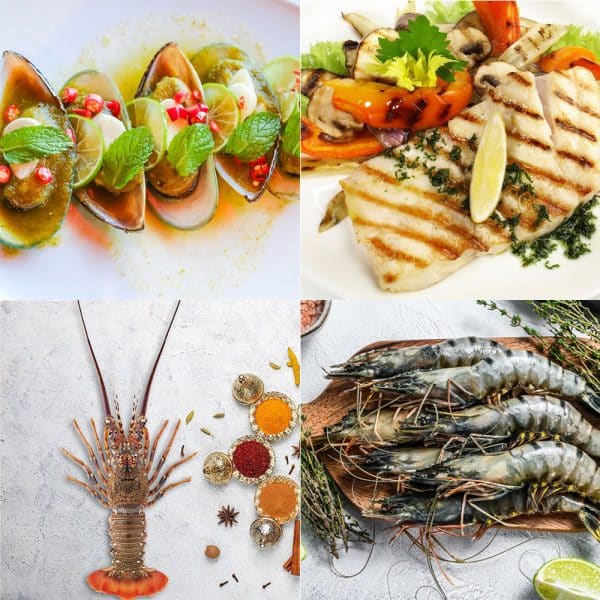
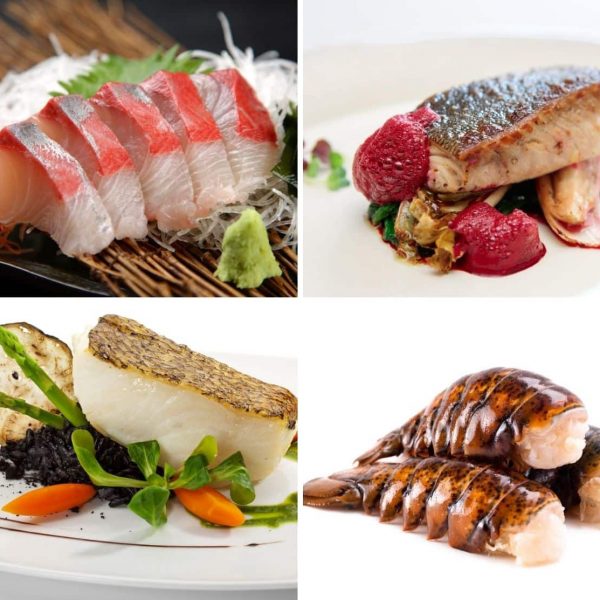
Frozen Bundle Packs are built for flexible cooking without overthinking it: mix-and-match fillets, steaks, and seafood staples so you can go pan-first or oven-first depending on the night. The idea is simple—variety on standby, so you’re not stuck buying one fish and committing to it for a week. On the category page, the range is positioned for everyday meals as well as “stocking up” scenarios, with bundles curated to give you different flavours and textures across the box.
Portions for speed, predictable sizing, portion control
If your plan is quick midweek meals, look for bundles that lean into pre-portioned pieces and consistent pack formats. Predictable weights make portioning easier (two pieces for tonight, the rest for later), and it’s the simplest way to keep waste down without turning dinner into a spreadsheet. This is where “Family Pack” style bundles shine: a practical mix that’s aimed at repeatable meals rather than a one-off showpiece.
Grill- and high-heat friendly
For higher heat, structure matters. In bundle terms, you’re looking for pieces that naturally hold their shape—think firmer cuts, thicker steaks, and selections that behave well in a hot pan or on a grill without falling apart. Pay attention to practical specs in the product details such as skin-on options (texture leverage) and pin-boned prep notes (less faff at the pass).
Entertaining, smoking, batch prep, and “prep-it-yourself” value
For hosting, bundles often shift from “portion speed” to “range and impact”—bigger cuts you can present, slice, or build into multiple dishes. The page explicitly calls out whole fish for grander presentations alongside fillets and steaks for easier prep, so you can choose how hands-on you want to be.
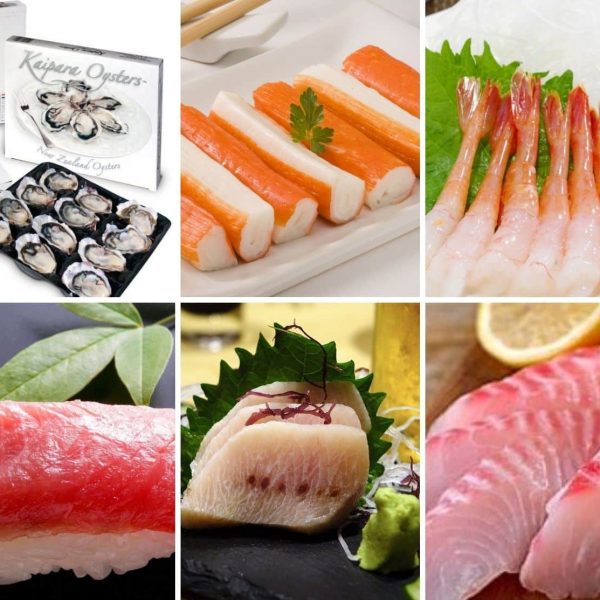
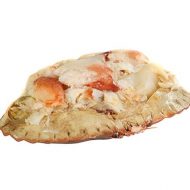
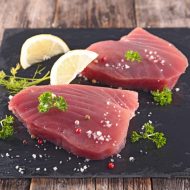
Speciality bundles (for example, sashimi-leaning or shellfish-forward boxes) are best treated as ready for specific uses: choose them for the occasion, then let the product details dictate handling expectations.
Pick the Bundles Packs that matches your pan, your timing, and your appetite.
What Arrives at Your Door
When you order from frozenfish.direct, the goal is simple: your seafood stays properly frozen from dispatch to doorstep, with no guesswork. Orders are dispatched by DPD overnight courier and packed with dry ice in a polystyrene insulated box, which matters because it’s the combination of insulation plus a deep-cold source that helps keep fish frozen during transit. The box slows heat getting in; the dry ice does the heavy lifting on temperature, so your pack arrives in the condition it left us—solidly cold and transit-ready.
Delivery timing is handled in a way that avoids overpromising. Orders placed before the stated cut-off are prepared for next working day delivery on eligible days, and the checkout controls the valid delivery dates so you’re choosing from options the network can actually fulfil. That means fewer “where is it?” moments, and fewer missed-door dramas—because the date you select is already aligned with what can be dispatched and delivered.
When it arrives, treat it like you’ve just received a small, well-behaved piece of the cold chain. Open it promptly, check everything is still properly cold, then move items straight into the freezer, and follow the on-pack storage guidance for best results. If something is intended to be used sooner, keep it frozen until you’re ready to defrost in a controlled way—no leaving it to “see what happens” on the counter.
Dry ice is safe when handled normally, so keep it calm and practical: avoid direct skin contact, let the area ventilate, don’t seal dry ice in an airtight container, and keep it away from children and pets. It disappears on its own as it warms, so once your seafood is stored, you can simply leave any remaining dry ice to vent in a well-aired space.
Label-First Transparency
Buying frozen seafood online only feels risky when the details are fuzzy. We don’t do fuzzy. Each Bundles Packs product is laid out with the practical fields that actually change what happens in your pan: the cut, the weight/pack size, and—where it matters—whether it’s skin-on or skinless, and boneless or pin-boned. Those aren’t “nice-to-haves”; they’re the information you use to pick the right pack for your plan, your portions, and your cooking style.
You’ll also see wild or farmed where applicable, because that can affect preference and behaviour when you cook (fat level, flake, firmness). And when origin or catch area varies by item, we keep it precise: it’s shown on the product details, not guessed at with a category-wide promise. Same story for anything with extra processing—if you’re choosing cured, smoked, or prepared lines, you’ll find the ingredients listed where relevant, so you know exactly what you’re bringing home.
Allergens are handled the same way: clearly and visibly. Seafood allergens are flagged, and product pages don’t hide behind vague wording. The point is confidence—being able to choose quickly, cook predictably, and reorder the same outcome next week without crossing your fingers.
- Cut drives cooking. Weight drives timing. Skin drives texture.
- Boneless drives ease. Pin-bones drive prep. Portions drive planning.
- Origin informs preference. Method informs fat level. Pack size informs value.
- Processing informs ingredients. Allergens inform choices. Labels inform trust.
Storage and Defrosting
Frozen Bundles Packs are built for control, so treat them like a well-organised larder: keep them properly frozen, keep them protected from air, and you’ll get the best texture back out. The quickest quality killer isn’t “age” so much as air exposure—that’s how you end up with freezer burn (dry patches, dull colour, chewy edges). If you can, keep packs flat, don’t leave them rattling around in a half-empty drawer, and rotate stock the simple way: older packs to the front, new packs behind. Many items are vac packed, which helps reduce air contact, but it’s still worth keeping seals intact and re-wrapping anything you open.
Defrosting is where texture is won or lost. The calm default is fridge defrosting: it’s gentle, predictable, and kinder to flake and firmness. Keep the fish contained (in its pack or a covered tray), and plan for drip loss—that little puddle is normal, but you don’t want it soaking the flesh. If you’re defrosting skin-on portions, keep the skin protected so it doesn’t get scraped or torn; if something is pin-boned, handle it carefully so the fillet doesn’t split along the bone line.
Once defrosted, the biggest upgrade you can give yourself is boring and powerful: pat dry. Surface moisture is what makes fish turn watery or soft in a hot pan instead of taking a clean sear. A dry surface browns faster, the outside sets sooner, and the inside stays juicier. You’ll feel it in the bite: better structure, cleaner flakes, less “steamed” texture.
Different cuts behave differently. Lean, delicate pieces show mistakes quickly; fatty cuts forgive heat and stay moist even if you’re a touch heavy-handed. Either way, dry first and cook with intention.
Refreezing is the one area to stay conservative. If you’ve defrosted in the fridge and the pack has stayed cold and tidy, some products may be suitable to refreeze—but follow on-pack guidance, and if anything feels off (odd smell, mushy texture, too much time out), don’t refreeze. When in doubt, cook it once, enjoy it once, and keep the next pack ready in the freezer.
Cooking Outcomes
Pan-sear for crisp skin and a juicy centre
Start with a dry surface and a hot pan—that’s how you get colour without turning the fish watery. Place it in and leave it alone for the first stretch so the crust can form; if it’s sticking, it’s usually not ready to move yet. Watch the edges: you’ll see the flesh turn opaque and the skin tighten and crisp as it cooks up from the pan side. Then finish gently—turn the heat down or move to a cooler part of the pan so the centre stays moist and the flakes separate cleanly. Dry surface equals better sear. Gentle finish protects moisture. Resting evens temperature.
Oven-roast for even results and low stress
Roasting is the most repeatable route when you’re cooking multiple portions from a bundle. Arrange pieces with a little space so heat can circulate, and choose a moderate heat so the outside doesn’t overtake the middle. Doneness cues are practical: the thickest part should look opaque, the surface should feel set (not jelly-like), and a fork should separate the flesh into clean flakes without it crumbling to mush. Pull it slightly early and let it rest briefly—carryover heat will finish the centre without drying it out. Thickness changes timing. Fat content changes forgiveness.
Grill and high-heat cooking for firm cuts
Some items in Frozen Bundles Packs are built for higher heat—firmer fillets, skin-on pieces, or cuts that hold shape well—while others need a softer approach. Use the same core method: dry the surface, preheat properly, and don’t fiddle once it hits the grate. You’re looking for confident grill marks and a surface that releases cleanly; if it tears, it usually needed another moment to set. Keep the finish gentle by shifting to a cooler zone or reducing heat so the centre stays juicy rather than tightening up. Because bundles can include mixed species and formats, follow the product details for handling expectations like skin-on, pin-boned, or pre-cooked/cured lines.
Gentle finishing for portions and mixed bundles
Bundles often mean mixed thicknesses and portion formats, so manage them like a pro: cook thicker pieces first, then add thinner portions later, or move finished pieces to a warm plate to rest. The main mistake is overcooking—fish goes from springy and moist to dry and chalky fast, especially with lean cuts. A gentle finish protects texture: lower heat near the end, stop when the centre is just opaque, and rest briefly so moisture redistributes. If one pack contains fattier cuts, they’ll tolerate a little extra heat; if it’s lean and delicate, treat it like glass. Dry surface equals better sear. Gentle finish protects moisture. Resting evens temperature.
Nutrition Snapshot
Frozen Bundles Packs are a practical way to keep seafood in rotation without turning your dinner plan into a maths problem. Nutritionally, seafood is generally valued for being a high-quality protein source and for providing a mix of vitamins and minerals that vary widely by species and cut. The important bit (and the honest bit) is that nutrients vary by species, cut, and whether it’s wild or farmed, and they can also change with added ingredients in smoked, cured, or prepared items—so the best reference point is always the product details on each pack.
What you’ll notice in real life is that different bundles suit different eating patterns. Leaner white fish portions tend to feel lighter and cook quickly, while richer, fattier fish often feels more satisfying and can be more forgiving with heat. That’s not “health talk”; it’s just kitchen physics and appetite reality. Fat content influences texture. Texture influences cooking. Cooking influences consistency. If you’re choosing bundles for weeknights, predictable portion sizes can make it easier to build a balanced plate with whatever carbs and veg you already like.
Seafood also fits neatly into a balanced diet because it’s flexible: it can be the main protein alongside vegetables, grains, or potatoes, or used in smaller amounts in salads, pasta, or rice dishes. No moralising required—just options.
Use the nutrition angle the same way you use every other label-first field: pick what matches your preferences, your cooking style, and your routine, then check the product details for the specifics.
Provenance and Responsible Sourcing
Provenance matters because it changes what you’re buying — and because customers deserve more than vague promises. On frozenfish.direct, the rule is simple: we show method and origin details per product so you can choose what fits your preferences. That means you’re not forced to guess from a category headline. You can check the details that actually influence your decision, pack by pack.
This category can include a real mix: farmed Bundles Packs, wild Bundles Packs items where stocked, and speciality lines that are prepared for specific uses. Those differences aren’t “marketing”; they’re practical context. Farming method can influence fat level and consistency. Wild-caught listings often include catch area or similar origin markers. Speciality products may include added ingredients or processing steps, and those should be clearly shown in the product details so you can decide if they suit your kitchen and your preferences.
What we don’t do is pretend one label fits everything. If a statement can’t be guaranteed across every SKU, it shouldn’t be written as a category-wide promise. Instead, the product page is where you’ll see what’s true for that exact pack — for example, whether it’s wild or farmed where applicable, and the origin or catch area where that information is available for the item you’re viewing.
Provenance supports preference. Clear labels support trust. Evidence supports claims. If you care about method, origin, or how a product was produced, the fastest route is to choose based on the SKU-level fields and let the label do the talking.
Frequently Asked Questions
Is frozen bundle packs as good as fresh?
It can be — but the real comparison isn’t “frozen vs fresh”, it’s time and handling vs a locked-in moment. “Freshness” is basically a stopwatch: how quickly the seafood was processed, how cold it stayed, and how many handovers happened before it reached your kitchen. Frozen works differently: it locks in a point-in-time quality and holds it there, so the eating experience is less dependent on the last few days of the supply chain.
Texture and flavour deserve an honest answer. Freezing can affect moisture if the product is mishandled — think temperature swings, poor packaging, or thawing and refreezing. That’s where you’ll notice it: extra drip, a slightly softer bite, or dryness on the surface. But when freezing is done well and the cold chain stays steady, quality holds up extremely well. Good packaging reduces air exposure (which helps prevent freezer burn), and sensible defrosting protects texture — contained in the fridge, managed drip, then pat dry before cooking so you get better browning instead of steaming.
That’s also why the way frozenfish.direct operates matters: seafood is processed and frozen within hours, then shipped in insulated packaging with dry ice designed to keep it frozen through transit (including delivery via DPD on eligible next-working-day routes). The goal isn’t “marketing cold”; it’s predictable cold.
Which should you buy?
- Midweek: go for portionable packs and consistent weight bands — fast, low waste, easy planning.
- Entertaining: pick bundles with variety or larger pieces you can portion yourself, so plating and timing stay under control.
If you want predictable results, frozen is the easier way to make Bundles Packs a routine.
How do I defrost frozen bundle packs without them going watery?
“Watery” fish is nearly always drip loss showing up at the worst possible moment. When seafood freezes, tiny ice crystals form in the flesh. If the freeze is slow, if the pack gets temperature swings, or if it’s been through thaw–refreeze cycles, those crystals can grow and damage muscle structure. Then, when you defrost too warm or too fast, that damaged structure can’t hold on to moisture — so it leaks out, the surface looks wet, and the texture can feel soft instead of firm and clean.
The best way to avoid that is boring (boring is good): defrost in the fridge, contained, and controlled. Put the pack in a dish or tray to catch any liquid. If it’s vacuum packed, keep the packaging intact while it thaws — it limits air exposure and helps the fish defrost more evenly. If it isn’t vac packed, keep it covered and contained so it stays cold and doesn’t sit in its own runoff. Once thawed, open the pack, drain off any liquid, and pat the fish dry with kitchen paper before it goes anywhere near heat. That one step is the difference between a proper sear and accidental steaming.
A few cut-specific tips help:
- Portions are easiest: smaller mass, more even thaw, less chance of the outside warming while the centre is still icy. They also dry quickly, which helps browning.
- Thick fillets need more patience: the middle takes longer to come through, so keep them flat in the fridge and don’t rush them on the counter. Follow on-pack guidance for the safest handling.
- Steaks (cross-cut pieces) behave differently: they’re denser and can hold shape well, but any trapped liquid around the cut edges can interfere with browning — pat dry thoroughly and start with a hot pan.
As a backup, some items can be cooked from frozen (method matters — gentle heat and controlled timing), and we cover that separately so you’re not guessing.
Good defrosting is texture control.
Wild vs farmed bundle packs — what should I choose?
Wild and farmed Bundles Packs can both be excellent — the right choice usually comes down to the dish you’re cooking and the result you want, not a “good vs bad” scoreboard. Think of it like choosing butter vs olive oil: both work, but they behave differently once heat gets involved.
Here are the typical differences you’ll notice (with the usual caveat that species, season, and exact cut matter):
Fat level & forgiveness. Farmed fish often has a higher, more consistent fat level, which can make it more forgiving in the pan. That extra fat can protect against drying out, especially if you’re cooking portions quickly after a fridge defrost. Wild fish can be leaner depending on species and time of year, which can deliver a cleaner flavour but may need a gentler touch to keep it juicy.
Firmness & texture. Some wild-caught options may feel firmer and flakier, while some farmed options can be softer and richer in the mouth. Neither is automatically “better” — it’s about what you want on the plate. If you’re chasing a clean, defined flake, wild may suit the brief. If you want a plusher bite that holds moisture, farmed can be a smart pick.
Flavour intensity. Wild fish can have a more pronounced, “sea” character, while farmed fish often tastes milder and richer. That matters for pairing: stronger flavour can stand up to assertive seasoning; milder fish can be a blank canvas for sauces.
Consistency & planning. Farmed products are often more consistent in size and yield, which helps when you’re batch-cooking or trying to hit the same result every time. Wild can vary more — which is part of the appeal for some people, but it can change timing and outcome.
Price. Price tends to reflect supply, handling, and availability. You’ll often see differences between wild Bundles Packs items and farmed Bundles Packs items, but it’s not a quality verdict — it’s the market doing its chaotic little dance.
On frozenfish.direct, the simplest way to stay confident is to lean on the product details: each item clearly shows whether it’s wild or farmed and where it comes from, so you can choose based on your preferences rather than guessing.
For practical pairing, Bundles Packs that’s richer (often farmed, depending on the item) generally benefits from gentler cooking and sauces — think controlled heat, a light butter sauce, or a creamy or citrusy finish that plays nicely with a softer texture. Leaner options often do well with clean, high-heat methods and punchier seasoning, as long as you don’t overcook.
Choose by cooking method first, then by origin and method.
Which bundle packs should I buy for my plan?
When you’re buying a Frozen Bundles Packs deal, the fastest way to get it right is to match the bundle to your plan first, then sanity-check the two biggest outcome levers: thickness and skin. Thickness controls how forgiving the cook is; skin controls whether you get that “crisp edge / protected flesh” finish or a softer, flakier result.
Weeknight meals → portions + predictable packs
Pick a bundle built around fillets/portions and mixed species variety, so you can go pan-to-plate without thinking too hard. On the category page this is the “variety + convenience” end of the range (pre-portioned, ready-to-cook style bundles). Thin-to-medium portions cook evenly and are easiest to repeat across Tuesday-to-Friday routines.
Grilling → steaks / firm cuts (where available)
Look for bundles that include steaks or firmer pieces that hold shape. Thickness matters here: too thin and it dries fast; too thick and it can char outside before the centre behaves. If a bundle description hints at “steaks” or larger cuts, that’s the grilling-friendly signal.
Entertaining → party-style bundles + mixed textures
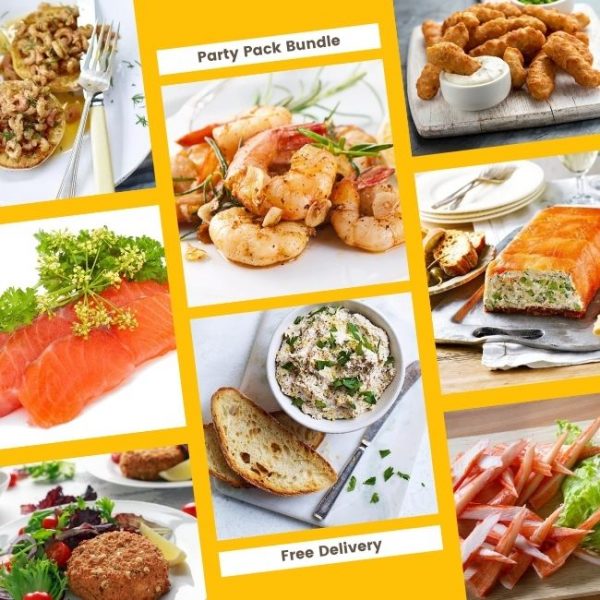
For platters and “feed a few people” nights, the category clearly leans into party packs and mixed selections (large/small party bundles, shellfish options, and special-occasion combos). These work because you get variety without juggling ten separate items—different bites, different cook methods, same shopping decision.
Prep-it-yourself → whole fish / bigger pieces
If you like doing your own portions, go for bundles that include whole fish or larger cuts. Whole fish is the “presentation + flexibility” play: you choose how to portion, whether to keep skin on, and how to serve. The page explicitly calls out that bundles can include whole fish as well as fillets and steaks.
Special occasions → speciality bundles (and smoked/cured lines when stocked)
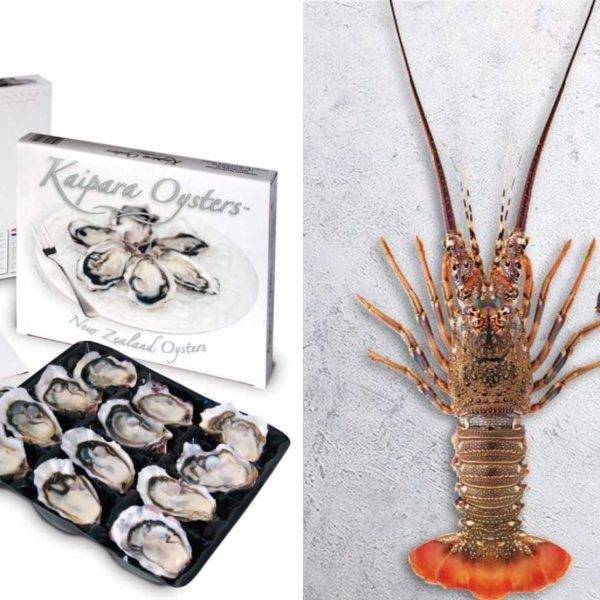
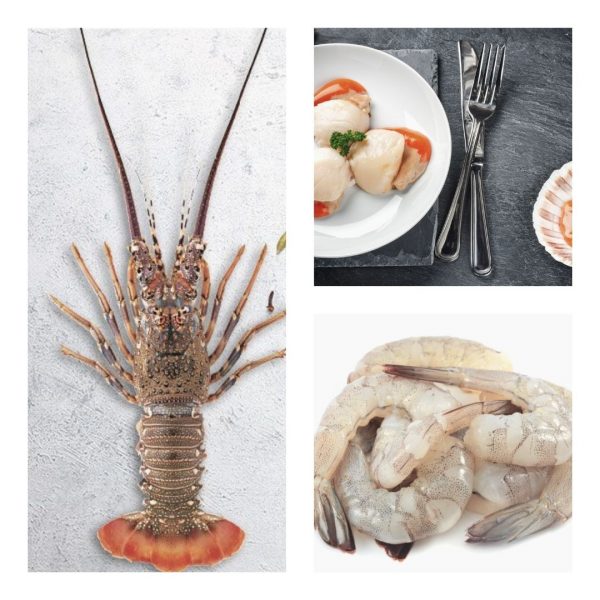
On this page, “special” is very literal: think sashimi-style bundles and luxury pairings (like lobster/oyster bundles) that are designed around a specific use rather than general cooking. If you see smoked/cured-style bundles appear in the range, treat them as “serve-first” products—follow the product details rather than improvising.
If you only buy one thing: start with a general mixed Fish Bundle / Traditional-style bundle—it’s the safest “covers most meals” option, then use thickness + skin notes on each product to fine-tune outcomes.
Pick the cut that matches your heat source and your timing—and let thickness and skin do the decision-making heavy lifting.
Can I cook bundle packs from frozen?
Yes — often you can — but method matters.
The two things that decide whether “cook from frozen” works are thickness and surface moisture. Frozen fish (and many seafood items) carries extra water on the outside as ice or glaze. If you throw that straight into a ripping hot pan, the ice melts, turns to steam, and you end up steaming before you sear. That’s why direct high-heat searing is the least forgiving option from frozen. Ovens, air-fryers, and a covered pan are usually kinder because they cook more evenly first, then let you finish with higher heat for colour.
Here’s a safe, practical way to do it in one calm flow. First, remove all packaging — never cook vacuum packs or plastic sleeves. If pieces are stuck together, separate them as best you can without forcing it. If you see heavy surface ice, give the piece a quick rinse to knock off loose crystals, then pat dry thoroughly with kitchen paper; dry outside equals better browning later. Start with gentler heat to let the centre catch up: in the oven or air-fryer, follow the on-pack guidance and place on a tray so hot air can circulate; in a pan, begin on a moderate heat with a lid on so it cooks through without scorching. Once the fish is mostly opaque and feels firmer to the touch, finish hotter — lid off and a quick sear in the pan, or a final blast of heat in the oven/air-fryer — to get the surface looking right.
When should you not cook from frozen? If you’re working with very thick pieces and you want a perfect, restaurant-style sear, defrosting first usually gives a better result: you can dry the surface properly and control browning without overcooking the outside. Also, speciality cured/smoked-style products should follow the product guidance, because handling and heating expectations can vary (some are ready-to-eat, others are meant to be warmed gently, and seasoning levels can be different).
Frozen-to-oven is the weeknight cheat code when you need Bundles Packs now.
How long does frozen bundle packs last, and how do I avoid freezer burn?
Frozen food is a bit like time travel with paperwork. Safety and quality are not the same thing. Kept properly frozen, Bundles Packs can remain safe to eat for a long time, because deep cold slows microbial growth right down. But quality can still drift over time: texture can dry out, flavours can flatten, and delicate pieces can lose that “just-right” bite. The most accurate rule is the boring one: follow the on-pack storage guidance for the specific product you bought, because different species, cuts, and packaging formats behave differently.
The main quality enemy is freezer burn. Freezer burn isn’t “gone off” — it’s dehydration caused by air exposure in a cold, dry freezer environment. You’ll spot it as dry or whitish patches, duller colour, and sometimes ice crystals inside the pack. Cooked, it can show up as tougher texture, a slightly cottony mouthfeel, or edges that seem dry even when the centre is fine.
Avoiding it is mostly about controlling air and keeping the cold steady:
- Keep packs sealed until you’re ready to use them. If you open a pack and don’t use it all, re-wrap tightly with minimal trapped air (or re-bag well) and get it back into the freezer fast.
- Minimise air exposure when portioning. Open, portion, reseal, freeze — don’t leave seafood hanging around while you decide what you feel like cooking.
- Store flat where you can. Flat packs freeze (and re-freeze) more evenly and are easier to stack without crushing.
- Rotate stock: older packs to the front, newer packs behind. It’s not glamorous, but it works.
- Keep your freezer stable. Big temperature swings (frequent door opening, overloading warm groceries, or a freezer that runs “soft”) encourage ice crystals and moisture loss over time.
This is where packaging matters in real life: many products are vacuum packed, which helps reduce air contact with the fish and slows the dehydration process that causes freezer burn. Vacuum packing isn’t magic — nothing beats time forever — but it’s one of the best practical tools for keeping texture and flavour where you want them.
Good packaging and steady cold are what keep Bundles Packs tasting like Bundles Packs.