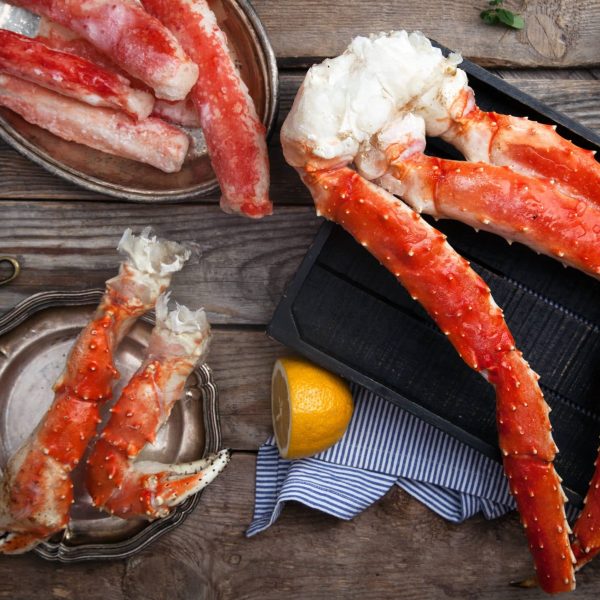
Why Buy Frozen King Crab?
Frozen King Crab is one of those products where frozen isn’t a compromise — it’s the control switch. When crab is frozen properly, you’re buying repeatability: the same portion size, the same starting temperature, and the same cooking window you can plan around. That matters with a premium item, because it reduces the two big risks people hate: over-ordering “just in case” and under-serving by accident.
Frozen also helps with portioning and waste. You can take what you need and keep the rest properly stored, instead of feeling pressured to use everything immediately because the clock is ticking. It makes menu planning simpler for family meals and genuinely stress-free for special occasions: you can order in advance, keep it frozen, and cook when the moment is right.
On “fresh vs frozen”, the key is being honest about time. “Fresh” seafood can still travel through a long supply chain — landed, packed, chilled, transported, held, and delivered — and those hours add up. Freezing locks in quality at a point in time, so what you cook is closer to what the seafood was like when it was processed, rather than what it has become after days of chilled handling. At frozenfish.direct, the approach is straightforward: seafood is processed and frozen within hours — and where it’s stated on-site for specific products, within 3 hours of being caught — to capture texture and flavour before the supply chain can blur the edges.
- Freezing slows spoilage. Cold storage preserves texture. Vacuum packs reduce air exposure.
- Portions reduce waste. Consistent weights improve cooking. Frozen stock improves meal planning.
- Clear cuts reduce guesswork. Pack formats improve value control. Label details improve confidence.
The result is simple: fewer surprises, more control, and King Crab that shows up ready for you to cook on your schedule — not the courier’s.
Choose Your King Crab
King Crab Legs
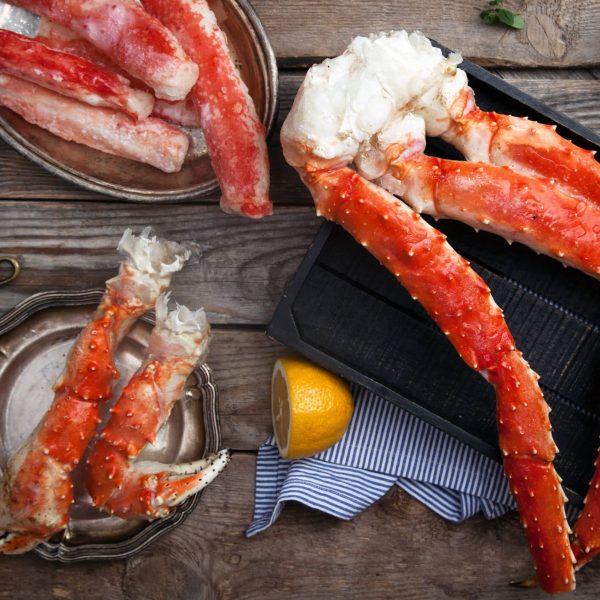
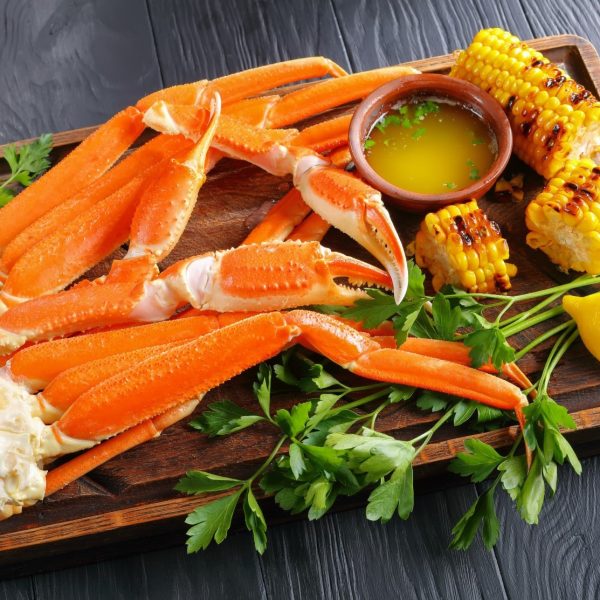
If you want maximum versatility with minimum guesswork, start with King Crab legs. They’re built for the classics: a fast finish in the oven or a gentle warm-through in a pan, and they suit “quick midweek” meals as well as weekend plates. Legs are also where you’ll most often see clean, simple labelling around glaze percentage, net weight, and whether you’re buying raw or pre-cooked crab. For home cooks, that means predictable results: you’re working with a known format, a known portion size, and a known eating style.
Claws & Knuckles
For people who like bolder texture and a bit more “crab character,” claws and knuckles are the move. These cuts tend to hold their shape well and usually have a higher tolerance for higher heat, which makes them useful for a quick grill finish, a hot pan sear, or tossing into a sauce without everything shredding. They’re great when you want meatier bites and a slightly firmer chew — the kind of crab that still feels like crab after a lively cook.
Split Legs & Sections
If speed and portion control are your priorities, look for split legs or pre-cut leg sections. Because they’re already opened up, they heat through quickly and give you more predictable timing — ideal for weeknight portions, smaller appetites, or when you’re cooking multiple items and want your crab to behave. This format also makes it easier to serve neatly and avoid over-handling delicate meat.
Whole King Crab & Large Pieces
Planning a proper moment — entertaining, smoking, batch prep, or building a platter where presentation matters? Whole King Crab or larger mixed pieces lean into theatre and flexibility. You can slice your own portions, control the size of each serving, and tailor the texture you want, whether you’re aiming for chunky bites in a salad or generous pieces for sharing. This is the choice for people who want to prep themselves and prefer full control over portioning.
Speciality Prep Options
If you see speciality King Crab items in the range, treat them as ready for specific uses — clean formats designed for a particular job, like quick pan work, platter serving, or recipe-led portions. Keep your decision anchored to the label: cut, pack size, and whether it’s wild-caught, vacuum packed, and sized for your cooking method.
Pick the King Crab that matches your pan, your timing, and your appetite.
What Arrives at Your Door
“Dispatched by DPD overnight courier.” That’s the simple promise, but the reassurance is in the cold-chain details that sit behind it.
“Packed with dry ice in a polystyrene insulated box” so the temperature stays where it should be while your order is in transit. Dry ice is significantly colder than standard freezer ice, and the insulated box slows heat gain from the outside world, which helps keep seafood frozen during the journey rather than merely “cool.” In practice, that means your King Crab is travelling in a controlled cold environment designed to protect texture, flavour, and the condition you bought it in.
Delivery timing is handled in a way that’s meant to be accurate, not vague. Orders placed before the stated cut-off are prepared for next working day delivery on eligible days, and checkout controls the valid delivery dates you can select. That matters because cold-chain shipping works best when dispatch and delivery are matched to real-world carrier movements, weekends, and service availability—so the system guides you to options that make sense for your postcode and the day you’re ordering.
When your box arrives, the best first move is simple: bring it inside and open it promptly, check the packs are still properly cold, then move everything straight into your freezer. After that, treat the label as the final authority—follow the on-pack storage guidance for best quality and handling, especially if you plan to portion anything before refreezing.
A quick note on dry ice, calmly: it’s safe when handled sensibly. Avoid direct skin contact (use a cloth or gloves), keep the area ventilated, don’t seal dry ice in an airtight container, and keep it away from children and pets. Once you’ve put your seafood away, let any remaining dry ice dissipate naturally in a well-ventilated space.
This is cold-chain shipping done like a cold-chain operator: practical, controlled, and built to get your King Crab to you in the condition you intended to buy.
Label-First Transparency
When you’re buying King Crab online, confidence comes from specifics—not sales talk. That’s why each item in our Frozen King Crab range is presented with the practical details you actually use to make a good decision at home.
Every product listing clearly states the cut (so you know what you’re working with), the weight/pack size (so you can plan portions and value), and the key preparation notes that affect cooking results. Where it’s relevant to the product, you’ll also see whether it’s skin-on/skinless and boneless/pin-boned—those fields matter more for finfish, but the principle is the same: we show the format in a way that helps you predict texture, prep time, and serving style. Where applicable, we also indicate whether the product is wild or farmed, because sourcing method can influence expectations around flavour profile and consistency.
Origin and catch area can vary by item, so we don’t make sweeping category claims. Instead, it’s shown on the product details for the specific pack you’re choosing—so you can decide with accuracy, not assumptions.
Allergen information is not hidden or vague: King Crab is clearly flagged as a crustacean allergen. If you’re buying a value-added product (for example, cured, seasoned, or smoked lines where they exist), you’ll also see ingredients listed so you know exactly what’s in the pack beyond the seafood itself.
- Cut drives cooking. Weight drives timing. Pack size drives planning.
- Origin informs preference. Method informs consistency. Details inform confidence.
- Format guides prep. Portion guides spend. Clarity guides repeat orders.
- Label reduces guesswork. Specifics reduce waste. Consistency reduces stress.
Storage and Defrosting
Frozen King Crab is at its best when you treat it like a high-value ingredient that just happens to be perfectly paused in time. The aim is simple: keep it properly frozen until you need it, then thaw it in a way that protects texture — so it stays firm, sweet, and clean rather than watery and soft.
For storage, keep King Crab solidly frozen and protect it from air exposure. Air is what drives freezer burn: dehydration that shows up as dry patches, dull colour, and a tougher bite. If your crab is vac packed, that’s a real advantage because it reduces air contact, but it still helps to store packs flat and snug so they don’t get torn or squeezed open. Rotate stock like a calm professional: older packs forward, newer behind. It sounds small, but it’s the difference between “this is excellent crab” and “this is fine crab.”
When it’s time to defrost, the default is fridge defrost. It’s the most forgiving route for texture and food handling, and it gives the crab time to relax back into firmness rather than dumping water all at once. Keep the pack contained — a bowl or tray underneath is enough — because drip loss is normal and you don’t want it wandering around your fridge. If the crab is portionable, separate what you need while it’s still semi-firm; it’s easier, cleaner, and you avoid unnecessary handling later.
Before cooking, take ten seconds to pat dry. Surface moisture is what turns searing into steaming, and that’s when crab can go soft instead of staying gently flaky. A dry surface helps you get better colour and cleaner flavour, whether you’re finishing in a hot pan, on a grill, or under a fierce oven heat.
Different cuts behave differently. Thicker pieces hold their firmness better but punish overcooking; fatty cuts forgive heat a little more. If you’re working with skin-on or pin-boned seafood elsewhere in the shop, the same logic applies: surface and thickness control outcomes — but always follow the product details for your specific King Crab item.
On refreezing, stay conservative. If it thawed in the fridge, stayed cold, and was handled cleanly, some products may tolerate refreezing, but quality usually takes a hit and texture can turn more watery after a second cycle. If in doubt, don’t refreeze — and always follow on-pack instructions first.
Cooking Outcomes
Pan-Sear + Gentle Finish (fast, clean flavour, best colour)
Start with a dry surface and a properly hot pan so the first contact gives you colour instead of steam. Place the King Crab down and leave it alone long enough to form a light crust — you’re looking for a fragrant, toasted aroma and a surface that looks lightly bronzed, not pale and wet. Once you’ve got colour, finish gently: lower the heat or move it to a slightly cooler part of the pan so the centre warms through without tightening. The doneness cue is feel and look: the flesh turns opaque and firms up, but still has a springy tenderness when pressed. Dry surface equals better sear. Gentle finish protects moisture. Resting evens temperature.
Oven Roast or Air-Fryer Finish (even heat, great for thicker pieces)
Oven-style heat is forgiving when thickness varies, because it warms through more evenly than direct high heat. Arrange pieces with space so hot air can circulate, then cook until the surface looks set and the crab gives off that sweet, briny aroma rather than a “raw” cold smell. For colour, you can finish with a short blast of higher heat at the end — the goal is light browning without drying the edges. Watch the texture: perfectly cooked King Crab stays firm and flaky, while overcooked crab shifts toward rubbery and slightly stringy. Thickness changes timing. Fat content changes forgiveness.
Grill or High-Heat Sear (bold edges, best for sturdy cuts)
Use this for pieces that hold shape and tolerate heat — where available — rather than very delicate or thin portions. Make sure the surface is dry, then cook over confident heat until you see clear sear marks and the exterior looks slightly tightened. Flip once, keep it simple, and avoid constant turning; crab doesn’t need agitation, it needs controlled heat. Your cue is aroma and resistance: when it smells sweet and the flesh feels firm with a little give, you’re there; if it starts to look shrunken, you’ve pushed it too far. If your product details specify a particular cut or preparation style, follow that handling — different King Crab items have different expectations.
Gentle Warm-Through (butter-baste, covered pan, sauce-friendly)
When you want maximum tenderness, warm the crab through gently and let flavour do the heavy lifting. Use moderate heat, keep moisture in the pan, and stop as soon as the flesh is hot and opaque — lingering is what makes it tough. This is the best route for smaller portions or pieces you’re serving with butter, garlic, chilli, or a light cream sauce, because the crab stays juicy instead of drying out. Let it rest briefly before serving so the heat evens out and the texture settles rather than spilling juices. Dry surface equals better sear. Gentle finish protects moisture. Resting evens temperature.
Nutrition Snapshot
King Crab is mostly about clean, sweet seafood flavour and a firm, satisfying bite — and nutritionally it tends to sit in that “simple protein-forward” lane that fits easily into everyday meals. The exact nutrition profile will vary by species, cut, and how the crab has been prepared, and it can also differ depending on whether an item is wild or farmed, so the safest way to compare is to use the product details on each listing.
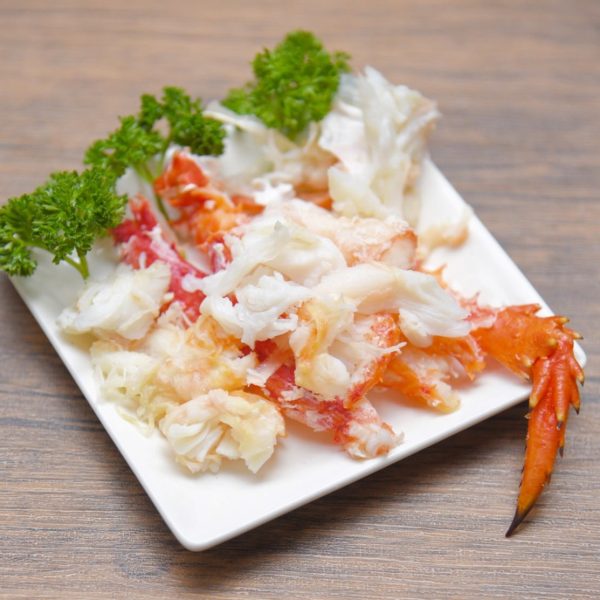
In general terms, King Crab is valued for being naturally rich in protein and containing a mix of vitamins and minerals that are common across many shellfish. You’ll also see differences between products that are plain versus seasoned, smoked, or otherwise prepared — those options can change ingredients and salt levels, which is why label-first buying matters here. If you’re choosing for a specific preference (lighter, richer, cleaner, more savoury), the “per product details” information is the most reliable guide.
There’s a practical cooking angle to this too. King Crab is not a high-fat fish, and that leanness is part of why it tastes clean — but it also means it rewards gentle handling. Leaner seafood can lose moisture more quickly if it’s overcooked, while thicker pieces and certain preparations can feel more forgiving. That’s why cut and portion size aren’t just shopping filters; they’re texture controls.
As with any food, it works best as part of a balanced diet: pair it with simple sides, sauces, and cooking methods that match your goal — quick midweek portions, grill-friendly pieces where available, or impressive cuts for the table. Check the product details, choose the cut that suits your plan, and you’ll get predictable results from King Crab.
Provenance and Responsible Sourcing
With King Crab, provenance isn’t a slogan — it’s the practical information that helps you buy with your eyes open. We show method and origin details per product so you can choose what fits your preferences. That matters because “King Crab” can cover different species, different supply routes, and different preparation styles, and those differences show up in flavour, texture, and how you like to cook it.
On each SKU, look for the origin and harvesting or production method shown in the product details. Where the catch area or country of origin varies by item or batch, it should be stated at product level rather than assumed for the whole category. The point is simple: you shouldn’t have to guess whether you’re choosing a wild-caught line versus a farmed line, or whether a product has been prepared in a way that suits your plan.
This category may include farmed King Crab items as well as wild King Crab items where stocked, plus speciality lines designed for specific uses — for example, ready-to-serve legs/clusters, portioned formats, or prepared products that bring their own ingredients and handling notes. Those speciality lines can be brilliant for entertaining or fast service, but they also make label-reading more important: ingredients, glazing, and preparation style can differ, and the product details are the safest place to confirm exactly what you’re buying.
- Provenance supports preference. Clear labels support trust. Evidence supports claims.
If a claim can’t be guaranteed across every product in the category, it shouldn’t be sold as a blanket promise. Treat provenance as SKU-specific: check the details, choose the method and origin that match your values and your cooking plan, and you’ll end up with King Crab that fits your table — not just the marketing.
Frequently Asked Questions
Is frozen king crab as good as fresh?
“Fresh” is really a story about time and handling. If a crab has spent days moving through boats, markets, processing, chilled transport, and shop fridges, it can still be sold as “fresh” — but it isn’t the same as “just caught”. Frozen is a different promise: it locks in a point in time, then keeps that quality stable until you’re ready to cook it. (Frozen Fish Direct)
With King Crab, the quality you notice most is texture (that clean, sweet bite) and juiciness. Freezing can nudge moisture around if the product is poorly packed, temperature-abused, or thawed badly — that’s when you get watery drip loss and softer fibres. When it’s frozen well and handled calmly, you’re protecting the eating experience you actually paid for: firm pieces, clean flavour, and predictable results. (Dry surface equals better sear. Gentle heat protects moisture. Resting evens temperature.)
What frozenfish.direct is leaning into is process control: they describe seafood being prepared, packed, and frozen quickly (their on-site wording uses a “within 3 hours” claim), and they frame “fresh” as something that can already be several days old by the time it reaches a customer, depending on the supply chain. That’s not an attack on anyone — it’s just physics plus logistics.
Then there’s the part customers actually worry about: “Will it arrive properly frozen?” Their wider site messaging states orders are dispatched by DPD overnight, packed with dry ice in a polystyrene insulated box, designed to keep seafood frozen on arrival. That packaging detail matters because it turns “frozen online” from a leap of faith into a cold-chain system.
A practical way to choose is by use-case:
- Midweek ease: smaller, portionable options (or ready-to-use crab meat where stocked) for fast pans and tidy portions.
- Grill and high-heat cooking: meaty legs/clusters that hold shape and forgive bolder heat.
- Entertaining: bigger formats where presentation and abundance matter, and you want repeatable timing across a table.
If you want predictable results, frozen is the easier way to make King Crab a routine.
How do I defrost frozen king crab without it going watery?
“Watery” King Crab is almost always thawing damage, not a “bad crab” problem. When seafood freezes, ice crystals form inside the flesh. If it freezes slowly, warms up during transit/storage, or gets thawed too warm, those crystals get bigger and break more structure. When the crab finally thaws, the broken structure can’t hold moisture — so you see drip loss (liquid in the pack) and the meat can feel softer. The other big culprit is repeated thaw/refreeze cycles: each cycle pushes more moisture out and dulls that clean, sweet bite.
The best way to keep texture is to treat defrosting as controlled, cold hydration management:
Start with a fridge defrost as your default. Keep the crab contained the whole time — ideally on a tray or in a bowl so any liquid doesn’t spread around your fridge. If it’s vacuum packed, keep it sealed and intact while it defrosts; that limits air contact and helps reduce dehydration and freezer burn flavours. If the packaging isn’t watertight, put it inside a clean bag or covered container so you’re controlling the mess without letting the crab sit in a puddle.
Once it’s thawed, open the pack and drain off the liquid. Then do the simplest, most powerful step: pat the surface dry with kitchen paper. A dry surface gives you a better sear, cleaner flavour, and less steaming in the pan. After that, cook confidently — but don’t “soak” it or rinse aggressively unless the product specifically calls for it on-pack, because you’re just adding water back onto the surface.
Tips by cut (because different shapes thaw differently):
- Portioned crab meat / smaller pieces are the easiest: they defrost evenly and you can dry them quickly for tidy texture.
- Thick leg sections or big clusters need a slower, colder thaw so the outside doesn’t warm up while the centre is still icy; keep them contained and give them the time the pack guidance expects.
- Shell-on, cross-cut sections behave a bit differently: the shell slows thawing, and liquid can collect in pockets, so drain well and dry the exposed meat before cooking.
If you’re in a hurry, cooking from frozen can work as a backup (gentle heat first, then finish hotter), but it’s harder to control moisture — treat it as Plan B, not the default.
Good defrosting is texture control.
Wild vs farmed king crab — what should I choose?
Both wild and farmed King Crab can be excellent — the smart choice isn’t “which is better?”, it’s which one fits your dish, your timing, and your budget. Think of “wild vs farmed” as a set of trade-offs: flavour style, texture, consistency, and often price.
Wild King Crab (when stocked) often leans towards a more distinctive, “sea-forward” flavour and a firmer bite, but it can vary more from pack to pack because wild seafood naturally reflects season, location, and what the animal has been eating. Some people love that character — it tastes like it has a story — while others prefer results that behave the same every time. Wild options can also come with a higher price tag, partly because supply is less predictable and costs around catching, handling, and logistics tend to be higher.
Farmed King Crab items (when stocked) often lean into consistency: more predictable sizing, steadier texture, and a flavour profile that can feel a bit more uniform. That doesn’t mean “bland”; it means the variance is usually lower, which can be a big advantage if you’re cooking for guests or you want repeatable results week after week. Price can be more stable too, although it still depends on species, processing, and pack size.
The most useful way to decide is to start with what King Crab is best at: sweet, delicate meat that rewards gentle handling. King Crab doesn’t want to be bullied by high heat for long. Whether wild or farmed, you’ll usually get the best result by keeping the approach simple: warm through carefully, then finish with flavour. Butter, garlic, lemon, chilli, miso, light cream sauces, or a quick glaze all work because they support the crab’s sweetness rather than masking it. If you’re grilling or using a hot pan, aim for brief contact and a gentle finish so the meat stays juicy instead of tightening up.
On frozenfish.direct, the quickest way to make an informed choice is to use the product details: each item shows whether it’s wild or farmed, plus the origin information for that specific SKU. That means you can choose based on what you value — character vs consistency, firmer bite vs softer sweetness, and where the crab comes from — without guessing.
Buyer’s shortcut: Choose by cooking method first, then by origin and method.
Which king crab cut should I buy for my plan?
When you’re buying King Crab, the fastest way to get a great result is to match the cut to your plan — not the other way round. King Crab is a “reward the details” ingredient: choose well, and it practically cooks itself.
For weeknight meals, go for portions. They’re already portionable, they defrost more evenly, and they cook predictably. If your goal is “quick, no drama, still feels fancy,” portions are the move — especially when you want a controlled cook in a hot pan or a gentle warm-through with a sauce.
For grilling (where available), look for pieces that hold their shape and tolerate high heat better — typically thicker, sturdier cuts that won’t fall apart when you flip them. Grill success comes down to surface control and structure: you want something you can handle confidently on the bars, then finish without overcooking. If you’re browsing, prioritise products that explicitly suit grilling in the product details.
For entertaining, think in terms of presentation and serving flow. Larger format cuts (or multiple generous portions) make plating easier and keep the centre juicier because there’s more thermal “buffer.” If you’re serving a table, predictable sizing also helps you time everything — you don’t want one piece perfect and another overdone.
For a prep-it-yourself approach, choose whole King Crab. It’s for people who like control: you decide the portion size, you choose how thick to cut, and you can plan a bigger prep session (batch prep, slicing your own pieces, or splitting it across meals). It’s also a satisfying option when you want the process to be part of the occasion.
For special occasions, consider smoked/cured lines (where stocked). They’re “ready for specific uses” — more about flavour and serving moments than pan technique. Think platters, canapés, or finishing touches where the product does more of the talking.
Two levers matter most for outcomes: thickness and “skin” (or surface structure). Thickness controls how forgiving the piece is — thicker cuts give you more time to get the centre right. Surface structure affects sear and texture — a drier, firmer exterior behaves differently under heat than a softer, more delicate surface. Product details will tell you what you need to know; you don’t have to guess.
If you only buy one thing: buy portions. They’re the most versatile, the most predictable, and the easiest way to make King Crab feel routine rather than risky.
Pick the cut that matches your heat source and your timing.
Can I cook king crab from frozen?
Yes — often you can cook King Crab from frozen, but the method matters more than the ambition.
The main challenge is physics, not flavour: thickness controls how long it takes the centre to heat through, and surface moisture controls whether you get browning or steam. When you take crab straight from frozen, the outside is cold and damp (sometimes with surface ice), so a ripping-hot pan sear can give you the worst of both worlds: the outside turns wet and steamy while the middle is still catching up. That’s why oven cooking, an air-fryer, or a covered pan is usually more forgiving from frozen — they warm the crab more evenly first, then you can finish hotter to improve colour and texture.
A practical frozen-to-cooked approach looks like this in real life. First, remove all packaging (never cook in the plastic unless the pack explicitly says it’s designed for that). If there’s surface ice, give it a quick rinse under cold water to knock it off, then pat dry thoroughly with kitchen paper — the drier the surface, the better the texture you’ll get later. Next, start with gentler heat: use the oven, air-fryer, or a pan with a lid so the crab warms through without the outside toughening. Once it feels close to done (you’re aiming for hot through, not hammered), switch to a hotter finish: a brief blast of higher heat, or a quick pan finish with a little butter/oil, just long enough to improve the exterior and drive off lingering moisture. If you’re adding a sauce or glaze, add it near the end so it coats rather than boils.
When shouldn’t you do it? If you’ve got very thick pieces and you want a perfect, restaurant-style sear, defrosting first is the better route — it gives you a drier surface and more control. Also, speciality cured/smoked-style products (where stocked) should be treated as their own category: follow the product guidance, because “cook it like plain crab” isn’t always the right call.
Frozen-to-oven is the weeknight cheat code when you need King Crab now.
How long does frozen king crab last, and how do I avoid freezer burn?
Frozen King Crab can last a long time in the freezer, but it helps to separate two ideas that often get mixed up: safety and quality. From a food-safety point of view, properly frozen seafood stays safe for a long time as long as it remains solidly frozen and you handle it cleanly when you open it. What changes first is quality — texture, sweetness, and that clean “just-cooked” crab bite can slowly fade if the crab is exposed to air, temperature swings, or repeated thaw-and-refreeze moments.
That’s where freezer burn comes in. Freezer burn isn’t “gone bad” — it’s dehydration. In a freezer, cold air is very dry, and when seafood is exposed to air (even a little), moisture migrates out of the surface over time. The clues are usually obvious: dry or pale patches, duller colour, and sometimes frosty crystals inside the pack. On the plate, freezer-burnt crab can feel tougher, drier, or slightly “stale”, because the surface has literally lost water and picked up freezer odours.
Avoiding it is mostly boring discipline — which is great, because boring is repeatable. Keep packs sealed and minimise air exposure. If you open a pack and don’t use it all, re-seal it tightly straight away, or move the crab into an airtight freezer bag or container with as little trapped air as possible. Store packs flat where you can: it helps them freeze and stay cold evenly, and it’s easier to stack without crushing. Keep your freezer stable — frequent door-opening, overfilling, or a freezer that struggles to hold temperature can cause tiny thaw-and-refreeze cycles that wreck texture over time. Finally, rotate your stock: bring older packs to the front so you use them first, and follow any storage guidance printed on the packaging.
This is also where packaging does real work. Many Frozen King Crab products are vacuum packed, which helps reduce air exposure — and less air usually means less dehydration and less chance of picking up freezer smells.
For “how long,” the safest, most accurate answer is: use the on-pack guidance as your reference point, and aim to enjoy it while it still tastes its best rather than chasing a hard deadline. Good packaging and steady cold are what keep King Crab tasting like King Crab.