Why Buy Frozen Raw Lobster?
Buying Frozen Raw Lobster isn’t a compromise — it’s a quality-control choice. Freezing turns a fragile, time-sensitive luxury into something you can portion, store, and cook on your schedule, so you’re not forced into “use it today or lose it” decisions. It also makes results more repeatable: when you choose a known cut and a known weight band, you can plan your timing and your finish with far less guesswork, and you’re less likely to waste expensive seafood because plans changed.
Freezing slows spoilage. Cold storage preserves texture. Portions reduce waste. Consistent weights improve cooking. Sealed packs reduce air exposure.
The “fresh vs frozen” debate is usually really a debate about time. “Fresh” can still travel through multiple hands and multiple days before it reaches a kitchen, and that time adds up. Frozen locks in a point-in-time quality and holds it steady until you’re ready. As a general principle, seafood that’s processed and frozen within hours is aiming to capture peak condition before time and handling start to dull it. On frozenfish.direct we state that our fish is filleted, packed and frozen within 3 hours of being caught; that’s the kind of tight window that’s designed to protect quality, and it’s why frozen can be the more predictable buy than seafood that’s simply marketed as fresh but has had a longer journey.
From a buying point of view, frozen raw lobster is simply easier to manage. You can build a meal around a centrepiece whole lobster, keep tails for tidy portions, or use raw lobster meat for fast luxury finishes — all without the stress of racing the clock. Plan first, pick your format, then match the weight band to your pan and your timing.
Choose Your Cut
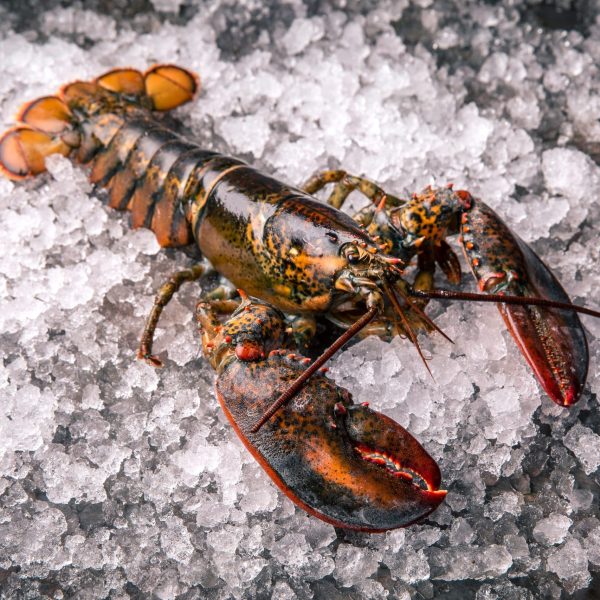
Whole Raw Lobster
Whole raw lobster is the pick for people who want to prep themselves and control the finish. It’s versatile across oven and pan work: roast for a proper centre-piece, or split and go straight onto a hot pan or plancha when you want a faster, more direct cook. Shell-on cooking gives you a bit more forgiveness, because the carapace acts like a built-in buffer while you chase the texture you want. It’s also the best route if you like turning the shell into stock for sauces, bisque-style bases, or a richer finish later in the week.
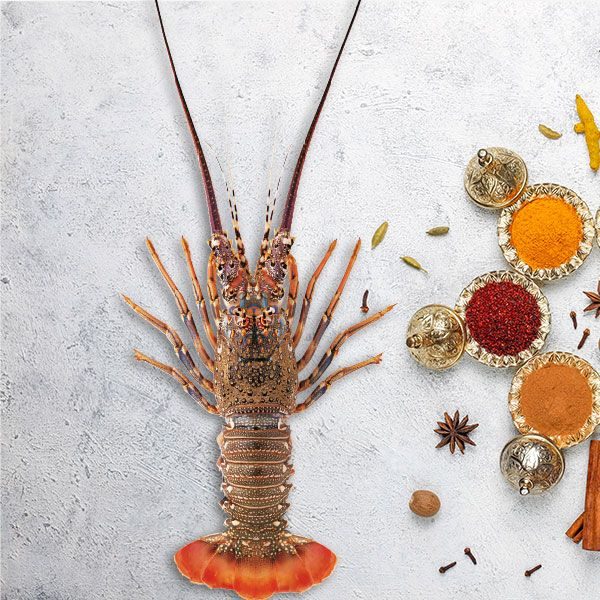
Whole Raw Rock Lobster
Rock lobster (often called spiny lobster) is tail-forward eating: less about claws, more about bold texture and clean portions once cooked. If you like grilling or pan-searing, this format tends to hold its shape well and has a higher tolerance for high heat, especially when you keep it shell-on. It’s a strong choice for surf-and-turf, BBQ platters, and entertaining where you want dramatic pieces that behave predictably under the grill.
Raw Lobster Meat Packs
Raw lobster meat packs are the “quick midweek” option: tidy portions, predictable sizing, and minimal prep before you get to the part that matters — the final cook. Because the meat is already separated from the shell, it’s easy to portion-control, batch prep, and build fast luxury meals without buying more than you need. This is also where you get the cleanest path to slicing your own portions after cooking, whether you’re topping pasta, folding into a sauce, or finishing a pie mix.
Speciality Raw Lobster Items
Where speciality raw lobster items appear, treat them as purpose-built: some are better for showpiece plating, some for high-heat cooking, and some for fast assembly meals. The label tells you what you’re buying; your plan tells you why.
Pick the Raw Lobster that matches your pan, your timing, and your appetite.
What Arrives at Your Door
Your lobster order is handled like a cold-chain job, not a normal parcel. Dispatched by DPD overnight courier, it’s packed with dry ice in a polystyrene insulated box, and that combination matters for one simple reason: it helps keep fish frozen during transit so the quality you chose stays steady right through to your freezer.
We prepare orders for next working day delivery on eligible days when they’re placed before the stated cut-off. Rather than asking you to memorise schedules, checkout only lets you select delivery dates that are actually valid for your address, so you’re not paying for a promise the calendar can’t keep. That’s the practical difference between “we ship cold stuff” and “we run a cold chain”: the system is set up to reduce surprises, not create them.
When it arrives, the first move is easy and fast. Open the box promptly, check everything is as expected, and move it straight into the freezer. If you’re cooking soon, still treat it like frozen seafood: follow the on-pack storage guidance and keep your plan simple—get it cold, keep it cold, then cook it when you’re ready. The whole point of insulated packaging and dry ice is to buy stability, not to add drama.
Dry ice is straightforward to handle, but it deserves basic respect. Avoid direct skin contact, keep the area ventilated, don’t seal dry ice in an airtight container, and keep it away from children and pets. Once you’ve done the quick “open → check → freezer” routine, you’ve already done the hard part: you’ve kept control of temperature, which is what protects texture and keeps raw lobster buying online feeling predictable rather than stressful.
Label-First Transparency
When you’re buying raw lobster online, the difference between confidence and hesitation is usually the label. That’s why we keep Frozen Raw Lobster “product-first”: every item is described using the practical fields that actually change your outcome. You’ll see the cut clearly, the weight or pack size in plain numbers, and the format that affects how it behaves in the pan. Where it’s relevant, we also show details like skin-on or skinless and boneless or pin-boned — because those are the bits that decide how you prep, how you season, and how the final texture lands on the plate.
Cut drives cooking. Weight drives timing. Skin drives texture.
Lobster isn’t one single uniform thing, so we avoid blanket claims. Origin and catch area can vary by item, and when it does, it’s shown on the product details so you can choose based on preference rather than guesswork. The same goes for whether something is wild or farmed where applicable: if it’s a meaningful buying field for that product, it’s stated on the listing.
Origin informs preference. Method informs fat level. Pack size informs value.
Allergens are handled the same way: clearly and upfront. Raw Lobster is flagged as a shellfish allergen, and if you’re looking at cured or smoked lines where ingredients matter, the ingredient list is shown for that product so you’re not relying on assumptions. The result is simple: you make decisions using facts that map to cooking outcomes, portion planning, and personal preference — not vague “quality” language.
Weight bands make planning easier. Labels reduce surprises. Details protect outcomes.
Storage and Defrosting
Keep Frozen Raw Lobster frozen until you’ve got a plan for it. That’s the easiest way to protect both flavour and texture, and it avoids the stop–start handling that turns good seafood into something watery and soft. Treat your freezer like a larder: keep packs sealed, protect them from air exposure, and rotate stock so older packs come forward. A lot of items arrive vac packed or well sealed, which helps, but once a pack is opened, air becomes the enemy. Freezer burn is basically dehydration from air contact — it won’t “poison” anything, but it can dull the surface and leave the bite dry rather than clean and firm.
For defrosting, the calm default is fridge defrost. Keep the lobster contained, sit it on a plate or tray, and let any drip loss collect away from other foods. That little bit of organisation pays off later: cleaner handling, less mess, and better results in the pan. When it’s thawed, open the pack and take a moment to set up your cook. If there’s surface moisture, pat dry before cooking — it’s the simplest way to get a better sear and avoid that steamed, slippery start that can make seafood feel soft instead of properly firm.
Texture tells you as much as timing. If it looks watery or feels floppy, it usually needs drying and a more decisive start. If you’re working with a skin-on item where that’s relevant, a dry surface helps it colour rather than stick. If you’re dealing with pin-boned formats in other categories, the same principle applies: tidy prep first, then clean heat. Portionable cuts give you control because you can cook what you need and leave the rest sealed.
Refreezing is where it pays to stay conservative. If you’ve defrosted in the fridge and kept everything cold and contained, some people do refreeze, but quality can drop and the texture can drift from firm to softer. If in doubt, don’t refreeze — cook it, then chill or freeze the finished dish instead. When there are product-specific rules, follow on-pack guidance, because that’s the most accurate instruction for the item you bought.
Cooking Outcomes
Pan-Seared Lobster
For portionable lobster cuts and meat that’s been portioned for cooking, start with a dry surface and a properly hot pan. Let it sit—don’t chase it around—because the first contact is what builds colour and keeps the surface from turning watery. Once you’ve got that light golden edge and the flesh is turning from translucent to opaque at the margins, finish gently so the centre stays tender rather than tight. Dry surface equals better sear. Gentle finish protects moisture. Resting evens temperature.
Grill or Plancha
Tails and shell-on pieces are naturally grill-friendly, but the technique stays the same: dry first, hot surface, then leave it alone long enough to take colour. You’re looking for a firming bite and an opaque, pearly look through the thickest part, with a slight spring when you press it. If the outside is colouring fast but the centre still looks glossy, move it to gentler heat to finish rather than forcing it with more flame. Thickness changes timing. Fat content changes forgiveness.
Oven Finish
For larger pieces where you want an even cook, build colour first (pan or grill), then let the oven do the steady finishing work. The best cue is texture: the flesh should feel firm but still moist, not dry and shreddy, and it should separate cleanly without turning flaky in a fish-like way. This is also the safest way to avoid the “cooked outside, raw inside” problem when you’re working with thicker lobster portions or whole pieces. Dry surface equals better sear. Gentle finish protects moisture. Resting evens temperature.
Sauce Finish
Lobster meat is at its best when it’s treated as a finish, not a stew. Warm your sauce first, then fold the lobster through near the end so it turns opaque and firm without taking on that rubbery chew. If you’re batch prepping, keep the lobster separate and combine at the last moment—heat is cumulative and lobster is unforgiving when it’s held hot for too long. Thickness changes timing. Fat content changes forgiveness.
Across all styles, portion technique wins: gentle heat, don’t overcook, and rest briefly so the finish evens out. Different raw lobster products have different handling expectations, so follow the product details for the exact cut and format you’ve chosen.
Nutrition Snapshot
Raw lobster is naturally a “single-ingredient” buy for most kitchens: you’re choosing it for flavour, texture, and the way it behaves under heat, rather than for anything that needs dressing up. Nutritionally, it sits in the same broad family as many other shellfish and lean seafoods — mostly protein with a relatively modest amount of fat — but the details can change more than people expect. Nutrients vary by species, cut, and whether it’s wild or farmed, and processing formats can change what you’re actually portioning (for example, whole lobster versus meat packs). The most accurate information is always the one tied to the exact product you’re buying, so check the product details for what applies to that specific item.
If you’re comparing options, think in practical categories rather than chasing “perfect” numbers. Whole lobster and shell-on formats tend to bring a bit more variation because you’re buying the animal in a more complete form, while meat packs can feel more predictable for portioning and planning. If you’re building meals for the week, lobster works well as a centre-plate protein with simple sides — something that fits comfortably into a balanced diet without turning dinner into a project.
There’s also a cooking angle hidden inside the nutrition question: fat content and texture influence results. Leaner lobster meat rewards gentle finishing and shorter holding time; richer, saucier dishes can make the final texture feel more forgiving because moisture is carried back into the bite. That’s not “health marketing” — it’s just the reality of how seafood behaves when you cook it.
In short: use nutrition as a sense-check, not a sales pitch. Pick the cut and pack that match your plan, then let the product details guide the finer points.
Provenance and Responsible Sourcing
Buying lobster responsibly starts with one boring truth: a category label can’t carry the nuance. Species, harvest method, region, and handling can vary, and the only honest way to deal with that is to keep the facts tied to the item you’re actually buying. We show method and origin details per product so you can choose what fits your preferences. That means you’re not asked to trust a blanket promise — you’re shown the practical information that helps you decide, product by product.
Provenance supports preference. Clear labels support trust. Evidence supports claims.
On each listing, look for the details that genuinely change your choice: origin and catch area (where provided), whether the item is wild or farmed where applicable, the format and weight band, and any processing notes that matter to you. If a product has a specific story — a particular region, a particular method, a particular preparation style — it belongs on that product’s details, not smeared across the whole category. That’s also why we avoid virtue-signalling claims like “all sustainably sourced” unless it’s something we can prove across every single SKU. Where an item carries stronger claims, it should be backed by something you can actually check on the product page, not implied by the category heading.
The Frozen Raw Lobster range can include farmed Raw Lobster, and wild Raw Lobster items where stocked, plus speciality lines built for specific uses. Some shoppers care most about origin. Others care about format and cooking behaviour. Others want a particular eating style — tail-forward pieces, whole showpieces, or ready-to-use packs — and let the product detail do the heavy lifting. The point is that you get to choose what matters to you, with the information presented clearly enough to make that choice without guessing.
If you’re trying to buy with confidence, treat provenance like you treat weight: it’s not a slogan, it’s a decision tool.
Frequently Asked Questions
Is frozen raw lobster as good as fresh?
“Fresh” and “frozen” aren’t really opposites — they’re two different ways of managing time and handling. Most of what people call “freshness” is simply: how quickly the lobster was processed, how steadily it was kept cold, and how many hand-offs happened before it reached your kitchen. Fresh lobster can be excellent, but it can also spend days moving through packing, transport, storage, and then your fridge time. Frozen raw lobster takes a different approach: it aims to lock in a point-in-time quality and hold it steady until you’re ready to cook.
Texture and flavour are where people feel the difference, and it’s worth being honest about what can go wrong. Freezing itself doesn’t “ruin” lobster, but mishandling does. If a product warms and re-freezes, or sits exposed to air, you can get moisture loss, a slightly watery surface, or a softer bite. That’s why packaging and thawing matter as much as the product. Good sealing (often vac packed or well sealed) helps reduce air exposure and freezer burn, and calm defrosting protects the meat’s firmness. Treat it like a quality ingredient: thaw steadily, keep it contained, then pat the surface dry before cooking so you get proper colour rather than steam.
On frozenfish.direct, the whole model is built around that “time and temperature control” logic. We state that seafood is processed and frozen within hours, and on-site we describe it as being filleted, packed and frozen within 3 hours of being caught. The other half of the equation is the cold chain to your door: shipped with dry ice in insulated packaging designed to keep it frozen in transit, so it arrives in the condition it left us.
For buying, match the format to the job. If you want midweek ease, portionable packs and meat packs keep timing tight and waste low. If you’re grilling, tails and shell-on pieces give you a clean, high-heat friendly route with strong texture. If you’re entertaining, whole raw lobster (and larger weight bands) delivers the centrepiece feel, with the flexibility to prep and serve your way.
If you want predictable results, frozen is the easier way to make Raw Lobster a routine.
How do I defrost frozen raw lobster without it going watery?
“Watery” lobster after defrosting usually isn’t a mystery ingredient problem — it’s a structure and handling problem. When seafood freezes, ice crystals form inside the muscle. If thawing is rushed or too warm, those crystals melt quickly and you get drip loss: water and soluble proteins leak out, leaving the surface wet and the bite softer than you expected. The same thing happens if a pack has been through repeat thaw/refreeze cycles — even small temperature swings can push moisture out and flatten texture.
The best way to keep Frozen Raw Lobster firm is to make defrosting boring and controlled. Start with fridge defrost as your default. Keep it contained on a tray or in a shallow dish so any liquid can’t spread, and so the lobster isn’t sitting in its own runoff. If the product is vacuum packed (vac packed), keep the packaging intact while it thaws — it helps protect the surface from air exposure and reduces the amount of moisture that escapes. Once thawed, open the pack, drain any liquid, and pat dry the lobster thoroughly before cooking. That one step is the difference between a proper sear and a steamed, slippery start. A dry surface browns; a wet surface sweats.
Cut makes a big difference to how easy this is. Portions are easier because they thaw more evenly and you can dry them quickly. Thicker pieces behave differently: a thick “fillet-style” piece (think chunky tail or large section) simply needs more gentle time in the fridge so the centre catches up without the outside warming and leaking. “Steak-like” cuts (thicker cross-sections) tend to hold shape well, but they’ll still shed moisture if they’re rushed or left sitting in drip — keep them contained, then dry them properly before they meet heat.
If you’re short on time, cooking from frozen can work as a backup on some formats, but it usually trades a little surface quality for convenience — and it’s worth following the product’s on-pack guidance for that route rather than guessing.
Good defrosting is texture control.
Wild vs farmed raw lobster — what should I choose?
Both wild and farmed raw lobster can be excellent — the better choice depends less on ideology and more on what you like eating and how you plan to cook it. If you’re buying Frozen Raw Lobster for a specific dish, think of “wild vs farmed” as a preference dial: flavour intensity, firmness, and consistency can shift, and those shifts matter more on the plate than any abstract debate.
In broad terms, wild items often lean toward more variation. That can show up as slightly different firmness from one piece to the next, and sometimes a more pronounced “lobster” character in the flavour. Farmed items are often bought for consistency — more predictable portioning, more uniform texture, and a steadier experience across packs. Neither is automatically better; they’re just different starting points. Price can follow that pattern too: availability, size, and supply chain stability all influence cost, and the label helps you decide whether the difference is worth it for your plan.
What matters most is that you don’t have to guess. On this category, product details show whether an item is wild or farmed and where it comes from, because those are SKU-level facts, not category-wide assumptions. The range may include wild Raw Lobster items where stocked, and it may include farmed Raw Lobster items as well — the important thing is that the listing tells you which is which.
Practical cooking guidance is where the decision becomes real. Raw lobster, whatever the origin, usually benefits from gentler cooking and a protected finish. Leaner pieces reward short high heat followed by a gentle finish so they don’t tighten into chew. Sauces can make the eating experience more forgiving: butter-based finishes, creamy pasta sauces, or bisque-style bases help carry moisture back into each bite and soften the impact of a slight overcook. If you’re grilling, shell-on or thicker pieces tend to handle the heat better than delicate loose meat, and uniform portions make timing easier.
If you’re choosing quickly, use this shortcut: Choose by cooking method first, then by origin and method.
Which raw lobster cut should I buy for my plan?
The quickest way to buy the right Frozen Raw Lobster is to start with your plan, not the product name. Lobster is one of those ingredients where the cut does most of the work for you: it decides prep effort, how evenly it cooks, and how forgiving it is if dinner runs late.
For weeknight meals, aim for portions and ready-to-use packs. Portionable cuts keep timing tight, reduce waste, and make it easier to cook just what you need. They’re also the easiest route to repeatable results because the sizing is more predictable, so your “quick pan finish” doesn’t turn into a guessing game. For grilling, look for formats that naturally tolerate high heat — shell-on pieces and tail-forward options where available are the usual winners, because they hold shape well and can take colour without drying as quickly as loose meat. For entertaining, you’re usually buying theatre and timing confidence: larger whole pieces give you the centrepiece moment, and they also give you flexibility to split, serve, and build a platter without it feeling fiddly. For prep-it-yourself cooks who enjoy the process, whole Raw Lobster is the clear choice: you get maximum control over portioning, presentation, and the “finish” you want to land. For special occasions, if you carry any smoked or cured lobster lines, treat them as purpose-built: they’re ready for specific uses where you want intensity and convenience rather than a from-scratch cook.
Two levers matter more than almost anything else: thickness and skin. Thickness changes timing and dictates whether you can stay on one heat source or need a quick sear with a gentler finish. Skin (where relevant on seafood formats) changes texture and tolerance: a protected surface can help the piece hold together, brown better, and stay juicier through higher heat. Even when “skin-on” isn’t the lobster language, the principle still applies — shell-on and surface protection make high heat more forgiving.
If you only buy one thing, buy the format that gives you the least friction for your most common meal: portionable cuts for midweek, or tails if grilling is your default.
Pick the cut that matches your heat source and your timing.
Can I cook raw lobster from frozen?
Yes, often you can — but method matters. Cooking Raw Lobster from frozen works because you’re really solving two problems at once: getting the centre cooked through without over-tightening the outside, and managing surface moisture so it doesn’t steam instead of sear. Thickness changes timing, and frozen surfaces carry extra water, so a straight “hot pan and hope” approach is usually where people end up with a pale exterior and a chewy bite.
A safe, practical way to do it is to keep the process controlled and staged. First, remove all packaging. If there’s visible surface ice, give it a quick rinse to knock the ice off, then pat it properly dry so you’re not starting with a wet surface. From there, begin with gentler heat so the inside can catch up—think oven, air-fryer, or a covered pan where heat surrounds the piece and cooks more evenly. Once the lobster has lost that raw translucence and feels noticeably firmer, you can finish hotter for colour: uncover the pan, move to a hotter surface, or give it a short high-heat finish. That “gentle first, hotter last” sequence is the difference between tender lobster and a rubbery overcorrection.
This approach is especially forgiving for portionable pieces and tail-forward formats, where the thickness is more manageable. It’s also handy on weeknights because it reduces the “wait for thaw” step without turning the cook into guesswork. The trade-off is that you may not get a perfect restaurant-style sear on very thick pieces, because the time needed to cook through can push the outside too far before the centre is ready.
There are times you shouldn’t cook from frozen. If you’re working with a very thick piece and you want a flawless sear and a very precise finish, a controlled thaw tends to give better texture and colour. And if you’re buying speciality cured or ready-for-specific-use products, follow the product guidance—those formats aren’t always designed for frozen-to-heat handling.
Frozen-to-oven is the weeknight cheat code when you need Raw Lobster now.
How long does frozen raw lobster last, and how do I avoid freezer burn?
Frozen Raw Lobster is one of the easiest luxury ingredients to keep on hand, because freezing gives you time. The key distinction is safety versus quality. From a food safety point of view, properly frozen seafood can remain safe for a long time when it stays consistently frozen. From a quality point of view, texture and flavour can slowly drift the longer it sits, especially if it’s exposed to air or your freezer temperature swings. That’s why it’s better to think in terms of “best eating quality” rather than chasing one rigid deadline. When there are storage notes for a specific item, follow the on-pack guidance, because it’s the most accurate instruction for the product you bought.
The main quality killer in a freezer is freezer burn. Freezer burn isn’t bacteria or “gone off” food — it’s dehydration caused by air exposure. Over time, moisture migrates out of the surface and the lobster can develop dry patches, a duller colour, and a tougher texture once cooked. You’ll often spot it as pale, slightly leathery areas on the surface, and you’ll feel it as a less juicy bite even if you cook carefully.
Preventing freezer burn is mostly about reducing air contact and keeping the cold steady. Keep packs sealed and try not to open and re-close the same pack repeatedly. If you do split a pack, rewrap tightly and remove as much air as you can. Store items flat where possible so they freeze and refreeze evenly, and so packs aren’t crushed or punctured in a busy drawer. Rotate stock like a shop would: older packs to the front, newer packs behind. The other big factor is freezer stability—frequent door opening, overloading warm shopping, or constant thaw-refreeze micro-cycles can all push moisture out of the product and speed up quality loss.
This is where packaging matters. Many seafood products are vacuum packed or well sealed, which helps reduce air exposure from the start. Treat that seal like a quality shield: keep it intact until you’re ready to use the product, and you’ll protect the texture you paid for.
Good packaging and steady cold are what keep Raw Lobster tasting like Raw Lobster.