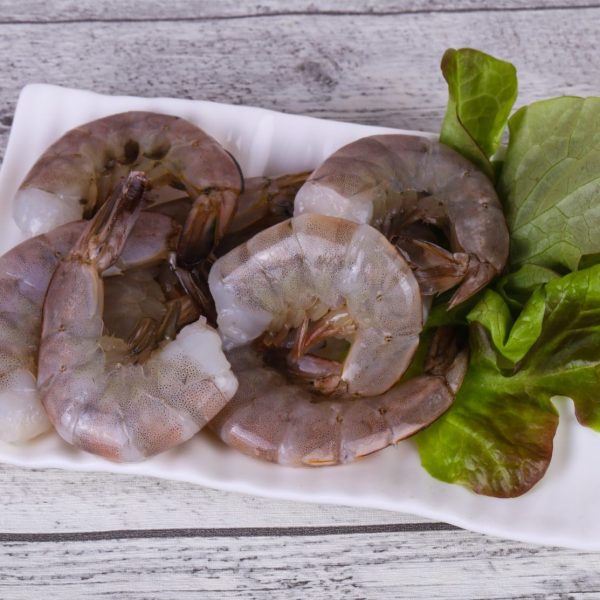
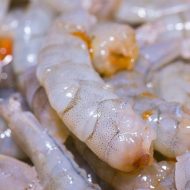
Why Buy Frozen Raw Prawns?
Frozen works for raw prawns because it turns a fragile ingredient into something you can control. With raw seafood, time and temperature are the whole game: the longer it sits in transit, display, and home storage, the more the texture and cooking performance can drift. Freezing locks in a point in time, so what you buy is much closer to what you cook.
That shows up in practical ways. Frozen raw prawns are easier to portion, easier to plan around, and easier to use without waste. You can keep a pack on hand for quick midweek meals, pull what you need for a specific dish, and know the size and weight you chose will behave the same way next time. That repeatability matters because prawns don’t forgive guesswork: a few minutes too long and they turn firm, then rubbery.
We also treat freezing as a quality-control step, not an afterthought. On our site we explain that seafood is processed and frozen within hours, and for selected lines we state it can be within 3 hours of being caught. The point isn’t a slogan — it’s the logic: faster processing plus reliable cold storage protects the eating quality you’re actually paying for.
Freezing slows spoilage. Cold storage preserves texture. Vacuum packs reduce air exposure.
Portions reduce waste. Consistent weights improve cooking. Frozen stock improves meal planning.
None of this means “fresh” is bad. It just means “fresh” can travel through a supply chain, and time adds up. With frozen raw prawns, you’re choosing a stable starting point — one that makes portioning, timing, and results far more predictable in a real kitchen.
Choose Your Raw Prawns
Portions for quick midweek wins
When you want speed without sacrificing results, portioned raw prawns keep things predictable. You get clean portion control, repeatable sizing, and less guesswork on cook time — ideal for a fast pan finish, a quick oven tray, or a simple stir-fry where timing matters. Portions also make it easier to build a steady weeknight rotation: one pack can cover a couple of meals without overcommitting. If you’re cooking on autopilot after work, this is the format that keeps your timing tight and your plate consistent.
Whole or larger pieces for high-heat cooking
If you want prawns that hold their shape and tolerate higher heat, choose larger, more robust formats that can take a hot pan or grill without turning fragile. Bigger pieces give you a wider sear window, better browning potential, and a firmer “bite” when you’re pushing heat for a fast finish. This is the smart route for skewers, plancha-style cooking, or any setup where you need the prawns to stay intact through turning and plating.
Prep-it-yourself packs for hands-on cooks
Some people don’t want “done for you” — they want flexibility. Prep-focused packs suit batch prep, custom portioning, and cooks who like to control the trim, the size, and the final presentation. This is where you can tailor for different outcomes: keep pieces larger for grilling, split down for quicker pan work, or portion precisely for freezer organisation. It’s also the best choice when you’re building sauces, stocks, or seafood bases where you want to manage yield and texture from the start.
Entertaining formats for showpiece plates
For hosting, you want a format that looks intentional and plates cleanly. Larger raw prawns make the centre of the dish feel premium, whether you’re doing a simple garlic-butter pan, a barbecue platter, or a restaurant-style starter. They’re reliable for timing across multiple servings, and they give you that confident “served at the pass” finish without fiddly prep mid-service.
Specialty raw prawns for specific uses
If you’re buying a specialist format, treat it like purpose-built kit. Certain raw prawn lines are ready for specific uses — sushi-style presentation, tempura work, or consistent portioning for a particular cooking method — and the best results come from matching the format to the job, not forcing it into everything.
Pick the Raw Prawns that matches your pan, your timing, and your appetite.
What Arrives at Your Door
When you order Frozen Raw Prawns from frozenfish.direct, the goal is simple: keep them properly frozen from our freezer to yours, so what you cook is the same product we packed. Dispatched by DPD overnight courier. That speed matters, because time in transit is where temperature confidence is either protected or lost.
Your order is packed with dry ice in a polystyrene insulated box, and that combination is doing a specific job. Insulation slows down heat gain from the outside world, and dry ice provides a strong “cold reserve” during the journey, helping keep fish frozen during transit rather than merely chilled. It’s the difference between receiving seafood that behaves like frozen seafood should, and receiving something you have to second-guess before you even start cooking.
Delivery timing is handled in a way that keeps promises realistic. Orders placed before the stated cut-off are prepared for next working day delivery on eligible days, and checkout controls the valid delivery dates based on where you are and when you order. That means you’re not relying on guesswork — your confirmed delivery options are the ones the system can actually fulfil.
When the box arrives, treat the first minute as “cold-chain handover.” Open promptly, check the contents, then move your prawns straight into the freezer. Follow the on-pack storage guidance for best results, especially if you’re planning to keep stock for more than a quick weeknight run. You may notice a little frost, a very cold “fog” when you open the lid, or that the dry ice looks smaller than you expected — that’s normal, because it naturally turns from solid to gas as it does its job.
Dry ice is safe when handled calmly: avoid direct skin contact, keep the area ventilated, don’t seal any remaining dry ice in an airtight container, and keep it away from children and pets. If anything in your delivery doesn’t feel appropriately frozen on arrival, pause before refreezing and follow the guidance provided with your order.
Label-First Transparency
Buying raw prawns online gets easy when the important details are visible and consistent. That’s the idea behind our label-first approach: each product page shows the practical fields that help you choose with confidence, not guesswork. You’ll see the cut and format (for example peeled, headless, tails, or specialist lines), the weight or pack size, and — where it applies — whether a product is wild or farmed. If origin or catch area varies by item, it’s shown on the product details rather than implied as a category-wide promise, so you can make an informed choice without reading between the lines.
We also keep the “kitchen-relevant” cues front and centre. In fish categories that means skin-on or skinless, boneless or pin-boned, because those traits affect texture, prep time, and how the product behaves in the pan. With raw prawns, the same principle applies: format and size control prep effort and cook window, while pack size controls portioning and value. The point is simple: you can match what you’re buying to what you plan to cook before you commit.
Allergen information is not treated as fine print. Raw prawns are clearly flagged as a crustacean allergen, and where products include added ingredients — such as cured or smoked items elsewhere on the site — ingredients are listed on the product details so you can check what’s in the pack.
- Cut drives cooking. Weight drives timing. Skin drives texture.
- Origin informs preference. Method informs fat level. Pack size informs value.
- Format sets prep time. Size sets cook window. Handling protects tenderness.
- Clear labels reduce surprises. Better choices reduce waste. Repeatable results build confidence.
Storage and Defrosting
Frozen raw prawns reward two habits: keep them properly frozen, and handle thawing like you’re protecting texture, not just “making them defrosted”. Start with storage. Keep packs at the back of the freezer where temperature stays steady, and protect them from air exposure. Most lines arrive vac packed, which helps, but once a pack is opened, press out excess air, reseal tightly, and store flat. Air plus time is what leads to freezer burn — those dry, pale patches that don’t make food unsafe, but can make it taste dull and feel a bit chewy. A simple rotation habit helps: move older packs forward and put new stock behind, so you’re always cooking the best version of what you bought.
For defrosting, fridge defrost is the default because it keeps everything in the safe, steady zone while the ice releases slowly. Keep prawns contained in a bowl or tray so you control drip loss rather than letting it wander across the fridge. That drip is why prawns can turn watery or a little soft if they’re handled roughly; it’s also why a quick “texture reset” matters before cooking. Once defrosted, drain well and pat dry. A dry surface is what gives you a proper sear in a hot pan, instead of steaming in its own moisture.
If you’re working with portionable formats (peeled, tails, smaller count grades), separating what you need before thawing makes life easier and reduces re-freezing temptation. If you’re dealing with a denser pack style, keep the goal the same: controlled thaw, controlled moisture, then decisive cooking.
Refreezing is where it pays to be conservative. If something has fully thawed and sat around, or you’re unsure how long it’s been defrosted, don’t refreeze — cook it instead, or follow on-pack instructions if they give a specific allowance. When in doubt, don’t refreeze. That’s not fear; it’s just respect for texture and quality.
A final note on labels you’ll see elsewhere on the site: terms like skin-on or pin-boned matter for fish because they change how the flesh behaves. With prawns, the equivalent “texture levers” are format, moisture control, and how gently you treat them on the way to the heat.
Cooking Outcomes
Fast pan-sear and stir-fry
For most raw prawns, the best results start with a dry surface and a properly hot pan. Pat dry, heat the pan until it’s confident, then lay the prawns in and leave them alone for the first moments so the surface can colour rather than sweat. You’re looking for a quick change from translucent to opaque with a light blush, and a gentle curl — not a tight, locked “C” shape. Once they’ve taken colour, finish gently: a brief toss through sauce or aromatics is enough, because the carryover heat will keep moving after they come off the flame.
High-heat grill or skewers
For bigger raw prawns and sturdier formats, grilling and skewers are where they shine. The same rule applies: dry surface, hot grill, and minimal fuss — too much flipping tears the surface and pushes moisture out. Watch for a firming “spring” when you press lightly and a glossy finish that looks set, not chalky. If you’re cooking a mixed batch, pull the smaller pieces earlier and let the larger ones finish, because thickness changes timing and that’s the main lever you control at the grill.
Oven roast or tray-bake
Oven cooking is useful when you want consistency across a larger quantity or you’re building a meal around sides. Spread prawns out so they roast rather than steam, and aim for the moment they turn opaque and feel just firm when nudged — that’s the sweet spot before rubbery texture arrives. Keep the finish gentle: if you’re adding butter, garlic, or a glaze, let the oven do most of the work and bring the flavour in at the end. This style suits people who want repeatable results without constant pan attention, but it still demands restraint: prawns don’t reward “just five more minutes.”
Breaded, tempura, and speciality lines
Some raw prawn products are designed for specific uses — sushi-style presentation, tempura, or consistent portioning — and they can have different handling expectations, so follow the product details. For coated styles, the goal is crisp outside and tender inside, so keep the heat decisive and the cook time short; the moment the coating turns evenly golden and the prawn inside is opaque, you’re done. With speciality formats, don’t force them into every method — treat them like purpose-built kit and you’ll get cleaner plating and more reliable texture.
Dry surface equals better sear. Gentle finish protects moisture. Resting evens temperature. Thickness changes timing. Fat content changes forgiveness.
Across every style, the portion technique stays the same: gentle heat, don’t overcook, rest briefly — then serve while the texture is still juicy and springy.
Nutrition Snapshot
Raw prawns are a straightforward, ingredient-first choice: they’re naturally protein-rich, relatively lean, and prized more for texture and versatility than for any trendy “superfood” story. As with all seafood, the exact nutrition can vary by species, size, and how the prawns were produced — wild or farmed — so the most accurate picture is always the product details for the specific pack you’re buying.
In general terms, prawns provide a useful spread of nutrients you’d expect from shellfish, including protein for meals that feel satisfying without needing heavy extras, and naturally occurring minerals that support everyday diet variety. They’re also a good option when you want a clean-tasting centrepiece that pairs well with simple cooking methods — fast pan-searing, gentle finishing in sauces, or high-heat grilling for larger prawns.
Because raw prawns are typically lean, they can go from tender to firm quickly if you push the heat too long. That’s why handling and timing matter: a dry surface helps browning, but the cook should be short and decisive, then stopped early so the texture stays springy rather than rubbery. If you’re choosing between formats and sizes, it’s worth remembering that leaner seafood tends to be less forgiving of overcooking, while larger prawns often give you a slightly wider window simply because thickness slows the heat reaching the centre.
None of this needs to be framed as “dieting” to be useful. In a balanced diet, raw prawns work well as a flexible protein you can build around — from quick weeknight bowls to centrepiece plates — with the benefit of predictable portions and clear product labelling. Choose the size and format that fits your cooking plan, check the product details for the specifics, and you’ll get a confident, repeatable ingredient that earns its place in the freezer.
Provenance and Responsible Sourcing
We treat provenance as a practical buying detail, not a marketing badge. We show method and origin details per product so you can choose what fits your preferences. That’s the fairest way to do it, because raw prawns aren’t a single uniform thing: species, size grading, farming or wild capture, and processing style can vary by line — and sweeping statements only create confusion.
On each product, you’ll typically see the information that matters for real decisions: whether it’s farmed or wild where applicable, the country of origin (and catch area where it’s relevant and provided), plus the format you’re actually cooking with — peeled, headless/shell-on, tails, or specialist formats intended for specific uses. If a detail varies by item, we keep it at SKU level and show it on the product details rather than implying a category-wide promise.
The range itself is deliberately broad. This category can include farmed raw prawns for consistent sizing and predictable portioning, wild raw prawn items where stocked for people who prefer that style, and speciality lines that are ready for specific uses (for example, presentation-focused formats for sushi or tempura). The point is not to claim one route is “better” in a moral sense; the point is to make the differences visible so you can shop by preference and intended outcome.
- Provenance supports preference. Clear labels support trust. Evidence supports claims.
- Method affects consistency. Origin affects expectation. Format affects prep.
- Transparent details reduce guesswork. Better choices reduce waste.
If you already know what you value most — consistent sizing, a particular origin, a certain format for a specific dish — use the product details to confirm you’re buying the prawn that matches your plan.
Frequently Asked Questions
Is frozen raw prawns as good as fresh?
“Fresh” and “frozen” aren’t opposites so much as two different ways of managing time. Freshness is really about how quickly something is handled and how steadily it stays cold; freezing is about locking in a point in time so quality doesn’t drift while the supply chain does its thing. That’s why frozen raw prawns can be just as good as fresh — and in some cases more predictable — when they’ve been frozen promptly and kept properly cold.
Texture and flavour are where the truth lives. Freezing itself doesn’t “ruin” prawns, but temperature swings and moisture loss can. If prawns partially thaw and re-freeze, you’re more likely to notice a watery cook, softer bite, or uneven texture. Good packaging and calm handling protect you from that: keeping prawns frozen on arrival, then defrosting in a controlled way and cooking decisively is what preserves that clean, sweet prawn flavour and springy firmness people are actually buying.
This is also where frozenfish.direct’s operating model matters. The site describes seafood as being processed and frozen within hours, and in places it states within about 3 hours of being caught, with the aim of holding quality at that “just handled” moment rather than letting days stack up. Then it’s shipped in insulated packaging designed to keep it frozen: packed with dry ice in a polystyrene insulated box and sent via DPD overnight courier. That doesn’t make frozen “magic”; it just makes the cold chain deliberate, which is what you want with raw prawns.
A simple buying guide by use-case helps: for midweek, choose peeled or smaller-count grades that cook fast and portion easily; for grilling, go larger prawns that hold their shape and tolerate higher heat; for entertaining, pick bigger formats that plate well and give you a wider timing window when you’re cooking for a table.
If you want predictable results, frozen is the easier way to make Raw Prawns a routine.
How do I defrost frozen raw prawns without it going watery?
“Watery” prawns usually aren’t a mystery problem — they’re a moisture management problem. When seafood is frozen, ice crystals form inside the flesh. If the prawns are thawed too warm or too fast, those crystals melt and the liquid drains out as drip loss. That leaves you with two annoyances at once: water in the bowl, and prawns that can feel a bit soft because the moisture that should stay in the meat has leaked away. The same thing happens if a pack goes through repeated thaw/refreeze cycles — even partial temperature swings can make texture less springy and more prone to weeping.
The best practice flow is simple and consistent. Fridge defrost is the default because it thaws slowly while keeping everything properly cold. Keep the prawns contained in a bowl or tray so any drip is controlled, not smeared across the fridge. If the product is vacuum packed, keeping the packaging intact during thawing often helps reduce extra moisture pickup and keeps the surface cleaner; if the pack is open, reseal tightly and keep it as air-free as you can. Once defrosted, drain well and pat dry before cooking — that one step is the difference between a proper sear and prawns that steam in their own water.
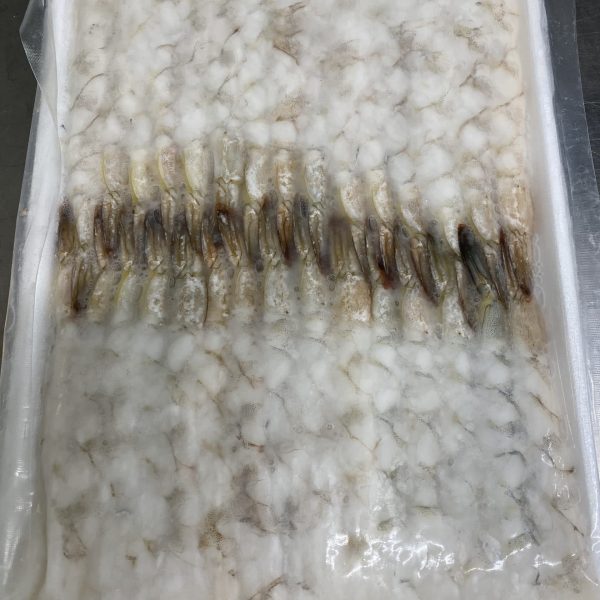
A few tips by cut and format help you avoid the common traps. Portions and loose prawns are easiest because you can separate what you need and thaw only that amount, which reduces handling and prevents “I’ll refreeze the rest” temptation. Block-frozen packs tend to release more visible liquid simply because you’re thawing a dense mass; the trick is still controlled fridge thaw, then thorough draining and drying before cooking. For seafood beyond prawns, the same rules scale: thick fillets need longer, gentler thawing to keep the centre cold while the outside doesn’t get wet and fragile, and steaks behave differently because their shape and surface area change how quickly moisture escapes.
If you’re caught short, cooking from frozen can be a workable backup in certain dishes (especially where sauce can absorb a little extra moisture), but it’s not the best route if you’re chasing browning and a crisp edge — that’s why it’s worth treating thawing as part of the result, not just prep.
Good defrosting is texture control.
Wild vs farmed raw prawns — what should I choose?
Both wild and farmed raw prawns can be excellent — the “right” choice is less about status and more about what you enjoy and what you’re cooking. Think of it like choosing tomatoes: some people want consistency and convenience, others want a particular flavour profile or texture, and both can produce a brilliant plate when you match the ingredient to the method.
In typical terms, farmed prawns often lean towards consistency. Sizing tends to be more predictable, which makes portioning easier and helps you hit the same cook result again and again — useful for weeknight meals, stir-fries, curries, and batch cooking where you want repeatable timing. Texture can be reliably firm, and the flavour tends to be clean and approachable. Farmed lines can also be a practical choice when you’re buying by count grade and net weight for value planning.
Wild prawns, where stocked, can lean towards character: sometimes a slightly more pronounced “sea” flavour, sometimes a different firmness or bite depending on species and catch conditions. The trade-off is that wild seafood can be less uniform from pack to pack, which isn’t a negative — it just means you cook with your eyes and hands rather than expecting identical behaviour every time. Wild options may also sit at a different price point, and it’s worth choosing them when that flavour intensity is central to the dish rather than buried under heavy spice.
The simplest way to stay grounded is to shop by what’s actually stated: on frozenfish.direct, product details show whether an item is wild or farmed and where it comes from, so you’re not forced to guess from the category name alone. You’ll also see the format (peeled, headless/shell-on, tails, speciality lines) which often matters as much as origin for the final outcome.
For practical pairing, raw prawns generally reward gentler cooking and sauces. A quick pan finish, a brief simmer in a curry, or a gentle fold-through in a butter sauce protects tenderness better than prolonged high heat. Wild raw prawn items may suit simpler preparations where flavour gets the spotlight; farmed raw prawn items may suit dishes where consistency, portioning, and timing are the priority.
Choose by cooking method first, then by origin and method.
Which raw prawns should I buy for my plan?
Which Raw Prawns you should buy comes down to two outcome levers: thickness and “skin”. With prawns, “skin” really means shell-on vs peeled. Thickness is driven by size/count grade (bigger prawns are thicker; smaller prawns are thinner). Those two choices decide how forgiving the cook will be, how fast prep feels, and how the final bite lands on the plate.
For weeknight meals, go for portions and quick-prep formats: peeled prawns, tails, or smaller count grades that cook fast and portion cleanly. This is the route for stir-fries, quick pasta, curries, noodle bowls, and “pan + sauce” dinners where you want predictable timing and minimal prep. Portionable packs also make it easier to use what you need and keep waste down.
For grilling, choose larger, thicker prawns where available — the ones that hold shape on high heat and give you a wider margin before they go firm. Shell-on or headless/shell-on styles tend to be more forgiving on the grill because the shell acts like a protective layer and adds depth. If you’re doing skewers or a hot plancha, thicker prawns are the safer bet.
For entertaining, think in “service rhythm” rather than “single portion.” Larger prawns plate better and stay presentable across multiple batches, while consistent sizing keeps timing tight when you’re cooking for a table. Shell-on options can also deliver more aroma and a more luxurious finish, especially when you’re serving them simply and letting the prawns be the main event.
For prep-it-yourself, choose whole raw prawns (where stocked) or formats that let you do your own peeling, trimming, and portioning. This is ideal for people who want maximum control: keep pieces larger for grilling, split or portion for weeknight pans, and use shells for stock or sauce bases.
For special occasions, raw prawns make a great centrepiece, and they also pair well with smoked/cured lines elsewhere in a spread when you want contrast — quick-cook raw prawns for the hot element, smoked/cured seafood for the ready-to-serve element.
If you only buy one thing, buy a mid-size peeled option: it’s the most flexible across weeknight meals, sauces, and quick pan cooking, with the least prep friction.
Pick the cut that matches your heat source and your timing.
Can I cook raw prawns from frozen?
Yes, often you can — but method matters, and the reason is simple: frozen prawns bring extra surface moisture and uneven thickness into the pan. That moisture fights browning, and thickness changes how quickly the centre catches up with the outside. If you go straight into a ripping-hot sear, you can end up with a pale, steamy surface while the middle is still underdone, or a tough outside by the time the centre is ready.
The most forgiving routes from frozen are methods that manage moisture first and cook more evenly: an oven roast, an air-fryer finish, or a covered pan that gives the centre a head start before you chase colour. Start by removing all packaging. If there’s visible surface ice or frost, a quick rinse under cold water is fine, then pat dry thoroughly — that drying step is what turns “watery” into “searable”. From there, begin with gentler heat to get the prawns cooking through without toughening the outside, then finish hotter to firm the surface and add colour. You’re looking for doneness cues you can trust: the prawns turn opaque, feel springy rather than squashy, and any translucent centre disappears.
a
A covered-pan approach works well for weeknights: add the prawns with a small splash of liquid or sauce base, lid on to build gentle heat, then lid off to let moisture evaporate and finish with a hotter, drier cook. In the oven or air-fryer, spread prawns out in a single layer so they roast rather than steam, then give them a short high-heat finish at the end. This is especially helpful when you’re cooking smaller prawns or portionable formats that separate easily.
When is cooking from frozen not the best idea? If you’re dealing with very thick pieces and you want a perfect, crisp sear, thawing first usually gives you better control. It’s also a poor match for dense frozen blocks where the centre can’t heat evenly before the outside overcooks — those are better treated as “plan-ahead” packs. And if you’re handling speciality products with specific instructions (including anything cured, pre-seasoned, or otherwise not a plain raw prawn), follow the product guidance rather than improvising.
Frozen-to-oven is the weeknight cheat code when you need Raw Prawns now.
How long do frozen raw prawns last, and how do I avoid freezer burn?
Frozen raw prawns are one of the most practical “keep it in reserve” ingredients, because freezing is excellent for safety — but it’s worth separating safety from quality. Kept properly frozen, food remains safe for a long time, yet the eating quality can gradually decline if the freezer runs warm, packs are opened and reclosed repeatedly, or the product is exposed to air. In other words: frozen buys you time, but texture still rewards good storage habits.
Freezer burn is the most common quality problem, and it’s not a mystery defect — it’s basically dehydration. When air reaches the surface of frozen seafood, moisture migrates out and evaporates. You’ll notice it as dry or pale patches, a duller colour, and sometimes a tougher bite after cooking. It doesn’t usually make the food unsafe, but it can make it less enjoyable, especially with prawns where you want a clean flavour and springy firmness.
The prevention is simple, and it’s mostly about air control and stable cold. Keep packs sealed as tightly as possible and minimise air exposure when you open them. If you’re only using part of a pack, press out excess air before resealing, and consider double-wrapping if you’re planning to store the remainder for a while. Store packs flat so they freeze and hold shape efficiently, and so you’re not crushing delicate pieces into odd shapes that dry out faster. Rotate stock by moving older packs to the front and new ones to the back — that one habit does more to protect quality than any clever hack.
Freezer stability matters too. A freezer that swings in temperature because it’s overfilled, frequently opened, or set inconsistently can speed up quality loss. Keep it steady, avoid leaving the door open while “deciding,” and try not to stack warm shopping bags against frozen packs while you unpack.
It also helps that many products arrive vacuum packed, which naturally reduces air exposure and makes freezer burn less likely. That packaging isn’t just tidy — it’s protective. For the most accurate guidance on a specific product, always follow the storage instructions on the pack, because species, format, and packaging style can change best practice slightly.
Good packaging and steady cold are what keep Raw Prawns tasting like Raw Prawns.