Why Buy Frozen Tobiko?
Frozen Tobiko works because it turns a delicate ingredient into something you can actually manage: predictable portions, repeatable results, and far less waste. Instead of buying “fresh” roe and racing the clock, you can keep a pack frozen, take what you need, and put the rest back without building your week around a use-by date. For busy home cooks and small caterers, that’s quality control you can feel — not just a convenience.
It also makes planning easier. When tobiko is frozen, you can choose a consistent pack format and weight band, so you know roughly how many rolls, bowls, canapés or garnished plates you’ll get per pack. That consistency matters because tobiko is usually used as a finishing ingredient: a little goes a long way, but only if it’s handled the same way each time.
On our side, the aim is to lock in quality early: seafood is processed and frozen within hours, and some lines may be described on-site as frozen within 3 hours of being caught — always check the individual product description for the specific handling claim on that item. “Frozen” here isn’t a downgrade; it’s a way of preserving a point-in-time standard, then holding it steady until you’re ready to serve.
“Fresh vs frozen” is mostly a time equation. “Fresh” can still travel through the supply chain, and those hours add up. Frozen stops that clock much earlier and makes the end result more consistent.
Freezing slows spoilage. Cold storage preserves texture. Vacuum packs reduce air exposure. Portions reduce waste. Consistent weights improve planning.
Choose Your Tobiko
Everyday Tobiko for quick midweek wins
If you want versatility with minimal fuss, go for classic tobiko that’s ready to portion and scatter. It’s ideal for quick midweek builds: sushi rice bowls, poke-style plates, cucumber maki, salmon nigiri toppers, or a finishing crunch on a donburi. Because tobiko is a garnish ingredient, predictable sizing matters — you can measure by spoon, control coverage, and keep your plating consistent across servings.
Portion-friendly formats for speed and control
Look for pack formats that suit portion control: smaller packs for “open and use” speed, or larger packs if you’re feeding a few people and want repeatable portions across multiple dishes. The big benefit here is predictability: consistent grain size, consistent saltiness, consistent pop. It makes tobiko easier to cost, easier to portion, and easier to use as a reliable finishing layer rather than a one-off treat.
High-heat tolerance for pan/grill-friendly uses
If you’re building hot dishes, tobiko holds its shape better than you’d expect when used as a finish — think quick pan-seared rice, hot omelette rolls, or a last-minute topping over grilled fish or prawns. It’s not something you “cook hard” like a fillet, but it has a higher tolerance for high heat when it’s added at the end and treated like a texture component. Used right, it keeps that snap and colour instead of disappearing into the dish.
Entertaining and batch prep options
For entertaining, tobiko shines when you’re plating lots of bites: canapés, sushi platters, hand rolls, blini-style nibbles, and crunchy toppings on tartare. Larger packs suit batch prep and make it easy to portion across a spread without running short halfway through. If you’re the type who likes to prep yourself, choose formats that let you build your own portions and control how bold the tobiko layer is on each piece.
Speciality tobiko for specific uses
If you see speciality tobiko lines, treat them as “ready for specific uses”: colour-focused garnishes, flavour-led options, or blends designed for a particular style of sushi or bowl. Keep it simple — match the speciality to the dish you’re building, and let it do one job well.
Pick the Tobiko that matches your pan, your timing, and your appetite.
What Arrives at Your Door
Buying frozen tobiko online only works if the cold chain is treated like the product — as non-negotiable. Your order is dispatched by DPD overnight courier, so it moves fast and spends less time in the “wobble zone” where temperature swings can soften texture and reduce quality. We pack to defend the cold, not to look pretty: each shipment is packed with dry ice in a polystyrene insulated box, and that combination matters because insulation slows external heat gain while dry ice provides deep cooling, helping keep fish frozen during transit rather than merely “chilled”.
Delivery timing is handled with the same practicality. Orders placed before the stated cut-off are prepared for next working day delivery on eligible days, and the checkout flow controls the valid delivery dates so you’re not guessing whether a courier run is available. That means fewer surprises, fewer missed deliveries, and fewer “was this meant to arrive today?” messages — the ordering path is built to keep promises it can actually keep.
When your box arrives, treat the first two minutes like part of the storage process. Open it promptly, confirm everything is still properly frozen, then move the tobiko straight into your freezer and follow the on-pack storage guidance for best results. The point isn’t perfection; it’s avoiding unnecessary warming and refreezing cycles that can dull texture over time.
Dry ice is normal in proper frozen deliveries, but it deserves basic respect. Don’t handle it with bare skin — avoid direct contact and let it sit where it can safely gas off. Keep the area ventilated, don’t seal dry ice into an airtight container, and keep it well away from children and pets. Once it’s done its job, it will dissipate on its own.
The result is simple: predictable frozen arrival, predictable storage, and tobiko that behaves the way you bought it to behave when you open the pack.
Label-First Transparency
Tobiko is the kind of product where tiny differences matter: the cut, the pack size, and how it’s been prepared can change how it behaves in the pan, on the board, or straight from the pack. That’s why frozenfish.direct keeps the buying decision label-first. Each tobiko line shows the practical fields that let you choose with confidence, without having to decode marketing language.
On every product, you’ll see the basics that actually affect what you cook and how much you get: cut, weight/pack size, and preparation notes that apply where relevant. Depending on the item, that can include whether it’s shell-on or shell-off, skin-on or skinless, and boneless or pin-boned where those distinctions make sense for the species and format. If an item is wild or farmed, that’s shown where applicable, because it’s a real preference driver for some buyers — but it’s never assumed across the whole category.
Provenance is handled the same way: when origin or catch area varies by item, it’s shown on the product details rather than turned into a category-wide promise. You get the specific facts attached to the specific pack you’re buying, which is how trust stays measurable.
Allergen information is clear and upfront. Tobiko is flagged as an allergen, and for any cured, seasoned, or otherwise prepared lines, ingredients are listed so you know exactly what’s in the pack before it hits your basket.
- Cut drives cooking. Weight drives timing. Pack size drives value.
- Origin informs preference. Method informs fat level. Label informs trust.
- Skin drives texture. Prep drives convenience. Details drive repeat buys.
Storage and Defrosting
Frozen tobiko behaves best when you treat it like a delicate ingredient, not a brick you “thaw somehow.” The aim is simple: keep it properly frozen until you need it, then defrost in a way that protects texture.
For storage, keep packs fully frozen and as protected from air exposure as possible. If your tobiko is vac packed, leave it sealed until you’re ready to defrost — that barrier helps reduce dehydration and the dull, dry surface you get with freezer burn. In a busy freezer, it’s worth a two-second habit: stack newer packs behind older ones so you naturally rotate stock and use the older packs first. Tobiko is often portionable, so only open what you need and get the rest back sealed and frozen quickly.
For defrosting, a simple hierarchy works. Fridge defrost is the default because it’s gentle and predictable. Keep the fish contained (in a tray or bowl), so any drip loss doesn’t spread and the tobiko isn’t sitting in its own meltwater. When it’s defrosted, handle it like you mean it: tip away any liquid, then pat dry. That one step stops things turning watery, helps the surface cook cleanly, and gives you a better sear where you’re aiming for it. If you’re working with skin-on items (where applicable), drying the skin is the difference between “soft” and properly crisp. If a pack notes pin-boned status (where relevant), that tells you how much prep you’ll need before cooking or slicing.
Texture is your compass. If tobiko seems a little soft right after defrosting, give it a moment out of excess moisture, then cook gently. A firmer bite usually comes from good handling and minimal time sitting in liquid. As a general rule, fattier cuts forgive heat more than lean ones — they stay more firm and less prone to drying out — but your best guide is always the product’s format and on-pack notes.
On refreezing: stay conservative. If you’ve fully defrosted a pack, don’t refreeze unless the on-pack instructions clearly say it’s suitable and you’re confident it’s been handled well. If in doubt, cook what you need and keep the rest refrigerated for prompt use — or don’t refreeze at all.
Cooking Outcomes
Pan-sear for pop and crunch
For tobiko that’s served as a topping or folded through rice, the best results come from contrast: warm, glossy eggs with a clean “pop,” not a cooked, rubbery bite. Start with a dry surface and a properly hot pan, then add the tobiko right at the end so it heats through without frying hard. Leave it alone for a few seconds so the pan contact does its job, then finish gently off the fiercest heat to protect texture. You’re looking for cues like: eggs turning slightly more glossy, aroma lifting, and the bite staying springy rather than stiff. Dry surface equals better sear. Gentle finish protects moisture. Resting evens temperature.
Warm-through method
If you’re using tobiko as a finishing ingredient (ramen, donburi, poke-style bowls, sushi rice), treat it like you would a delicate garnish: warm it through, don’t “cook it.” Use gentle heat from the food itself — stir through just before serving or let it sit on top for a minute so it softens slightly and releases flavour. The doneness cue here is subtle: the eggs feel less icy, the colour looks more vibrant, and the texture still “pops” when you bite. Go too far and it turns dry and a bit chalky, especially with leaner tobiko. Thickness changes timing. Fat content changes forgiveness.
Grill-adjacent finishing
Tobiko doesn’t want direct grill punishment, but it loves what a grill gives you: heat, aroma, and a smoky edge. Grill your main item first (fish, prawns, skewers, even vegetables), then add tobiko after the heavy heat — either as a topping while it rests or folded into a warm sauce or butter. Keep the surface dry and avoid wet marinades touching the eggs, or you’ll lose that clean bite and end up with a soft, watery finish. The cue you want is warmth and perfume, not browned eggs: you should smell the tobiko and feel a light warmth on the tongue, with the centre still juicy and intact. Resting your grilled item briefly also helps the topping sit properly without being blasted.
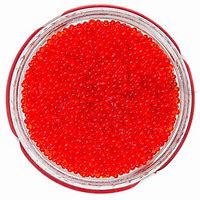
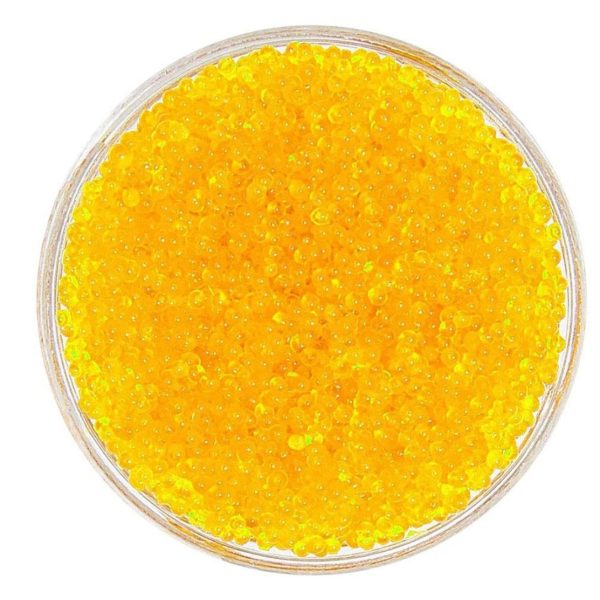
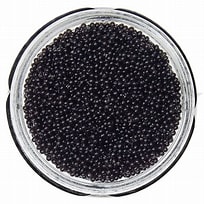
Colour and style guide (Yuzu, red, black, orange)
Different tobiko lines behave differently, so follow the product details — especially for seasoned options. Yuzu tobiko is often brighter and more aromatic, so keep heat gentler to protect the citrus note. Red and orange tobiko typically shine as a clean, briny pop and handle quick warming well, but prolonged heat can mute colour and firm the bite. Black tobiko can read more savoury/inky depending on the product, so it’s excellent as a finishing touch on richer dishes — again, warm-through beats hard frying. Across all types, the rule stays boring-but-true: control moisture, use high heat only briefly, and stop early so texture stays lively.
Nutrition Snapshot
Tobiko is fish roe, so its nutrition profile tends to look different from a fillet: you’re buying a concentrated, small-portion ingredient that’s used for texture, salinity, and that clean “pop” rather than big plate-filling servings. In general terms, roe commonly contributes protein and a mix of fats, plus naturally occurring vitamins and minerals that show up in many seafood products. The exact balance can shift a lot depending on the species, how the roe is prepared, and whether the item is wild or farmed, so treat any nutrition expectations as product-specific and use the product details as your reference point.
Because Tobiko is often seasoned or cured, it can also come with added ingredients (for example salt, sugar, or colour/seasoning blends) that change what you’re getting per spoonful. That’s why the label matters: check the ingredients and allergen information on each listing, especially if you’re choosing flavoured tobiko or ready-to-use lines intended for sushi, canapés, or bowl toppings.
From a cooking and serving point of view, the same basics apply: fat content and moisture affect behaviour. Products with a slightly richer fat profile can feel rounder on the palate and may be a bit more forgiving in certain applications, while leaner, drier roe can taste sharper and deliver a firmer pop. You’re not shopping for “healthy” promises here — you’re shopping for consistency, portion control, and a reliable finishing ingredient that behaves the way the label says it will.
Used as part of a varied, balanced diet, Tobiko is an easy way to add seafood flavour and texture without guesswork. Pick the pack that matches your dish, your portion size, and your preferences — and you’ll get exactly the results you intended.
Provenance and Responsible Sourcing
With Tobiko, provenance matters because it tells you what you’re actually buying: where it comes from, how it was produced, and what that might mean for flavour, colour, texture, and consistency. We keep this practical. We show method and origin details per product so you can choose what fits your preferences. If an item’s origin or catch area can vary, that’s shown on the product details rather than turned into a sweeping category promise.
Across the Frozen Tobiko range, you may see a mix of farmed Tobiko and wild Tobiko items where stocked, alongside speciality lines designed for specific uses (for example ready-to-serve roe for sushi builds, garnish-grade grains for canapés, or seasoned options where ingredients are listed clearly). The point isn’t to tell you which is “better” — it’s to make the differences visible so you can choose with intent. Some customers prioritise a particular origin, others prefer a certain processing method, and plenty simply want repeatable performance for a specific dish.
Where relevant, we surface the details that help you make that call: species and preparation, country of origin, and production method (for example farmed vs wild where applicable), plus any handling notes that affect how the roe behaves in use. If a product includes added ingredients (common with cured or flavoured Tobiko), those are listed so you know exactly what’s in the pack.
Provenance isn’t a marketing badge — it’s a buying tool. Provenance supports preference. Clear labels support trust. Evidence supports claims. If a claim can’t be guaranteed across every Tobiko SKU, we keep it where it belongs: on the individual product listing, backed by the information provided for that specific item.
Frequently Asked Questions
Is frozen tobiko as good as fresh?
“Fresh” and “frozen” aren’t really opposites — they’re two different time-and-handling stories. Freshness is about how quickly Tobiko moved from processing to you, how cold it stayed, and how it was packed. Frozen is about locking Tobiko at a specific point in time, then holding it there until you’re ready to use it. In practice, a well-handled frozen Tobiko can taste more consistent than a “fresh” tub that’s spent days bouncing through a chilled supply chain.
Texture is where people notice differences, so it’s worth being honest. Tobiko is prized for that clean, briny snap and “pop” when you bite it. Freezing can affect moisture and bite if it’s mishandled — the usual culprits are temperature swings, air exposure, or rushing the thaw. On the other hand, good packaging and a calm defrost protect quality: keeping the roe sealed, thawing slowly in the fridge, draining any excess liquid, and avoiding repeated freeze–thaw cycles helps Tobiko keep its shape and crunch rather than turning soft or watery.
At frozenfish.direct, the point is controlled cold-chain from the start: seafood is processed and frozen within hours, then shipped in polystyrene insulated packaging with dry ice, designed to keep products frozen on arrival. That matters because Tobiko doesn’t benefit from “almost frozen” conditions — stable cold is what preserves the clean flavour and that bead-like texture you’re buying it for.
So which should you choose?
- Portions for midweek: Frozen Tobiko shines when you want quick, predictable finishing touches — think sushi bowls, rice and noodle dishes, or eggs — without worrying you’ll have to use the whole pack immediately.
- For “hot” dishes: Tobiko isn’t something you grill; it’s a finish, not a centrepiece. If you’re adding it to warm food, stir or sprinkle it on at the end so it stays bright and poppy.
- For entertaining: Frozen makes hosting easier because you can plan ahead for sushi platters, canapés, or garnishes, then thaw only what you need for clean presentation and minimal waste.
If you want predictable results, frozen is the easier way to make Tobiko a routine.
How do I defrost frozen tobiko without it going watery?
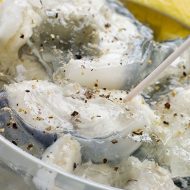
“Tobiko going watery” is almost always a texture and moisture-control problem, not a mysterious “bad batch” problem. The main cause is ice crystals: when Tobiko freezes (or partially thaws and re-freezes), those crystals can disrupt the roe’s structure. When it thaws again, you see drip loss — liquid that used to be held inside or between the beads now leaks out. The other common culprit is too-warm defrosting (countertop thawing, warm kitchens, or leaving it near a heat source), which speeds up melt and separation. Finally, repeated thaw/refreeze cycles are a fast track to soft, watery Tobiko, because each cycle increases ice crystal damage and moisture loss.
The best-practice flow is simple and boring — and boring is good when you’re protecting “pop” and crunch. Defrost in the fridge, not at room temperature. Keep it contained (a tray or bowl underneath) so any condensation or melt doesn’t slosh back into the roe. If your Tobiko is vacuum packed, keep the packaging intact while it thaws; that reduces air exposure and helps limit dehydration and odd “freezer” flavours. Once thawed, open gently, drain off any free liquid, and pat dry with kitchen paper to remove surface moisture — that’s what stops the roe from feeling wet on the plate. Then use it as intended: Tobiko is usually a finishing ingredient, so you’re aiming for clean, bright pearls that sit neatly on sushi, rice bowls, canapés, or salads. If you are adding it to warm dishes, fold it through at the end, off the heat, to keep the texture.
A quick note on “cuts”, because the idea matters even if Tobiko isn’t a fillet. Smaller portions (smaller tubs or split packs) thaw more evenly and are easier to keep dry. Thicker blocks of roe product (or larger packs) need more time in the fridge to thaw through without warming the outside. And if you’re defrosting fillets or steaks alongside Tobiko for the same meal, they behave differently: fillets tend to shed more surface moisture, while steaks (cross-cut pieces) can hold their shape better but still need slow fridge thawing to avoid excess drip.
If you’re in a pinch, you can sometimes use Tobiko straight from frozen in very specific ways (there’s a separate FAQ on cooking from frozen), but the best texture comes from a calm fridge thaw.
Good defrosting is texture control.
Wild vs farmed tobiko — what should I choose?
Wild vs farmed Tobiko isn’t a “good vs bad” choice. Both can be excellent, and the best pick depends on your preference, your dish, and how you plan to use the roe. Think of “wild” and “farmed” as two different routes to a similar destination: one tends to vary a bit more by season and catch, and the other tends to aim for repeatable consistency. Neither automatically wins — the winner is whatever suits your plate.
In broad terms, the differences you’ll notice are usually about firmness, flavour intensity, and consistency. Some wild Tobiko lines can taste a touch more pronounced (more “sea” on the finish) and the bead firmness can vary slightly from batch to batch. Farmed Tobiko lines often lean toward predictable size and texture, which is useful if you want the same results every time you build sushi rolls, top rice bowls, or batch-prep canapés. You may also see differences in fat level in the wider seafood category, but with Tobiko specifically it shows up more as “how crisp the pop feels” and how cleanly it sits on the tongue rather than rich oiliness. Price can differ too — not because one is “better”, but because supply, availability, and handling costs aren’t the same. If you’re comparing items, the most honest approach is: check the label, then choose for use.
That’s why frozenfish.direct keeps it label-first: each product’s details show whether it’s wild or farmed, plus where it comes from (origin/catch area is shown on the product details for that specific item). In the Frozen Tobiko range, this may include wild Tobiko items when stocked, farmed Tobiko items, and speciality lines designed for specific uses — the point is that you can see what you’re buying before you commit.
For practical pairing, Tobiko rewards a lighter touch. Tobiko generally benefits from gentler handling, and if it’s going near heat, keep it minimal: fold it through at the end or use it as a topper so you keep the bead “pop”. Sauces matter more than people expect — creamy mayo-based mixes, ponzu-style citrus soy, or light sesame notes tend to complement without drowning the roe. If you want Tobiko to stand out, keep flavours clean; if you want it to add crunch and saltiness, use it as a finishing accent across richer ingredients.
Buyer’s shortcut: choose by cooking method first, then by origin and method.
Which tobiko should I buy for my plan?
Start with the plan, not the product photo. Tobiko is a finishing ingredient as much as it is “seafood”, so the right choice is the one that matches your timing, your serving style, and how much control you want on the day. On frozenfish.direct you’ll see different kinds of Tobiko — including classic colour lines like orange Tobiko, red Tobiko, black Tobiko, and citrus-style options such as Tobiko Yuzu (often written as yuuzu/yuzu) — plus speciality variants where stocked. The label tells you what matters: pack size, format, and whether it’s a straight roe line or a seasoned/speciality product.
Weeknight meals (fast, low-fuss): go for portionable packs where you can take what you need and keep the rest properly sealed. For midweek rice bowls, ramen, poke-style builds, or quick sushi rolls, you want something that’s easy to portion and quick to bring into serving condition. Your goal is speed and predictability, not kitchen theatre.
Grilling plans (where available): Tobiko itself usually isn’t something you “grill” directly — it’s more of a topper — so for grill nights, pick Tobiko that’s intended as a finishing garnish after the main item comes off the heat. If the category includes any “grill-friendly” pairings or ready-to-use styles, those are about convenience and timing rather than putting the roe over flames. Keep it simple: grill your main, then crown it with Tobiko at the end.
Entertaining (make it look effortless): choose lines that are ready for specific uses — neat bead size, consistent colour, and a flavour profile that works across a platter. Orange and red are the classic “crowd-pleasers” visually, while black can look striking on canapés, blinis, or sushi trays. Yuzu-style Tobiko works well when you want a brighter, citrus lift without adding another sauce.
Prep-it-yourself (control-freak mode): if you want maximum flexibility, pick formats that let you portion your own servings over multiple sessions. This is the option for people who like building sushi nights, doing batch prep, or keeping Tobiko as a “secret weapon” for quick upgrades.
Special occasions: look at smoked or cured lines (where stocked). They’re designed to bring a more pronounced, distinctive flavour without you having to do extra work — ideal when you want a “restaurant finish” feeling at home.
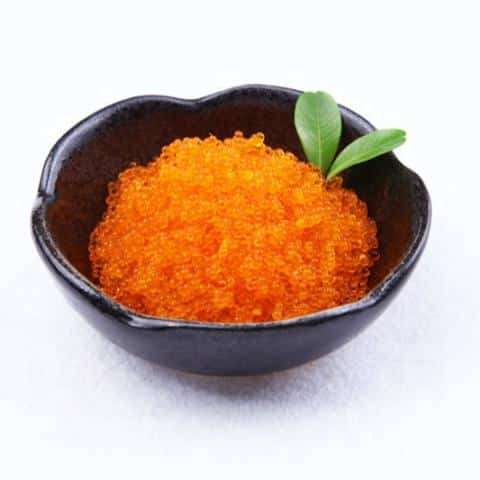
If you only buy one thing: pick a classic orange Tobiko in a pack size you’ll actually use. It’s the most versatile for bowls, rolls, eggs, seafood starters, and canapé-style bites, and it plays nicely with most sauces and textures. For defrosting and handling, keep it light: follow the product details and use the storage/defrost guidance elsewhere on the page.
Pick the tobiko that matches your heat source and your timing.
Can I prepare tobiko from frozen?
Yes, often you can — but method matters.
With tobiko (flying fish roe) the main “from frozen” challenge isn’t doneness, it’s texture control. When roe freezes, ice crystals can leave extra moisture behind as it thaws, and that moisture is exactly what makes tobiko go soft, bleed colour, or clump. High, direct heat also overwhelms it fast: the eggs can tighten, pop, or turn from “crisp little pearls” into “warm garnish that’s lost its bite”.
If you’re cooking a dish where tobiko is mixed in (rather than used as a cold topping), gentler methods are more forgiving than a hard sear. Think covered pan rice bowls or noodles where steam finishes the dish, oven bakes like “baked sushi” trays, or even an air-fryer finish on something already hot and set (rice, potatoes, salmon bites) where tobiko is added late. Those methods let the heat reach the dish without blasting the roe.
A practical “cook-from-frozen” flow looks like this in real life: remove all packaging, then check the tobiko. If it’s a solid frozen mass with surface ice, you can briefly rinse off loose crystals, drain well, and pat dry gently so you’re not adding water to the pan. Start by cooking your base (rice, pasta, sauce, fish) on gentler heat until it’s basically done, then add tobiko right at the end so it warms through without being hammered. If you want a hotter finish, do it to the dish, not the tobiko—finish under a quick blast in the oven/air-fryer and let residual heat do the last bit of work. If the pack gives specific handling guidance (especially for seasoned/coloured roe), follow the on-pack instructions and the product details.
When not to do it: if you’re chasing that clean, bouncy “pop” for sushi or canapés, don’t cook from frozen—thaw in the fridge and keep it cold. Also avoid cooking from frozen if it’s frozen in a very thick block and you’re tempted to “sear” it; you’ll just get warm outside, icy middle, and watery edges.
Frozen-to-oven is the weeknight cheat code when you need Tobiko now.
How long does frozen tobiko last, and how do I avoid freezer burn?
Frozen tobiko can stay safe for a long time when it’s kept properly frozen, but quality is what slowly changes first. Safety is mainly about staying frozen and avoiding thaw–refreeze cycles; quality is about whether the roe still tastes clean, pops nicely, and keeps its colour and texture when you use it. Tobiko is delicate: the eggs are small, and once moisture moves around inside the pack, you can end up with clumping, softness, or a slightly “stale freezer” note even though it’s still safe to eat.
Freezer burn is the big quality-killer. It isn’t “spoilage” in the usual sense — it’s dehydration caused by air exposure in the freezer. When cold, dry air pulls moisture out of the food (or moisture sublimates from ice), the surface dries out and oxidises, and the texture changes. With tobiko, freezer burn can show up as dry or pale patches, a duller colour, frosty crystals inside the pack, and a roe texture that feels more tough, chewy, or chalky instead of springy. Flavour can drift too: less clean sea-sweetness, more “freezer” background.
The prevention plan is boring on purpose — boring equals reliable. First, keep packs sealed until you need them. The moment a pack is opened, minimise air: press out headspace, re-seal tightly, or move the remaining tobiko into an airtight freezer bag/container with as little trapped air as possible. Second, store flat where you can. Flat packs freeze more evenly, stack neatly, and spend less time half-wedged in the “warmest” parts of the freezer door. Third, rotate stock: older packs forward, newer packs behind, so you’re not rediscovering forgotten tobiko at the back months later. Fourth, keep the freezer steady — frequent temperature swings (door opening, overstuffing, “fast freeze” on/off) encourage ice crystals and moisture migration, which is when texture starts to suffer.
This ties directly to how frozen tobiko is commonly packed: many lines are vacuum packed, and that helps because less air in the pack means less dehydration and less oxidation over time. Still, even good packaging can’t fight a freezer that’s warm, unstable, or full of opened packs with lots of air inside.
Good packaging and steady cold are what keep Tobiko tasting like Tobiko.