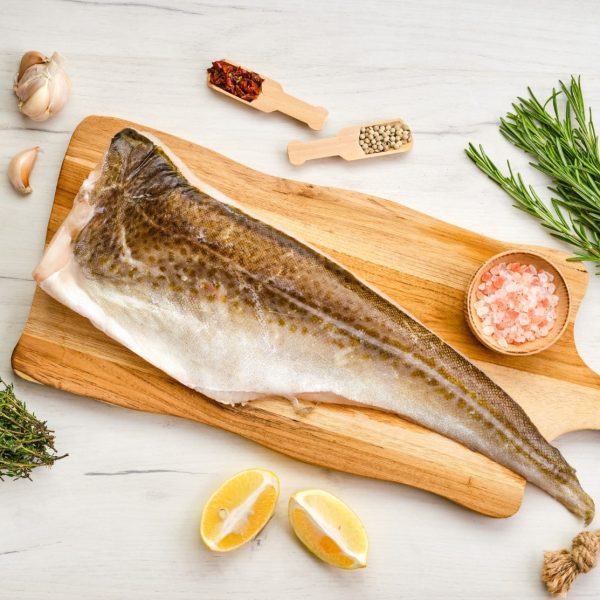
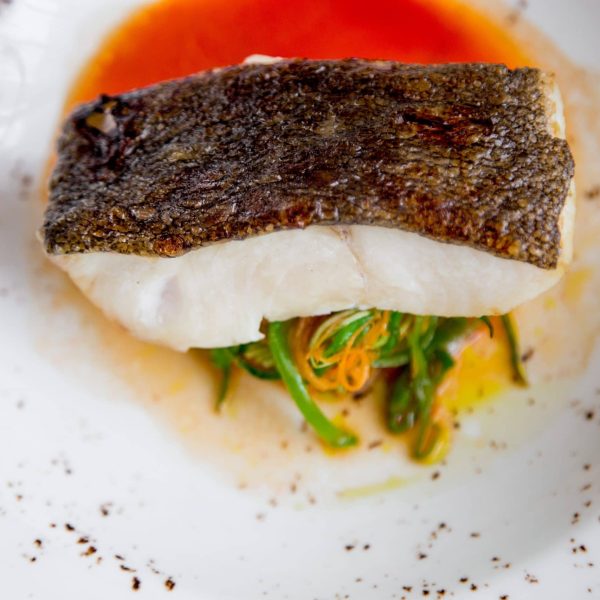
Why Buy Frozen Cod Fillets?
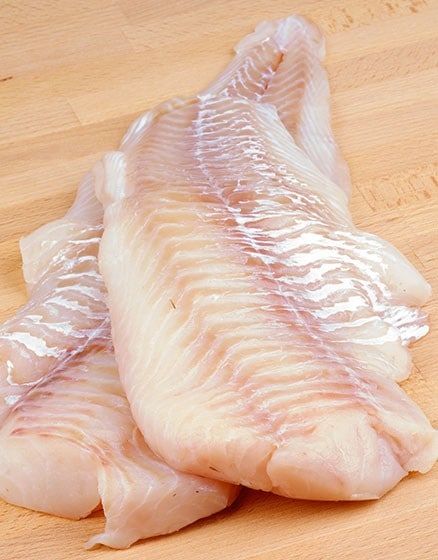
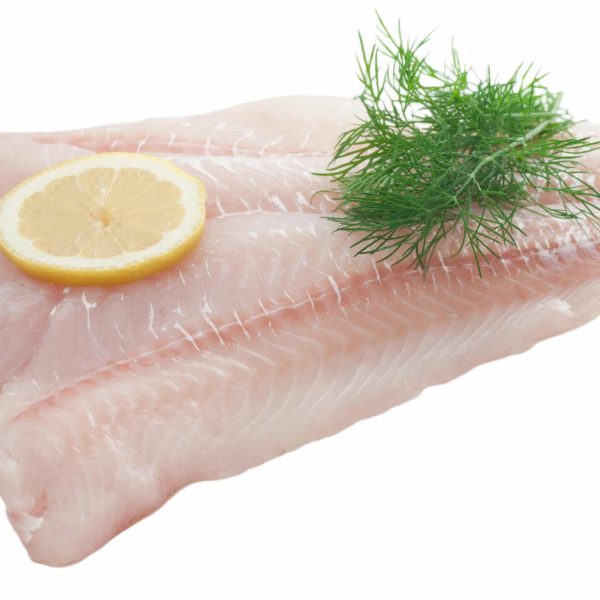
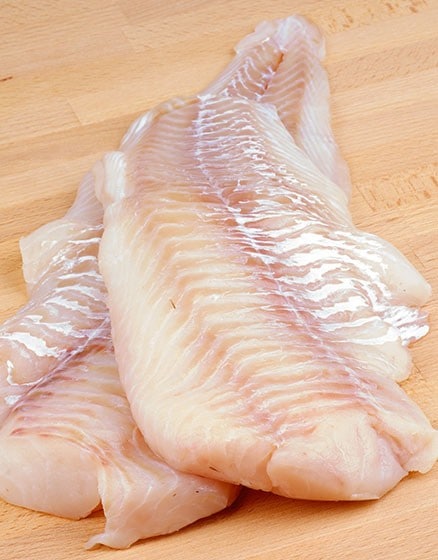
Frozen cod fillets work because they’re a quality-control product as much as they’re a convenience product. When you buy “fresh”, you’re often buying a time window you can’t see — fish can move through the supply chain, sit in chilled storage, and the clock keeps ticking. Freezing sets the quality at a specific point in time, then holds it there, so what you cook is closer to what was packed.
For day-to-day cooking, frozen gives you control. You can portion what you need, keep the rest properly sealed, and plan meals without racing a use-by date. It also makes results more repeatable: consistent pack sizes and weight bands are easier to cook evenly, and that’s exactly what lean white fish needs if you want clean flakes instead of dry edges.
On frozenfish.direct, the handling claim is part of the promise: seafood is processed and frozen within hours — and where it’s stated for specific products and ranges, it’s filleted, packed, and frozen within 3 hours of being caught. That early freeze matters because texture is fragile; the sooner it’s stabilised, the less chance there is for the “fresh-but-tired” effect that turns great fish into something merely fine.
Freezing slows spoilage. Cold storage preserves texture. Sealed packs limit air exposure.
Portions reduce waste. Consistent weights improve cooking. Frozen stock improves meal planning.
The practical result is simple: you buy cod fillets for the outcome you want, keep them ready in the freezer, and cook them when it suits you — with far less guesswork and far fewer “use it tonight” compromises.
Choose Your Cut
Quick midweek
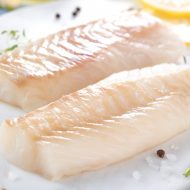
If your goal is fast, reliable white fish, start with standard fillets that are easy to portion and cook evenly. These suit oven bakes, tray meals, and pan cooking where you want clean flake and a mild finish without babysitting the heat. Look for skinless options when you want the simplest prep and a tidy plate—especially for saucy dishes, crumb coatings, or “fish-supper” style meals where the coating or sauce is the headline.
Portions
Portioned cod is the “repeatability” pick: consistent sizing makes timing easier, and portion control is built in. It’s ideal for households that want quick weeknight structure—one portion per person, no guesswork. If you’re planning multiple meals, portion formats help you stay organised without over-buying, and they’re often packed in a way that keeps fillets separated rather than sticking into a single block.
High-heat tolerance
For higher heat cooking—hot pan finishes, grill-style methods, or anything where you want browning and stronger surface colour—choose thicker-cut or centre-cut fillets, and consider skin-on where available. Thicker pieces have more tolerance before they dry out, and skin can act as a natural “buffer” between the flesh and the pan, helping the fillet hold its shape when the heat is assertive. If you see notes on glaze level, keep it in mind: lower glaze generally means less surface water to manage when you’re chasing colour.
Entertaining, smoking, batch prep
For hosting, batch cooking, or anyone who likes to do their own knife work, go for larger packs where you can slice your own portions to match appetite and menu. This is also where you can plan more precisely: thick portions for plated mains, thinner cuts for tacos or fishcakes, and neat strips for quick pan cooking. If you cure or smoke fish at home, choosing a consistent thickness helps the finished result feel deliberate.
Speciality cod fillets
If speciality items are in the range—such as black cod—treat them as purpose-built: richer texture, more forgiving in high heat, and best when you want a standout, restaurant-style result rather than a neutral weeknight fillet. Keep your choice tight: match the fillet to the job, not the other way round.
Pick the Cod Fillets that matches your pan, your timing, and your appetite.
What Arrives at Your Door
Your order is handled like frozen stock, not a casual parcel. It’s “Dispatched by DPD overnight courier.” and “Packed with dry ice in a polystyrene insulated box” because the packaging is doing real work: it helps keep fish frozen during transit. The insulation slows heat getting in from the outside air, while the dry ice provides a deep-cold reserve as it sublimates (turns from solid to gas). Put plainly, the system is built to protect the condition you bought — freezer-solid fish that’s ready to store and cook when you are.
Delivery timing is managed to stay accurate without promising miracles based on a single clock time. Orders placed before the stated cut-off are prepared for next working day delivery on eligible days, and checkout controls the valid delivery dates you can actually choose. That means you’re not guessing whether a date works for your address, the current dispatch schedule, weekends, or non-working days — you select from what the system can genuinely fulfil, and the dispatch plan follows that.
When the box arrives, the first few minutes make the biggest difference. Open it promptly, check your packs, then move everything straight into the freezer so the temperature stabilises as quickly as possible. After that, follow the on-pack storage guidance for the specific cod fillets you’ve chosen, because different cuts and pack formats can carry slightly different handling notes. A little cold vapour when you open the box is normal with dry ice and doesn’t mean anything has gone wrong.
Dry ice is simple to handle if you treat it with basic respect: avoid direct skin contact, keep the area ventilated, don’t seal dry ice into an airtight container, and keep it away from children and pets. The goal is calm and controlled from dispatch to freezer — so your cod arrives as frozen cod, not a “nearly” story.
Label-First Transparency
Cod fillets shouldn’t be a mystery purchase. Every item in this category is presented with the practical buying fields that actually change what happens in your kitchen: the cut (fillet or portion format), the weight or pack size, and whether the fish is skin-on or skinless. Where it’s relevant to the product, you’ll also see boneless or pin-boned notes, so you know what level of prep to expect before it goes anywhere near a pan or oven. When wild or farmed applies to a specific line, it’s stated on the product details rather than implied across the whole category.
The same approach applies to provenance. Cod can come from different fisheries and regions, and origin or catch area can vary by item. Instead of making sweeping promises, the page tells you what you need at the point of decision: it’s shown on the product details, alongside the pack format and any handling notes that help you buy with confidence. If a product carries a certification claim or a specific sourcing line, it appears on that product’s own description so you can treat it as a true, item-level fact.
Allergens are kept clear and unmissable: cod fillets are flagged as a fish allergen, and any cured or smoked lines list ingredients where relevant, so you’re not guessing what’s in the pack. This is “confidence by clarity” — the details are there so you can match the fish to the outcome you want.
- Cut drives cooking. Weight drives timing. Skin drives texture.
- Origin informs preference. Method informs fat level. Pack size informs value.
- Fillet thickness shapes flake. Surface dryness shapes colour. Consistency shapes repeatability.
- Clear labels reduce guesswork. Specific items carry specific claims. Transparency builds trust.
Storage and Defrosting
Frozen cod fillets behave best when you treat them like what they are: a carefully held ingredient, not something that can sit around “for later”. Keep them properly frozen, keep packs sealed, and protect the surface from air exposure so the fish stays clean-tasting and the flesh doesn’t dry out. If your fillets are vac packed, leave them that way until you’re ready to use them — it’s one of the simplest ways to reduce the chance of freezer burn and keep the texture closer to how it was packed. A small habit makes a big difference: rotate stock so older packs come forward and newer packs sit behind, and you’ll waste less and cook more confidently.
For defrosting, think in a simple hierarchy. The default is a fridge defrost because it’s the most controlled way to bring cod back gently, and it gives you the best chance of a firm, clean flake rather than a watery or soft result. Keep the fish contained while it thaws — a tray or bowl underneath the pack stops drips and keeps everything tidy. You’ll often notice a little drip loss when it defrosts; that’s normal. What matters is what you do next: open the pack, give the surface a moment, then pat dry before cooking if you want better colour and a cleaner sear. Moisture on the surface turns into steam, and steam is the enemy of browning.
If you’ve chosen skin-on fillets, treat the skin like a tool. Dry it well and cook it with intention, and it helps protect the flesh and improves pan handling. If your cod is labelled pin-boned or boneless, use that as a prep cue: it tells you what to expect at the table, and it can help you choose between quick weeknight cooking and more deliberate plating. Portion formats are naturally portionable, which makes planning easier — you can take what you need and keep the rest properly sealed.
On refreezing, stay conservative. If fish has fully defrosted, it’s usually best to cook it before it goes back into the freezer, and if in doubt, don’t refreeze. Follow the on-pack instructions for the specific product you’ve bought, because handling notes can vary by cut and pack format. As a final texture note, remember that fattier cuts forgive heat more readily; cod is lean, so it rewards gentle handling and a deliberate finish.
Cooking Outcomes
Dover sole is all about delicacy: sweet, clean flavour and a fine, tender flake that cooks quickly once it hits heat. Because fillets can vary in size, thickness, and trim, they have different handling expectations; follow the product details and cook to doneness cues rather than a fixed rule. Dry surface equals better sear. Gentle finish protects moisture. Resting evens temperature. Thickness changes timing. Fat content changes forgiveness.
Pan-sear
Pat the surface dry, season simply, then use a hot pan with a little oil so the fillet starts cooking immediately rather than steaming. Lay it in and leave it alone until the underside releases easily and the edges start to turn opaque; Dover sole is thin, so fussing it early is how it tears. Flip once with a wide fish slice, then finish gently with butter so it foams rather than burns, basting just long enough for the centre to lose its translucence. You’re looking for a fillet that’s opaque, lightly springy, and flakes with gentle pressure—stop there, because extra time turns “tender” into “tight”.
Oven bake
Oven cooking works best when you keep the fillet flat and protected from drying, so use a lightly oiled tray or parchment and give each fillet space. Start with a reasonably hot oven so the surface sets, then finish gently—sole is lean, so it benefits from a short, careful cook rather than long exposure. Watch for the colour shift from translucent to opaque and a slight firming at the thickest point; the fillet should lift cleanly in one piece. Rest briefly before serving so the steam settles and the texture stays silky instead of watery.
Gentle poach or steam
If you want the cleanest, most forgiving texture, use gentle heat: barely moving liquid or light steam, not a rolling boil. Slide the fillet in, keep the movement minimal, and handle it as if it’s already cooked—sole breaks when it’s bullied. Pull it when it turns opaque and flakes in delicate layers; it should feel tender, not rubbery, and the surface should look satiny rather than ragged. Rest it for a moment off the heat so the flake firms up and the finish stays neat.
Griddle or grill-ready
Sole can take high heat, but only if you control sticking and turning: dry the surface, oil the fish (not the grill), and start on a clean, hot griddle. Leave it alone until it releases, then turn once with a wide spatula—this is where thin fillets can split if you rush. Finish gently; you want light colour and a clean flake, not deep charring. If the fillet is very thin, treat “grill-ready” as “quick griddle” and let thickness, not ambition, set the pace.
Nutrition Snapshot
Cod fillets are a straightforward choice when you want a clean-tasting white fish that fits neatly into everyday meals. As a category, cod is generally considered a lean fish, which is one reason it feels light on the plate and works well with sauces, crumbs, or a classic fish-supper finish. It also typically contributes protein, plus a mix of vitamins and minerals that vary depending on the species, the cut, and whether the fish is wild or farmed. For anything specific, treat the product information as the source of truth: nutrients vary by species, cut, and whether it’s wild or farmed; see product details.
This “label-first” approach matters because two cod fillets that look similar can behave differently in the pan. Leaner fillets tend to cook quickly and can dry out if pushed too far, while slightly fattier fish (or thicker portions) usually has a wider margin for error. That’s not health marketing — it’s cooking physics. If you’re choosing between weight bands or pack formats, remember that thickness influences timing and texture: thinner pieces are fast and tidy for midweek, thicker pieces feel more substantial and often stay juicier with high-heat finishes.
A balanced diet is about the overall pattern, not a single ingredient. Cod fillets simply give you an easy, versatile protein option that can be paired with whatever style of meal you’re building — veg-forward plates, comforting classics, or lighter weeknight dinners.
To buy with confidence, use the product details to confirm the cut, pack size, and any wild/farmed notes, then choose the fillet thickness that matches how you plan to cook it.
Provenance and Responsible Sourcing
Buying cod fillets is often about preference as much as price: you might care about where it was caught, whether it’s a wild or farmed line, how it was handled, or simply whether the pack has the specific information you trust. Our approach is practical and evidence-led: we show method and origin details per product so you can choose what fits your preferences. That means you’re not asked to “take a category’s word for it” — you’re shown what applies to the exact fillet you’re adding to your basket.
Because cod fillets can come from different fisheries and regions, origin and catch area can vary by item. Where that information is provided for a specific line, it’s presented on the product details so you can compare like-for-like: one SKU may state a particular catch region or sourcing note, while another may only state the essentials. The same applies to production method. Depending on the product, cod fillets may be wild-caught or farmed; when that distinction is relevant, it’s shown at SKU level rather than implied across the whole range.
This category can also include speciality lines alongside classic cod fillets. Those are best treated as “ready for specific uses” rather than vague upgrades: richer eating fish, different texture, and different outcomes in the pan. If a product carries a recognised label or certification claim, it should appear on that product’s listing so it remains a checkable, item-level statement, not a sweeping promise.
Provenance supports preference. Clear labels support trust. Evidence supports claims.
Method shapes texture. Texture shapes handling. Handling shapes results.
Wild or farmed changes character. Region changes expectation. SKU details keep it honest.
The simple rule is: read the product details, match the method and origin cues to your preferences, and choose the fillet that fits the job you’re cooking.
Frequently Asked Questions
Is frozen cod fillets as good as fresh?
“Fresh” and “frozen” aren’t opposites so much as two different ways of managing time. Freshness is really about how recently the fish was processed and how steadily it’s been kept cold. Frozen is about locking in a point-in-time quality and holding it there until you’re ready to cook. That’s why a well-handled frozen cod fillet can be every bit as satisfying as a “fresh” one — and why a poorly handled fresh fillet can be disappointing.
Texture and flavour are where people notice the difference. Cod is naturally lean, so the main risk is moisture management. Freezing itself doesn’t “ruin” fish, but if the cold chain wobbles or the fish is exposed to air for too long, you can end up with more drip loss on thawing and a softer, watery surface. The fix is simple and practical: good packaging reduces air exposure, and a calm fridge defrost (rather than rushing it warm) helps the flesh stay firm. Once it’s thawed, a quick pat dry before cooking makes a big difference to browning and clean flakes.
That’s also why the way a supplier operates matters. frozenfish.direct positions its cod around being processed and frozen within hours, then shipped in a cold-chain setup — dry ice in insulated packaging designed to keep it frozen on arrival. That approach is basically quality control you can feel: less guesswork about how long it’s been sitting in transit, and more consistency from pack to pan.
What should you buy, depending on how you’ll use it?
- Midweek routine: go for portions or consistent weight bands. They’re easier to time, easier to portion-control, and more repeatable when you’re cooking on autopilot.
- Grilling / high-heat finishes: choose thicker fillets (and skin-on where available) because they tolerate assertive heat better and stay juicier.
- Entertaining: pick larger fillets you can portion yourself, so plates look deliberate and everyone finishes at the same time.
If you want predictable results, frozen is the easier way to make Cod Fillets a routine.
How do I defrost frozen cod fillets without it going watery?
“Watery” cod is almost always a defrosting problem, not a cod problem. When fish freezes, water in the flesh forms ice crystals. If the thaw is rushed or uneven, those crystals melt and you see drip loss — the liquid that ends up in the tray instead of staying in the fillet. The biggest culprits are defrosting too warm (so the outside softens before the centre is ready), letting the fillet sit in its own meltwater, and repeated thaw–refreeze cycles that damage texture and make the flesh looser and more prone to weeping.
The best practice flow is simple, and it’s all about control. Start with a fridge defrost as your default and keep the fish contained in a dish or tray so any moisture is captured cleanly. If your cod is vacuum packed, keep the packaging intact while it thaws (unless the on-pack instructions tell you otherwise), because a sealed pack helps limit air exposure and keeps the surface from drying out or picking up fridge odours. Once thawed, open the pack, drain away any liquid, then pat the fillet dry with kitchen paper. That last step is the difference between steaming and searing: a dry surface browns better, tastes cleaner, and holds its shape.
Cut matters, too. Portions are usually easier because they thaw more evenly and you can cook them quickly once they’re ready. Thicker fillets need more patience — not because you’re counting hours, but because you’re letting the centre catch up without the outside getting soft; follow the on-pack guidance and aim for a fillet that feels cold but pliable, not slushy. If you’re used to steaks, remember they behave differently: the centre bone and thicker cross-section slow thawing and can encourage uneven softening if you rush them, so they benefit even more from a controlled fridge thaw and a careful dry-off before cooking.
If you’re short on time, cooking from frozen can work as a backup, especially for gentler oven methods or saucy finishes — but it’s harder to get a really dry surface and crisp colour straight from frozen. Treat that as a separate technique rather than the default if texture is your priority.
Good defrosting is texture control.
Wild vs farmed cod fillets — what should I choose?
Wild vs farmed cod fillets is one of those choices that sounds bigger than it usually is. Both can be excellent — the “right” option depends on what you like to eat and how you plan to cook it. Think of it less as a moral debate and more as a practical question: flavour, texture, consistency, and how much margin for error you want in the pan.
In general terms, wild-caught fish can have a slightly more varied character because it’s influenced by season, feed, and where it was caught. That can show up as subtle differences in flavour intensity and firmness from one batch to the next. Farmed fish, when it’s done well, often leans toward consistency: similar sizing, a predictable texture, and a steadier “this is what I expected” experience. Fat level can differ between wild and farmed lines depending on the species and the specific product, and that matters because fat changes forgiveness — slightly richer fish tends to tolerate higher heat and longer cooks better, while leaner fish needs a gentler finish to stay juicy.
Cod fillets, as a style of fish, usually sit on the leaner, cleaner end of the spectrum. That’s great for classic plates and lighter meals, but it also means technique matters more than people expect. If you’re baking or pan-cooking and you want a reliably moist result, cod benefits from gentler heat and a bit of “insurance” from sauces, butter finishes, or steam-assisted cooking. If you’re doing a crisp coating or chasing strong browning, choosing a thicker fillet (and, where available, skin-on) often has more impact on the final result than whether it was wild or farmed.
The best way to choose on frozenfish.direct is to treat each product as its own truth. The product details show whether an item is wild or farmed, and where it comes from, so you can make an informed decision without guessing. Depending on what’s in stock, the category may include wild Cod Fillets items, farmed Cod Fillets items, and occasional speciality lines that behave differently again.
If you want a shortcut that works in real life: Choose by cooking method first, then by origin and method.
Which cod fillets should I buy for my plan?
Choosing cod fillets gets easy once you stop thinking in “fish words” and start thinking in plan words. The best pack isn’t the fanciest name — it’s the one that matches your heat source, your timing, and how much control you want over portioning.
For weeknight meals, go straight to portions. Portion formats are built for speed: predictable sizing, simple timing, and one-per-person planning without trimming or guesswork. They’re the best choice when you’re baking, pan-cooking, or building quick meals where the cod is paired with a sauce, curry, or crumb coating. If you’re feeding different appetites in one household, portions also make it easier to scale up or down without waste.
For grilling (where available), your first priority is structure. Choose thicker fillets and, if you have the option, skin-on. Thickness gives you more tolerance on higher heat, and skin acts like a natural buffer that helps the fish hold together when it meets a hot grill or pan. Grilling is where thin, delicate fillets can go from “just right” to “dry” quickly, so buying thicker is the simplest way to protect the result.
For entertaining, pick packs that look deliberate on the plate. Larger, consistent fillets let you serve neat portions and time the whole meal more smoothly. If you want maximum control, go prep-it-yourself with whole fillets: you can slice your own portions to match appetite, keep thickness consistent across plates, and reserve trimmings for fishcakes or tacos without it feeling like “leftovers”.
For special occasions, this is where smoked or cured lines (if you’re stocking them) earn their place. They’re ready for specific uses: canapés, brunch plates, pasta finishes, or serving boards — less cooking, more guaranteed payoff.
Across all of these plans, two levers do most of the work: thickness and skin. Thickness sets your timing window and moisture tolerance; skin changes how the fish handles heat and whether you can chase colour confidently. If you only buy one thing, buy a mid-weight, consistent fillet pack that suits both oven and pan — it’s the most versatile “default” for most households.
Pick the cut that matches your heat source and your timing.
Can I cook cod fillets from frozen?
Yes, often you can — but method matters. Cooking cod fillets from frozen works because cod is lean and cooks through cleanly, but the two things that change everything are thickness and surface moisture. From frozen, the outside releases water as the ice melts, which makes browning harder. That’s why oven baking, air-frying, and a covered pan tend to be more forgiving than trying to sear a frozen fillet hard in a dry pan straight away.
A safe, practical approach is to treat it like a two-stage cook. First, remove all packaging and separate the fillets so heat can circulate properly. If there’s visible surface ice, rinse it off quickly under cold water, then pat the fish dry—this isn’t about washing the fish, it’s about removing ice that would otherwise turn into steam. Start with gentler heat so the centre can begin cooking without the outside toughening too fast. Once the fish looks mostly opaque at the edges and the surface has dried a bit, you can finish hotter to add colour and a cleaner texture. Adjust to thickness and always follow on-pack guidance where it’s provided, because different cuts and pack formats behave differently.
A few cues tell you you’re on track: the fillet should turn opaque, feel firmer to the touch, and flake when you press it lightly with a fork. If it’s still translucent in the middle or feels jelly-soft, it needs more time at gentle heat before you crank anything up.
When shouldn’t you cook from frozen? If you have a very thick piece and you want a perfect, restaurant-style sear, thawing first gives you a drier surface and more control. Also, any speciality cured or ready-to-use products should be handled exactly as the product guidance states, because they can have different expectations than raw fillets.
Frozen-to-oven is the weeknight cheat code when you need Cod Fillets now.
How long does frozen cod fillets last, and how do I avoid freezer burn?
Frozen cod fillets are one of the easiest “buy once, use when you need it” freezer staples — but it helps to separate food safety from eating quality. Kept properly frozen, food stays safe for a long time because low temperatures stop the growth of most microbes. What changes over time is quality: texture can dry out, flavours can dull, and the surface can lose that clean, fresh-cooked feel if the fish has been exposed to air or temperature swings.
That’s where freezer burn comes in. Freezer burn isn’t rot and it isn’t “gone off” — it’s dehydration caused by air exposure. Moisture migrates out of the fish and turns into ice crystals on the surface of the pack, leaving the flesh behind with dry patches, a dull, pale look, and a tougher, more cottony texture once cooked. Cod is lean, so it shows freezer burn more obviously than fattier fish: less fat means less natural “forgiveness” when moisture has been pulled away.
The good news is that prevention is mostly habit, not effort. Keep packs sealed and minimise air exposure the moment they go back into the freezer. If you open a pack and don’t use everything, reseal tightly and press out as much air as you reasonably can. Store fillets flat where possible so they freeze and re-freeze evenly and don’t get crushed at the bottom of a drawer. Rotate stock by putting newer packs behind older ones, so the fish you bought first gets used first. And aim for a stable freezer — frequent warm-ups from a door that’s opened constantly or an overfilled freezer that struggles to stay cold will accelerate quality loss.
Packaging does a lot of the heavy lifting here. Many products are vacuum packed, which helps reduce air exposure and slows down the dehydration that causes freezer burn. It’s still worth checking the seal when you receive and store your fish, because even a small gap lets air in over time.
If you ever find mild freezer burn, the fish can still be safe to eat, but the texture may be drier; sauces, gentle cooking, or flaking the fish into a dish can help. Good packaging and steady cold are what keep Cod Fillets tasting like Cod Fillets.