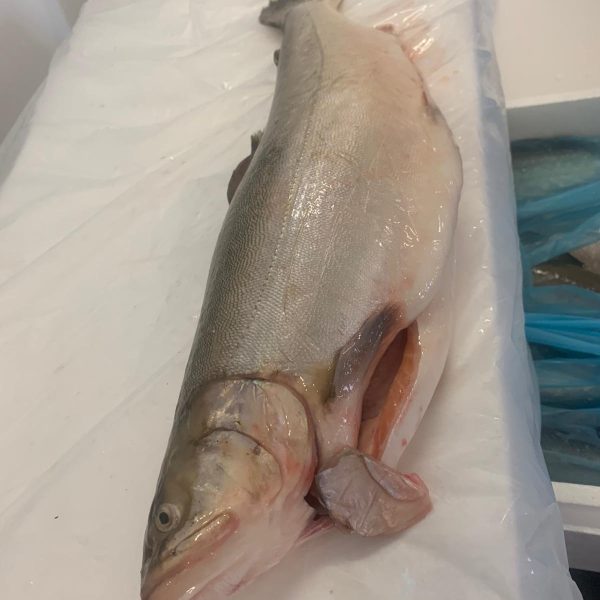
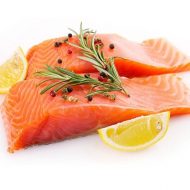
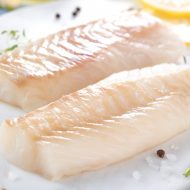
Why Buy Frozen Sea Bass Fillets?
Frozen Sea Bass Fillets work well for a practical reason: freezing turns quality into something you can manage. Instead of buying fish on a shrinking clock, you are buying a known cut in a known weight band, then holding it at a stable point until you need it. That makes portions easier to control, cooking more repeatable, and waste easier to avoid. It also suits the way most people actually shop and eat. You can keep sea bass fillets on hand for planned dinners, quick midweek meals, or a better-organised freezer, rather than overbuying and then racing to use everything in time. frozenfish.direct already frames sea bass this way across the range: buy by format, weight band, and how you plan to cook it.
Fresh and frozen are not opposites in a simple quality contest. Fresh fish can still spend time moving through handling, packing, chilled storage, transport, and display before it reaches the customer. Time adds up. Frozen changes that equation by locking fish at a defined point in the supply chain and holding it there until you are ready to use it. On frozenfish.direct, the on-site sea bass copy explains that seafood is processed and frozen within hours, and where the product listing truthfully supports it, within 3 hours of being caught. That is the useful takeaway: speed matters, cold matters, and standardised preparation helps keep the result more consistent from order to plate.
Freezing slows spoilage. Cold storage preserves texture. Vacuum packs reduce air exposure. Portions reduce waste. Consistent weights improve cooking. Frozen stock improves meal planning. Those are not marketing flourishes; they are the practical reasons a category like Frozen Sea Bass Fillets makes sense for buyers who want control as well as convenience. If you want a mild white fish that is easier to portion, easier to repeat, and easier to keep ready without guesswork, frozen is not the fallback option. It is often the more usable one.
Choose Your Cut
Fillets for everyday versatility
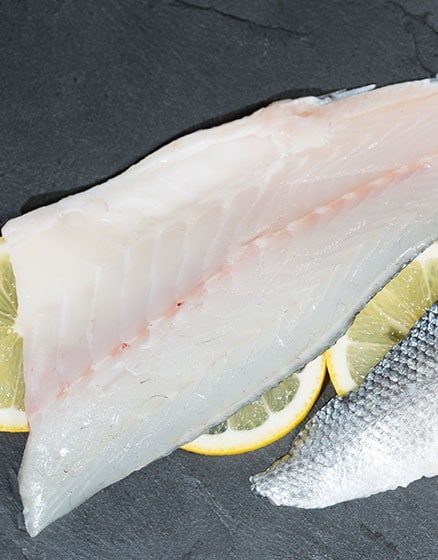
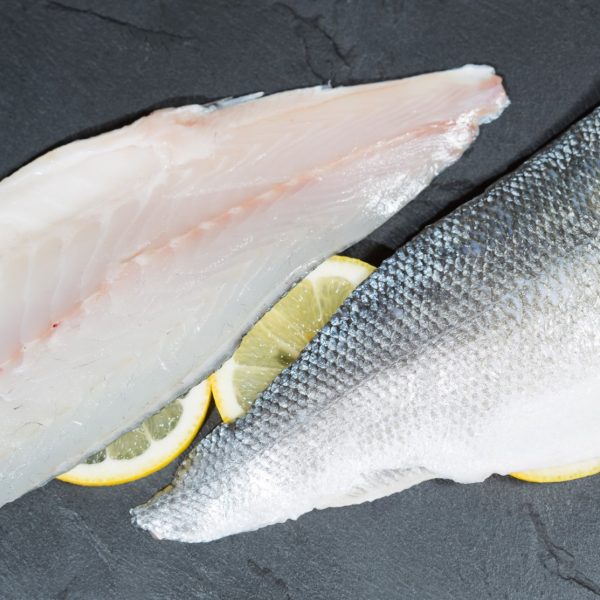
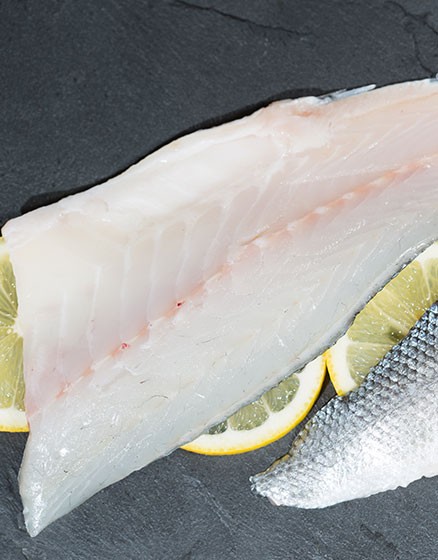
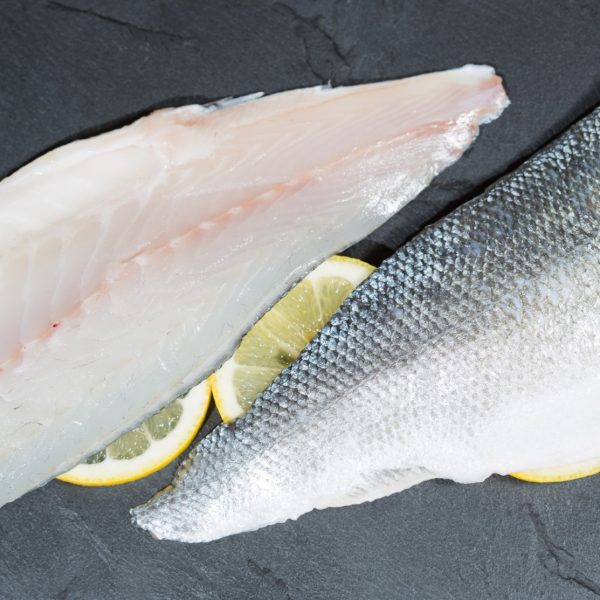
Sea bass fillets are the everyday workhorse: a mild white fish with a clean flavour, a firm texture, and the kind of flexibility that suits a quick pan cook or an easy oven dinner. They are the straightforward choice when you want speed without losing control over the plate. A fillet also gives you more room to match the pack to the meal, whether you want one proper portion or a slightly larger serving depending on the weight band and appetite. Fillets suit quick midweek cooking because the format is familiar, the prep is reduced, and the result is easy to steer.
Portions for speed and predictable sizing
Portions are sea bass with the guesswork stripped out. If you care about portion control, repeatable cooking, and cleaner planning, this is the format that keeps things tidy. Consistent sizing helps timing stay more even across the pan or tray, which matters when dinner needs to land without fuss. They also make it easier to buy for mixed appetites without forcing leftovers into tomorrow’s problem. Predictable cuts improve timing. Predictable weights improve portion control. Cleaner planning reduces waste.
Steaks for grill heat and pan colour
If you want a sea bass cut that holds shape well and tolerates higher heat better, steaks are the practical choice. The bone and structure help them stay together on a grill or in a hotter pan, which makes them useful when you want stronger surface colour without the fish feeling too delicate to handle. They are the high-heat workhorse in the range: good for grill marks, better pan contact, and a little more tolerance when the cooking is more assertive. Shape supports heat. Bone supports structure. Dry surface supports sear.
Whole side or large fillet for entertaining and batch prep
A whole side or large fillet is built for scale. It suits entertaining, batch prep, smoking, or anyone who wants the control of slicing their own portions rather than buying fixed cuts. You get a larger, cleaner piece that roasts evenly, trims neatly, and gives you more say over presentation. This is the centrepiece cut: less fiddly than working around multiple small packs, better for serving several people, and more adaptable if you like deciding the final portion size yourself.
Whole fish and speciality lines for specific uses
Whole gutted sea bass suits people who want to prep the fish themselves, whether that means roasting whole, breaking it down into fillets, or portioning it to fit a particular menu. If speciality lines are stocked, keep the expectation tight: smoked, cured, or sashimi-style sea bass should be treated as ready for specific uses, with the product details guiding how that format is meant to be served. Pick the Sea Bass Fillets that matches your pan, your timing, and your appetite.
What Arrives at Your Door
Dispatched by DPD overnight courier. Your Sea Bass Fillets are packed with dry ice in a polystyrene insulated box, and that matters because the insulation slows heat gain while the dry ice adds a much colder buffer than ordinary freezer packs, helping keep the fish frozen during transit so it arrives in proper frozen condition rather than sitting in a grey, doubtful middle state. frozenfish.direct’s own frozen guarantee and FAQ wording say dry ice runs at around -60°C, while orders are kept at below -20°C in transit so they arrive completely frozen.
The delivery promise is built around control, not guesswork. Orders placed before the stated cut-off are prepared for next working day delivery on eligible days, and checkout controls the valid delivery dates so the timing you see at purchase is the timing the order is worked to. That is the practical difference between a cold-chain operation and a hopeful parcel drop: dispatch, insulation, dry ice, and delivery timing all work together so your fish reaches you freezer-ready. frozenfish.direct uses this same delivery language across its category pages, including sea bass and other frozen fish ranges, which gives the promise a useful consistency rather than leaving it to one lonely page to do all the talking.
When the order arrives, the first job is simple: open it promptly, check the contents, and move the fish straight into your freezer, then follow the on-pack storage guidance for each item. If any dry ice remains, keep the handling calm and sensible. Avoid direct skin contact, keep the area ventilated, do not seal the dry ice in an airtight container, and keep it away from children and pets. It is there to protect the cold chain, not to cause drama. Once the fish is unpacked and stored, the delivery part is done and the category goes back to what it should be: known cut, known pack, known result.
Label-First Transparency
Buying Sea Bass Fillets should not feel like decoding a puzzle. Each product is built around the practical fields that actually help you decide: the cut, the weight or pack size, whether the fillet is skin-on or skinless where relevant, whether it is boneless or pin-boned where relevant, and whether it is wild or farmed where applicable. Those are the details that shape what happens next in the kitchen and at checkout. A neat product name is useful, but it is the cut, the pack format, and the prep information that tell you whether the fish suits a quick pan cook, a larger oven dish, or a more specific plan.
Cut drives cooking. Weight drives timing. Skin drives texture. Origin informs preference. Method informs fat level. Pack size informs value. Those are not filler lines; they are the small decisions that make one sea bass fillet a better fit than another. If origin or catch area differs between products, it is shown on the product details rather than forced into a blanket category claim. That matters because buyers compare more than species alone. They compare portion size, handling preference, source, and the likely result on the plate. Clear details make that comparison easier and more reliable.
Sea Bass Fillets is also clearly flagged for allergens, and where a speciality line includes added ingredients — such as smoked or cured products — those ingredients are listed on the product details as well. That keeps the page commercially useful instead of vague. Source shapes preference. Prep shapes convenience. Better labels shape better buying. The aim is simple: when you choose a Sea Bass Fillet on frozenfish.direct, you should know what the pack is, what the fish format is, and what kind of result that product is built to deliver.
Storage and Defrosting
Treat Frozen Sea Bass Fillets as texture first, logistics second. In storage, the big rule is simple: keep them frozen, keep them sealed, and keep air away from them. Air exposure is what pushes fish toward freezer burn, with the dry, dull patches and tougher bite that make a good fillet feel older than it is. If your Sea Bass Fillets are vac packed, that is already helping by reducing contact with air, but the pack still needs protecting. Lay packs flat where you can, keep them tidy rather than crushed behind other items, and rotate stock so older packs come forward first. A freezer works better when it behaves like a plan, not a graveyard.
For defrosting, the default is a slow fridge defrost. That is the calmest route for flavour, firmness, and a cleaner final texture. Keep the fish contained while it thaws so you can manage drip loss rather than letting the fillets sit in it. If the product is vacuum packed, keep the packaging intact while it defrosts unless the on-pack guidance tells you otherwise. Once thawed, open the pack, drain off any liquid, and pat dry before cooking. That step matters more than people think: a wet surface is more likely to steam and go watery, while a dry surface gives you a better sear and a neater finish. frozenfish.direct’s FAQ also recommends refrigerator defrosting as the best method because it preserves texture and flavour.
Different cuts will behave differently. Portionable pieces are usually easier because they thaw more evenly and are simpler to handle. Thicker fillets need a bit more patience if you want the middle to defrost without the outside turning too soft. Skin-on fillets often reward careful drying because the skin has a better chance of crisping, while pin-boned formats may need a slightly more deliberate prep rhythm. As a general cooking truth, fattier cuts forgive heat better, but even a forgiving fillet loses some charm if it has thawed too fast and shed too much moisture. Good thawing protects flake, keeps the flesh pleasantly firm, and stops a delicate fish from feeling loose or washed out.
Be conservative about refreezing. frozenfish.direct says it does not recommend refreezing once fish has been fully thawed because texture and quality can suffer, although fish thawed in the refrigerator and still very cold with some ice crystals may be safely refrozen with some quality loss. The safest practical rule is even simpler: if in doubt, do not refreeze, and follow the on-pack instructions. This is not about fear. It is about keeping Sea Bass Fillets tasting and behaving the way you wanted when you bought them.
Cooking Outcomes
Pan-Seared Fillets for Crisp Skin and a Juicy Centre
For skin-on Sea Bass Fillets, the best result usually starts with a dry surface and a properly hot pan. Pat dry matters because moisture fights colour; dry surface equals better sear. Once the fillet goes down, leave it alone long enough for the skin to tighten and crisp rather than dragging it around the pan and tearing the surface before it has settled. Finish gently so the centre turns opaque, the flesh starts to flake with light pressure, and the middle stays juicy rather than turning chalky.
Gentle Pan or Oven Cooking for Portions
Portionable Sea Bass Fillets reward a calmer hand. A portion cooks more evenly when the heat is steady rather than aggressive, and that matters because overcooking pushes the texture from firm to soft and then on toward dry. Gentle finish protects moisture. Resting evens temperature. If the flesh flakes too hard or starts looking watery from excess drip loss in the pan, you have usually pushed it a step too far.
Grill-Ready Cuts and Thicker Fillets
Thicker fillets and steak-style cuts have more tolerance for stronger heat, but they still need judgment. Thickness changes timing. Fat content changes forgiveness. A thicker, skin-on piece can take a grill or hotter pan better than a finer fillet because it holds shape more confidently, but the aim is still a firm, moist centre rather than a hard outer shell and a dry core. Look for clear grill colour, flesh that has turned opaque most of the way through, and a flake that separates neatly without collapsing.
When the Format Changes, the Handling Changes
If a Sea Bass Fillet is skinless, pin-boned, extra-thin, unusually thick, or prepared for a more specific use, treat the format as part of the cooking instruction. Thin fillets tend to cook fast and can overrun quickly; thicker cuts are more forgiving but still need a gentle finish. If speciality sea bass items are stocked — smoked, cured, or sashimi-style lines — they sit in a different handling category altogether, so follow the product details rather than forcing them into a hot-pan routine meant for standard raw fillets. The point is simple: one fish species does not mean one cooking rule.
Nutrition Snapshot
Sea Bass Fillets earn their place in the freezer because they are a straightforward fish choice rather than a grand health performance. In general terms, sea bass is known for being naturally protein-rich and for containing fats that can include omega-3s, but the exact picture depends on the species, the cut, and whether the fish is wild or farmed. That is why the sensible approach is the label-first one: nutrients vary by species, cut, and whether it is wild or farmed; see product details. frozenfish.direct already uses that same practical logic elsewhere on the sea bass range, keeping the category useful instead of pretending every pack tells the same story.
It also helps to keep “nutrition” tied to what the buyer actually experiences on the plate. A sea bass fillet with a little more natural fat can feel slightly richer and more forgiving in the pan, while a leaner fillet tends to feel cleaner and flake more delicately. That is not a value judgment; it is a cooking reality. Fat content and texture can influence how a fillet handles heat, how juicy it feels at the centre, and how much tolerance you have before the flesh starts to dry out. In other words, nutrition is not just a panel on a pack; it can shape the cooking result as well.
The useful thing about Sea Bass Fillets is that they fit comfortably into a balanced diet without turning dinner into ideology. You can serve them with the vegetables, potatoes, rice, grains, or sauces you actually enjoy and still keep the meal feeling satisfying and properly structured. That matters more than vague “superfood” language ever will. The confident choice here is not about chasing miracle claims. It is about choosing a mild, versatile fish in a format that suits your portions, your cooking style, and the product details you can verify before you buy.
Provenance and Responsible Sourcing
We show method and origin details per product so you can choose what fits your preferences. That is the practical starting point for provenance on frozenfish.direct: not one sweeping category claim, but product-level information that helps you compare what is actually in stock. In the current Sea Bass Fillets range, the category can include farmed Sea Bass Fillets, wild Sea Bass Fillets where stocked, and broader sea bass speciality lines across the wider Sea Bass range. The site already reflects that mixed structure: the Sea Bass Fillets 1kg product is shown as Turkey / Frozen / Raw / Farmed, while the category also lists wild Sea Bass Fillets in other weight bands.
That is why this page should stay evidence-led. Provenance supports preference. Clear labels support trust. Evidence supports claims. Some buyers actively want wild-caught sea bass; others are more focused on pack size, cut, or how the fillet will handle in the pan or oven. frozenfish.direct’s own FAQ states that the business offers a wide selection of wild-caught fish including sea bass, and that wild-caught lines are clearly labelled, which supports a product-by-product approach instead of trying to force one sourcing story across every SKU.
Where origin or catch area differs, it should be treated as SKU-level information and shown on the product details rather than written as a blanket category promise. The same applies to method. A farmed fillet from one origin and a wild fillet from another are not interchangeable provenance stories, even if both sit under the same commercial category. Method informs buying. Origin informs preference. Specificity informs confidence. That is the useful standard here.
If speciality sea bass lines are stocked, they should be positioned just as tightly: ready for specific uses, with the relevant details shown on the product page. The parent Frozen Sea Bass page already describes the wider range as potentially including fillets, portions, steaks, whole sides or large fillets, whole gutted fish, and speciality lines such as smoked or cured and sashimi-style cuts if stocked. The right provenance message is not “everything is the same.” It is “each product tells you what it is, so you can buy what suits you.”
Frequently Asked Questions
Is frozen sea bass fillets as good as fresh?
Not necessarily better, and not necessarily worse either. The real comparison between fresh and frozen Sea Bass Fillets is about time and handling. “Fresh” sounds simple, but fish can still spend days moving through packing, chilled storage, transport, and retail before it reaches the pan. Frozen works differently: it locks the fish at a specific point in the supply chain and holds it there until you are ready to use it. frozenfish.direct’s own FAQ says its fish is filleted, packed, and frozen within 3 to 4 hours of being caught, while the wider sea bass range also uses the more careful wording that seafood is processed and frozen within hours, and where the product truthfully supports it, within 3 hours.
In practical terms, that means frozen Sea Bass Fillets can be every bit as satisfying as fresh if the cold chain is handled properly and the fish is treated well once it gets to your kitchen. Texture and flavour are where the honest caveat sits. Freezing can affect moisture if the fish is poorly packed, allowed to warm up, or defrosted carelessly. That is when fillets can turn a little watery, soften too much, or lose some of the clean firmness you want. Good packaging and good defrosting protect quality. frozenfish.direct ships with dry ice in insulated packaging designed to keep the fish frozen on arrival, which matters because protecting the fish in transit is part of protecting the eating quality you paid for.
The better question, then, is not “fresh or frozen?” but “which format suits the way I cook?” If you want easy, repeatable midweek dinners, portions or smaller fillets make the most sense because they are predictable and easy to plan around. If you want Sea Bass Fillets for grilling or stronger pan colour, thicker fillets or steak-style cuts are usually the more forgiving choice because they hold shape better under higher heat. If you are buying for entertaining, a larger fillet or whole side gives you more control over slicing, plating, and portion size. frozen sea bass is especially strong when you want known cuts, known weights, and a fish you can keep ready rather than use in a rush.
So no, fresh is not always worse, and frozen is not magic. But when the fish is frozen quickly, packed properly, and handled well, frozen Sea Bass Fillets are often the more practical buy. If you want predictable results, frozen is the easier way to make Sea Bass Fillets a routine.
How do I defrost frozen sea bass fillets without it going watery?
Watery Sea Bass Fillets usually come down to moisture management rather than the fish itself. When fish freezes, tiny ice crystals form inside the flesh. As it thaws, some of that moisture comes back out as drip loss, especially if the fillet warms too quickly, sits in liquid too long, or has already been through rough handling. Repeated thaw-and-refreeze cycles make that worse because they disturb the structure of the flesh again and again, which is when texture starts to turn softer, looser, and less clean in the pan. frozenfish.direct’s own handling language makes the same basic point in practical terms: good packaging and good defrosting protect flavour and texture.
The best default is a calm fridge defrost. Keep the fish contained while it thaws so any liquid does not spread and the fillet does not end up sitting in a puddle. If the product is vac packed, keep the packaging intact while it defrosts unless the on-pack guidance says otherwise; that helps protect the flesh from extra air exposure and reduces mess. Once thawed, open the pack, drain away any liquid, and pat dry well before cooking. That last step matters more than many people realise: a wet surface steams, while a dry one gives you a cleaner sear and a firmer finish.
Different cuts behave differently. Portions are usually easier because they are more even and more portionable, so the thaw is simpler to manage. Thick fillets naturally take longer to defrost evenly, which is why frozenfish.direct’s FAQ says thicker fillets and whole fish are often better defrosted first for more even cooking. Steaks behave differently again because the structure is firmer and the shape is denser, so they tend to feel less flimsy during handling but still benefit from a gentle thaw and a dry finish before heat hits them. For skin-on or pin-boned items, the same rule holds: keep the thaw controlled, keep the fish contained, and treat surface moisture as the enemy of good texture. Follow on-pack guidance for the specific product, because format always matters.
If you are short on time, cooking from frozen can work as a backup for some products, especially thinner fillets, but that is a separate question and not the best route if your main goal is texture control. If you have already thawed the fish, be conservative about refreezing. frozenfish.direct’s own guidance is sensible here: if in doubt, do not refreeze, and always follow the on-pack instructions because quality can drop quickly, with more drip loss and a softer result. Good defrosting is texture control.
Wild vs farmed sea bass fillets — what should I choose?
Both can be excellent, and the better choice is usually about preference, dish, and handling, not a simple good-bad verdict. On frozenfish.direct, the category may include farmed Sea Bass Fillets, wild Sea Bass Fillets where stocked, and broader speciality sea bass lines across the range. The site’s product details already show this clearly in practice: for example, the Sea Bass Fillets 1kg listing is marked farmed and shows its origin as Turkey, while the wider site also lists wild sea bass items and says wild-caught fish is clearly labelled.
The usual differences are practical rather than ideological. Research on sea bass has found that farmed and wild fish differ in composition and especially in texture, and another study found that wild sea bass fillets were harder/firmer than farmed fish during chilled storage. In kitchen terms, that often translates into farmed fish feeling a little richer or softer, while wild fish can feel a little leaner, firmer, and sometimes more assertive in flavour. That does not mean one is automatically better. It means they may suit different buyers and different plates. Price can differ too, and consistency can be part of the decision: farmed lines are often chosen because they offer a more standardised size and feel, while wild lines may appeal more to buyers chasing a particular character or preference. (ScienceDirect)
That is why the smartest way to buy is label-first. Check whether the item is wild or farmed, and check where it comes from on the product details. Then think about the dish. A leaner, firmer wild Sea Bass Fillet may suit gentler cooking and sauces, where you want to protect texture and let the fish stay elegant rather than forcing too much heat into it. A farmed Sea Bass Fillet, with a little more fat, may be more forgiving in a hot pan or under a grill, especially when you want stronger surface colour and a slightly richer mouthfeel. Thicker cuts, skin-on formats, and larger fillets also change how each type behaves, so format matters alongside origin and method.
So the shortcut is simple: do not treat wild and farmed as a moral contest. Treat them as two useful options inside the same category. Choose the one that fits your preference, your budget, and the way you want to cook. Choose by cooking method first, then by origin and method.
Which sea bass fillets should I buy for my plan?
The right Sea Bass Fillets for your plan depend less on species and more on format, thickness, and skin. frozenfish.direct’s wider Sea Bass range is built around that logic: the parent range can include fillets, portions, steaks, whole sides or large fillets, whole gutted fish, and speciality lines such as smoked or cured products when stocked. That matters because different plans need different cuts. For weeknight meals, portions are usually the easiest buy because they are neater, more predictable, and simpler to plate without much fuss. For grilling, thicker fillets or steak-style cuts are the better fit where available, because they hold shape more confidently and cope with stronger heat better than a finer fillet. For entertaining, a whole side or large fillet gives you a cleaner centrepiece and more control over how you slice and serve. If you want to prep it yourself, whole sea bass is the natural choice because it gives you the most control over trimming, portioning, and final presentation. For special occasions, smoked or cured speciality lines, where stocked, make more sense than forcing a standard raw fillet into a job it was not built for.
The two biggest outcome levers are thickness and skin. Thickness changes how the fish handles heat and how forgiving it feels in the pan, oven, or on the grill. A thicker cut gives you more room for a proper surface finish without drying the centre too quickly, while a thinner fillet is usually faster and more convenient but less tolerant if you push it too hard. Skin changes texture and handling. A skin-on fillet is often the better choice if you like crisp surface texture and a little more structural support during cooking. A skinless piece can feel cleaner and more delicate, but it usually asks for a gentler hand. That is why two packs of sea bass can behave very differently even before seasoning enters the room.
If you only buy one thing, buy the format that matches how you cook most often, not the one that sounds most impressive. For most households, that means a straightforward portion or fillet pack that suits fast midweek cooking and predictable serving. Then branch out: choose thicker grill-ready cuts if heat and colour matter, whole sides or larger fillets if you are feeding people, and whole fish if you genuinely want to do the prep yourself. The product details will tell you whether an item is wild or farmed, how it is packed, and what kind of cut you are dealing with, which is far more useful than shopping by vague ideas alone. Pick the cut that matches your heat source and your timing.
Can I cook sea bass fillets from frozen?
Yes, often you can — but method matters. frozenfish.direct’s own sea bass guidance says exactly that: yes, often you can, but the result depends mainly on thickness and surface moisture. A frozen fillet sheds water as the outer ice melts, which makes a hard, immediate sear more difficult, while the centre is still colder and denser than the surface. That is why cooking Sea Bass Fillets from frozen is usually easier when you treat it as a controlled start rather than throwing it straight into aggressive high heat and hoping the middle catches up. The site’s broader FAQ says many fish products can be cooked from frozen, especially thinner fillets, while thicker fillets and whole fish are usually better defrosted first for more even cooking.
The most practical approach is simple. Remove the packaging first. If there is a layer of loose surface ice, rinse it off quickly if needed, then pat the fish dry so you are not fighting extra moisture from the start. From there, begin with a gentler cooking phase — oven, air-fryer, or a covered pan are often more forgiving than a direct high-heat sear because they help the centre start cooking before the outside gets too far ahead. Once the fillet has begun to loosen, warm through, and lose that frosty stiffness, you can finish with higher heat if you want better colour or a cleaner surface. That general logic also lines up with external food-safety guidance: frozen seafood can be cooked directly from frozen, but controlled thawing or gentler early cooking gives you a better shot at an even result. (U.S. Food and Drug Administration)
Where this works best is with thinner, standard fillets that are meant for straightforward pan, oven, or tray cooking. Where it works less well is with very thick pieces, especially if your goal is a perfect crisp sear and a neatly timed centre. In that case, defrosting first usually gives you more control. The same caution applies to speciality sea bass products: if a line is cured, smoked, sashimi-style, or otherwise prepared for a specific use, follow the product guidance rather than assuming the “cook it from frozen” rule applies across the board. Even within the raw sea bass range, product details matter because some items are better suited to one method than another.
So the honest answer is yes — often you can cook Sea Bass Fillets from frozen, especially when the fillet is not too thick and the method gives the fish a softer start. Just do not expect a frozen fillet to behave exactly like a fully defrosted one in a screaming-hot pan. Follow on-pack guidance and adjust to thickness. Frozen-to-oven is the weeknight cheat code when you need Sea Bass Fillets now.
How long do frozen sea bass fillets last, and how do I avoid freezer burn?
Frozen Sea Bass Fillets can stay safe for a long time in the freezer, but that is not the same thing as saying quality stays perfect forever. That is the key distinction. Frozen storage is excellent for slowing spoilage and keeping fish stable, but over time the eating quality can still decline, especially if the pack is exposed to air, gets knocked about, or sits in a freezer that warms and cools repeatedly. frozenfish.direct’s own guidance puts the final word on on-pack storage instructions, and that is the right standard to follow for each product.
Freezer burn is mainly a quality problem caused by dehydration and air exposure. The FDA describes it as a food-quality issue rather than a food-safety issue, and notes that it shows up as dry, leathery or discoloured patches. On fish, that usually means dull colour, dry patches on the surface, and a tougher texture once cooked. The flavour can feel flatter too, because the flesh has lost moisture rather than because the fish has suddenly become unsafe. (U.S. Food and Drug Administration)
The best defence is boring, which is exactly why it works. Keep packs sealed until you need them. Minimise air exposure every time you handle the fish. Store packs flat where possible so they freeze evenly and are less likely to split or get crushed. Rotate stock so older packs come forward first and newer packs sit behind them. Try to keep the freezer temperature steady rather than letting fish linger in an open drawer while you rummage around for chips or mystery peas from 2024. frozenfish.direct gives exactly this sort of advice across its frozen-fish pages: keep packs sealed, store flat, rotate stock, and protect the fish from air.
This is also where packaging matters. Many frozenfish.direct fish products are vacuum packed, and the site explicitly notes that vacuum packing helps reduce air exposure and slows dehydration. That is one of the best practical defences against freezer burn, because less air sitting against the fish means less drying of the surface over time. Your job is to keep that protection intact and not undo it by opening packs early or leaving fish half-wrapped in the freezer.
So how long does frozen Sea Bass Fillets last? The honest answer is: long enough to be very useful, but not so long that quality becomes irrelevant. Treat on-pack guidance as the final word, use older packs first, and keep the cold steady. Good packaging and steady cold are what keep Sea Bass Fillets tasting like Sea Bass Fillets.