Why Buy Frozen Smoked Eel?
Frozen Smoked Eel works well because frozen is not just a storage method; it is a quality-control advantage. It gives you a product that is easier to portion, easier to hold in stock, and easier to use with less waste. Instead of buying on hope and timing, you are buying a format that stays consistent from pack to pack. That matters with smoked eel because texture, sliceability, and smoke profile all need to stay steady if you want reliable results in the kitchen.
At frozenfish.direct, seafood is processed and frozen within hours, and across the site the brand states that much of its fish is filleted, packed and frozen within 3 hours of being caught. The practical benefit is simple: frozen locks in a point-in-time quality. With smoked eel, that means you are working from a stable starting point rather than a product that may already have spent time moving through the supply chain before it reaches you.
That is the real difference in the fresh-versus-frozen conversation. “Fresh” does not always mean newly caught. Fresh fish can still travel, wait, and move through several handling stages before it lands in a kitchen. Time adds up. Frozen simply stops more of that drift. It holds the product closer to the condition it was in when it was packed, which helps with consistency, planning, and yield.
Freezing slows spoilage. Cold storage preserves texture. Portionable packs reduce waste. Consistent weights improve cooking. Frozen stock improves meal planning.
For buyers, that translates into fewer surprises. You can buy to a plan, hold stock with confidence, portion what you need, and avoid the waste that comes from over-ordering or rushing to use fish before the clock runs down. With Frozen Smoked Eel, frozen is not the compromise. In many cases, it is the cleaner and more repeatable way to buy.
Choose Your Cut
Fillets for versatility and quick midweek cooking
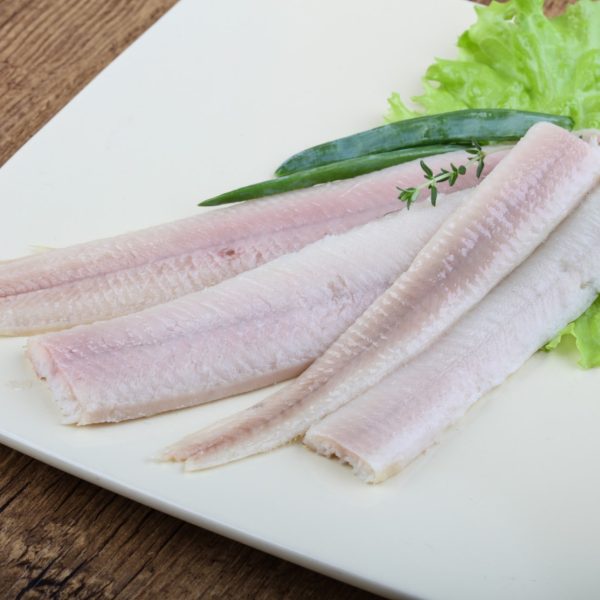
If convenience matters, smoked eel fillets are the easiest place to start. They are versatile, easy to portion, and simple to work into a quick midweek plan. Fillets suit light oven warming, gentle pan work, and fast assembly dishes where you want rich smoked flavour without a lot of prep. They are also the cleanest option when you want tidy plating, easy slicing, and less handling on the board.
Portions for speed, control, and repeatable results
Smaller portion packs make sense when you want speed, predictable sizing, and better portion control. A set weight gives you a clearer idea of yield, helps with plating, and keeps batch prep tighter. If you are cooking for one or two, or building starters and lighter lunch dishes, portionable smoked eel fillets give you more control over how much you use and how much you keep back for another plan.
Larger cuts for shape, heat, and stronger pan performance
If your plan involves more assertive cooking, larger cuts and fuller pieces usually give you more tolerance in the pan or under the grill. They hold shape better, take colour more confidently, and are less likely to break up during handling. That makes them a good fit when you want a firmer slice, a neater finish, or a smoked eel portion that still feels substantial on the plate.
Whole smoked eel for prep-it-yourself buyers
Whole smoked eel suits people who want to prep themselves. It is the better choice when you want to slice your own portions, control thickness, and decide how the product is presented. It also works well for entertaining, batch prep, and kitchens that prefer to break the fish down in-house rather than rely on pre-portioned pieces.
Speciality packs for specific uses
Speciality smoked eel lines should be chosen for the job they are built to do. A sliced bulk catering pack is ready for larger-scale service, platter work, and repeat prep where speed and consistency matter. Skinless fillets are useful when you want cleaner handling. Packs that may contain small bones simply need the right serving context and a more careful finish.
Pick the Smoked Eel that matches your pan, your timing, and your appetite.
What Arrives at Your Door
Frozen Smoked Eel needs a proper cold chain, and that starts with packaging that is built for frozen transit rather than treated like an afterthought. Dispatched by DPD overnight courier. Each order is packed with dry ice in a polystyrene insulated box, which matters because it helps keep the fish frozen during transit and protects the product from the kind of temperature drift that can affect texture, smoke character, and pack condition.
For customers, the process is straightforward. Orders placed before the stated cut-off are prepared for next working day delivery on eligible days, and the checkout controls the valid delivery dates shown for your order. That means the delivery options you see at checkout are the dates that fit the current dispatch schedule, rather than a vague promise that leaves room for confusion later.
What arrives should feel like a cold-chain food delivery, not a standard parcel with fish inside it. The insulated box helps retain the cold. The dry ice supports the frozen environment during transit. The sealed packing helps protect the product until you are ready to put it away. With smoked eel, that matters because you are buying for quality and consistency, and both depend on the product staying properly frozen for the journey.
When the box arrives, open it promptly, check the contents, and move the Smoked Eel straight to the freezer. After that, follow the on-pack storage guidance for the specific product you have ordered. That quick first step keeps handling clean and avoids unnecessary temperature gain while the parcel is sitting indoors.
Dry ice is useful, but it should be handled sensibly. Avoid direct skin contact, keep the area ventilated while unpacking, do not seal any remaining dry ice in an airtight container, and keep it away from children and pets. It is there to support the cold chain, not to create drama.
The aim is simple: your Frozen Smoked Eel should arrive as a properly packed frozen product, ready to go into the freezer with as little fuss, delay, or doubt as possible.
Label-First Transparency
Buying Smoked Eel should not feel vague. Each product is there to be understood quickly, not decoded after it arrives. On frozenfish.direct, the useful buying fields are the ones that matter in the kitchen: the cut, the weight or pack size, whether the product is skin-on or skinless where relevant, whether small bones may still be present, and whether the item is wild where that applies. On the live smoked eel range, for example, the 100g fillets show country, frozen, cured, and wild; the 200g fillets are presented as skinless and may contain small bones; and the whole smoked eel product makes the weight band clear at 550/700g.
That kind of label-first detail helps customers buy for outcome, not just for price. Cut tells you how the product will handle. Weight tells you how much you are working with. Skin tells you something about texture and prep. Bone notes tell you how much finishing attention the product may need. When origin or catch area varies by item, the sensible approach is to show it on the product details rather than make a blanket category claim. That keeps the page specific and keeps the buying decision cleaner.
Smoked Eel is also a product where clarity around allergens and ingredients matters. Fish should be clearly flagged, and for cured or smoked products the ingredients should be listed where relevant so customers can see what they are actually buying rather than assume from the product name alone. That is especially useful on specialist lines, where smoking method, curing style, or added flavouring can affect preference. The 1kg catering pack, for instance, is described as hot-smoked with honey, skinless, and may contain small bones — exactly the kind of practical note that turns a product description into a buying tool.
Cut drives cooking. Weight drives timing. Skin drives texture.
Origin informs preference. Method informs flavour. Pack size informs value.
Bone notes inform prep. Product details reduce guesswork. Labels support better buying.
Storage and Defrosting
Frozen Smoked Eel is easiest to manage when you treat texture as the priority from the start. Keep it frozen until you need it, keep packs protected from air exposure, and rotate your stock so older packs are used first. That simple habit does a lot of quiet work in the background. It helps reduce freezer burn, keeps the smoke profile cleaner, and gives you a better chance of getting the same result each time you cook.
If the product is vac packed, leave it sealed while frozen and handle it with the same calm, practical discipline you would use for any specialist smoked fish. Air is the enemy of finish. The more exposure the fish gets in the freezer, the more likely you are to see dry edges, dull surface texture, or that slightly tired look that comes with dehydration. Portionable packs help here because you only open what you need, rather than disturbing the whole lot every time you cook.
For defrosting, the fridge is the default. Let the Smoked Eel thaw slowly, keep it contained, and manage any drip loss rather than letting it sit loose in contact with liquid. Once thawed, open the pack, drain any excess moisture, and pat dry before cooking if you want a better sear or a cleaner finish in the pan. That small step makes a real difference. A wet surface tends to turn soft and a bit watery before it colours. A drier surface gives you more control over texture, especially if you want a firmer edge.
Different cuts behave slightly differently. A thicker piece will usually hold its firmness better than a thin slice. Skin-on fish, where relevant, can give a little more handling tolerance. Pin-boned or bone-noted products may need a more careful finish before serving. Fatty cuts forgive heat better than leaner ones, but even then, smoked eel is usually best treated with a light hand rather than pushed too hard.
On refreezing, keep it conservative. If the product has thawed and you are unsure, do not refreeze it. Follow the on-pack guidance for the specific item. Good cold storage, careful thawing, and a quick pat dry do more for Smoked Eel than overcomplicating the process ever will.
Cooking Outcomes
Pan-finish for colour and control
When you want the cleanest finish, start with a dry surface and a properly hot pan. Leave the eel alone long enough to take colour rather than nudging it around too early, then finish gently so the centre stays moist and the smoked character does not turn harsh. Dry surface equals better sear. Gentle finish protects moisture. Resting evens temperature. This style works especially well when you want neat slices, a light crust, and a centre that still feels supple rather than tight.
Gentle heat for portions and smaller pieces
Portions and thinner fillets need a lighter hand. Use gentle heat, avoid overcooking, and give the fish a brief rest before serving so the texture settles rather than turning soft or watery. Smoked eel should feel warm, glossy, and tender, with enough firmness to flake cleanly when pressed but not so much heat that the flesh dries out. Thickness changes timing. Fat content changes forgiveness. Smaller pieces reward precision more than force. The 200g fillets are described as firm, meaty, skinless, and suitable for both cold and hot preparations, so the aim is to warm and finish them, not bully them.
Grill-ready pieces and larger cuts
Larger cuts usually give you more tolerance under the grill or in a stronger pan finish because they hold shape better and are slower to dry out. If you want a little more colour on the outside, let the surface take that heat while keeping the finish controlled so the interior keeps its richness and firmness. The best doneness cues are visual and tactile: the flesh should look glossy rather than chalky, feel structured rather than rubbery, and separate into clean flakes without collapsing. A thicker, fattier piece will usually forgive heat better than a thin slice, but even then the best results come from restraint, not aggression.
Whole and speciality items have different handling expectations
Whole smoked eel, skinless fillets, and bulk catering packs should not all be treated the same way. Whole eel is better approached as a carve-and-portion format, while sliced catering packs are already prepared for faster service and cleaner plating. The 1kg catering pack is described on-site as sliced, skinless, hot-smoked with honey, firm and meaty, and it may contain small bones, so follow product details and handle it like a ready-portioned service item rather than a product that needs heavy cooking.
Finish for the plate, not for the stopwatch
Good smoked eel cookery is about outcome. You are looking for a light sear where wanted, a juicy centre, a clean flake, and enough firmness that the fish still feels composed on the plate. If it looks wet and slack, it needs a cleaner finish. If it starts to look dry, tight, or overly dark, back off. The goal is simple: let the smoke, the fat, and the texture do the work.
Nutrition Snapshot
Frozen Smoked Eel is best understood as a richly flavoured fish product first, with nutrition sitting alongside taste, texture, and cooking performance rather than replacing them. It can contribute useful protein and naturally occurring fats to the plate, and eel is often associated with omega-3 fatty acids and vitamins such as A, B12, and D on product pages across the site. The sensible way to read that information, though, is with a bit of context. Nutrients vary by species, cut, and whether the eel is wild or farmed, and smoking or curing can also change what ends up in the final product. For the most reliable view, check the product details for the exact item you are buying.
That matters on a category like this because Frozen Smoked Eel is not one single format. A smaller fillet pack, a whole smoked eel, and a larger catering pack may all suit different kitchens and different buyers, and their practical value is not only about flavour. The fat content and structure of the fish can also influence how it behaves when heated. Richer, oilier fish often feel more forgiving in the pan, while firmer cuts tend to hold their shape better during slicing and serving. In other words, the same qualities that shape the eating experience can also shape the cooking result.
This is why nutrition on a page like this should support a buying decision without turning into health marketing. Smoked eel can sit comfortably as part of a balanced diet, but the useful question for most buyers is simpler than that: which format suits the way I cook, portion, and serve fish at home or in a working kitchen?
The practical answer is to use nutrition as one part of the picture, not the whole picture. If you want a richer smoked fish with real character, a satisfying texture, and the kind of fat profile that supports gentle cooking and neat serving, Frozen Smoked Eel is a confident, well-informed choice.
Provenance and Responsible Sourcing
Provenance matters most when it is specific, not slogan-shaped. We show method and origin details per product so you can choose what fits your preferences. That is the useful standard on a category like Frozen Smoked Eel, because customers do not all buy for the same reason. Some care most about whether an item is wild or farmed. Some look first at processing style. Some simply want a particular cut, size, or finish for a particular dish.
The practical point is that eel is not a single-story category. Across the wider range, stock can include farmed eel options, wild eel items where stocked, and speciality lines such as smoked or cured eel. Those products can come through different supply chains and can suit different preferences, so the honest approach is to keep claims at SKU level rather than pretend every pack is identical.
That is how to read the smoked eel range properly. Look at the individual product details first, then decide what matters to you. One smoked eel listing may show wild status and a country cue on the product page. Another may emphasise the smoking method, cut style, or whether the fish is prepared as fillets or whole eel. If origin or catch area varies by item, it is shown on the product details rather than turned into a category-wide promise. The same goes for processing notes on smoked or cured lines: where relevant, the individual listing should carry the detail.
Provenance supports preference. Clear labels support trust. Evidence supports claims.
This is the simplest promise to make and keep. We do not wrap every Smoked Eel SKU in one broad sourcing line and hope nobody notices the differences. We show what the product is, how it has been prepared, and where that information is available on the pack-level details, so you can buy with a clearer sense of what suits your standards as well as your cooking.
Frequently Asked Questions
Is frozen smoked eel as good as fresh?
It can be, yes — but the real comparison is not “fresh” versus “frozen” as a simple quality contest. The better comparison is time and handling versus a product that has been locked in at the right moment. “Fresh” fish can still spend time moving through the supply chain, sitting in storage, travelling through depots, and waiting to be sold. That time adds up. Frozen Smoked Eel works differently. It is frozen to hold a point-in-time quality, which gives you a more stable starting point when the product is handled well from packing to plate.
That does not mean frozen is magically perfect or that fresh is automatically worse. Texture and flavour still depend on how the fish has been processed, packed, stored, and thawed. If frozen smoked eel is mishandled, allowed to dry out, or exposed to too much air, you can lose moisture and end up with a softer, slightly watery finish. If it is packed properly and defrosted properly, the quality holds much better. Good packaging reduces air exposure. Careful cold storage protects texture. Sensible handling protects the smoked flavour.
That is also where the way frozenfish.direct operates matters. The site’s handling claim is that seafood is processed and frozen within hours, and for some lines the wording is tighter still, stating that fish is filleted, packed, and frozen within 3 hours of being caught. After that, orders are shipped in insulated packaging with dry ice, designed to keep the fish frozen on arrival. The point is not to make “fresh” sound bad. The point is to reduce drift, protect condition, and give you a product that behaves more predictably.
The best choice depends on how you plan to use it. If you want smaller, controlled portions for a quick midweek lunch or starter, frozen fillet packs make a lot of sense. If you want a piece that can take a bit more pan or grill handling, larger cuts are usually the better fit because they hold shape more confidently. If you are buying for entertaining, platters, or a more traditional presentation, whole smoked eel or larger-format packs give you more flexibility and better visual impact.
If you want predictable results, frozen is the easier way to make Smoked Eel a routine.
How do I defrost frozen smoked eel without it going watery?
“Watery” Smoked Eel is usually not a problem with the fish itself. It is a problem with how the fish was thawed. When fish freezes, small ice crystals form inside the flesh. If the eel is thawed too quickly, thawed too warm, or put through repeated thaw and refreeze cycles, those crystals damage the structure of the flesh and more moisture escapes as drip loss. That is what leaves the fish looking soft, feeling looser than it should, and tasting less clean on the plate.
The best approach is simple and steady. Fridge defrost is the default because it is the gentlest and most predictable way to bring the fish back. Keep the Smoked Eel contained while it thaws so any liquid stays under control rather than sitting around the fish. If the product is vac packed, keep the packaging intact while defrosting where possible. Once thawed, open the pack, drain away any excess liquid, and pat dry before cooking or serving. That last step matters more than people think. A damp surface tends to steam and soften. A dry surface gives you a better finish and a cleaner texture.
The cut changes how easy this is to manage. Portions are usually the easiest because they are smaller, more portionable, and simpler to thaw evenly. Thick fillets need a bit more patience because the outside can soften before the centre catches up if you rush them. Steaks, where relevant, tend to behave differently again because the structure is more compact and the bone can affect how the piece thaws and cooks. In every case, the useful rule is the same: match your handling to the cut rather than treating every pack the same way.
It also helps to avoid opening and rehandling the fish more than necessary. Air exposure increases the risk of freezer burn over time, and poor freezer habits can leave even a good smoked product tasting tired. If you have already thawed the fish and you are unsure about refreezing it, take the conservative route: if in doubt, do not refreeze, and follow on-pack guidance for the specific product.
If you are caught short, cooking from frozen can work as a backup in some cases, but it is usually not the best route for smoked eel if texture is the priority. It is better treated as a fallback than a first choice.
Good defrosting is texture control.
Wild vs farmed smoked eel — what should I choose?
Both wild and farmed Smoked Eel can be excellent. The more useful question is not which one is “better” in the abstract, but which one suits your preference, your dish, and the way you like to cook. Smoked eel is already a rich, distinctive fish, so the differences between wild and farmed tend to show up in practical ways: fat level, firmness, flavour intensity, consistency, and often price.
In broad terms, farmed eel may offer a slightly more even eating experience from pack to pack. That can be useful if you want consistency in portioning, plating, or repeat prep. A fish with a steadier fat level can also feel a little more forgiving when warmed gently, because it is less likely to dry out if you are careful with the finish. Wild eel items, where stocked, may appeal to buyers who want a firmer bite, a slightly different flavour profile, or simply have a preference for that origin and method. The important thing is to keep those differences in proportion. They are buying differences, not moral verdicts.
That is why the product details matter. On frozenfish.direct, the useful information is shown at SKU level: whether the item is wild or farmed where relevant, and where it comes from when that detail applies. If origin or method varies by item, it is shown on the product details rather than stretched into a category-wide promise. That keeps the choice honest and lets you match the product to the dish in front of you.
From a kitchen point of view, smoked eel usually benefits from gentler cooking and sauces that support the fish rather than fight it. A richer, softer-eating piece may suit careful warming, creamier accompaniments, or smoother sauces. A firmer item may suit cleaner slicing, neater plating, or simpler pairings where the smoked flavour can stand on its own. The category may include wild Smoked Eel items, farmed Smoked Eel items, and speciality lines prepared for more specific uses, so it makes sense to buy with the end result in mind.
If you are unsure, keep the decision practical. Think about the texture you want, how much consistency matters to you, and whether the fish is being served simply or built into a fuller dish. Choose by cooking method first, then by origin and method.
Which smoked eel cut should I buy for my plan?
The right Smoked Eel depends less on abstract “quality” and more on what you want it to do. If your plan is a quick weeknight meal, start with portions or smaller fillet packs. They are easier to handle, easier to plate, and easier to fit into a lunch, light supper, or simple starter without overcommitting. If you already know you like smoked eel and want a little more flexibility, a larger fillet pack usually gives you a better balance between convenience and serving range.
If grilling is part of the plan, buy for structure. Thicker pieces and larger cuts, where available, tend to hold shape better and give you a little more tolerance when exposed to stronger heat. Thin slices can still be excellent, but they need a lighter hand. In practical terms, thickness is one of the two biggest outcome levers. A thicker cut usually gives you more control over texture, while a thinner cut suits faster, gentler finishing.
The second big lever is skin. Skin changes handling and texture. Skinless fillets are often the easiest route when you want cleaner prep, neater slicing, and less fuss on the plate. Skin-on fish, where relevant, can give a little more structure and a different eating feel. Neither is automatically better. It depends on whether you value convenience, finish, or the way the fish behaves when warmed and served.
If you are buying for entertaining, think in terms of presentation and prep volume. A larger pack or catering format makes more sense when you want to build platters, serve multiple guests, or keep portioning consistent across a table. If you want to prep it yourself, whole Smoked Eel is the obvious choice. It gives you control over slicing, thickness, and how the fish is presented, which is useful when you want a more traditional format or a more hands-on finish.
For special occasions, smoked or cured lines usually make the most sense because they already carry that more distinctive, delicacy-style character on the plate. They suit refined starters, cold platters, and dishes where you want the smoked flavour to do a lot of the work without too much intervention.
If you only buy one thing, buy a fillet pack. It is the easiest way to learn what you like about Smoked Eel without taking on the extra prep of a whole fish or the volume of a catering line.
Pick the cut that matches your heat source and your timing.
Can I cook smoked eel from frozen?
Yes, often you can — but method matters. The main issue is not safety theatre; it is cooking behaviour. Frozen fish releases moisture as it warms, and that surface moisture works against browning in a hot pan. frozenfish.direct’s own smoked-fish guidance makes the same basic point: thickness and surface moisture decide a lot, which is why oven cooking, an air fryer, or a covered pan is usually more forgiving than going straight for a hard sear.
The practical approach is simple. Remove all packaging first. If the Smoked Eel has visible surface ice, rinse that ice away quickly, then pat the fish properly dry. Start with gentler heat so the middle can warm through without the outside tightening too fast, then finish hotter if you want a better outside texture. That two-stage approach is the useful trick here: first warm through, then sharpen the finish. A dry surface gives you a better sear. A gentler start protects the centre. A hotter finish improves colour and texture.
This works especially well for smaller fillet portions and service-friendly packs, where speed matters more than a perfect restaurant-style crust. The live smoked eel range currently includes 100g fillets, 200g fillets, whole smoked eel gutted, and a 1kg catering pack, so the way you cook from frozen should match the format in front of you. Smaller portions are easier to manage. Thicker pieces need more patience. Bulk sliced packs are usually easier to warm through evenly than a larger, thicker piece you want to sear hard.
There are a couple of times not to do it. If you have a very thick piece and want a really clean, even sear, defrosting first usually gives you the better result because thick cuts can stay wet on the outside while the centre is still cold. And if you are dealing with a speciality cured-style product, or any smoked eel line with specific handling notes, follow the product guidance rather than forcing one method across the whole category. The 200g fillets, for example, are described as suitable for both cold and hot preparations, while the 1kg catering pack is sliced, skinless, and may contain small bones, so expectations should track the product details.
Follow on-pack guidance and adjust to thickness. Frozen-to-oven is the weeknight cheat code when you need Smoked Eel now.
How long does frozen smoked eel last, and how do I avoid freezer burn?
Yes, often you can — but method matters. The main issue is not safety theatre; it is cooking behaviour. Frozen fish releases moisture as it warms, and that surface moisture works against browning in a hot pan. frozenfish.direct’s own smoked-fish guidance makes the same basic point: thickness and surface moisture decide a lot, which is why oven cooking, an air fryer, or a covered pan is usually more forgiving than going straight for a hard sear.
The practical approach is simple. Remove all packaging first. If the Smoked Eel has visible surface ice, rinse that ice away quickly, then pat the fish properly dry. Start with gentler heat so the middle can warm through without the outside tightening too fast, then finish hotter if you want a better outside texture. That two-stage approach is the useful trick here: first warm through, then sharpen the finish. A dry surface gives you a better sear. A gentler start protects the centre. A hotter finish improves colour and texture.
This works especially well for smaller fillet portions and service-friendly packs, where speed matters more than a perfect restaurant-style crust. The live smoked eel range currently includes 100g fillets, 200g fillets, whole smoked eel gutted, and a 1kg catering pack, so the way you cook from frozen should match the format in front of you. Smaller portions are easier to manage. Thicker pieces need more patience. Bulk sliced packs are usually easier to warm through evenly than a larger, thicker piece you want to sear hard.
There are a couple of times not to do it. If you have a very thick piece and want a really clean, even sear, defrosting first usually gives you the better result because thick cuts can stay wet on the outside while the centre is still cold. And if you are dealing with a speciality cured-style product, or any smoked eel line with specific handling notes, follow the product guidance rather than forcing one method across the whole category. The 200g fillets, for example, are described as suitable for both cold and hot preparations, while the 1kg catering pack is sliced, skinless, and may contain small bones, so expectations should track the product details.
Follow on-pack guidance and adjust to thickness. Frozen-to-oven is the weeknight cheat code when you need Smoked Eel now.
Is frozen squid rings as good as fresh?
Fresh vs frozen squid rings is really a comparison between time-and-handling and point-in-time control.
“Fresh” sounds simple, but in practice it can include hours (or days) moving through landing, processing, transport, storage, and retail display. If that chain is fast and well-managed, fresh calamari can be excellent. Frozen works differently: it’s about taking squid at a good point, then locking that quality in place so it doesn’t keep drifting while you wait for the right day to cook it.
Texture and flavour are where people notice the difference most. Squid is naturally lean and sensitive, so it can turn chewy if it’s overcooked, and it can feel a bit watery if it’s been poorly packed or thawed carelessly. That’s why packaging and handling matter as much as the word “frozen.” Good vacuum packing helps reduce air exposure (which protects quality in the freezer), and sensible thawing helps reduce drip loss so the rings sear instead of steaming. Done well, frozen squid rings can be clean-tasting, tender, and very consistent.
This is where frozenfish.direct’s approach is designed to help: the seafood is processed and frozen within hours (and where a specific product states a tighter window, you can rely on that SKU-level detail), then shipped using a cold-chain setup—insulated polystyrene packaging with dry ice, dispatched by DPD overnight—built to keep your order frozen on arrival. The goal is boring reliability: the product stays in the state it was packed in, not “half-thawed by the time it reaches you.”
As a buying decision, think in use-cases. For midweek meals, frozen wins because it’s portionable and repeatable—grab what you need, cook with confidence, and put the rest back properly sealed. For grilling or high-heat cooking, choose rings that suit that job (often slightly thicker rings hold shape better) and keep the cook hot-and-fast. For entertaining, frozen is handy because you can plan: a larger pack for a crowd, or coated/battered lines when you want consistent crunch with minimal prep.
If you want predictable results, frozen is the easier way to make Squid Rings a routine.
{
"@context": "https://schema.org",
"@type": "FAQPage",
"@id": "https://frozenfish.direct/shop/frozen-eel/smoked-eel/smoked-eel-fillets-200g-2/#FAQPage",
"mainEntity": [{
"@type": "Question",
"name": "Is frozen smoked eel as good as fresh?",
"acceptedAnswer": {
"@type": "Answer",
"text": "It can be, yes — but the real comparison is not “fresh” versus “frozen” as a simple quality contest. The better comparison is time and handling versus a product that has been locked in at the right moment. “Fresh” fish can still spend time moving through the supply chain, sitting in storage, travelling through depots, and waiting to be sold. That time adds up. Frozen Smoked Eel works differently. It is frozen to hold a point-in-time quality, which gives you a more stable starting point when the product is handled well from packing to plate.
That does not mean frozen is magically perfect or that fresh is automatically worse. Texture and flavour still depend on how the fish has been processed, packed, stored, and thawed. If frozen smoked eel is mishandled, allowed to dry out, or exposed to too much air, you can lose moisture and end up with a softer, slightly watery finish. If it is packed properly and defrosted properly, the quality holds much better. Good packaging reduces air exposure. Careful cold storage protects texture. Sensible handling protects the smoked flavour.
That is also where the way frozenfish.direct operates matters. The site’s handling claim is that seafood is processed and frozen within hours, and for some lines the wording is tighter still, stating that fish is filleted, packed, and frozen within 3 hours of being caught. After that, orders are shipped in insulated packaging with dry ice, designed to keep the fish frozen on arrival. The point is not to make “fresh” sound bad. The point is to reduce drift, protect condition, and give you a product that behaves more predictably.
The best choice depends on how you plan to use it. If you want smaller, controlled portions for a quick midweek lunch or starter, frozen fillet packs make a lot of sense. If you want a piece that can take a bit more pan or grill handling, larger cuts are usually the better fit because they hold shape more confidently. If you are buying for entertaining, platters, or a more traditional presentation, whole smoked eel or larger-format packs give you more flexibility and better visual impact.
If you want predictable results, frozen is the easier way to make Smoked Eel a routine."
}
}, {
"@type": "Question",
"name": "How do I defrost frozen smoked eel without it going watery?",
"acceptedAnswer": {
"@type": "Answer",
"text": "“Watery” Smoked Eel is usually not a problem with the fish itself. It is a problem with how the fish was thawed. When fish freezes, small ice crystals form inside the flesh. If the eel is thawed too quickly, thawed too warm, or put through repeated thaw and refreeze cycles, those crystals damage the structure of the flesh and more moisture escapes as drip loss. That is what leaves the fish looking soft, feeling looser than it should, and tasting less clean on the plate.
The best approach is simple and steady. Fridge defrost is the default because it is the gentlest and most predictable way to bring the fish back. Keep the Smoked Eel contained while it thaws so any liquid stays under control rather than sitting around the fish. If the product is vac packed, keep the packaging intact while defrosting where possible. Once thawed, open the pack, drain away any excess liquid, and pat dry before cooking or serving. That last step matters more than people think. A damp surface tends to steam and soften. A dry surface gives you a better finish and a cleaner texture.
The cut changes how easy this is to manage. Portions are usually the easiest because they are smaller, more portionable, and simpler to thaw evenly. Thick fillets need a bit more patience because the outside can soften before the centre catches up if you rush them. Steaks, where relevant, tend to behave differently again because the structure is more compact and the bone can affect how the piece thaws and cooks. In every case, the useful rule is the same: match your handling to the cut rather than treating every pack the same way.
It also helps to avoid opening and rehandling the fish more than necessary. Air exposure increases the risk of freezer burn over time, and poor freezer habits can leave even a good smoked product tasting tired. If you have already thawed the fish and you are unsure about refreezing it, take the conservative route: if in doubt, do not refreeze, and follow on-pack guidance for the specific product.
If you are caught short, cooking from frozen can work as a backup in some cases, but it is usually not the best route for smoked eel if texture is the priority. It is better treated as a fallback than a first choice.
Good defrosting is texture control."
}
}, {
"@type": "Question",
"name": "Wild vs farmed smoked eel — what should I choose?",
"acceptedAnswer": {
"@type": "Answer",
"text": "Both wild and farmed Smoked Eel can be excellent. The more useful question is not which one is “better” in the abstract, but which one suits your preference, your dish, and the way you like to cook. Smoked eel is already a rich, distinctive fish, so the differences between wild and farmed tend to show up in practical ways: fat level, firmness, flavour intensity, consistency, and often price.
In broad terms, farmed eel may offer a slightly more even eating experience from pack to pack. That can be useful if you want consistency in portioning, plating, or repeat prep. A fish with a steadier fat level can also feel a little more forgiving when warmed gently, because it is less likely to dry out if you are careful with the finish. Wild eel items, where stocked, may appeal to buyers who want a firmer bite, a slightly different flavour profile, or simply have a preference for that origin and method. The important thing is to keep those differences in proportion. They are buying differences, not moral verdicts.
That is why the product details matter. On frozenfish.direct, the useful information is shown at SKU level: whether the item is wild or farmed where relevant, and where it comes from when that detail applies. If origin or method varies by item, it is shown on the product details rather than stretched into a category-wide promise. That keeps the choice honest and lets you match the product to the dish in front of you.
From a kitchen point of view, smoked eel usually benefits from gentler cooking and sauces that support the fish rather than fight it. A richer, softer-eating piece may suit careful warming, creamier accompaniments, or smoother sauces. A firmer item may suit cleaner slicing, neater plating, or simpler pairings where the smoked flavour can stand on its own. The category may include wild Smoked Eel items, farmed Smoked Eel items, and speciality lines prepared for more specific uses, so it makes sense to buy with the end result in mind.
If you are unsure, keep the decision practical. Think about the texture you want, how much consistency matters to you, and whether the fish is being served simply or built into a fuller dish. Choose by cooking method first, then by origin and method."
}
}, {
"@type": "Question",
"name": "Which smoked eel cut should I buy for my plan?",
"acceptedAnswer": {
"@type": "Answer",
"text": "The right Smoked Eel depends less on abstract “quality” and more on what you want it to do. If your plan is a quick weeknight meal, start with portions or smaller fillet packs. They are easier to handle, easier to plate, and easier to fit into a lunch, light supper, or simple starter without overcommitting. If you already know you like smoked eel and want a little more flexibility, a larger fillet pack usually gives you a better balance between convenience and serving range.
If grilling is part of the plan, buy for structure. Thicker pieces and larger cuts, where available, tend to hold shape better and give you a little more tolerance when exposed to stronger heat. Thin slices can still be excellent, but they need a lighter hand. In practical terms, thickness is one of the two biggest outcome levers. A thicker cut usually gives you more control over texture, while a thinner cut suits faster, gentler finishing.
The second big lever is skin. Skin changes handling and texture. Skinless fillets are often the easiest route when you want cleaner prep, neater slicing, and less fuss on the plate. Skin-on fish, where relevant, can give a little more structure and a different eating feel. Neither is automatically better. It depends on whether you value convenience, finish, or the way the fish behaves when warmed and served.
If you are buying for entertaining, think in terms of presentation and prep volume. A larger pack or catering format makes more sense when you want to build platters, serve multiple guests, or keep portioning consistent across a table. If you want to prep it yourself, whole Smoked Eel is the obvious choice. It gives you control over slicing, thickness, and how the fish is presented, which is useful when you want a more traditional format or a more hands-on finish.
For special occasions, smoked or cured lines usually make the most sense because they already carry that more distinctive, delicacy-style character on the plate. They suit refined starters, cold platters, and dishes where you want the smoked flavour to do a lot of the work without too much intervention.
If you only buy one thing, buy a fillet pack. It is the easiest way to learn what you like about Smoked Eel without taking on the extra prep of a whole fish or the volume of a catering line.
Pick the cut that matches your heat source and your timing."
}
}, {
"@type": "Question",
"name": "Can I cook smoked eel from frozen?",
"acceptedAnswer": {
"@type": "Answer",
"text": "Yes, often you can — but method matters. The main issue is not safety theatre; it is cooking behaviour. Frozen fish releases moisture as it warms, and that surface moisture works against browning in a hot pan. frozenfish.direct’s own smoked-fish guidance makes the same basic point: thickness and surface moisture decide a lot, which is why oven cooking, an air fryer, or a covered pan is usually more forgiving than going straight for a hard sear.
The practical approach is simple. Remove all packaging first. If the Smoked Eel has visible surface ice, rinse that ice away quickly, then pat the fish properly dry. Start with gentler heat so the middle can warm through without the outside tightening too fast, then finish hotter if you want a better outside texture. That two-stage approach is the useful trick here: first warm through, then sharpen the finish. A dry surface gives you a better sear. A gentler start protects the centre. A hotter finish improves colour and texture.
This works especially well for smaller fillet portions and service-friendly packs, where speed matters more than a perfect restaurant-style crust. The live smoked eel range currently includes 100g fillets, 200g fillets, whole smoked eel gutted, and a 1kg catering pack, so the way you cook from frozen should match the format in front of you. Smaller portions are easier to manage. Thicker pieces need more patience. Bulk sliced packs are usually easier to warm through evenly than a larger, thicker piece you want to sear hard.
There are a couple of times not to do it. If you have a very thick piece and want a really clean, even sear, defrosting first usually gives you the better result because thick cuts can stay wet on the outside while the centre is still cold. And if you are dealing with a speciality cured-style product, or any smoked eel line with specific handling notes, follow the product guidance rather than forcing one method across the whole category. The 200g fillets, for example, are described as suitable for both cold and hot preparations, while the 1kg catering pack is sliced, skinless, and may contain small bones, so expectations should track the product details.
Follow on-pack guidance and adjust to thickness. Frozen-to-oven is the weeknight cheat code when you need Smoked Eel now."
}
}, {
"@type": "Question",
"name": "How long does frozen smoked eel last, and how do I avoid freezer burn?",
"acceptedAnswer": {
"@type": "Answer",
"text": "Yes, often you can — but method matters. The main issue is not safety theatre; it is cooking behaviour. Frozen fish releases moisture as it warms, and that surface moisture works against browning in a hot pan. frozenfish.direct’s own smoked-fish guidance makes the same basic point: thickness and surface moisture decide a lot, which is why oven cooking, an air fryer, or a covered pan is usually more forgiving than going straight for a hard sear.
The practical approach is simple. Remove all packaging first. If the Smoked Eel has visible surface ice, rinse that ice away quickly, then pat the fish properly dry. Start with gentler heat so the middle can warm through without the outside tightening too fast, then finish hotter if you want a better outside texture. That two-stage approach is the useful trick here: first warm through, then sharpen the finish. A dry surface gives you a better sear. A gentler start protects the centre. A hotter finish improves colour and texture.
This works especially well for smaller fillet portions and service-friendly packs, where speed matters more than a perfect restaurant-style crust. The live smoked eel range currently includes 100g fillets, 200g fillets, whole smoked eel gutted, and a 1kg catering pack, so the way you cook from frozen should match the format in front of you. Smaller portions are easier to manage. Thicker pieces need more patience. Bulk sliced packs are usually easier to warm through evenly than a larger, thicker piece you want to sear hard.
There are a couple of times not to do it. If you have a very thick piece and want a really clean, even sear, defrosting first usually gives you the better result because thick cuts can stay wet on the outside while the centre is still cold. And if you are dealing with a speciality cured-style product, or any smoked eel line with specific handling notes, follow the product guidance rather than forcing one method across the whole category. The 200g fillets, for example, are described as suitable for both cold and hot preparations, while the 1kg catering pack is sliced, skinless, and may contain small bones, so expectations should track the product details.
Follow on-pack guidance and adjust to thickness. Frozen-to-oven is the weeknight cheat code when you need Smoked Eel now."
}
}, {
"@type": "Question",
"name": "Is frozen squid rings as good as fresh?",
"acceptedAnswer": {
"@type": "Answer",
"text": "Fresh vs frozen squid rings is really a comparison between time-and-handling and point-in-time control.
“Fresh” sounds simple, but in practice it can include hours (or days) moving through landing, processing, transport, storage, and retail display. If that chain is fast and well-managed, fresh calamari can be excellent. Frozen works differently: it’s about taking squid at a good point, then locking that quality in place so it doesn’t keep drifting while you wait for the right day to cook it.
Texture and flavour are where people notice the difference most. Squid is naturally lean and sensitive, so it can turn chewy if it’s overcooked, and it can feel a bit watery if it’s been poorly packed or thawed carelessly. That’s why packaging and handling matter as much as the word “frozen.” Good vacuum packing helps reduce air exposure (which protects quality in the freezer), and sensible thawing helps reduce drip loss so the rings sear instead of steaming. Done well, frozen squid rings can be clean-tasting, tender, and very consistent.
This is where frozenfish.direct’s approach is designed to help: the seafood is processed and frozen within hours (and where a specific product states a tighter window, you can rely on that SKU-level detail), then shipped using a cold-chain setup—insulated polystyrene packaging with dry ice, dispatched by DPD overnight—built to keep your order frozen on arrival. The goal is boring reliability: the product stays in the state it was packed in, not “half-thawed by the time it reaches you.”
As a buying decision, think in use-cases. For midweek meals, frozen wins because it’s portionable and repeatable—grab what you need, cook with confidence, and put the rest back properly sealed. For grilling or high-heat cooking, choose rings that suit that job (often slightly thicker rings hold shape better) and keep the cook hot-and-fast. For entertaining, frozen is handy because you can plan: a larger pack for a crowd, or coated/battered lines when you want consistent crunch with minimal prep.
If you want predictable results, frozen is the easier way to make Squid Rings a routine."
}
}],
"isPartOf": {
"@id": "https://frozenfish.direct/frozen-eel/eel-smoked-fillets/#Article"
}
}
.centerdiv{float:none;margin:0 auto}
.sseo_faqs{counter-reset:faq-counter}
.sseo_faqs .sseo_faqcont .sseo_faqtitle{color:#ffffff!important; background:#2d7ccb!important;}
.sseo_faqs .sseo_faqcont .sseo_faqtitle:before{background:#000000!important;color:#ffffff!important;}
.sseo_faqs .sseo_faqcont .sseo_faqtitle:before{counter-increment:faq-counter;content:"Q" counter(faq-counter);position:absolute;top:0;bottom:0;left:0;width:48px;height:auto;font-size:20px;line-height:52px;text-align:center;font-family:"Aparajita", sans-serif;font-weight:600}
.sseo_faqs, .sseo_faqcont{position:relative;float:left;width:100%;margin-bottom:12px;text-align:left}
.sseo_faqs .sseo_faqtitle{font-family:inherit!important; font-weight:inherit!important;position:relative;float:left;width:100%;padding:12px 45px 12px 58px!important;cursor:pointer;font-weight:500; font-size: 20px; color:var(--main-color);}
.sseo_faqs .sseo_faqtitle:after{content:"";background:url(/wp-content/plugins/sseo_schema/inc/img/down-arrow.svg)no-repeat;background-size:20px;font-family:FontAwesome;position:absolute;top:50%;transform:translateY(-50%);right:10px;font-size:22px;line-height:32px;width:30px;height:30px;text-align:center;border-radius:100%;transition-duration:.5s;box-shadow:0px 0px 10px 0px #9e9e9e}
.sseo_faqs .sseo_faqtitle.f_open:after{line-height:28px;color:#ffffff;border:2px solid #ffffff;transform:translateY(-50%) rotate(180deg);transition-duration:.5s}
.sseo_faqs .sseo_faqdet{background:#ffffff!important; position:relative;float:left;width:100%;margin:0;padding:20px;border:1px solid#ffffff!important;border-top:none;display:none;}
.sseo_faqs .sseo_faqdet *:last-child, .sseo_faqs .sseo_faqcont:last-child{padding-bottom:0;margin-bottom:0}
.sseo_faqs .sseo_faqtitle{background:#f9f9f9}
.sseo_faqs .sseo_faqtitle{margin:0 !important}
.sseo_faqs .sseo_faqtitle:after{color:#b1b1b1;background:#ffffff}
.sseo_faqs .sseo_faqtitle.f_open:after{color:#ffffff;background:var(--main-color)}
window.onload = function(){if(jQuery(".sseo_faqs").length > 0){
jQuery(".sseo_faqs .sseo_faqcont:first-child").find(".sseo_faqtitle").addClass("f_open");
jQuery(".sseo_faqs .sseo_faqcont:first-child").find(".sseo_faqdet").slideDown();
jQuery(".sseo_faqcont .sseo_faqtitle").click(function(){
jQuery(".sseo_faqcont").find(".sseo_faqtitle").removeClass("f_open");
jQuery(".sseo_faqcont").find(".sseo_faqdet").slideUp();
var sseo_faqdet = jQuery(this).parents(".sseo_faqcont").find(".sseo_faqdet");
if(!sseo_faqdet.is(":visible")){
sseo_faqdet.slideDown();
jQuery(this).addClass("f_open");
}else{
sseo_faqdet.slideUp();
jQuery(this).removeClass("f_open");
}
});
}};