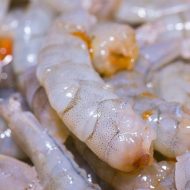
Why Buy Frozen King Prawns?
Frozen works for king prawns because it turns seafood into something you can control. You’re not racing the clock or guessing what a “fresh” label really means that week — you’re buying a product that’s been stabilised at a known point in time, so the texture and performance in the pan are far more predictable. On frozenfish.direct, the principle is speed at the processing stage: seafood is handled and frozen within hours, and the site also states that fish is typically filleted, packed and frozen within 3–4 hours of being caught — with some on-site pages claiming within 3 hours for certain lines where that handling note applies.
That’s the real “fresh vs frozen” conversation. Fresh can be excellent, but it still moves through handling, transport, storage and display — time adds up, and quality can drift as it does. Frozen locks in a “fresh moment” and holds it steady until you’re ready to use it. It’s also practical: you can portion what you need, keep the rest sealed, and plan meals around consistent pack weights and count bands instead of improvising every time.
Freezing slows spoilage. Cold storage helps preserve texture. Tight packaging reduces air exposure. Portions reduce waste. Consistent weights improve cooking. Frozen stock improves meal planning.
For king prawns specifically, that control shows up in everyday decisions: choose the prep level that fits your time, choose the count band that fits your bite, and keep your freezer stocked with a dependable “go-to” protein that behaves the way you expect when it matters most.
Choose Your King Prawns
Fast midweek versatility
If you want a dependable “any-night” protein, start with king prawns that are already prepped for speed: peeled, deveined, and packed in a clear weight band so you can plan portions without guesswork. This is the easiest route for quick stir-fries, pasta, rice bowls, and traybakes where you want even cooking and consistent results. Look for a sensible count band and a pack size that matches how many plates you’re feeding, then cook with confidence knowing you’re working with predictable sizing and portion control.
High-heat confidence
For bolder cooking—grill pan, skewers, or a hard sear—choose king prawns that have a bit more structure. Shell-on or headless styles can be more forgiving in high heat because they hold their shape and stay “meaty” when you push the temperature. They also suit punchy finishes like garlic butter, chilli, or citrus glazes where you want colour and bite, not delicate pieces that over-tighten. This is the pick when the pan is hot and the timing is tight.
Entertaining, smoking, and batch prep
When you’re cooking for guests, go for lower count bands and larger pieces so the prawns look intentional on a platter. These are ideal for batch prep because you can portion by sight and keep plating consistent. They also suit gentler techniques like warm-through in sauce, or even light smoking for a deeper savoury edge—great when you want a standout flavour without complicated prep. Larger prawns give you that centre-of-plate bite that feels like a treat.
For people who want to prep themselves
If you like doing the final prep, choose formats that give you more control: shell-on, headless, or larger whole pieces where you can trim, butterfly cut, or slice your own portions depending on the dish. This is the best fit for cooks who enjoy tailoring thickness and presentation—fine slices for quick finishing, fuller pieces for skewers, or a mix for different textures in the same meal.
Speciality options
If you pick a speciality line like marinated king prawns, treat it as “built for a particular outcome”: strong flavour, fast cooking, and minimal prep. Keep the heat controlled so the marinade works with you, not against you.
Pick the King Prawns that matches your pan, your timing, and your appetite.
What Arrives at Your Door
What arrives at your door is a cold-chain system designed for frozen seafood, not a “hope for the best” parcel. Dispatched by DPD overnight courier. Your order is packed with dry ice in a polystyrene insulated box, and that combination matters because it helps keep fish frozen during transit by slowing heat gain and maintaining a consistently cold environment around the packs.
Timing is handled in a way that’s meant to be predictable. Orders placed before the stated cut-off are prepared for next working day delivery on eligible days, and the checkout flow controls which delivery dates are available for your address. That approach reduces guesswork: you’re selecting from valid options rather than relying on vague delivery promises, and it helps us keep the frozen chain steady from pick, to pack, to handoff.
When your box arrives, treat it like you’ve just opened a freezer drawer. Open promptly, lift out the seafood, and move it straight into your freezer. Then take a moment to check the pack labels and follow the on-pack storage guidance, especially if you’re splitting items between freezer drawers or organising by meal plans. If you’re planning to use something soon, keep it frozen until you’re ready to defrost it properly later, rather than letting it sit around at room temperature while you decide.
Dry ice is a normal part of frozen logistics, and it’s easy to handle with a bit of common sense. Avoid direct skin contact, keep the area ventilated while you unpack, and don’t seal any remaining dry ice in an airtight container. If there’s dry ice left in the box, leave it somewhere safe and well-ventilated and let it disappear naturally. Keep it away from children and pets, and you’re sorted.
The point of all this isn’t drama—it’s reliability: the right packaging and process so your seafood arrives in the condition it was packed.
Label-First Transparency
This page is built around label-first transparency: the information you need to buy confidently is shown on each King Prawns product, so you’re not guessing from a photo. Every listing is designed to surface the practical fields that actually change the result in the pan — the cut/prep style, the weight or pack size, and the handling details that affect timing and texture. Across the wider frozenfish.direct range, you’ll also see fields like skin-on/skinless and boneless/pin-boned where they apply to fish, because those details change cooking behaviour in the same way that prawn prep does.
For King Prawns, the “cut” is your real-world prep level: peeled vs shell-on, deveined, and whether the prawns are raw or cooked. You’ll also see sizing signals such as a count band (for example, “11–20” or “20–30”), which helps you choose the right bite for quick midweek meals or a centre-of-plate finish. If origin or catch area varies by item, it’s shown on the product details, rather than being treated as a category-wide promise, so you can pick based on preference instead of assumptions. Where a product includes seasoning or marinade, the ingredients are listed on the product details as well, so you know exactly what’s been added.
Cut drives cooking. Weight drives timing. Prep drives speed. Shell drives flavour. Origin informs preference. Pack size informs value. Allergens are not hidden: King Prawns are clearly flagged, so you can shop with confidence and keep your kitchen decisions simple and safe.
Storage and Defrosting
Treat storage and defrosting as part of the cooking, not a boring rulebook. King prawns are portionable and forgiving when you handle them with a bit of care, and the goal is simple: keep them properly frozen until you’re ready, then defrost in a way that protects firmness and stops that watery, soft finish that nobody wants.
For storage, keep packs frozen and protected from air exposure. Air is what drives freezer burn — the dry patches, dull colour and tougher bite that come from dehydration rather than “going off”. If your prawns are vac packed, keep that seal intact until you’re ready to use them; it’s there to reduce air exposure and limit drip loss later. Store packs flat where you can, and rotate stock like a calm, organised kitchen: older packs forward, newer packs behind. It takes seconds and it protects texture over weeks.
Defrosting has a clear hierarchy. The default is fridge defrosting, contained, steady, and controlled. Keep the product in its pack or in a covered container so any thawing liquid stays contained, then manage the drip rather than letting it sit underneath the prawns. Once defrosted, drain well and pat dry before cooking — that’s the easiest upgrade you can make to improve sear and keep the surface from steaming. Dry surface equals better colour, better bite, and less water in the pan.
Texture is your compass. If prawns feel overly soft, look wet, or give off lots of liquid, it usually means they’ve thawed unevenly or sat in their own drip. If they feel firm and springy, you’re set up for a clean cook. On fish, skin-on fillets and fatty cuts forgive heat more than lean, delicate pieces, and pin-boned vs boneless changes prep — but the same principle holds across seafood: controlled thawing protects structure.
Refreezing is where you stay conservative. If in doubt, don’t refreeze. Follow on-pack instructions, and treat any product that has warmed, sat out, or thawed unpredictably as “use now, don’t loop it back into the freezer”. Good storage and calm defrosting are what keep king prawns tasting like king prawns.
Cooking Outcomes
Pan-sear or quick sauté
Start with a dry surface and a properly hot pan, then leave the prawns alone long enough to colour. The first minute is about contact and sear, not stirring; once you see the edges turning opaque, flip and finish gently. You’re looking for a firm, springy bite with a juicy centre, not a tight curl that feels rubbery. Dry surface equals better sear. Gentle finish protects moisture. Resting evens temperature. If the pack is peeled, deveined, shell-on, or marinated, the handling expectation changes slightly—follow the product details and keep the heat under control.
Grill, skewers, and high-heat cooking
For grill pans, BBQs, or skewers, structure matters: larger pieces and shell-on styles tend to hold their shape better under strong heat. Keep the surface dry, oil the grill lightly, and cook fast with confident turns rather than constant flipping. Doneness cues are visual and tactile: opaque through the body, a gentle spring when pressed, and a glossy finish rather than a dry, chalky look. Pull them a touch early and let them rest briefly off direct heat; carryover cooking is real even on prawns. Thickness changes timing. Fat content changes forgiveness. (That’s why different cuts and prep levels behave differently.)
Sauces, curries, and gentle simmer
In liquids, the biggest mistake is boiling hard. Add king prawns near the end, let them warm through on a gentle simmer, and turn off the heat as soon as they’re opaque and springy. You want tenderness and a juicy centre; if they tighten and shrink aggressively, they’ve gone past the sweet spot. Shell-on or larger count bands can be especially forgiving here, because they keep more bite when the sauce is doing the work. Keep the finish gentle, and remember that leaving them sitting in a hot sauce will keep cooking them.
Cold dishes and light reheats
If you’re using cooked king prawns for cold plates or quick warm-throughs, treat them as “already done” and handle them with restraint. For cold dishes, you want a firm, clean bite with no wateriness; for warm-throughs, use the lightest heat and the shortest time so they stay juicy. A quick toss in warm (not boiling) sauce or a brief pan kiss is plenty—overheating cooked prawns is the fastest route to a dry, rubbery chew. Different products are prepared differently, so use the product details to guide how much heat they can take.
Nutrition Snapshot
King prawns are a straightforward, practical choice when you want seafood that fits neatly into everyday meals without needing a whole backstory. In general terms, prawns are a lean source of protein, and they often contribute key micronutrients such as vitamin B12 and minerals like selenium and iodine. What matters, though, is that the details can shift: nutrients vary by species, prep level (peeled vs shell-on), and whether the product is wild or farmed, and they can also change when a product is marinated or seasoned. The safest rule is the simplest one: if you’re comparing packs, use the nutrition panel and product details for that specific item.
It’s also worth knowing that “nutrition” and “cooking behaviour” overlap more than people think. King prawns are generally lean, which is one reason they cook quickly — but it also means they don’t have much built-in margin for aggressive heat. When they’re pushed too hard, too long, they can tip from juicy to firm to rubbery. That’s why the label-first fields on each product matter: size and count band influence thickness; prep level influences how quickly they heat through; and added ingredients in marinated products can change how fast the surface colours.
None of this needs to turn into health marketing. King prawns can sit comfortably in a balanced diet alongside vegetables, grains, and other proteins — the main win is that they’re easy to portion and easy to cook with repeatable results. Check the individual product details for the specifics, choose the format that matches your plan, and you’ll get the eating experience you’re actually buying: clean bite, quick cook, and proper plate presence.
Provenance and Responsible Sourcing
Provenance matters because it changes what you’re actually buying: flavour, bite, and how the product behaves in the pan. We show method and origin details per product so you can choose what fits your preferences. That means you don’t have to rely on a category-wide promise that can’t stay true across every pack forever. Where origin or processing details vary by item, they’re shown on the product details, so you can make a decision with the label in front of you rather than a guess in your head.
In this King Prawns range, you’ll see items labelled farmed (for example, cooked farmed king prawns with origin shown, and raw farmed lines with origin shown), and you may also see wild king prawns where they’re stocked and clearly identified on the listing. Speciality lines sit alongside the core formats too—things like marinated, butterfly-cut products that are ready for a specific use and come with their own ingredient details on the product page. The point is simple: method and origin are treated as SKU-level facts, not marketing wallpaper.
Provenance supports preference. Clear labels support trust. Evidence supports claims. If you care about country of origin, whether a product is raw or cooked, or whether it’s farmed or wild, you can verify it at the product level before you buy. That’s how “responsible sourcing” stays practical here: not big blanket statements, but clear, checkable information that lets you choose the king prawns that match your standards as well as your dinner plan.
Frequently Asked Questions
Is frozen king prawns as good as fresh?
“Fresh” and “frozen” aren’t opposites in quality so much as different ways of managing time. Freshness is really about how quickly seafood moves from harvest to processing to your kitchen, and how well it’s handled along the way. Frozen is about locking in a point in time and keeping it stable until you’re ready to cook. If the freezing is done quickly and the cold chain is kept steady, frozen king prawns can be excellent—especially when you want consistent results, not a gamble.
Texture and flavour are where people notice the difference, so it’s worth being honest. Freezing can affect moisture if the product is mishandled, repeatedly warmed and re-frozen, or left exposed to air (that’s when you see drip loss, watery cooking, or freezer burn). Good packaging helps protect quality, and good defrosting does the rest. Defrosting gently in the fridge, keeping the prawns contained, draining well, and patting dry before cooking are the simple habits that protect firmness and help you get a clean sear and a juicy bite.
That’s also why the way frozenfish.direct operates matters. The model is built around speed and control: seafood is processed and frozen within hours, then shipped in insulated packaging with dry ice, designed to keep it frozen during transit. The point isn’t marketing—it’s reducing the two things that ruin eating quality: time at unstable temperatures and poor handling.
So, is frozen king prawns “as good as fresh”? In many everyday uses, yes—sometimes better—because it’s more predictable. For midweek meals, frozen portions make life easier: you can cook what you need and keep the rest sealed. For grilling or a hot pan, choose a size and prep style that holds its shape, then cook fast and finish gently. For entertaining, go for larger “big bite” options so the prawns look intentional on the plate and stay succulent when batch-cooked.
Fresh can be brilliant, and frozen can be brilliant. The difference is whether you want to chase the perfect “fresh window” every time, or keep a reliable option that performs the same way on a Tuesday as it does on a Saturday. If you want predictable results, frozen is the easier way to make King Prawns a routine.
How do I defrost frozen king prawns without it going watery?
Watery king prawns usually come down to moisture management, not “bad prawns”. When prawns freeze, tiny ice crystals form inside the flesh. If they thaw too fast, get warmed on the outside while still icy in the middle, or sit in their own meltwater, those crystals turn into drip loss—the liquid that drains out and leaves the prawn softer, less springy, and harder to sear. Repeated thaw/refreeze cycles make it worse because each cycle breaks the structure a little more and pushes more moisture out.
The best practice flow is simple and consistent. Defrost in the fridge as the default, and keep the prawns contained so any liquid doesn’t spread or re-soak them. If the pack is vac packed, keep it intact while it thaws; that helps limit air exposure and keeps the process controlled. Once thawed, open the pack, drain well, and give the prawns a minute to shed surface moisture. Then pat dry thoroughly with kitchen paper before cooking. That single step is the difference between prawns that sear and prawns that steam. If you’re cooking in a sauce, you still want to drain first—otherwise the sauce gets diluted and the prawns cook in extra water rather than heat.
A few tips by “cut” and format, because they don’t all behave the same. Portionable, loose-frozen prawns (the kind you can take a handful from) are easiest: you can thaw only what you need and keep the rest frozen, which reduces repeat handling. Larger king prawns and shell-on/headless styles usually need a gentler, slower thaw because there’s more thickness to warm through, and the shell can hold moisture against the surface if you rush. Block-frozen packs are the trickiest for watery results because the prawns thaw unevenly; if you can, separate them as soon as they start to loosen, then continue thawing contained rather than letting a big icy block sweat on the counter.
As a backup, you can cook some king prawns from frozen in certain styles of cooking—especially gentle sauces—but it’s a different technique and easiest when you’re aiming for “warm through” rather than a seared finish. Keep that as the plan B, not the default.
Good defrosting is texture control.
Wild vs farmed king prawns — what should I choose?
Wild and farmed King Prawns can both be excellent. The best choice usually isn’t “which is better?” but “which suits the dish, the texture you like, and the level of consistency you want?”
As a general guide, farmed King Prawns tend to be more consistent pack-to-pack in size and availability, which makes meal planning easier. That consistency can be useful when you’re portioning for midweek cooking or batch prep, because you can predict how quickly they’ll cook and how they’ll present on the plate. Farmed products may also come with clearer sizing signals (count bands) more often, which helps you buy for a specific outcome. Price can be more stable too, depending on the specific item and season.
Wild King Prawns (where stocked) can lean a bit more towards “character”: some people find the flavour intensity a touch more pronounced and the bite slightly different, though it varies a lot by species, catch area, and how the prawns were handled before freezing. Wild supply can be more variable, and that can show up in size range and availability. In practice, choosing wild is often about preference and the style of dish, not a guarantee of “better”.
The most reliable way to choose is to treat the product page as the source of truth. On frozenfish.direct, the product details show whether a specific item is wild or farmed, and where it comes from when that information is provided. Use that along with the prep style (peeled, shell-on, deveined, marinated) and the size/count band to match the prawns to your plan.
For cooking, King Prawns reward a gentler approach whichever method you choose. They’re generally lean, so they don’t like being blasted for too long. They shine with controlled heat and sauces: quick pan work, a gentle simmer at the end of a curry, or a warm-through in a buttery, garlicky finish. If you’re grilling, bigger pieces and careful timing help keep a juicy centre.
Your options on the page may include wild King Prawns items, farmed King Prawns items, and speciality lines designed for specific uses. Choose by cooking method first, then by origin and method.
Which king prawns should I buy for my plan?
Which King Prawns you should buy comes down to one simple idea: match the cut to the job. You can get great results from lots of formats, but the easiest way to choose is to focus on the two biggest outcome levers: thickness and skin/shell. Thickness (often reflected in the size or count band) controls how forgiving the prawns are under heat and how “big” they feel on the plate. Skin/shell (peeled vs shell-on styles) affects flavour, moisture protection, and how much hands-on prep you want to do.
For weeknight meals, go for portions and speed: peeled, deveined king prawns in a sensible size band that cooks evenly and portions easily. These are ideal for quick pan work, pasta, rice bowls, stir-fries, and curries where you want reliable timing and minimal fuss.
For grilling, choose thicker, bigger pieces where available, and favour formats that hold their shape—often shell-on or headless styles. A larger prawn gives you a better margin for high heat and a more satisfying bite on skewers, and the shell can help protect the surface while you chase colour.
For entertaining, pick king prawns that look intentional on a platter: lower count bands and larger pieces, or shell-on styles that feel more “special”. These are the packs that deliver the wow factor without needing complicated prep—portion by sight, cook in batches, and plate with confidence.
For prep-it-yourself cooks, choose whole king prawns or more hands-on formats (shell-on/headless, larger pieces) so you can butterfly, trim, or portion exactly how you like. This is the flexible route when you want to control presentation—thin slices for fast finishing or full pieces for a centre-of-plate bite.
For special occasions, look for speciality lines if they’re stocked—things like marinated options, or smoked/cured seafood lines elsewhere on the site that are designed to be served as an “event” ingredient. Treat these as purpose-built products: strong flavour, specific handling, and best used where they’re meant to shine.
If you only buy one thing, buy the most versatile “all-rounder”: a mid-size pack that’s easy to portion and works across pan, sauce, and sharing plates—something you can pull out for both quick dinners and weekend cooking.
Pick the king prawns that matches your heat source and your timing.
Can I cook king prawns from frozen?
Yes, often you can — but method matters.
Cooking king prawns from frozen works best when your goal is “hot, properly cooked, still juicy” rather than “restaurant-perfect sear”. The two things that change everything are thickness and surface moisture. Frozen prawns release water as the outer layer thaws, and that moisture steals heat from the pan. If you go straight into aggressive high heat, you’re likely to steam first, then overcook while you chase colour. Thicker prawns also heat through more slowly, so a hard sear from the start can give you a browned outside and a centre that’s still underdone — or, if you keep going, an over-tight, rubbery bite.
A practical way to do it is to treat frozen cooking as a two-stage process. First, remove all packaging. If there’s visible surface ice, quickly rinse it off under cold running water and immediately pat the prawns dry with kitchen paper. Then start with gentler heat so the outside can thaw and begin cooking evenly: a covered pan, a moderate oven, or an air fryer can be more forgiving here than a ripping-hot pan, because they warm through without demanding a perfectly dry surface from second one. Once the prawns are mostly opaque and starting to feel springy, finish hotter for colour — a quick pan toss, a short blast uncovered, or a final minute at higher heat. Stop as soon as they’re opaque and springy with a juicy centre, then rest briefly off the heat so the temperature evens out.
When is cooking from frozen not the right move? If you’ve got very thick, large pieces and you want a clean, fast sear with real browning, you’ll usually get a better result by defrosting first so you can dry the surface properly. Also, speciality products that are cured, smoked, or heavily seasoned should follow the product guidance — those formats can behave differently, and the right method depends on how they’ve been prepared.
Used the right way, cooking from frozen is a reliable backup that saves dinner without sacrificing texture. Frozen-to-oven is the weeknight cheat code when you need King Prawns now.
How long does frozen king prawns last, and how do I avoid freezer burn?
Frozen king prawns are one of those freezer staples that make life easier, but it helps to separate safety from quality. From a food safety point of view, properly frozen seafood can remain safe for a long time as long as it stays frozen and has been handled correctly. What usually changes first is eating quality: flavour can dull, texture can soften, and the prawns can lose that clean, springy bite that makes king prawns worth buying in the first place. For the best experience, treat on-pack storage guidance as the final word, and use a “sooner is better” mindset rather than chasing an exact calendar deadline.
The main quality-killer in a home freezer is freezer burn. Freezer burn isn’t spoilage — it’s dehydration caused by air exposure. When moisture slowly escapes from the surface, you’ll see dry or pale patches, a slightly dull colour, and you may notice a tougher or drier texture after cooking. Sometimes it shows up as a “cottony” look on the surface or a less juicy bite, even if the prawns still smell and look fine otherwise.
Preventing it is mostly about keeping air out and keeping the cold steady. Keep packs sealed until you need them, and once you open a pack, minimise air exposure. If you’re not using the whole pack, rewrap tightly or move the remainder into a freezer-safe bag, press out as much air as you can, and seal it well. Store packs flat where possible so they freeze evenly and take up less space, and rotate stock by moving older packs to the front so they get used first. The freezer itself matters too: frequent door-opening and temperature swings speed up quality loss, so keep your freezer stable and don’t leave frozen seafood sitting out while you decide what to cook.
This is where packaging does real work for you. Many frozen seafood products are vacuum packed, which helps reduce air exposure and slows the dehydration that leads to freezer burn. That doesn’t make the product immortal, but it does buy you time and keeps the prawns closer to their “just packed” texture when you cook them.
Good packaging and steady cold are what keep King Prawns tasting like King Prawns.