Why Buy Frozen Shellfish?
Frozen shellfish isn’t a compromise — it’s a control system. When shellfish is frozen properly, you’re buying a known starting point: predictable weight bands, consistent portions, and fewer “surprise” packs that don’t match your plan. That makes it easier to shop once, cook twice, and waste less.
Freezing slows spoilage. Cold storage preserves texture. Vacuum packs reduce air exposure.
Portions reduce waste. Consistent weights improve cooking. Frozen stock improves meal planning.
It also reframes the whole “fresh vs frozen” debate in a more honest way. “Fresh” can still spend days moving through boats, markets, depots, and fridges — time adds up, even when everyone does their job. Frozen, done well, locks in a point-in-time quality and holds it steady until you’re ready to use it.
At frozenfish.direct, the point is repeatability: the same cut, the same weight band, the same results. The site states that their fish is filleted, packed and frozen within 3 hours of being caught — that’s the kind of tight handling window that frozen is built for, because it shortens the gap between catch, prep, and freeze.
And because you can portion what you need, frozen shellfish is naturally “plan-friendly”: midweek pasta, weekend grill, quick stir-fry, or a proper seafood spread — without buying too much and hoping you’ll “get to it” before it turns.
Choose Your Shellfish
Fast, midweek-friendly picks
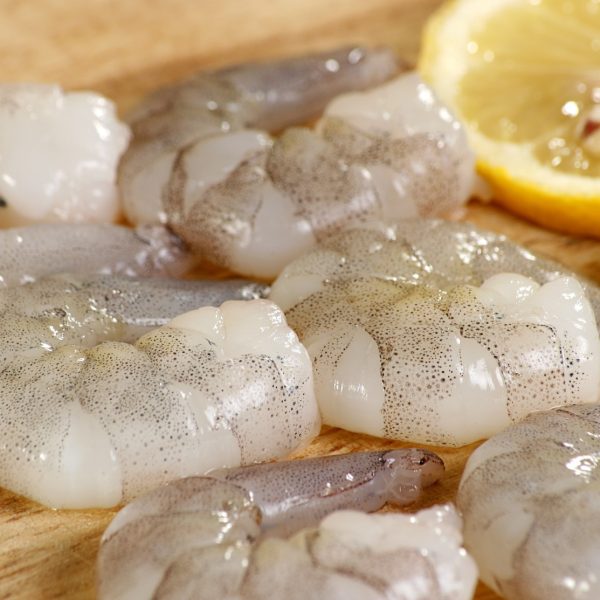
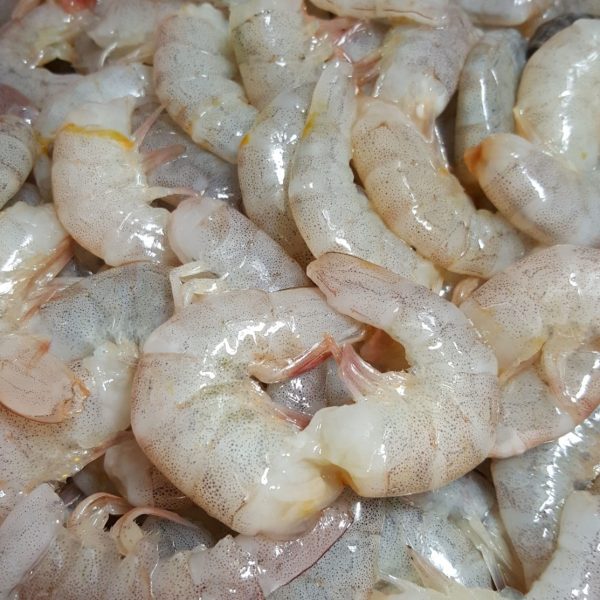
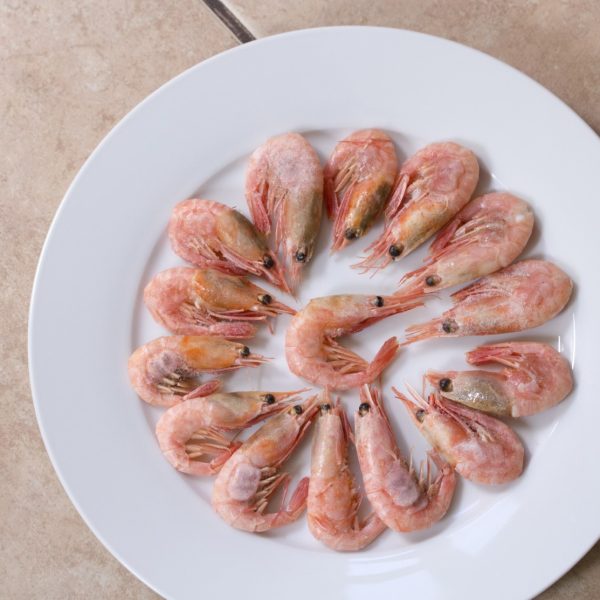
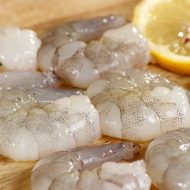
If you want shellfish that behaves predictably on a busy Tuesday, start with peeled, deveined prawns and shrimp in clear weight bands. The prep is already done, the portioning is simple, and the results are repeatable—especially when packs are sized for “use what you need, keep the rest back” routines. Look for cues like tail-off vs tail-on, raw vs cooked/peeled, and count size (e.g., 13/15 or 26/30) so you can match the bite-size and speed you’re aiming for.
High-heat, holds-its-shape options
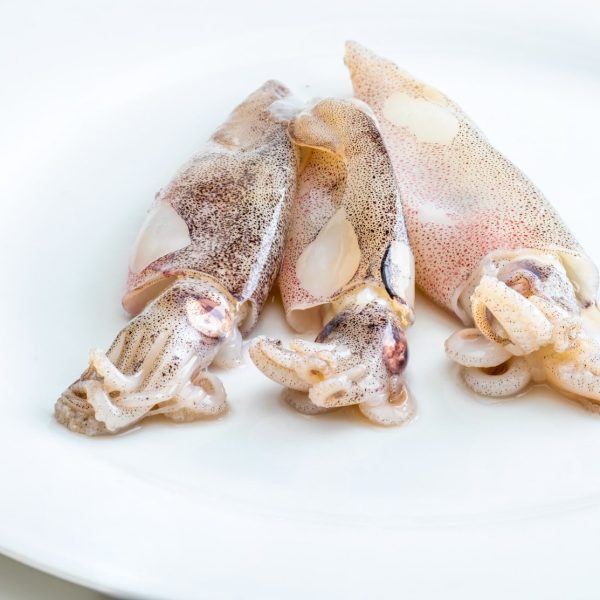
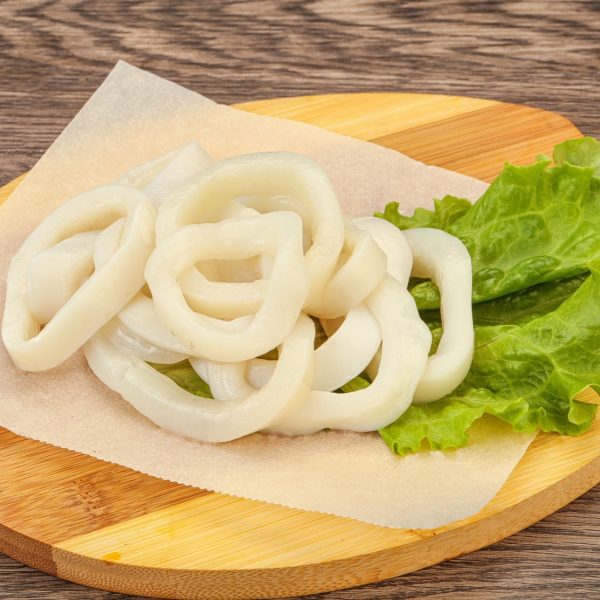
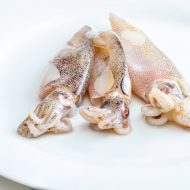
For hotter cooking where you don’t want delicate pieces to disappear, pick shellfish that keeps structure: shell-on prawns, larger-count prawns, and robust cuts like squid rings or squid tubes. These tend to tolerate higher heat and brief, aggressive searing without turning into confetti—handy for grills, planchas, and fast pans. If you like control, squid tubes are also a smart buy because you can slice your own portions to suit the plate size and the people you’re feeding.
Centre-of-table shellfish
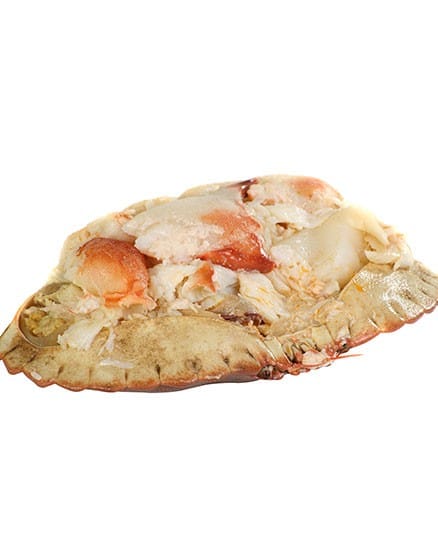
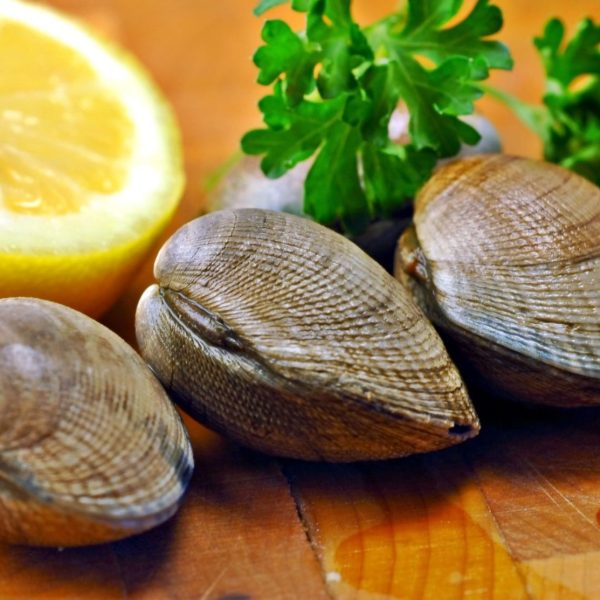
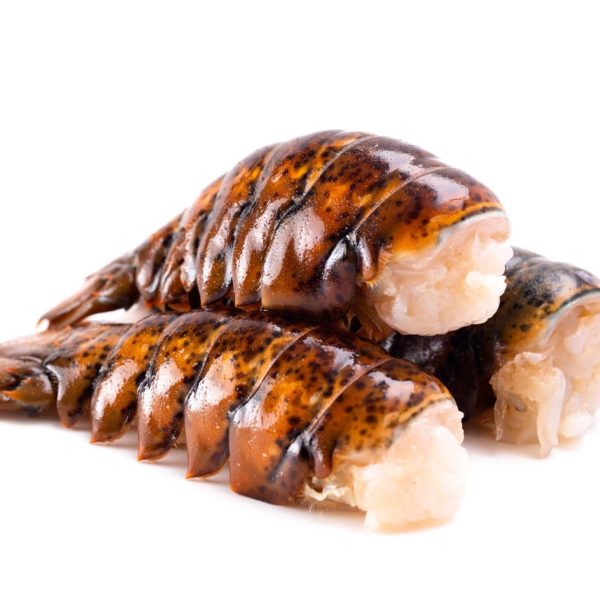
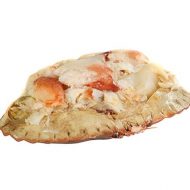
When you’re feeding people and want “proper occasion” energy, go for statement items you can portion with confidence: lobster tails, dressed crab, and clams in whole shell bring impact without needing a whole fishmonger’s counter at home. They also suit batch prep because they stay “presentable” after handling—split tails for serving, pick and portion crab meat cleanly, and bring shell-on bivalves straight to the table without them looking fiddly.
For people who like to prep it themselves
If you enjoy doing the finishing work—cleaning, seasoning, portioning—choose more “as-is” formats: whole shell bivalves (clams, mussels, oysters), shell-on prawns, and whole-style shellfish where the prep choices are yours. You get maximum control over texture and portion size, and you can tailor each pack to the exact meal you’re planning, rather than adapting your plan to whatever the pack forces.
Specialist lines
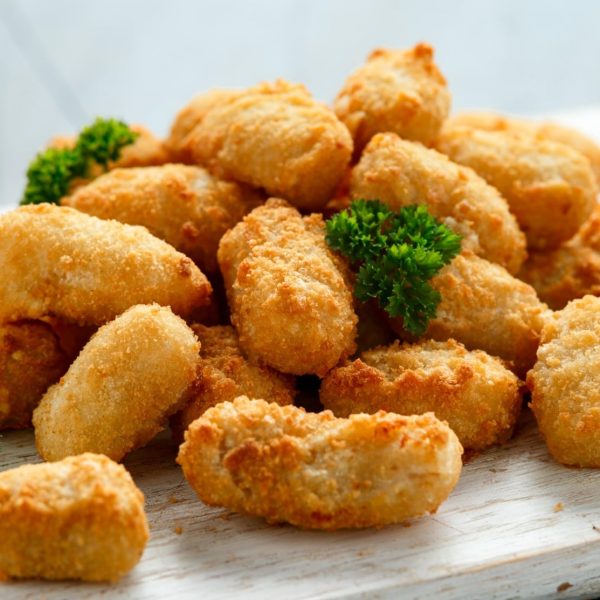
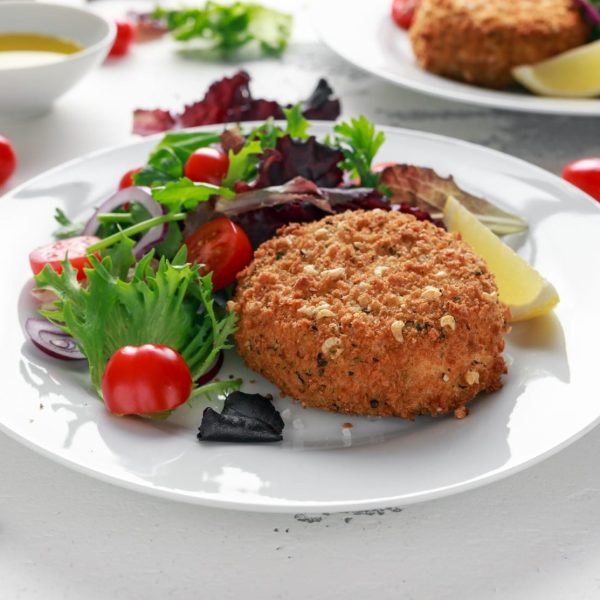
Some shellfish is sold to solve a specific problem: breaded scampi, crab cakes, and other prepared lines are built for speed and consistency. Treat these as “ready for a particular outcome” products—ideal when you want reliable portions and minimal prep, not when you’re trying to freestyle.
Pick the Shellfish that matches your pan, your timing, and your appetite.
What Arrives at Your Door
Buying Frozen Shellfish online only works if the cold chain stays boringly reliable — because “good seafood” and “part-defrosted seafood” are two different universes. That’s why our Shellfish orders are treated as a frozen-food shipment, not casual parcel post. Dispatched by DPD overnight courier.
Each order is Packed with dry ice in a polystyrene insulated box, and that combination is doing real work. The insulation slows down heat gain from the outside world; the dry ice provides a strong cold reserve during transit, helping keep your shellfish properly frozen while it moves through the network. In practice, it means the product arrives in a freezer-ready state, with less temperature swing risk on the journey.
Delivery timing is handled in a way that stays accurate without promising miracles based on one clock time. Orders placed before the stated cut-off are prepared for next working day delivery on eligible days, and the checkout flow controls the delivery dates you can actually choose. That way you’re not guessing whether a date is valid for your address, order day, weekends, or non-working days — you select from what the system can genuinely fulfil.
When your box arrives, treat it like frozen stock, not a parcel you leave for later. Open it promptly, check your items, then move everything straight into the freezer to stabilise temperature as quickly as possible; after that, follow the on-pack storage guidance for best quality, because different shellfish formats can carry slightly different handling notes. If it’s still firm and cold to the touch, that’s the insulated box and dry ice doing exactly what they’re supposed to do.
Dry ice is normal in frozen logistics, but it deserves basic common sense: avoid direct skin contact, let the area ventilate naturally, don’t seal it into an airtight container, and keep it away from children and pets. Once you’ve unpacked, let any remaining dry ice dissipate safely in a well-ventilated space.
Label-First Transparency
Buying shellfish online should feel as certain as buying it from a counter — so we make the label do the heavy lifting. Every item is set up so you can decide quickly, based on the details that actually change the result in the pan.
Start with the practical fields: the cut (tails, meat, whole shell, rings, tubes), the weight/pack size (so portions are predictable), and the prep state — shell-on or shell-off for things like prawns, plus cues such as peeled, deveined, tail-on/tail-off, or whole in shell where that’s the point. For cross-over lines (think breaded scampi or mixed seafood packs), we keep the format explicit so you know whether you’re buying an ingredient or something “ready for a specific use”.
You’ll also see whether it’s wild or farmed where that applies. And because shellfish can come from different places depending on the exact item and season, any origin/catch area is shown on the product details, not guessed at category level.
Allergen info is handled plainly: shellfish is clearly flagged, and for cured, breaded, or seasoned products, the ingredients list is shown so you can check coatings, marinades, and added salt/sugars without surprises.
- Cut drives cooking. Weight drives timing. Prep state drives texture.
- Origin informs preference. Method informs richness. Pack size informs value.
- Shell-on keeps succulence. Shell-off speeds prep. Count size sets bite.
- Coating browns faster. Plain meat stays versatile. Format guides heat.
- Clear labels reduce guesswork. Specific specs reduce waste. Confident choices taste better.
Storage and Defrosting
Shellfish behaves brilliantly when you treat it like an ingredient, not a panic. The goal is simple: keep it properly frozen until you need it, then defrost in a way that protects firmness and avoids that “watery” finish people blame on frozen seafood.
For storage, keep packs solidly frozen and protect them from air exposure. Most items arrive vac packed, which is your best friend: less air means less dehydration and less risk of freezer burn. Once a pack is opened, re-seal tightly (or move to an airtight container) so you’re not giving the freezer a chance to dry the surface. A small habit makes a big difference: rotate stock so older packs sit at the front and newer ones go behind. Frozen seafood is portionable, so it’s worth splitting packs only if you can re-seal them well — the freezer rewards tidy handling.
For defrosting, the calm default is fridge defrost. Keep the shellfish contained (still in the pack if it’s sealed, or in a covered tray/bowl) and plan for drip loss — that’s the liquid that comes out as ice crystals melt. It’s normal, but you don’t want it sitting back on the flesh. Once defrosted, drain any liquid and pat dry before cooking; a dry surface gives you better colour, better sear, and a cleaner bite. If you cook shellfish wet, you tend to steam it first, which is where “soft” and “watery” texture usually shows up.
Texture cues matter more than rules. Overcooked shellfish turns bouncy, then tight; properly cooked shellfish stays firm with a clean snap. If you’re dealing with mixed seafood packs, treat delicate pieces gently and don’t assume everything finishes at the same moment. And while “skin-on” and “pin-boned” are more fish terms than shellfish ones, the same principle holds: the more structure left on the product, the more it can protect texture during cooking.
On refreezing: keep it conservative. If you’ve fully defrosted shellfish and you’re not sure how it’s been handled, don’t refreeze. When it’s safe and sensible to refreeze varies by product and preparation, so follow the on-pack instructions — and if in doubt, cook it once, then chill and use it as a cooked ingredient rather than running it through multiple freeze/thaw cycles.
Cooking Outcomes
Pan-sear & finish gently
Start with a dry surface — moisture is the enemy of browning. Get a hot pan, add a thin film of oil, then put the shellfish in and leave it alone long enough to colour; constant stirring steals heat and turns searing into steaming. You’re looking for visible changes: edges turning opaque, a light golden surface where it contacts the pan, and a firmer spring when you press it. Finish gently on lower heat so the centre stays juicy rather than tightening up. Dry surface equals better sear. Gentle finish protects moisture. Resting evens temperature.
Grill-ready pieces
For shellfish that holds shape on the grill, the rule is “hot, fast, attentive.” A dry, well-heated grill gives you light char and that sweet, roasted edge without drying the middle. Watch for doneness cues: colour shifts from translucent to opaque, the flesh firms, and the aroma goes from “raw brine” to “sweet seafood.” Pull it just before it feels fully done — residual heat will carry it. Thickness changes timing. Fat content changes forgiveness.
Gentle cooking
Some shellfish rewards a softer approach: moderate heat, short contact time, and a stop-before-tight mindset. Cook in a shallow layer of butter/oil or in a sauce base, keeping the movement minimal so it warms through without toughening. The cue here is texture: tender and springy is the target; rubbery means you’ve pushed it too far. If you’re combining multiple shellfish types, add the quickest-cooking pieces last so everything finishes together. They have different handling expectations; follow product details for best results.
Portion technique
Portion size is the biggest lever for consistency: similar-sized pieces cook evenly and give you repeatable outcomes. Use gentle heat as the default for smaller portions, and don’t overcook — shellfish can go from perfect to chewy in a short window. When you remove it from the heat, rest briefly so the temperature evens out and juices settle instead of spilling out on the plate. This is especially useful when you’re serving a platter: you keep the centre juicy while the outside stays nicely coloured. Dry surface equals better sear. Gentle finish protects moisture. Resting evens temperature.
Nutrition Snapshot
Shellfish is a practical protein to keep in the freezer because it’s naturally nutrient-dense without needing any drama about it. In general terms, most shellfish provides high-quality protein and a spread of minerals and vitamins, but the details genuinely do vary: nutrients change by species, cut, and whether the item is wild or farmed, plus any added ingredients for cooked, breaded, smoked, or marinated lines. For that reason, the most accurate view is always the one on the label and the product page — check the ingredients list, allergen statement, and the per-item nutrition panel where it’s provided.
A simple buying lens: leaner shellfish tends to taste clean and sweet, but it can be less forgiving if you push the heat too hard. Richer, more decadent shellfish can carry high heat a bit better and still stay juicy, while smaller pieces cook fast and demand closer attention. That’s not “health talk” — it’s just a useful way to predict texture and cooking behaviour before you add anything to the basket.
Shellfish can absolutely sit inside a balanced diet alongside veg, grains, and whatever your week looks like; the point is steady, enjoyable meals, not perfection. If you want a confident choice, use the product details to match the shellfish to your plan: portion size for weeknights, larger cuts for grilling, and prepared options when you want speed with predictable results.
Provenance and Responsible Sourcing
Shellfish isn’t one thing — it’s a whole family of flavours, textures, and origins. That’s why we keep provenance practical and SKU-specific: we show method and origin details per product so you can choose what fits your preferences. Some people care most about wild vs farmed. Others care about region, size grade, or whether something is cooked, raw, dressed, or prepared for a specific job.
Here’s the honest version: not every shellfish product can make the same claims, because the supply chain varies by species and by item. So we don’t do sweeping category promises. Instead, you’ll see the evidence where it belongs — on the product details — so you can compare like-for-like: origin/catch area when provided, production method (wild or farmed where applicable), and the type of prep (shell-on or shell-off, peeled, deveined, portioned, or value-added lines such as breaded or dressed).
Across the range you may find farmed shellfish alongside wild shellfish items where stocked, plus speciality lines designed for specific uses — from quick-cook prawns in graded counts to clams in shell, squid tubes and rings, dressed crab, or lobster tails. The point isn’t to label everything as “best”. The point is to label it clearly enough that you can buy with confidence.
- Provenance supports preference. Clear labels support trust. Evidence supports claims.
- Method shapes texture. Origin shapes character. Preparation shapes outcomes.
Choose the provenance detail that matters to you — and let the product page do the proving.
Frequently Asked Questions
Is frozen shellfish as good as fresh?
Frozen shellfish can be as good as fresh — but the real comparison isn’t “frozen vs fresh” like it’s a boxing match. It’s time and handling vs time and handling.
When people say “fresh”, they usually mean “never frozen” and “recently harvested” and “kept cold properly”. In the real world, “fresh” shellfish can spend days moving through a chilled supply chain, and every handover (temperature swings, delays, poor storage) nudges quality in the wrong direction. Frozen, done well, is different: it’s about locking in a point-in-time. Shellfish is processed and frozen within hours (as stated across the site for relevant items), so the quality you buy is much closer to the quality at packing, not the quality after several days of travel.
Texture and flavour do deserve honesty. Freezing can affect moisture if it’s mishandled — think extra drip loss after thawing, a slightly softer bite, or dull flavour if packaging lets in air. That’s why two things matter: good packaging and good defrosting. Vacuum packs and well-sealed packs reduce air exposure (less freezer burn risk), and gentle thawing protects firmness and sweetness. If shellfish is kept properly frozen end-to-end, it stays remarkably consistent.
That “end-to-end” part is where frozenfish.direct leans into cold-chain discipline: products are shipped with dry ice in an insulated box designed to keep seafood frozen on arrival, so what you receive is still in the state it left the freezer — not half-defrosted, not “chilled-ish”.
Buying by use-case helps:
- Portions for midweek: go for portionable packs and predictable weight bands — easy to plan, fast to cook, minimal waste.
- For grilling: choose shellfish that holds shape and tolerates higher heat (think thicker pieces or shell-on options where stocked), so you get char without turning rubbery.
- For entertaining: pick larger formats or mixed shellfish that suit sharing platters, pasta trays, or batch prep — consistency matters when timing a table.
Fresh can be brilliant. Frozen can be brilliant too — and often more repeatable. If you want predictable results, frozen is the easier way to make Shellfish a routine.
How do I defrost frozen shellfish without it going watery?
“Watery” shellfish is usually just lost moisture showing up in the tray — and it happens for a few very specific reasons. When shellfish freezes, ice crystals form inside the flesh. If it’s warmed too quickly (countertop defrosting, warm rooms, hot water), those crystals melt fast, cell structure can’t hold on to the liquid, and you get drip loss. The problem gets worse if the pack has been through thaw/refreeze cycles (even partial ones), because repeated freezing makes more structural damage and pushes out more water.
The best practice flow is simple, and it’s mostly about staying cold and staying contained. Put the shellfish in the fridge to defrost, on a plate or in a shallow tray so any liquid can’t run everywhere. If it’s vacuum packed, keep it sealed while it thaws — that protects it from air exposure and helps it defrost more evenly. If it isn’t vac packed, keep it in its inner packaging or place it in a sealed bag to stop it sitting in water. Once defrosted, open the pack, drain off any liquid, then pat dry thoroughly with kitchen paper before cooking. A dry surface gives you better sear and less steaming — which is the big “anti-watery” lever.
A few texture tips by cut:
- Portions (smaller, portionable pieces like prawns, scallops, mussels) are the easiest: they thaw more evenly, so you’re less likely to get a warm outside and icy middle.
- Thicker “fillet-like” pieces (think lobster tails or large, dense pieces) need more patience in the fridge so the centre comes up gently — rushing this is where watery edges and chewy middles are born.
- Steak-like cuts (chunkier cross-sections or medallion-style pieces where stocked) tend to hold their shape better, but they still need a dry surface before high heat; otherwise they braise in their own moisture.
As a backup, yes, some shellfish can be cooked from frozen — it’s workable for certain portions — but method matters, so it’s worth treating that as its own approach rather than a shortcut version of defrosting (we cover it separately).
Good defrosting is texture control.
Wild vs farmed shellfish — what should I choose?
Wild vs farmed shellfish isn’t a “good vs bad” choice — it’s more like choosing between two well-made tools. Both can be excellent, and the right pick depends on what you enjoy and what you’re cooking. On frozenfish.direct, the useful bit is that you don’t have to guess: each product clearly shows whether it’s wild or farmed and where it comes from, so you can choose with your eyes open rather than by vibe.
Here are the typical differences, framed safely and honestly:
Flavour and sweetness. Wild shellfish can sometimes taste a touch more “oceanic” or pronounced, depending on species and catch area. Farmed shellfish can be cleaner and more consistent in flavour. Neither is automatically “better” — it’s about whether you want subtle and steady, or more briny character.
Firmness and texture. Some wild shellfish may feel a bit firmer or more variable from pack to pack because nature is not a factory. Farmed shellfish often leans toward consistency: similar sizing, similar bite, predictable results — useful if you’re cooking for a crowd or repeating a dish weekly.
Fat level and forgiveness. Shellfish is generally lean, but richness still varies by species and how it’s raised or caught. In broad terms, items with a slightly richer texture can be a bit more forgiving with heat, while leaner, delicate pieces punish overcooking quickly. That’s why shellfish rewards gentler cooking — short time, controlled heat, and a good sauce to carry flavour.
Consistency and price. Farmed options often deliver steadier sizing and availability, which tends to show up as steadier pricing. Wild options can vary more due to seasons and supply. Price is real — but “best value” is the one that matches your dish and timing.
Practical pairing guidance: shellfish shines with gentle cooking and sauces. Think quick sauté, a fast steam, or a brief grill if the piece can handle it — then let butter, garlic, chilli, lemon, white wine, or a creamy sauce do the heavy lifting. If you’re doing midweek portions, you might prefer the predictability that may include farmed shellfish items. If you’re building a “special dinner” plate, you might enjoy exploring the character that may include wild shellfish items.
Buyer’s shortcut: Choose by cooking method first, then by origin and method.
Which shellfish should I buy for my plan?
Planning your shellfish shop is mostly about matching the cut to your week. Start with two levers that decide the outcome more than almost anything else: thickness and shell. Thicker pieces (or larger whole shellfish) take longer to heat through and are easier to overdo at the edges if you rush; thinner pieces cook fast and demand attention. With shellfish, it’s less “skin-on vs skinless” (that’s more of a fish thing) and more shell-on vs shell-off: shell-on can protect texture and hold moisture during cooking, while shell-off is quicker, cleaner, and easier for midweek.
Here’s a simple way to buy by plan:
Weeknight meals → portions. Go for portionable, ready-to-cook formats: peeled prawns, shelled mussel meat, squid rings, scallops, or mixed packs designed for speed. Predictable weights mean predictable pans: less waste, faster prep, easier portion control.
Grilling → where available. Choose shellfish that can handle direct heat: larger prawns (often shell-on), squid (tubes or thicker cuts), big scallops, and anything labelled as grill-ready. For grilling, thickness is your friend — thin, delicate pieces can dry out before you get colour.
Entertaining → variety + theatre. Mixed shellfish selections, larger-format packs, and shareable centrepieces work well: shell-on prawns, scallops, mussels, or a curated mix for platters and pastas. Shell-on options tend to look and feel more “occasion” while helping protect texture under heat.
Prep-it-yourself → whole shellfish. If you like doing the finishing work, buy whole shellfish where stocked (think whole prawns, shell-on items, larger pieces you can trim and portion). You control the portion size, presentation, and how gently you cook it.
Special occasions → smoked/cured lines. Where available, smoked or cured seafood lines (often more common with fish than shellfish, but stocked ranges vary) are for “open-pack, plate-up” moments — minimal cooking, maximum impact. Treat them as ready-for-specific-uses items and follow the product details.
If you only buy one thing: a versatile “weeknight portions” pack (like peeled prawns or a mixed shellfish pack) because it covers stir-fries, pasta, rice dishes, and quick sauces without planning your whole week around it.
Pick the cut that matches your heat source and your timing.
Can I cook shellfish from frozen?
Yes — often you can cook Shellfish from frozen, but method matters.
The two things that change the game are thickness and surface moisture. Frozen Shellfish carries a film of ice on the outside, and as that melts it turns into surface water. Water is the enemy of browning: it steams first, then cooks, and only then can it start to colour. That’s why a direct, ripping-hot sear can feel frustrating from frozen — the pan is trying to brown while the surface is busy turning ice into steam. More forgiving methods (an oven, air fryer, or a covered pan) give you controlled heat while moisture drives off, then you can finish hotter for colour without overcooking the middle.
A practical frozen-to-cooked approach is simple and safe. Take the Shellfish out of the packaging and separate pieces that are stuck together. If there’s heavy surface ice, rinse it briefly under cold water just to knock the ice off, then pat everything dry with kitchen paper until the surface feels as dry as you can reasonably get it. Start with gentler heat first — think a covered pan with a splash of liquid, or the oven/air fryer on a moderate setting — so the centre warms through while excess moisture evaporates. Once it’s mostly cooked and the surface looks drier, finish hotter (uncover the pan, raise the heat, or give it a final blast in the air fryer) to build colour and a cleaner, less “steamed” texture. Keep checking the feel: Shellfish goes from tender to rubbery when it’s pushed too far, so stop when it’s opaque and just firm, not tight and bouncy.
When should you not cook from frozen? If you’re dealing with very thick pieces and you want a perfect, restaurant-style sear, defrosting first is usually the better route because you can properly dry the surface. Also, any speciality cured/smoked or ready-to-eat style products should follow the product guidance — they don’t behave like raw cooking Shellfish, and the “finish hot” step may be the wrong move.
Follow the on-pack guidance, adjust to thickness, and treat dryness as your secret weapon. Frozen-to-oven is the weeknight cheat code when you need Shellfish now.
How long does frozen shellfish last, and how do I avoid freezer burn?
Frozen Shellfish can last a long time in the freezer — but it helps to separate food safety from eating quality. From a safety point of view, properly frozen seafood stays safe for a very long period as long as it remains frozen and is handled cleanly. What changes first is quality: texture, moisture, and flavour can gradually drift if the product is exposed to air, stored too long, or repeatedly warmed and re-frozen during freezer rummaging.
That’s where freezer burn comes in. Freezer burn isn’t “gone off” food — it’s dehydration caused by air exposure. In a freezer, moisture can migrate out of the Shellfish and form ice crystals elsewhere in the pack. The classic signs are dry or pale patches, a duller, chalkier colour, and a cooked result that’s tougher or cottony instead of juicy and clean. It can also taste a bit flat because the surface has literally dried out.
Avoiding it is mostly boring discipline — the kind that pays you back at dinner time. Keep packs sealed until you need them, and once opened, minimise air exposure: press out excess air, rewrap tightly, or move portions into an airtight freezer bag or container. Store Shellfish flat where possible so it freezes evenly and is less likely to get crushed or punctured. Keep your freezer stable (frequent door-opening and over-stuffing can cause temperature swings), and don’t let packs sit on the counter while you decide what you fancy. Rotate your stock too: put newer packs behind older ones, so the “forgotten” bag doesn’t end up living at the back of the freezer for ages.
On frozenfish.direct, many Shellfish products arrive vacuum packed, which is a big help because it reduces the amount of air around the seafood — and less air usually means less dehydration and better texture after defrosting. Even with good packaging, the golden rule is still the same: follow the on-pack storage guidance and treat the freezer like a place for calm, consistent cold, not a revolving door.
Good packaging and steady cold are what keep Shellfish tasting like Shellfish.