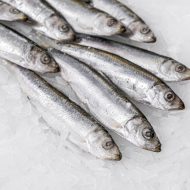
Why Buy Frozen Smoked Fish?
Frozen smoked fish works because it turns a delicate product into something you can control. Smoking adds flavour and extends keeping quality, but it doesn’t magically stop time. Freezing does the boring, brilliant job: it pauses change so the fish you buy behaves the same way next week as it does today. That means fewer “use it tonight or lose it” panic dinners, and far less waste.
For buying and cooking, frozen is a quality-control advantage. You can portion what you need, keep the rest sealed, and plan around your week instead of the clock. Weight bands are consistent, so you’re not guessing how many slices you’ve got or whether a fillet is “big enough.” If you’re feeding a family, batch-cooking, or building a platter for guests, predictability matters.
On freshness: “fresh” doesn’t always mean “caught this morning.” Even the best fresh fish still moves through handling, transport, storage, and shop display—and the hours add up. Frozen isn’t a downgrade; it’s a different strategy. Good freezing locks in a point-in-time quality, so what you’re tasting is closer to the condition of the fish when it was packed, not after several days of logistics. Smoked fish especially benefits from that stability because the oils and delicate texture can change quickly when temperature swings.
We’re careful with claims, but the principle is straightforward: at frozenfish.direct, seafood is processed and frozen within hours, and for some products the site states freezing within 3 hours of being caught—always check the specific product details on the item page.
Freezing slows spoilage. Cold storage preserves texture. Vacuum packs reduce air exposure. Portions reduce waste. Consistent weights improve cooking. Frozen stock improves meal planning.
Choose Your Cut
Fillets for versatility
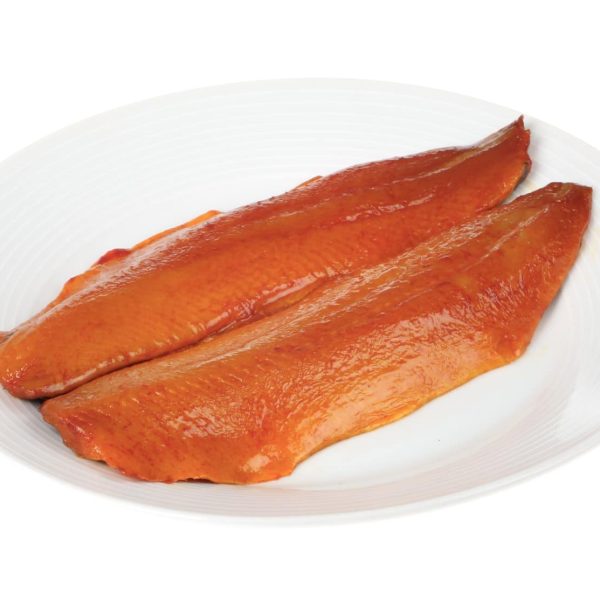
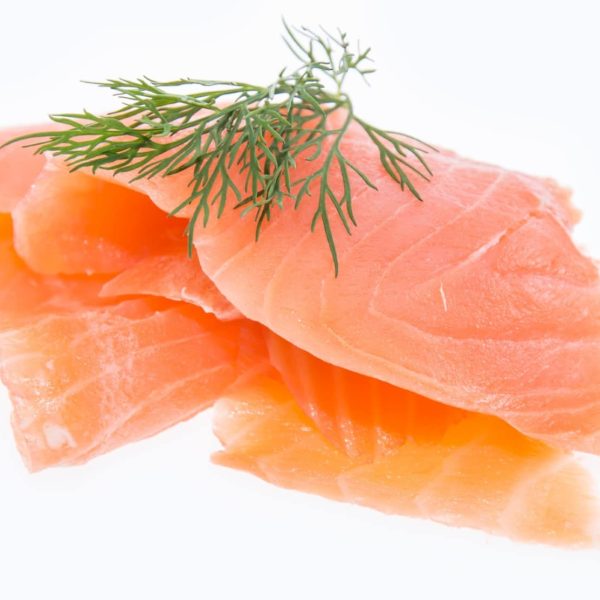
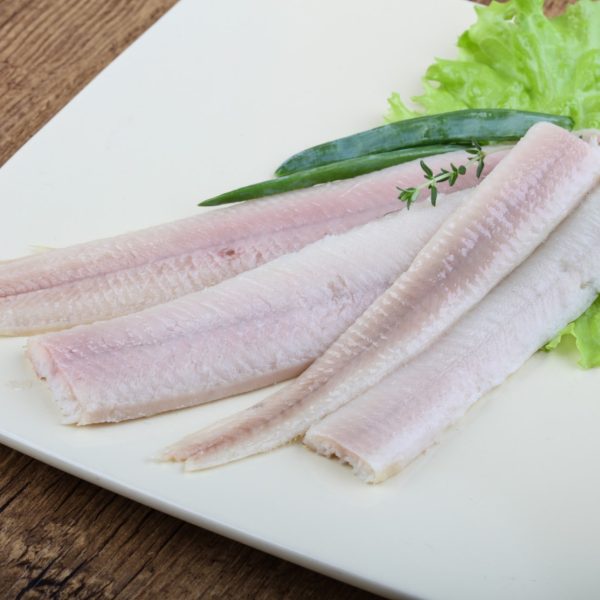
Smoked fish fillets are the all-rounders: clean portions, easy handling, and a texture that suits quick midweek cooking. If you’re going oven-to-plate, a fillet gives you a reliable thickness and a neat centre cut, which helps when you want a gentle warm-through without drying it out. Fillets also work well when you’re building flavour into a dish—think smoked haddock-style suppers, smoked mackerel pasta, or a smoked salmon tray-bake—because you can flake, slice, or keep them intact depending on the finish you’re after.
Portions for speed and portion control
If you want fast, predictable results, choose smoked fish portions. They’re cut for consistency, so timing and serving sizes are easier to repeat—handy when you’re feeding kids, counting portions, or just trying to avoid leftovers that never get eaten. Portions are also great when you’re mixing smoked fish into other ingredients (cream, potatoes, rice, eggs) because you can add exactly what you need without overcommitting the whole pack. Expect tidy pieces with a more uniform thickness, often skin-on depending on the line, which helps the fish hold together when warmed.
Skin-on pieces for pan/grill tolerance
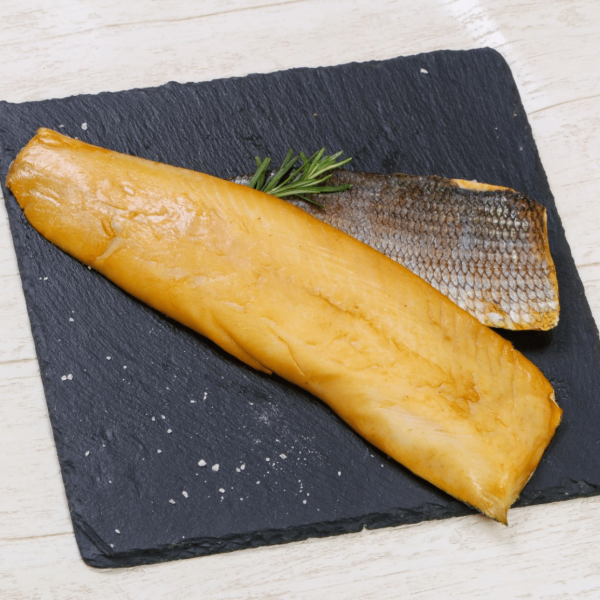
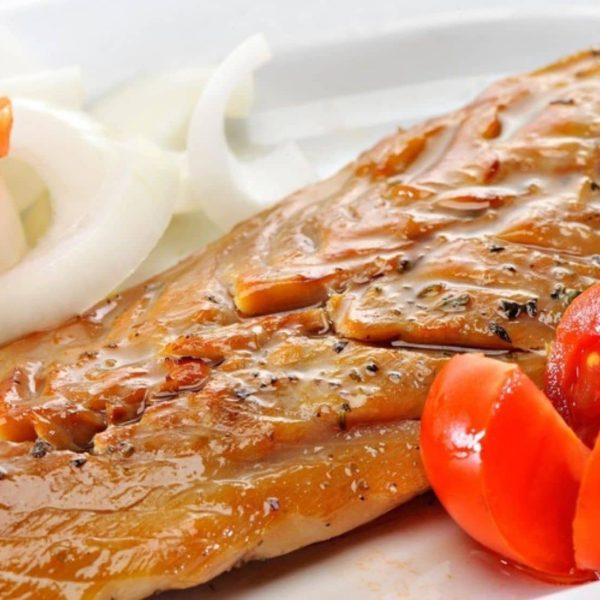
For high-heat cooking, look for smoked fish that’s cut to hold its shape—skin-on where available, or thicker pieces with a firm muscle structure. Skin helps protect the flesh, improves handling, and gives you a little more tolerance when you’re using a hot pan or grill. These cuts are ideal when you want a confident sear or a quick finish under the grill without the fish breaking apart. If you like crisp edges and a meaty bite, thicker skin-on pieces can be the most forgiving choice.
Whole sides and larger cuts for entertaining and prep
When the plan is entertaining, batch prep, or slicing your own portions, go bigger: whole sides, larger fillets, or platter-friendly cuts. They look better on the table, carve more neatly, and let you control portion size—thin slices for canapés, thicker cuts for a proper plate. Bigger cuts are also useful for cold serving, grazing boards, and buffet-style spreads where presentation matters as much as flavour.
Speciality smoked fish for specific uses
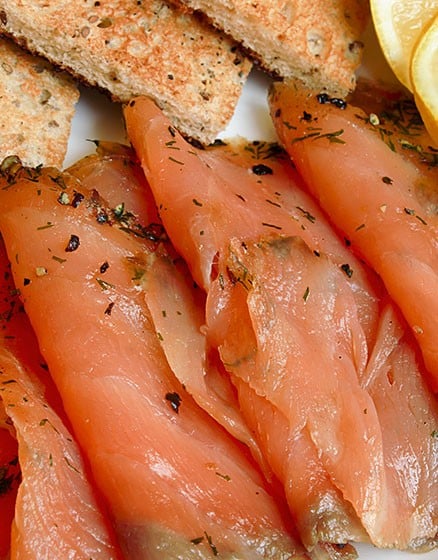
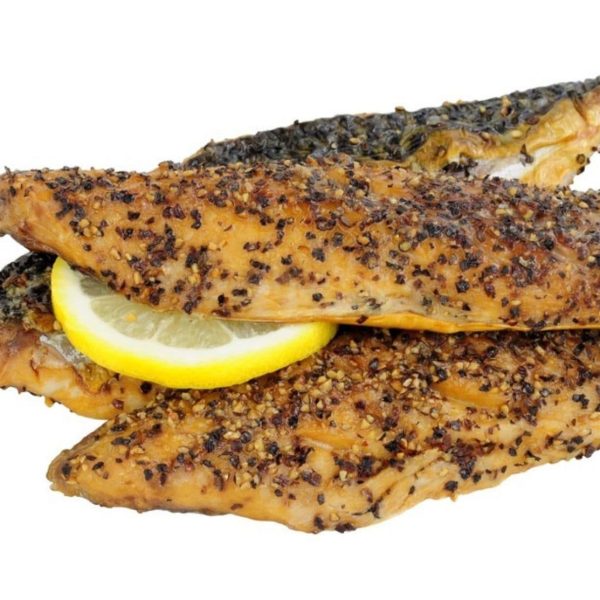
Some smoked fish lines are “ready for a job”: pre-sliced for sandwiches and bagels, peppered or spiced for a punchier finish, or hot-smoked style pieces designed for flaking into salads and pâtés. These are best treated as purpose-built options—choose them when you already know the dish you’re building and you want the smoked profile to do the heavy lifting.
Pick the Smoked Fish that matches your pan, your timing, and your appetite.
What Arrives at Your Door
When you buy Frozen Smoked Fish, you’re not just buying the fish — you’re buying the cold chain that keeps it properly frozen right up to your doorstep. That’s why orders are “Dispatched by DPD overnight courier.” It’s a fast, trackable route designed for chilled and frozen goods, with less time in the system and fewer opportunities for temperature wobble.
Your order is “Packed with dry ice in a polystyrene insulated box” because insulation slows heat gain and dry ice provides serious cooling power during transit. Together, they’re designed to help keep your smoked fish frozen on arrival, even when the outside world is doing its best to be inconvenient. The result is simple: the product stays in its intended condition, so you can store it confidently and cook it when it suits you, not when the delivery schedule forces you.
Delivery timing is handled in a way that stays accurate without making promises that change by the hour: orders placed before the stated cut-off are prepared for next working day delivery on eligible days, and checkout controls the valid delivery dates (so you’re selecting from options that match your location and dispatch schedule). That means fewer surprises, fewer “will it arrive today?” worries, and fewer support tickets caused by guesswork.
Here’s what to do first, in plain English: open the box promptly when it arrives, check your items, then move them straight to the freezer so they stay at a steady, safe temperature. After that, follow the on-pack storage guidance for each product, because pack type and cut can affect how best to store it.
Dry ice is normal in frozen shipping, and handling it is straightforward: avoid direct skin contact, keep the area ventilated, don’t seal it in an airtight container, and keep it away from children and pets. frozenfish.direct uses it for one reason — to keep your seafood properly frozen, end to end, like a competent operator should.
Label-First Transparency
Buying smoked fish online is only “easy” when the label tells you what you’re actually getting. That’s why each product page is built around practical, checkable details you can use to choose with confidence — not vague adjectives.
On every smoked fish line, you’ll see the fields that matter in the kitchen: the cut (so you know whether it’s made for slicing, flaking, or portion cooking), the weight/pack size (so you can plan servings and timing), and the prep details that change how it behaves over heat — skin-on or skinless, and boneless or pin-boned where that’s relevant to the species and cut. Where it applies, you’ll also see whether the fish is wild or farmed, because that can affect fat level, texture, and what people prefer on the plate. When origin or catch area varies by item, it’s shown on the product details for that specific product, rather than being treated as a blanket promise across the whole category.
Smoked fish is also clearly flagged as an allergen, and for cured/smoked products you’ll see the ingredients list where relevant — useful if you’re checking for salt level, sugar, smoke flavourings, or other curing components.
- Cut drives cooking. Weight drives timing. Skin drives texture.
- Boning affects prep. Pin bones affect eating. Trim affects yield.
- Origin informs preference. Method informs fat level. Pack size informs value.
- Ingredients show curing. Labels show handling. Details reduce surprises.
The point is simple: when the details are specific, your choice gets easier — and your results get more predictable.
Storage and Defrosting
Frozen smoked fish behaves beautifully when you keep two things steady: cold storage, and gentle defrosting. Treat it like a chef’s mise en place — calm, contained, and texture-first.
For storage, keep packs properly frozen until you’re ready to use them. Most lines arrive vac packed, which helps protect the flesh from air exposure — the main culprit behind freezer burn (dry patches, dulled colour, and that tougher bite). If you open a pack and don’t use it all, re-wrap tightly or re-pack to keep air out. Think “sealed, flat, protected.” A simple habit that saves waste is to rotate stock: older packs forward, newer packs behind, so nothing sits long enough to dry out or lose its best texture.
For defrosting, the default is the fridge. It’s the most forgiving on texture and the easiest way to keep the fish in good shape. Keep the fish contained while it thaws — still in its pack where possible, or in a tray/bowl if you’ve opened it — because smoked fish can release a little moisture as it relaxes. That moisture is normal, but unmanaged drip loss can leave the surface “watery” and the flesh a touch soft. Once defrosted, open the pack, drain any liquid, and pat dry the surface before you cook or slice. Dry surface equals better sear. Dry surface equals cleaner smoke flavour. Dry surface equals less sticking.
Texture-wise, expect differences by cut. Fatty cuts forgive heat and stay pleasantly firm even when you’re pushing for colour; leaner pieces can go from delicate flake to dry quickly if they’re cooked too hard. Skin-on portions usually hold together better and crisp more cleanly once you’ve patted them dry. If a product is pin-boned, take a quick moment to check before serving — it’s a small detail that keeps eating effortless.
On refreezing: keep it conservative. If you’ve defrosted smoked fish and you’re unsure how cold it stayed, don’t refreeze it. Where refreezing is permitted for a specific item, follow the on-pack guidance — it’s written for that exact product and process. When in doubt, cook what you’ll use, and keep the rest frozen until you’re ready.
Cooking Outcomes
Pan-sear for crisp skin
Start with a properly dry surface and a hot pan — that’s the difference between crisp skin and steamed disappointment. Place the portion skin-side down and leave it alone until you see the edges turn opaque and the skin looks set and slightly tightened; if you fuss, it sticks and tears. When it releases easily, you’ve earned the flip: turn it once, then finish gently on lower heat so the centre stays juicy rather than chalky. You’re aiming for skin that’s crisp and bronzed, with flesh that flakes in larger, moist petals and still looks slightly glossy in the thickest part.
Gentle warm-through
Frozen smoked fish often wants a warm-through rather than a hard cook, especially if it’s already cured or smoked to a specific finish. Use gentle heat, keep it covered or loosely protected from harsh direct heat, and stop as soon as the flesh loosens into a clean flake and the aroma blooms — push past that and it turns firm, then dry. The doneness cue is feel: springy but yielding, not tight; moist at the centre, not cottony. Thickness changes timing. Fat content changes forgiveness. A thicker, fattier cut will stay succulent longer; thin, lean pieces need earlier pull-off.
Grill-ready pieces
If you’ve got thicker cuts or portions that hold shape, the grill can work brilliantly — but only if you treat sticking as the enemy. A hot grill and a lightly oiled surface help, but the real trick is patience: set it down and leave it alone until it naturally releases and the edges show clear colour change. Grill marks and a gently firmed surface are your cues; the centre should still yield and flake without crumbling into dryness. Finish with a short gentler zone if needed — high heat to colour, then lower heat to protect moisture. Dry surface equals better sear. Gentle finish protects moisture. Resting evens temperature.
Cured, smoked, ready-to-eat and speciality lines
Not all “smoked fish” is meant to be cooked the same way, and some items aren’t meant to be cooked at all — that’s not a problem, it’s the point. Certain cured/smoked products are designed for slicing, serving cold, or only lightly warming, and they can go rubbery if you treat them like raw fillets. Speciality items may be seasoned, sweet-cured, hot-smoked, cold-smoked, or pre-cooked, and they have different handling expectations; follow the product details for the intended use. When you cook any smoked fish, keep your goal simple: warm it through, keep the centre juicy, and stop the moment it hits that tender, clean flake.
Nutrition Snapshot
Smoked fish can be a very practical protein option because it brings a lot of “real food” nutrition without needing much added prep — but the exact profile depends on what you choose. Nutrients vary by species, cut, and whether the fish is wild or farmed, and smoked products can also differ based on the cure and any added ingredients, so it’s always worth checking the product details for the item in your basket.
In general, fish contributes protein plus a spread of naturally occurring vitamins and minerals. Oily species tend to be higher in fat (which often means a richer mouthfeel and a bit more forgiveness in the pan), while leaner species can feel cleaner and firmer but can dry out faster if you overcook. That’s a buying detail as much as a nutrition detail: fat content influences texture, and texture influences the best cooking approach.
Because it’s smoked, salt levels can vary more than people expect — especially across different cures and flavour styles — so if you’re comparing options for everyday meals, the ingredients panel is a useful reality check rather than a “health” moment. The same goes for any sweet cures or seasoned lines: they can be brilliant for specific uses, but the nutrition and ingredients won’t match a plain smoked fillet.
None of this needs to turn into food rules. Smoked fish fits comfortably into a balanced diet as part of normal meals — think portions that suit your appetite, paired with whatever sides you actually enjoy eating. The simplest way to choose well is to match the fish to your cooking plan, then use the product details to confirm the cut, ingredients, and style you want.
Provenance and Responsible Sourcing
Provenance matters most when it’s specific, not slogan-shaped. We show method and origin details per product so you can choose what fits your preferences — whether you care most about species, country of origin, catch area, or the way the fish was produced. Provenance supports preference. Clear labels support trust. Evidence supports claims.
Because “smoked fish” is a wide church, the range can include farmed smoked fish (common for certain species and formats) as well as wild smoked fish items where stocked. Some lines are straightforward smoked fillets; others are speciality products made for particular uses — sliced packs for quick sandwiches and salads, larger sides for entertaining and carving, or strongly cured options built to stand up in hot dishes. The point isn’t to pretend every item shares the same story; it’s to make sure each SKU tells its own story clearly enough for you to make an informed choice.
On each product page, look for the practical provenance fields that actually help you decide: the species, the production method (wild or farmed where applicable), and the origin/catch area when it’s relevant and available for that item. If origin or catch area can vary between batches, we keep it simple and show what applies on the product details for the specific pack you’re buying, rather than making a category-wide promise that can’t be kept.
The same “evidence-first” approach applies to any sustainability or responsibility claims: if a claim can be supported at SKU level, it belongs on that SKU; if it can’t be guaranteed across the whole category, we don’t paint it on with a roller. That way you can compare like-for-like, choose according to your priorities, and buy smoked fish with your eyes open — not on vibes.
Frequently Asked Questions
Is frozen smoked fish as good as fresh?
It can be — but the real comparison isn’t “fresh vs frozen”, it’s time-and-handling vs point-in-time quality. “Freshness” is mostly about how quickly the fish was processed, how cold it stayed, and how well it was packed on the way to you. Freezing is simply a way of locking in a moment so the fish you cook (or serve) next week behaves much like it did on day one.
Smoked fish adds another layer: curing and smoking build flavour and change texture, so a good smoked product is often quite resilient — but freezing can still affect moisture if it’s mishandled. If a pack has been exposed to air (or thawed and re-frozen), you can lose a bit of that clean smoke aroma and get a softer, slightly “watery” texture from drip loss when it defrosts. That’s why packaging and defrosting matter: vac-packed products reduce air exposure, and a controlled fridge defrost (kept contained, then patted dry) helps keep the surface firm and the flavour focused.
What frozen does especially well is consistency. With frozen smoked fish, you’re not guessing how long it’s been sitting in a supply chain, or whether it warmed up during transit. At frozenfish.direct, smoked fish is processed and frozen within hours, then shipped in polystyrene insulated packaging with dry ice, designed to keep seafood frozen on arrival. That cold-chain discipline is what protects texture and keeps the smoke profile tasting “clean” rather than tired.
How to choose depends on how you’ll use it:
- Midweek portions: go for portionable packs with predictable sizing so you can defrost only what you need and keep waste down.
- For grilling or hot finishing: pick thicker cuts or firmer fillets that hold their shape and forgive higher heat; dry the surface well so you don’t steam the fish.
- For entertaining: larger sides or premium slices give you the best presentation and let you serve cold platters or carve your own portions with confidence.
If you want predictable results, frozen is the easier way to make Smoked Fish a routine.
How do I defrost frozen smoked fish without it going watery?
“Watery” smoked fish is usually physics + handling, not a mystery ingredient problem. When fish freezes, ice crystals form inside the flesh. If the defrost is rushed or the fish warms unevenly, those crystals melt and the water escapes as drip loss — taking some soluble proteins and flavour with it. Too-warm defrosting speeds that leakage, and repeated thaw/refreeze cycles make it worse because the crystals can grow and damage the structure more each time. In short: rough freezing and sloppy thawing = soft texture.
The best-practice flow is boring for a reason — it works. Defrost in the fridge as your default, because slow, cold thawing gives the fish time to re-absorb some moisture instead of dumping it. Keep the fish contained (on a rimmed plate or tray) so any drip doesn’t spread, and keep the packaging intact if it’s vac packed; that protects the surface from air exposure and helps prevent the outside drying while the centre is still frozen. Once thawed, open the pack, drain any liquid, then pat dry with kitchen paper. A dry surface is how you avoid steaming in the pan and how you keep smoked fish tasting “smoky” rather than diluted. Dry surface equals better texture. Gentle handling protects flakes. Cold thawing reduces drip.
A few cut-specific tips help:
- Portions are the easiest: they thaw more evenly, so you get less mushy edge / frozen centre drama. They’re also simpler to pat dry and cook quickly without overdoing them.
- Thick fillets need more patience: don’t be tempted to speed-thaw on a warm counter. Let the fridge do the work, and keep them in the pack so the surface stays protected while the core finishes thawing.
- Steaks behave differently: you’ve got more surface area and sometimes a central bone, so they can shed more liquid. Keep them well-contained, pat dry thoroughly, and cook with a confident initial heat so the surface firms up.
If you’re short on time, cooking from frozen can be a workable backup for some cuts — but it’s its own method with different trade-offs (there’s a separate FAQ for that).
Good defrosting is texture control.
Wild vs farmed smoked fish — what should I choose?
Both wild and farmed smoked fish can be excellent — the better choice is the one that matches your preference and the dish you’re cooking, not a one-size-fits-all rule. Think of “wild vs farmed” as a set of typical tendencies that affect flavour, texture, and how forgiving the fish is when you heat it.
In simple terms, the biggest difference people notice is often fat level. Farmed fish often has a higher, more consistent fat content, which can give a richer mouthfeel and make the flesh a bit more forgiving if you slightly overcook it. Wild fish often tastes a touch “cleaner” and can feel firmer or leaner, with flavour that some people find more intense or more “sea-like” — though this varies by species, season, and how it’s been cured and smoked. That “varies” part matters: smoking itself (and any curing) also changes texture and flavour intensity, so it’s really the combination of species + origin + method that decides the eating experience.
Consistency is another practical factor. Farmed lines are usually more uniform in size and texture, which helps if you want repeatable results for weekly meals or batch prep. Wild lines can be slightly more variable from piece to piece, which some buyers love (character!) and others prefer to avoid (predictability!). Price can also differ: wild products are commonly pricier, while farmed options may offer better value for larger portions — but it’s not a universal rule, so it’s best to check the specific item.
The easiest way to stay confident is to use the labels: on frozenfish.direct, product details show whether a smoked fish item is wild or farmed and where it comes from, so you’re not guessing from a vague category promise.
For cooking and pairing, smoked fish usually rewards gentler heat and helpful sauces. Keep the cooking soft and controlled — you’re warming through and setting the surface, not blasting it like a steak. Creamy sauces, butter-based finishes, mustard-dill styles, or light lemony dressings can play nicely with smoke because they add moisture and balance saltiness. If you’re doing quick midweek portions, a farmed smoked fish item may suit you for its consistency and forgiving texture; for a slightly firmer bite or a more pronounced flavour, you may prefer a wild smoked fish item — especially in simpler dishes where the fish is the main voice.
Buyer’s shortcut: Choose by cooking method first, then by origin and method.
Which smoked fish cut should I buy for my plan?
Start with your plan, not the species name. Smoked fish is all about outcome control, and the two biggest levers you can choose upfront are thickness and skin. Thickness decides how quickly the centre warms and how easy it is to overshoot; skin changes how the surface behaves in a pan or on a tray (and whether you can chase that crisp, protected layer). Once you lock those in, the rest is preference: flavour intensity, fat level, and whether you want to slice and portion yourself.
Here’s a clean way to match common plans to cuts:
- Weeknight meals : portions. Smoked fish portions are the “no-drama” choice: predictable sizing, quick to handle, and easier to plate without guesswork. Because they’re usually an even thickness, you can get repeatable results with gentle heat and a short rest. Portions also help with portion control and using exactly what you need.
- Grilling: steaks (where available). If you want grill marks and a fish that holds its shape, steaks are often the better format when they’re stocked. The thicker cut gives you a bit more tolerance on high heat, and you can manage doneness by watching the edges and the centre’s firmness rather than relying on timings.
- Entertaining: larger fillets or sides. For sharing platters, brunch boards, or “slice as you go” serving, bigger fillets/sides look the part and let you portion at the table. Thickness matters here: a thicker centre stays juicy, while thinner tail sections heat faster — so plan for that natural gradient.
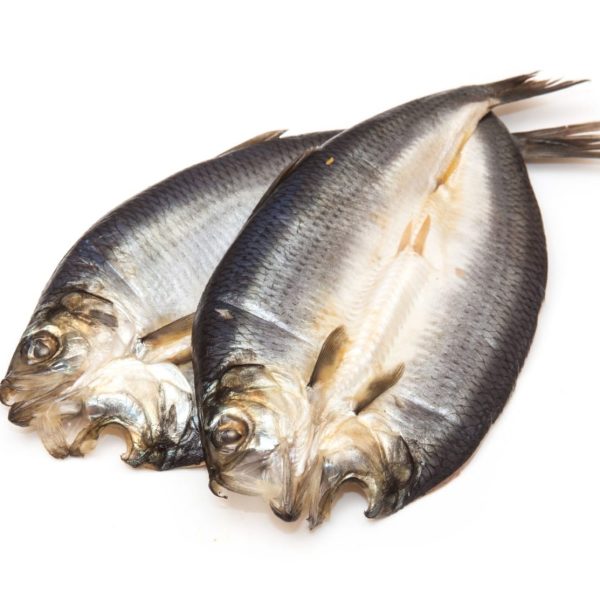
- Prep-it-yourself: whole smoked fish. Whole fish suits people who like control: you can trim, flake, and portion to your own spec, and you get flexibility for batch prep. It’s also handy if you want to carve neat slices or pull meat for pâtés, fishcakes, or pasta dishes.
- Special occasions: smoked/cured lines. These are “ready for specific uses” products: canapés, salads, blinis, bagels, or a cold buffet where texture and slice quality matter. Check each product’s details for ingredients and format, because cured/smoked lines can vary a lot in salt level, sweetness, and firmness.
If you only buy one thing, make it smoked fish portions. They’re the most versatile: quick midweek meals, simple salads, pasta, rice bowls, and they don’t demand perfect technique (you can lean on the separate defrosting/cooking notes when needed without overthinking it).
Pick the cut that matches your heat source and your timing.
Can I cook smoked fish from frozen?
Yes, often you can — but method matters.
Cooking smoked fish straight from frozen can work well, especially when you’re chasing a reliable midweek result rather than a restaurant-style pan sear. The reason is simple: thickness and surface moisture decide everything. A frozen piece sheds water as it warms, and that moisture fights browning in a hot pan. That’s why an oven, air fryer, or a covered pan is usually more forgiving than going straight onto high heat and hoping for crisp edges.
A safe, practical way to do it is to treat it like a two-stage cook in plain English. First, remove all packaging. If the surface has visible ice crystals, give it a quick rinse to knock off the ice, then pat it properly dry with kitchen paper. Dry surface equals better finish — even when you start from frozen. Next, begin with gentler heat so the centre can come up evenly without the outside toughening too fast. Think “steady warm-through” rather than “blast and pray.” Once the fish is no longer icy at the core and the surface looks drier, you can finish hotter to tighten the exterior and bring back a more “just-cooked” texture. If you’re using a pan, starting with a lid on helps the middle catch up; finishing with the lid off helps the surface dry and colour.
There are a couple of times you shouldn’t cook from frozen. If you’ve got a very thick piece and you want a perfect sear, you’ll usually be happier defrosting first — thick cuts tend to stay wet on the outside while the centre is still cold, which is sear sabotage. Also, speciality cured-style products (and any smoked/cured lines with specific handling notes) should follow the product guidance, because not all smoked fish is meant to be treated the same way.
If you do cook from frozen, keep your expectations aligned: you’re optimising for speed, convenience, and “still tastes like smoked fish,” not for flawless pan crust. Follow on-pack guidance, and adjust to thickness.
Frozen-to-oven is the weeknight cheat code when you need Smoked Fish now.
How long does frozen smoked fish last, and how do I avoid freezer burn?
Frozen smoked fish can stay safe for a long time when it’s kept properly frozen, but quality can slowly decline the longer it sits in the freezer. Safety is mainly about staying frozen and being handled cleanly; quality is about what you’ll notice on the plate — texture, moisture, and that clean smoked flavour. So the useful question isn’t “Is it still safe?” as much as “Will it still eat the way I want it to?”
That’s where freezer burn comes in. Freezer burn is dehydration caused by air exposure in the freezer. Even though the fish is frozen solid, moisture can still migrate out of the flesh when it’s exposed to air, especially if the pack isn’t tight or the freezer temperature swings. You’ll usually spot it as dry or pale/white patches, a duller colour, sometimes frosty crystals inside the pack, and once cooked it can turn into a tougher, drier bite. The flavour can also pick up a slightly “stale freezer” note, which is annoying when you’ve bought smoked fish for that rich, savoury payoff.
Avoiding freezer burn is mostly boring discipline — and boring is good here. Keep packs sealed and minimise air exposure. If you open a pack and don’t use everything, re-seal it tightly or move the remaining portions into an airtight freezer bag or container with as little trapped air as possible. Store packs flat where you can: it helps them freeze and stay frozen more evenly, and it’s easier to stack without crushing. Rotate your stock by bringing older packs to the front so they get used first. And keep the freezer stable — frequent door-opening, over-stuffing, or a freezer that struggles to hold temperature all increase the chance of drying and ice build-up over time.
This is also where good packaging does heavy lifting. Many frozen smoked fish items are vacuum packed, which helps reduce air exposure around the fish and slows down dehydration. It’s not magic — a damaged seal or a loosely rewrapped portion can still dry out — but it’s a strong head start for keeping texture and flavour intact.
For timeframes, treat any “best within X months” as general guidance and always defer to the on-pack storage instructions for the most accurate advice for that specific product.
Good packaging and steady cold are what keep Smoked Fish tasting like Smoked Fish.