Why Buy Frozen Fish Fillets?
Frozen fish fillets work best when you treat freezing as quality control, not a compromise. A fillet in a known cut and weight band gives you a stable starting point: you can portion what you need, repeat the same results next time, and plan meals without the “use it today” pressure that drives waste. It also makes buying calmer — you can keep a few reliable options in the freezer without overbuying “just in case”.
On the supply side, freezing locks in quality at a specific moment. “Fresh” fish can still be excellent, but it’s time-sensitive and time adds up once a catch enters grading, chilled storage, transport, and final-mile delivery. Frozen shifts that risk: the product is stabilised early, then held cold until you’re ready. That’s why frozen fillets are often the more consistent choice for texture and handling, especially when you want predictable midweek results.
At frozenfish.direct, the processing claim is made carefully: seafood is processed and frozen within hours; and on some product pages, certain lines are described as filleted, packed and frozen within 3 hours of being caught, where stated on the product details. The point isn’t hype — it’s control: less drift through the supply chain, fewer surprises at prep time, and a tighter link between what was processed and what reaches your freezer.
Freezing slows spoilage. Cold storage protects texture. Vacuum packs reduce air exposure. Portions reduce waste. Consistent weights improve cooking.
If you want fish you can keep on hand, cook on your schedule, and buy with fewer unknowns, frozen fillets are the practical choice — and the label-first details are what make them predictable.
Choose Your Cut
Everyday fillets for oven and pan
If you want a reliable midweek winner, start with classic fillets you can season, pan-fry, or oven-bake without overthinking it. Look for skinless when you want quick, clean eating, or skin-on when you want a bit more protection and a better finish in the pan. Thinner fillets cook fast and suit butter sauces, herbs, lemon, and light crumb coatings. If you’re sensitive to texture, check for notes like boneless or pin-boned so you know how much trimming you’ll need.
Portioned fillets for speed and portion control
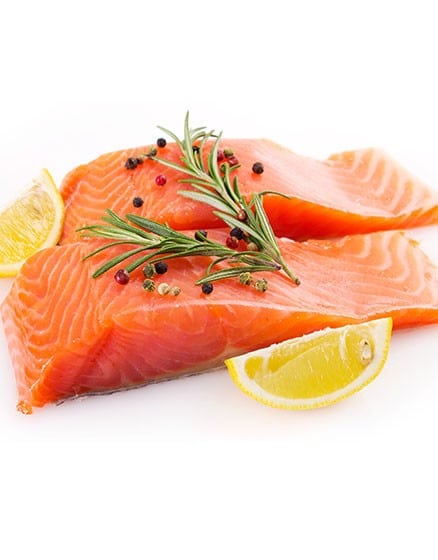
Portions are the planning cheat-code: predictable sizing, quick timings, and less waste. Weight bands (for example 140–170g pieces) help you match plate size to appetite and keep cooking more repeatable across the week. Portions also make it easier to cook for mixed households—one can have salmon, another can have white fish—without opening multiple big packs. If your goal is “dinner in 15,” portions are usually the smoothest path.
Thicker cuts for high-heat confidence
For grilling, hard sears, and hotter pans, choose thicker, centre-cut pieces—often sold as loins or chunky fillets. More thickness means more tolerance: the outside can take colour while the centre stays moist. These cuts also hold shape better when you’re flipping, basting, or finishing with a glaze, so they’re ideal for barbecue-style cooks and restaurant-style plating. If you like a crisp edge with a juicy middle, thickness is your friend.
Bigger packs for batch prep and entertaining
Cooking for a crowd, doing a weekend cook-up, or planning lunches? Larger fillets and kilo-style packs are built for batch prep. You can portion to your own specs, season in different directions (garlic-butter, spice rub, soy-ginger), and cook in trays without juggling timings. Bigger formats also suit gentle smoking and make it easier to serve neat slices at the table.
Speciality fillets for specific jobs
Some fish is “ready for a use” by nature—monkfish for firm, meaty bites; oily fish for bold flavour; lean white fish for clean, flaky finishes. Treat these as purpose-led picks: match the fish to the method and keep the claims tight. When the fillet fits the job, everything gets simpler.
Pick the Fish Fillets that matches your pan, your timing, and your appetite.
What Arrives at Your Door
When you order Frozen Fish Fillets from frozenfish.direct, it’s handled like a cold-chain job, not a casual parcel. Your seafood is dispatched by DPD overnight courier, then packed with dry ice in a polystyrene insulated box to help keep it properly frozen while it moves through depots and vans. That packaging detail matters: the insulation slows heat gain from the outside air, and the dry ice provides a powerful cold source during transit, so your fillets arrive in the condition you paid for—frozen, clean, and ready to store.
Delivery timing is set up to avoid guesswork. Orders placed before the stated cut-off are prepared for next working day delivery on eligible days, and checkout controls valid delivery dates so you’re only offered options that match the real dispatch schedule for your address. The practical win is simple: you can plan freezer space and mealtimes without relying on vague promises or conflicting cut-off chatter.
What to do first is straightforward. Open your box promptly, check everything is still frozen, then move your fish straight into the freezer. After that, follow the on-pack storage guidance for best quality—different fillets and pack formats can have slightly different handling notes, and the label is the final word.
A calm note on dry ice: it’s there to protect your order, but treat it with basic respect. Avoid direct skin contact, keep the area ventilated, don’t seal dry ice in an airtight container, and keep it away from children and pets. Once the fish is safely in the freezer, you can let the remaining dry ice dissipate naturally in a well-ventilated space.
This is the whole point of the system: predictable frozen delivery, fewer surprises at the door, and fish fillets you can store with confidence.
Label-First Transparency
Every Frozen Fish Fillets listing is built around practical buying fields, not fluffy promises. You’ll see the cut clearly named, the weight or pack size stated, and—where it matters for results—whether it’s skin-on or skinless, and whether it’s boneless or pin-boned. If a fillet is wild or farmed (where applicable), that’s shown too, because it changes what you should expect in the pan: fat level, flake, and how forgiving it is under higher heat.
Cut drives cooking. Weight drives timing. Skin drives texture.
Origin informs preference. Method informs fat level. Pack size informs value.
Where origin, catch area, or landing point varies by item, it’s shown on the product details rather than guessed at category level. That means you can choose with intent: the right fish for the right plan, and the right pack for the way you actually eat—single servings, family trays, or “stock-the-freezer” sizes that make midweek simple.
Allergens are handled plainly: Fish Fillets are clearly flagged as fish, and any smoked, cured, breaded, or seasoned lines list their ingredients so you can spot what’s added (and what isn’t) before you commit. It’s the same label-first approach whether you’re buying lean white fillets for clean, quick dinners, or richer cuts where you want a more buttery bite and a higher tolerance for grilling or roasting.
The point is confidence. When the label tells you the cut, the size, the finish, and the source type, you can stop guessing and start choosing like someone who’s cooked fish before—and wants it to behave the same way every time.
Storage and Defrosting
Frozen fish fillets behave brilliantly when you treat them like a good ingredient, not an emergency ration. The main rule is simple: keep them properly frozen until you’re ready, and keep air away from the flesh. Most fillets arrive vac packed, which helps a lot—air is what drives freezer burn, that dry, pale, slightly “cardboard” edge that shows up when moisture slowly escapes. Once a pack is opened, re-wrap tightly or use an airtight container so the surface isn’t exposed to the freezer’s dry air. Keep your freezer organised and rotate stock: older packs forward, newer packs behind, so nothing gets forgotten at the back and turns “mystery fish”.
For defrosting, think texture-first. The default is a fridge defrost because it’s gentle and predictable: keep the fillets contained (tray, bowl, or lidded container), so any drip loss is caught and doesn’t wash over other foods. That drip isn’t “bad” so much as it’s part of the thaw—water and a bit of protein leaving the muscle as it relaxes—so managing it neatly keeps the fillet cleaner and the kitchen calmer. When you’re ready to cook, open the pack, drain any liquid, and pat dry thoroughly. That one step is the difference between a decent pan and a watery one: dry surface equals better sear, better colour, and a firmer bite instead of soft, steamy flakes.
Pay attention to the cut’s personality. Lean white fillets can go “watery” or a little soft if they’re thawed carelessly, while fattier cuts forgive heat and stay succulent even when you push for colour. Skin-on fillets crisp best when the skin is dry and the pan is confident; pin-boned lines are there to reduce fiddly prep, but it’s still worth a quick check as you portion.
On refreezing, stay conservative. If you’ve defrosted in the fridge, kept the fish contained, and the pack has been handled cleanly, some products may allow refreezing—but quality often takes a hit (more drip loss, softer texture). If there’s any doubt, don’t refreeze, and always follow the on-pack storage and handling guidance for that specific fillet. The goal is simple: keep it cold, keep it clean, keep it dry before cooking—and the fish will cook like it means it.
Cooking Outcomes
Pan-Seared
Start with a dry surface and a properly hot pan—moisture is the enemy of colour. Add a little fat, lay the fillet in, then leave it alone until it releases easily and you can see the edge turning opaque. Skin-on fillets go skin-side down first; you’re looking for a steady sizzle and a skin that turns glassy and crisp, not a frantic spit. Flip once, then finish gently on lower heat so the centre stays juicy; doneness cues are firming at the thickest point, pearly flakes starting to separate, and juices running clear rather than cloudy. Dry surface equals better sear. Gentle finish protects moisture. Resting evens temperature.
Oven Roast
Use the oven when you want repeatability across different packs and weight bands, especially if you’re cooking multiple portions. Lay fillets on a tray with space so steam can escape; overcrowding makes the surface soft instead of lightly set. Thicker cuts take longer to turn fully opaque through the centre, while thin fillets can go from perfect to dry fast—watch for the moment the flesh turns from translucent to pearly and just begins to flake when pressed. If the product is sauced, breaded, smoked, or pre-seasoned, handling expectations change—follow the product details because coatings and cure levels alter how heat travels. Thickness changes timing. Fat content changes forgiveness.
Grill / Griddle
Choose fillets that hold their shape for high heat: thicker cuts, firmer species, and skin-on lines generally cope better on a grill or griddle. Get the bars or plate hot, oil the fish lightly, and commit to a clean first contact—moving it too soon tears the surface and sheds moisture. You’re aiming for clear grill marks, a surface that looks set, and a centre that still has a little spring; if it feels tight and dry, you’ve gone too far. If a fillet is delicate or very lean, treat it as a gentler cook or use a tray/foil to protect it from aggressive heat. Thickness changes timing. Fat content changes forgiveness.
Portions & Quick Cooks
Portionable fillets are built for speed, but the win is control: predictable sizing means you can cook gently and stop on time. Use medium heat and let the fish cook through without forcing it—rapid boiling/steaming in the pan is what makes it watery and soft. Pull it when the thickest point has just turned opaque and flakes separate with light pressure, then rest briefly so carryover heat finishes the centre without squeezing out juices. Dry surface equals better sear. Gentle finish protects moisture. Resting evens temperature.
Nutrition Snapshot
Fish fillets are a straightforward way to put real seafood at the centre of a meal, without turning dinner into a science project. Most plain fish fillets are naturally rich in protein, and they also contribute a mix of vitamins and minerals that vary by species. The important bit, though, is that nutrients vary by species, cut, and whether it’s wild or farmed—so the most accurate snapshot is always the one shown on the individual product details.
Different fish bring different “profiles”. Lean, white-fleshed fillets tend to be mild and clean-tasting, with a texture that can turn dry if you push the heat too hard. Richer, oilier fillets usually have more natural fat, which often makes them feel fuller in the mouth and a little more forgiving in the pan. That fat/lean balance isn’t just a nutrition detail—it changes cooking outcomes: fat content influences juiciness, and it can affect how easily a fillet flakes versus staying firm.
If you’re comparing options, the product label fields do the heavy lifting: species, pack size, and whether it’s skin-on or skinless help you line up value, portion planning, and the kind of finish you want on the plate. For smoked, cured, or pre-seasoned items, the ingredient and allergen details matter more, because added ingredients can change both flavour and the overall nutrition picture.
Fish fits comfortably into a balanced diet alongside vegetables, grains, and whatever sides make your week work—no lectures required. Use the product details to choose the fillet that matches your taste, your cooking style, and your portion needs, and you’ll feel confident you picked for outcomes, not hype.
Provenance and Responsible Sourcing
Provenance matters, but only when it’s specific enough to be useful. That’s why we show method and origin details per product so you can choose what fits your preferences. On each Fish Fillets listing, look for the practical signals that actually change the eating experience: where it comes from, whether it’s wild or farmed (where applicable), and what style it is (raw, smoked, cured, or ready-prepped where stocked). If origin or catch area varies across the range, it’s shown on the product details rather than guessed at category level.
Provenance supports preference. Clear labels support trust. Evidence supports claims.
Use those details to buy with intention, not hope. A lean, wild-caught white-fish fillet tends to cook differently to a richer, farmed salmonid fillet; a skin-on cut behaves differently to skinless; pin-boned vs fully boneless changes how you serve it. Origin informs preference. Method informs fat level. Pack size informs value. If a product carries a clear method statement or origin note, treat it as the “decision field” it is — not marketing garnish.
This category can include straightforward raw fillets as well as speciality lines that are ready for specific uses (for example, smoked options, cured items, or coated/breaded fillets where stocked) — and across frozenfish.direct you may also see farmed Whole Fish and wild Whole Fish items where stocked, depending on season and availability. The point is range with receipts: choose the fillet that matches your ethics comfort level, your flavour preference, and your cooking plan, using the SKU’s own facts as the guide.
Frequently Asked Questions
Is frozen fish fillets as good as fresh?
It can be — but the real comparison isn’t “fresh vs frozen”, it’s time + handling vs point-in-time control. “Fresh” fish can still spend days moving through the supply chain: landing, processing, transport, storage, display, then your fridge. Every hour adds variables. Frozen, done properly, locks in a known moment and keeps it stable until you’re ready to cook.
Texture and flavour are where people notice the difference. Freezing itself isn’t the villain — mishandling is. If fillets are allowed to thaw and refreeze, sit exposed to air, or get crushed by poor packing, you’ll see it as watery flakes, soft texture, or a dull finish. When fish is packed well (often vac packed) and kept properly frozen, the eating quality stays close to that “just processed” baseline, and the big advantage becomes consistency: you get the same cut, the same weight band, and the same results more often.
That’s the whole point of how frozenfish.direct operates: fish is processed and frozen within hours, then shipped using a cold-chain setup — packed with dry ice in a polystyrene insulated box and dispatched by DPD overnight courier — designed to keep it frozen on arrival. The aim isn’t to win an argument with “fresh”; it’s to give you predictable cooking outcomes with less waste and less last-minute stress.
A practical way to choose is by what you’re cooking for. Midweek meals love portioned fillets: fast thaw, predictable sizing, easy portion control. Grilling and high heat usually suits slightly thicker fillets and skin-on options where available because they hold together and tolerate direct heat better. Entertaining tends to favour larger fillets or mixed packs that let you batch prep, plate neatly, and serve everyone at the same doneness without guesswork.
If you want predictable results, frozen is the easier way to make Fish Fillets a routine.
How do I defrost frozen fish fillets without it going watery?
“Watery” fish after defrosting is almost always moisture management, not “bad fish”. When fish freezes, ice crystals form inside the flesh. If it’s thawed too warm or too fast, those crystals melt and the structure can’t hold the water as well, so you get drip loss: a puddle in the bag and a fillet that feels soft and looks a bit washed-out. The other big culprit is temperature cycling — partial thawing in transit/home, then refreezing — which creates larger crystals and amplifies that watery texture.
The best practice flow is simple and boring (which is exactly what you want). Defrost in the fridge so the fish thaws gently and stays in a safe, controlled range. Keep it contained the whole time: set it in a bowl or tray to catch any drip, and avoid letting it sit directly in meltwater. If your fillets are vacuum packed, keep the pack intact while it defrosts — the sealed environment reduces air exposure and helps protect texture. Once thawed, open the pack, drain any liquid, then pat dry thoroughly with kitchen paper before cooking. That surface dryness is the difference between a clean sear and a steamed, pale finish.
A few cut-specific tips help. Portions are the easiest: they thaw more evenly, lose less moisture, and cook predictably because thickness is consistent. Thicker fillets need more patience — rushing them at room temperature is where watery, uneven texture happens (outside soft, centre still icy). Steaks behave differently because they’re cut across the grain and often include bone/cartilage; they can shed more liquid as they thaw, so containment and pat-drying matter even more, and gentle cooking pays off.
If you’re in a hurry, cooking from frozen can work as a backup — especially for thinner portions — but it’s a different technique (and worth its own quick guide) because you’re managing surface water and doneness at the same time.
Good defrosting is texture control.
Wild vs farmed fish fillets — what should I choose?
Both can be excellent. The “right” choice is usually less about virtue and more about what you like on the plate, how you’re cooking, and how predictable you want the result to be.
As a rough guide, wild fillets often lean towards firmer texture and a cleaner, sometimes more “sea-forward” flavour, but they can be more variable from pack to pack because wild fish aren’t uniform by nature. Farmed fillets often lean towards consistency (size, fat level, availability) which makes them easier to plan around, especially for midweek portions and repeatable cooking outcomes. Neither is automatically better — they’re different tools.
Fat is the sneaky decider. Higher-fat fillets tend to stay juicier and forgive heat a bit more, which is handy for pan cooking, roasting, and when you’re cooking for people with different “done-ness” preferences. Leaner, delicate fillets reward gentler cooking and benefit from moisture-supporting finishes like butter, olive oil, herb dressings, or a light sauce, because they can dry out quickly if pushed too hard.
If you’re deciding in the moment, use a simple pairing logic: pan + quick timing → go for consistent, portionable fillets; delicate dishes (lemon, capers, beurre blanc-style finishes) → choose a fillet known for clean flavour and fine flakes; big, bold flavours (spice rubs, grills, smoky elements) → pick a firmer fillet that holds together well.
On frozenfish.direct, the shortcut is built into the pack information: the product details show whether a fillet is wild or farmed (where applicable) and where it comes from, so you can choose with your eyes open rather than guessing. You’ll also see practical buying cues like cut style, weight band, and whether it’s skin-on/skinless or boneless/pin-boned where relevant.
You might see options that may include wild fillet lines and may include farmed fillet lines, plus species that naturally swing lean or rich depending on the cut and handling.
Choose by cooking method first, then by origin and method.
Which fish fillets cut should I buy for my plan?
Your “best” Fish Fillets are the ones that match your plan, because plan decides everything: how fast you need it, how hard you’ll push the heat, and whether you want tidy portions or something you can portion yourself. Start with two outcome levers: thickness and skin. Thickness sets timing and tolerance—thin fillets go from perfect to dry quickly, while thicker cuts give you a bigger window. Skin is a built-in buffer—skin-on protects the flesh, helps hold shape, and gives you the option of crisp skin; skinless is faster and cleaner to portion but needs gentler handling.
For weeknight meals, go for portionable, predictable sizes—individual fillets that cook evenly and don’t need decision-making at 6pm. A classic example is a mid-weight fillet band like 140–170g (common in salmon listings) because it’s quick, consistent, and easy to plate.
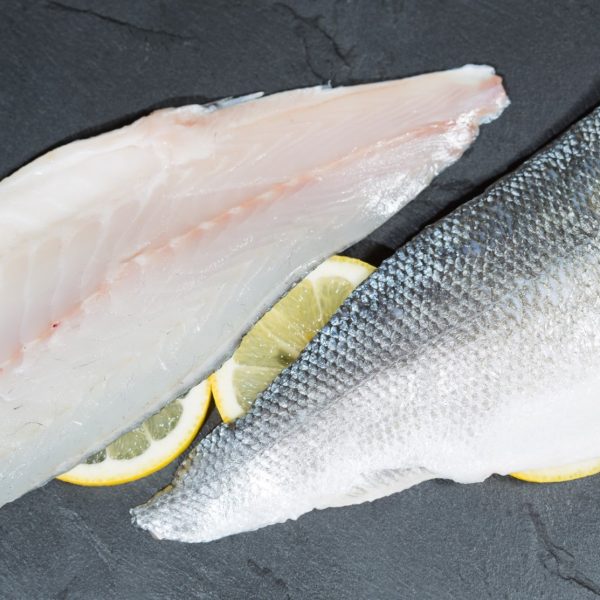
For grilling, choose firmer, thicker, or skin-on where available—you want structure and a bit more heat tolerance. Think sea bass fillets for a clean grill profile, or thicker “loin” style cuts when you want defined edges and less flaking on the bars.
For entertaining, buy for scale: larger packs let you portion to your crowd, keep portions uniform, and batch-prep without hunting for “matching” fillets. Big-format packs like 1kg bags are built for this—portion, season, cook in waves, and serve like you planned it that way.
For prep-it-yourself, choose larger fillets/loins you can slice into your own portions (great for custom thickness, ceviche-style slicing where appropriate, or careful pan portions). Products sold as loins are especially useful when you want clean portion lines.
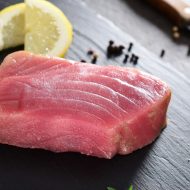
For special occasions, look for standout species or premium lines (for example sockeye salmon fillets or tuna loins) and any smoked/cured options if they’re stocked—these are “ready for specific uses,” so let the label tell you what they’re built for.
If you only buy one thing: pick a mid-thickness, everyday fillet in a consistent portion size (the kind you can pan-cook on autopilot), then branch out by skin-on vs skinless once you’ve nailed your preferred finish.
Pick the cut that matches your heat source and your timing.
Can I cook fish fillets from frozen?
Yes — you can often cook Fish Fillets from frozen, but method matters.
The two things that change the game are thickness and surface moisture. Straight-from-frozen fillets usually have a damp outer layer (sometimes a bit of surface ice or light glazing). If you throw that into a ripping-hot pan and expect instant crispness, the moisture steams the surface and you lose the clean sear you’re chasing. (FoodSafety.gov)
A safe, practical flow looks like this in real life: take the fillet out of its packaging, brush off any loose ice, and if the surface is heavily iced, give it a quick rinse and immediately pat it properly dry. Then choose a more forgiving first stage — oven, air-fryer, or a covered pan works well because it gently brings the centre through while the outside dries out. Once the fish is no longer stiff and the surface feels drier, you can finish hotter (lid off, higher heat, or a brief blast under the grill) to get colour and a better edge. Don’t fiddle: let it sit, let the heat do its job, then turn once and finish gently so the centre stays juicy.
How do you know it’s done without obsessing over numbers? Look for the classic cues: the flesh turns opaque and separates easily with a fork. (FoodSafety.gov)
When not to cook from frozen: very thick pieces if you want a restaurant-style sear and perfectly even doneness (thawing gives you more control), and any speciality cured/smoked-style products where the product guidance expects a different handling route. Also, if the pack instructions say “defrost before cooking,” follow that — it’s written for that SKU. For general handling, fridge-thawing is the safest default when you have time. (FoodSafety.gov)
Frozen-to-oven is the weeknight cheat code when you need Fish Fillets now.
How long does frozen fish fillets last, and how do I avoid freezer burn?
Frozen Fish Fillets can stay safe to eat for a long time when they’re kept properly frozen, but eating quality (texture, moisture, flavour) will slowly decline the longer they sit in the freezer. Think of freezing as a safety pause button, and time in the freezer as a gentle quality fade. That’s why the most reliable rule is simple: follow the on-pack storage guidance and treat any “best before” style guidance as your quality compass, not a panic alarm.
The main quality enemy is freezer burn. Freezer burn isn’t “gone bad” fish — it’s dehydration caused by air exposure. When cold, dry freezer air pulls moisture from the surface, and oxygen can start dulling flavour. You’ll spot it as dry or pale patches, a slightly dull, chalky colour, or edges that look rough and leathery. Cooked, freezer-burned areas can feel tough and taste a bit flat because you’ve lost moisture before you even started.
Avoiding it is mostly about air control and steady cold:
- Keep packs sealed until you need them. Once opened, reseal tightly and minimise the “air pocket” (press the air out, or overwrap well).
- Minimise air exposure: don’t leave fillets unwrapped to “sit” in the freezer, and don’t store loose pieces in a bag with lots of trapped air.
- Store flat where you can. Flat packs freeze and stay colder more evenly, and they’re less likely to get crushed and leak.
- Rotate stock: move older packs to the front and put new ones behind, so you use things in a sensible order.
- Keep the freezer stable: frequent door-opening and overstuffing can create temperature swings that encourage surface ice to form and sublimate (that’s freezer air stealing moisture).
A helpful reality: many Fish Fillets are vacuum packed, which is exactly what you want — removing air reduces dehydration and slows those “stale freezer” flavours. If a vac pack has lost its seal or looks compromised, treat it as higher risk for freezer burn and use it sooner (still following on-pack instructions).
Good packaging and steady cold are what keep Fish Fillets tasting like Fish Fillets.