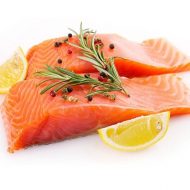
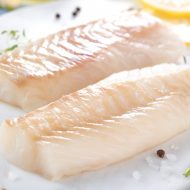
Why Buy Frozen Trout Fillets?
Frozen Trout Fillets work because freezing turns a perishable ingredient into something you can buy and use with control. When the fish is portioned, packed, then frozen promptly, you’re not guessing how long it’s been sitting in transit or in a chilled display. You’re buying a product that’s been stabilised at a specific point in time, then kept cold until you need it. That matters for consistency: the same weight band tends to cook in a similar window, the same cut behaves the same in the pan, and the same pack format is easier to store without waste.
On frozenfish.direct, the stated approach is that seafood is processed and frozen within hours, and in some cases within 3 hours of being caught (as described on-site). The point of that claim isn’t marketing sparkle; it’s a practical quality-control idea: reduce the “time adds up” effect and lock in a fresher moment before variables creep in. “Fresh” can still be excellent, but it often travels through a longer chain of handling, chilling and waiting. Frozen, done properly, shortens the uncertainty.
You also get real-life advantages that show up in your weekly routine. Frozen trout fillets let you plan meals around the portions you actually cook, not the leftovers you hope you’ll use. They’re easy to portion, easy to store, and you can take out exactly what you need.
- Freezing slows spoilage.
- Cold storage preserves texture.
- Vacuum packs reduce air exposure.
- Portions reduce waste.
- Consistent weights improve cooking.
- Frozen stock improves meal planning.
If you want reliable results at home, frozen trout is a straightforward choice: predictable packs, repeatable portions, and fewer “use it today or lose it” moments.
Choose Your Cut
Quick midweek portions
If you want trout that fits a busy week, start with single portions in a clear weight band. Smaller fillets are built for speed: they heat through quickly, portion cleanly, and make timing easier when you’re cooking sides at the same time. In the pan, you can aim for a light sear and finish gently; in the oven, they suit a quick traybake where you want the fish to stay neat and flaky without a lot of fuss. Portions also help with portion control: you cook what you need, and the plate feels consistent from one meal to the next.
Skin-on fillets
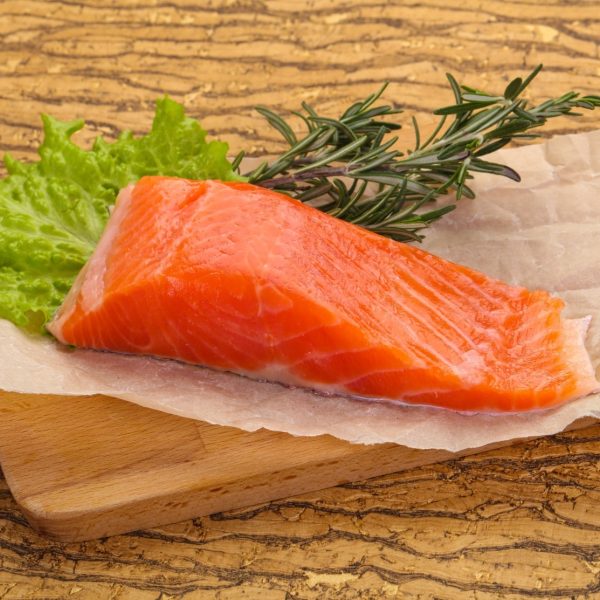
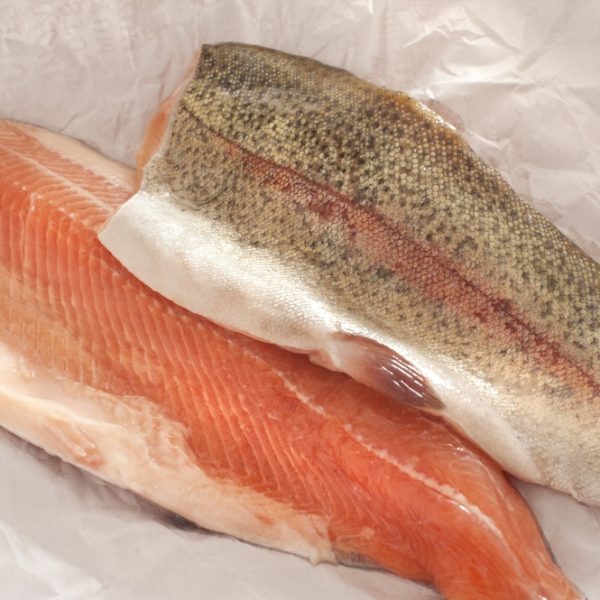
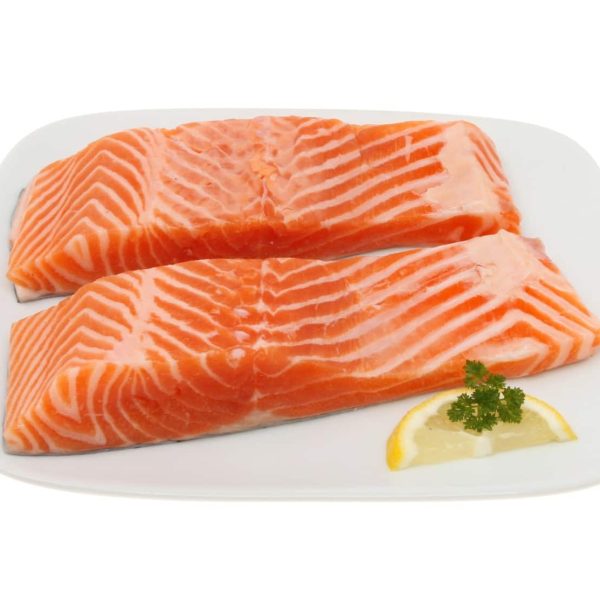
When you want a fillet that holds shape and forgives a hotter pan, go skin-on. The skin acts like a natural barrier, which can make the fish feel sturdier on the grill or in a pan-fry, especially when you’re chasing that crisp finish. Skin-on trout tends to cope better with higher heat at the start, then a gentler finish to keep the flesh moist. It’s a strong choice for simple seasoning, fast cooking, and that “restaurant-like” crisp skin moment without needing complicated technique.
Skinless fillets
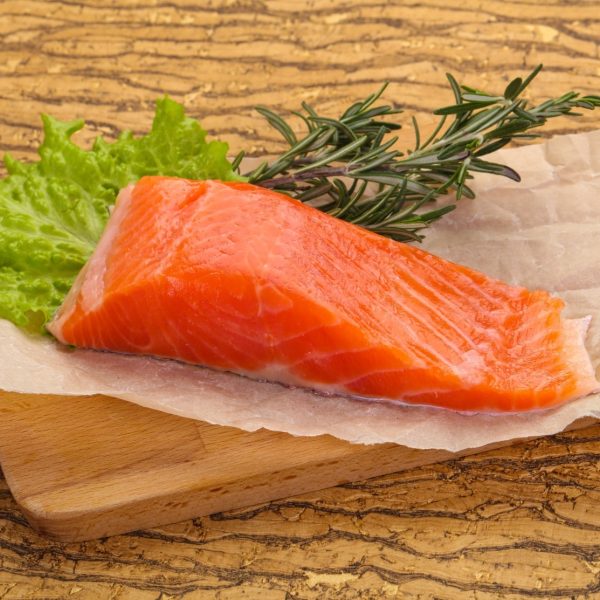
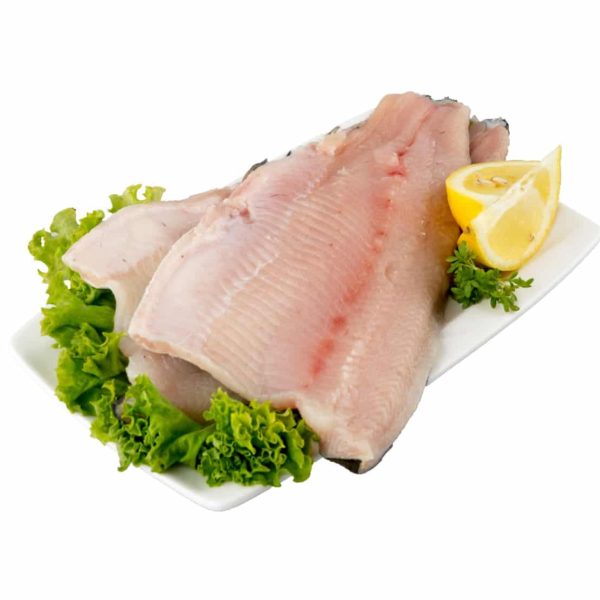
If you prefer quick prep and a cleaner finish on the plate, skinless trout is the straightforward option. It’s especially good when you’re pairing with a butter sauce, glaze, or a light cream finish because there’s no crisping step to manage. Skinless fillets are often vacuum-packed, which keeps the presentation tidy and supports a consistent cook, particularly when you’re working within a familiar weight band.
Large fillets for entertaining, smoking, and batch prep
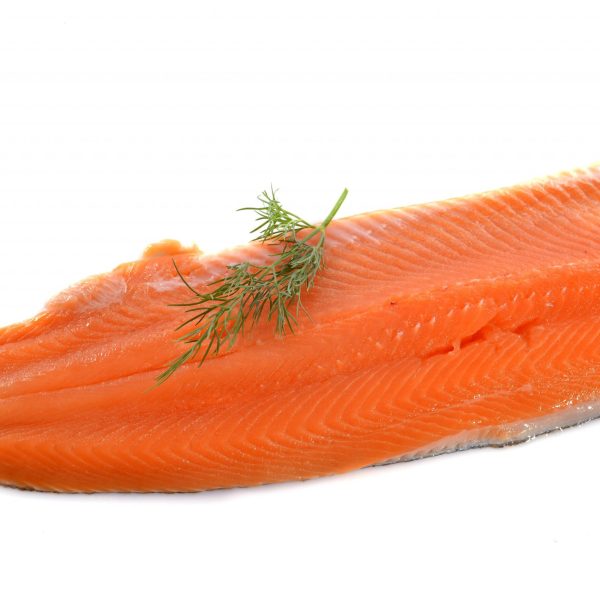
For hosting, meal prep, or anyone who likes to do the portioning themselves, choose a larger fillet. Bigger cuts are ideal when you want to slice your own portions, serve a centrepiece, or prep several meals in one cook. They’re also a natural fit for gentler oven roasting, cooling and slicing for salads, or setting aside portions for later dishes. Expect occasional pin bones in fish generally—easy to spot and remove, and worth keeping in mind when you’re cutting your own portions.
Pick the Trout Fillets that match your pan, your timing, and your appetite.
What Arrives at Your Door
Your Frozen Trout Fillets are handled as a proper cold-chain delivery from dispatch to doorstep. Dispatched by DPD overnight courier, your order is packed with dry ice in a polystyrene insulated box, which matters because it slows heat gain during transit and helps keep fish frozen on arrival. The goal is simple: preserve the condition you bought, so what you cook is the quality you expected.
Delivery timing is managed around eligible dispatch days and the site’s stated daily cut-off. Orders placed before that cut-off are prepared for next working day delivery where the service is available, and checkout only offers dates that are valid for your postcode and the current dispatch schedule. That keeps expectations realistic: if next-day isn’t workable for a specific route or date, it won’t be presented as an option at checkout.
When your parcel arrives, treat the first two minutes like part of the cold chain. Open it promptly, confirm everything is present, then move the trout straight into your freezer. If you plan to cook soon, keep it cold and follow the storage guidance on the pack. Fish can arrive firm-frozen or very cold to the touch; both outcomes are consistent with a shipment protected by insulation and dry ice. The key is to minimise time at room temperature, just as you would with any frozen food.
Dry ice is a normal part of professional frozen transport, but it deserves basic respect. Avoid direct skin contact when handling the inner packaging, keep the area ventilated, don’t seal dry ice into an airtight container, and keep it away from children and pets. If there’s any dry ice remaining, let it dissipate naturally in a well-ventilated space.
This approach is designed to reduce uncertainty: clear dispatch rules, insulated packaging, and simple, repeatable steps on arrival—so your trout fillets go from box to freezer without fuss.
Label-First Transparency
What you see on each Trout Fillets product is there to help you buy properly, not to pad the page. We show the practical fields that change the cooking result and the value of the pack: the cut, the weight or pack size, whether the fillet is skin-on or skinless, whether it is sold as boneless or may contain small pin bones where relevant, and whether the fish is wild or farmed where that applies. That matters because these are not cosmetic details. They change how the fillet behaves in the pan, how long it takes in the oven, how neatly it portions, and what sort of meal it suits. frozenfish.direct already uses this label-first approach across the range, including trout fillets in different weight bands and formats such as single portions, larger fillets, and multi-packs.
When origin or catch area varies by item, it is shown on the product details rather than turned into a category-wide promise. That keeps the page honest. Some trout products are described as farmed in British or Scottish waters, while others on the site are presented as wild-caught or speciality prepared lines, and those differences can affect preference, richness, firmness, and how predictable the portion feels from pack to pack. For cured or smoked trout products where recipes and processing differ, ingredients are listed on the product details so customers can check before buying. Allergens are treated clearly too: fish is flagged, and item-specific ingredients are shown where relevant.
- Cut drives cooking. Weight drives timing. Skin drives texture.
- Origin informs preference. Method informs fat level. Pack size informs value.
- Boneless reduces prep. Pin bones affect finishing. Product details reduce guesswork.
That is the point of the detail: fewer assumptions, better choices, and a Trout Fillets order that matches the meal you actually want to cook.
Storage and Defrosting
Frozen Trout Fillets are at their best when you treat storage and defrosting as part of the cook, not an afterthought. Keep them frozen until you need them, keep the packs protected from air exposure, and rotate your stock so older packs are used first. That simple habit does more for quality than people think. A well-kept pack stays clean, portionable, and ready to cook; a neglected one is more likely to pick up freezer burn, lose surface moisture, and turn from firm to dull before it even reaches the pan. If your trout is vac packed, that helps by reducing contact with air, but it still pays to store it neatly and keep the freezer orderly.
For defrosting, the default is the fridge. Let the fish thaw in a contained way so any drip loss stays under control and doesn’t end up all over the shelf. A tray, bowl, or plate under the pack is a small thing that makes a big difference. Once thawed, open the pack, check the fillet, and pat dry before cooking. That one step is the difference between a better sear and a surface that steams. If trout goes into the pan wet, it is more likely to come out soft or watery rather than cleanly coloured and delicate. If it goes in dry, the texture is more likely to hold together, the flake stays neater, and the surface behaves the way you want it to.
Different cuts respond differently. Skin-on trout usually has a bit more tolerance when the pan is hot because the skin helps protect the flesh while it crisps. A slightly fattier cut can also forgive heat better than a very lean, thin portion. Skinless portions are still easy to cook, but they benefit even more from careful thawing and drying. If a fillet is sold as boneless or described as pin-boned where relevant, that affects prep convenience, not the storage logic: the same careful handling still applies.
On refreezing, keep it conservative. Once a pack has fully thawed, quality can slip quickly if you freeze it again, especially with fish. If in doubt, do not refreeze, and always follow the on-pack instructions. The goal is not perfectionism. It is simple confidence: keep it frozen, thaw it cleanly, pat it dry, and let the trout keep its firmness, flake, and natural eating quality.
Cooking Outcomes
Pan-frying for crisp skin and a juicy centre
For skin-on trout fillets, the best result starts with a dry surface and a properly heated pan. Set the fillet down and leave it alone long enough for the skin to tighten and colour, then finish more gently so the flesh stays moist rather than turning chalky. You are looking for visual cues, not drama: the skin should look crisp, the sides should turn opaque as the heat climbs, and the centre should still feel juicy when the fillet flakes under light pressure. Dry surface equals better sear. Gentle finish protects moisture. Resting evens temperature. frozenfish.direct sells skin-on trout in multiple portion sizes, including 200–250g packs and larger fillets, so this method suits both a quick midweek cook and a more deliberate plate.
Oven roasting for even cooking and clean flake
If you want a steadier route, oven roasting is the low-fuss option. It works especially well for portionable fillets when you want clean, even cooking without managing the pan every second. The cues are simple: the flesh should lose its raw shine, start to separate into soft flakes, and hold a gentle firmness rather than collapsing into softness. Thickness changes timing. Fat content changes forgiveness. Surface condition changes browning. That matters with trout because the site ranges from smaller single portions to larger fillets and sides, so the cooking style should follow the cut in front of you, not a one-size-fits-all guess.
Grilling or broiling for stronger colour
Trout is also grill-ready, particularly when the fillet has enough structure to hold together under more direct heat. Skin-on pieces usually tolerate this best because the skin gives you a little more protection and makes handling easier, while skinless fillets benefit from a gentler touch and closer attention. The outcome you want is light charring at the edges, a firm but still succulent centre, and flesh that flakes cleanly instead of breaking into dry shards. frozenfish.direct’s skinless 190–230g trout is explicitly positioned for pan-frying, oven-roasting, and grilling, while the larger 800–950g fillet is presented as suitable for broiling, grilling, or steaming.
Larger fillets and speciality cuts need their own handling
Not every trout fillet should be treated like a standard single portion. A 6–750g fillet, an 800–950g side, or another speciality line has different handling expectations: more mass, more carryover heat, and more room for uneven cooking if rushed. Larger cuts are better when you let the outside set, then finish with patience so the interior keeps its firmness and slices neatly rather than turning soft in the middle. Some items are better for slicing your own portions, some suit centrepiece cooking, and some are ready for specific uses; the safest rule is the simplest one: follow the product details and cook to the cues the cut gives you.
Nutrition Snapshot
Trout fillets are valued not because they promise anything magical, but because they offer a sensible mix of qualities that matter in a normal kitchen. In broad terms, trout is known for being a good source of protein and for containing naturally occurring fats, including omega-3 fatty acids, along with a spread of vitamins and minerals. frozenfish.direct’s own trout content describes trout as nutrient-dense, while individual product pages also present nutrition information on a product-by-product basis. The important part is that those details are not identical across the range. Nutrients vary by species, cut, and whether the fish is wild or farmed, so the cleanest rule is the simplest one: check the product details for the pack you are actually buying.
That variation is not a problem; it is part of what makes buying by cut and weight band more useful than buying by vague impression. A larger fillet can feel richer and more forgiving in the oven, while a leaner or smaller portion may cook faster and give a lighter bite. In other words, the same features that shape the nutrition profile often shape the cooking result as well. Fat content influences mouthfeel. Thickness influences how gently a fillet needs to be handled. Product format influences how easy it is to portion and plan. So even if nutrition is not your main reason for buying trout, it still connects back to practical decisions at the pan and tray level.
It is also worth keeping the whole subject in proportion. Trout fillets can fit comfortably into a balanced diet, but this page is here to help you buy well and cook well, not to turn dinner into a wellness sermon. The sensible approach is to use the nutrition information where it helps, keep expectations realistic, and choose the fillet that suits your appetite, your cooking style, and the kind of meal you want to put on the table. That is what confident buying looks like: clear product details, grounded expectations, and a fish choice you can actually use.
Provenance and Responsible Sourcing
We show method and origin details per product so you can choose what fits your preferences. That is the useful level to make provenance decisions: not with a vague category promise, but with the actual buying facts attached to the SKU in front of you. On frozenfish.direct, the Trout Fillets category includes a mix of cuts and weight bands, and the product-level details are where you see whether a fillet is farmed or wild, whether it is skin-on or skinless, and what kind of pack you are buying. The category itself currently includes examples such as a skinless 190–230g trout fillet described as farmed in Scotland, a 200–250g skin-on trout fillet described as farmed in British waters, and a 6–750g trout fillet described as wild-caught from a freshwater lake.
That is the approach we prefer because it keeps the claims bounded and useful. If origin, farming method, or catch area varies by item, it is shown on the product details rather than turned into a blanket statement for the whole page. Some shoppers actively want farmed trout for consistency of size and fat level. Others prefer wild trout when it is stocked, because provenance and eating character are part of the appeal. Neither choice needs a sermon. It just needs a clear label and enough detail to buy with confidence. Provenance supports preference. Clear labels support trust. Evidence supports claims.
It is also worth remembering that the broader trout offer can include speciality lines where stocked, such as smoked or cured trout products, and those are ready for different uses from raw fillets. They carry their own processing and origin notes at product level, because a smoked trout pack is not the same buying decision as a plain fillet for the pan. That is the standard we stick to here as well: if a particular Trout Fillets SKU carries a specific method, source, or production note, we show it on that product. If it does not, we do not pretend it does.
Frequently Asked Questions
Is frozen trout fillets as good as fresh?
“Fresh” and “frozen” are often compared as if one is automatically better, but the real comparison is time and handling. A fish sold as fresh may still have spent time moving through the supply chain, sitting in chilled storage, or waiting to be bought. Frozen fish works differently: it locks in a point-in-time condition, then holds it there until you are ready to cook. That is why frozen Trout Fillets can be very good indeed when they are processed promptly and kept cold properly. On frozenfish.direct, the stated process is that seafood is processed and frozen within hours, and on the Trout Fillets category the site says fish is filleted, packed and frozen within 3 hours of being caught.
Texture and flavour are where honesty matters. Freezing itself is not the problem; mishandling is. If a fillet is exposed to air, stored badly, or thawed carelessly, you can lose some moisture and end up with a softer, wetter feel than you wanted. Good packaging and good defrosting protect quality. frozenfish.direct’s delivery model is built around that logic: orders are dispatched by overnight carrier, packed with dry ice in a polystyrene insulated box, with the aim of keeping fish frozen on arrival. In other words, the brand is not selling “frozen” as a compromise; it is selling a controlled state that is easier to preserve consistently.
That does not mean fresh is always worse. A well-handled fresh fish can be excellent. The point is that frozen gives you a more predictable baseline, especially for home cooking. If you want midweek ease, smaller trout portions around the 170–250g range make sense because they are neat, portionable, and easy to fit around a quick pan or oven cook. If you want grilling, skin-on fillets are often the more forgiving choice because they hold together better and take heat more confidently. If you want entertaining, the larger 800–950g class of fillet gives you a more generous piece to roast, carve, or portion at the table. frozenfish.direct’s Trout Fillets category covers all of those use cases, from smaller portions to multi-packs and larger fillets.
So, is frozen Trout Fillets as good as fresh? It can be, and sometimes it is the more practical buy, because the quality is stabilised earlier and held there more reliably. If you want predictable results, frozen is the easier way to make Trout Fillets a routine.
How do I defrost frozen trout fillets without it going watery?
“Watery” trout usually starts before the pan. When fish freezes, water in the flesh forms ice crystals; if the tissue is damaged, that water does not fully settle back in during thawing, and you see drip loss instead. That is what leaves the surface wet, the texture softer than you wanted, and the flakes less tidy. Too-warm defrosting makes the problem worse, and repeated thaw/refreeze cycles can push texture further in the wrong direction. In frozen fish generally, air exposure and freezer burn also chip away at quality, even when the food is still safe. (uaf.edu)
The best default is simple: defrost in the fridge, keep the fish contained, then pat it dry before cooking. The Food Standards Agency says the safest way to defrost food is in the fridge, and it also advises following the manufacturer’s defrosting instructions. For trout fillets, that usually means keeping the pack on a tray, bowl, or plate so any liquid is controlled instead of wandering around your fridge like a tiny seafood ghost. If the fillet is vac packed, keeping the packaging intact until thawed is a sensible way to keep the fish contained and manage mess before you open it. Once thawed, open the pack, check the fillet, and pat it dry well; that one step helps the surface brown instead of steam. (Food Standards Agency)
Cut matters too. Portions are easier because the thickness is usually more even, so they thaw and cook more predictably. Thicker fillets need longer because there is simply more mass to bring through cleanly, and the centre takes longer to catch up. Steaks behave differently because the cut is structured around the bone and centre section, so they often feel firmer and need a little more patience than a neat single fillet. frozenfish.direct’s trout range includes portions, larger fillets, and trout steaks, so it makes sense to let the cut guide your expectations rather than treating every pack the same.
If you are caught short, cooking from frozen can work as a backup, and some trout products on the site are described as suitable for cooking from frozen. The method changes, though, which is why it deserves its own FAQ rather than being crammed into this one like a fish into an undersized lunchbox. (Food Safety and Inspection Service)
Good defrosting is texture control.
Wild vs farmed trout fillets — what should I choose?
Wild and farmed Trout Fillets can both be excellent. The better choice is usually not about morality or bragging rights; it is about what you want on the plate. Wild trout may taste a little more distinctive and can feel firmer or leaner, while farmed trout is often chosen for its more consistent size, steadier fat level, and easier repeatability from one pack to the next. Research on trout has found higher lipid content in farmed trout than in wild trout in some comparisons, and frozenfish.direct’s own trout guide notes that different trout species vary in fat content and eating character. (SciELO South Africa)
That difference shows up most clearly in cooking. A slightly fattier farmed fillet can be more forgiving, especially for gentler oven cooking, pan-frying, or sauce-based dishes where you want the flesh to stay moist and take flavour well. A leaner, firmer wild fillet may suit simpler treatment where you want the fish itself to speak more clearly, but it can be a little less forgiving if overcooked. None of that means one is “better.” It means they behave differently. Fat level affects richness. Firmness affects handling. Consistency affects planning. Price can vary too, because farming and wild capture are different supply models. (Seafood Watch)
On frozenfish.direct, the practical answer is already built into the product details. The site shows whether an item is wild or farmed and gives origin details at SKU level, which is the right place to make the choice. In the current range, that may include farmed Trout Fillets such as the skinless 190–230g fillet and the skin-on 200–250g fillet from British or Scottish waters, and may include wild Trout Fillets items such as the 6–750g freshwater lake fillet
For cooking, think dish first. If you want a softer, richer result with butter, lemon, white wine sauce, or gentler oven cooking, a farmed fillet may be the more comfortable fit. If you want a cleaner, slightly firmer bite for simpler presentation, a wild fillet may appeal. The cleanest shortcut is the least glamorous one: Choose by cooking method first, then by origin and method.
Which trout fillets cut should I buy for my plan?
Which Trout Fillets you should buy depends less on a grand theory of fish and more on what you are trying to do tonight. On frozenfish.direct, the trout range already gives you that choice in a practical way: smaller portion fillets, larger fillets, multi-packs, and speciality smoked lines where stocked. For weeknight meals, smaller portions are usually the easiest answer because the size is predictable and the cook feels more manageable. The current category includes single fillets around 170–200g, 190–230g, and 200–250g, which suits the “one pan, one person, one sensible dinner” plan very well.
For grilling, buy trout that can cope with more direct heat. Where available, skin-on fillets are usually the safer bet because the skin helps the fish hold together and gives you a better chance of getting colour without the flesh breaking up too early. frozenfish.direct also describes the skinless 190–230g trout fillet as suitable for pan-frying, oven-roasting, and grilling, so a skinless option can still work if that is the format you prefer. For entertaining, the logic changes: larger fillets around 800–950g or 850–950g make more sense because they give you a centrepiece feel and let you portion at the table rather than juggling several small packs.
If your plan is prep-it-yourself, choose a larger fillet or whole-side style cut rather than a neat single portion. That gives you more control over slice size, plating, and how the fish is finished. The 6–750g trout fillet sits in that territory too: big enough to feel more custom, but not so large that it becomes awkward. For special occasions, look beyond plain raw fillets and consider the wider trout range, which includes smoked trout lines where stocked. Those are ready for a different style of meal altogether — less “cook from scratch”, more “assemble well and serve confidently.”
The two biggest outcome levers are thickness and skin. Thickness changes how gently a fillet needs to be treated and how forgiving it feels on the heat. Skin changes structure and finish: skin-on is better if you want crispness and a bit more handling confidence, while skinless is easier if you want fast prep or a sauce-led dish. If you only buy one thing, a mid-size portion fillet is the safest all-round choice because it works for normal weeknight cooking without committing you to a bigger centrepiece or a speciality line. Pick the cut that matches your heat source and your timing.
Can I cook trout fillets from frozen?
Yes, often you can — but method matters. Cooking Trout Fillets from frozen is not a kitchen crime; it just changes the way the fish behaves. The two main variables are thickness and surface moisture. A frozen fillet usually carries a little surface ice or frost, and that extra moisture makes aggressive searing harder at the start. frozenfish.direct’s trout range includes smaller portion fillets around 170–250g as well as much larger fillets around 800–950g and a 6–750g line, so it makes sense to treat thin portions and thick pieces differently rather than pretending one method fits everything. The site also describes the skinless 190–230g fillet as suitable for pan-frying, oven-roasting and grilling, while the 6–750g trout fillet page notes trout can be cooked fresh, frozen or smoked, grilled, pan-fried and baked.
The safest practical approach is simple. Remove all packaging first. If there is visible surface ice, rinse it off briefly if needed, then pat the fish dry so you are not sending a wet fillet straight into hot fat like a tiny chaos grenade. Start with gentler heat so the centre has time to catch up, then finish a little hotter if you want colour on the outside. That is why oven cooking, air-fryer cooking, or a covered pan finish can be more forgiving than trying to hammer a frozen fillet with a fierce direct sear from the first second. The goal is not “maximum crust at all costs”; the goal is an evenly cooked fillet that flakes cleanly and still has moisture in the middle.
There are times when cooking from frozen is not the best call. If you have a very thick piece and want a perfect, restaurant-style sear, thawing first gives you more control. The same goes for speciality trout products that are already cured or smoked: those should follow the product guidance rather than a generic “cook from frozen” rule. frozenfish.direct’s smoked trout line is explicitly a cured, hot-smoked product, so it belongs in its own handling lane, not lumped in with raw fillets.
So yes, you often can cook Trout Fillets from frozen. Just pick the method that suits the cut, respect the extra surface moisture, and adjust to thickness rather than forcing a perfect sear where the fish is asking for a gentler start. Frozen-to-oven is the weeknight cheat code when you need Trout Fillets now.
How long do frozen trout fillets last, and how do I avoid freezer burn?
Frozen Trout Fillets can stay safe for a very long time when kept properly frozen, but quality is the part that changes first. That is the distinction that matters. Freezing acts like a pause button for spoilage, so continuously frozen food stays safe far longer than most people assume, but flavour and texture can slowly fade if the pack is stored badly or left in the freezer too long. That is why the best rule is not “How long until it becomes unsafe?” so much as “How long until it stops eating the way I want it to?” For the practical date that matters in your kitchen, follow the storage guidance printed on the pack. (Food Standards Agency)
Freezer burn is the main quality problem to watch for. It is not a food-safety issue on its own; it is a texture and flavour issue caused by dehydration and air exposure. You will usually notice it as dry patches, dull or grey-brown areas, and fish that feels tougher or less clean on the plate. In other words, the trout may still be safe, but it may not taste or cook like a good fillet should. That matters more with fish because you notice moisture loss quickly: a fillet that should flake delicately can start to feel dry, coarse, or oddly cottony instead. (U.S. Food and Drug Administration)
The prevention steps are straightforward and worth doing every time. Keep packs sealed, minimise air exposure, store them flat where possible, move older packs to the front so they get used first, and keep the freezer temperature steady rather than letting the fish drift through mini thaw-and-freeze cycles every time the door opens. This is where packaging does real work. Many frozenfish.direct products are vacuum packed, and that helps because less trapped air means less dehydration at the surface. Vacuum packs are not magic, but they are a strong head start when combined with sensible freezer habits and good rotation.
So the answer is simple: frozen Trout Fillets last safely for a long time, but eating quality depends on how well you store them. Think in terms of protecting texture, not gaming a deadline. Keep the pack sealed, keep it cold, use older stock first, and check the on-pack guidance when you want the product-specific answer for that SKU. Good packaging and steady cold are what keep Trout Fillets tasting like Trout Fillets. (Food Standards Agency)