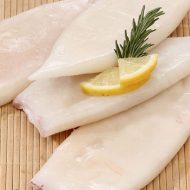
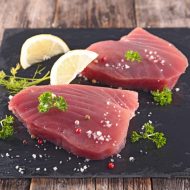
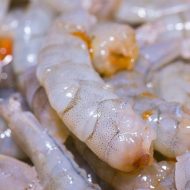
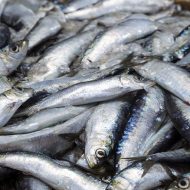
Why Buy Frozen Sushi?
Frozen sushi is less about “making do” and more about control. When seafood is frozen properly, you’re buying a known point in time: the texture, the moisture, the portion size, the handling. That matters for sushi cuts because small differences in thickness and surface condition show up fast on the plate.
The practical win is consistency. Frozen stock is portionable, repeatable, and easy to plan around—so you waste less and you don’t need a last-minute dash for “fresh” that’s already spent days in transit and storage. Frozen doesn’t magically improve fish; it just removes uncertainty by slowing change and keeping the product stable until you’re ready to use it.
Frozen Fish Direct positions this as a quality-control advantage: on the site, they state their fish is filleted, packed and frozen within 3 hours of being caught, framing freezing as the way they hold quality rather than chase it. In other words: “fresh” can be brilliant, but time adds up across the supply chain—frozen locks in the condition you paid for.
- Freezing slows spoilage.
- Cold storage protects texture.
- Vacuum packs reduce air exposure.
- Portions reduce waste.
- Consistent weights improve planning.
For buyers, that translates into fewer surprises: choose the pieces that match your preference for clean slices, firm bite, or softer mouthfeel—and rely on frozen to keep the product predictable from pack to pack.
Choose Your Sushi
Quick midweek: portion packs that keep plans simple
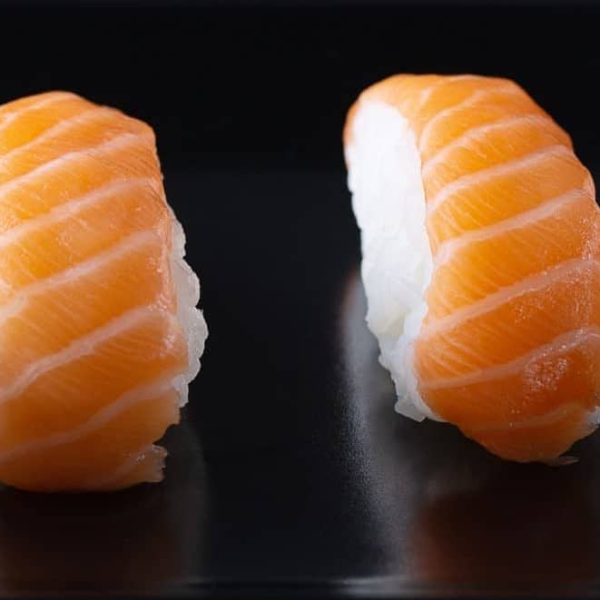
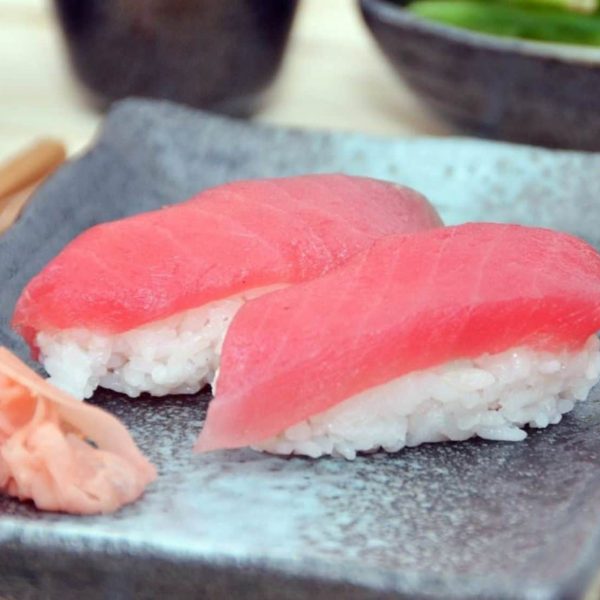
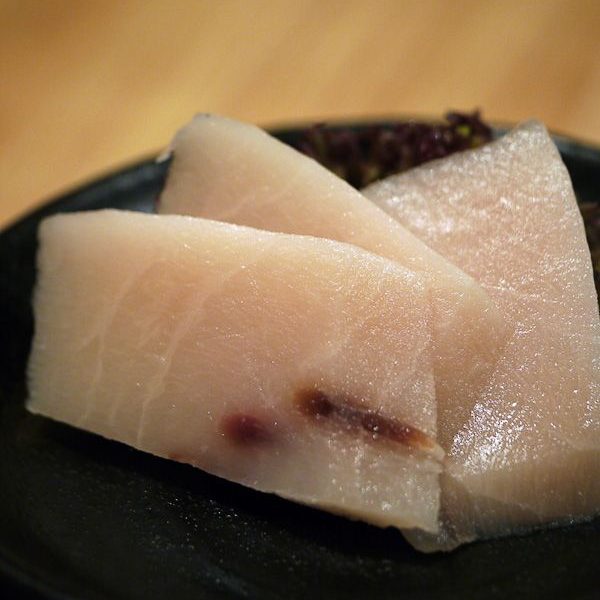
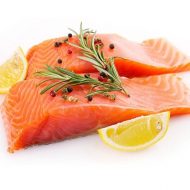
If you want sushi night without guessing quantities, start with portionable sashimi cuts and smaller packs. On the category you’ll see options like salmon sashimi (200–250g), tuna sashimi (200g), and swordfish sashimi (200g)—the kind of sizing that makes it easy to buy “one pack per person” without a calculator.
This is also the easiest route when you’re deciding between chilled prep and cooking: smaller portions are predictable, and the product details do the heavy lifting on what each item expects. Choose the pack size that matches your timing, then let the cut decide the outcome.
High-heat friendly cuts: firm texture, better shape-hold
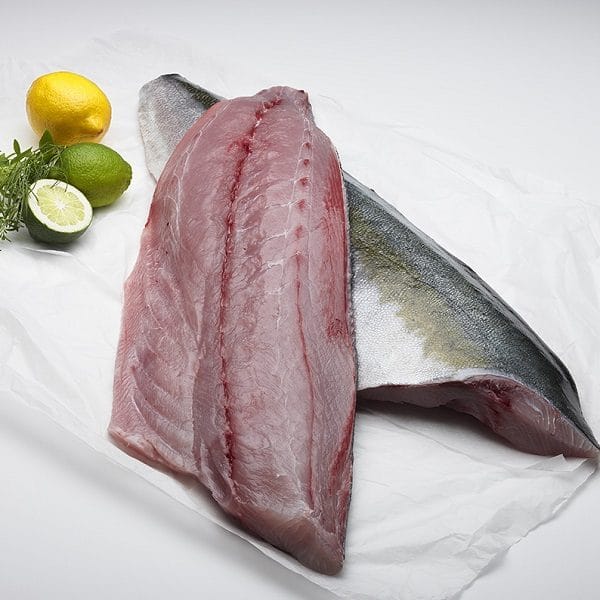
For pan or grill work, you’re looking for firmness and structure—cuts that don’t collapse the moment they meet heat. Swordfish is the obvious “holds-shape” candidate, and you’ll also find amberjack (izumidai) fillet portions that suit quick, direct cooking when you want a clean, meaty bite.
This is where predictable sizing really pays off: weight bands and cut style keep your results repeatable, especially when you’re cooking multiple pieces at once.
Entertaining, smoking, batch prep: bigger cuts you can slice yourself
If you’re feeding a table (or building a “DIY sushi board” moment), go bigger: loins and larger fillets let you portion on your terms. The category includes items like Yellow Tail Loin (450–600g) and larger-format salmon fillets, which are ideal when you want to slice your own portions for sashimi-style serving or batch prep.
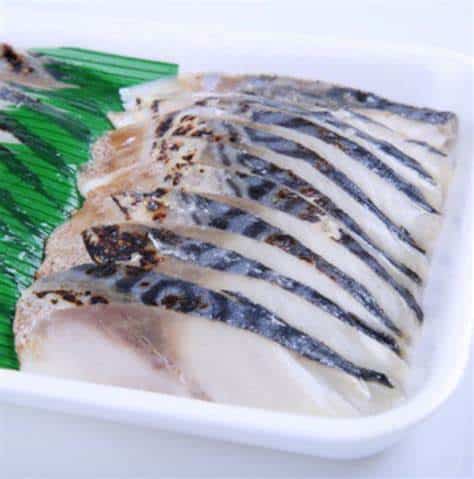
For special-occasion flavour without extra work, keep an eye out for speciality lines that are ready for specific uses—for example cured mackerel (shime saba), which is already positioned as a sushi-style product rather than a “do everything” fish.
Build-your-own sushi bar: the kit, the base, and the finishing touches
If you’re the “I’ll prep it myself” type, you can stock the foundations and assemble to taste. The category includes practical build items like Sushi Rice, Sushi Nori, Sushi Ginger, and a Sushi Kit—useful when you want one basket that covers the basics.
From there, you can layer in your favourites (seafood toppings, sides, and extras) based on what’s on the product list that week—keeping every claim and choice tied to the SKU details, not vague promises.
Pick the Sushi that matches your pan, your timing, and your appetite.
What Arrives at Your Door
Your Frozen Sushi is dispatched by DPD overnight courier, because the whole point is to keep the cold chain boringly reliable from our freezer to yours. Each order is packed with dry ice in a polystyrene insulated box, which matters for one simple reason: it helps keep fish frozen during transit, even as the parcel moves through depots and delivery vans. The insulation slows heat gain from the outside air, while the dry ice provides a deep-cold buffer that protects the product temperature on the journey, so what arrives is still in the condition we intended when it left our site.
To keep delivery expectations accurate, we use clear working-day logic rather than risky promises. Orders placed before the stated cut-off are prepared for next working day delivery on eligible days, and checkout controls valid delivery dates so you can pick a slot that matches when someone can receive the box. That means you’re not guessing around weekends, local constraints, or non-working-day gaps—the available dates you see at checkout are the dates we’re set up to fulfil.
When your parcel arrives, treat it like you would any frozen delivery: open it promptly, check the packs, then move everything straight into the freezer and follow the on-pack storage guidance for each item. This first-minute routine is what keeps quality consistent, especially if you’re ordering for planned meals, entertaining, or batch prep.
Dry ice is safe when handled normally, so keep it calm and simple: avoid direct skin contact, let the area ventilate naturally, don’t seal dry ice into an airtight container, and keep it away from children and pets. If you do those basics, the dry ice does its job quietly in the background—protecting your Frozen Sushi so you can focus on choosing the right cut and getting the results you want.
Label-First Transparency
Buying Frozen Sushi online only works if the details are specific enough to make decisions without guesswork. That’s why each product on frozenfish.direct is built around practical, checkable fields you can trust at a glance. You’ll see the cut (so you know what you’re working with), the weight or pack size (so portions and plans stay realistic), and—where it’s relevant—the finish details that change outcomes: skin-on or skinless, boneless or pin-boned. For items where it applies, we also state whether it’s wild or farmed, because that often affects flavour, fat level, and how forgiving the fish is under heat.
We don’t hide the important variables behind category-level claims. If origin or catch area changes by item, it’s shown on the product details for that specific pack—so you’re not relying on vague, one-size-fits-all promises. The same principle applies to anything that’s been prepared or finished for a particular use: cured or smoked lines list ingredients where relevant, and allergens are clearly flagged so there are no surprises when you’re ordering for family, guests, or repeat weekly meals.
- Cut drives cooking. Weight drives timing. Skin drives texture.
- Boneless drives ease. Pin-boned drives prep. Pack size drives portions.
- Origin informs preference. Method informs fat level. Pack size informs value.
This is the “label-first” difference: you choose based on what’s actually in the pack and how you’ll use it, not on marketing adjectives. When the buying fields are clear, the outcome becomes predictable—and Frozen Sushi becomes something you can order with confidence, not hope.
Storage and Defrosting
Treat Frozen Sushi like you would good fresh fish: keep it cold, keep it protected, and don’t rush the parts that decide texture. For storage, the simple rule is keep it frozen and keep air away. Most packs arrive vac packed, which helps, but once a seal is compromised, double-wrap or use a freezer bag so the surface isn’t exposed. That’s how you avoid freezer burn—those dry, pale patches that turn a clean bite into something dull and a bit chewy. When you restock, slide older packs to the front and put new ones behind; a quick “older forward” habit keeps quality consistent without you having to think about it.
For defrosting, there’s a sensible hierarchy. Fridge defrost is the default because it’s gentle on the flesh and gives you the best chance of keeping firmness. Keep the fish contained while it thaws—leave it in the pack if it’s sealed, or place it in a covered dish—so you can manage drip loss without making a mess of the fridge. If you’re working with portionable pieces, separating portions before thawing can make midweek cooking easier, but only do it while everything is still properly frozen and cleanly handled.
When the fish is thawed, texture is won or lost in the last minute: tip away any liquid, then pat dry. A wet surface is the fastest route to a watery, soft result, especially in a pan where you want a good sear. Drying the surface helps the outside colour properly while the inside stays moist. Skin can change the feel too—skin-on pieces tend to hold together and protect the flesh, while pin bones can occasionally show up in pin-boned cuts, so a quick check before cooking is just sensible.
On refreezing, stay conservative. Quality drops fast once thawed, and repeated freeze–thaw cycles can leave fish softer and more prone to flaking. If you’re not sure how it’s been handled, don’t refreeze—and always follow the on-pack instructions, because specific products can have specific rules. Fatty cuts generally forgive heat and handling better than lean ones, but good habits still win: keep it sealed, thaw it calmly, and start dry.
Cooking Outcomes
“Frozen Sushi” isn’t one uniform product — on the page you’ll see sashimi-style cuts alongside items like ebi, cured mackerel, eel, octopus, and roe-style toppings, so the first rule is simple: let the product details tell you whether something is ready-to-serve, cured, or needs cooking.
Dry surface equals better sear. Gentle finish protects moisture. Resting evens temperature. Thickness changes timing. Fat content changes forgiveness. (Allrecipes)
Hot pan or torch (aburi/tataki style)
For sashimi cuts and loins, treat heat like punctuation, not a whole paragraph: get the surface properly dry, use a genuinely hot pan, and leave it alone long enough to colour. Flip once, then finish gently so the centre stays silky rather than turning chalky and flaky. A brief rest off the heat evens temperature before slicing, which is why a “fast sear + calm finish” beats aggressive cooking. (Allrecipes)
Oven, air-fryer, or covered pan
When you want “cooked-through” without wrecking texture, indirect heat is your friend: it warms the middle steadily, then you can finish hotter for colour. Portions need less aggression than big cuts — keep the heat gentler, don’t chase a hard crust, and stop while the flesh still feels springy. Fatty cuts forgive heat; lean cuts punish it, so your finish should match the cut, not your impatience. Rest briefly before serving so carryover heat settles instead of racing straight past “perfect”. (Serious Eats)
Eel and cured lines
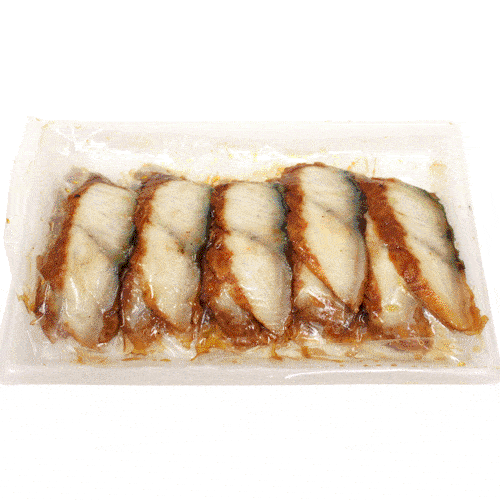
Eel-style products tend to shine when they’re warmed through and glazed, not cooked “again” until dry — think glossy, supple, and fragrant rather than stiff. Keep the heat moderate, cover briefly if needed, then uncover to tighten the glaze without scorching. Cured items have their own handling expectations (some are best chilled, some lightly warmed), so the pack guidance should decide.
Roe and finishing toppings
Roe-style toppings are about pop and salinity, not cooking, so keep them cold and use them as a finish. Heating or heavy stirring dulls the texture fast; scatter over rice or sliced fish right before serving. Keep base flavours clean (rice, citrus, soy, sesame) so the topping reads clearly instead of getting lost.
Nutrition Snapshot
Sushi can be a straightforward protein choice when you want something quick, portionable, and easy to build into familiar meals. In nutrition terms, fish is generally valued for high-quality protein and a mix of naturally occurring vitamins and minerals, but the exact profile isn’t one-size-fits-all. Nutrients vary by species, cut, and whether it’s wild or farmed; see product details for the most accurate information on the item you’re buying.
What changes most from product to product is the fat content and the cut. Leaner pieces tend to taste cleaner and cook faster, while fattier cuts usually feel richer and stay juicier under heat. That isn’t “better” or “worse” — it’s just a practical lever for choosing what suits your pan and your timing. If you like a firmer bite and quick doneness, lean cuts often deliver that. If you want a more forgiving cook and a silky texture, higher-fat options can be easier to get right.
Where products include added ingredients (for example cured, smoked, or seasoned lines), the nutrition picture can shift because salt, sugar, or oils may be part of the process. That’s why it’s worth checking the ingredients and allergen information shown on each product listing rather than assuming the whole category behaves the same way.
A balanced diet doesn’t need a lecture — it’s just variety over time. Pair your chosen Sushi with vegetables, grains, or whatever your normal sides are, and let the product details guide you to the cut and pack size that fits your routine.
Provenance and Responsible Sourcing
Provenance matters for two reasons: it changes what you’re buying, and it changes how confident you feel serving it. That’s why we take an evidence-led approach. We show method and origin details per product so you can choose what fits your preferences. Instead of making sweeping category promises, the useful facts live at SKU level — on the product details where they can be checked.
Depending on what’s in stock, the Frozen Sushi range can include farmed Sushi lines and wild Sushi items, plus speciality products prepared for specific uses. Those differences are not marketing fluff; they affect texture, flavour, and how you plan meals. Farmed and wild also come with different origin and method notes, so it’s better to choose item-by-item rather than assume every pack shares the same story.
Look for the practical provenance fields on each listing: origin (shown on the product details where it varies), catch or production method where applicable, and any other sourcing notes the product provides. When a line includes curing, smoking, or other preparation, the listing should also make that clear so you know what you’re getting and why it’s suited to that job. If a claim can’t be guaranteed across every SKU, we don’t pretend it can — we keep it bounded to the products where it’s actually true.
Provenance supports preference. Clear labels support trust. Evidence supports claims. The point isn’t to tell you what to buy; it’s to give you the information to choose with your eyes open, whether you prioritise a particular origin, a farming method, or a wild option when it’s available.
Frequently Asked Questions
Is frozen sushi as good as fresh?
Fresh and frozen aren’t opposites so much as two different timelines. “Freshness” is really about time and handling — how quickly the fish is chilled, how cleanly it’s processed, how cold it stays, and how long it sits in transit or on display. Frozen, by contrast, is about locking in a point in time: once seafood is properly processed and frozen, the clock effectively pauses on quality decline, as long as the cold chain stays steady.
Can frozen Sushi be as good as fresh? Often, yes — especially when you care about consistency. The honest caveat is that freezing can affect moisture if it’s mishandled. Poor freezing, thawing too warm, or exposing the fish to air can lead to drip loss, a slightly watery texture, or a softer bite. That’s not a “frozen” problem so much as a process problem. Good packaging and sensible defrosting protect quality: vacuum packs reduce air exposure, steady cold prevents thaw/refreeze damage, and controlled defrosting helps the flesh keep its firmness and clean flavour.
At frozenfish.direct, the aim is predictable results. Seafood is processed and frozen within hours, then shipped in a cold-chain setup designed to keep it frozen: packed with dry ice in an insulated polystyrene box and dispatched via DPD overnight courier, so it arrives in proper frozen condition. That matters because the best frozen product in the world can be undone by a sloppy journey.
What should you buy, and when? For midweek meals, portions are the easy win: predictable sizing, quick planning, and less waste when you only need “two pieces, not a whole side.” For grilling or high-heat cooking, choose thicker cuts that hold their shape and tolerate a hotter pan or grill better; the product details will usually signal what’s best for that job. For entertaining, larger pieces (or packs suited to batch prep) make timing easier because you can portion to your crowd and cook in a more controlled rhythm.
Fresh can be brilliant, and frozen can be brilliant — the difference is that frozen makes the variables easier to control. If you want predictable results, frozen is the easier way to make Sushi a routine.
How do I defrost frozen sushi without it going watery?
“Watery” fish after defrosting is nearly always moisture leaving the flesh, not water “getting into it”. Freezing forms ice crystals inside the muscle; if the fish is frozen slowly, warmed too quickly, or allowed to partially thaw and refreeze, those crystals can damage the structure that normally holds water in place. When that structure weakens, you get drip loss — liquid in the bottom of the pack, a softer texture, and a duller bite. Too-warm defrosting speeds this up, and repeated thaw/refreeze cycles make it worse.
The best practice flow is simple, and it’s mostly about staying cold and staying tidy. Defrost in the fridge as your default. Keep the fish contained so any liquid can’t sit on the surface: a plate or tray underneath is enough. If it’s vacuum packed, keep the packaging intact while it thaws — it reduces air exposure and helps protect texture. Once defrosted, open the pack, pour off any liquid, then pat the surface dry with kitchen paper before cooking. That last step matters more than people think: a dry surface sears better, browns faster, and doesn’t steam itself into softness.
Cut choice changes the “rules” a bit. Portions are the easiest: smaller pieces defrost more evenly, which means fewer mushy edges and more consistent cooking. Thick fillets need more patience because the outside can warm up while the centre is still icy; slow fridge defrost keeps the whole piece in the same temperature “zone” so it stays firm. Steaks behave differently again — they’re usually cut across the grain, hold their shape well, and often shed less liquid, but they still benefit from a contained fridge defrost and a proper pat-dry before the pan.
If you’re short on time, cooking from frozen can work as a backup for some products — the method just changes (gentler heat, more control, and a careful finish). There’s a separate FAQ for that, because it deserves its own space.
Good defrosting is texture control.
Which sushi should I buy for my plan?
Start with your plan, then pick the format that makes that plan easy. On the Frozen Sushi range, the biggest outcome levers are cut size/thickness (how quickly it defrosts and how cleanly it slices) and how it’s prepared (raw sashimi-style cuts vs cured/cooked speciality lines). Where a product is skinless, pre-cooked, or cured, it behaves very differently — so use the product details as your referee.
Weeknight meals → portions (fast, predictable) Go for smaller, portionable packs that you can defrost without drama and plate up quickly. Sashimi packs like salmon or tuna in the 200–250g band are easy to plan around, and you can scale them up or down without needing to “commit” to a big cut. If you’re feeding more people, add a second pack rather than gambling on one large piece.
Grilling → where available (heat-tolerant cuts) For a grill-first plan, choose firmer, steak-like fish cuts where the shape holds and the texture stays confident over higher heat. In sushi ranges, that often means denser loins/fillets (rather than delicate sliced items). Thickness matters here: thin pieces overcook fast, thicker pieces give you a wider window.
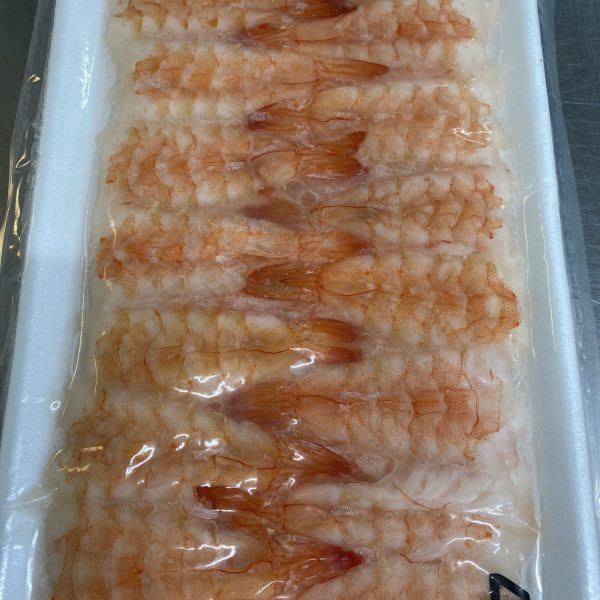
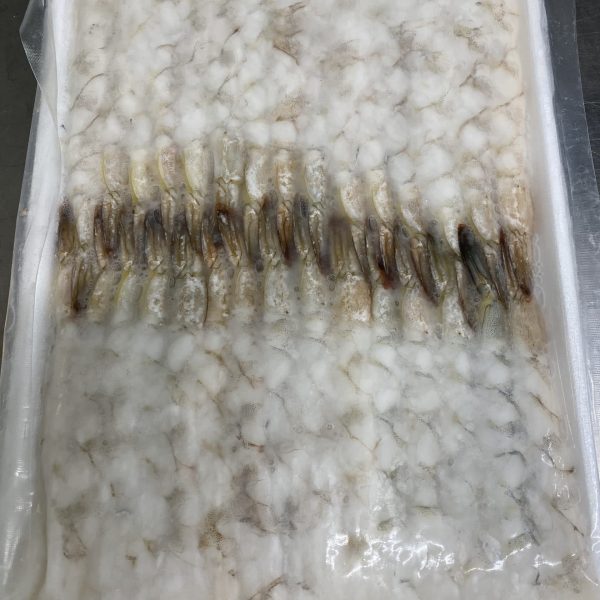
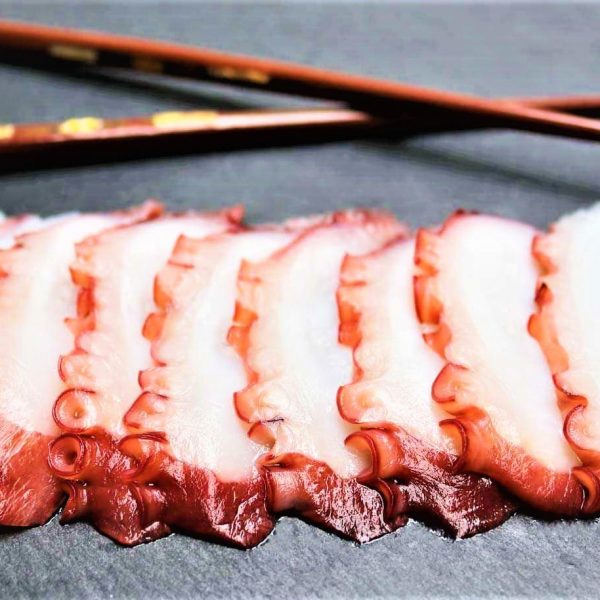
Entertaining → build-a-board variety Entertaining is about mix-and-match. Pick a couple of “centre” proteins (salmon/tuna sashimi, yellowtail/amberjack-style cuts where stocked), then add finishing items that make it feel like a spread: prawns (ebi styles), octopus (tako), eel (unagi/broiled eel trays), and roe like tobiko for topping. This gives you contrast — clean, rich, cured, and sweet — without complicated prep.
Prep-it-yourself → larger cuts you can slice If you want control (and better value per portion), buy a larger loin/fillet and slice it yourself. Bigger yellowtail/hamachi-style loins are made for this: you choose thick slices for nigiri-style portions or finer slices for a sashimi plate. This is also the best route if you’re batching meals or building multiple platters.
Special occasions → smoked/cured/speciality lines For a “treat” plan, lean into speciality items like cured mackerel (shime saba) or eel products (unagi/broiled eel). They’re ready for specific uses, deliver big flavour, and don’t rely on perfect slicing skills to feel impressive.
If you only buy one thing: choose a sashimi portion pack (salmon or tuna) in the 200–250g range — it’s the simplest way to get a clean, predictable result.
Pick the cut that matches your heat source and your timing.
Can I prepare sushi from frozen?
Yes — often you can prepare Sushi from frozen, but method matters because frozen seafood behaves differently at the surface than fully thawed seafood. The outside can be damp (or lightly iced) while the centre is still firm, and that combo changes everything: surface moisture fights browning, and an uneven start can leave you with a cooked exterior and a centre that’s lagging behind. The fix isn’t complicated — it’s just a more controlled approach.
Start by removing all packaging (especially if it’s vac packed) and checking the product details so you know what you’re working with: portion, fillet, steak, or a speciality line. If there’s surface ice, a quick rinse under cold running water is fine — you’re not “washing flavour away”, you’re simply removing loose ice that would otherwise melt into extra water. Then pat dry thoroughly with kitchen paper. That one step is the quiet hero: a drier surface means better texture and more predictable results.
From there, choose a forgiving heat path. For many cuts, starting with a gentler method (think oven, air fryer, or a covered pan) gives the centre time to catch up without the outside drying out. Once the fish is no longer glassy-frozen on the outside and looks more “set”, you can finish a little hotter if you want colour. If you’re working with smaller portionable pieces, this is especially straightforward; thicker pieces simply need more patience and you should adjust to thickness and follow on-pack guidance where provided.
When should you not do it from frozen? If you’re chasing a perfect hard sear on a very thick piece, cooking from frozen can make that tricky because you’ll spend too long drying the outside while waiting for the middle. Also, speciality cured/smoked/cooked-style products should always follow the specific product guidance — they’re often ready-to-use or have handling steps that aren’t the same as raw fish cuts, and treating them like a standard fillet can ruin the intended texture.
Frozen-to-oven is the weeknight cheat code when you need Sushi now.
How long does frozen sushi last, and how do I avoid freezer burn?
Frozen Sushi can last a long time in the freezer, but there are two different questions hiding inside “how long”: is it safe and will it still eat well. From a safety point of view, properly frozen seafood stays safe for a very long time as long as it’s kept frozen and handled cleanly. From a quality point of view, flavour and texture can slowly drift over time — not because it “goes off” in the freezer, but because cold, air, and tiny temperature swings can dry the surface and dull the eating experience. That’s why you’ll often see storage guidance on-pack: it’s the best reference for that specific cut and packaging format.
The main quality killer is freezer burn. Freezer burn isn’t a special kind of “burn” — it’s dehydration caused by air exposure. When moisture escapes from the fish surface and then re-freezes elsewhere, you can end up with dry, pale patches, a duller colour, and a texture that cooks up tough or slightly cottony rather than clean and juicy. It’s not usually dangerous, but it’s disappointing — and with Sushi-style eating outcomes, texture matters.
Avoiding it is mostly boring, repeatable freezer habits. Keep packs sealed and don’t open them “just to check” unless you’re actually using the product. Minimise air exposure: if you do split a pack, press out excess air, reseal tightly, and get it back into the freezer quickly. Store items flat where possible so they freeze and stay cold evenly, and so packs aren’t getting crushed and popped open by heavier things. Rotate stock so older packs come forward — not because there’s a magic expiry cliff, but because you’re protecting the best texture for the pieces you’ll cook first. And keep your freezer stable: frequent door opening, overstuffing, or warm “hot spots” near the door can lead to micro-thaw/refreeze cycles that slowly damage texture.
This is also where frozenfish.direct’s packaging helps in real life. Many products are vacuum packed, which reduces air around the fish and makes freezer burn less likely than loose wrapping. Treat that vacuum pack like part of the quality system: keep it intact until you’re ready to use it, and always follow the on-pack storage instructions for the specific product.
Good packaging and steady cold are what keep Sushi tasting like Sushi.