Why Frozen Cod works?
Frozen cod isn’t a compromise — it’s a form of quality control. When cod is frozen at the right point in the process, you’re not guessing how long it has sat in a chain of handling, transport, and display. You’re buying cod at a defined moment in time, held steady until you’re ready to cook it.
At frozenfish.direct, our cod is processed and frozen within hours to protect the eating quality you care about: clean flavour, firm white flesh, and that proper flaky finish. On selected cod lines, we state a tighter window on the product details — filleted, packed and frozen within three hours of capture — because the timing matters, and we only say it when it’s specific to the item.
This is also why frozen makes planning easier. You can portion what you need, store the rest, and cook to a consistent outcome because weights and cuts are predictable. That predictability reduces waste: fewer leftovers you didn’t intend, fewer “too thin / too thick” surprises, fewer meals that miss the mark.
“Fresh” can be excellent — and it can also be several days into its journey by the time it reaches a counter. Travel time adds up. Handling adds up. Temperature changes add up. Frozen stops the clock at a controlled point, then keeps it there.
- Freezing slows spoilage. Cold storage preserves texture. Vacuum packs reduce air exposure.
- Portions reduce waste. Consistent weights improve cooking. Frozen stock improves meal planning.
- Defined cuts reduce guesswork. Stable temperatures protect quality. Repeatable results build confidence.
Choose your cut
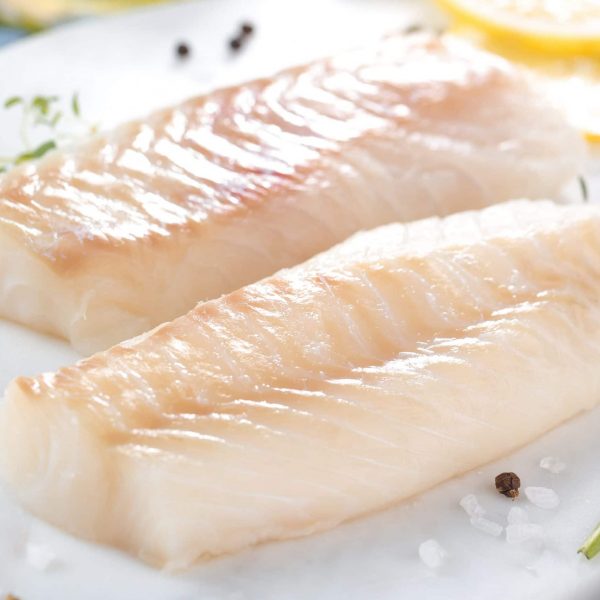
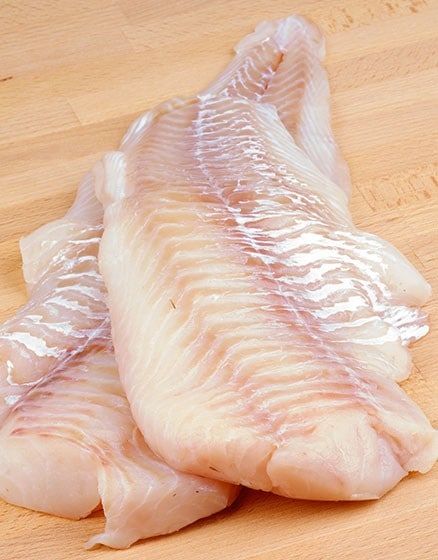
Fillets
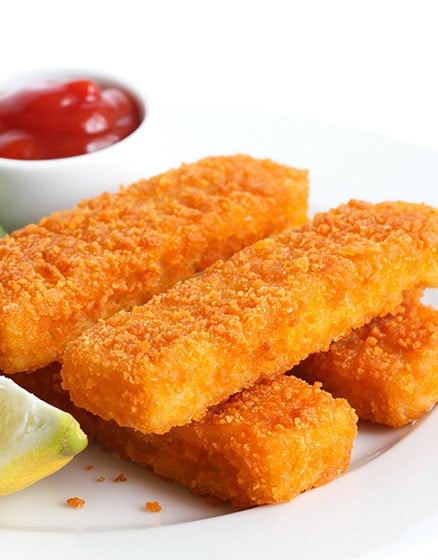
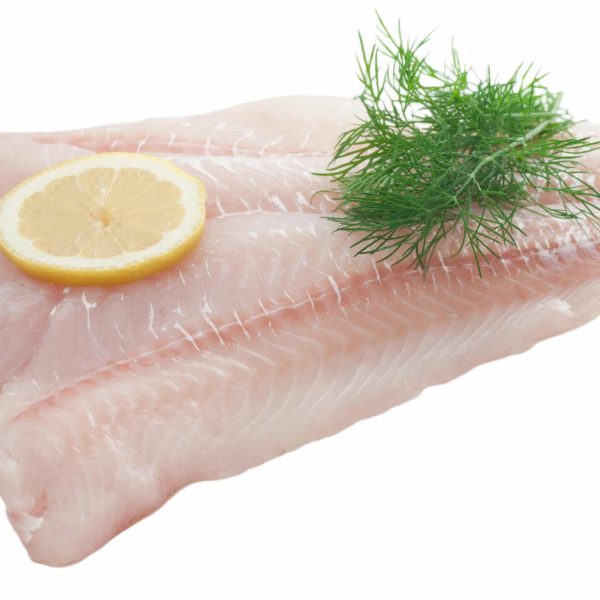
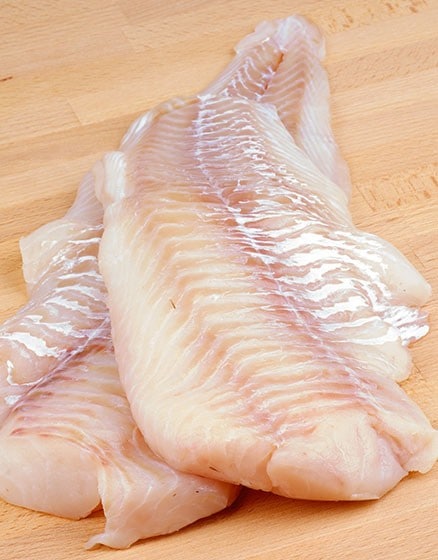
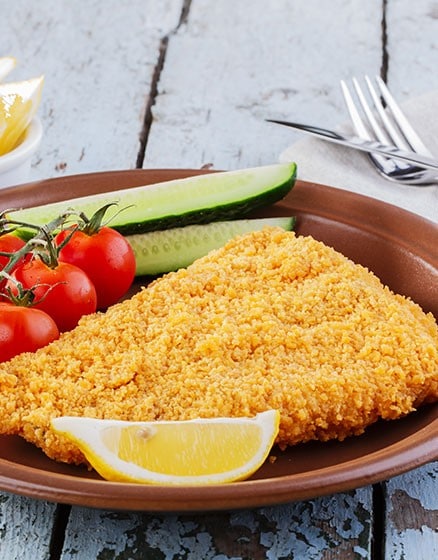
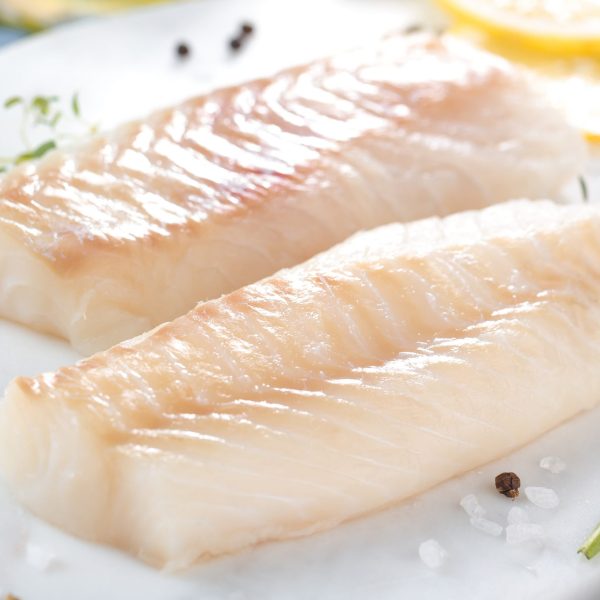
Cod fillets are the everyday workhorse: clean, mild, and easy to take in almost any direction. They suit quick midweek cooking because they behave well in the oven or pan, and they’re simple to dress up with a crumb, a light batter, or a sauce. If you want that classic flaky finish with minimal effort, fillets are the safest default, especially when you’re matching a cut to a straightforward method like bake-and-serve or a quick pan cook.
Portions
Portions are about speed and certainty. They’re cut to predictable sizing, which makes portion control easier and helps you hit a repeatable result when you’re cooking for one, feeding a family, or building a meal plan. Portions are ideal when you want a neat plate and consistent cook across multiple pieces — less guesswork, less trimming, fewer “one piece is done, one isn’t” moments.
Steaks
Cod steaks are cut across the fish, so they hold their shape and tolerate higher heat better than thinner pieces. They’re a good choice for a hot pan or grill where you want a firmer bite and a cut that won’t fall apart when you turn it. If you like a confident sear and a piece that stays intact under direct heat, steaks are the format to reach for.
Whole side or large fillet
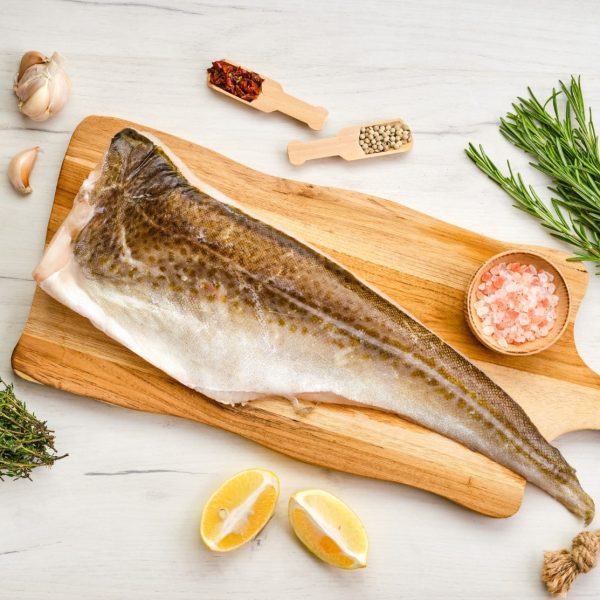
A whole side or large fillet is the entertaining and batch-prep option. It’s excellent when you want to roast and carve, slice your own portions, or prepare a bigger cook in one go. It also suits more deliberate projects like home smoking, where a larger piece gives you better control over thickness and finish, and a cleaner presentation when serving.
Whole gutted cod and speciality lines
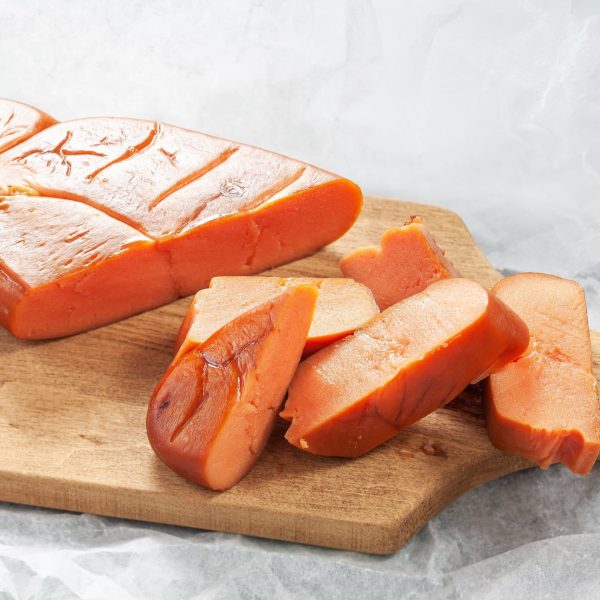
Whole gutted cod is for people who want to prep it themselves: breaking down into fillets, cutting steaks, or roasting a larger piece and serving it properly. It’s a hands-on choice — a chance to decide the thickness, take control of the skin-on or skinless finish, and use more of the fish if that’s your style. If speciality cod items are available — smoked or cured products, gravadlax-style lines, or sashimi-style cuts — treat them as ready for specific uses rather than all-purpose cooking, and choose them when the format fits the dish.
Pick the cut that matches your pan, your timing, and your appetite.
What arrives at your door
Buying frozen fish online should not feel like a gamble, so we run delivery like a cold-chain operation, not a post-and-hope exercise. Dispatched by DPD overnight courier. Your order is prepared to stay properly frozen from packing bench to doorstep, so the product you chose is the product you receive.
Each parcel is packed with dry ice in a polystyrene insulated box, which matters for one simple reason: it helps keep fish frozen during transit. Insulation slows heat gain from the outside world, and dry ice provides the deep-cold buffer that protects texture and finish, especially on thicker cuts like loins, steaks, and whole sides. The result is straightforward: less temperature drift, fewer “soft edge” surprises, and cod that arrives in the condition it was packed.
Ordering is designed to be predictable. Orders placed before the stated cut-off are prepared for next working day delivery on eligible days, and the checkout controls the valid delivery dates so you’re not guessing what day it will arrive. That keeps expectations clean and avoids the common courier confusion of “it said next day, but which next day?”
When the box arrives, treat it like frozen stock arriving to a professional kitchen: open it promptly, check your items, and move everything straight to your freezer. Then follow the on-pack storage guidance for best results. If you’ve ordered multiple formats, keep them in their original packs until you’re ready to use them so the label, weight band, and cut spec stay attached to the fish.
Dry ice is safe to ship with when handled sensibly. Avoid direct skin contact, keep the box ventilated, and do not seal dry ice into an airtight container. Keep it away from children and pets, and let any remaining dry ice disappear naturally in a well-ventilated space. Simple handling, calm process, frozen cod delivered the way it should be.
Label-First Transparency
Frozen cod is easiest to buy when the label tells you what matters. That’s why every item is presented with practical, decision-making fields rather than vague marketing lines. You’re not expected to “guess the good one” from a photo. You choose the cut you want, the weight band that fits your meal, and the preparation level that suits your kitchen.
On each product you’ll see the essentials spelled out: the cut (fillet, portion, steak, whole side, or whole fish), the weight or pack size, and the prep details that change how it cooks and eats. Where relevant, we show whether it’s skin-on or skinless, and whether it’s boneless or pin-boned so you know what you’re dealing with before it reaches your board. If a line is wild-caught or farmed, that will be stated where applicable rather than implied.
Some fields can vary by item, particularly origin and catch area. When that’s the case, the correct information is shown on the product details for the specific cod you’re viewing, so you’re working from the actual spec, not a category-level generalisation. That’s the point of label-first shopping: the details travel with the product, and your decision stays anchored to the facts.
Allergens are kept clear and simple. Fish is flagged, as it should be, and for speciality lines such as smoked or cured cod products, ingredients are listed where relevant so you can see exactly what’s in the pack.
- Cut drives cooking. Weight drives timing. Skin drives texture.
- Boneless reduces fuss. Pin-boned sets expectations. Prep informs effort.
- Origin informs preference. Method informs fat level. Pack size informs value.
- Details remove doubt. Consistency improves results. Clarity builds confidence.
Storage and Defrosting
Frozen cod is at its best when you treat it like a controlled ingredient, not a last-minute rescue. Keep it frozen until you actually need it, and protect it from air exposure so the surface doesn’t dry out. Most cod arrives vac packed, which helps a lot, but the rule is still the same: keep packs sealed, keep your freezer steady, and rotate your stock by nudging older packs to the front and newer ones behind. That simple habit prevents forgotten fillets and reduces the chance of freezer burn, which shows up as dry patches, dull colour, and a tougher bite once cooked.
When you’re ready to use it, the default is a gentle fridge defrost. It’s the easiest way to keep texture clean and predictable, especially on lean white fish like cod, where a rough thaw can tip the flesh from firm to watery. Keep the fish contained as it defrosts — still in its pack or in a shallow dish — so you can manage drip loss without making a mess of your fridge. Once thawed, open the pack, drain any liquid, and pat dry before cooking. Dry surface equals better sear, better colour, and less steaming in the pan.
If you’re working with skin-on pieces, treat the skin as part of the texture. A dry surface helps it crisp rather than soften. If your cod is pin-boned, the label should have set that expectation; take a moment to check before plating, especially if you’re cooking for children.
Cod can go soft if it sits in meltwater or if it’s handled too roughly while thawing. That’s not a disaster, but it changes how it cooks: soft flesh flakes sooner, watery pieces brown poorly, and you’ll get a less clean finish. Portionable cuts help here because they defrost evenly and cook more consistently.
On refreezing, stay conservative. If in doubt, don’t refreeze raw cod. Quality can drop fast after a thaw, and repeated thaw/freeze cycles increase drip loss and weaken firmness. If you’re ever unsure, cook it instead, then store the cooked leftovers according to the on-pack guidance. Calm handling, sealed packs, and a dry surface before heat are what keep cod tasting like cod.
Cooking Outcomes
Crisp skin (skin-on)
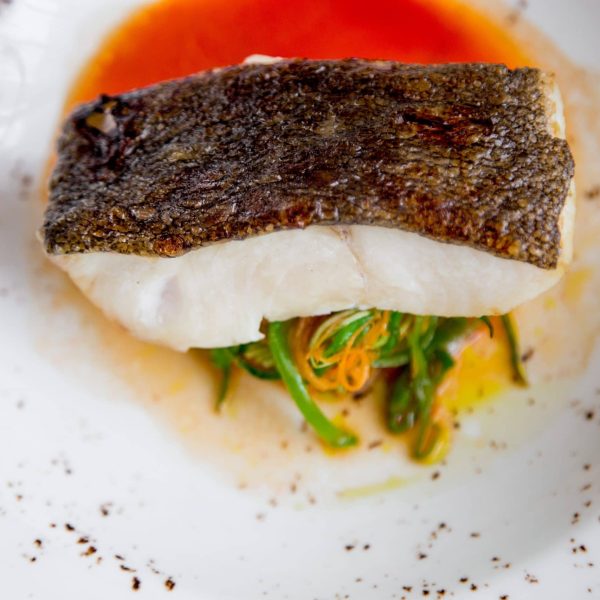
Skin-on cod rewards a simple approach: start with a dry surface and a properly hot pan. Lay the fish in skin-side down and leave it alone long enough to take on colour and crisp; if you fuss with it, the skin steams and sticks. Once the skin has set, finish more gently so the centre stays moist and the flakes separate cleanly instead of turning dry. You’ll know it’s ready when the flesh turns opaque and yields in thick, pearly layers with light pressure, while the skin feels firm and crackly rather than soft.
Oven-roast fillet
Oven roasting is the most forgiving route for fillets and larger pieces because the heat is even and the surface dries without aggressive handling. Place the cod so it can roast rather than steam, and aim for a finish that’s opaque and just starting to flake at the thickest point. A good fillet will feel firm at the edges and slightly springy in the centre; push it too far and it goes from clean flakes to chalky. If you’re adding a crumb or glaze, keep it purposeful: the goal is a gentle crust and a juicy centre, not a heavy coating that turns the fish watery.
Pan-fry portions
Portions are built for repeatable results, but they still punish overcooking because cod is lean. Use gentle heat once the surface has coloured, and let the piece cook through without chasing a hard crust at all costs. Look for opaque flesh and easy flake with a fork, with the centre still glossy rather than dry; if it starts to split and shed lots of white albumin, you’ve pushed it too hard. Rest the portions briefly off the heat so the temperature evens out and the texture settles.
Grill steaks
Cod steaks tolerate higher heat better than thinner cuts because they hold their shape and don’t fall apart when you turn them. Grill hot enough to mark the surface, then watch the edges: when they turn opaque and begin to lift into flakes, you’re close. The centre should stay juicy and just-cooked, not brittle; if the steak feels very firm all the way through, it’s gone past ideal. Steaks suit confident searing, but they still benefit from a gentler finish so the middle doesn’t dry while you chase colour.
Dry surface equals better sear. Gentle finish protects moisture. Resting evens temperature.
Thickness changes timing. Fat content changes forgiveness. Skin changes crisp.
Smoked, cured, and sashimi-style cod lines have different handling expectations, so treat them as purpose-made products and follow the product details for how they’re meant to be used.
Nutrition Snapshot
Cod is best thought of as a protein-rich white fish: clean flavour, firm flesh, and a lean profile that suits everyday cooking. It’s not one of the classic “oily fish” (like salmon or mackerel), but it is still commonly associated with omega-3 fats — just in more modest amounts than the fattier species. What matters for buying is the same thing that matters for cooking: the nutrition profile can shift depending on the species, cut, and whether the fish is wild or farmed, so treat any general summary as a guide and check the product details for the item you’re choosing.
In general terms, cod is valued for being a straightforward way to add quality protein to meals without a heavy, rich finish. Alongside protein, cod is often a useful source of everyday micronutrients found in seafood, such as B vitamins and minerals like selenium and iodine, though the exact levels vary by product. If you’re choosing speciality lines such as smoked or cured cod, remember the ingredient list changes the story: added salt and seasonings can be part of the appeal, but they make those products different from plain fillets or loins.
If you want a practical link between nutrition and outcomes in the pan, here it is: leaner fish is less forgiving of high heat. Cod can go from juicy to dry quickly if pushed too far, while slightly fattier fish tends to stay moist longer. That doesn’t mean cod is difficult — it just rewards choosing the right cut (loins, fillets, portions, steaks) for the result you want.
As part of a balanced diet, cod is a calm, flexible choice: buy by the label, cook to the texture you like, and let the dish do the talking.
Provenance and Responsible Sourcing
Provenance matters because it changes what you’re buying, not because it makes for a nicer story. Different fisheries and farming systems produce different outcomes in flavour, texture, availability, and impact, and shoppers have different priorities. Our approach is simple: we show method and origin details per product so you can choose what fits your preferences. That keeps decisions grounded in what’s actually in the pack, rather than category-level assumptions.
Because this is a broad Frozen Cod range, you may see a mix across the catalogue depending on what’s in stock: plain cod fillets and portions, thicker cuts, and speciality smoked or cured lines, alongside items that are wild-caught where stocked and farmed cod where stocked. These aren’t interchangeable products. They suit different dishes, different budgets, and different buying preferences. The point of label-first shopping is that you can select based on what you care about: origin, catching or farming method where stated, and the specific cut and prep.
We don’t make blanket promises that can’t be proven across every SKU. If a product carries a specific sourcing attribute, method statement, or verified claim, it will be shown on that product’s details so you can evaluate it properly. If a field varies between lines — for example, origin or catch area — it’s treated as item-level information rather than a sweeping statement for the whole page.
Provenance supports preference. Clear labels support trust. Evidence supports claims.
If you want cod that aligns with a particular sourcing preference, shop by the product details: the method and origin statements are there to help you choose with confidence, not to push you toward a single “right” answer.
Frequently Asked Questions
Is frozen cod as good as fresh?
It can be, and the real comparison is not “fresh versus frozen” as labels on a counter. The real comparison is time and handling. “Freshness” is a moving target: a piece of cod can be “fresh” and still be several days into its journey through landing, transport, storage, and display. Frozen cod is different: it’s about locking in a point in time and holding it steady until you’re ready to cook.
Texture and flavour are where people notice the difference, and it’s worth being honest. Freezing isn’t magic; mishandled freezing or poor storage can affect moisture. You’ll see it as extra drip loss, a softer bite, or a slightly watery cook if the fish has been through temperature swings or has dried out from air exposure. Done well, though, frozen cod keeps the clean, mild flavour and the firm white flesh you want, because good freezing, good packaging, and sensible defrosting protect the structure of the fish. Packaging protects surfaces. Stable cold protects texture. Gentle handling protects flavour.
This is why how the cod is processed and moved matters. frozenfish.direct cod is processed and frozen within hours, then shipped in a polystyrene insulated box with dry ice via DPD overnight courier, designed to keep it frozen on arrival. That cold-chain approach removes a lot of uncertainty: you’re buying cod in a defined condition, not relying on luck and timing.
If you’re choosing by use-case, frozen often makes the decision easier. Go for portions when you want midweek speed and predictable sizing. Choose steaks when you want a cut that holds its shape and tolerates higher heat on a grill or in a hot pan. Pick a large fillet or whole side when you’re entertaining, batch-prepping, or slicing your own servings for consistent thickness.
Fresh cod can be brilliant, and it can also be unpredictable. If you want predictable results, frozen is the easier way to make cod a routine.
How do I defrost frozen cod without it going watery?
“Watery” cod is almost always a thawing problem, not a cod problem. When fish freezes, tiny ice crystals form inside the flesh. If freezing is slow, if the fish warms up and refreezes, or if it thaws too quickly at the surface, those crystals can damage the muscle structure. The result is drip loss: moisture escapes during defrosting, and you’re left with softer flesh that releases more liquid in the pan. Repeated thaw/refreeze cycles make this worse, and so does defrosting in a too-warm environment where the outside turns soft while the centre is still frozen.
The best practice flow is simple and repeatable. Default to a fridge defrost, because slow, cold thawing protects firmness and keeps the fish in a controlled state. Keep the cod contained as it defrosts: ideally on a plate or tray so any liquid doesn’t pool around it. If it’s vacuum packed, keep the packaging intact while it thaws; it helps limit air exposure and reduces surface drying that can lead to freezer burn. Once thawed, open the pack, drain away any liquid, and pat dry thoroughly with kitchen paper. That last step is the difference between a clean sear and a watery steam bath.
Different cuts behave differently. Portions are the easiest: even sizing means more even thawing, less uneven softening, and more predictable cooking. Thick fillets and whole sides need more patience because there’s more mass; rushing them encourages that “soft outside, icy middle” issue that creates extra drip. Steaks tend to hold together better because the cut has more structure, but they still benefit from being kept contained and dried well before heat.
If you’re short on time, cooking from frozen can be a useful backup for some cuts, but it’s a different technique and works best when you adjust method and expectations rather than trying to cook it “as if thawed.”
Wild vs farmed cod — what should I choose?
Both wild and farmed cod can be excellent. The choice isn’t a moral test or a secret “best” answer — it’s a matter of preference, dish, and what you want the fish to do when it hits heat. If you start with the outcome you want (firm flakes, richer bite, grill-ready, sauce-friendly), the wild-versus-farmed question becomes much easier to handle.
In broad terms, wild cod often has a slightly firmer texture and a cleaner, more defined flavour profile, shaped by natural diet and seasonal variation. It can feel “lighter” on the palate and can flake beautifully when cooked gently. The trade-off is that wild fish can be less uniform from one piece to the next: thickness, moisture content, and flavour intensity may vary more. Price can also vary depending on season and availability.
Farmed cod may offer more consistency in size and portioning, which helps if you’re cooking for a group and want repeatable results. It can also be a touch more forgiving in the pan if it carries slightly more fat, giving a juicier bite and a bit more tolerance for higher heat. Depending on the specific product, farmed cod may taste a little milder and the texture may feel softer than some wild equivalents. Price is often steadier because supply is more controlled, though it still depends on the cut and pack format.
Because these are general patterns, the most reliable source is the label. On frozenfish.direct, the product details show whether a cod item is wild or farmed and where it comes from, so you’re choosing based on the actual SKU rather than assumptions.
For cooking and pairing, think in simple physics. Leaner fish benefits from gentler cooking and sauces — oven roasting with a butter sauce, a tomato braise, or a herb glaze helps protect moisture and keeps the flake clean. Fattier fish is more forgiving and great for high heat — hot pan finishes, grills, and bold spice rubs are easier when the fish can tolerate more aggressive heat without drying out.
The range may include farmed cod items, cod fillets in different cuts and weights, and other wild fish lines (for example, wild Alaska sockeye items in the wider catalogue), so treat each product as its own decision.
Choose by cooking method first, then by origin and method.
Which cod cut should I buy for my plan?
Start with the plan, not the fish. Cod is mild and versatile, but the cut you choose controls the outcome more than any seasoning does. If you match the format to your heat source and the way you actually cook at home, cod becomes predictable rather than “sometimes great, sometimes a bit dry.”
For weeknight meals, prioritise speed and repeatability. Portions are the easiest option because they’re portionable and typically cut to consistent sizing, which helps you hit the same result every time. Skinless fillets are the next best choice when you want versatility: they suit quick oven bakes, light pan cooking, and simple sauces. If you’re cooking for children or you want minimal fuss, look for boneless and note whether anything is pin-boned on the product details.
For grilling, you want a cut that holds together and tolerates higher heat. Cod steaks are built for this: they’re cut across the fish, so they keep their shape when you turn them. Where available, skin-on cuts also help with grilling because the skin acts like a protective layer and can add texture when cooked properly. The key is to treat grilling cod as “hot start, controlled finish” rather than chasing a hard char the whole way through.
For entertaining, go bigger. A whole side or large fillet gives you the best presentation and the cleanest serving. You can roast and carve, slice your own portions, or serve it family-style with a sauce. This format is also ideal for batch prep when you want to portion it your way after cooking.
For prep-it-yourself cooking projects, choose whole gutted cod. It’s the hands-on option for people who want to break down the fish themselves: slicing into steaks, lifting fillets, or roasting a larger piece and serving it properly. It’s also the best choice when you want control over thickness, trim, and how much of the fish you use.
For special occasions, look at smoked or cured lines (when stocked). These are ready for specific uses and bring their own flavour profile, so treat them as purpose-made ingredients rather than “just another cod cut.”
Two levers matter most: thickness and skin. Thickness drives timing and moisture risk; skin changes texture and protects the flesh under heat.
If you only buy one thing, buy even-sized cod portions. They’re the simplest route to consistent midweek results, and you can build almost any dish around them.
Pick the cut that matches your heat source and your timing.
Can I cook cod from frozen?
Yes, often you can — but method matters. Cooking cod from frozen is less about “is it possible?” and more about choosing a technique that handles two things frozen fish brings to the party: thickness and surface moisture. Frozen cod releases moisture as it heats, and that moisture can stop a pan from searing properly. If you go straight into aggressive high heat, you often end up steaming the surface before the centre has caught up, which is how people get pale fish and a dry finish.
The more forgiving routes are methods that cook through gently before you chase colour. An oven bake, an air-fryer cook, or a covered-pan finish gives the centre time to come up evenly, then you can push heat for a better surface right at the end. Think “set the flesh, then brown it,” rather than trying to do both at once.
A safe, practical approach looks like this in real life. Remove all packaging first. If there’s visible surface ice, a quick rinse under cold water is fine to clear it, then pat the fish dry thoroughly — the goal is to start as dry as possible so you’re not fighting a puddle from minute one. Begin with gentler heat so the fish cooks through more evenly (follow on-pack guidance and adjust to thickness), then finish hotter for colour and texture once the outside is no longer dumping moisture. You’re aiming for opaque flesh that flakes cleanly, not a piece that’s gone brittle at the edges because you chased a sear too early.
There are times when you shouldn’t cook from frozen. Very thick pieces, whole sides, or large fillets are harder to cook evenly if you also want a perfect sear, because the outside can overcook before the centre is ready. In those cases, a controlled defrost gives you better texture and a cleaner finish. Also, speciality lines — especially cured, smoked, or sashimi-style products — have different handling expectations, so follow the product details rather than treating them like a standard cooking cut.
Frozen-to-oven is the weeknight cheat code when you need cod now.
How long does frozen cod last, and how do I avoid freezer burn?
Frozen cod lasts a long time in the sense that freezing keeps food safe by slowing the processes that cause spoilage. The more useful way to think about it, though, is safety versus quality. Safety can remain fine for a long period when the fish stays properly frozen, but quality can decline gradually: texture can dry out, flavours can dull, and the fish may lose that clean, firm flake you bought it for. That’s why the best guidance is always the storage information on the pack, and why good freezer habits matter as much as the date you put it in.
The main enemy of quality in frozen fish is freezer burn. Freezer burn isn’t “gone off” fish — it’s dehydration caused by air exposure. In a freezer, cold air is dry, and over time it can pull moisture from the surface of the fish if the packaging isn’t well sealed or if the fish has been stored loosely. You’ll recognise it by dry or pale patches, a duller colour, and a tougher, drier texture after cooking. It can also show up as a slightly “stale” mouthfeel, because the surface has essentially been freeze-dried.
Preventing freezer burn is straightforward and mostly boring, which is good news. Keep packs sealed and intact. Minimise air exposure by avoiding rewrapping that leaves gaps or trapped air. Store fish flat so it freezes and stays in a stable shape, and so it doesn’t get crushed and re-packed repeatedly. Rotate stock by moving older packs to the front and newer packs behind, so items don’t sit forgotten at the bottom of the freezer. Keep the freezer stable — frequent door-opening, overstuffing, or partial defrost cycles can create temperature swings that accelerate quality loss and increase drip loss when you eventually thaw and cook.
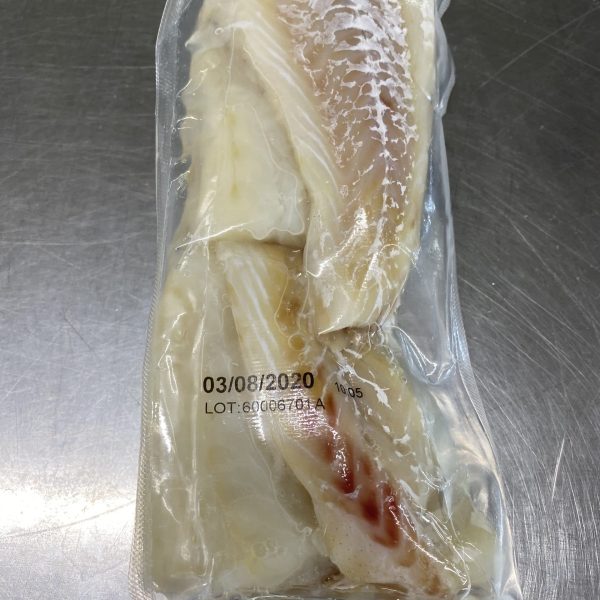
Packaging does a lot of the heavy lifting here. Many cod products are vacuum packed, which helps reduce air exposure around the fish and protects the surface from drying out. Treat that packaging as part of the quality system: leave it sealed until you’re ready to use the fish, and avoid breaking the seal “just to check” and then refreezing.
In general terms, frozen cod can stay in good eating condition for many months when stored well, but the best practice is to follow the on-pack storage guidance and prioritise steady, uninterrupted cold.
Good packaging and steady cold are what keep cod tasting like cod.