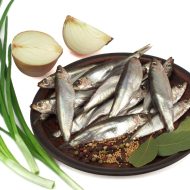
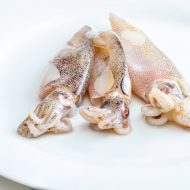
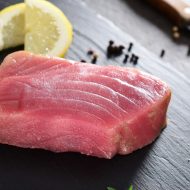
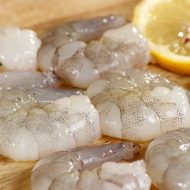
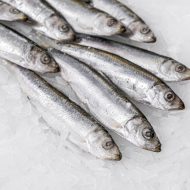
Why Buy Frozen Sushi Ingredients?
Why frozen Sushi Ingredients works isn’t about hype — it’s about control. With frozen, you can buy predictable cuts in repeatable weight bands, store them without a “use it today” rush, and pull only what you need for the plan in front of you. That means less waste, fewer last-minute substitutions, and more consistent results whether you’re building rolls, poke-style bowls, sushi platters, or quick toppings for rice.
Frozen also changes the “fresh vs frozen” comparison in a useful way. “Fresh” seafood can still spend days moving through boats, auctions, depots, chillers and shop counters; time adds up. Frozen locks in a point-in-time quality and holds it steady until you’re ready. frozenfish.direct frames this as process, not superiority: it states its fish is filleted, packed and frozen within 3 hours of being caught, and it also notes that (in its view) fish sold as “fresh” is normally 3–12 days old unless you’ve seen it caught. The point isn’t to talk down “fresh” — it’s to make time and temperature visible.
There’s a second, quietly important benefit: freezing is a stability tool. Food Standards Agency guidance is clear that freezing doesn’t “kill everything” — it stops bacteria from growing while food stays properly frozen, and growth can resume once it warms up. (ask.usda.gov) The result is a supply that’s easier to plan around because time pressure is lower and portioning is simpler.
Freezing slows spoilage. Cold storage slows bacterial growth. Vacuum packs reduce air exposure. Portions reduce waste. Consistent weights improve cooking.
Finally, good packaging protects quality. Air exposure is a big driver of freezer burn (dry, pale patches and tougher texture), so tighter seals and less headspace help preserve texture and appearance — exactly what you want when your end goal is clean slices, tidy toppings, and repeatable results. (news.cahnrs.wsu.edu)
Choose Your Sushi Ingredients
Weeknight builds: fast, predictable, low-waste
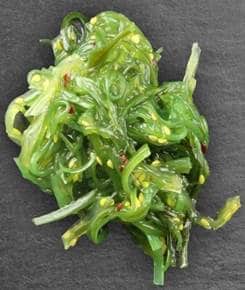
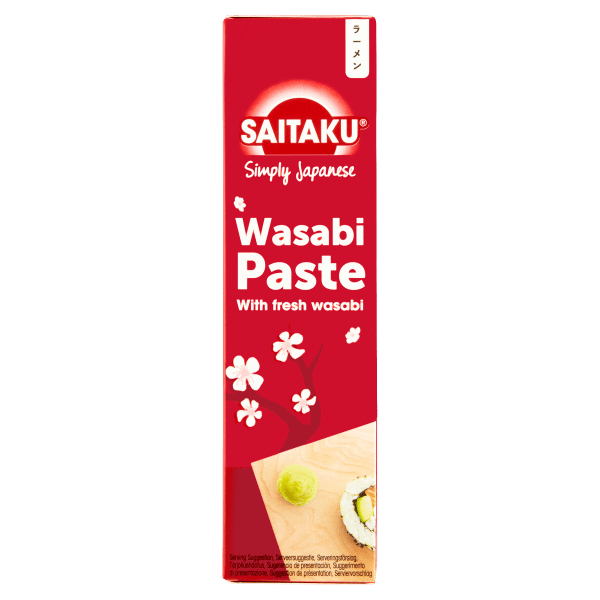
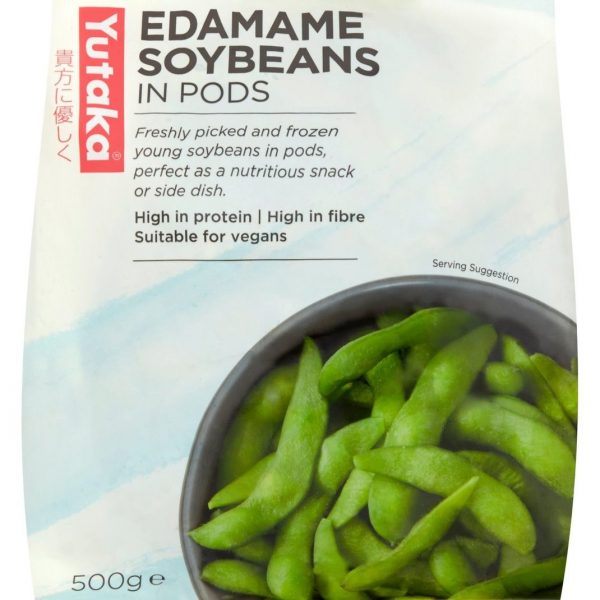
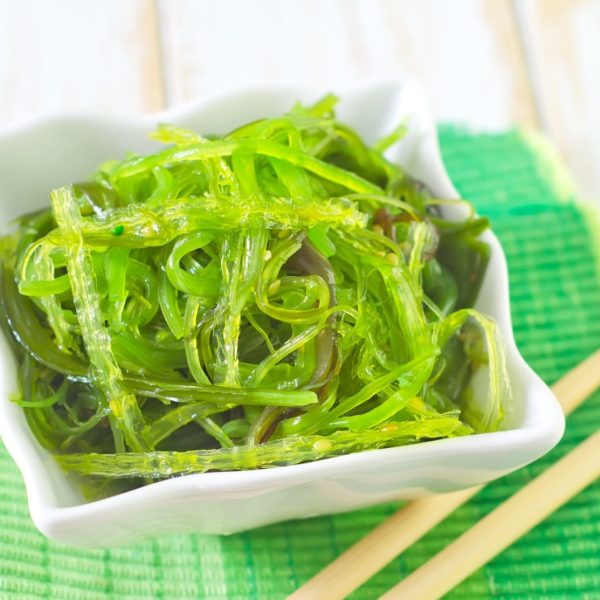
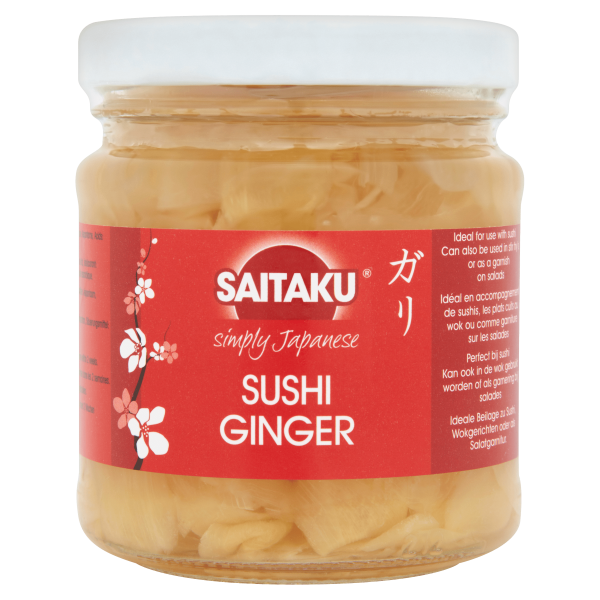
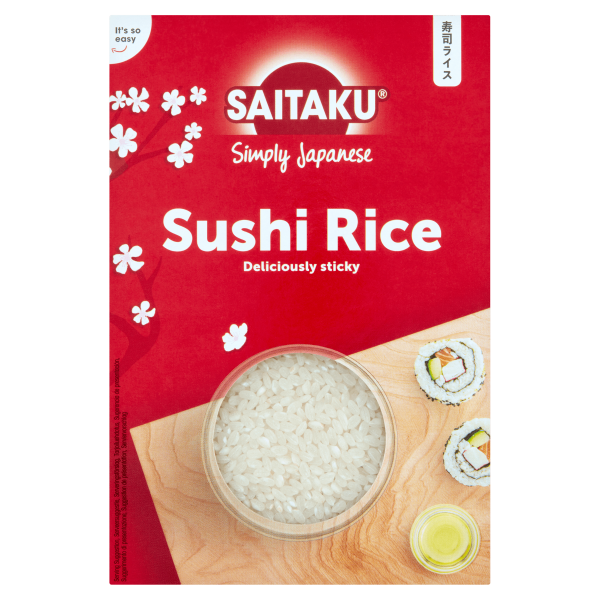
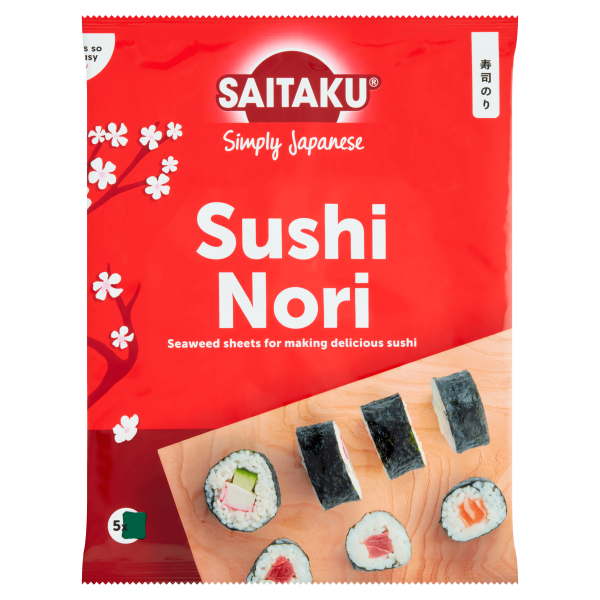
If your goal is “sushi on a Tuesday” (or a quick rice bowl that tastes like it), start with the essentials that behave the same every time: sushi rice, sushi nori sheets, wasabi paste and sushi ginger (gari). Add wakame seaweed salad and edamame beans and you’ve got an instant spread that works cold, warmed, or folded into something midweek-friendly. This is the versatile lane: pan, oven, or “assemble and eat”. You’re choosing ingredients that are portionable, repeatable, and easy to plan around. (
Frozen Fish Direct)
Portions for speed and control: Sushi Ebi packs
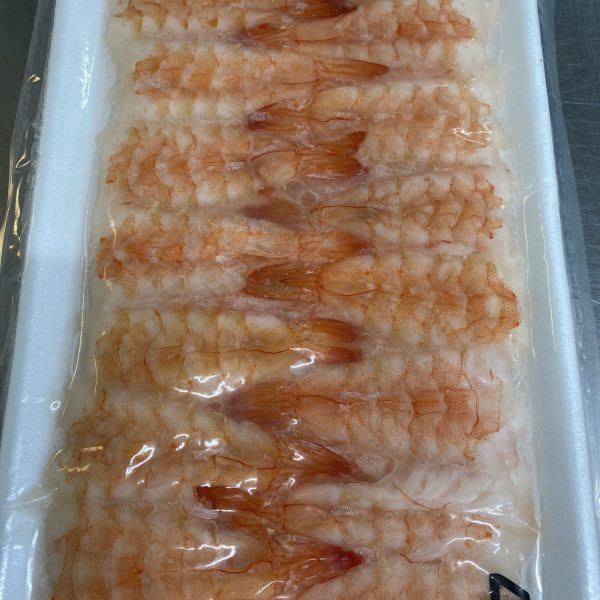
For clean, predictable protein, Sushi Ebi is the obvious move. The category includes Sushi Ebi packs sold in clear weight bands (for example 123g and 256g), so portion control is built in before you even start. Because they’re prepared for sushi use, you can lay them into nigiri, maki or temaki without fuss — or warm them through quickly in a pan for ramen, fried rice, or a fast stir-fry when you’re not doing a full sushi set. Predictable sizing means predictable timing, which is exactly what you want on a busy midweek. (
Frozen Fish Direct)
High-heat confidence: Nobashi Ebi that holds its shape
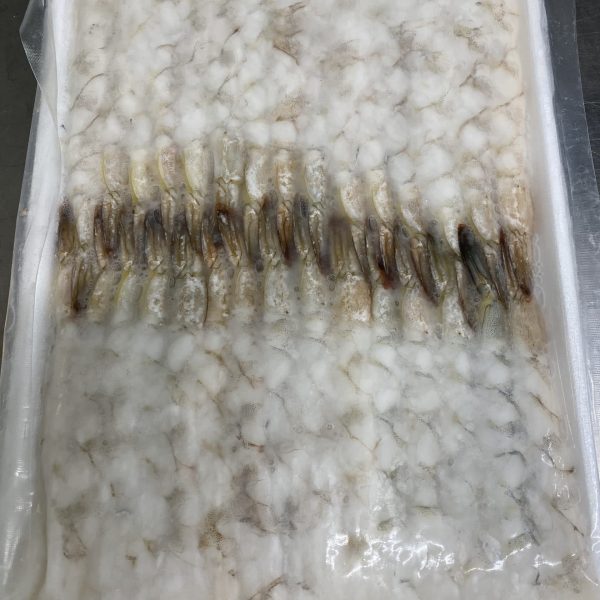
When you want something that can take a hotter moment, look for Nobashi Ebi. They’re the stretched, tail-on sushi prawns that are made to look neat, hold their shape, and come up well with direct heat — perfect for tempura, panko, or a quick grill/pan finish when you’re feeding people. That “higher tolerance” matters: you can chase colour and crunch outside without turning the centre tough, and the shape stays clean on the plate.
Entertaining, batch prep, and speciality finishing touches
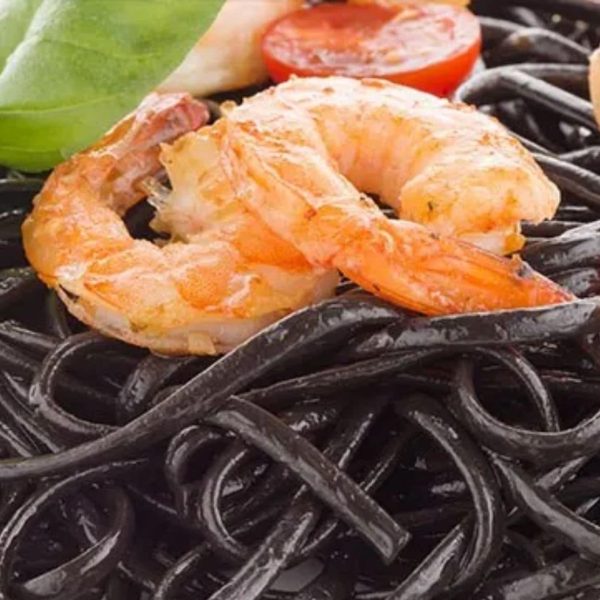
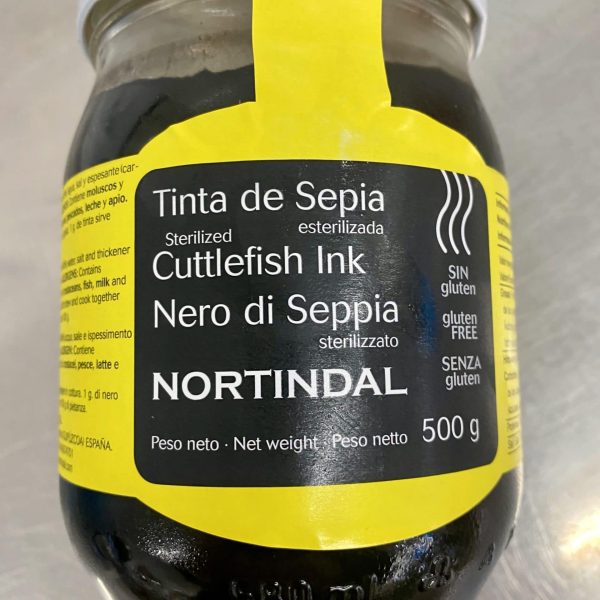
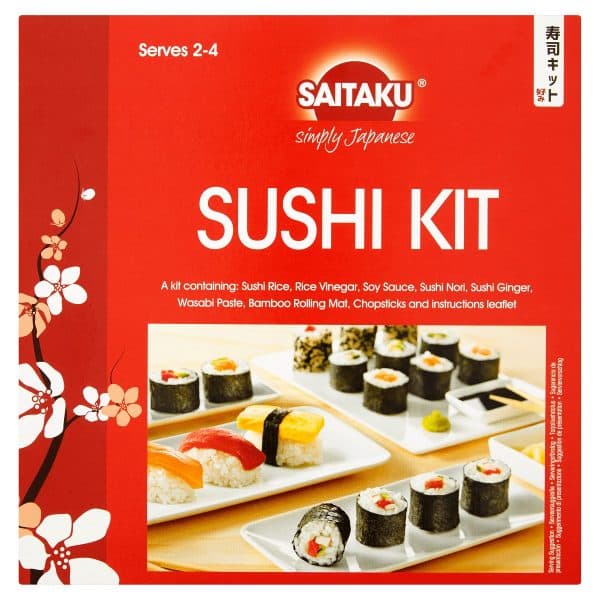
For people who want to prep themselves, stock the base (rice + nori) and then add the specialist bits that do a specific job: wakame for a gunkan-style topping, ginger/wasabi for balance, and cuttlefish ink when you want dramatic black rice or a savoury sauce. This is also where batch prep pays off: cook rice once, build rolls over two nights, and slice your own toppings to suit the size of your maki. Pair it with smoked fish if that’s your thing, or start simple with a Sushi Ingredients Kit when you want the basics sorted in one go. (
Frozen Fish Direct)
Pick the Sushi Ingredients that matches your pan, your timing, and your appetite.
What Arrives at Your Door
When you’re buying Frozen Sushi Ingredients online, the only thing that matters is what turns up at your door: solid, cold, and exactly as described. That’s why our cold-chain is built around speed, insulation, and a serious cooling source — not wishful thinking.
Dispatched by DPD overnight courier. Your order is packed with dry ice in a polystyrene insulated box, and that combination does a very specific job: it slows heat gain and helps keep fish frozen during transit, even when the outside temperature and depot handling aren’t on your side. Dry ice is colder than standard freezer temperatures and it “disappears” by turning into gas, which is normal — you may see vapour when you open the lid, and you might notice that the dry ice has reduced by the time it arrives. That’s expected; it’s the cooling doing its work.
We keep delivery timing accurate and controlled. Orders placed before the stated cut-off are prepared for next working day delivery on eligible days, and checkout controls valid delivery dates so you’re not offered an option that doesn’t match the despatch schedule. That means fewer surprises, fewer missed deliveries, and a clearer expectation of when your seafood should land.
Here’s what to do first, and it’s intentionally simple: open the box promptly, check that items are still properly cold and frozen, then move everything straight to your freezer and follow the on-pack storage guidance for that specific product. If you’re portioning for later, do it quickly and return the rest to the freezer without hovering in the kitchen like you’re judging a talent show.
Dry ice safety is straightforward. Don’t touch it with bare skin (use gloves or a cloth), let the box breathe in a ventilated space, don’t seal dry ice in an airtight container, and keep it away from children and pets. Treat it with calm respect, not panic.
Label-First Transparency
Buying Frozen Sushi Ingredients shouldn’t feel like guessing. The easiest way to trust what you’re adding to your basket is simple: the label tells the truth, and the product page shows the parts of the label that actually affect your results.
On frozenfish.direct, each item is built around practical buying fields you can check before you commit. You’ll see the cut (because a loin behaves differently to slices or diced pieces), the weight or pack size (so you can plan portions and timings), and — where it matters — whether it’s skin-on or skinless, and boneless or pin-boned. For many sushi-style preparations, those details decide texture, mouthfeel, and how much prep you’ll need at home. Where it’s relevant and available, we also show whether a product is wild or farmed, so you can buy to your preference rather than rolling the dice.
Some details don’t make sense as a category-wide promise — especially origin and catch area, which can vary by species and by line. When that information varies by item, it’s shown on the product details, so you’re never forced to assume.
Allergen clarity is treated as non-negotiable. Sushi Ingredients are clearly flagged, and for products where it applies — especially cured, smoked, or seasoned lines — the ingredients are listed so you know exactly what you’re buying.
- Cut drives cooking. Weight drives timing. Skin drives texture.
- Origin informs preference. Method informs fat level. Pack size informs value.
- Boneless speeds prep. Pin-boned signals handling. Slices change mouthfeel.
- Clear labels reduce surprises. Clear specs improve outcomes.
Storage and Defrosting
Think of storage and defrosting as texture management. Frozen Sushi Ingredients are designed to be portionable and consistent, but the last bit of quality control happens in your freezer and fridge.
Storage first: keep packs properly frozen and protect them from air exposure. Air is what drives freezer burn — that dry, slightly greyed surface that can leave fish tasting dull and feeling tough. If your product is vac packed, keep it sealed until you’re ready to defrost; that’s the best defence against dehydration and odd freezer flavours. In your freezer, store packs flat where you can, and rotate stock like a calm professional: older packs forward, newer packs behind. It’s a small habit that keeps “mystery fillets” from living at the back of the drawer forever.
Defrosting hierarchy: fridge defrost is the default for a reason. It gives the ice crystals time to relax back into the flesh, which helps reduce drip loss and keeps firmness where you want it. Keep the fish contained while it thaws — leave it in the sealed pack if appropriate, or place it on a plate in a shallow container to manage any drip. If you open a pack mid-thaw, you’re inviting air exposure and extra moisture swings, which is where “watery” and “soft” texture complaints usually begin.
When it’s defrosted, treat the surface like you mean it: pat dry before cooking. A dry surface gives you a better sear, cleaner browning, and less steaming in the pan. This matters even more for skin-on pieces, where surface moisture can stop the skin from crisping and make it feel rubbery. If you’re working with pin-boned cuts, handle gently and check the label/product details so you know what prep is expected.
Texture-wise: lean pieces can go from firm to flaky quickly, while fatty cuts forgive heat and stay succulent with a gentler finish.
Refreezing: keep it conservative. If in doubt, don’t refreeze. Follow on-pack instructions, and if anything seems overly soft, very wet, or you’re unsure how long it’s been thawed, cook it once and enjoy it rather than pushing it back into the freezer.
Cooking Outcomes
No-heat sushi build
Treat this category as two worlds: “assembly ingredients” and “heat-touched seafood.” Keep sushi nori dry until the last second so it stays snappy, and if you want extra crunch, give it a brief toast until it smells nutty and feels crisp rather than bendy. Your sushi rice is the texture anchor: aim for glossy grains that hold together but don’t turn pasty, then use sushi ginger and wasabi paste as sharp, clean finishers—not a sauce blanket. Wakame should read as glossy and springy, not watery or limp; if it looks dull, it needs less moisture and gentler handling. Cuttlefish ink is a “tiny amount, big effect” tool—fold it in until the colour is even and the aroma stays ocean-clean, not harsh.
Flash-sear or grill
For cooked sushi pieces, the whole game is surface control and restraint: dry surface, hot pan, leave it alone, finish gently. Dry surface equals better sear. Gentle finish protects moisture. Resting evens temperature. Thickness changes timing. Fat content changes forgiveness. You’re looking for a light, browned crust and a centre that yields softly when pressed—juicy and clean, not chalky; salmon should flake in large, moist petals, not crumble into dry bits. Keep seasoning minimal so you can still taste what you bought.
Gentle warm-through
Some items are already cooked and just need respect: Cooked Sushi Ebi is usually best served chilled once thawed, but if you do warm it, go low and brief—think steam-kiss, not simmer. Portion technique: gentle heat, don’t overcook, rest briefly; you want a bouncy bite and a sweet prawn aroma, not tight, rubbery curls. For raw Nobashi Ebi (where you choose to cook it), fast heat is your friend: it’s done when the flesh turns opaque and firm but still springs back, and it stops looking glassy in the thickest part. Different products have different handling expectations—follow the product details first, then choose the gentlest method that matches your timing.
Blanch & refresh
For edamame in pods, the goal is bright green, hot-through beans with a clean snap: a quick blanch, drain, then a brief rest so the heat finishes travelling to the centre without over-softening. Salt after so you taste the bean, not just brine. Wakame (if you’re warming it at all) should be treated like a delicate garnish—short contact with heat, then off; the cue is springy and glossy, never dull or watery. Keep these “supporting players” tidy and precise, and the seafood element will taste more expensive without you doing anything fancy.
Nutrition Snapshot
Sushi Ingredients can be a very “simple food” choice in the best way: it’s mostly pure seafood, with whatever characteristics come naturally with the species, cut, and how it was handled. The exact nutrition profile will vary a lot — lean white fish doesn’t behave like salmon, and a thicker loin cut won’t match a thin slice or a minced format — so treat this as a snapshot and lean on the product details for what you’re actually buying.
In general terms, seafood is valued for being protein-rich, and many species also contribute useful micronutrients such as iodine and selenium, plus B vitamins in varying amounts. Some fish (and some farmed vs wild options) can also be higher in omega-3 fats, which changes both eating experience and cooking behaviour. Fat content isn’t just a nutrition footnote: richer cuts stay moist more easily, while leaner cuts tend to cook faster and can dry out if pushed too hard. Cut drives cooking. Fat drives forgiveness. Thickness drives timing.
If you’re choosing between items, use the buying fields to steer your outcome: wild or farmed where applicable, pack size/weight band, and whether it’s prepared as loins, slices, portions, or specialist sushi-ready formats. For cured or seasoned products, you’ll also see ingredients and allergens clearly flagged on the listing.
Sushi Ingredients fits best as part of a balanced diet — paired with vegetables, rice, noodles, or lighter sides depending on what you’re making — without needing any heroic health claims to justify it. The goal here is confidence: pick the Sushi Ingredients that matches your taste, your method, and your portion plan, and let the product details do the honest work.
Provenance and Responsible Sourcing
Provenance matters in Sushi Ingredients because “good” isn’t one fixed definition — it depends on what you value: taste, texture, species, catch method, farming approach, or simply knowing where it came from. That’s why the buying frame here stays evidence-led. We show method and origin details per product so you can choose what fits your preferences. When a detail varies by item, it’s treated as SKU-specific, not a category-wide promise.
Across Frozen Sushi Ingredients, you may see a mix of farmed options and wild options (where stocked), plus speciality lines made for specific uses. Farmed items can offer consistency in sizing and availability; wild items can appeal for seasonal character and flavour profile; speciality lines can simplify prep when you want a particular outcome. The key is that these are options, not blanket claims — the product page is where you’ll see what applies to the exact pack you’re considering.
What we surface is the information that helps you make a real decision: species, origin, catch area where relevant, and method where it’s provided. If a product has additional documentation or producer notes, those details belong with that SKU — because that’s where they can be checked and trusted. Provenance supports preference. Clear labels support trust. Evidence supports claims.
This approach also keeps the language honest. We won’t tell you that “everything is sustainably harvested” because that’s only true if it’s true for every single item, all year round — and that’s not how seafood works. Instead, you get clear product-level details so you can choose what aligns with your standards, whether that means a specific origin, a particular method, or a preferred farmed/wild route.
Frequently Asked Questions
Is frozen sushi ingredients as good as fresh?
It can be — but the real comparison isn’t “frozen vs fresh” so much as time and handling vs point-in-time control. “Fresh” usually means the product hasn’t been frozen yet, but it can still spend days moving through landing, processing, packing, transport, and chilled storage. Every hour in that chain is time for texture and flavour to drift. Frozen, done well, locks in a moment: the quality you get is the quality that was captured when it was processed and frozen.
Texture is where people notice the difference, and it’s also where the myths live. Freezing can affect moisture if the product is mishandled — poor sealing, temperature swings, or rushing the defrost can lead to drip loss, softness, or a slightly watery bite. But good practice protects quality: tight packaging limits air exposure, stable cold storage reduces damage, and calm defrosting (fridge-first, contained, then a quick pat dry when needed) helps keep the eating quality where you want it. In other words: freezing doesn’t ruin Sushi Ingredients; bad freezing and bad handling do.
That’s the logic behind how frozenfish.direct positions the category: the site states seafood is processed and frozen within hours, then shipped in a cold-chain setup designed to keep it frozen — dry ice inside a polystyrene insulated box, dispatched by DPD. The goal is simple: fewer variables, more repeatable outcomes.
What should you buy, and when?
- Midweek portions: Choose portionable packs and consistent weight bands. They’re quick to plan, quick to portion, and easy to cook without guessing.
- For entertaining: Go for larger pieces or mixed selections that let you slice, portion, and plate with control — the “looks effortless” route is usually the one with the least last-minute drama.
Frozen won’t magically beat the best “just-caught, perfectly handled” fresh. But for most real kitchens and real schedules, it can absolutely match expectations — and often beats “fresh” that’s quietly spent too long in transit.
If you want predictable results, frozen is the easier way to make Sushi Ingredients a routine.
How do I defrost frozen sushi ingredients without them going watery?
“Watery” almost always comes down to moisture leaving the fish during thawing. When seafood freezes, water inside the flesh forms ice crystals. If thawing is too warm or too fast, those crystals melt and the liquid escapes as drip loss instead of staying in the flesh. You’ll notice it as a puddle in the pack, a softer texture, and sometimes a slightly dull surface. The other big culprits are temperature swings (freezer door chaos) and thaw–refreeze cycles — each cycle does more structural damage, so the next thaw leaks even more.
A reliable, low-drama flow looks like this:
Start with fridge defrosting as your default. Keep the item contained (tray or bowl) so any meltwater doesn’t touch other foods, and so the product isn’t sitting in its own liquid. If it’s vacuum packed, keep the packaging intact while it thaws — it limits air exposure and helps reduce surface drying and freezer burn. Once thawed, open the pack, drain any liquid, then pat dry with kitchen paper. That last step is texture control: a dry surface sears better, steams less, and gives you cleaner results whether you’re pan-searing, grilling, or finishing gently.
A few cut-specific tips make a big difference:
- Portions and smaller pieces are the easiest: they thaw more evenly, so you’re less likely to get a half-thawed centre and a warm, leaking edge.
- Thick fillets need patience: don’t rush them on the counter. Slow, even thawing helps the centre catch up without the outside getting too warm and weepy.
- Steaks behave differently because of their structure: they tend to hold shape well, but you still want a contained fridge thaw and a good pat dry before heat.
If you’re in a pinch, cooking from frozen can work as a backup for certain thinner, portioned items — but method matters, and it’s not the best move for every cut. Treat it as a plan B, and follow the on-pack guidance for the specific product.
Good defrosting is texture control.
Wild vs farmed sushi ingredients — what should I choose?
Both wild and farmed seafood can be genuinely excellent. The smarter way to choose is to think in terms of the dish you’re making and the texture you want on the plate, rather than treating “wild” or “farmed” like a trophy label. On frozenfish.direct, the product details make this easy because each item clearly shows whether it’s wild or farmed and where it comes from, so you can pick with confidence instead of guessing.
Here are the typical differences, explained without the mythology:
- Fat level & richness: Farmed fish often has a higher fat content, which can mean a richer mouthfeel and a bit more forgiveness during cooking. Wild fish may be leaner, with a cleaner bite. That’s not a rule with no exceptions — species, season, and feed/conditions matter — but it’s a useful starting lens.
- Firmness & flake: Farmed options are frequently more consistent in texture from pack to pack. Wild options can vary more, which some people love because it can bring a more distinct, “natural” character — and sometimes a firmer bite depending on species and cut.
- Flavour intensity: Wild fish may taste a touch more pronounced or “sea-forward,” while farmed may be milder and rounder. Again: not universal, but common enough to guide choices.
- Consistency & planning: If you’re cooking the same dish every week, farmed lines often help with repeatability: similar fat level, similar firmness, similar outcome.
- Price: Price varies by species, cut, and supply, but wild-caught items are often priced higher. Treat price as a budget lever, not a quality verdict.
Practical pairing guidance: if you’re aiming for delicate results — especially where gentler cooking and sauces matter — choosing a fish with a bit more fat can help the result stay moist and supple. For example, Sushi Ingredients that you plan to pan-finish gently, glaze, or serve with a richer sauce can benefit from that extra richness. If you want a cleaner, firmer bite for a simpler preparation, a leaner profile may suit the dish better.
The category may include wild Sushi Ingredients items and farmed Sushi Ingredients items depending on what’s stocked — check each product’s listing for the exact method and origin.
Buyer’s shortcut: Choose by cooking method first, then by origin and method.
Which sushi ingredients should I buy for my plan?
For “Frozen Sushi Ingredients”, think in three buckets: build the base (rice + nori), add the hero topping (ebi / fish cuts when stocked), and finish + sides (ginger, wasabi, wakame, edamame). Here’s how to buy on frozenfish.direct without overthinking it.
Weeknight meals (fast, predictable): go for the items that remove steps. If it’s available, the Sushi Kit gives you a clean starting line (rice, nori, rice vinegar, soy sauce, plus a bamboo rolling mat). Back it up with Wasabi Paste, Sushi Ginger 120g, and a smaller Wakame (seaweed salad) 250g for a “full spread” feel with minimal prep.
Entertaining (variety + volume): scale up what people actually reach for. The Wakame 1kg is the crowd-pleaser side, while Sushi Ebi packs are an easy nigiri/roll topper (different pack sizes are listed), and Nobashi Ebi 360g raw is the flexible one if you want to tempura-fry, quick-sear, or finish on a grill plancha. Add Cuttlefish Ink if you want a “special” visual twist (ink rice, black mayo, dramatic garnish) without changing the whole menu.
Prep-it-yourself (you want control): start with Sushi Rice + Sushi Nori, then choose the seafood format that matches your workflow. The page notes tuna and salmon may be offered in multiple formats (e.g., slices/chunks/whole; fillets/cubes). That’s where your two biggest outcome levers matter most: thickness (drives timing and how gently you finish) and skin (drives texture—skin-on protects, crisps, and buys forgiveness on high heat). With prawns, swap “skin” for size + whether it’s cooked or raw—that’s your doneness control.
Special occasions (small upgrades): think “ready for specific uses”: pickled ginger + wasabi for proper balance, ebi for neat presentation, and ink/wakame for restaurant-style contrast.
If you only buy one thing: grab the Sushi Kit when it’s in stock—then add the topping/side packs that fit your plan.
Pick the cut that matches your heat source and your timing.
Can I cook sushi ingredients from frozen?
Yes — often you can, and it’s a genuinely useful option when you’re short on time. The catch is that method matters, because cooking from frozen changes two things that control your results: thickness and surface moisture. Thicker pieces need longer for the centre to catch up, while moisture on the surface (ice crystals turning to water) can stop a pan from searing and push you into “steamed” territory instead of crisp, browned flavour.
The most reliable “from frozen” approaches are the ones that manage moisture and give the heat time to travel: oven roasting, air-frying, or a covered pan. Those methods are more forgiving than a direct, high-heat sear because they dry and warm the surface gradually before you ask the outside to colour.
Here’s a practical, safe flow in plain prose. Remove all packaging first. If there’s a noticeable layer of surface ice, rinse it off quickly under cold running water, then pat the piece very dry with kitchen paper — dryness is your first win. Start with gentler heat so the interior begins to thaw and cook without the outside racing ahead; once the surface looks drier and the piece has started to firm up, finish hotter to bring colour and a cleaner texture. Keep your doneness cues simple: you’re looking for flesh that turns opaque, feels firmer, and flakes or separates cleanly (depending on the cut), with no cold, glassy centre.
When not to cook from frozen: if you’ve got very thick pieces and you want a perfect, restaurant-style sear, defrosting first usually gives a better crust and more even texture. Also, speciality cured or ready-to-eat style products should follow the specific product guidance — those lines often have their own handling expectations, and you don’t want to improvise.
“Frozen-to-oven is the weeknight cheat code when you need Sushi Ingredients now.”
How long does frozen sushi ingredients last, and how do I avoid freezer burn?
Frozen Sushi Ingredients can stay safe to eat for a long time when kept properly frozen, but there’s an important split to understand: safety vs quality. Deep cold slows the things that cause food to spoil, so safety tends to hold up well in the freezer. Quality, though — texture, moisture, and flavour — can gradually drift if the fish is exposed to air, temperature swings, or poor wrapping. That’s why two packs stored in different freezers can behave completely differently even if they’ve been frozen for a similar length of time.
The main quality-killer is freezer burn. Despite the dramatic name, freezer burn isn’t “burning” — it’s dehydration caused by air exposure. Moisture migrates out of the surface over time, especially when packaging isn’t tight or the freezer temperature keeps fluctuating. You’ll spot it as dry or pale patches, a duller colour, and sometimes a slightly shrunken look on the surface. Cooked, it can show up as a tougher, drier bite and a less clean, juicy flake. It’s not usually dangerous, but it’s absolutely the kind of thing that makes people think “frozen isn’t as good” — when the real culprit is storage.
Avoiding freezer burn is mostly boring freezer discipline — which is great news, because boring is controllable. Keep packs sealed and don’t “half-open” them and put them back. If you split portions, minimise air exposure by rewrapping tightly and pushing out as much air as you can before resealing. Store items flat where possible so they freeze and stack neatly, and so they’re less likely to get crushed and leak air in. Rotate stock: older packs to the front, newer to the back, so nothing gets lost for months. And keep your freezer stable — constant opening, overstuffing, or a freezer that struggles to hold temperature all nudges quality downhill.
This is where frozenfish.direct’s packaging helps: many products are vacuum packed, which reduces air exposure and protects the surface from drying out. Still, once a seal is broken, your job is to restore that “low-air” protection as best you can and keep everything properly frozen. For any specific storage guidance, follow what’s printed on the pack — it’s the most accurate instruction for that exact product.
Good packaging and steady cold are what keep Sushi Ingredients tasting like Sushi Ingredients.