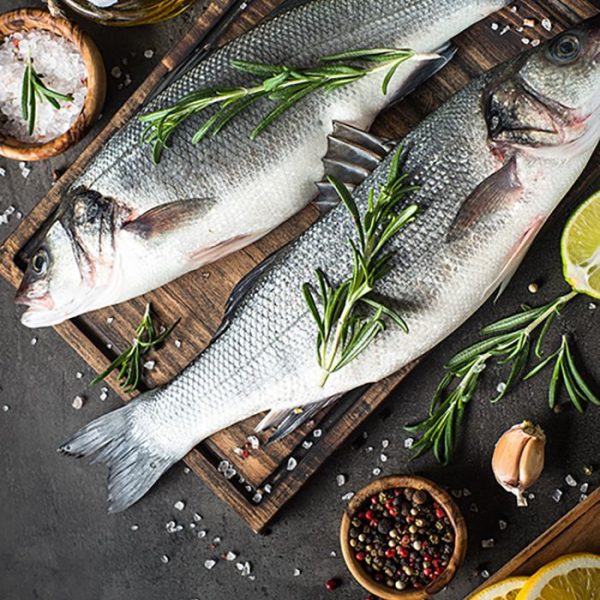
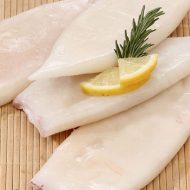
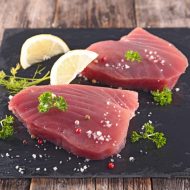
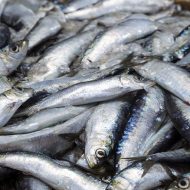
Why Buy Frozen Whole Fish?
Frozen isn’t a “second-best” option for whole fish — it’s a control system. When you buy Frozen Whole Fish, you’re buying fish that’s been locked at a known point in time, so results are more repeatable and planning is easier. Instead of racing the clock, you choose the format, pick the weight band that suits your household, and keep proper stock on hand for the days you want a whole fish on the table without a last-minute shop.
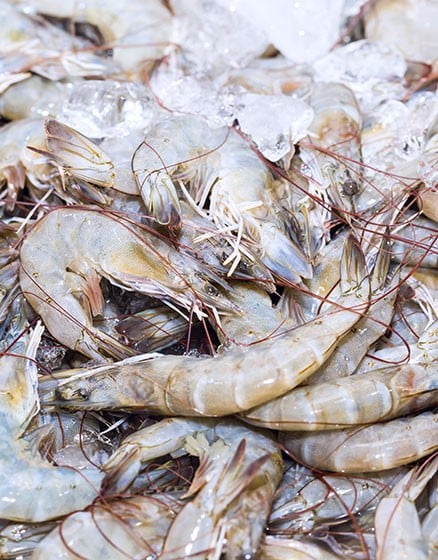
On frozenfish.direct, we describe seafood as processed and frozen within hours, and where a specific product listing supports it, within 3 hours of being caught.
That matters because “fresh” can still spend time moving through boats, auctions, cold rooms, vans, and counters — and time adds up. Freezing doesn’t magically improve fish, but it does stop the quality drift that happens as hours and handling stack up. Frozen locks in a point-in-time condition; “fresh” depends on a chain behaving perfectly.
It’s also practical. Whole fish gives you flexibility: cook it whole when you want the classic presentation, or portion it when you want predictable servings. Consistent pack weights reduce guesswork, which helps you buy once and plan properly. Less waste follows naturally: you use what you need, keep the rest properly frozen, and you’re not binning fish because the calendar won.
- Freezing slows spoilage.
- Cold storage preserves texture.
- Vacuum packs reduce air exposure.
- Consistent weights improve planning.
- Portions reduce waste.
Choose Your Cut
Midweek wins
For quick, reliable dinners, start with smaller-to-medium whole fish in a clear weight band (think “one fish per person” or “one fish for two”). These sizes heat through evenly in the oven, and they also behave well in a lidded pan with a simple sauce. Look for labels that tell you exactly what you’re getting—whole dressed, gutted, or scaled—because that’s what sets your prep time. If you want maximum flexibility, pick a fish you’re happy to cook head-on or head-off, depending on how you like to serve.
When speed matters
Whole fish is brilliant value, but it’s not always the fastest tool. If you’re trying to hit a strict timing window (late workday, hungry kids, “eat in 20”), portions or loins give you the most predictable sizing and the cleanest portion control. The trade-off is you lose the “cook-it-all” bonuses—bones, frames, and trimmings for stock. Use whole fish when you want control and craft; use portions when you want speed and repeatability.
Grill and high heat
If your plan is grill, hot pan, or high-heat roasting, prioritise fish that holds shape and tolerates aggressive heat. Thicker bodies, firmer flesh, and intact skin are your best allies. “Whole” helps here: the bones act like an internal scaffold, and skin-on fish resists drying. Check whether the product is butterflied (great for even grilling) or kept intact for a juicier, slower roast.
Entertaining, smoking, batch prep
For sharing platters, smoking, or batch cooking, larger whole fish gives you options: carve at the table, chill leftovers for salads, or slice into your own portions after cooking. This is where details like pin-bone removal (if offered), skin-on vs skin-off, and whether it’s vacuum packed start to matter. Bigger fish also gives you the best “secondary cuts”—the collar, cheeks, and trimmings—without buying extra.
Speciality whole items
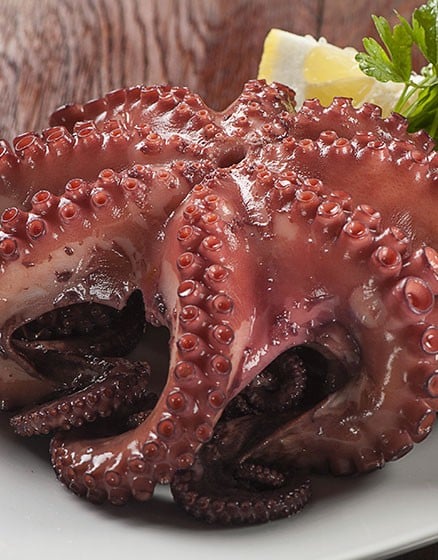
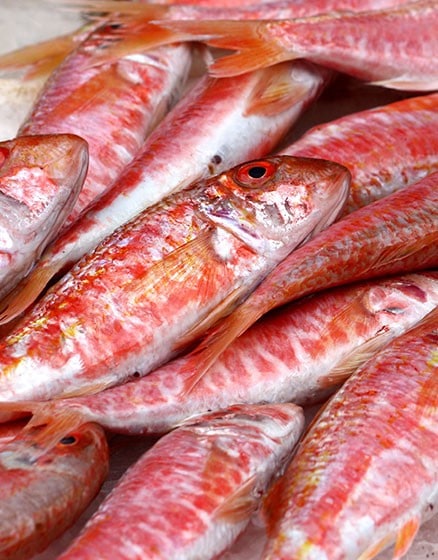
Some lines are stocked for a very specific job—small whole fish for quick roasting, or whole speciality seafood intended for stuffing, grilling, or slow braises. Keep it simple: read the label, match the prep level (cleaned vs uncleaned), and choose the size that fits your serving plan.
Pick the Whole Fish that matches your pan, your timing, and your appetite.
What Arrives at Your Door
Frozen whole fish delivery only feels risky when the process is vague. Ours isn’t. Your order is “Dispatched by DPD overnight courier.” and packed to stay in the frozen zone for the journey—controlled cold, not “chilled-ish and hopeful”.
Each parcel is “Packed with dry ice in a polystyrene insulated box” for a practical reason: the insulated box slows heat getting in, and the dry ice provides intense cold that helps keep fish frozen during transit, even when the van, depot, or doorstep isn’t exactly Arctic. The aim is simple—whole fish arrives in the same frozen condition you chose, so you’re not gambling on texture, handling, or quality when you open the lid.
On timing, we keep it accurate and controlled. Orders placed before the stated cut-off are prepared for next working day delivery on eligible days, and checkout controls the valid delivery dates you can select—so you’re only offered slots we can actually fulfil. (Delivery availability can vary by day and service window, so the checkout date-picker is treated as the source of truth.)
When it arrives, the best first steps are simple: bring the box inside and open it promptly, check the packs are still properly cold, then move the whole fish straight into your freezer and follow the on-pack storage guidance for that specific item. If you’re splitting an order across freezer drawers, do it quickly and close the door—cold chain is a team sport for the first couple of minutes. Dry ice is safe when handled sensibly: avoid direct skin contact, keep the area ventilated while you unpack, don’t seal dry ice into an airtight container, and keep it away from children and pets; once you’ve put your fish away, let any remaining dry ice dissipate naturally in a well-ventilated space.
Label-First Transparency
On frozenfish.direct, every Whole Fish listing is built to answer the buying questions before you commit: what it is, what size it comes in, how it’s prepped, and what kind of results it’s best for. You’ll see the practical fields that matter in a kitchen, not vague sales language — cut/prep, weight band or pack size, and (where relevant) whether it’s skin-on/skinless and boneless/pin-boned for lines that aren’t sold fully intact. For whole fish specifically, that “cut” clue often means things like whole vs cleaned, plus any handling notes that affect your prep time.
Some details can’t be promised at category level because they legitimately vary by species and batch, so the site keeps them item-specific: if origin or catch area differs from one line to the next, it’s shown on the product details rather than implied across the whole category. Likewise, when “wild” vs “farmed” is applicable, it’s called out on the individual product — because that label changes expectations around flavour, fat level, and texture.
Allergen and ingredient clarity follows the same logic: fish is clearly flagged as an allergen on relevant products, and if you’re buying a cured or smoked line, the ingredients list is shown so you can check what’s been added (salt, smoke, cures, seasonings) before it hits your basket.
Cut drives cooking. Weight drives timing. Skin drives texture.
Origin informs preference. Method informs fat level. Pack size informs value.
Labels reduce guesswork. Clear fields reduce returns. Specific details reduce regret.
Storage and Defrosting
Think of frozen whole fish like a paused moment in time: your job is to keep it paused until you’re ready, and then bring it back gently so the flesh stays firm, not watery or soft.
For storage, keep the fish properly frozen and treat air exposure as the enemy. Most lines arrive vac packed (or tightly sealed), which helps protect flavour and reduces the risk of freezer burn — that dry, dull patching you sometimes see when cold air dehydrates the surface. At home, don’t keep opening and re-stacking the same packs; settle them flat, keep the seals intact, and rotate stock so older packs move forward and get used first. If you split anything, re-wrap tightly so the flesh isn’t sitting in a pocket of air.
For defrosting, the default is simple: fridge defrost. Keep the fish contained (in its pack where possible, or in a covered tray) so it stays separate from other food, and plan for drip loss — liquid that releases as ice crystals melt. That drip isn’t “bad”; it’s just water and proteins leaving the flesh. The trick is not letting the fish soak in it. Drain it away, then pat dry the surface before cooking — especially for skin-on fish where you want a better sear and cleaner texture.
Texture is your compass. A well-thawed whole fish should feel springy and firm, and it should flake cleanly once cooked. If it’s turning soft and fragile, it’s usually been thawed too aggressively or left sitting in drip. Also, remember that fatty cuts forgive heat more than very lean fish; they tend to stay juicier and cope better if your timing isn’t perfect.
Refreezing is where you stay conservative. If a fish has fully thawed, treat refreezing as “only if the pack explicitly says it’s suitable” and only when it has been handled cleanly and kept properly chilled. If in doubt, don’t refreeze — cook it instead, then freeze the cooked portions if you need to. And if your fish is sold pin-boned or prepped in a way that makes it more portionable, use that to your advantage: thaw what you’ll use, keep the rest sealed and frozen, and you’ll protect both texture and confidence.
Cooking Outcomes
Pan-sear then finish
Start with a properly dry surface and a properly hot pan; moisture is the enemy of colour. Lay the fish in and leave it alone long enough to build a crust, then turn only when it releases cleanly. Add a small knob of butter or a drizzle of oil, baste briefly, then finish gently so the flesh stays juicy rather than tightening up. You’re looking for skin that’s blistered and crisp, and flesh that turns opaque and flakes at the thickest point with light pressure. Dry surface equals better sear. Gentle finish protects moisture. Resting evens temperature.
Oven roast
Roasting suits whole fish because the heat surrounds it and you’re less likely to overwork it. Use a tray that gives the fish space, and aim for steady, even heat rather than an aggressive blast that dries the outer layer before the centre is ready. Doneness cues are simple: the flesh should separate into clean flakes, the backbone should lift away with minimal resistance, and the juices should look clear rather than milky. Thickness changes timing. Fat content changes forgiveness.
Grill or BBQ
Whole fish can be very grill-friendly when it’s handled to suit high heat: surface dry, lightly oiled, and placed over a clean, hot grate. Keep the first side down long enough to set the skin and avoid tearing—moving it too early is the fastest route to sticking. Turn with confidence once it’s released, then finish over gentler heat so the centre comes through without the outside going leathery. Look for a firming feel through the thickest part and a flake that’s moist, not watery.
Gentle cooking (steam/poach) for delicate fish and smaller “portion-like” sizes
For lean, delicate whole fish, gentle methods keep the texture silky and protect the natural sweetness. Use calm heat and avoid a rolling boil; agitation breaks the flesh and washes out flavour. Portion technique still applies when your whole fish is smaller or split: gentle heat, don’t overcook, rest briefly before serving so the juices settle back into the flakes. Whole fish varies by prep style—gutted and scaled, head-on, vac packed, IQF, pin-boned where relevant—so follow the product details for the handling expectations of the specific fish you’ve chosen.
Nutrition Snapshot
Whole fish is a straightforward buy when you want food that behaves like food: solid protein, naturally occurring fats, and the kind of “real ingredient” simplicity that makes planning meals easier. The exact nutrition will always vary by species and size, by how the fish is prepared, and by whether it’s wild or farmed — so treat category-level guidance as orientation, then use the product details for the specific fish you’re choosing.
Most whole fish will contribute high-quality protein, plus a spread of micronutrients that are common in seafood, such as iodine and selenium, and often B vitamins like B12. Some species are naturally lean and cook up with a cleaner, flakier bite; others carry more fat, which tends to feel richer and can be a bit more forgiving when you’re cooking at higher heat. That “fatty vs lean” difference is as much a cooking decision as it is a nutrition point: fat content influences mouthfeel, juiciness, and how quickly a fish can dry out if you push the heat too hard.
If you’re buying whole fish for variety, it’s worth rotating species across the month rather than treating everything as interchangeable. Different fish bring different texture, flavour, and naturally occurring nutrient profiles — and that variety usually makes it easier to keep meals interesting without overcomplicating your shop.
As ever, seafood is best seen as one part of a balanced diet alongside vegetables, grains, and the fats you cook with — no miracle claims required. Check the product details for the fish that matches your taste, your preferred richness, and the way you plan to cook it, and you’ll land on a confident choice.
Provenance and Responsible Sourcing
Whole fish tells a story, but the only story that matters is the one you can check. We show method and origin details per product so you can choose what fits your preferences. That means you’re not buying a vague promise — you’re buying a fish with clear, practical signals: whether it’s wild or farmed (where applicable), the catch or harvest area (often shown as an FAO fishing area or similar), and the product’s format (for example raw, frozen, and any prep notes such as gutted/ungutted or scaled/unscaled when that’s relevant to the species).
Provenance isn’t a badge; it’s a shortcut to outcomes. A cold-water, wild-caught fish can behave differently in the pan to a farmed equivalent, and that can change everything from firmness to how forgiving the flesh is under high heat. For some shoppers, provenance is about flavour and texture; for others it’s about preferred regions, farming methods, or gear type when that information is available. If origin or method varies across the range — and it often can, depending on season and availability — it’s shown on the product details so you can compare like-for-like and choose with your eyes open.
Provenance supports preference. Clear labels support trust. Evidence supports claims.
In this category you may see a mix: farmed whole fish for consistent sizing and predictable portions, wild whole fish where stocked for customers who prefer that profile, and speciality lines when they make sense for the species — including “frozen at sea” options and occasional smoked or cured items where the ingredients and allergens are listed clearly. The point isn’t to tell you what to value; it’s to give you enough product-level information to value it properly.
Frequently Asked Questions
Is frozen whole fish as good as fresh?
It can be — but it depends on what you mean by “fresh”. In real kitchens, “freshness” is mostly about time and handling: how quickly the fish is processed, how cold it’s kept, and how many hand-offs it goes through before it reaches you. Frozen Whole Fish is a different promise: it’s about locking in a point-in-time quality, then keeping that quality steady until you’re ready to cook.
Freezing isn’t magic, and it’s fair to say this: if fish is frozen slowly, exposed to air, or thawed badly, you can end up with watery texture, softer flakes, and less clean flavour. That’s why the boring bits matter. Good packaging reduces air exposure, which helps protect texture. Calm defrosting protects the muscle structure, which helps keep the flesh firm rather than wet.
At frozenfish.direct, the model is built around control: fish is processed and frozen within hours, then shipped in insulated packaging with dry ice designed to keep it frozen on arrival. You’re not hoping today’s delivery was quick enough — you’re buying a product that’s meant to be consistent.
The practical choice comes down to use-case. If you want Whole Fish to be a midweek routine, pick smaller fish or manageable weight bands so you can portion and cook with less fuss. If you’re grilling or using high heat, choose fish that holds its shape well and suits pan-to-oven finishing. If you’re cooking for people, go larger for better presentation, cleaner carving, and that “serve it whole” moment at the table.
If you want predictable results, frozen is the easier way to make Whole Fish a routine.
How do I defrost frozen whole fish without it going watery?
“Watery” fish is almost always drip loss: as the fish thaws, melted ice leaves the muscle, taking flavour and texture with it. That gets worse when fish thaws too warm (outside the fridge), when the surface sits in its own liquid, or when it’s been through repeat thaw/refreeze cycles that create bigger ice crystals and more structural damage. The goal is simple: slow thaw, contained thaw, dry surface before heat. (ScienceDirect)
Start with the best-practice flow. Put the Whole Fish in the fridge to defrost in a covered container (tray, dish, or tub) so any liquid is contained and can’t cross-contaminate other foods. Keep it below ready-to-eat foods in the fridge. Once it’s thawed, pour off the liquid, then pat the fish dry (especially skin-on areas) so you don’t steam the surface when you cook. (Food Standards Agency)
If your fish is vac packed, keep it in that sealed inner pack while it defrosts (unless the label tells you otherwise). Vacuum packing reduces air exposure, which helps limit oxidation and keeps the thaw more controlled. When it’s fully thawed, open the pack, drain, and pat dry again—this is where you win back texture. Cold slows thaw. Containment controls drip. Dry surface improves browning. (ScienceDirect)
A few cut-specific reality checks: portions are the easiest because they thaw evenly and you can dry them quickly; thick pieces/whole fish need more patience because the centre and cavity lag behind—check for remaining ice near the backbone and drain the cavity well; steaks behave differently because they’re cross-cut and can shed more liquid at the cut faces, so drying matters even more.
If you’re short on time, cooking from frozen can work as a backup for some Whole Fish—usually best when you use gentler heat first and finish hot to dry the surface—but it’s a different method and results vary by species and size. The consistent win for “not watery” is still: fridge defrost + contained + pat dry.
Good defrosting is texture control.
Wild vs farmed whole fish — what should I choose?
Wild and farmed Whole Fish can both be excellent — the smart choice is less about “better” and more about what you want the fish to do on the plate.
First, what the labels actually mean: Farmed fish is produced through aquaculture (farming/rearing aquatic organisms under ownership and managed conditions), while wild fish is harvested from fisheries where the stock isn’t owned during rearing in the same way.
From there, the “typical differences” people notice usually fall into a few buckets:
Fat level & forgiveness. Farmed fish often has a more predictable fat profile because diet and growing conditions are managed, which can make it feel more forgiving with heat and more consistently rich. Wild fish can be leaner or firmer in some species and seasons — but species matters more than the label, and plenty of wild fish are naturally oily too. (So treat “wild = lean” as a myth that’s sometimes true, not a law of physics.)
Flavour intensity & texture. Wild fish can have more variation in flavour and firmness across the year (feeding and seasonality show up on the palate). Farmed fish often lands in a steadier middle: consistent texture, consistent portion feel, fewer surprises.
Consistency & planning. If you want repeatable results week to week — same roast time vibes, same serving size vibes — farmed can make planning easier. If you enjoy natural variation and choosing by season/species, wild can be more “characterful.”
Price. Price is not a moral score. It usually reflects supply, seasonality, farming inputs, and demand — so it can swing either way depending on the fish and the market.
On frozenfish.direct, the clean shortcut is practical: check the product details for whether it’s wild or farmed and where it comes from, then choose based on your dish. Your basket may include wild Whole Fish items and farmed Whole Fish items, plus speciality lines where stocked.
For cooking style, Whole Fish generally rewards gentler heat and supportive flavours — think basting, butter, citrus, herb sauces, or a light broth — because the goal is moist flesh and clean flavour, not a dry-out sprint.
Buyer’s shortcut: Choose by cooking method first, then by origin and method.
Which whole fish cut should I buy for my plan?
The best Whole Fish to buy is the one that matches your plan, not your mood. Whole fish is flexible, but the cut you choose decides how much prep you’ll do, how fast it cooks, and how repeatable your results will be. If you remember only one idea: thickness and skin are the two biggest outcome levers. Thickness controls how quickly the centre reaches doneness; skin controls texture (crisp vs soft) and helps protect the flesh from drying out when the heat gets lively.
For weeknight meals, choose portions first when they’re available. They’re portionable, predictable in thickness, and make timing feel “set-and-repeat” when you’re cooking between real-life interruptions. If you prefer a cleaner bite, skinless fillets/portions keep things simple and reduce faff at the sink. In the product details, look for the weight band that suits your plates, and check whether it’s boneless/pin-boned where relevant.
For grilling, go thicker and keep protection where you can: skin-on pieces, thicker cuts, or steaks (where stocked) cope better with higher heat and hold their shape. Skin helps you get that proper sear without the surface drying out too fast, and a thicker piece buys you time to build colour before the centre overcooks.
For entertaining, think “centre-of-plate” and “carve-able”: whole fish (gutted/cleaned where listed) brings theatre, stretches further, and lets you portion at the table. Bigger weight bands also suit batch prep—cook once, then flake or slice for salads, tacos, rice bowls, or next-day fish cakes.
For prep-it-yourself, whole whole fish is the control option. You choose the trim, you decide the portion sizes, and you can work around bones and skin exactly how you like—great if you want maximum flexibility and value per pack.
For special occasions, lean into smoked/cured lines where stocked: they’re “ready for specific uses” (platters, brunch, canapés, pasta finishes) and the product details will tell you exactly what you’re getting.
If you only buy one thing: start with portions for predictable midweek results—then add a whole fish for the weekend when you want the full experience. Pick the cut that matches your heat source and your timing.
Can I cook whole fish from frozen?
Yes, often you can — but method matters.
Cooking from frozen is easiest when the fish isn’t too thick and you’re happy with “evenly cooked” over “restaurant-crisp sear”. The two things you’re fighting are surface moisture (which blocks browning) and thickness (which can leave you with “done outside, underdone at the bone”). So the winning pattern is simple: get the outside dry enough, bring the middle up gently, then add heat at the end for colour.
In practice, do it like this in one calm flow. Remove all packaging first. If there’s loose surface ice or frost, rinse it off quickly, then pat the fish properly dry with kitchen paper — dry skin and dry flesh brown; wet fish steams. Place it on a tray or in an oven-safe pan, start with gentler heat so the centre can catch up, then finish hotter at the end to crisp the skin and deepen colour. A covered pan (lid or foil) or an oven/air-fryer approach is usually more forgiving than going straight into a ripping-hot frying pan, because it gives you controlled heat penetration before you chase a crust.
Pay attention to doneness cues instead of bravado. The flesh should turn opaque, feel firmer to the touch, and flake cleanly; around the backbone and thickest part is where undercooking hides. If you’ve cooked it gently first, the final hot finish becomes a texture upgrade, not a rescue mission. Cook thoroughly until it’s properly done all the way through. (Food Standards Agency)
When not to cook from frozen: very thick pieces when you want a perfect sear and glassy skin (defrosting gives you more control), and speciality cured/smoked products where the product details give specific handling instructions. Also, if you’ve started thawing it (even accidentally), don’t drift back and forth between thawed and frozen — treat it as defrosted, use promptly, and don’t refreeze. (Food Standards Agency)
Frozen-to-oven is the weeknight cheat code when you need Whole Fish now.
How long does frozen whole fish last, and how do I avoid freezer burn?
Frozen Whole Fish can stay safe for a very long time in the freezer, but quality is a different story. Food-safety guidance generally treats freezer storage times as quality guidance, not safety cut-offs: if something stays continuously frozen, it can be kept indefinitely from a safety standpoint — yet texture and flavour will slowly drift the longer it sits. (FoodSafety.gov)
So what actually goes wrong? Freezer burn. It’s basically dehydration caused by air reaching the surface of frozen food. You’ll spot it as dry, greyish-brown patches, a dull look, and a tougher, “cottony” bite once cooked. It’s not usually a safety issue — it’s a quality issue — and you can often trim affected areas, but heavily freezer-burned fish may be unpleasant enough to discard. (ndsu.edu)
How long does Whole Fish “last” at its best? Think in months, not forever — and let the on-pack best-before guidance be your anchor, because species, fat level (fatty fish goes off in quality faster), pack size, and freezer stability all matter. The key idea: the steadier the cold and the lower the air exposure, the longer it keeps its proper texture. (ndsu.edu)
To avoid freezer burn and keep Whole Fish tasting right:
- Keep packs sealed and minimise “open-freezer rummaging” (warmth + air are the enemies).
- Minimise air exposure: if you split a pack, rewrap tightly or use a freezer bag and push out excess air.
- Store flat where you can (more stable freezing, less knocking about).
- Rotate stock: newest at the back, older packs forward so they get used first. (ndsu.edu)
- Keep your freezer stable: frequent thaw/freeze cycles and door-opening spikes mean more drip loss and more texture damage later.
The nice bit: many products are vacuum packed, which helps reduce air contact — and less air generally means less freezer burn risk.
Good packaging and steady cold are what keep Whole Fish tasting like Whole Fish.