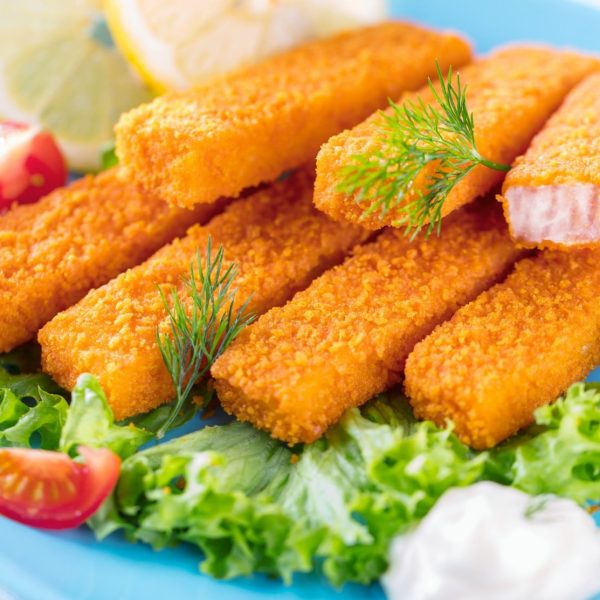
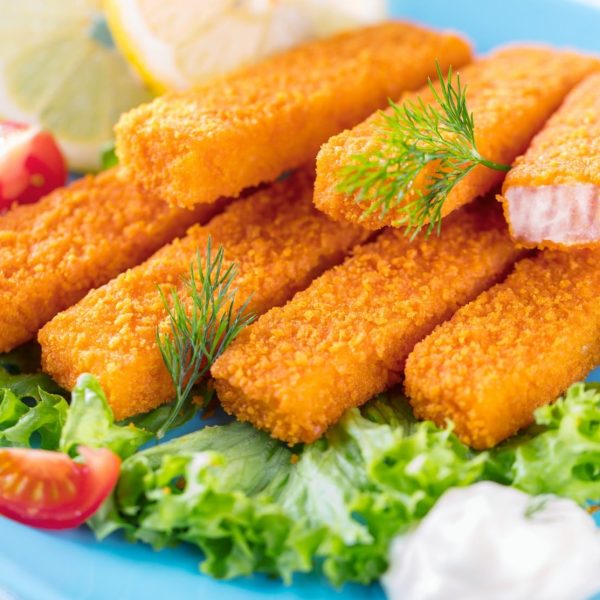
Why Buy Frozen Fish Fingers?
Frozen Fish Fingers should feel simple: open the freezer, pick the right pack, and know it’ll arrive properly frozen. At frozenfish.direct you’ll find a wide range built for real-life meals—different coatings, portion sizes, and formats—so you can buy with confidence instead of guessing. frozenfish.direct offers all types of frozen Fish Fingers.
Every product is sold on a label-first basis: read the product name, check the pack details for ingredients and allergens, and choose the spec that matches the meal you’re trying to land—crispy comfort for a family tea, quick portions for lunches, or bigger packs for stocking up. You’ll see clear weight bands and pack sizes so you can compare like-for-like and stay in budget.
Dispatched by DPD overnight courier, packed with dry ice in a polystyrene insulated box, designed to keep fish frozen on arrival.
Choose by cut, weight band, and how you plan to cook it.
If you want the safest, simplest start, pick the format you already trust at home and then refine from there—because the right fish finger is the one that fits your kitchen, your portions, and your week.
Choose Your Fish Fingers
Frozen Fish Fingers should feel simple: open the freezer, pick the right pack, and know it’ll arrive properly frozen. At frozenfish.direct you’ll find a wide range built for real-life meals—different coatings, portion sizes, and formats—so you can buy with confidence instead of guessing. frozenfish.direct offers all types of frozen Fish Fingers.
Every product is sold on a label-first basis: read the product name, check the pack details for ingredients and allergens, and choose the spec that matches the meal you’re trying to land—crispy comfort for a family tea, quick portions for lunches, or bigger packs for stocking up. You’ll see clear weight bands and pack sizes so you can compare like-for-like and stay in budget.
Dispatched by DPD overnight courier, packed with dry ice in a polystyrene insulated box, designed to keep fish frozen on arrival.
Choose by cut, weight band, and how you plan to cook it.
If you want the safest, simplest start, pick the format you already trust at home and then refine from there—because the right fish finger is the one that fits your kitchen, your portions, and your week.
What Arrives at Your Door
When you order Frozen Fish Fingers from frozenfish.direct, the goal is simple: they arrive still properly frozen, so you can put them straight into your freezer with zero drama. That’s why every box is built around cold-chain common sense rather than wishful thinking.
Dispatched by DPD overnight courier. Your order is Packed with dry ice in a polystyrene insulated box, which matters because insulation slows heat gain and dry ice provides a powerful cold source during transit. Together, they’re designed to help keep fish frozen on arrival, even when delivery vans, depots, and doorsteps are doing their best to be “not a freezer”.
Delivery dates are controlled at checkout so you only select valid delivery options for your address and the day you’re ordering. Orders placed before the stated cut-off are prepared for next working day delivery on eligible days, and the checkout flow will guide you to the next available working day when weekends or non-service days apply. That means you’re not guessing timelines—you’re choosing from what the system can actually deliver.
When the box arrives, treat it like a handover, not a parcel. Open it promptly, check your items, and move them into the freezer straight away. If any packs feel lightly frosted on the outside but still firm, that’s normal cold-chain behaviour; follow the on-pack storage guidance and keep everything frozen until you’re ready to cook.
A quick word on dry ice, without the theatrics: it’s extremely cold, so avoid direct skin contact and don’t let children or pets handle it. Keep the area ventilated while unpacking, and never seal dry ice in an airtight container. If there’s any dry ice left in the box, leave it to dissipate naturally in a well-ventilated space, away from curious hands and paws.
From packing to handover, the whole setup is built to preserve the crisp coating, clean flavour, and reliable texture you expect from quality fish fingers.
Label-First Transparency
Buying fish fingers shouldn’t feel like decoding a mystery box. The quickest way to shop with confidence is to start with the label-level details that actually change what lands on your plate — and that’s exactly what you’ll see on each product page.
Every listing is built around practical buying fields, not fluffy adjectives. You’ll be able to check the cut and the weight/pack size first, so you can match what you’re ordering to your pan, your portions, and your freezer space. Where it’s relevant to the product, we also show whether it’s skin-on or skinless, and whether it’s boneless or has pin-bones removed. Those aren’t “nice-to-know” extras — they affect mouthfeel, prep time, and how cleanly the fish eats, especially when you’re cooking for kids or serving a picky table.
You’ll also see the information that helps you choose by preference rather than guesswork. If origin or catch area varies between items, it’s shown on the product details for that specific line, rather than being treated as a category-wide promise. That way, you can pick what you like — whether you lean toward a particular fishery, a certain flavour profile, or just a familiar favourite.
Allergen info is clear and direct: fish is flagged as an allergen, and product pages include ingredient lists where relevant — particularly for coated, seasoned, or flavoured fish fingers, where the crumb, batter, and seasoning matter.
- Cut drives cooking. Weight drives timing. Skin drives texture.
- Boneless drives ease. Pin-bones drive prep. Coating drives crunch.
- Origin informs preference. Method informs fat level. Pack size informs value.
Storage and Defrosting
Treat fish fingers like you’d treat good breaded anything: keep them properly cold, keep them protected from air, and don’t let them sit around getting battered by the freezer. First rule is simple — keep them frozen until you’re ready to cook. Most of what people call “bad frozen fish” is really air exposure and temperature wobble. If a pack isn’t fully sealed (or you’ve opened it), press out as much air as you can, reseal tightly, and get it back into the cold fast. If your fish fingers are vac packed, leave them that way until use: less air contact means less dryness and fewer off textures.
To stay ahead of freezer burn, store packs flat where possible, avoid “door storage” (it warms up every time the freezer opens), and rotate your stock. Put newer packs behind older ones so the older packs go first — it’s a boring habit that saves you from finding a mystery pack months later that cooks up dry and a bit dusty.
When it comes to defrosting, think in a hierarchy that protects both texture and common sense. The default is a fridge defrost: it’s gentle, controlled, and it lets the fish thaw without turning watery. Keep the fish contained (tray, bowl, or lidded tub) because thawing creates moisture. That moisture is drip loss — and if it sits against the coating or the flesh, you’ll often get that “watery” taste and a soft outer layer instead of proper crunch. Once thawed, open the pack, drain any liquid, and pat dry the fish before cooking. It’s a small move that helps you get better colour, a cleaner sear, and a coating that behaves.
Texture-wise, expect some fish to thaw into a lovely flake, while others hold more firmness — especially thicker pieces, or fish with a bit more natural fat. Fatty cuts forgive heat, while very lean fish can go from tender to dry faster if the surface is wet or the coating steams instead of crisps. If you’re choosing between options, pieces that are more portionable and evenly sized tend to cook more predictably.
On refreezing: keep it conservative. If fish has fully thawed and you’re unsure how long it’s been sitting around, don’t refreeze it. Where refreezing is allowed, follow the on-pack instructions exactly — and if in doubt, don’t refreeze. The goal is simple: keep the fish tasting like fish, not like damp breadcrumbs and regret.
Cooking Outcomes
Crisp skin
If you’ve chosen skin-on pieces (or fish fingers made from skin-on cuts), aim for a dry surface and a properly hot pan. Dry surface equals better sear: that’s how you get crisp rather than pale and steamy. Place the fish in, then leave it alone — if you keep nudging, you tear the surface and lose the clean “sizzle line” that signals good contact. When the skin looks tightened and lightly bronzed, finish gently so the centre stays juicy; gentle finish protects moisture. Resting evens temperature, and it also helps the crust stay crisp instead of sweating the second it hits a plate.
Oven-roast fillet
Oven cooking is the most repeatable route when you want even colour and a set centre without babysitting the pan. Spread pieces so hot air can circulate; crowding turns crisp into soft. Watch for sensory doneness cues: the coating should look dry and crisped, and the fish should separate into clean flakes when pressed, not smear into a paste. Thickness changes timing, so trust what you see — evenness of colour on the outside and a firm-but-yielding centre are your best indicators. A short rest after cooking helps the inside settle and keeps the bite moist.
Pan-fry portions
Portions are about control: predictable sizing, predictable finish, fewer surprises. Use gentle heat rather than chasing maximum colour, because the coating can brown before the centre is ready. Don’t overcook — the moment the fish goes from “tender flakes” to “tight, chalky bite,” you’ve gone too far. Thickness changes timing, fat content changes forgiveness, and skin changes crisp, so adjust by feel rather than trying to force a single method onto every pack. Once cooked, rest briefly so the heat evens out and the centre stays juicy instead of leaking moisture when you cut.
Grill steaks
Steaks tolerate higher heat because they’re thicker and hold their shape, which makes them grill-friendly and harder to accidentally shred. Start hot for colour, then manage the finish so the centre stays juicy; watch the edges as your doneness dashboard. When the sides turn opaque and the steak feels resilient but still springy in the middle, you’re close — push it too far and it firms up fast. Fat content changes forgiveness, so richer steaks will handle a touch more heat without drying, while lean steaks need a quicker, cleaner cook.
Cured, smoked, or sashimi-style products have different handling expectations and sometimes different “ready-to-eat” rules — follow the product details for those items rather than assuming they behave like standard cooked fish fingers.
Nutrition Snapshot
Fish fingers are a simple, familiar way to get fish on the plate — and nutritionally they sit in the “solid staple” category rather than anything mystical. In general, fish contributes protein and a mix of naturally occurring nutrients, but the exact profile changes a lot. Nutrients vary by species, cut, and whether it’s wild or farmed; see the product details for what applies to the pack you’re choosing. The coating and any added ingredients matter too, especially for fish fingers: breadcrumb style, seasoning, and whether the product is plain, battered, or shaped all change the overall balance.
It’s also worth thinking in practical “label-first” terms. Some fish fingers are made from lean white fish, which tend to cook up clean and flaky. Others may use a slightly richer fish, which can feel juicier and forgive heat a bit more — fat content and texture influence cooking results, and you’ll notice it in how quickly the centre firms up and how easy it is to keep a moist bite. Portion size plays a role as well: thicker pieces usually hold moisture better, while thin fingers crisp quickly but can dry out if pushed.
If you’re building meals, the simplest win is pairing fish fingers with a balanced plate — something starchy, something colourful, something you actually enjoy eating — without turning dinner into a lecture. Use the product details to match your priorities (species, pack size, ingredients, and any prep notes), then choose the style that fits your oven, your pan, and the people you’re feeding.
Provenance and Responsible Sourcing
Provenance matters most when it’s specific, checkable, and tied to the exact pack you’re buying — not when it’s sprayed over a whole category like paint. That’s why the most useful sustainability signal isn’t a vague promise, it’s detail: we show method and origin details per product so you can choose what fits your preferences. If a product lists a catch area, a production method, or a particular sourcing note, it’s shown on that product’s details rather than implied for everything on the page.
That SKU-level approach is deliberate. Fish fingers can be made from different white fish species, and they can come from different fisheries and supply chains. Some lines may be very straightforward “family freezer staple” packs, while others can sit in a more speciality lane — different species choices, different coatings, different formats, or “made for a specific use” variants. The point isn’t to tell you what to care about. The point is to make it easy to choose what you already care about, using information that’s actually attached to the product in front of you.
When you’re scanning provenance, focus on the fields that help you decide quickly: origin/catch area when listed, method when listed, and any notes on how the fish was prepared before freezing. If those details aren’t there for a given SKU, treat that as “not specified for this item” rather than assuming the best-case story.
Provenance supports preference. Clear labels support trust. Evidence supports claims. And when you’re buying fish fingers for real life — quick dinners, predictable portions, no waste — that kind of plain, SKU-specific transparency is what makes a confident choice feel easy.
Frequently Asked Questions
Is frozen fish fingers as good as fresh?
Frozen can absolutely be “as good as fresh” for fish fingers — but only if you’re comparing like with like. “Freshness” is really a bundle of things: how quickly the fish was handled after catch, how cold it stayed, and how much time passed before you cooked it. Freezing is different: it’s a way of locking in a point in time so the quality you buy is the quality you can plan around.
Where frozen wins is consistency. A “fresh” fish finger (or the fish that becomes it) can still be days into the supply chain before it reaches a shop counter. With frozen, the clock pauses much earlier — provided the freezing happens promptly and the cold chain stays steady. On frozenfish.direct, fish fingers are described as being made from fish blocks frozen within hours of landing, and the broader handling claim on-site emphasises fish being filleted, packed, and frozen within a very short window — the point being: quality is being set early, then protected.
Texture and flavour are where people notice the difference. Freezing can cost you moisture if the product is poorly packed or if it’s defrosted roughly (think watery centre, soft crumb, dull flavour). Good packaging and calm defrosting protect the bite: keep it contained, let it thaw gently, and avoid letting it sit in its own drip. Once cooked, the goal is simple: crisp outside, juicy centre — and that’s more about process control than romance.
The other half of the promise is delivery integrity. Your order is shipped with dry ice in insulated packaging designed to keep it frozen, and it’s dispatched by DPD as an overnight courier service in the United Kingdom — so what you receive should still behave like a properly frozen product, not something that’s been half-thawed and re-frozen in transit.
Buying by use-case helps: go for standard fish fingers for fast midweek wins; choose thicker, larger fingers when you want a more “grillable” bite and a better crumb-to-fish ratio; and for entertaining, pick premium lines where the fish piece is more substantial and the coating stays crisp on a tray. If you want predictable results, frozen is the easier way to make Fish Fingers a routine.
How do I defrost frozen fish fingers without it going watery?
“Watery” fish fingers usually aren’t a mystery ingredient problem — they’re a water-management problem. Freezing forms ice crystals inside the fish. If the fish warms up too quickly (or sits in meltwater), those crystals turn into liquid and you get drip loss: moisture leaving the flesh before you’ve even started cooking. Add repeated thaw/refreeze cycles (even small partial thaws during transport or at home) and the crystal structure gets rougher each time, which pushes out even more water and softens the texture.
The simplest way to keep fish fingers firm is to defrost slowly and keep the surface dry:
Start with a fridge defrost as your default. Keep the fish fingers contained so any moisture doesn’t wash over them — a plate with a rim, a tray, or a shallow container works well. If they’re vacuum packed, keep the packaging intact while they thaw (it limits air exposure and helps reduce surface dehydration and off-odours). If they’re not vac packed, cover loosely and keep them separate from strongly scented foods.
Once defrosted, open the pack, tip away any liquid, and pat dry the fish fingers with kitchen paper. This one step is the difference between a crisp coating and a steamy, soft one — a wet surface turns your hot oven or pan into a little sauna. After that, cook as normal and avoid overcrowding, because crowding traps steam and makes everything soggy.
A few cut-specific tips help:
- Portions / standard fish fingers: these are the easiest. They’re thin, portionable, and defrost evenly, so you’re mostly just preventing surface wetness and steam.
- Thicker fillet-style fingers or “chunky” lines: these need more patience because the centre stays colder longer. Rushing them at room temperature is a fast track to a wet exterior and uneven texture. Keep them in the fridge, keep them contained, then pat dry thoroughly.
- Steak-like cuts (less common for fish fingers, but you might see structured products): they hold shape better, but they can shed liquid around the edges. Dry the surface well and give them space in the pan/oven so moisture can escape.
As a backup, many fish fingers can be cooked from frozen, which dodges drip loss entirely — it just needs a slightly different approach for timing and crispness (covered fully in the cooking-from-frozen FAQ).
Good defrosting is texture control.
Which fish fingers should I buy for my plan?
Choosing fish fingers is less about “best” and more about fit. Your plan decides the format. Two things drive the outcome more than anything else: thickness and skin. Thickness controls how fast the centre cooks before the outside dries out. Skin (where applicable) controls crispness, richness, and how forgiving the piece is over heat — skin-on can protect moisture and add that clean, savoury “fish” flavour, but it also asks for a drier surface and a hotter start to get properly crisp.
Here’s a practical map from plan → what to buy:
Weeknight meals (fast, predictable): go for classic portionable fish fingers in a weight band that matches your appetites. Look for consistent sizing so they cook evenly. If you’re feeding kids or doing quick wraps and sandwiches, predictable pieces beat fancy specs every time.
Grilling (where available): choose thicker, sturdier cuts — if your range includes chunkier “fillet-style” fingers or structured products designed to hold together, they’ll cope better with higher heat and turning. Thin fingers can dry out quickly on a grill, so thickness matters here more than anything.
Entertaining (oven trays, picky eaters, timing stress): pick larger fillet-style fingers or premium lines with a bigger flake and a cleaner bite. Bigger pieces stay juicier in the middle and look more generous on a platter. Consistent size also means you can serve a whole table without playing “some are perfect, some are over”.
Prep-it-yourself (hands-on cooking): if you want maximum control, buy whole large fillets / sides and cut your own fish-finger shapes. You decide thickness, portion size, and coating. This is the route for people who want to tune texture and value — and it’s the easiest way to standardise results across different meals.
Special occasions (flavour-first): look at smoked or cured lines where available. They’re about a different kind of eating — richer flavour, sometimes firmer texture, and different handling expectations. Treat them as “ready for specific uses” and follow the product details for how they’re meant to be served.
If you only buy one thing: choose a mid-thickness, consistent-sized fish finger (not the thinnest, not the chunkiest). It’s the most forgiving across oven and pan, works for wraps, plates, and picky eaters, and gives you the widest margin for error. For cooking and defrost confidence, use the quick guides on the page — they’re there to keep the coating crisp and the centre juicy.
Pick the cut that matches your heat source and your timing.
Can I cook fish fingers from frozen?
Yes, often you can — but method matters.
Cooking fish fingers straight from frozen is completely doable for many products, and it can actually be the most reliable route on a busy night. The two things that decide whether it turns out crisp and juicy (or pale and soggy) are thickness and surface moisture. Frozen surfaces carry ice crystals and condensation, and moisture is the enemy of browning: it cools the coating, steams the outside, and makes it harder to get that proper crunch. Thickness matters because the centre needs time to heat through, and if you blast the outside too hard too soon, you can over-brown the coating before the middle is ready.
That’s why oven, air-fryer, or a covered pan tends to be more forgiving than throwing frozen pieces straight into a ripping-hot pan. Dry heat with steady airflow (oven/air fryer) helps drive off surface moisture while the centre comes up to temperature. A covered pan creates a short “steam phase” that warms the middle, and then you finish uncovered to crisp the outside.
A safe, practical way to do it is simple: take the fish fingers out of the packaging, separate them so they’re not stuck together, and check the surface. If there’s visible frost or surface ice, give them a quick rinse to knock it off, then pat dry with kitchen paper. Start with gentler heat so the centre warms without scorching the coating, then finish hotter to get the outside crisp. Keep the pieces spaced so heat can circulate, and turn once if your method benefits from it. Use the on-pack guidance as your baseline and adjust to thickness: thicker, chunkier fingers need a longer, steadier warm-through; thinner ones crisp faster and can dry out if you push them too far. You’re looking for cues like a dry, crisp coating and a centre that’s steaming hot with fish that flakes, not translucent.
When is cooking from frozen not the best move? If you’re working with very thick pieces and you want a perfect, restaurant-style sear, defrosting first gives you better control and colour. Also, any speciality cured/smoked products should be handled exactly as the product details say — they’re not “standard cook-from-frozen” items.
Frozen-to-oven is the weeknight cheat code when you need Fish Fingers now.
How long does frozen fish fingers last, and how do I avoid freezer burn?
Frozen fish fingers can last a long time in the freezer — but it helps to separate food safety from eating quality.
From a safety point of view, freezing is a pause button. If your freezer stays properly cold and the product remains frozen, it’s generally safe for an extended period. What changes first is quality: texture, flavour, and how well the coating crisps can slowly drift over time. That’s why it’s best to treat the on-pack storage guidance as your main rule, and use any “months” advice you see elsewhere as general guidance rather than a hard deadline.
The main enemy of quality in the freezer is freezer burn. Freezer burn isn’t “gone off” food — it’s dehydration caused by air exposure. Moisture leaves the surface of the fish (and sometimes the coating), then refreezes as ice crystals elsewhere in the pack. You’ll notice it as dry patches, a dull or pale look, frost inside the bag, and after cooking it can show up as tough texture or a slightly papery bite. With fish fingers, freezer burn can also make the coating behave oddly: less crisp, more brittle, or prone to drying out before the centre feels juicy.
Avoiding it is mostly about air control and temperature stability:
- Keep packs sealed and don’t “dip in and out” of opened bags. If you open a pack, reseal it tightly or transfer to an airtight freezer bag with as little trapped air as possible.
- Minimise air exposure: the more headspace around the product, the more moisture can migrate.
- Store flat so packs freeze and stay frozen evenly, and so they don’t get crushed (cracked coating invites faster drying).
- Rotate stock: move older packs to the front and use them first.
- Keep the freezer stable: frequent door-opening, overstuffing air vents, or temperature swings speed up ice crystal damage and drying.
This is where packaging matters. Many products are vacuum packed, which helps reduce air exposure and slows down moisture loss — a real advantage for texture and coating performance over time. Still, even good packaging can’t fight repeated thawing at the edges, so steady cold is the quiet hero.
Good packaging and steady cold are what keep Fish Fingers tasting like Fish Fingers.
{
"@context": "https://schema.org",
"@type": "FAQPage",
"@id": "https://frozenfish.direct/shop/frozen-fish-fingers/fish-fingers-breaded-cod-710g/#FAQPage",
"mainEntity": [{
"@type": "Question",
"name": "Is frozen fish fingers as good as fresh?",
"acceptedAnswer": {
"@type": "Answer",
"text": "Frozen can absolutely be “as good as fresh” for fish fingers — but only if you’re comparing like with like. “Freshness” is really a bundle of things: how quickly the fish was handled after catch, how cold it stayed, and how much time passed before you cooked it. Freezing is different: it’s a way of locking in a point in time so the quality you buy is the quality you can plan around.
Where frozen wins is consistency. A “fresh” fish finger (or the fish that becomes it) can still be days into the supply chain before it reaches a shop counter. With frozen, the clock pauses much earlier — provided the freezing happens promptly and the cold chain stays steady. On frozenfish.direct, fish fingers are described as being made from fish blocks frozen within hours of landing, and the broader handling claim on-site emphasises fish being filleted, packed, and frozen within a very short window — the point being: quality is being set early, then protected.
Texture and flavour are where people notice the difference. Freezing can cost you moisture if the product is poorly packed or if it’s defrosted roughly (think watery centre, soft crumb, dull flavour). Good packaging and calm defrosting protect the bite: keep it contained, let it thaw gently, and avoid letting it sit in its own drip. Once cooked, the goal is simple: crisp outside, juicy centre — and that’s more about process control than romance.
The other half of the promise is delivery integrity. Your order is shipped with dry ice in insulated packaging designed to keep it frozen, and it’s dispatched by DPD as an overnight courier service in the United Kingdom — so what you receive should still behave like a properly frozen product, not something that’s been half-thawed and re-frozen in transit.
Buying by use-case helps: go for standard fish fingers for fast midweek wins; choose thicker, larger fingers when you want a more “grillable” bite and a better crumb-to-fish ratio; and for entertaining, pick premium lines where the fish piece is more substantial and the coating stays crisp on a tray. If you want predictable results, frozen is the easier way to make Fish Fingers a routine."
}
}, {
"@type": "Question",
"name": "How do I defrost frozen fish fingers without it going watery?",
"acceptedAnswer": {
"@type": "Answer",
"text": "“Watery” fish fingers usually aren’t a mystery ingredient problem — they’re a water-management problem. Freezing forms ice crystals inside the fish. If the fish warms up too quickly (or sits in meltwater), those crystals turn into liquid and you get drip loss: moisture leaving the flesh before you’ve even started cooking. Add repeated thaw/refreeze cycles (even small partial thaws during transport or at home) and the crystal structure gets rougher each time, which pushes out even more water and softens the texture.
The simplest way to keep fish fingers firm is to defrost slowly and keep the surface dry:
Start with a fridge defrost as your default. Keep the fish fingers contained so any moisture doesn’t wash over them — a plate with a rim, a tray, or a shallow container works well. If they’re vacuum packed, keep the packaging intact while they thaw (it limits air exposure and helps reduce surface dehydration and off-odours). If they’re not vac packed, cover loosely and keep them separate from strongly scented foods.
Once defrosted, open the pack, tip away any liquid, and pat dry the fish fingers with kitchen paper. This one step is the difference between a crisp coating and a steamy, soft one — a wet surface turns your hot oven or pan into a little sauna. After that, cook as normal and avoid overcrowding, because crowding traps steam and makes everything soggy.
A few cut-specific tips help:
Portions / standard fish fingers: these are the easiest. They’re thin, portionable, and defrost evenly, so you’re mostly just preventing surface wetness and steam.
Thicker fillet-style fingers or “chunky” lines: these need more patience because the centre stays colder longer. Rushing them at room temperature is a fast track to a wet exterior and uneven texture. Keep them in the fridge, keep them contained, then pat dry thoroughly.
Steak-like cuts (less common for fish fingers, but you might see structured products): they hold shape better, but they can shed liquid around the edges. Dry the surface well and give them space in the pan/oven so moisture can escape.
As a backup, many fish fingers can be cooked from frozen, which dodges drip loss entirely — it just needs a slightly different approach for timing and crispness (covered fully in the cooking-from-frozen FAQ).
Good defrosting is texture control."
}
}, {
"@type": "Question",
"name": "Which fish fingers should I buy for my plan?",
"acceptedAnswer": {
"@type": "Answer",
"text": "Choosing fish fingers is less about “best” and more about fit. Your plan decides the format. Two things drive the outcome more than anything else: thickness and skin. Thickness controls how fast the centre cooks before the outside dries out. Skin (where applicable) controls crispness, richness, and how forgiving the piece is over heat — skin-on can protect moisture and add that clean, savoury “fish” flavour, but it also asks for a drier surface and a hotter start to get properly crisp.
Here’s a practical map from plan → what to buy:
Weeknight meals (fast, predictable): go for classic portionable fish fingers in a weight band that matches your appetites. Look for consistent sizing so they cook evenly. If you’re feeding kids or doing quick wraps and sandwiches, predictable pieces beat fancy specs every time.
Grilling (where available): choose thicker, sturdier cuts — if your range includes chunkier “fillet-style” fingers or structured products designed to hold together, they’ll cope better with higher heat and turning. Thin fingers can dry out quickly on a grill, so thickness matters here more than anything.
Entertaining (oven trays, picky eaters, timing stress): pick larger fillet-style fingers or premium lines with a bigger flake and a cleaner bite. Bigger pieces stay juicier in the middle and look more generous on a platter. Consistent size also means you can serve a whole table without playing “some are perfect, some are over”.
Prep-it-yourself (hands-on cooking): if you want maximum control, buy whole large fillets / sides and cut your own fish-finger shapes. You decide thickness, portion size, and coating. This is the route for people who want to tune texture and value — and it’s the easiest way to standardise results across different meals.
Special occasions (flavour-first): look at smoked or cured lines where available. They’re about a different kind of eating — richer flavour, sometimes firmer texture, and different handling expectations. Treat them as “ready for specific uses” and follow the product details for how they’re meant to be served.
If you only buy one thing: choose a mid-thickness, consistent-sized fish finger (not the thinnest, not the chunkiest). It’s the most forgiving across oven and pan, works for wraps, plates, and picky eaters, and gives you the widest margin for error. For cooking and defrost confidence, use the quick guides on the page — they’re there to keep the coating crisp and the centre juicy.
Pick the cut that matches your heat source and your timing."
}
}, {
"@type": "Question",
"name": "Can I cook fish fingers from frozen?",
"acceptedAnswer": {
"@type": "Answer",
"text": "Yes, often you can — but method matters.
Cooking fish fingers straight from frozen is completely doable for many products, and it can actually be the most reliable route on a busy night. The two things that decide whether it turns out crisp and juicy (or pale and soggy) are thickness and surface moisture. Frozen surfaces carry ice crystals and condensation, and moisture is the enemy of browning: it cools the coating, steams the outside, and makes it harder to get that proper crunch. Thickness matters because the centre needs time to heat through, and if you blast the outside too hard too soon, you can over-brown the coating before the middle is ready.
That’s why oven, air-fryer, or a covered pan tends to be more forgiving than throwing frozen pieces straight into a ripping-hot pan. Dry heat with steady airflow (oven/air fryer) helps drive off surface moisture while the centre comes up to temperature. A covered pan creates a short “steam phase” that warms the middle, and then you finish uncovered to crisp the outside.
A safe, practical way to do it is simple: take the fish fingers out of the packaging, separate them so they’re not stuck together, and check the surface. If there’s visible frost or surface ice, give them a quick rinse to knock it off, then pat dry with kitchen paper. Start with gentler heat so the centre warms without scorching the coating, then finish hotter to get the outside crisp. Keep the pieces spaced so heat can circulate, and turn once if your method benefits from it. Use the on-pack guidance as your baseline and adjust to thickness: thicker, chunkier fingers need a longer, steadier warm-through; thinner ones crisp faster and can dry out if you push them too far. You’re looking for cues like a dry, crisp coating and a centre that’s steaming hot with fish that flakes, not translucent.
When is cooking from frozen not the best move? If you’re working with very thick pieces and you want a perfect, restaurant-style sear, defrosting first gives you better control and colour. Also, any speciality cured/smoked products should be handled exactly as the product details say — they’re not “standard cook-from-frozen” items.
Frozen-to-oven is the weeknight cheat code when you need Fish Fingers now."
}
}, {
"@type": "Question",
"name": "How long does frozen fish fingers last, and how do I avoid freezer burn?",
"acceptedAnswer": {
"@type": "Answer",
"text": "Frozen fish fingers can last a long time in the freezer — but it helps to separate food safety from eating quality.
From a safety point of view, freezing is a pause button. If your freezer stays properly cold and the product remains frozen, it’s generally safe for an extended period. What changes first is quality: texture, flavour, and how well the coating crisps can slowly drift over time. That’s why it’s best to treat the on-pack storage guidance as your main rule, and use any “months” advice you see elsewhere as general guidance rather than a hard deadline.
The main enemy of quality in the freezer is freezer burn. Freezer burn isn’t “gone off” food — it’s dehydration caused by air exposure. Moisture leaves the surface of the fish (and sometimes the coating), then refreezes as ice crystals elsewhere in the pack. You’ll notice it as dry patches, a dull or pale look, frost inside the bag, and after cooking it can show up as tough texture or a slightly papery bite. With fish fingers, freezer burn can also make the coating behave oddly: less crisp, more brittle, or prone to drying out before the centre feels juicy.
Avoiding it is mostly about air control and temperature stability:
Keep packs sealed and don’t “dip in and out” of opened bags. If you open a pack, reseal it tightly or transfer to an airtight freezer bag with as little trapped air as possible.
Minimise air exposure: the more headspace around the product, the more moisture can migrate.
Store flat so packs freeze and stay frozen evenly, and so they don’t get crushed (cracked coating invites faster drying).
Rotate stock: move older packs to the front and use them first.
Keep the freezer stable: frequent door-opening, overstuffing air vents, or temperature swings speed up ice crystal damage and drying.
This is where packaging matters. Many products are vacuum packed, which helps reduce air exposure and slows down moisture loss — a real advantage for texture and coating performance over time. Still, even good packaging can’t fight repeated thawing at the edges, so steady cold is the quiet hero.
Good packaging and steady cold are what keep Fish Fingers tasting like Fish Fingers."
}
}],
"isPartOf": {
"@id": "https://frozenfish.direct/frozen-fish-fingers/fish-fingers/#Article"
}
}
.centerdiv{float:none;margin:0 auto}
.sseo_faqs{counter-reset:faq-counter}
.sseo_faqs .sseo_faqcont .sseo_faqtitle{color:#ffffff!important; background:#2d7ccb!important;}
.sseo_faqs .sseo_faqcont .sseo_faqtitle:before{background:#000000!important;color:#ffffff!important;}
.sseo_faqs .sseo_faqcont .sseo_faqtitle:before{counter-increment:faq-counter;content:"Q" counter(faq-counter);position:absolute;top:0;bottom:0;left:0;width:48px;height:auto;font-size:20px;line-height:52px;text-align:center;font-family:"Aparajita", sans-serif;font-weight:600}
.sseo_faqs, .sseo_faqcont{position:relative;float:left;width:100%;margin-bottom:12px;text-align:left}
.sseo_faqs .sseo_faqtitle{font-family:inherit!important; font-weight:inherit!important;position:relative;float:left;width:100%;padding:12px 45px 12px 58px!important;cursor:pointer;font-weight:500; font-size: 20px; color:var(--main-color);}
.sseo_faqs .sseo_faqtitle:after{content:"";background:url(/wp-content/plugins/sseo_schema/inc/img/down-arrow.svg)no-repeat;background-size:20px;font-family:FontAwesome;position:absolute;top:50%;transform:translateY(-50%);right:10px;font-size:22px;line-height:32px;width:30px;height:30px;text-align:center;border-radius:100%;transition-duration:.5s;box-shadow:0px 0px 10px 0px #9e9e9e}
.sseo_faqs .sseo_faqtitle.f_open:after{line-height:28px;color:#ffffff;border:2px solid #ffffff;transform:translateY(-50%) rotate(180deg);transition-duration:.5s}
.sseo_faqs .sseo_faqdet{background:#ffffff!important; position:relative;float:left;width:100%;margin:0;padding:20px;border:1px solid#ffffff!important;border-top:none;display:none;}
.sseo_faqs .sseo_faqdet *:last-child, .sseo_faqs .sseo_faqcont:last-child{padding-bottom:0;margin-bottom:0}
.sseo_faqs .sseo_faqtitle{background:#f9f9f9}
.sseo_faqs .sseo_faqtitle{margin:0 !important}
.sseo_faqs .sseo_faqtitle:after{color:#b1b1b1;background:#ffffff}
.sseo_faqs .sseo_faqtitle.f_open:after{color:#ffffff;background:var(--main-color)}
window.onload = function(){if(jQuery(".sseo_faqs").length > 0){
jQuery(".sseo_faqs .sseo_faqcont:first-child").find(".sseo_faqtitle").addClass("f_open");
jQuery(".sseo_faqs .sseo_faqcont:first-child").find(".sseo_faqdet").slideDown();
jQuery(".sseo_faqcont .sseo_faqtitle").click(function(){
jQuery(".sseo_faqcont").find(".sseo_faqtitle").removeClass("f_open");
jQuery(".sseo_faqcont").find(".sseo_faqdet").slideUp();
var sseo_faqdet = jQuery(this).parents(".sseo_faqcont").find(".sseo_faqdet");
if(!sseo_faqdet.is(":visible")){
sseo_faqdet.slideDown();
jQuery(this).addClass("f_open");
}else{
sseo_faqdet.slideUp();
jQuery(this).removeClass("f_open");
}
});
}};